
Scales
Shop By Category
-
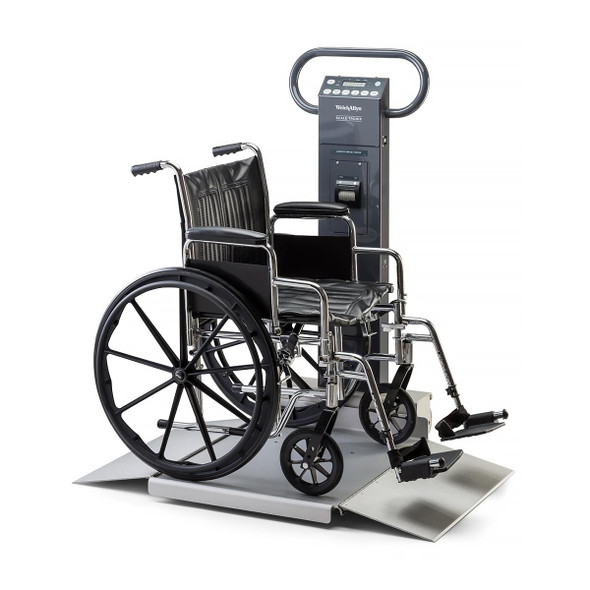
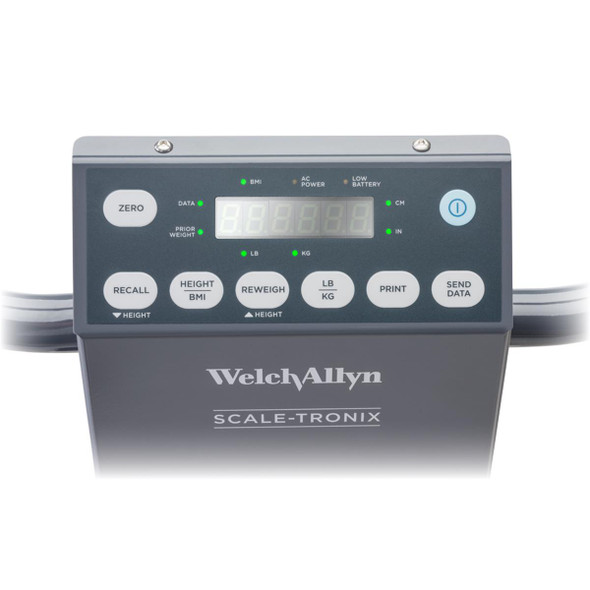
Scale-Tronix Wheelchair Scale – 880 lb Capacity, Low Ramp & Tri-Function Use for Seated and Standing Patients
Welch Allyn
$5,475.25 - $5,995.35The Scale-Tronix Wheelchair Scale provides accessible, high-capacity weighing for patients who use wheelchairs, chairs, or require stand-on support. Designed with built-in ramps and a low-profile...$5,475.25 - $5,995.35
About Scales
Scales are vital tools for weight, height, and body composition measurements in healthcare, fitness, and home settings. From precision baby scales to robust bariatric models, these devices are engineered for accuracy, durability, and ease of use. Scales serve a wide range of purposes, including monitoring patient health, managing fitness goals, and aiding in clinical diagnoses. With various designs tailored to specific needs, scales are indispensable for medical professionals, fitness enthusiasts, and caregivers alike.
Why Scales Are Essential
Scales provide essential data for assessing health, fitness, and wellness. In healthcare, they enable accurate tracking of weight trends, vital for diagnosing and treating conditions like obesity or malnutrition. In home and fitness settings, they empower users to monitor progress toward health goals, supporting a proactive approach to wellness.
Types of Scales
1. 2-Piece Remote Scales
Best for: Patients requiring remote, easy-to-read weight displays.
These scales separate the display from the weighing platform, offering convenience for users and caregivers.
Key Features
- Detachable, digital displays for remote visibility.
- Low-profile platforms for easy access.
- High weight capacities suitable for diverse users.
Applications
- Clinical settings for immobile or bedridden patients.
- Fitness centers and physical therapy clinics.
- Home use for elderly or mobility-impaired individuals.
2. Baby Scales
Best for: Monitoring infant weight and growth with precision.
Baby scales are ergonomically designed for securely weighing infants and toddlers.
Key Features
- Contoured platforms to prevent rolling or slipping.
- High accuracy for tracking even slight weight changes.
- Tare function for weighing with blankets or clothing.
Applications
- Pediatric offices for monitoring growth milestones.
- Home use for parents managing infant health.
- Neonatal intensive care units (NICUs) for premature babies.
3. Bariatric Scales
Best for: Supporting high-weight patients with stability and precision.
These heavy-duty scales are designed for individuals with obesity or larger builds.
Key Features
- High weight capacities (up to 1,000 lbs or more).
- Extra-wide platforms for added stability.
- Anti-slip surfaces for patient safety.
Applications
- Bariatric and weight-loss clinics.
- Hospitals and long-term care facilities.
- Home use for individuals undergoing weight management programs.
4. Bathroom Scales
Best for: Personal weight tracking in home settings.
Bathroom scales are simple, compact devices for everyday weight monitoring.
Key Features
- Digital or analog displays for clear readings.
- Compact, non-slip platforms for safety.
- Body composition analysis options in advanced models.
Applications
- Home use for maintaining healthy weight trends.
- Fitness enthusiasts tracking progress.
- Quick weight checks for general health awareness.
5. Beam Scales
Best for: Reliable, manual weight measurement in healthcare settings.
Beam scales feature a classic balance system for precise readings without the need for batteries.
Key Features
- Manual balance system for consistent accuracy.
- Integrated height rods for dual-functionality.
- Durable steel construction for frequent use.
Applications
- Medical clinics for patient assessments.
- Fitness and wellness centers.
- Hospitals for routine weight monitoring.
6. Bed Scales
Best for: Weighing bedridden patients without transferring them.
Bed scales are specialized devices for use with hospital beds, providing weight data directly from the bed.
Key Features
- Compatible with most hospital beds.
- High accuracy for patient monitoring.
- Easy integration with bed frames.
Applications
- ICU and critical care units for monitoring fluid retention.
- Nursing homes for immobile patients.
- Long-term care facilities.
7. Body Mass Index (BMI) Scales
Best for: Measuring both weight and body composition.
BMI scales calculate weight and height to provide a body mass index reading, essential for health assessments.
Key Features
- BMI calculation for quick health insights.
- Digital displays for weight, height, and BMI results.
- Optional body composition analysis.
Applications
- Weight-loss programs and fitness centers.
- Clinical settings for health screenings.
- Home use for wellness tracking.
8. Chair Scales
Best for: Comfortable and seated weight measurement for mobility-impaired patients.
Chair scales combine a chair and scale to offer a supportive solution for weighing seated patients.
Key Features
- Built-in armrests and footrests for comfort.
- Locking wheels for stability and portability.
- Easy-to-clean surfaces for hygiene.
Applications
- Hospitals and rehabilitation centers.
- Elderly care facilities and nursing homes.
- Home care for individuals with mobility challenges.
9. Eye-Level Digital Scales
Best for: Accurate weight readings at eye level for convenience.
Eye-level digital scales position the display at eye height for easy visibility, ideal for busy clinics.
Key Features
- Digital displays for quick, accurate readings.
- Durable, low-profile platforms.
- Optional height rods for integrated measurement.
Applications
- Hospitals and outpatient clinics.
- Fitness and wellness centers.
- Public health screenings.
10. Kitchen Scales
Best for: Precise food measurement for dietary tracking.
Kitchen scales provide highly accurate measurements for cooking and portion control.
Key Features
- Digital or analog options for weight measurement.
- Compact designs for countertop use.
- Unit conversions (grams, ounces, pounds).
Applications
- Home kitchens for meal preparation.
- Professional kitchens for ingredient precision.
- Weight-loss programs focusing on portion control.
11. Patient Lift Scales
Best for: Weighing patients during transfers.
These scales attach to patient lifts, allowing weight measurement during mobility assistance.
Key Features
- High-capacity weight measurement.
- Compatible with standard patient lifts.
- Compact and lightweight designs for portability.
Applications
- Hospitals and nursing homes.
- Long-term care facilities for bedridden patients.
- Home care with hoists or lifts.
12. Stadiometers
Best for: Accurate height measurement.
Stadiometers measure height with precision and are commonly used alongside weight measurements.
Key Features
- Sliding headpieces for consistent accuracy.
- Wall-mounted or portable designs.
- Durable materials for frequent use.
Applications
- Pediatric care for tracking growth.
- Health and wellness assessments.
- Schools and public health screenings.
13. Waist-High Digital Scales
Best for: Convenient weight measurement with mid-level displays.
These scales position the digital display at waist height for easy access and visibility.
Key Features
- Digital displays for clear, accurate readings.
- Durable platforms for long-term use.
- Optional BMI calculation features.
Applications
- Hospitals and clinics.
- Weight-loss programs and wellness centers.
- Fitness and health screenings.
14. Medical Scale Accessories
Best for: Enhancing the functionality of scales.
Accessories like scale mats, ramps, and carry cases improve the usability and safety of scales in various environments.
Options
- Ramps for wheelchair scales.
- Carrying cases for portable models.
- Cleaning supplies for hygiene maintenance.
Applications
- Enhancing patient care in clinical settings.
- Improving portability and usability for mobile healthcare.
- Maintaining scale performance in high-usage areas.
Key Features of Scales
- Accuracy: Precise weight and height measurements for reliable diagnostics.
- Variety: Multiple designs to meet specific healthcare and fitness needs.
- Durability: Built with high-quality materials for long-term use.
- User-Friendly: Easy-to-read displays and ergonomic platforms.
- Customization: Accessories and advanced features for enhanced functionality.
Benefits of Scales
1. Enhanced Health Monitoring
Track vital metrics for effective diagnosis, treatment, and fitness management.
2. Versatility
Suitable for various medical, fitness, and home environments.
3. Comfort and Safety
Designed for ease of use, even for patients with mobility challenges.
4. Long-Term Reliability
Durable, high-quality construction ensures consistent performance.
5. Cost-Effective Solutions
Reusable, reliable tools that provide value in professional and personal use.
Real-World Uses
- Healthcare Facilities: Accurate patient weight and height monitoring.
- Home Care: Tracking health and fitness progress.
- Fitness Centers: Helping users achieve weight management goals.
- Rehabilitation Centers: Assisting in patient recovery and progress tracking.
- Public Health: Screenings and health assessments.
How to Choose the Right Scale
- Purpose: Identify the specific need, such as medical, fitness, or dietary tracking.
- Weight Capacity: Select scales with appropriate capacity for users.
- Portability: Opt for lightweight models if mobility is a requirement.
- Features: Consider advanced options like BMI calculation or digital connectivity.
- Durability: Ensure materials and construction are suited for frequent use.
Frequently Asked Questions (FAQs)
1. What type of scale is best for home use?
Bathroom scales or digital BMI scales are ideal for home use.
2. Are wheelchair scales portable?
Many wheelchair scales come with ramps and compact designs, making them portable and user-friendly.
3. Do medical scales need calibration?
Yes, regular calibration ensures accuracy, especially for clinical or hospital use.
4. Can scales measure body composition?
Yes, advanced scales like BMI or digital scales offer body composition analysis features.
5. Are baby scales safe for home use?
Yes, baby scales are designed with safety features like contoured platforms and tare functions for accurate, secure measurements.
Related Products
Enhance your setup with stadiometers, BMI calculators, and patient lift systems. Visit our blog for tips on selecting the best scales for your needs.
Accurate weight and height tracking starts here. Explore our range of Scales, from baby to bariatric models, tailored for healthcare, fitness, and home use.