
Surgical Instruments
Shop By Category
-

Aspen Surgical Verity Bayonet Scissors – Straight, Fine Tip, Titanium, 8.75" Reusable, Latex-Free for Microsurgery
Aspen Surgical
$2,284.99Aspen Surgical Verity Bayonet Scissors are engineered for high-precision dissection and tissue cutting in microsurgical and neurosurgical applications. With a straight, fine-tip design and ergonomic...- SKU:
- 80-1524
$2,284.99 -


Aspen Williams Microlumbar Retractor – 70 mm x 10 mm Blade, Right or Left, Reusable and Latex-Free
Aspen Surgical
$2,271.99The Williams Microlumbar Retractor is a reusable surgical instrument designed for controlled exposure during spinal procedures. With a 70 mm x 10 mm blade, it’s available in both right- and...$2,271.99 -

Aspen Rhoton Scissors – 7″ Curved Titanium Surgical Scissors, Reusable & Latex‑Free Micro-Instrument
Aspen Surgical
$2,110.99The Aspen Rhoton Scissors deliver exceptional control for fine dissection in neurosurgery and microsurgical procedures. Designed with a curved blade and precision-balanced body, these 7″ (178 mm)...- SKU:
- 80-1721
$2,110.99 -

Aspen Rhoton Scissors – 8½″ Curved Bayonet Titanium Surgical Scissors, Reusable & Latex‑Free Tool
Aspen Surgical
$2,556.99The Aspen Rhoton Scissors are specialized for neurosurgical and microsurgical precision. With an 8½″ (216 mm) length and a curved bayonet handle, these titanium scissors offer ergonomic access and...- SKU:
- 80-1723
$2,556.99 -

Aspen Micro Straight Needle Holder – 5½″, 0.5 mm Jaw, Reusable & Latex‑Free Stainless Steel Tool
Aspen Surgical
$1,847.99The Aspen Micro Straight Needle Holder delivers dependable control for precision suturing in microsurgical applications. With its 5½″ straight body and fine 0.5 mm jaw tip, this reusable stainless...- SKU:
- 80-2002
$1,847.99 -

Aspen Micro Curved Needle Holder – 5½″, 0.5 mm Jaw, Reusable & Latex‑Free Stainless Steel Surgical Tool
Aspen Surgical
$1,859.99The Aspen Micro Curved Needle Holder is engineered for precision suturing in microsurgical settings. With a 5½″ curved design and a 0.5 mm jaw tip, this reusable instrument allows for secure needle...- SKU:
- 80-2003
$1,859.99 -

ReliaTack Reload – Articulating Fixation Device with 10 Absorbable Tacks for Laparoscopic Hernia Repair
Medtronic
$2,155.99The ReliaTack Articulating Reloadable Fixation Device is designed for precise mesh fixation in laparoscopic and open hernia repair procedures. This sterile, single-use device includes a reload...- SKU:
- RELTACK10RSW
$2,155.99 -
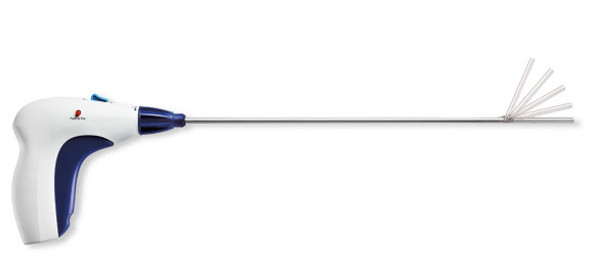
ReliaTack 8-Tack Reload – Deep Purchase Absorbable Fixation for Hernia Mesh Repair
Medtronic
$2,175.99The ReliaTack 8-Tack Deep Purchase Reload supports targeted, secure fixation of mesh to soft tissue in both minimally invasive and open hernia repairs. Designed for use with the ReliaTack™...- SKU:
- RELTACK8RDPTSW
$2,175.99
About Surgical Instruments
Surgical Instruments are specialized tools essential for performing medical procedures with precision and efficiency. These instruments are designed for a wide range of functions, from cutting and grasping to retracting and suturing, supporting healthcare professionals in achieving optimal surgical outcomes. Crafted from high-quality materials like stainless steel, titanium, or innovative medical-grade polymers, surgical instruments ensure durability, sterility, and reliability across diverse medical disciplines.
This in-depth description explores the types, features, benefits, and real-world applications of surgical instruments, ensuring you’re equipped with the knowledge to select the right tools for your healthcare needs.
Why Are Surgical Instruments Essential?
Surgical instruments are indispensable in modern healthcare. They allow surgeons to perform intricate procedures with precision, ensure patient safety, and facilitate faster recovery. Properly designed and high-quality surgical tools reduce the risk of complications, improve procedural efficiency, and enhance the overall success of medical interventions. Whether for routine outpatient care or complex, life-saving operations, surgical instruments are fundamental to delivering superior patient care.
Types of Surgical Instruments
1. Cutting and Dissecting Instruments
These tools are used for making precise incisions, dissecting tissues, or removing structures during surgery.
Examples
- Scalpels: Ultra-sharp blades available in disposable and reusable options for precise incisions.
- Surgical Scissors: Includes curved, straight, and fine-tipped scissors for tissue dissection and suture cutting.
- Bone Saws and Osteotomes: Designed for cutting through bone during orthopedic or reconstructive procedures.
Applications
- General surgery, orthopedic surgery, and plastic surgery.
- Dissecting delicate tissues or removing tumors.
Key Features
- Made from high-strength materials for sharpness and durability.
- Ergonomic handles to provide a steady grip for precision cutting.
- Available in various sizes and blade shapes to suit specific procedures.
2. Grasping and Holding Instruments
Grasping instruments provide control and precision for holding tissues, foreign objects, or surgical materials during procedures.
Examples
- Forceps: Available in various types, including dressing forceps, tissue forceps, and hemostatic forceps.
- Needle Holders: Tools for holding suturing needles securely during wound closure.
- Clamps: Instruments like mosquito clamps for securing blood vessels or tissues.
Applications
- Suturing wounds, removing foreign objects, and securing tissue during surgery.
- Manipulating delicate structures without causing trauma.
Key Features
- Non-slip, serrated tips for firm grip.
- Lightweight designs to reduce hand fatigue during prolonged procedures.
- Specialized varieties for specific tasks, such as atraumatic forceps for delicate tissues.
3. Retracting and Exposing Instruments
Retractors are critical for holding back tissues, organs, or skin to provide a clear view of the surgical site.
Examples
- Manual Retractors: Simple tools like skin hooks or Senn retractors.
- Self-Retaining Retractors: Includes Weitlaner or Balfour retractors with locking mechanisms for hands-free operation.
Applications
- Deep abdominal surgeries, orthopedic procedures, and neurological surgeries.
- Providing better access and visibility in confined surgical fields.
Key Features
- Durable construction to endure surgical stresses.
- Adjustable designs for precise positioning.
- Sterilizable materials to ensure a sterile field.
4. Clamping and Occluding Instruments
Clamping tools are essential for controlling bleeding, securing blood vessels, and occluding ducts during surgery.
Examples
- Hemostats: Used to control bleeding by clamping blood vessels.
- Vascular Clamps: Specialized clamps for arteries and veins.
- Bulldog Clamps: Temporary occlusion of blood vessels during delicate surgeries.
Applications
- Cardiovascular surgeries to control blood flow.
- General surgical procedures requiring temporary occlusion.
Key Features
- Locking mechanisms to maintain steady pressure.
- Available in atraumatic designs to prevent tissue damage.
- Lightweight and easy to maneuver.
5. Suturing and Stapling Instruments
These instruments are designed for wound closure, ensuring precise and efficient suturing or stapling.
Examples
- Surgical Staplers: Ideal for rapid wound closure.
- Suturing Needles and Holders: Designed for precision stitching in open or laparoscopic surgeries.
Applications
- General surgeries, trauma care, and cosmetic procedures.
- Suturing internal or external wounds and closing incisions.
Key Features
- Smooth operation for precise wound closure.
- Compatible with absorbable and non-absorbable sutures.
- Ergonomic designs to reduce surgeon fatigue.
6. Diagnostic and Specialized Instruments
Diagnostic instruments help evaluate tissues and structures during surgery, guiding medical professionals in performing the procedure.
Examples
- Probes: For exploring wounds or identifying foreign objects.
- Dilators: Used to widen body openings or passageways.
- Trocars: Designed for minimally invasive procedures like laparoscopic surgery.
Applications
- Assisting in diagnostic procedures during surgery.
- Facilitating minimally invasive surgical techniques.
Key Features
- Smooth finishes to reduce tissue trauma.
- Available in various sizes and shapes for specific tasks.
- Reusable and sterilizable for cost efficiency.
Key Features of Surgical Instruments
- Premium Materials: Stainless steel, titanium, or cobalt for strength, durability, and sterility.
- Precision Engineering: Designed to meet the specific needs of various surgical disciplines.
- Ergonomic Designs: Ensures comfort and reduces fatigue for surgeons during long procedures.
- Sterilizable: Reusable instruments are built to withstand repeated autoclaving or sterilization processes.
- Specialized Tools: Tailored for specific surgical needs, from general surgery to specialized fields like neurosurgery.
- Regulatory Compliance: Manufactured to meet FDA, CE, and ISO standards for safety and reliability.
Benefits of Surgical Instruments
1. Precision and Accuracy
Well-designed instruments allow surgeons to perform delicate procedures with high accuracy, reducing risks and improving outcomes.
2. Enhanced Patient Safety
Quality instruments minimize trauma and ensure the safety of patients during complex procedures.
3. Long-Term Value
Durable and reusable instruments reduce long-term costs while maintaining reliability.
4. Versatility
Instruments cater to a variety of medical disciplines, including general surgery, orthopedics, neurosurgery, and more.
5. Efficiency in the OR
Ergonomic and functional designs streamline surgical workflows, saving time and effort for medical teams.
Real-World Applications
1. Hospitals and Surgical Centers
- Performing routine and specialized surgeries.
- Providing safe and effective tools for operating room staff.
2. Clinics and Outpatient Facilities
- Supporting minor procedures like biopsies or wound care.
- Equipping staff with diagnostic and suturing tools.
3. Veterinary Medicine
- Conducting surgical procedures on animals, including spaying, neutering, and fracture repair.
4. Specialty Fields
- Tools tailored for fields like cardiovascular, orthopedic, and cosmetic surgery.
5. Educational and Training Institutions
- Providing students with high-quality instruments for learning and practice.
Frequently Asked Questions (FAQs)
1. How are surgical instruments cleaned?
Instruments are typically cleaned using enzymatic detergents followed by sterilization in an autoclave or chemical disinfectant.
2. What’s the lifespan of surgical instruments?
With proper care and maintenance, surgical instruments can last for years, depending on the material and usage frequency.
3. Can instruments be customized?
Yes, many manufacturers offer custom designs or kits tailored to specific surgical needs.
4. How can I identify the right instrument for my procedure?
Consulting with manufacturers or surgical supply experts can help match instruments to specific procedural requirements.
5. Are disposable instruments available?
Yes, single-use instruments are available for specific applications, particularly in emergency or high-contamination scenarios.
Equip your facility with high-quality Surgical Instruments for precision, safety, and efficiency. Explore cutting-edge tools tailored to general and specialized surgeries, ensuring optimal outcomes for your patients.