
Bandages
Bandages are essential wound care products used to protect, secure, and support injuries of all kinds. Whether treating a small cut, sprain, or post-surgical wound, bandages help safeguard the affected area, promote healing, and provide comfort during recovery. They are a staple in first aid kits, hospitals, and households, offering a variety of options tailored for specific needs. From adhesive bandages to elastic wraps, bandages ensure that wounds remain clean, secure, and well-supported.
Why Are Bandages Important?
Bandages play a critical role in wound care for the following reasons:
- Protection: They shield wounds from dirt, bacteria, and external elements, reducing the risk of infection.
- Stability: Bandages provide support to injured areas, preventing further damage or irritation.
- Secure Dressings: They hold dressings, gauze, or ointments in place, ensuring effective treatment.
- Comfort: Soft and flexible materials reduce discomfort and protect sensitive areas during healing.
Types of Bandages
1. Adhesive Bandages
Adhesive bandages, commonly known as "band-aids," are small, pre-packaged dressings with an adhesive backing. They are ideal for everyday use and minor injuries.
Key Features:
- A built-in pad covers and protects the wound.
- Available in various sizes, shapes, and materials.
- Easy to apply and remove.
Best Uses:
- Minor cuts, scrapes, and abrasions.
- Blisters or small puncture wounds.
Advantages:
- Convenient and disposable.
- Portable and ideal for first aid kits.
2. Elastic Bandages (Compression Wraps)
Elastic bandages are stretchable wraps used to provide compression and support for sprains, strains, and joint injuries.
Key Features:
- Reusable and adjustable for a customized fit.
- Made from durable, stretchy fabric.
- Often equipped with clips or Velcro for secure fastening.
Best Uses:
- Supporting sprained ankles or wrists.
- Reducing swelling in injured areas.
- Securing ice packs or other cold therapy applications.
Advantages:
- Offers adjustable compression for stability.
- Durable and reusable for long-term use.
3. Cohesive Bandages
Cohesive bandages stick to themselves but not to the skin, hair, or wound. They are commonly used in sports medicine and veterinary care.
Key Features:
- Lightweight, stretchy material.
- Adheres to itself without additional fasteners.
- Comfortable and breathable.
Best Uses:
- Wrapping fingers, toes, or other areas prone to movement.
- Securing dressings or splints.
- Providing light compression for swelling or minor injuries.
Advantages:
- Non-sticky and pain-free removal.
- Flexible and easy to apply.
4. Tubular Bandages
Tubular bandages are seamless, elastic bandages that provide even pressure and support for limbs or joints.
Key Features:
- Cylindrical and slip-on design.
- Stretches to fit various body parts.
- Provides uniform compression and protection.
Best Uses:
- Protecting burns, cuts, or skin conditions.
- Supporting sprains or muscle injuries.
- Securing bulky dressings.
Advantages:
- No need for clips, tape, or fasteners.
- Comfortable for long-term wear.
5. Triangle Bandages
Triangle bandages are multi-purpose cloth bandages often used as slings or to secure larger dressings.
Key Features:
- Made from durable fabric, often cotton or muslin.
- Large, triangular shape for versatility.
- Can be used with safety pins to secure.
Best Uses:
- Creating slings for arm or shoulder injuries.
- Emergency first aid for stabilizing broken bones.
- Securing bulky or large dressings.
Advantages:
- Highly versatile for emergency use.
- Washable and reusable.
6. Hydrocolloid Bandages
Hydrocolloid bandages are advanced adhesive bandages that promote moist healing environments for faster recovery.
Key Features:
- Made with gel-forming agents to maintain moisture.
- Waterproof and long-lasting.
- Designed to reduce scarring.
Best Uses:
- Blisters or minor burns.
- Small wounds prone to dryness or irritation.
- Healing wounds that require a moist environment.
Advantages:
- Enhances healing while protecting the wound.
- Stays in place for several days.
7. Bandage Strips and Rolls
Bandage strips and rolls are versatile fabric or paper-based products that can be cut to size for customized wound care.
Key Features:
- Available in rolls or pre-cut strips.
- Lightweight, breathable material.
- Works well with antiseptics or gauze dressings.
Best Uses:
- Covering and securing large or irregularly shaped wounds.
- Supporting gauze pads or packing material.
Advantages:
- Customizable for unique wound shapes.
- Affordable and easy to use.
Benefits of Bandages
- Versatility: Bandages are suitable for a wide range of injuries, from minor scrapes to sprains and complex wounds.
- Ease of Use: Most bandages are simple to apply, even without professional assistance.
- Affordability: Bandages are cost-effective solutions for everyday wound care.
- Enhanced Healing: Advanced bandages like hydrocolloid options promote faster recovery.
- Comfort and Security: Materials are designed to reduce discomfort and stay in place during movement.
Common Use Cases for Bandages
- Minor Injuries: Adhesive bandages are perfect for quick treatment of everyday cuts, scrapes, and blisters.
- Sports Injuries: Elastic and cohesive bandages provide support and compression for sprains and strains.
- Post-Surgery Care: Bandage rolls and strips secure dressings for surgical wounds.
- Emergency Care: Triangle bandages stabilize injuries in first aid scenarios.
- Specialized Wounds: Hydrocolloid bandages protect blisters and burns while promoting healing.
FAQs: Bandages
Q: Can I reuse bandages?
A: Most adhesive and disposable bandages are single-use, but elastic wraps, cohesive bandages, and triangle bandages can be washed and reused.
Q: How often should I change a bandage?
A: Change bandages daily or whenever they become wet, dirty, or lose adhesion.
Q: Are bandages waterproof?
A: Many adhesive and hydrocolloid bandages are waterproof, while others like fabric bandages may not be. Always check the product label.
Q: What’s the difference between cohesive and elastic bandages?
A: Cohesive bandages stick to themselves without adhesives, while elastic bandages rely on fasteners like clips or Velcro.
Bandages are a cornerstone of effective wound care, offering protection, support, and comfort for injuries of all types. From adhesive strips for minor cuts to elastic wraps for joint injuries, there’s a bandage for every need. By selecting the right type of bandage, you can ensure optimal healing and safety for both everyday use and emergency care.
-
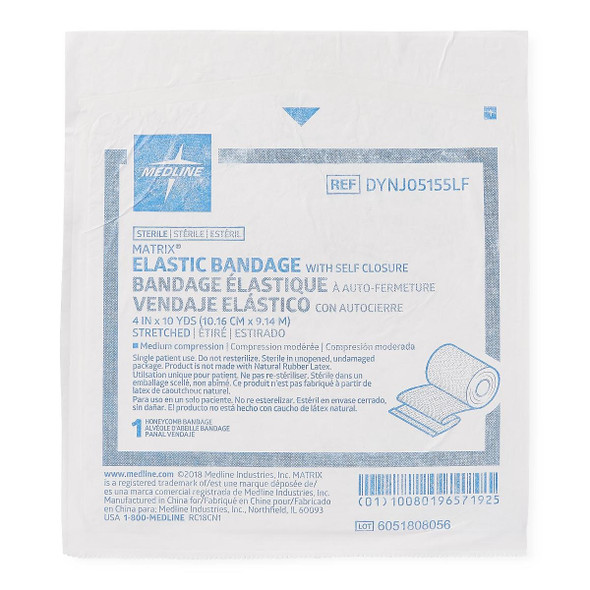
Medline Matrix Elastic Bandage – 4 Inch x 10 Yard, Case of 20
Medline
$265.99Medline Matrix Elastic Bandages wrap and support at 4 inches by 10 yards in a latex-free elastic bandage. The long 10 yard roll covers large areas and full limb wraps without a second roll.Medline...- SKU:
- DYNJ05155LF
- Manufacturer:
- Medline
- Packaging:
- CS / 20
$265.99 -

Medline Medtoons Adhesive Bandage Strips – 3/4 x 3 Inch, Box of 50
Medline
$18.99Medline Medtoons Adhesive Bandage Strips cover small cuts and scrapes with cartoon-print strips at 3/4 x 3 inches. The playful print makes routine wound cover easier for young patients.Medline...- SKU:
- NON256130
- Manufacturer:
- Medline
- Packaging:
- BX / 50
$18.99 -
Hopkins Cohesive Bandage – Tan – Self-Adherent Wrap – Secures Dressings Without Clips
Hopkins Medical Products
$51.99The Hopkins Cohesive Bandage sticks to itself, not to skin or hair, so dressings stay secured without tape or clips. The tan wrap conforms to awkward joints and is a staple of wound care, sports kits...- SKU:
- 619713
- Manufacturer:
- Hopkins Medical Products
- Packaging:
- EA / 1
$51.99 -
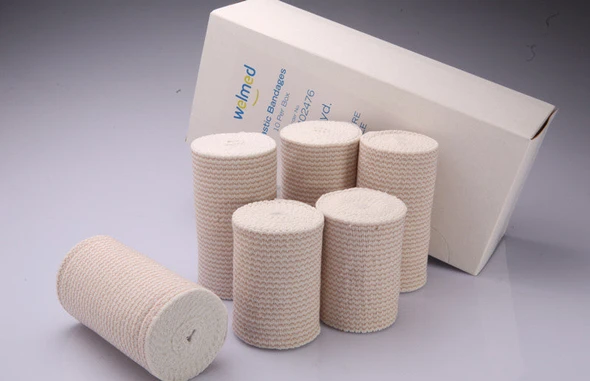
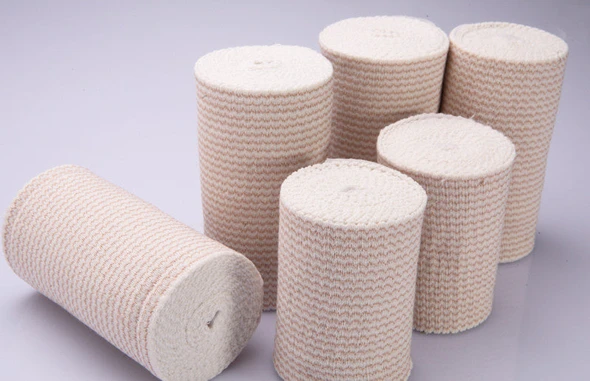
Welmed Premium Weave Elastic Bandage, Self Closure – Non-Sterile, 2 to 6 Inch Widths
Welmed
$110.99 - $322.99The Premium Weave Elastic Bandage is a non-sterile elastic wrap with a self closure that fastens without clips or tape. The premium weave holds its tension through wear, and the line runs from a 2...- Packaging:
- CS / 48, CS / 60
$110.99 - $322.99 -
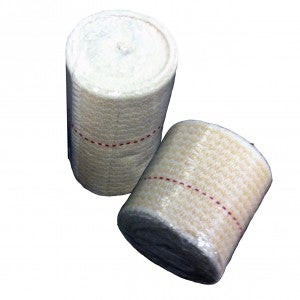

CNF Medical Elastic Bandage with Velcro Closure – Beige Compression Wrap, Box of 10 Rolls
Carolina Narrow Fabric
$46.99 - $115.99The CNF Medical Elastic Bandage with Velcro Closure secures itself, so there are no metal clips to lose, snag or dig into the patient. The beige wrap does the everyday work of elastic bandages:...- Packaging:
- BX / 10
$46.99 - $115.99 -
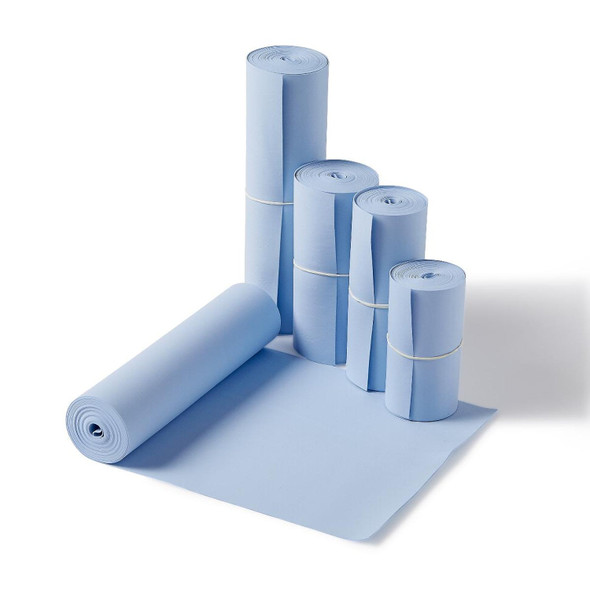
Trinity Sterile Esmark Bandage – Sterile, Blue, 3 Inch x 4 Yard, Case of 20
Trinity Sterile
$161.99The Trinity Sterile Esmark Bandage gives the surgical team a sterile, ready roll for compression and limb exsanguination without a reprocessing step. The stretchy blue roll applies even pressure...- SKU:
- 99300
$161.99 -
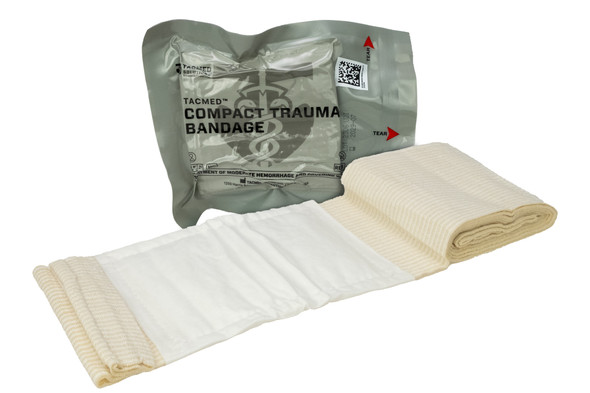
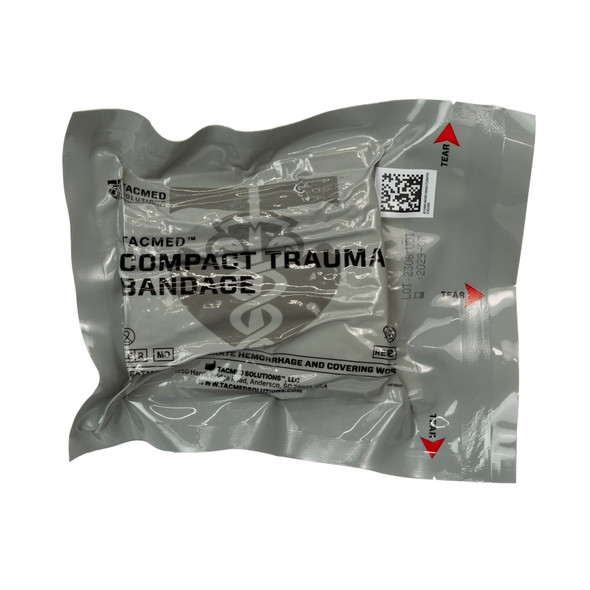
Compact Trauma Bandage – Sterile Pressure Bandage, Flat Folded and Vacuum Sealed
Tactical Medical Solutions
$25.99The Compact Trauma Bandage folds a sterile pressure bandage down to pocket size, so bleeding control fits the kits and uniforms that a full size bandage cannot. Flat folded and vacuum sealed, it...- SKU:
- CTB
$25.99 -
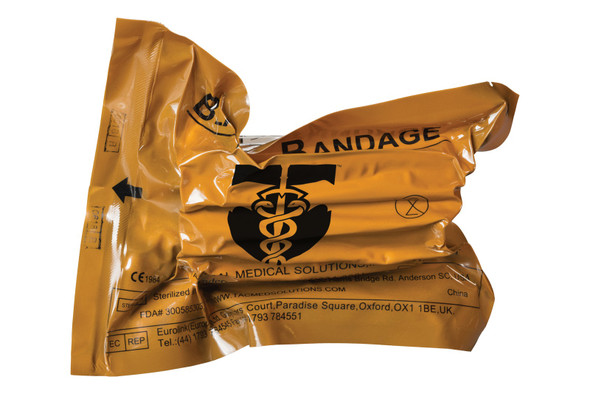

BLAST Bandage – Large Wound Bandage with 19.5 Inch Pad and Removable Occlusive Sheet
Tactical Medical Solutions
$40.99The BLAST Bandage covers the wounds a standard pressure bandage cannot, with a 19.5 inch non-adherent pad that treats a 20 by 20 inch area. It was designed for traumatic amputations, burns and large...- SKU:
- BLAST
$40.99 -
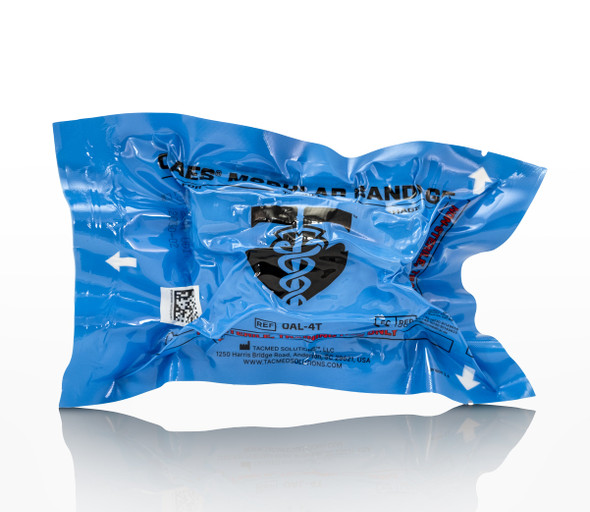
OLAES Modular Bandage Trainer – Non-Sterile Training Bandage for Skills Practice
Tactical Medical Solutions
$26.99The OLAES Modular Bandage Trainer is the non-sterile training version of the OLAES Modular Bandage, built so classes can practice the full application sequence without opening sterile stock. Its...- SKU:
- OAL-4T
$26.99 -
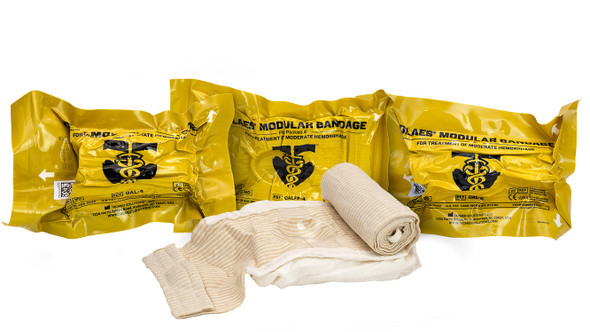

OLAES Modular Bandage – Emergency Pressure Bandage with Gauze and Occlusive Sheet
Tactical Medical Solutions
$24.99 - $31.99The OLAES Modular Bandage is a modular emergency pressure bandage that packs wound gauze, an occlusive sheet and a pressure cup into one vacuum sealed pouch. Three sizes, including a flat packed...$24.99 - $31.99 -
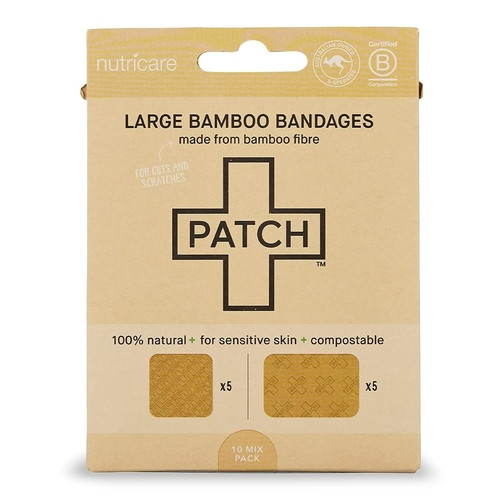
Nutricare PATCH Large Natural Bamboo Bandages – Square and Rectangle Shapes, Case of 30 Packs
Nutricare
$388.99The Nutricare PATCH Large Natural Bamboo Bandages cover bigger scrapes with two large shapes in every pack. Each pack holds 10 bandages, five square and five rectangle, and the case carries 30 packs...- SKU:
- PATNALFCT
$388.99 -
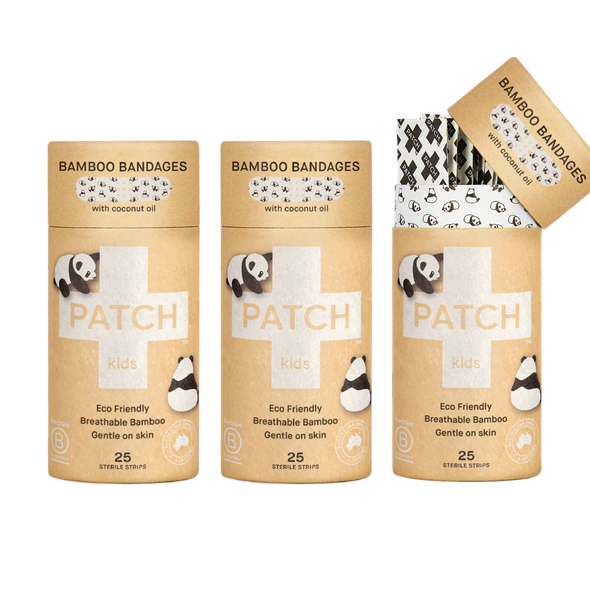
Nutricare PATCH Kids Coconut Oil Bamboo Bandages – Panda Print, Box of 3 Tubes
Nutricare
$62.99The Nutricare PATCH Kids Coconut Oil Bamboo Bandages pack three tubes of panda print strips for families that go through bandages fast. Each tube holds 25 sterile strips, for 75 in the box. The...- SKU:
- PATCOCT
$62.99 -
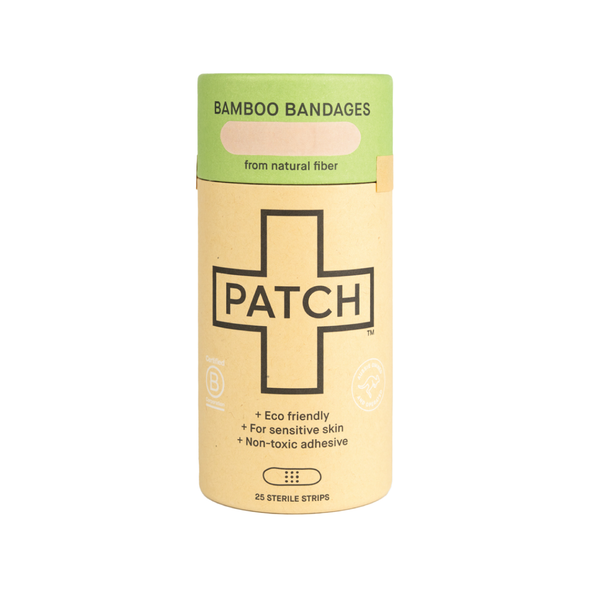
Nutricare PATCH Natural Bamboo Bandages – Case of 24 Tubes, 600 Strips
Nutricare
$286.99The Nutricare PATCH Natural Bamboo Bandages stock a clinic, school or worksite with 24 tubes of plain bamboo strips. Each tube holds 25 sterile strips, so staff always have a gentle option ready for...- SKU:
- PATNACT
$286.99 -

Nutricare PATCH Kids Coconut Oil Bamboo Bandages – Panda Print, Tube of 25 Strips
Nutricare
$29.99The Nutricare PATCH Kids Coconut Oil Bamboo Bandages cover minor cuts and scrapes with a soft bamboo strip that suits sensitive young skin. The panda print turns a small injury into a calmer moment,...- SKU:
- 35134700009
$29.99 -
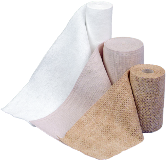
DeRoyal DeWrap Three-Layer Compression System – Graduated Compression – Not Made With Latex
DeRoyal
$260.99The DeWrap Three-Layer Compression System delivers sustained, graduated compression to the lower leg as a coordinated three-bandage system. Each layer has its own job, from the absorbent layer...- SKU:
- 46-333
$260.99 -
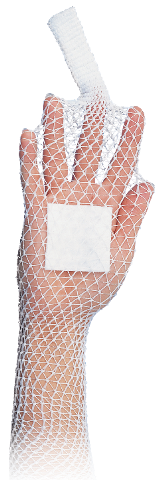
DeRoyal Stretch Net Tubular Elastic Bandage – Dressing Retention Without Tape – Two Lengths
DeRoyal
$36.99 - $373.99The Stretch Net Tubular Elastic Bandage holds dressings securely in place without tape, sliding over the site as a tubular elastic net. It is made for patients with fragile skin or tape allergies,...$36.99 - $373.99 -


Dynarex Elastic Bandages – Polyester, Spandex Construction – Latex-Free – Case of 50
Dynarex
$32.99 - $167.99The Dynarex Elastic Bandages is Dynarex's answer for care teams that need a polyester, spandex construction without extra fuss. Dynarex Elastic Wrap Bandages feature premium-quality elastic materials...$32.99 - $167.99 -


Dynarex CSR Wraps – Case of 250
Dynarex
$240.99 - $359.99The Dynarex CSR Wraps brings a range of 4 sizes and configurations to a product category where reliability matters more than novelty. Designed to wrap and protect medical instruments during...$240.99 - $359.99 -


Dynarex Sheer Plastic Adhesive Bandages – Latex-Free – Case of 24
Dynarex
$16.99 - $223.99The Dynarex Sheer Plastic Adhesive Bandages pairs a range of 4 sizes and configurations with the straightforward handling busy care settings demand. Dynarex DynaSafety Sheer Plastic Adhesive Bandages...$16.99 - $223.99 -


Dynarex Krinkle Gauze Roll – 100% Cotton Construction – Latex-Free – Case of 100
Dynarex
$38.99 - $207.99The Dynarex Krinkle Gauze Roll pairs a 100% cotton construction with the straightforward handling busy care settings demand. Dynarex Krinkle Gauze Rolls and Sponges are highly absorbent 100% cotton...$38.99 - $207.99
About Bandages
Bandages are essential wound care products used to protect, secure, and support injuries of all kinds. Whether treating a small cut, sprain, or post-surgical wound, bandages help safeguard the affected area, promote healing, and provide comfort during recovery. They are a staple in first aid kits, hospitals, and households, offering a variety of options tailored for specific needs. From adhesive bandages to elastic wraps, bandages ensure that wounds remain clean, secure, and well-supported.
Why Are Bandages Important?
Bandages play a critical role in wound care for the following reasons:
- Protection: They shield wounds from dirt, bacteria, and external elements, reducing the risk of infection.
- Stability: Bandages provide support to injured areas, preventing further damage or irritation.
- Secure Dressings: They hold dressings, gauze, or ointments in place, ensuring effective treatment.
- Comfort: Soft and flexible materials reduce discomfort and protect sensitive areas during healing.
Types of Bandages
1. Adhesive Bandages
Adhesive bandages, commonly known as "band-aids," are small, pre-packaged dressings with an adhesive backing. They are ideal for everyday use and minor injuries.
Key Features:
- A built-in pad covers and protects the wound.
- Available in various sizes, shapes, and materials.
- Easy to apply and remove.
Best Uses:
- Minor cuts, scrapes, and abrasions.
- Blisters or small puncture wounds.
Advantages:
- Convenient and disposable.
- Portable and ideal for first aid kits.
2. Elastic Bandages (Compression Wraps)
Elastic bandages are stretchable wraps used to provide compression and support for sprains, strains, and joint injuries.
Key Features:
- Reusable and adjustable for a customized fit.
- Made from durable, stretchy fabric.
- Often equipped with clips or Velcro for secure fastening.
Best Uses:
- Supporting sprained ankles or wrists.
- Reducing swelling in injured areas.
- Securing ice packs or other cold therapy applications.
Advantages:
- Offers adjustable compression for stability.
- Durable and reusable for long-term use.
3. Cohesive Bandages
Cohesive bandages stick to themselves but not to the skin, hair, or wound. They are commonly used in sports medicine and veterinary care.
Key Features:
- Lightweight, stretchy material.
- Adheres to itself without additional fasteners.
- Comfortable and breathable.
Best Uses:
- Wrapping fingers, toes, or other areas prone to movement.
- Securing dressings or splints.
- Providing light compression for swelling or minor injuries.
Advantages:
- Non-sticky and pain-free removal.
- Flexible and easy to apply.
4. Tubular Bandages
Tubular bandages are seamless, elastic bandages that provide even pressure and support for limbs or joints.
Key Features:
- Cylindrical and slip-on design.
- Stretches to fit various body parts.
- Provides uniform compression and protection.
Best Uses:
- Protecting burns, cuts, or skin conditions.
- Supporting sprains or muscle injuries.
- Securing bulky dressings.
Advantages:
- No need for clips, tape, or fasteners.
- Comfortable for long-term wear.
5. Triangle Bandages
Triangle bandages are multi-purpose cloth bandages often used as slings or to secure larger dressings.
Key Features:
- Made from durable fabric, often cotton or muslin.
- Large, triangular shape for versatility.
- Can be used with safety pins to secure.
Best Uses:
- Creating slings for arm or shoulder injuries.
- Emergency first aid for stabilizing broken bones.
- Securing bulky or large dressings.
Advantages:
- Highly versatile for emergency use.
- Washable and reusable.
6. Hydrocolloid Bandages
Hydrocolloid bandages are advanced adhesive bandages that promote moist healing environments for faster recovery.
Key Features:
- Made with gel-forming agents to maintain moisture.
- Waterproof and long-lasting.
- Designed to reduce scarring.
Best Uses:
- Blisters or minor burns.
- Small wounds prone to dryness or irritation.
- Healing wounds that require a moist environment.
Advantages:
- Enhances healing while protecting the wound.
- Stays in place for several days.
7. Bandage Strips and Rolls
Bandage strips and rolls are versatile fabric or paper-based products that can be cut to size for customized wound care.
Key Features:
- Available in rolls or pre-cut strips.
- Lightweight, breathable material.
- Works well with antiseptics or gauze dressings.
Best Uses:
- Covering and securing large or irregularly shaped wounds.
- Supporting gauze pads or packing material.
Advantages:
- Customizable for unique wound shapes.
- Affordable and easy to use.
Benefits of Bandages
- Versatility: Bandages are suitable for a wide range of injuries, from minor scrapes to sprains and complex wounds.
- Ease of Use: Most bandages are simple to apply, even without professional assistance.
- Affordability: Bandages are cost-effective solutions for everyday wound care.
- Enhanced Healing: Advanced bandages like hydrocolloid options promote faster recovery.
- Comfort and Security: Materials are designed to reduce discomfort and stay in place during movement.
Common Use Cases for Bandages
- Minor Injuries: Adhesive bandages are perfect for quick treatment of everyday cuts, scrapes, and blisters.
- Sports Injuries: Elastic and cohesive bandages provide support and compression for sprains and strains.
- Post-Surgery Care: Bandage rolls and strips secure dressings for surgical wounds.
- Emergency Care: Triangle bandages stabilize injuries in first aid scenarios.
- Specialized Wounds: Hydrocolloid bandages protect blisters and burns while promoting healing.
FAQs: Bandages
Q: Can I reuse bandages?
A: Most adhesive and disposable bandages are single-use, but elastic wraps, cohesive bandages, and triangle bandages can be washed and reused.
Q: How often should I change a bandage?
A: Change bandages daily or whenever they become wet, dirty, or lose adhesion.
Q: Are bandages waterproof?
A: Many adhesive and hydrocolloid bandages are waterproof, while others like fabric bandages may not be. Always check the product label.
Q: What’s the difference between cohesive and elastic bandages?
A: Cohesive bandages stick to themselves without adhesives, while elastic bandages rely on fasteners like clips or Velcro.
Bandages are a cornerstone of effective wound care, offering protection, support, and comfort for injuries of all types. From adhesive strips for minor cuts to elastic wraps for joint injuries, there’s a bandage for every need. By selecting the right type of bandage, you can ensure optimal healing and safety for both everyday use and emergency care.
Frequently Asked Questions About Bandages
1. How do I choose the right bandage for my wound?
Adhesive Bandages: Best for minor cuts and scrapes. They come in various sizes and shapes for different wound locations.
Elastic Bandages: Provide support and compression for sprains or strains. They are adjustable and can be used to secure dressings in place.
Cohesive Bandages: Stick to themselves but not to the skin, making them ideal for wrapping areas where you need flexibility and comfort.