
Bandages
Bandages are essential wound care products used to protect, secure, and support injuries of all kinds. Whether treating a small cut, sprain, or post-surgical wound, bandages help safeguard the affected area, promote healing, and provide comfort during recovery. They are a staple in first aid kits, hospitals, and households, offering a variety of options tailored for specific needs. From adhesive bandages to elastic wraps, bandages ensure that wounds remain clean, secure, and well-supported.
Why Are Bandages Important?
Bandages play a critical role in wound care for the following reasons:
- Protection: They shield wounds from dirt, bacteria, and external elements, reducing the risk of infection.
- Stability: Bandages provide support to injured areas, preventing further damage or irritation.
- Secure Dressings: They hold dressings, gauze, or ointments in place, ensuring effective treatment.
- Comfort: Soft and flexible materials reduce discomfort and protect sensitive areas during healing.
Types of Bandages
1. Adhesive Bandages
Adhesive bandages, commonly known as "band-aids," are small, pre-packaged dressings with an adhesive backing. They are ideal for everyday use and minor injuries.
Key Features:
- A built-in pad covers and protects the wound.
- Available in various sizes, shapes, and materials.
- Easy to apply and remove.
Best Uses:
- Minor cuts, scrapes, and abrasions.
- Blisters or small puncture wounds.
Advantages:
- Convenient and disposable.
- Portable and ideal for first aid kits.
2. Elastic Bandages (Compression Wraps)
Elastic bandages are stretchable wraps used to provide compression and support for sprains, strains, and joint injuries.
Key Features:
- Reusable and adjustable for a customized fit.
- Made from durable, stretchy fabric.
- Often equipped with clips or Velcro for secure fastening.
Best Uses:
- Supporting sprained ankles or wrists.
- Reducing swelling in injured areas.
- Securing ice packs or other cold therapy applications.
Advantages:
- Offers adjustable compression for stability.
- Durable and reusable for long-term use.
3. Cohesive Bandages
Cohesive bandages stick to themselves but not to the skin, hair, or wound. They are commonly used in sports medicine and veterinary care.
Key Features:
- Lightweight, stretchy material.
- Adheres to itself without additional fasteners.
- Comfortable and breathable.
Best Uses:
- Wrapping fingers, toes, or other areas prone to movement.
- Securing dressings or splints.
- Providing light compression for swelling or minor injuries.
Advantages:
- Non-sticky and pain-free removal.
- Flexible and easy to apply.
4. Tubular Bandages
Tubular bandages are seamless, elastic bandages that provide even pressure and support for limbs or joints.
Key Features:
- Cylindrical and slip-on design.
- Stretches to fit various body parts.
- Provides uniform compression and protection.
Best Uses:
- Protecting burns, cuts, or skin conditions.
- Supporting sprains or muscle injuries.
- Securing bulky dressings.
Advantages:
- No need for clips, tape, or fasteners.
- Comfortable for long-term wear.
5. Triangle Bandages
Triangle bandages are multi-purpose cloth bandages often used as slings or to secure larger dressings.
Key Features:
- Made from durable fabric, often cotton or muslin.
- Large, triangular shape for versatility.
- Can be used with safety pins to secure.
Best Uses:
- Creating slings for arm or shoulder injuries.
- Emergency first aid for stabilizing broken bones.
- Securing bulky or large dressings.
Advantages:
- Highly versatile for emergency use.
- Washable and reusable.
6. Hydrocolloid Bandages
Hydrocolloid bandages are advanced adhesive bandages that promote moist healing environments for faster recovery.
Key Features:
- Made with gel-forming agents to maintain moisture.
- Waterproof and long-lasting.
- Designed to reduce scarring.
Best Uses:
- Blisters or minor burns.
- Small wounds prone to dryness or irritation.
- Healing wounds that require a moist environment.
Advantages:
- Enhances healing while protecting the wound.
- Stays in place for several days.
7. Bandage Strips and Rolls
Bandage strips and rolls are versatile fabric or paper-based products that can be cut to size for customized wound care.
Key Features:
- Available in rolls or pre-cut strips.
- Lightweight, breathable material.
- Works well with antiseptics or gauze dressings.
Best Uses:
- Covering and securing large or irregularly shaped wounds.
- Supporting gauze pads or packing material.
Advantages:
- Customizable for unique wound shapes.
- Affordable and easy to use.
Benefits of Bandages
- Versatility: Bandages are suitable for a wide range of injuries, from minor scrapes to sprains and complex wounds.
- Ease of Use: Most bandages are simple to apply, even without professional assistance.
- Affordability: Bandages are cost-effective solutions for everyday wound care.
- Enhanced Healing: Advanced bandages like hydrocolloid options promote faster recovery.
- Comfort and Security: Materials are designed to reduce discomfort and stay in place during movement.
Common Use Cases for Bandages
- Minor Injuries: Adhesive bandages are perfect for quick treatment of everyday cuts, scrapes, and blisters.
- Sports Injuries: Elastic and cohesive bandages provide support and compression for sprains and strains.
- Post-Surgery Care: Bandage rolls and strips secure dressings for surgical wounds.
- Emergency Care: Triangle bandages stabilize injuries in first aid scenarios.
- Specialized Wounds: Hydrocolloid bandages protect blisters and burns while promoting healing.
FAQs: Bandages
Q: Can I reuse bandages?
A: Most adhesive and disposable bandages are single-use, but elastic wraps, cohesive bandages, and triangle bandages can be washed and reused.
Q: How often should I change a bandage?
A: Change bandages daily or whenever they become wet, dirty, or lose adhesion.
Q: Are bandages waterproof?
A: Many adhesive and hydrocolloid bandages are waterproof, while others like fabric bandages may not be. Always check the product label.
Q: What’s the difference between cohesive and elastic bandages?
A: Cohesive bandages stick to themselves without adhesives, while elastic bandages rely on fasteners like clips or Velcro.
Bandages are a cornerstone of effective wound care, offering protection, support, and comfort for injuries of all types. From adhesive strips for minor cuts to elastic wraps for joint injuries, there’s a bandage for every need. By selecting the right type of bandage, you can ensure optimal healing and safety for both everyday use and emergency care.
-


Bioseal Elastic Bands - #8 – Sterile, Latex-Free, Case of 100
Bioseal
$150.99The Bioseal Elastic Bands - #8 is a sterile elastic bands from Bioseal, supplied 2 per pack 100 packs per case. It is built for securing, bundling and marking items in sterile processing and...- SKU:
- BIO-14002
$150.99 -


Bioseal Elastic Bands - #32 – Sterile, Latex-Free, Case of 100
Bioseal
$170.99The Bioseal Elastic Bands - #32 is a sterile elastic bands from Bioseal, supplied 2 per pack 100 packs per case. Bioseal packages it for securing, bundling and marking items in sterile processing and...- SKU:
- 14602
$170.99 -
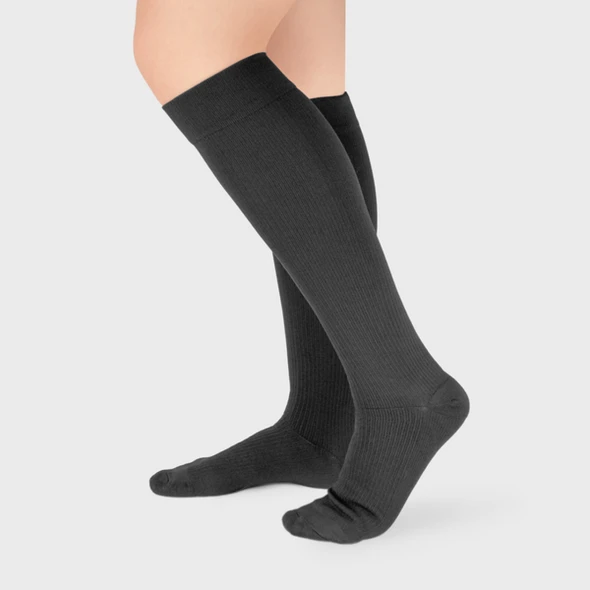
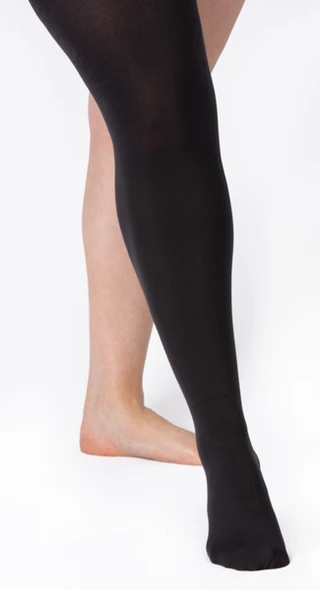
ReadyWrap Compression Liner – Below Knee, Black – XL to XXL, One Pair
Lohmann & Rauscher
$69.99The ReadyWrap Liner is a below knee liner worn under compression wraps to protect the skin and hold dressings in place. This listing is the XL to XXL size in black, sold as one pair, and it adds no...- SKU:
- 149033
$69.99 -

ReadyWrap Extender Strap – Adds 10 cm to Wrap Straps – For Calf, Knee and Thigh Units
Lohmann & Rauscher
$64.99The ReadyWrap Extender Strap adds 10 cm of length to the straps of a calf, knee or thigh unit, so a wrap that is nearly right does not have to be replaced. Its Y clamp design grips the existing strap...- SKU:
- 304399
$64.99 -
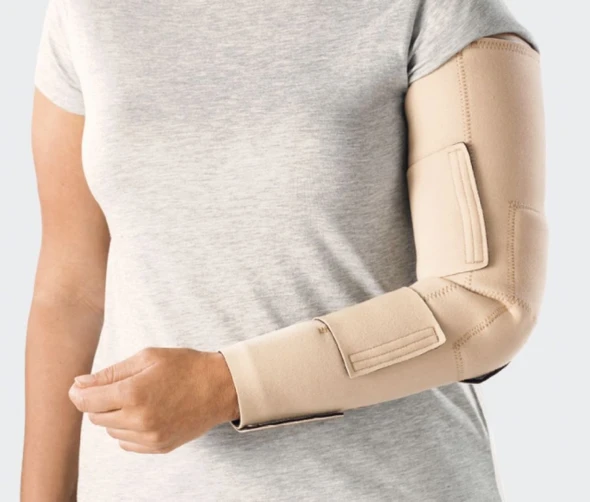
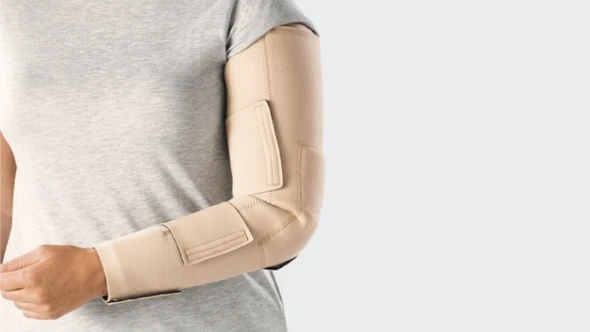
ReadyWrap Arm Adjustable Compression Wrap – X-Large, Tall (49 cm) – Beige, Bilateral
Lohmann & Rauscher
$267.99The ReadyWrap Arm is an adjustable compression unit for the arm, in an X-Large Tall size that fits either the left or the right arm. A double-sewn liner lets the wearer slide the garment on with one...- SKU:
- 104524
$267.99 -

ReadyWrap Gauntlet Adjustable Compression Wrap – Hand and Wrist Coverage – Beige
Lohmann & Rauscher
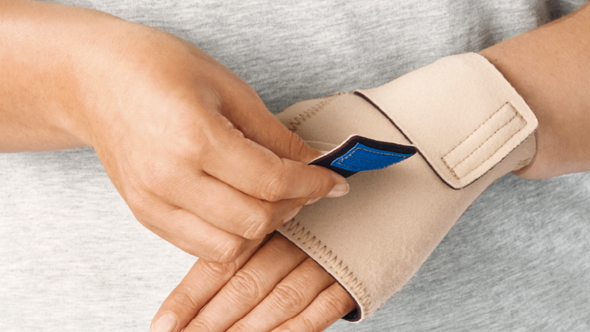
$108.99 - $115.99The ReadyWrap Gauntlet is an adjustable compression unit for the hand and wrist, the area arm garments leave uncovered. Built in padding cushions the palm and the back of the hand, and a pocket...$108.99 - $115.99 -
ReadyWrap Thigh Adjustable Compression Wrap – Low-Stretch – Beige or Black, Two Lengths
Lohmann & Rauscher
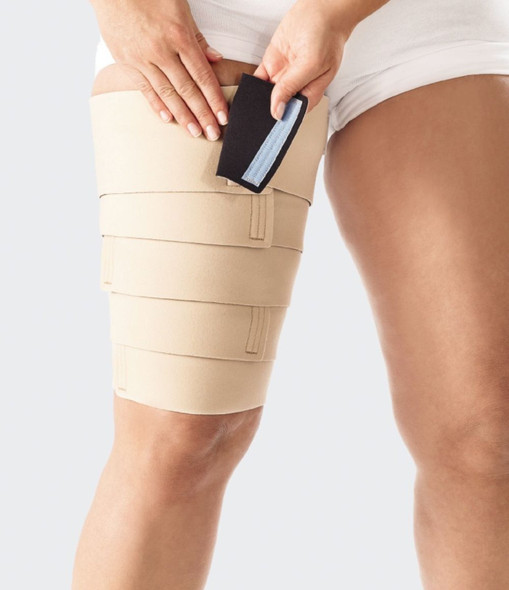
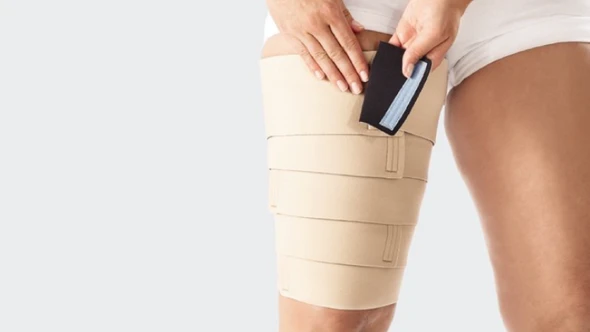
$281.99The ReadyWrap Thigh is an adjustable compression unit for the upper leg, built to stay in place on straight and conical thighs alike. A proximal strap at the top accommodates the thigh shape, which...$281.99 -

ReadyWrap Knee Adjustable Compression Wrap – Three-Strap Design – Beige
Lohmann & Rauscher
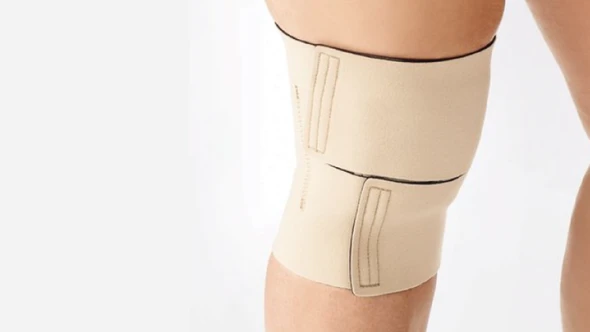
$145.99The ReadyWrap Knee is an adjustable compression unit that bridges the calf and thigh, covering the knee joint that separate garments leave exposed. Its easy three-strap design was shaped to reduce...$145.99 -
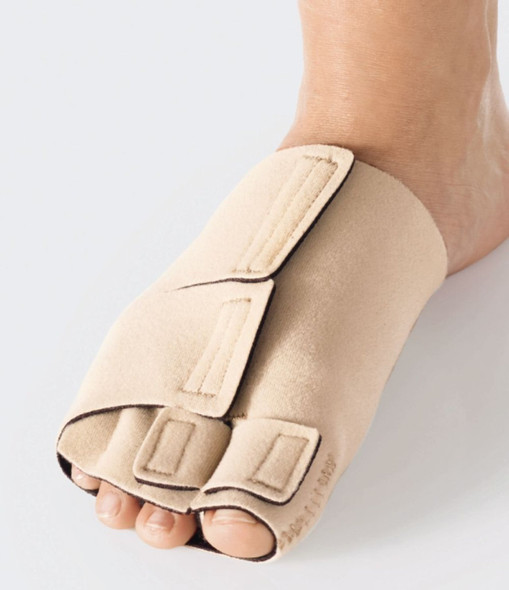

ReadyWrap Toe Adjustable Compression Wrap – Digit Spacers – Beige, Left or Right
Lohmann & Rauscher
$165.99The ReadyWrap Toe is an adjustable compression unit made for the toes, the part of the foot that standard wraps and hosiery leave unmanaged. Individual straps let each toe girth be set on its own,...$165.99 -
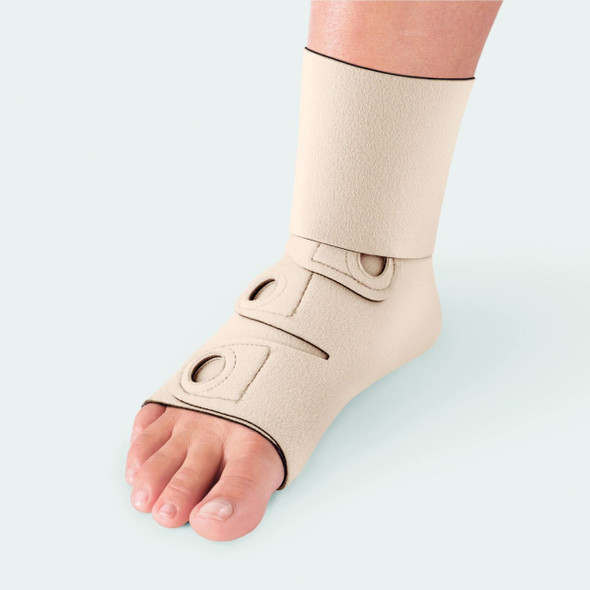
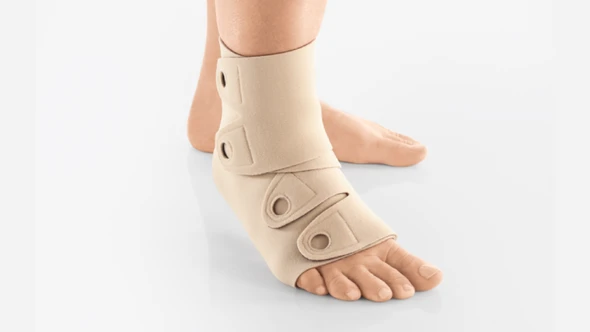
ReadyWrap Foot CT Adjustable Compression Wrap – Contoured Fit – Regular or Long Length
Lohmann & Rauscher
$107.99 - $109.99The ReadyWrap Foot CT is a contoured compression unit for the foot and ankle, shaped to sit comfortably around the dorsum and the ankle bone. It comes in Regular and Long lengths with sizes up to...$107.99 - $109.99 -
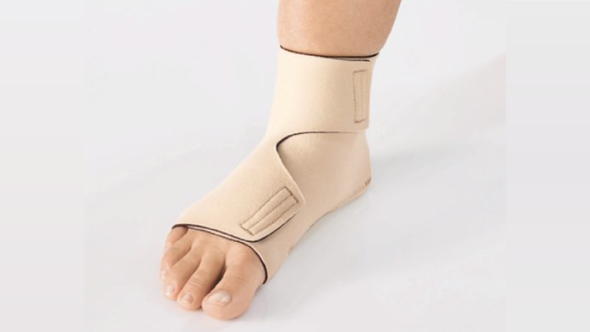
ReadyWrap Foot Adjustable Compression Wrap – Left or Right Specific – Beige or Black
Lohmann & Rauscher
$113.99 - $124.99The ReadyWrap Foot is an adjustable compression unit shaped for the foot and ankle, made in left and right versions so the fit follows the anatomy of each foot. A medial dart and a simple two-strap...$113.99 - $124.99 -

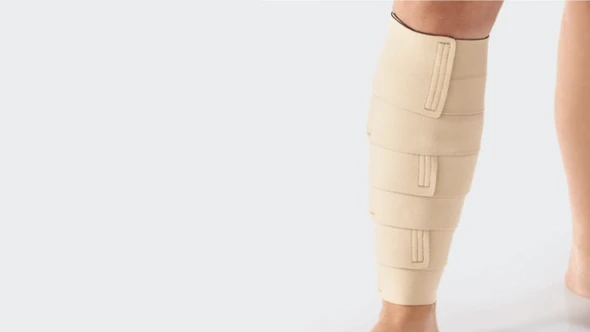
ReadyWrap Calf Adjustable Compression Wrap – Low-Stretch – Beige or Black, Average or Tall
Lohmann & Rauscher
$154.99 - $179.99The ReadyWrap Calf is an off the shelf adjustable compression wrap that helps patients move from clinic led therapy into managing their own leg care at home. Its low-stretch straps give high working...$154.99 - $179.99 -
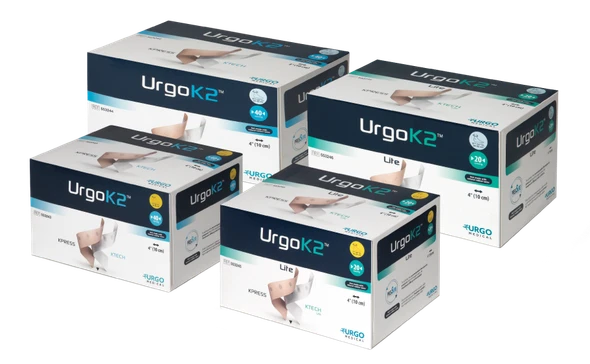

UrgoK2 Lite Compression Bandage System – Reduced-Compression Two-Layer Kit for Venous and Mixed Leg Ulcers
Urgo Medical
$111.99 - $137.99The UrgoK2 Lite Compression System is the reduced-compression version of the UrgoK2 two-layer kit, made for legs that need compression but cannot take the full-strength system. It pairs the same...$111.99 - $137.99 -
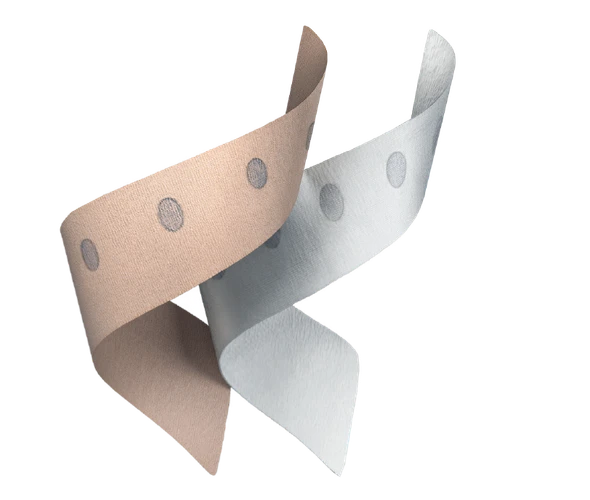

UrgoK2 Compression Bandage System – Two-Layer Kit with Pressure Indicators for Venous Leg Ulcers, 40 mmHg
Urgo Medical
$128.99 - $174.99The UrgoK2 Compression System is a two-bandage kit that delivers sustained, graduated compression for venous leg ulcers without guesswork. A soft padded short-stretch bandage and a long-stretch...$128.99 - $174.99 -
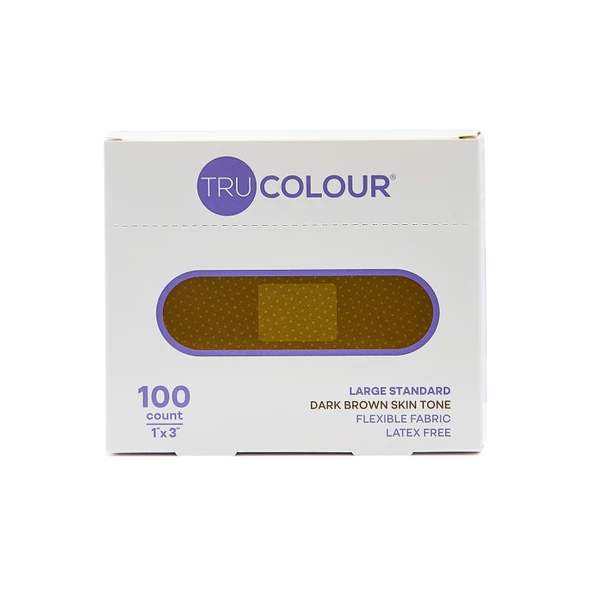
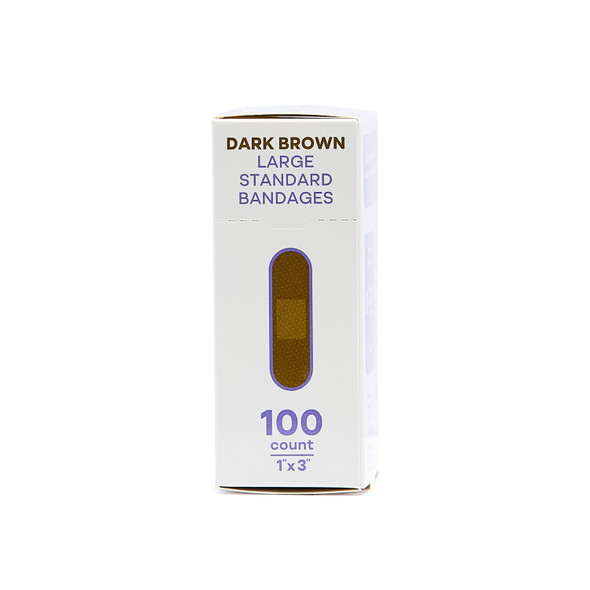
Tru-Colour Skin Tone Bandages – Dark Brown Shade, Latex-Free, 1 x 3 Inch Strips, 100 per Box
Tru-Colour
$33.99The Tru-Colour Skin Tone Bandages arrive in a clinic friendly box of 100 large fabric strips in a single skin tone shade. The shade comes from a four-tone system modeled on the Fitzpatrick scale,...- SKU:
- TCB-PLS100
$33.99 -
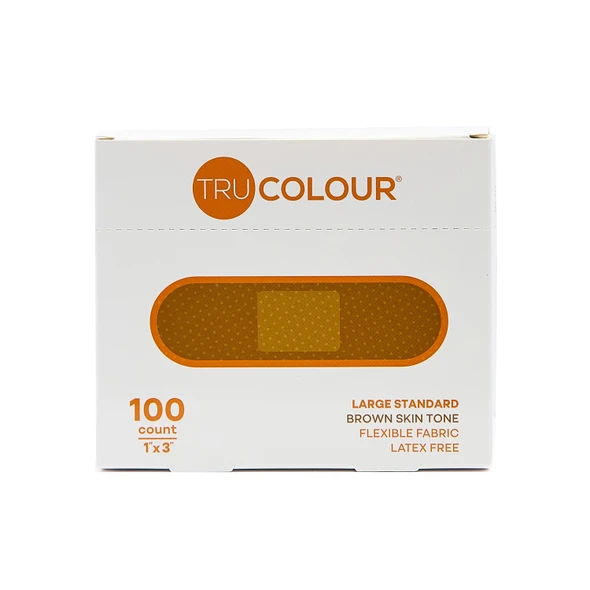
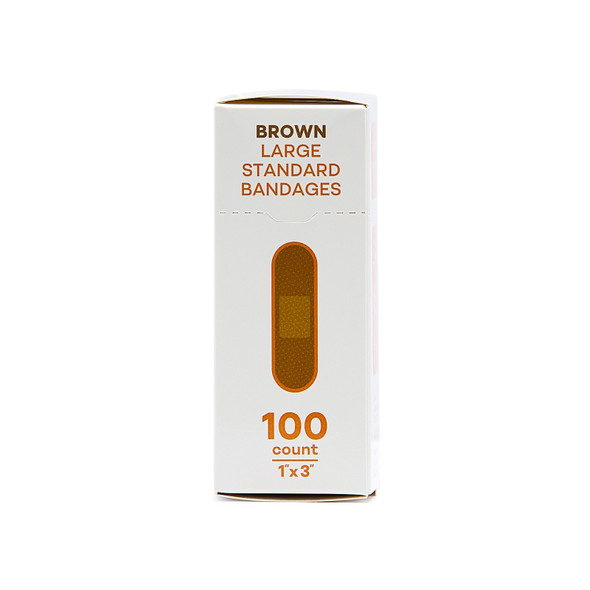
Tru-Colour Skin Tone Bandages – Brown Shade, Latex-Free, 1 x 3 Inch Strips, 100 per Box
Tru-Colour
$23.99The Tru-Colour Skin Tone Bandages arrive in a clinic friendly box of 100 large fabric strips in a single skin tone shade. A standard beige strip announces itself on brown skin. This brown shade is...- SKU:
- TCB-NLS100
$23.99 -
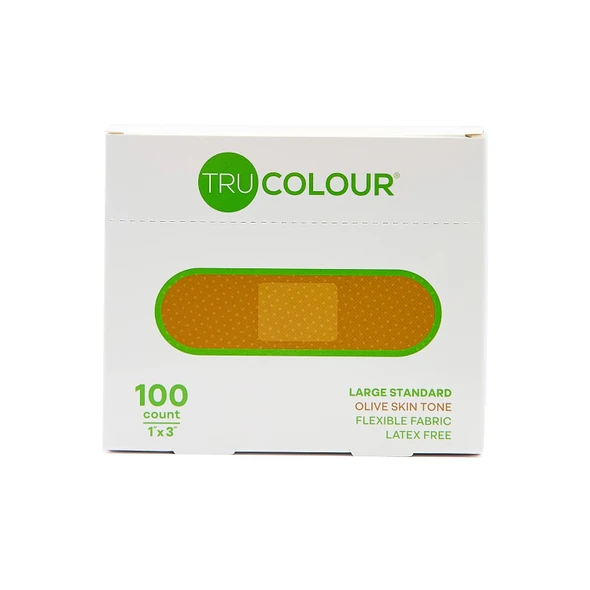
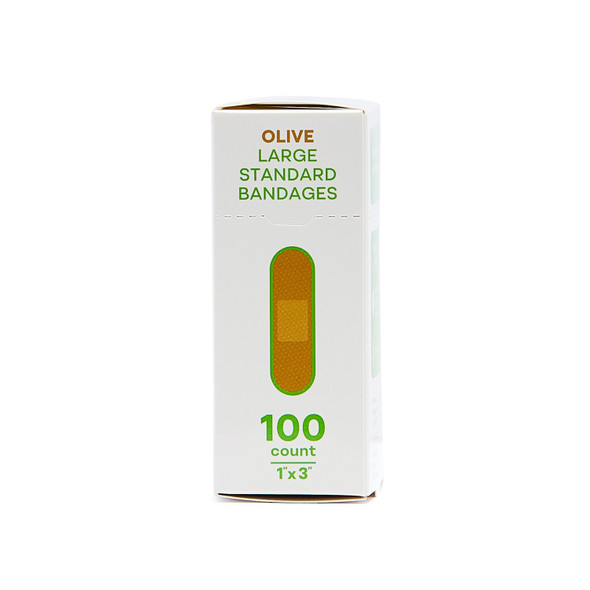
Tru-Colour Skin Tone Bandages – Olive Shade, Latex-Free, 1 x 3 Inch Strips, 100 per Box
Tru-Colour
$33.99The Tru-Colour Skin Tone Bandages arrive in a clinic friendly box of 100 large fabric strips in a single skin tone shade. Tru-Colour built the shade range on the Fitzpatrick skin tone scale, and this...- SKU:
- TCB-GLS100
$33.99 -
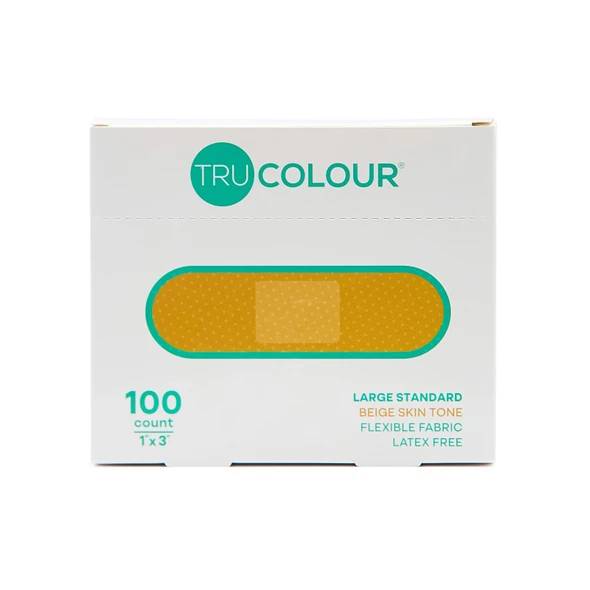
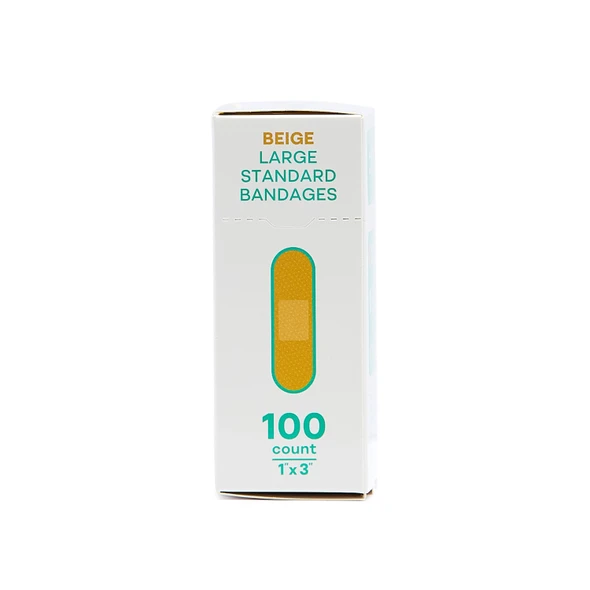
Tru-Colour Skin Tone Bandages – Beige Shade, Latex-Free, 1 x 3 Inch Strips, 100 per Box
Tru-Colour
$33.99The Tru-Colour Skin Tone Bandages arrive in a clinic friendly box of 100 large fabric strips in a single skin tone shade. Inside the pack, each bandage is sterile and sealed in its own wrapper. The...- SKU:
- TCB-ALS100
$33.99 -
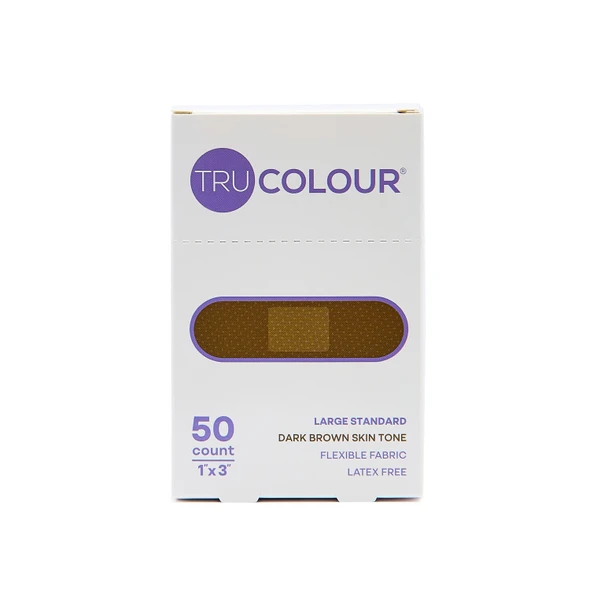
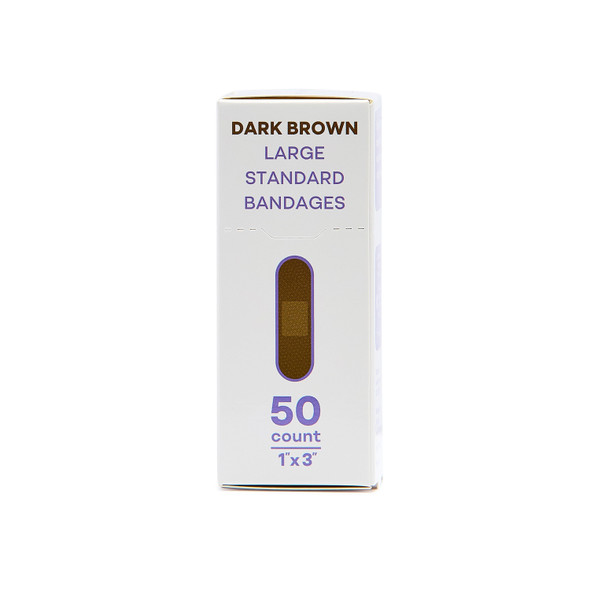
Tru-Colour Skin Tone Bandages – Dark Brown Shade, Latex-Free, 1 x 3 Inch Strips, 50 per Box
Tru-Colour
$22.99The Tru-Colour Skin Tone Bandages arrive in a clinic friendly box of 50 large fabric strips in a single skin tone shade. The dark brown shade is tuned for dark brown to black skin tones, so the strip...- SKU:
- TCB-PLS50
$22.99 -
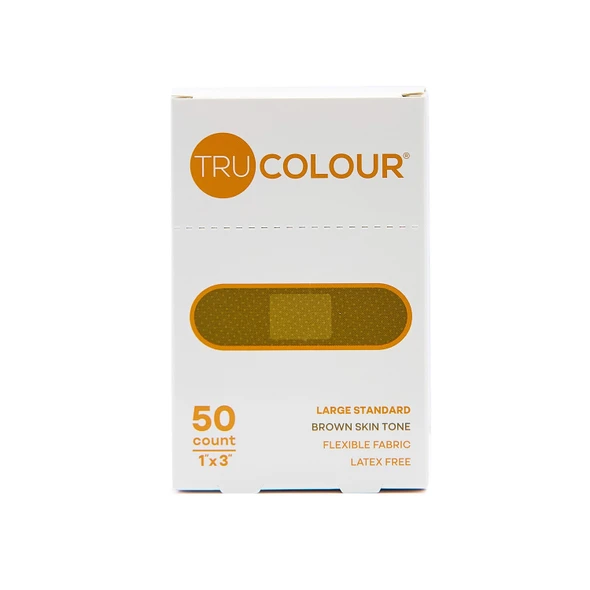
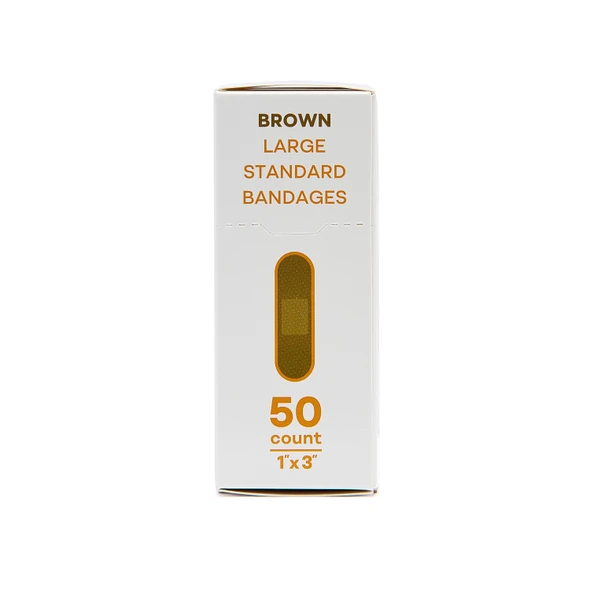
Tru-Colour Skin Tone Bandages – Brown Shade, Latex-Free, 1 x 3 Inch Strips, 50 per Box
Tru-Colour
$14.99The Tru-Colour Skin Tone Bandages arrive in a clinic friendly box of 50 large fabric strips in a single skin tone shade. The four-shade Tru-Colour lineup spans the Fitzpatrick scale, and the brown...- SKU:
- TCB-NLS50
$14.99
About Bandages
Bandages are essential wound care products used to protect, secure, and support injuries of all kinds. Whether treating a small cut, sprain, or post-surgical wound, bandages help safeguard the affected area, promote healing, and provide comfort during recovery. They are a staple in first aid kits, hospitals, and households, offering a variety of options tailored for specific needs. From adhesive bandages to elastic wraps, bandages ensure that wounds remain clean, secure, and well-supported.
Why Are Bandages Important?
Bandages play a critical role in wound care for the following reasons:
- Protection: They shield wounds from dirt, bacteria, and external elements, reducing the risk of infection.
- Stability: Bandages provide support to injured areas, preventing further damage or irritation.
- Secure Dressings: They hold dressings, gauze, or ointments in place, ensuring effective treatment.
- Comfort: Soft and flexible materials reduce discomfort and protect sensitive areas during healing.
Types of Bandages
1. Adhesive Bandages
Adhesive bandages, commonly known as "band-aids," are small, pre-packaged dressings with an adhesive backing. They are ideal for everyday use and minor injuries.
Key Features:
- A built-in pad covers and protects the wound.
- Available in various sizes, shapes, and materials.
- Easy to apply and remove.
Best Uses:
- Minor cuts, scrapes, and abrasions.
- Blisters or small puncture wounds.
Advantages:
- Convenient and disposable.
- Portable and ideal for first aid kits.
2. Elastic Bandages (Compression Wraps)
Elastic bandages are stretchable wraps used to provide compression and support for sprains, strains, and joint injuries.
Key Features:
- Reusable and adjustable for a customized fit.
- Made from durable, stretchy fabric.
- Often equipped with clips or Velcro for secure fastening.
Best Uses:
- Supporting sprained ankles or wrists.
- Reducing swelling in injured areas.
- Securing ice packs or other cold therapy applications.
Advantages:
- Offers adjustable compression for stability.
- Durable and reusable for long-term use.
3. Cohesive Bandages
Cohesive bandages stick to themselves but not to the skin, hair, or wound. They are commonly used in sports medicine and veterinary care.
Key Features:
- Lightweight, stretchy material.
- Adheres to itself without additional fasteners.
- Comfortable and breathable.
Best Uses:
- Wrapping fingers, toes, or other areas prone to movement.
- Securing dressings or splints.
- Providing light compression for swelling or minor injuries.
Advantages:
- Non-sticky and pain-free removal.
- Flexible and easy to apply.
4. Tubular Bandages
Tubular bandages are seamless, elastic bandages that provide even pressure and support for limbs or joints.
Key Features:
- Cylindrical and slip-on design.
- Stretches to fit various body parts.
- Provides uniform compression and protection.
Best Uses:
- Protecting burns, cuts, or skin conditions.
- Supporting sprains or muscle injuries.
- Securing bulky dressings.
Advantages:
- No need for clips, tape, or fasteners.
- Comfortable for long-term wear.
5. Triangle Bandages
Triangle bandages are multi-purpose cloth bandages often used as slings or to secure larger dressings.
Key Features:
- Made from durable fabric, often cotton or muslin.
- Large, triangular shape for versatility.
- Can be used with safety pins to secure.
Best Uses:
- Creating slings for arm or shoulder injuries.
- Emergency first aid for stabilizing broken bones.
- Securing bulky or large dressings.
Advantages:
- Highly versatile for emergency use.
- Washable and reusable.
6. Hydrocolloid Bandages
Hydrocolloid bandages are advanced adhesive bandages that promote moist healing environments for faster recovery.
Key Features:
- Made with gel-forming agents to maintain moisture.
- Waterproof and long-lasting.
- Designed to reduce scarring.
Best Uses:
- Blisters or minor burns.
- Small wounds prone to dryness or irritation.
- Healing wounds that require a moist environment.
Advantages:
- Enhances healing while protecting the wound.
- Stays in place for several days.
7. Bandage Strips and Rolls
Bandage strips and rolls are versatile fabric or paper-based products that can be cut to size for customized wound care.
Key Features:
- Available in rolls or pre-cut strips.
- Lightweight, breathable material.
- Works well with antiseptics or gauze dressings.
Best Uses:
- Covering and securing large or irregularly shaped wounds.
- Supporting gauze pads or packing material.
Advantages:
- Customizable for unique wound shapes.
- Affordable and easy to use.
Benefits of Bandages
- Versatility: Bandages are suitable for a wide range of injuries, from minor scrapes to sprains and complex wounds.
- Ease of Use: Most bandages are simple to apply, even without professional assistance.
- Affordability: Bandages are cost-effective solutions for everyday wound care.
- Enhanced Healing: Advanced bandages like hydrocolloid options promote faster recovery.
- Comfort and Security: Materials are designed to reduce discomfort and stay in place during movement.
Common Use Cases for Bandages
- Minor Injuries: Adhesive bandages are perfect for quick treatment of everyday cuts, scrapes, and blisters.
- Sports Injuries: Elastic and cohesive bandages provide support and compression for sprains and strains.
- Post-Surgery Care: Bandage rolls and strips secure dressings for surgical wounds.
- Emergency Care: Triangle bandages stabilize injuries in first aid scenarios.
- Specialized Wounds: Hydrocolloid bandages protect blisters and burns while promoting healing.
FAQs: Bandages
Q: Can I reuse bandages?
A: Most adhesive and disposable bandages are single-use, but elastic wraps, cohesive bandages, and triangle bandages can be washed and reused.
Q: How often should I change a bandage?
A: Change bandages daily or whenever they become wet, dirty, or lose adhesion.
Q: Are bandages waterproof?
A: Many adhesive and hydrocolloid bandages are waterproof, while others like fabric bandages may not be. Always check the product label.
Q: What’s the difference between cohesive and elastic bandages?
A: Cohesive bandages stick to themselves without adhesives, while elastic bandages rely on fasteners like clips or Velcro.
Bandages are a cornerstone of effective wound care, offering protection, support, and comfort for injuries of all types. From adhesive strips for minor cuts to elastic wraps for joint injuries, there’s a bandage for every need. By selecting the right type of bandage, you can ensure optimal healing and safety for both everyday use and emergency care.
Frequently Asked Questions About Bandages
1. How do I choose the right bandage for my wound?
Adhesive Bandages: Best for minor cuts and scrapes. They come in various sizes and shapes for different wound locations.
Elastic Bandages: Provide support and compression for sprains or strains. They are adjustable and can be used to secure dressings in place.
Cohesive Bandages: Stick to themselves but not to the skin, making them ideal for wrapping areas where you need flexibility and comfort.