
Bandages
Bandages are essential wound care products used to protect, secure, and support injuries of all kinds. Whether treating a small cut, sprain, or post-surgical wound, bandages help safeguard the affected area, promote healing, and provide comfort during recovery. They are a staple in first aid kits, hospitals, and households, offering a variety of options tailored for specific needs. From adhesive bandages to elastic wraps, bandages ensure that wounds remain clean, secure, and well-supported.
Why Are Bandages Important?
Bandages play a critical role in wound care for the following reasons:
- Protection: They shield wounds from dirt, bacteria, and external elements, reducing the risk of infection.
- Stability: Bandages provide support to injured areas, preventing further damage or irritation.
- Secure Dressings: They hold dressings, gauze, or ointments in place, ensuring effective treatment.
- Comfort: Soft and flexible materials reduce discomfort and protect sensitive areas during healing.
Types of Bandages
1. Adhesive Bandages
Adhesive bandages, commonly known as "band-aids," are small, pre-packaged dressings with an adhesive backing. They are ideal for everyday use and minor injuries.
Key Features:
- A built-in pad covers and protects the wound.
- Available in various sizes, shapes, and materials.
- Easy to apply and remove.
Best Uses:
- Minor cuts, scrapes, and abrasions.
- Blisters or small puncture wounds.
Advantages:
- Convenient and disposable.
- Portable and ideal for first aid kits.
2. Elastic Bandages (Compression Wraps)
Elastic bandages are stretchable wraps used to provide compression and support for sprains, strains, and joint injuries.
Key Features:
- Reusable and adjustable for a customized fit.
- Made from durable, stretchy fabric.
- Often equipped with clips or Velcro for secure fastening.
Best Uses:
- Supporting sprained ankles or wrists.
- Reducing swelling in injured areas.
- Securing ice packs or other cold therapy applications.
Advantages:
- Offers adjustable compression for stability.
- Durable and reusable for long-term use.
3. Cohesive Bandages
Cohesive bandages stick to themselves but not to the skin, hair, or wound. They are commonly used in sports medicine and veterinary care.
Key Features:
- Lightweight, stretchy material.
- Adheres to itself without additional fasteners.
- Comfortable and breathable.
Best Uses:
- Wrapping fingers, toes, or other areas prone to movement.
- Securing dressings or splints.
- Providing light compression for swelling or minor injuries.
Advantages:
- Non-sticky and pain-free removal.
- Flexible and easy to apply.
4. Tubular Bandages
Tubular bandages are seamless, elastic bandages that provide even pressure and support for limbs or joints.
Key Features:
- Cylindrical and slip-on design.
- Stretches to fit various body parts.
- Provides uniform compression and protection.
Best Uses:
- Protecting burns, cuts, or skin conditions.
- Supporting sprains or muscle injuries.
- Securing bulky dressings.
Advantages:
- No need for clips, tape, or fasteners.
- Comfortable for long-term wear.
5. Triangle Bandages
Triangle bandages are multi-purpose cloth bandages often used as slings or to secure larger dressings.
Key Features:
- Made from durable fabric, often cotton or muslin.
- Large, triangular shape for versatility.
- Can be used with safety pins to secure.
Best Uses:
- Creating slings for arm or shoulder injuries.
- Emergency first aid for stabilizing broken bones.
- Securing bulky or large dressings.
Advantages:
- Highly versatile for emergency use.
- Washable and reusable.
6. Hydrocolloid Bandages
Hydrocolloid bandages are advanced adhesive bandages that promote moist healing environments for faster recovery.
Key Features:
- Made with gel-forming agents to maintain moisture.
- Waterproof and long-lasting.
- Designed to reduce scarring.
Best Uses:
- Blisters or minor burns.
- Small wounds prone to dryness or irritation.
- Healing wounds that require a moist environment.
Advantages:
- Enhances healing while protecting the wound.
- Stays in place for several days.
7. Bandage Strips and Rolls
Bandage strips and rolls are versatile fabric or paper-based products that can be cut to size for customized wound care.
Key Features:
- Available in rolls or pre-cut strips.
- Lightweight, breathable material.
- Works well with antiseptics or gauze dressings.
Best Uses:
- Covering and securing large or irregularly shaped wounds.
- Supporting gauze pads or packing material.
Advantages:
- Customizable for unique wound shapes.
- Affordable and easy to use.
Benefits of Bandages
- Versatility: Bandages are suitable for a wide range of injuries, from minor scrapes to sprains and complex wounds.
- Ease of Use: Most bandages are simple to apply, even without professional assistance.
- Affordability: Bandages are cost-effective solutions for everyday wound care.
- Enhanced Healing: Advanced bandages like hydrocolloid options promote faster recovery.
- Comfort and Security: Materials are designed to reduce discomfort and stay in place during movement.
Common Use Cases for Bandages
- Minor Injuries: Adhesive bandages are perfect for quick treatment of everyday cuts, scrapes, and blisters.
- Sports Injuries: Elastic and cohesive bandages provide support and compression for sprains and strains.
- Post-Surgery Care: Bandage rolls and strips secure dressings for surgical wounds.
- Emergency Care: Triangle bandages stabilize injuries in first aid scenarios.
- Specialized Wounds: Hydrocolloid bandages protect blisters and burns while promoting healing.
FAQs: Bandages
Q: Can I reuse bandages?
A: Most adhesive and disposable bandages are single-use, but elastic wraps, cohesive bandages, and triangle bandages can be washed and reused.
Q: How often should I change a bandage?
A: Change bandages daily or whenever they become wet, dirty, or lose adhesion.
Q: Are bandages waterproof?
A: Many adhesive and hydrocolloid bandages are waterproof, while others like fabric bandages may not be. Always check the product label.
Q: What’s the difference between cohesive and elastic bandages?
A: Cohesive bandages stick to themselves without adhesives, while elastic bandages rely on fasteners like clips or Velcro.
Bandages are a cornerstone of effective wound care, offering protection, support, and comfort for injuries of all types. From adhesive strips for minor cuts to elastic wraps for joint injuries, there’s a bandage for every need. By selecting the right type of bandage, you can ensure optimal healing and safety for both everyday use and emergency care.
-
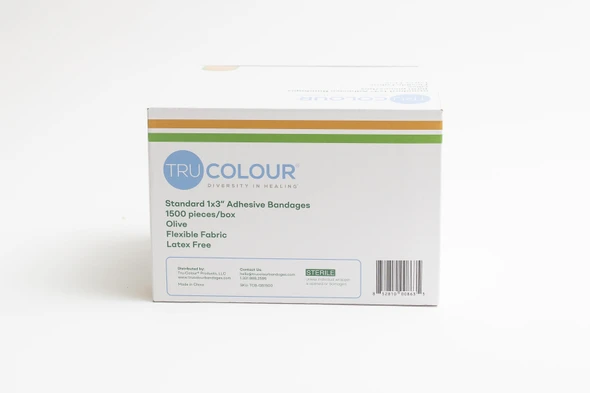
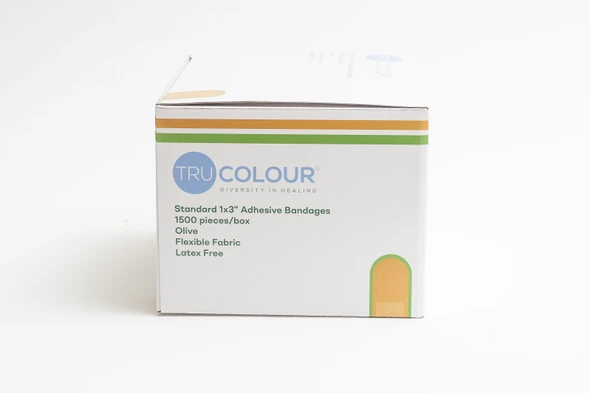
Tru-Colour Skin Tone Bandage Refills – Olive Shade, Loose Bulk Pack, Latex-Free, 1500 per Box
Tru-Colour
$144.99The Tru-Colour Skin Tone Bandage Refills restock kits and dispensers with 1,500 loose fabric strips in a single skin tone shade. Tru-Colour built the shade range on the Fitzpatrick skin tone scale,...- SKU:
- TCB-GB1500
$144.99 -
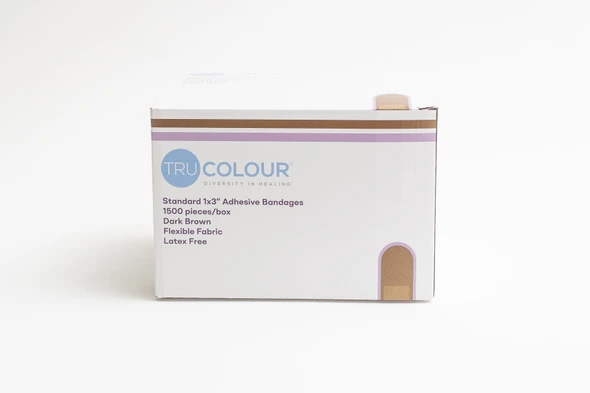
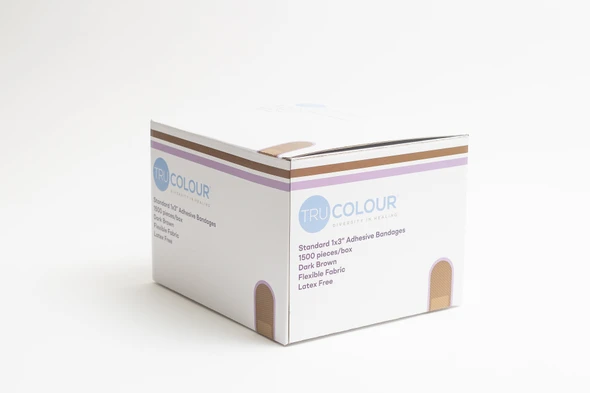
Tru-Colour Skin Tone Bandage Refills – Dark Brown Shade, Loose Bulk Pack, Latex-Free, 1500 per Box
Tru-Colour
$89.99The Tru-Colour Skin Tone Bandage Refills restock kits and dispensers with 1,500 loose fabric strips in a single skin tone shade. Inside the pack, each bandage is sterile and sealed in its own wrapper...- SKU:
- TCB-PB1500
$89.99 -
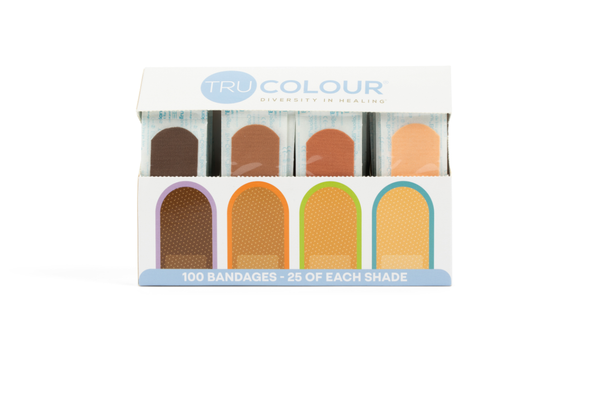
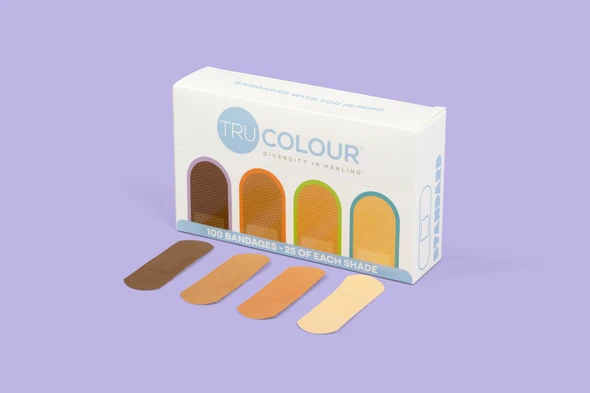
Tru-Colour Skin Tone Bandages – Four Shades in One Box, Flexible Fabric, 100 per Box
Tru-Colour
$31.99The Tru-Colour Skin Tone Bandages bring all four skin tone shades together in one box of 100 fabric strips. All four shades ride in one purchase, 25 bandages in each tone from beige to dark brown...- SKU:
- TCB-VBX100
$31.99 -
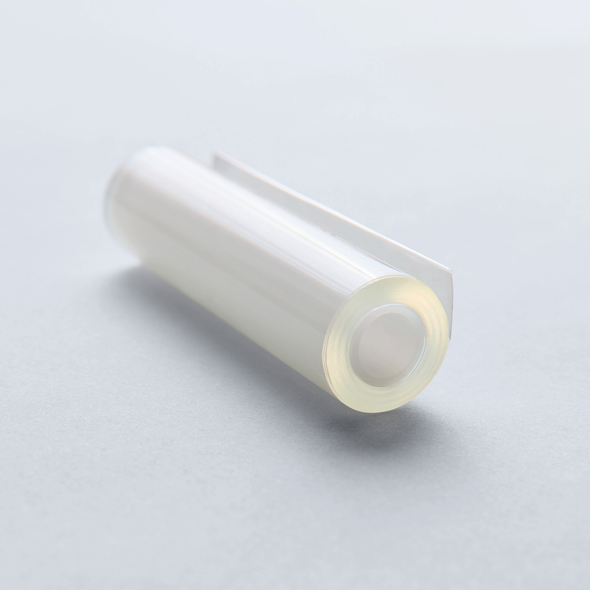

Safeguard Battle Wrap – Transparent Compression Wrap 4 Inch by 6 Foot – Case of 10
Safeguard Medical
$360.99The Safeguard Battle Wrap is a transparent compression wrap, 4 inches wide and 6 feet long, made from a tear-resistant material that grips without slipping. The clear construction lets responders...- SKU:
- 02-001
$360.99 -
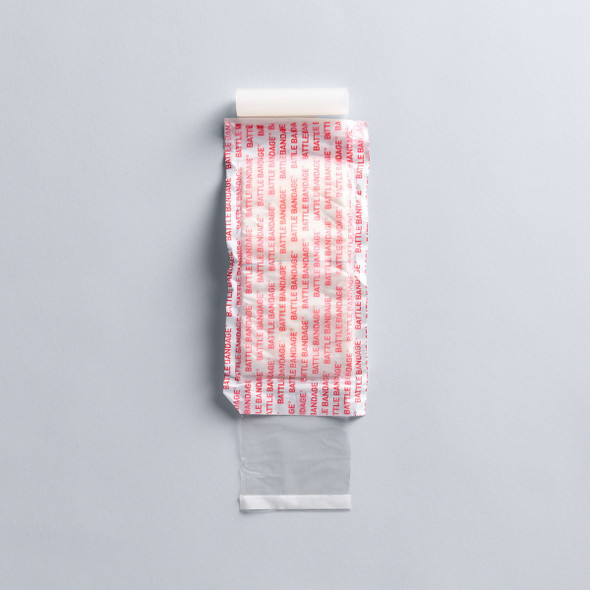
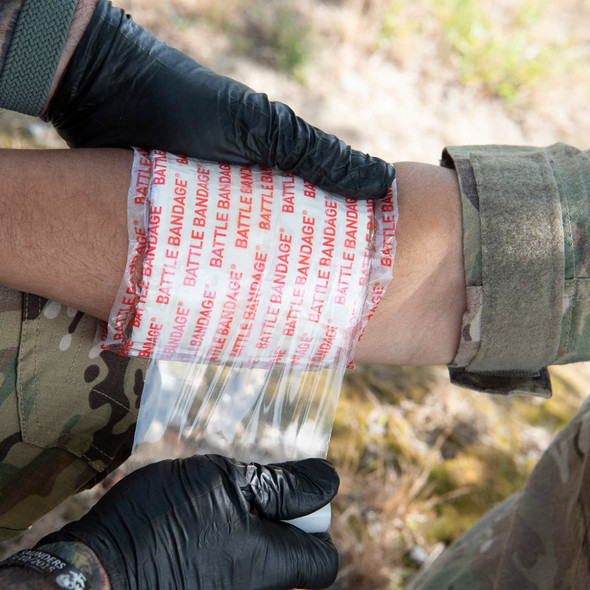
Safeguard Battle Bandage – Transparent Compression Wrap with 6 x 8 Inch Gauze Pad
Safeguard Medical
$80.99The Safeguard Battle Bandage is a transparent compression bandage built around a sterile 6 by 8 inch cotton gauze pad. The clear 6 foot self-adhesive wrap lets responders watch the wound and the...- SKU:
- 32-700
$80.99 -
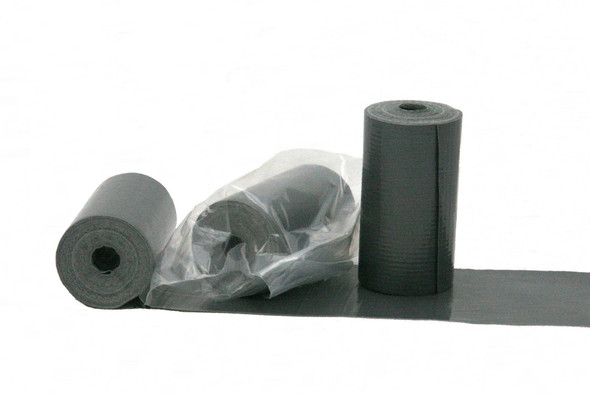
Safeguard Combat Medic Reinforcement Tape – 2 Inch by 100 Inch Rolls – Case of 50
Safeguard Medical
$209.99The Safeguard Combat Medic Reinforcement Tape is a heavy-duty medical tape rolled at 2 inches by 100 inches, built to reinforce dressings, secure splints and hold trauma gear together under field...- SKU:
- CMRT01
$209.99 -
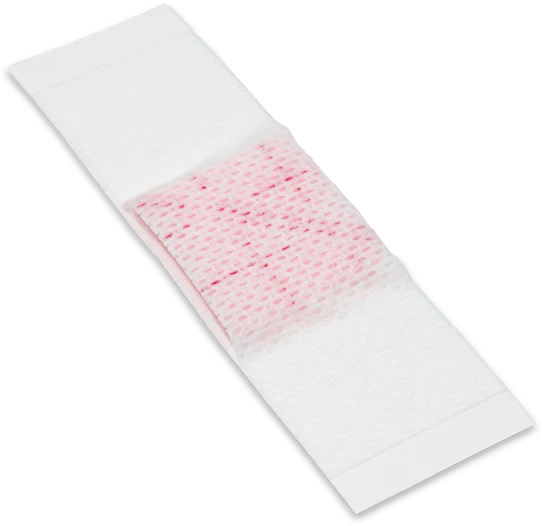
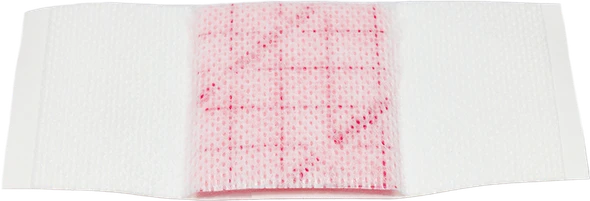
Ferris PolyMem Cloth Adhesive Dressing – Breathable Cloth Backing, Strips, Dots and Islands
Ferris Manufacturing
$88.26 - $1,049.69The Ferris PolyMem Cloth Adhesive Dressing puts the PolyMem membrane on a soft, breathable cloth backing that sticks like a bandage and works like an advanced dressing. Strips, a dot and island...$88.26 - $1,049.69 -


Medi-Tech SpandaGrip Tubular Support Bandage – Latex-Free Compression for Sprains, Edema and Joint Support
Medi-Tech International
$18.99 - $186.99The SpandaGrip Tubular Support Bandage from Medi-Tech International gives injured joints and swollen limbs firm, even compression in a single pull-on application. It holds support in place through...$18.99 - $186.99 -
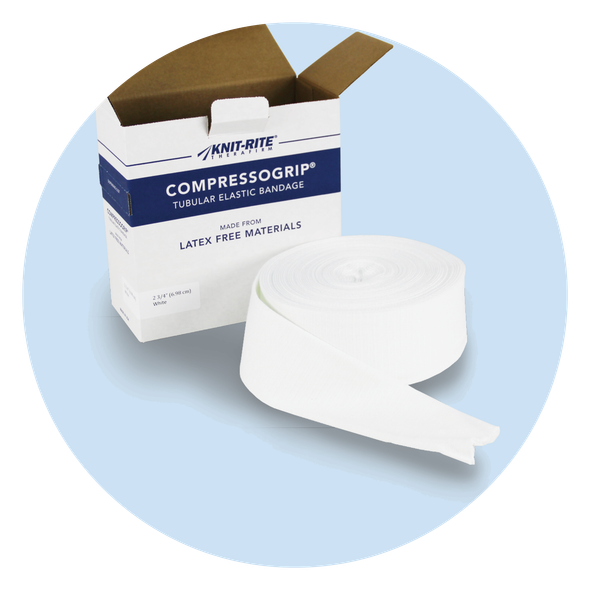
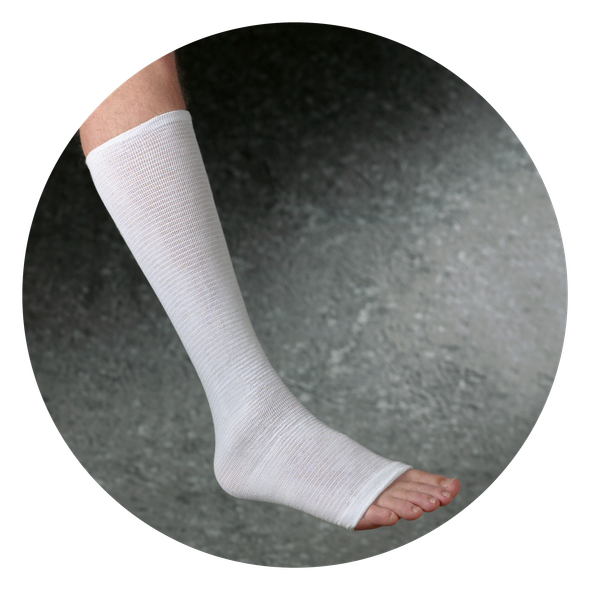
Knit-Rite Compressogrip Tubular Elastic Bandage – 11 Yard Roll, 20 to 25 mmHg Compression, Latex-Free
Knit-Rite
$92.99 - $176.99The Compressogrip Tubular Elastic Bandage is a tubular compression bandage sold in 11 yard rolls, listed at 20 to 25 mmHg, that a clinician cuts to length and pulls over a limb or torso. Because the...$92.99 - $176.99 -


Leukoplast Eye Occlusor – Light-Blocking Adhesive Eye Patch for Amblyopia and Strabismus Therapy in Children
BSN Medical
$238.99The Leukoplast Eye Occlusor is an adhesive eye patch that blocks light completely, worn over the stronger eye during amblyopia and strabismus therapy so the weaker eye does the work. Regular and...$238.99 -


Leukoplast Elastic Adhesive Bandages – Cross-Elastic Fabric Strips, Patches and Shaped Dressings
BSN Medical
$25.99 - $658.99The Leukoplast Elastic Adhesive Bandages are stretchable fabric dressings that cover minor wounds such as cuts and grazes and keep them sealed while the skin underneath moves. Cross-elastic fabric...$25.99 - $658.99 -

3M Vetrap Bandaging Tape 1410BO – Bright Orange Self Adherent Animal Bandaging Tape, 4.5 Meter Rolls
3M Personal Safety
$106.993M Vetrap Bandaging Tape 1410BO – Bright Orange Self Adherent Animal Bandaging Tape, 4.5 Meter Rolls This is a 3M animal care item supplied in trade packaging for veterinary and animal care...- SKU:
- 1410BO
$106.99 -


ACE Brand Elastic Bandage with Clips – Classic Compression Wrap in 2, 3, 4 and 6 Inch Widths, Two Packs
3M Personal Safety
$161.99 - $627.99ACE Brand Elastic Bandage with Clips – Classic Compression Wrap in 2, 3, 4 and 6 Inch Widths, Two Packs This is a retail-ready consumer health item from a 3M brand, supplied in trade packaging for...$161.99 - $627.99 -


Mölnlycke Tubigrip Tubular Bandage – tubular bandage, elasticated tubular support bandage in sizes A to L
Mölnlycke USA
$94.99 - $1,526.99The Mölnlycke Tubigrip is an elasticated tubular support bandage from Mölnlycke, built for providing support for sprains and strains, support after cast removal, and general dressing retention with...$94.99 - $1,526.99 -


Mölnlycke Tubifast Retention Bandage – retention bandage, Bandages, Elasticated viscose, Roll, 10 m
Mölnlycke USA
$41.99 - $383.99The Mölnlycke Tubifast is an elasticated viscose retention bandage from Mölnlycke, built for holding dressings in place without tape or pins, and provide light retention over limbs and trunk as the...$41.99 - $383.99 -


Mölnlycke Mepi Press 2 Lite Compression Bandage System – compression system, Bandages, 8 kits per case
Mölnlycke USA
$319.99The Mölnlycke Mepi Press 2 Lite is a two-layer compression bandage system, lite from Mölnlycke, built for providing two-layer compression at the Lite level for patients whose plan calls for reduced...- SKU:
- 300031
$319.99 -


Mölnlycke Mepi Press 2 Compression Bandage System – compression system, Bandages, Two-layer compression kit
Mölnlycke USA
$319.99The Mölnlycke Mepi Press 2 is a two-layer compression bandage system from Mölnlycke, built for delivering two-layer compression for venous leg ulcer management with matched layers in one kit as the...- SKU:
- 300021
$319.99 -
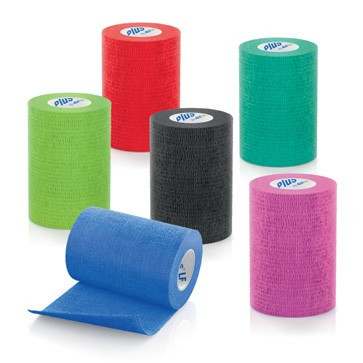
BSN Medical Co-Plus LF Cohesive Support Bandage – Latex-Free Cohesive Bandage, Color Pack, for Support
BSN Medical
$167.99The Co-Plus LF Cohesive Support Bandage is a BSN Medical line supplied for clinics, first aid programs and sports medicine teams. This listing gathers 1 configurations, from 2 in x 5 yd, 36/cs to 2...- SKU:
- 7210033
$167.99 -

BSN Medical Ortho-Glass Wrap Splint Support Bandage – Non-Adhesive Elastic Wrap that Secures Splints, Assorted
BSN Medical
$101.99 - $119.99The Ortho-Glass Wrap Splint Support Bandage is a BSN Medical line supplied for clinics, first aid programs and sports medicine teams. Stocking 3 configurations, from Non-Adhesive Support, 2 in x 5...$101.99 - $119.99 -


DermaRite UnnaRite C Unna Boot Bandage with Calamine – Zinc, Glycerin and Calamine, 3 and 4 Inch
DermaRite
$21.99 - $23.99The DermaRite UnnaRite C Unna Boot Bandage adds calamine to the zinc oxide and glycerin paste for venous ulcer legs that itch and weep. Calamine is the classic soothing addition to the Unna boot...$21.99 - $23.99
About Bandages
Bandages are essential wound care products used to protect, secure, and support injuries of all kinds. Whether treating a small cut, sprain, or post-surgical wound, bandages help safeguard the affected area, promote healing, and provide comfort during recovery. They are a staple in first aid kits, hospitals, and households, offering a variety of options tailored for specific needs. From adhesive bandages to elastic wraps, bandages ensure that wounds remain clean, secure, and well-supported.
Why Are Bandages Important?
Bandages play a critical role in wound care for the following reasons:
- Protection: They shield wounds from dirt, bacteria, and external elements, reducing the risk of infection.
- Stability: Bandages provide support to injured areas, preventing further damage or irritation.
- Secure Dressings: They hold dressings, gauze, or ointments in place, ensuring effective treatment.
- Comfort: Soft and flexible materials reduce discomfort and protect sensitive areas during healing.
Types of Bandages
1. Adhesive Bandages
Adhesive bandages, commonly known as "band-aids," are small, pre-packaged dressings with an adhesive backing. They are ideal for everyday use and minor injuries.
Key Features:
- A built-in pad covers and protects the wound.
- Available in various sizes, shapes, and materials.
- Easy to apply and remove.
Best Uses:
- Minor cuts, scrapes, and abrasions.
- Blisters or small puncture wounds.
Advantages:
- Convenient and disposable.
- Portable and ideal for first aid kits.
2. Elastic Bandages (Compression Wraps)
Elastic bandages are stretchable wraps used to provide compression and support for sprains, strains, and joint injuries.
Key Features:
- Reusable and adjustable for a customized fit.
- Made from durable, stretchy fabric.
- Often equipped with clips or Velcro for secure fastening.
Best Uses:
- Supporting sprained ankles or wrists.
- Reducing swelling in injured areas.
- Securing ice packs or other cold therapy applications.
Advantages:
- Offers adjustable compression for stability.
- Durable and reusable for long-term use.
3. Cohesive Bandages
Cohesive bandages stick to themselves but not to the skin, hair, or wound. They are commonly used in sports medicine and veterinary care.
Key Features:
- Lightweight, stretchy material.
- Adheres to itself without additional fasteners.
- Comfortable and breathable.
Best Uses:
- Wrapping fingers, toes, or other areas prone to movement.
- Securing dressings or splints.
- Providing light compression for swelling or minor injuries.
Advantages:
- Non-sticky and pain-free removal.
- Flexible and easy to apply.
4. Tubular Bandages
Tubular bandages are seamless, elastic bandages that provide even pressure and support for limbs or joints.
Key Features:
- Cylindrical and slip-on design.
- Stretches to fit various body parts.
- Provides uniform compression and protection.
Best Uses:
- Protecting burns, cuts, or skin conditions.
- Supporting sprains or muscle injuries.
- Securing bulky dressings.
Advantages:
- No need for clips, tape, or fasteners.
- Comfortable for long-term wear.
5. Triangle Bandages
Triangle bandages are multi-purpose cloth bandages often used as slings or to secure larger dressings.
Key Features:
- Made from durable fabric, often cotton or muslin.
- Large, triangular shape for versatility.
- Can be used with safety pins to secure.
Best Uses:
- Creating slings for arm or shoulder injuries.
- Emergency first aid for stabilizing broken bones.
- Securing bulky or large dressings.
Advantages:
- Highly versatile for emergency use.
- Washable and reusable.
6. Hydrocolloid Bandages
Hydrocolloid bandages are advanced adhesive bandages that promote moist healing environments for faster recovery.
Key Features:
- Made with gel-forming agents to maintain moisture.
- Waterproof and long-lasting.
- Designed to reduce scarring.
Best Uses:
- Blisters or minor burns.
- Small wounds prone to dryness or irritation.
- Healing wounds that require a moist environment.
Advantages:
- Enhances healing while protecting the wound.
- Stays in place for several days.
7. Bandage Strips and Rolls
Bandage strips and rolls are versatile fabric or paper-based products that can be cut to size for customized wound care.
Key Features:
- Available in rolls or pre-cut strips.
- Lightweight, breathable material.
- Works well with antiseptics or gauze dressings.
Best Uses:
- Covering and securing large or irregularly shaped wounds.
- Supporting gauze pads or packing material.
Advantages:
- Customizable for unique wound shapes.
- Affordable and easy to use.
Benefits of Bandages
- Versatility: Bandages are suitable for a wide range of injuries, from minor scrapes to sprains and complex wounds.
- Ease of Use: Most bandages are simple to apply, even without professional assistance.
- Affordability: Bandages are cost-effective solutions for everyday wound care.
- Enhanced Healing: Advanced bandages like hydrocolloid options promote faster recovery.
- Comfort and Security: Materials are designed to reduce discomfort and stay in place during movement.
Common Use Cases for Bandages
- Minor Injuries: Adhesive bandages are perfect for quick treatment of everyday cuts, scrapes, and blisters.
- Sports Injuries: Elastic and cohesive bandages provide support and compression for sprains and strains.
- Post-Surgery Care: Bandage rolls and strips secure dressings for surgical wounds.
- Emergency Care: Triangle bandages stabilize injuries in first aid scenarios.
- Specialized Wounds: Hydrocolloid bandages protect blisters and burns while promoting healing.
FAQs: Bandages
Q: Can I reuse bandages?
A: Most adhesive and disposable bandages are single-use, but elastic wraps, cohesive bandages, and triangle bandages can be washed and reused.
Q: How often should I change a bandage?
A: Change bandages daily or whenever they become wet, dirty, or lose adhesion.
Q: Are bandages waterproof?
A: Many adhesive and hydrocolloid bandages are waterproof, while others like fabric bandages may not be. Always check the product label.
Q: What’s the difference between cohesive and elastic bandages?
A: Cohesive bandages stick to themselves without adhesives, while elastic bandages rely on fasteners like clips or Velcro.
Bandages are a cornerstone of effective wound care, offering protection, support, and comfort for injuries of all types. From adhesive strips for minor cuts to elastic wraps for joint injuries, there’s a bandage for every need. By selecting the right type of bandage, you can ensure optimal healing and safety for both everyday use and emergency care.
Frequently Asked Questions About Bandages
1. How do I choose the right bandage for my wound?
Adhesive Bandages: Best for minor cuts and scrapes. They come in various sizes and shapes for different wound locations.
Elastic Bandages: Provide support and compression for sprains or strains. They are adjustable and can be used to secure dressings in place.
Cohesive Bandages: Stick to themselves but not to the skin, making them ideal for wrapping areas where you need flexibility and comfort.