
Bandages
Bandages are essential wound care products used to protect, secure, and support injuries of all kinds. Whether treating a small cut, sprain, or post-surgical wound, bandages help safeguard the affected area, promote healing, and provide comfort during recovery. They are a staple in first aid kits, hospitals, and households, offering a variety of options tailored for specific needs. From adhesive bandages to elastic wraps, bandages ensure that wounds remain clean, secure, and well-supported.
Why Are Bandages Important?
Bandages play a critical role in wound care for the following reasons:
- Protection: They shield wounds from dirt, bacteria, and external elements, reducing the risk of infection.
- Stability: Bandages provide support to injured areas, preventing further damage or irritation.
- Secure Dressings: They hold dressings, gauze, or ointments in place, ensuring effective treatment.
- Comfort: Soft and flexible materials reduce discomfort and protect sensitive areas during healing.
Types of Bandages
1. Adhesive Bandages
Adhesive bandages, commonly known as "band-aids," are small, pre-packaged dressings with an adhesive backing. They are ideal for everyday use and minor injuries.
Key Features:
- A built-in pad covers and protects the wound.
- Available in various sizes, shapes, and materials.
- Easy to apply and remove.
Best Uses:
- Minor cuts, scrapes, and abrasions.
- Blisters or small puncture wounds.
Advantages:
- Convenient and disposable.
- Portable and ideal for first aid kits.
2. Elastic Bandages (Compression Wraps)
Elastic bandages are stretchable wraps used to provide compression and support for sprains, strains, and joint injuries.
Key Features:
- Reusable and adjustable for a customized fit.
- Made from durable, stretchy fabric.
- Often equipped with clips or Velcro for secure fastening.
Best Uses:
- Supporting sprained ankles or wrists.
- Reducing swelling in injured areas.
- Securing ice packs or other cold therapy applications.
Advantages:
- Offers adjustable compression for stability.
- Durable and reusable for long-term use.
3. Cohesive Bandages
Cohesive bandages stick to themselves but not to the skin, hair, or wound. They are commonly used in sports medicine and veterinary care.
Key Features:
- Lightweight, stretchy material.
- Adheres to itself without additional fasteners.
- Comfortable and breathable.
Best Uses:
- Wrapping fingers, toes, or other areas prone to movement.
- Securing dressings or splints.
- Providing light compression for swelling or minor injuries.
Advantages:
- Non-sticky and pain-free removal.
- Flexible and easy to apply.
4. Tubular Bandages
Tubular bandages are seamless, elastic bandages that provide even pressure and support for limbs or joints.
Key Features:
- Cylindrical and slip-on design.
- Stretches to fit various body parts.
- Provides uniform compression and protection.
Best Uses:
- Protecting burns, cuts, or skin conditions.
- Supporting sprains or muscle injuries.
- Securing bulky dressings.
Advantages:
- No need for clips, tape, or fasteners.
- Comfortable for long-term wear.
5. Triangle Bandages
Triangle bandages are multi-purpose cloth bandages often used as slings or to secure larger dressings.
Key Features:
- Made from durable fabric, often cotton or muslin.
- Large, triangular shape for versatility.
- Can be used with safety pins to secure.
Best Uses:
- Creating slings for arm or shoulder injuries.
- Emergency first aid for stabilizing broken bones.
- Securing bulky or large dressings.
Advantages:
- Highly versatile for emergency use.
- Washable and reusable.
6. Hydrocolloid Bandages
Hydrocolloid bandages are advanced adhesive bandages that promote moist healing environments for faster recovery.
Key Features:
- Made with gel-forming agents to maintain moisture.
- Waterproof and long-lasting.
- Designed to reduce scarring.
Best Uses:
- Blisters or minor burns.
- Small wounds prone to dryness or irritation.
- Healing wounds that require a moist environment.
Advantages:
- Enhances healing while protecting the wound.
- Stays in place for several days.
7. Bandage Strips and Rolls
Bandage strips and rolls are versatile fabric or paper-based products that can be cut to size for customized wound care.
Key Features:
- Available in rolls or pre-cut strips.
- Lightweight, breathable material.
- Works well with antiseptics or gauze dressings.
Best Uses:
- Covering and securing large or irregularly shaped wounds.
- Supporting gauze pads or packing material.
Advantages:
- Customizable for unique wound shapes.
- Affordable and easy to use.
Benefits of Bandages
- Versatility: Bandages are suitable for a wide range of injuries, from minor scrapes to sprains and complex wounds.
- Ease of Use: Most bandages are simple to apply, even without professional assistance.
- Affordability: Bandages are cost-effective solutions for everyday wound care.
- Enhanced Healing: Advanced bandages like hydrocolloid options promote faster recovery.
- Comfort and Security: Materials are designed to reduce discomfort and stay in place during movement.
Common Use Cases for Bandages
- Minor Injuries: Adhesive bandages are perfect for quick treatment of everyday cuts, scrapes, and blisters.
- Sports Injuries: Elastic and cohesive bandages provide support and compression for sprains and strains.
- Post-Surgery Care: Bandage rolls and strips secure dressings for surgical wounds.
- Emergency Care: Triangle bandages stabilize injuries in first aid scenarios.
- Specialized Wounds: Hydrocolloid bandages protect blisters and burns while promoting healing.
FAQs: Bandages
Q: Can I reuse bandages?
A: Most adhesive and disposable bandages are single-use, but elastic wraps, cohesive bandages, and triangle bandages can be washed and reused.
Q: How often should I change a bandage?
A: Change bandages daily or whenever they become wet, dirty, or lose adhesion.
Q: Are bandages waterproof?
A: Many adhesive and hydrocolloid bandages are waterproof, while others like fabric bandages may not be. Always check the product label.
Q: What’s the difference between cohesive and elastic bandages?
A: Cohesive bandages stick to themselves without adhesives, while elastic bandages rely on fasteners like clips or Velcro.
Bandages are a cornerstone of effective wound care, offering protection, support, and comfort for injuries of all types. From adhesive strips for minor cuts to elastic wraps for joint injuries, there’s a bandage for every need. By selecting the right type of bandage, you can ensure optimal healing and safety for both everyday use and emergency care.
-
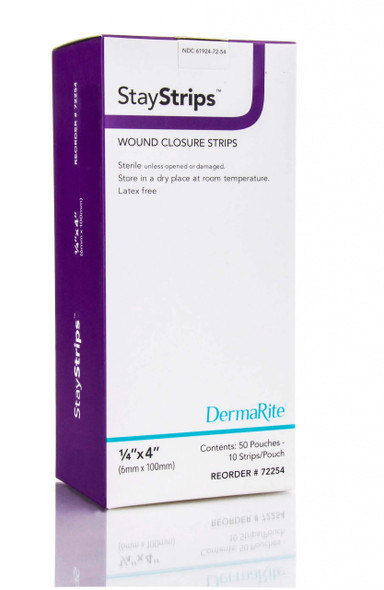
DermaRite StayStrips Wound Closure Strips – Latex Free, Hypoallergenic Adhesive, 50 Pouches per Box
DermaRite
$54.99 - $73.99The DermaRite StayStrips Wound Closure Strips help caregivers close minor wounds gently while the skin underneath keeps breathing. Each latex free strip carries a hypoallergenic adhesive that...$54.99 - $73.99 -


Dukal Sterile Soft Flexible Fabric Toe Shield Adhesive Bandages, 1-1/2" x 2-9/16", 100/Box, 12 BX/CS
Dukal
$121.99Care teams stock the Dukal Soft Flexible Fabric Bandages as a standard fabric bandage for daily procedures, supplied sterile and sized 1-1/2" x 2-9/16". Item SVYJD is defined by one trait above the...- SKU:
- SVYJD
$121.99 -
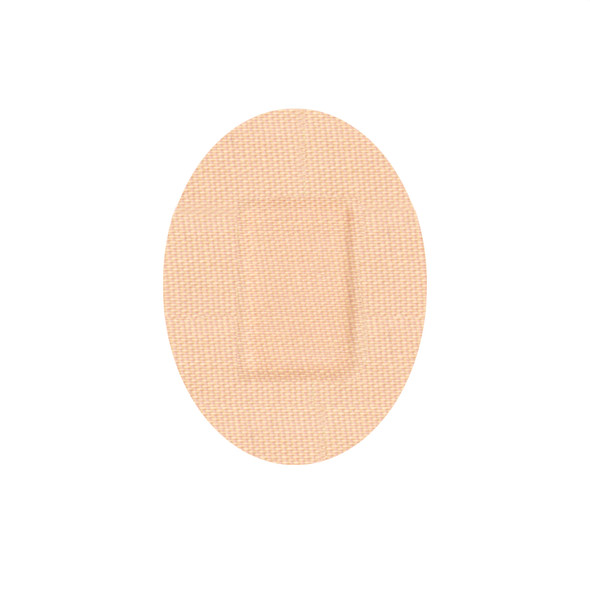

Dukal Sterile Soft Flexible Fabric Spot Adhesive Bandages, 7/8" x 1-1/4", 100/Box, 12 BX/CS
Dukal
$94.99Facilities order the Dukal Sterile Soft Flexible Fabric Spot Adhesive Bandages under Dukal item number SVWXD when they need an adhesive bandage that is supplied sterile. What sets item SVWXD apart is...- SKU:
- SVWXD
$94.99 -

Dukal Sterile Soft Flexible Fabric Patch Adhesive Bandages, 1-1/2" x 2", 100/Box, 12 BX/CS
Dukal
$110.99Care teams stock the Dukal Sterile Soft Flexible Fabric Patch Adhesive Bandages as a standard adhesive bandage for daily procedures, supplied sterile and sized 1-1/2" x 2". Dukal describes item PVJ2D...- SKU:
- PVJ2D
$110.99 -
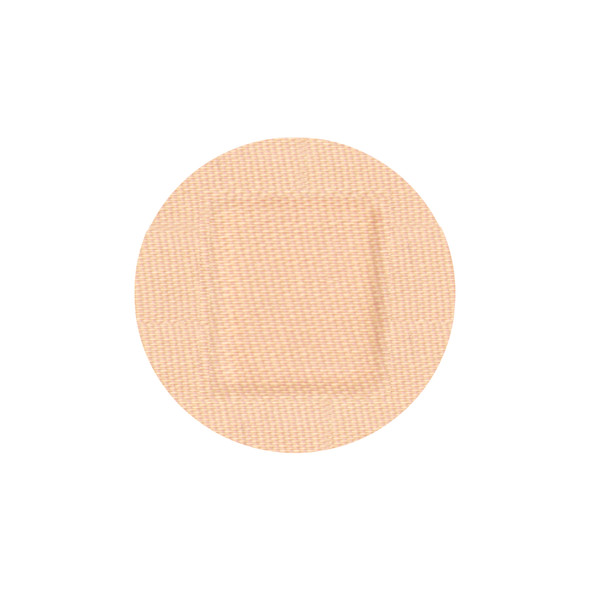

Dukal Sterile Soft Flexible Fabric Spot Adhesive Bandages, 7/8", 100/Box, 12 BX/CS, 7/8" Spot
Dukal
$87.99The item on this page is the Dukal Sterile Soft Flexible Fabric Spot Adhesive Bandages, supplied sterile and sized 7/8" for routine clinical care. Dukal describes item OVKXD first by this trait:...- SKU:
- OVKXD
$87.99 -
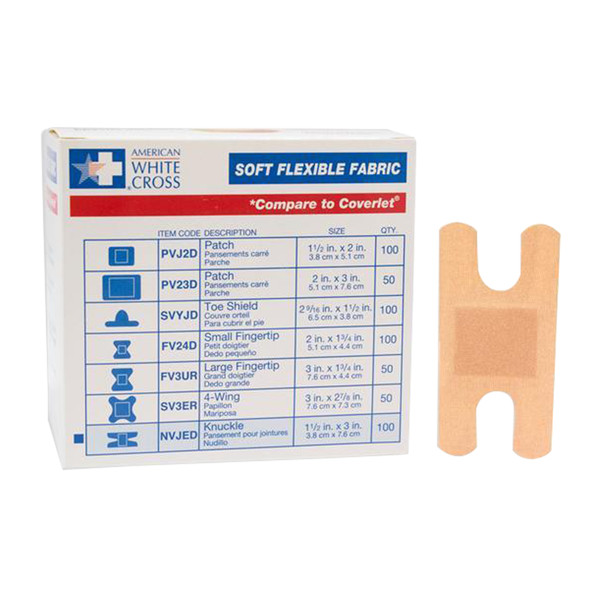
Dukal Sterile Soft Flexible Fabric Knuckle Adhesive Bandages, 1-1/2" x 3", 100/Box, 12 BX/CS
Dukal
$115.99The item on this page is the Dukal Sterile Soft Flexible Fabric Knuckle Adhesive Bandages, supplied sterile and sized Knuckleband 1-1/2" x 3" for routine clinical care. Item NVJED is defined by one...- SKU:
- NVJED
$115.99 -

Dukal Sterile Sheer Spot Adhesive Bandages, 7/8", 100/Box, 36 BX/CS, 3600 per Case, for Bandages
Dukal
$129.99Facilities order the Dukal Sterile Sheer Spot Adhesive Bandages under Dukal item number 99982 when they need an adhesive bandage that is supplied sterile. Item 99982 is defined by one trait above the...- SKU:
- 99982
$129.99 -

Dukal Sterile Plastic Adhesive Bandages, 3/4" x 3", 9000/Case, Zigzag, Bulk, 9000 per Case
Dukal
$213.99The item on this page is the Dukal Sterile Plastic Adhesive Bandages, supplied sterile and sized 3/4" x 3" for routine clinical care. What sets item 99749 apart is simple: soft and flexible. Sold by...- SKU:
- DUK-99749
$213.99 -

Dukal Sterile Plastic Adhesive Bandages, 1" x 3", 7500/Case, Bulk, 7500 per Case, for Bandages
Dukal
$222.99This listing covers the Dukal Sterile Plastic Adhesive Bandages, an adhesive bandage sized 1" x 3" that is supplied sterile. Dukal describes item 997481 first by this trait: soft and flexible. Item...- SKU:
- 997481
$222.99 -
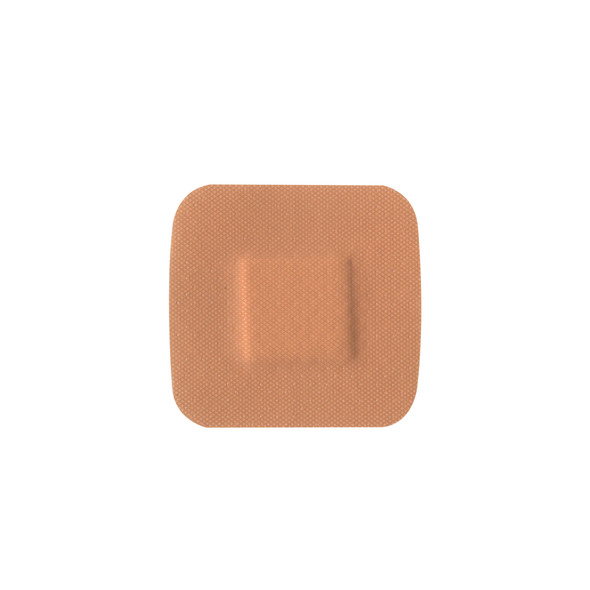
Dukal Sterile Plastic Adhesive Patch Adhesive Bandages, 1-1/2" x 1-1/2", 10000/Case, Bulk, 10000 per Case
Dukal
$233.99Care teams stock the Dukal Sterile Plastic Adhesive Patch Adhesive Bandages as a standard adhesive bandage for daily procedures, supplied sterile and sized 1-1/2" x 1-1/2". For item 99708, the...- SKU:
- 99708
$233.99 -
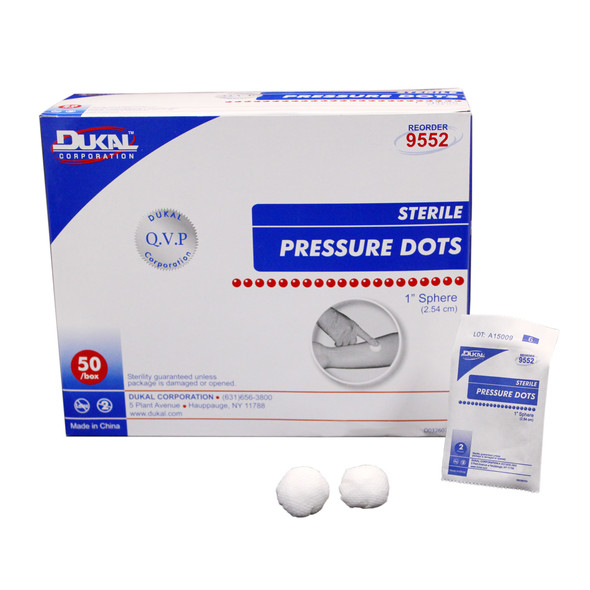
Dukal Sterile Pressure Dots, 1", 50/Box, 10 BX/CS, 50 pk/bx, 10 bx/cs (36 cs/plt), 1000 per Case
Dukal
$118.99Care teams stock the Dukal Sterile Pressure Dots as a standard pressure dot for daily procedures, supplied sterile and sized 1". Item 9552 is defined by one trait above the rest: non-woven gauze...- SKU:
- 9552
$118.99 -
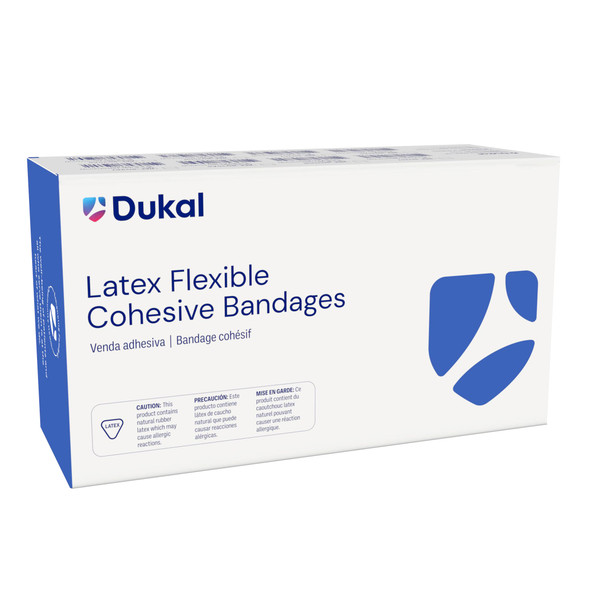
Dukal Latex Cohesive Bandages, 1.5" x 5 yds, Tan, Non-Sterile, 1/Pack, 48 PK/BX, 1½", 5 yds/rl
Dukal
$93.99This listing covers the Dukal Latex Cohesive Bandages, a cohesive bandage sized 1.5" x 5 yd that is supplied non-sterile. Item 8155T is defined by one trait above the rest: provides consistent...- SKU:
- DUK-8155T
$93.99 -

Dukal Latex Cohesive Bandages, 1.5" x 5 yds, Dark Blue, Non-Sterile, 1/Pack, 48 PK/BX, 1½"
Dukal
$93.99The item on this page is the Dukal Latex Cohesive Bandages, supplied non-sterile and sized 1.5" x 5 yd for routine clinical care. Item 8155DB is defined by one trait above the rest: provides...- SKU:
- DUK-8155DB
$93.99 -

Dukal Cohesive Bandages, 4" x 5 yds, Purple, Non-Sterile, 1/Pack, 18 PK/BX, 4x5 yds, 1 rl/pk
Dukal
$95.99Facilities order the Dukal Cohesive Bandages under Dukal item number 8046PLLF when they need a cohesive bandage that is supplied non-sterile. What sets item 8046PLLF apart is simple: provides...- SKU:
- 8046PLLF
$95.99 -

Dukal Cohesive Bandages, 4" x 5 yds, Assorted, Non-Sterile, 1/Pack, 18 PK/BX, Latex Free (LF)
Dukal
$103.99Care teams stock the Dukal Cohesive Bandages as a standard cohesive bandage for daily procedures, supplied non-sterile and sized 4" x 5 yd. Dukal describes item 8046ASLF first by this trait: provides...- SKU:
- 8046ASLF
$103.99 -

Dukal Latex Cohesive Bandages, 2" x 5 yds, Black, Non-Sterile, 36 RL/BX, 6 BX/CS, 2" x 5yards
Dukal
$93.99The item on this page is the Dukal Latex Cohesive Bandages, supplied non-sterile and sized 2" x 5 yds for routine clinical care. Dukal describes item 8025BK first by this trait: provides consistent...- SKU:
- 8025BK
$93.99 -
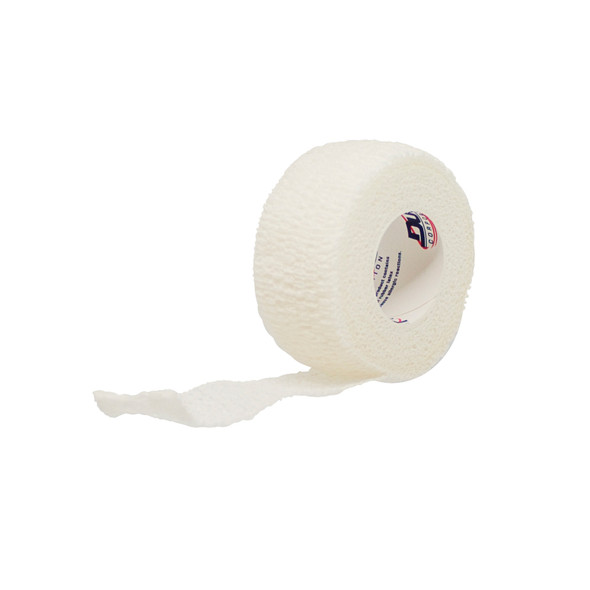
Dukal Latex Cohesive Bandages, 1" x 5 yds, White, Non-Sterile, 1/Pack, 30 PK/BX, 5 yds/rl, 30 rl/bx
Dukal
$57.99The item on this page is the Dukal Latex Cohesive Bandages, supplied non-sterile and sized 1" x 5 yd for routine clinical care. Item 8015W is defined by one trait above the rest: provides consistent...- SKU:
- DUK-8015W
$57.99 -

Dukal Latex Cohesive Bandages, 1" x 5 yds, Tan, Non-Sterile, 1/Pack, 30 PK/BX, 5 yds/rl, 30 rl/bx
Dukal
$57.99Facilities order the Dukal Latex Cohesive Bandages under Dukal item number 8015T when they need a cohesive bandage that is supplied non-sterile. What sets item 8015T apart is simple: provides...- SKU:
- DUK-8015T
$57.99 -
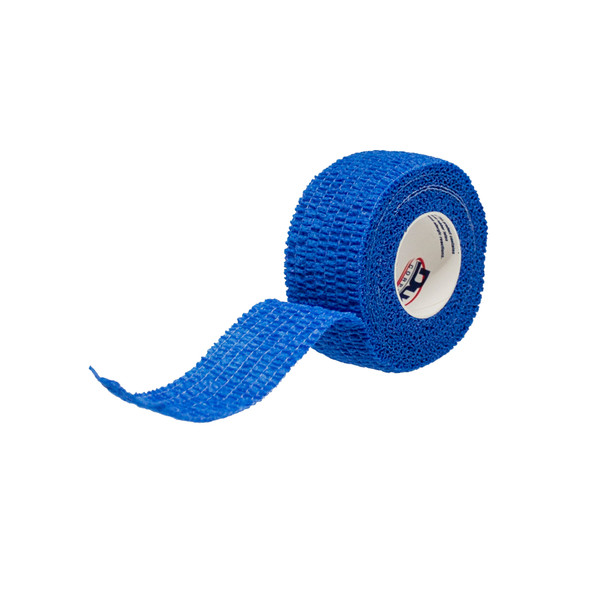
Dukal Latex Cohesive Bandages, 1" x 5 yds, Dark Blue, Non-Sterile, 1/Pack, 30 PK/BX, 5 yds/rl
Dukal
$57.99This listing covers the Dukal Latex Cohesive Bandages, a cohesive bandage sized 1" x 5 yd that is supplied non-sterile. Item 8015DB is defined by one trait above the rest: provides consistent support...- SKU:
- DUK-8015DB
$57.99 -
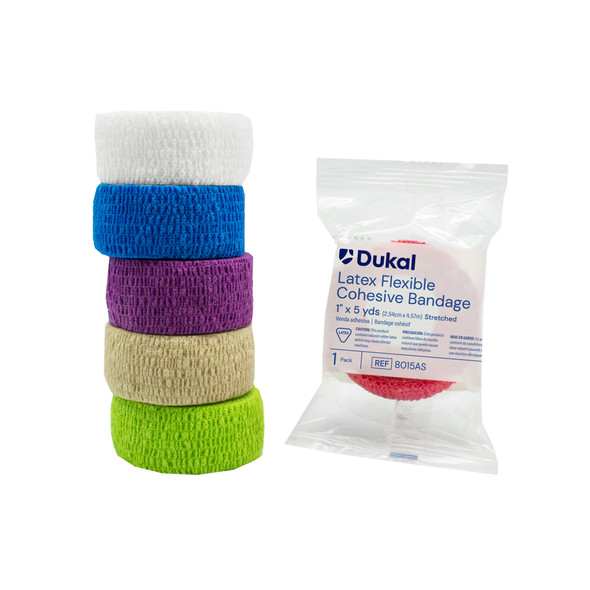
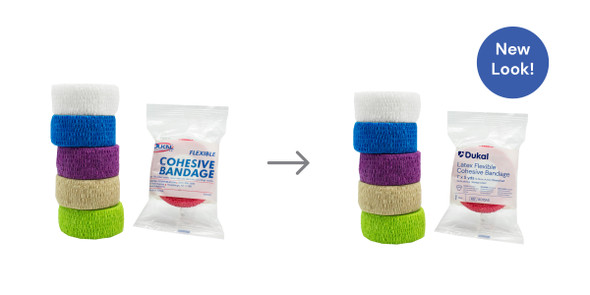
Dukal Latex Cohesive Bandages, 1" x 5 yds, Assorted, Non-Sterile, 1/Pack, 30 PK/BX, Assorted Colors
Dukal
$57.99Facilities order the Dukal Latex Cohesive Bandages under Dukal item number 8015AS when they need a cohesive bandage that is supplied non-sterile. Item 8015AS is defined by one trait above the rest:...- SKU:
- DUK-8015AS
$57.99
About Bandages
Bandages are essential wound care products used to protect, secure, and support injuries of all kinds. Whether treating a small cut, sprain, or post-surgical wound, bandages help safeguard the affected area, promote healing, and provide comfort during recovery. They are a staple in first aid kits, hospitals, and households, offering a variety of options tailored for specific needs. From adhesive bandages to elastic wraps, bandages ensure that wounds remain clean, secure, and well-supported.
Why Are Bandages Important?
Bandages play a critical role in wound care for the following reasons:
- Protection: They shield wounds from dirt, bacteria, and external elements, reducing the risk of infection.
- Stability: Bandages provide support to injured areas, preventing further damage or irritation.
- Secure Dressings: They hold dressings, gauze, or ointments in place, ensuring effective treatment.
- Comfort: Soft and flexible materials reduce discomfort and protect sensitive areas during healing.
Types of Bandages
1. Adhesive Bandages
Adhesive bandages, commonly known as "band-aids," are small, pre-packaged dressings with an adhesive backing. They are ideal for everyday use and minor injuries.
Key Features:
- A built-in pad covers and protects the wound.
- Available in various sizes, shapes, and materials.
- Easy to apply and remove.
Best Uses:
- Minor cuts, scrapes, and abrasions.
- Blisters or small puncture wounds.
Advantages:
- Convenient and disposable.
- Portable and ideal for first aid kits.
2. Elastic Bandages (Compression Wraps)
Elastic bandages are stretchable wraps used to provide compression and support for sprains, strains, and joint injuries.
Key Features:
- Reusable and adjustable for a customized fit.
- Made from durable, stretchy fabric.
- Often equipped with clips or Velcro for secure fastening.
Best Uses:
- Supporting sprained ankles or wrists.
- Reducing swelling in injured areas.
- Securing ice packs or other cold therapy applications.
Advantages:
- Offers adjustable compression for stability.
- Durable and reusable for long-term use.
3. Cohesive Bandages
Cohesive bandages stick to themselves but not to the skin, hair, or wound. They are commonly used in sports medicine and veterinary care.
Key Features:
- Lightweight, stretchy material.
- Adheres to itself without additional fasteners.
- Comfortable and breathable.
Best Uses:
- Wrapping fingers, toes, or other areas prone to movement.
- Securing dressings or splints.
- Providing light compression for swelling or minor injuries.
Advantages:
- Non-sticky and pain-free removal.
- Flexible and easy to apply.
4. Tubular Bandages
Tubular bandages are seamless, elastic bandages that provide even pressure and support for limbs or joints.
Key Features:
- Cylindrical and slip-on design.
- Stretches to fit various body parts.
- Provides uniform compression and protection.
Best Uses:
- Protecting burns, cuts, or skin conditions.
- Supporting sprains or muscle injuries.
- Securing bulky dressings.
Advantages:
- No need for clips, tape, or fasteners.
- Comfortable for long-term wear.
5. Triangle Bandages
Triangle bandages are multi-purpose cloth bandages often used as slings or to secure larger dressings.
Key Features:
- Made from durable fabric, often cotton or muslin.
- Large, triangular shape for versatility.
- Can be used with safety pins to secure.
Best Uses:
- Creating slings for arm or shoulder injuries.
- Emergency first aid for stabilizing broken bones.
- Securing bulky or large dressings.
Advantages:
- Highly versatile for emergency use.
- Washable and reusable.
6. Hydrocolloid Bandages
Hydrocolloid bandages are advanced adhesive bandages that promote moist healing environments for faster recovery.
Key Features:
- Made with gel-forming agents to maintain moisture.
- Waterproof and long-lasting.
- Designed to reduce scarring.
Best Uses:
- Blisters or minor burns.
- Small wounds prone to dryness or irritation.
- Healing wounds that require a moist environment.
Advantages:
- Enhances healing while protecting the wound.
- Stays in place for several days.
7. Bandage Strips and Rolls
Bandage strips and rolls are versatile fabric or paper-based products that can be cut to size for customized wound care.
Key Features:
- Available in rolls or pre-cut strips.
- Lightweight, breathable material.
- Works well with antiseptics or gauze dressings.
Best Uses:
- Covering and securing large or irregularly shaped wounds.
- Supporting gauze pads or packing material.
Advantages:
- Customizable for unique wound shapes.
- Affordable and easy to use.
Benefits of Bandages
- Versatility: Bandages are suitable for a wide range of injuries, from minor scrapes to sprains and complex wounds.
- Ease of Use: Most bandages are simple to apply, even without professional assistance.
- Affordability: Bandages are cost-effective solutions for everyday wound care.
- Enhanced Healing: Advanced bandages like hydrocolloid options promote faster recovery.
- Comfort and Security: Materials are designed to reduce discomfort and stay in place during movement.
Common Use Cases for Bandages
- Minor Injuries: Adhesive bandages are perfect for quick treatment of everyday cuts, scrapes, and blisters.
- Sports Injuries: Elastic and cohesive bandages provide support and compression for sprains and strains.
- Post-Surgery Care: Bandage rolls and strips secure dressings for surgical wounds.
- Emergency Care: Triangle bandages stabilize injuries in first aid scenarios.
- Specialized Wounds: Hydrocolloid bandages protect blisters and burns while promoting healing.
FAQs: Bandages
Q: Can I reuse bandages?
A: Most adhesive and disposable bandages are single-use, but elastic wraps, cohesive bandages, and triangle bandages can be washed and reused.
Q: How often should I change a bandage?
A: Change bandages daily or whenever they become wet, dirty, or lose adhesion.
Q: Are bandages waterproof?
A: Many adhesive and hydrocolloid bandages are waterproof, while others like fabric bandages may not be. Always check the product label.
Q: What’s the difference between cohesive and elastic bandages?
A: Cohesive bandages stick to themselves without adhesives, while elastic bandages rely on fasteners like clips or Velcro.
Bandages are a cornerstone of effective wound care, offering protection, support, and comfort for injuries of all types. From adhesive strips for minor cuts to elastic wraps for joint injuries, there’s a bandage for every need. By selecting the right type of bandage, you can ensure optimal healing and safety for both everyday use and emergency care.
Frequently Asked Questions About Bandages
1. How do I choose the right bandage for my wound?
Adhesive Bandages: Best for minor cuts and scrapes. They come in various sizes and shapes for different wound locations.
Elastic Bandages: Provide support and compression for sprains or strains. They are adjustable and can be used to secure dressings in place.
Cohesive Bandages: Stick to themselves but not to the skin, making them ideal for wrapping areas where you need flexibility and comfort.