
Catheters
Catheters are vital medical devices designed to aid in various medical procedures, ensuring precision, comfort, and improved patient outcomes. Whether for urinary drainage, cardiovascular interventions, or medication delivery, catheters play an indispensable role in modern healthcare, offering solutions for a wide range of conditions. Understanding their types, uses, and benefits can help you make informed decisions, whether you’re a healthcare professional or a patient seeking clarity on your care options.
Types of Catheters: Tailored for Every Medical Need
Catheters come in various designs, each suited to specific medical applications. Below are the main types of catheters:
1. Urinary Catheters
Used for draining the bladder, these are commonly employed in cases of urinary retention, post-surgical care, or chronic conditions affecting bladder function. Subcategories include:
- Foley Catheters (Indwelling Catheters): Long-term use, with a balloon mechanism to hold the catheter in place.
- Intermittent Catheters: Single-use, ideal for periodic bladder drainage.
- External Catheters (Condom Catheters): Non-invasive, used primarily by men for urinary management.
2. Central Venous Catheters (CVCs)
Designed for long-term access to major veins, these are critical in delivering medication, nutrition, or drawing blood in cases requiring ongoing treatment. Types include:
- Peripherally Inserted Central Catheters (PICCs): Used for extended intravenous therapy.
- Tunneled Catheters: Implanted for long-term use, such as chemotherapy.
- Non-Tunneled Catheters: Temporary access for emergency care.
3. Peripheral Catheters
These are short-term catheters used to administer fluids or medications directly into peripheral veins, commonly seen in outpatient care or emergency settings.
4. Cardiovascular Catheters
Specialized for procedures like angioplasty or cardiac catheterization, these provide access to the heart and blood vessels for diagnostic and therapeutic purposes.
5. Dialysis Catheters
Designed for hemodialysis or peritoneal dialysis, these help in managing kidney failure by facilitating blood filtration.
Features and Benefits of Catheters
1. Versatility Across Medical Conditions
Catheters address a wide array of medical needs, from simple urinary drainage to complex cardiovascular surgeries, ensuring comprehensive care for patients.
2. Minimally Invasive Solutions
Many catheters are designed to minimize patient discomfort and reduce recovery times by offering non-invasive or minimally invasive options.
3. Advanced Materials for Safety and Comfort
Modern catheters are crafted from biocompatible materials like silicone or polyurethane, reducing the risk of infection, irritation, or allergic reactions.
4. Enhanced Precision
Catheters enable precise administration of fluids or medications, enhancing the effectiveness of treatments and diagnostic procedures.
Real-World Applications of Catheters
- Post-Surgical Care: Foley catheters are commonly used after surgeries to ensure effective bladder management.
- Chronic Kidney Disease: Dialysis catheters serve as lifelines for patients requiring regular blood filtration.
- Cardiac Interventions: Cardiovascular catheters help diagnose and treat life-threatening heart conditions with minimal invasiveness.
- Home Healthcare: Intermittent catheters empower patients with mobility while managing conditions like spinal cord injuries or neurogenic bladder.
Choosing the Right Catheter
Selecting the appropriate catheter depends on several factors:
- Purpose of Use: Is the catheter for diagnostic, therapeutic, or palliative care?
- Duration: Short-term or long-term requirements?
- Patient Comfort: Consider external versus indwelling designs for specific conditions.
- Healthcare Provider Recommendation: Always consult with a medical professional for personalized advice.
Frequently Asked Questions (FAQ)
1. What are the risks of using a catheter?
Risks include infection, irritation, or blockage. Proper hygiene and medical supervision reduce these risks.
2. How do I maintain a catheter at home?
Follow your healthcare provider’s instructions for cleaning, monitoring, and changing the catheter to ensure safety and comfort.
3. Can catheters be reused?
Most catheters are single-use to minimize infection risk. Some, like silicone catheters, may be reusable with proper sterilization.
4. What materials are catheters made of?
Catheters are typically made from silicone, latex, or polyurethane, chosen for their flexibility, durability, and biocompatibility.
5. How do I know if a catheter is right for me?
Your healthcare provider will assess your medical condition, treatment goals, and preferences to determine the best option.
Trusted Solutions for Medical Care
Catheters are indispensable tools in healthcare, offering safe, effective, and precise solutions for a wide range of medical needs. From urinary drainage to life-saving cardiac procedures, these devices ensure that patients receive the care they need with minimal discomfort and maximum effectiveness. Whether you're managing a chronic condition or undergoing a temporary treatment, understanding your catheter options empowers you to take control of your health.
Shop By Category
-
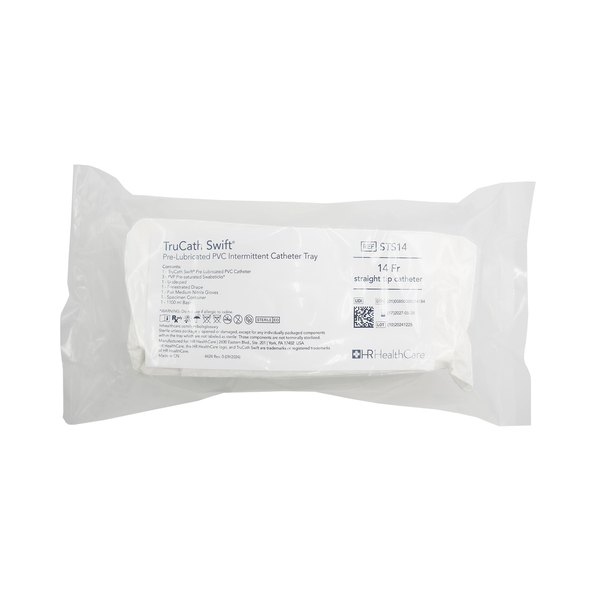

HR Healthcare TruCath Swift Intermittent Catheter Tray - CSR Wrapped Tray with Pre-Lubricated Catheter
HR Healthcare
$123.69The HR Healthcare TruCath Swift Intermittent Catheter Tray is a protocol in a box, with every component the procedure needs already sterile and in reach. This range covers catheter trays, insertion...- SKU:
- STS14
$123.69 -

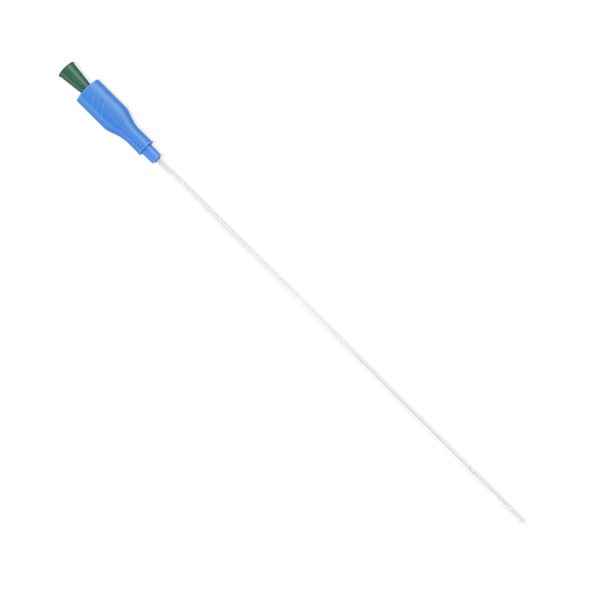
HR Healthcare TruCath Swift Pre-Lubricated Intermittent Catheters - Gel-Coated Catheters, TruProtect Grip
HR Healthcare
$470.12 - $561.86The HR Healthcare TruCath Swift Pre-Lubricated Intermittent Catheters are made for intermittent catheterization, a small procedure repeated thousands of times, so the catheter has to disappear into...$470.12 - $561.86 -
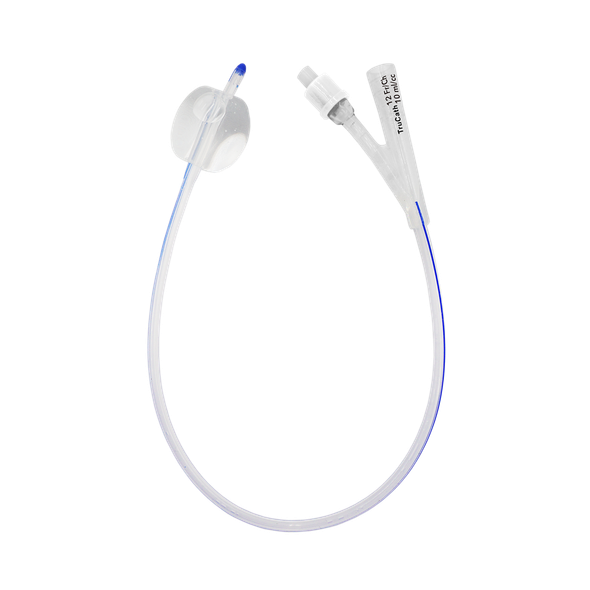

HR Healthcare TruCath 100% Silicone Foley Catheters - 2-Way and 3-Way Catheters, 10 and 30 ml Balloons
HR Healthcare
$112.16 - $232.49The HR Healthcare TruCath 100% Silicone Foley Catheters answer the three decisions Foley catheterization makes in one step: how the catheter places, how it drains and how it feels for the whole dwell...$112.16 - $232.49 -


HR Healthcare TruCath Red Rubber Intermittent Catheter Trays - CSR Wrapped 14 Fr Trays with Prep Supplies
HR Healthcare
$117.94 - $161.07The HR Healthcare TruCath Red Rubber Intermittent Catheter Trays are a protocol in a box, with every component the procedure needs already sterile and in reach. This range covers catheter trays,...$117.94 - $161.07 -


HR Healthcare TruCath Red Rubber Intermittent Urethral Catheters - Latex Catheters, 8 to 22 Fr, 16 Inch
HR Healthcare
$482.60The HR Healthcare TruCath Red Rubber Intermittent Urethral Catheters are made for intermittent catheterization, a small procedure repeated thousands of times, so the catheter has to disappear into...$482.60 -
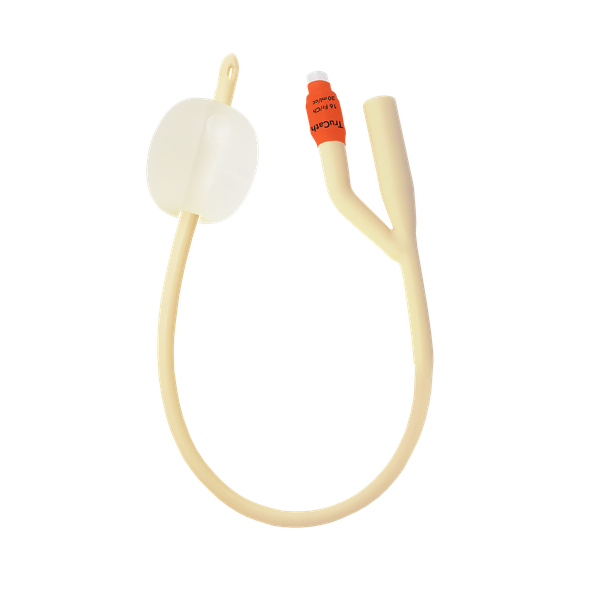
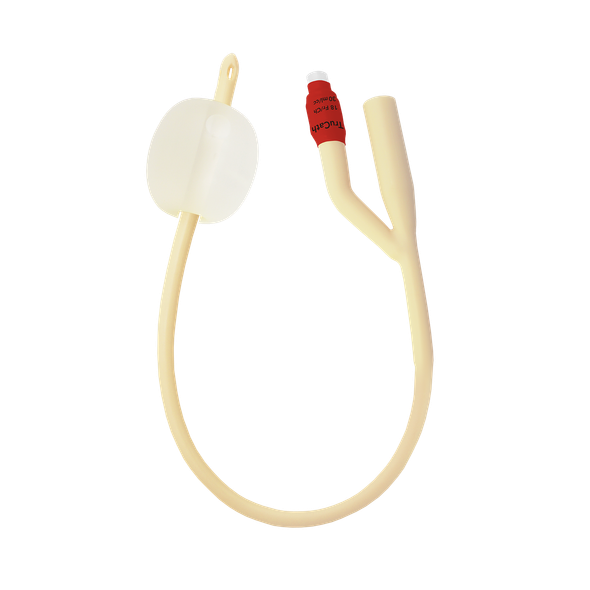
HR Healthcare TruCath Silicone-Elastomer Coated Latex Foley Catheters - 2-Way and 3-Way Catheter Options
HR Healthcare
$95.27 - $207.87The HR Healthcare TruCath Silicone-Elastomer Coated Latex Foley Catheters answer the three decisions Foley catheterization makes in one step: how the catheter places, how it drains and how it feels...$95.27 - $207.87 -

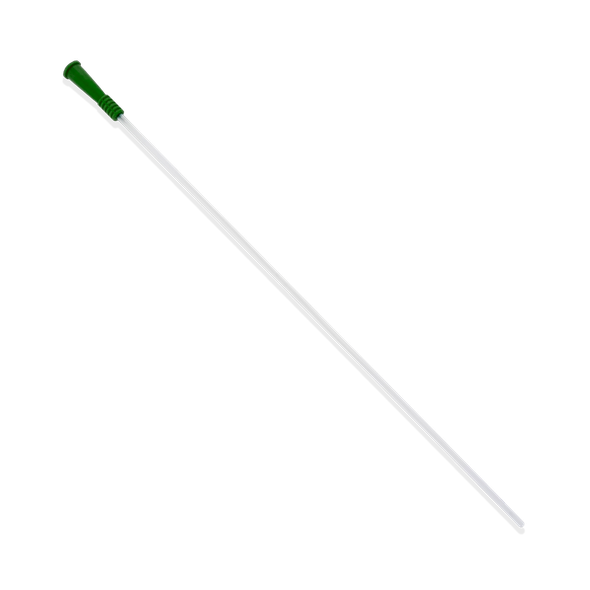
HR Healthcare TruCath Uncoated Intermittent Catheters - Straight, Coude and Soft PVC Catheter Options
HR Healthcare
$221.28 - $514.54The HR Healthcare TruCath Uncoated Intermittent Catheters are made for intermittent catheterization, a small procedure repeated thousands of times, so the catheter has to disappear into the routine...$221.28 - $514.54 -
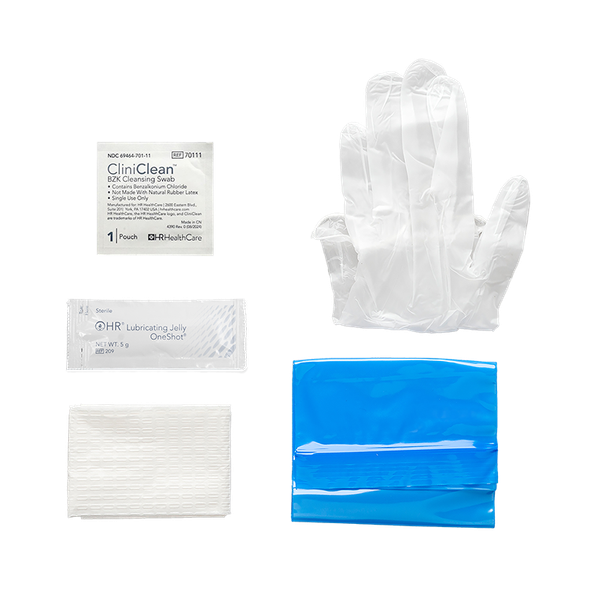

HR Healthcare TruCath Intermittent Catheter Insertion Kits - Aseptic Insertion Kits with Prep Supplies
HR Healthcare
$120.84 - $140.74The HR Healthcare TruCath Intermittent Catheter Insertion Kits are a protocol in a box, with every component the procedure needs already sterile and in reach. This range covers catheter trays,...$120.84 - $140.74 -


HR Healthcare TruCath Hydrophilic Intermittent Catheters - Touch-Free Sleeve Catheters, Straight and Coude
HR Healthcare
$426.51 - $557.20The HR Healthcare TruCath Hydrophilic Intermittent Catheters are made for intermittent catheterization, a small procedure repeated thousands of times, so the catheter has to disappear into the...$426.51 - $557.20 -
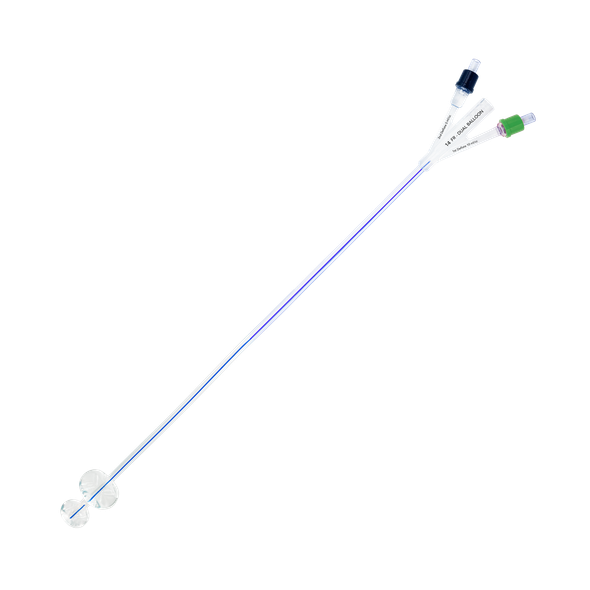

HR Healthcare TruCath Duo 100% Silicone Dual-Balloon Foley Catheters - Atraumatic Indwelling Catheters
HR Healthcare
$334.35The HR Healthcare TruCath Duo 100% Silicone Dual-Balloon Foley Catheters answer the three decisions Foley catheterization makes in one step: how the catheter places, how it drains and how it feels...$334.35 -
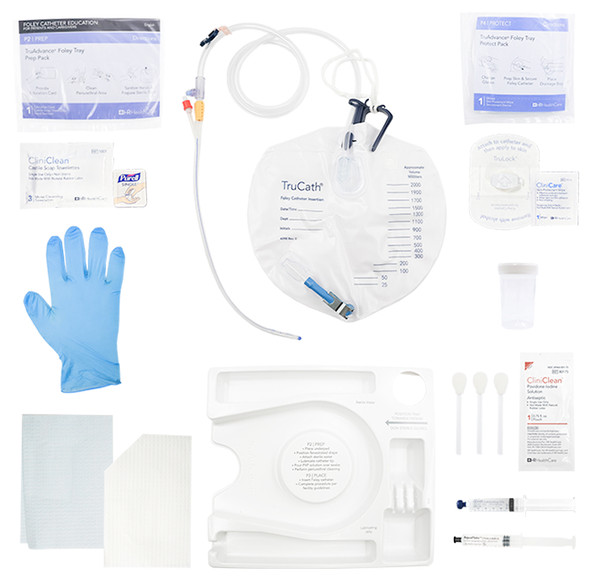

HR Healthcare TruAdvance 100% Silicone Foley Catheter Tray Kits - Pre-Connected Drainage and Urine Meter Trays
HR Healthcare
$300.87 - $363.76The HR Healthcare TruAdvance 100% Silicone Foley Catheter Tray Kits are a protocol in a box, with every component the procedure needs already sterile and in reach. This range covers catheter trays,...$300.87 - $363.76 -


HR Healthcare TruAdvance Silicone-Elastomer Coated Latex Foley Catheter Trays - Pre-Connected Systems
HR Healthcare
$252.81 - $452.90The HR Healthcare TruAdvance Silicone-Elastomer Coated Latex Foley Catheter Trays are a protocol in a box, with every component the procedure needs already sterile and in reach. This range covers...$252.81 - $452.90 -


HR Healthcare TruAdvance Irrigation Tray with Piston Syringe - 800 ml Graduated Tray Kit for Irrigation
HR Healthcare
$75.13The HR Healthcare TruAdvance Irrigation Tray with Piston Syringe is a protocol in a box, with every component the procedure needs already sterile and in reach. This range covers catheter trays,...- SKU:
- SPIT
$75.13 -


HR Healthcare TruAdvance Foley Insertion Trays - Catheter-Free Trays with Pre-Filled Water Syringes
HR Healthcare
$96.12 - $98.01The HR Healthcare TruAdvance Foley Insertion Trays are a protocol in a box, with every component the procedure needs already sterile and in reach. This range covers catheter trays, insertion trays...$96.12 - $98.01 -


HR Healthcare TruAdvance TruCath Duo Foley Catheter Trays - Dual-Balloon Catheter Trays and Insertion Trays
HR Healthcare
$130.16 - $455.78The HR Healthcare TruAdvance TruCath Duo Foley Catheter Trays are a protocol in a box, with every component the procedure needs already sterile and in reach. This range covers catheter trays,...$130.16 - $455.78 -


HR Healthcare TruAdvance Closed System Intermittent Catheter Trays - EZ-Advancer Catheter Trays, CSR Wrap
HR Healthcare
$369.48 - $372.73The HR Healthcare TruAdvance Closed System Intermittent Catheter Trays are a protocol in a box, with every component the procedure needs already sterile and in reach. This range covers catheter...$369.48 - $372.73 -


HR Healthcare TruAdvance Add-A-Catheter Foley Trays - Catheter-Free Trays with Bag or Urine Meter
HR Healthcare
$229.49 - $302.99The HR Healthcare TruAdvance Add-A-Catheter Foley Trays are a protocol in a box, with every component the procedure needs already sterile and in reach. This range covers catheter trays, insertion...$229.49 - $302.99 -


HR Healthcare MTG Kiddie-Kath Closed System Pediatric Intermittent Catheters - 8 Fr Catheter Kits
HR Healthcare
$486.70 - $535.21The HR Healthcare MTG Kiddie-Kath Closed System Pediatric Intermittent Catheters never leave their collection bag until inside the patient, which removes the handling steps where contamination...$486.70 - $535.21 -
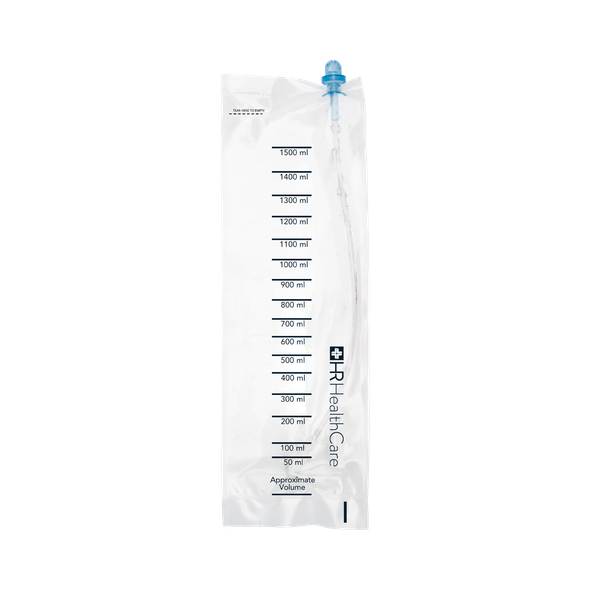

HR Healthcare MTG Jiffy Cath Closed System Intermittent Catheters - No-Touch Catheters, 1500 ml Bags
HR Healthcare
$417.43 - $514.54The HR Healthcare MTG Jiffy Cath Closed System Intermittent Catheters never leave their collection bag until inside the patient, which removes the handling steps where contamination happens. This...$417.43 - $514.54 -


HR Healthcare EZ-Protect Hydrophilic Closed System Intermittent Catheters - No-Touch Kits, 1000 ml Bags
HR Healthcare
$389.42 - $400.45The HR Healthcare EZ-Protect Hydrophilic Closed System Intermittent Catheters never leave their collection bag until inside the patient, which removes the handling steps where contamination happens...$389.42 - $400.45
About Catheters
Catheters are vital medical devices designed to aid in various medical procedures, ensuring precision, comfort, and improved patient outcomes. Whether for urinary drainage, cardiovascular interventions, or medication delivery, catheters play an indispensable role in modern healthcare, offering solutions for a wide range of conditions. Understanding their types, uses, and benefits can help you make informed decisions, whether you’re a healthcare professional or a patient seeking clarity on your care options.
Types of Catheters: Tailored for Every Medical Need
Catheters come in various designs, each suited to specific medical applications. Below are the main types of catheters:
1. Urinary Catheters
Used for draining the bladder, these are commonly employed in cases of urinary retention, post-surgical care, or chronic conditions affecting bladder function. Subcategories include:
- Foley Catheters (Indwelling Catheters): Long-term use, with a balloon mechanism to hold the catheter in place.
- Intermittent Catheters: Single-use, ideal for periodic bladder drainage.
- External Catheters (Condom Catheters): Non-invasive, used primarily by men for urinary management.
2. Central Venous Catheters (CVCs)
Designed for long-term access to major veins, these are critical in delivering medication, nutrition, or drawing blood in cases requiring ongoing treatment. Types include:
- Peripherally Inserted Central Catheters (PICCs): Used for extended intravenous therapy.
- Tunneled Catheters: Implanted for long-term use, such as chemotherapy.
- Non-Tunneled Catheters: Temporary access for emergency care.
3. Peripheral Catheters
These are short-term catheters used to administer fluids or medications directly into peripheral veins, commonly seen in outpatient care or emergency settings.
4. Cardiovascular Catheters
Specialized for procedures like angioplasty or cardiac catheterization, these provide access to the heart and blood vessels for diagnostic and therapeutic purposes.
5. Dialysis Catheters
Designed for hemodialysis or peritoneal dialysis, these help in managing kidney failure by facilitating blood filtration.
Features and Benefits of Catheters
1. Versatility Across Medical Conditions
Catheters address a wide array of medical needs, from simple urinary drainage to complex cardiovascular surgeries, ensuring comprehensive care for patients.
2. Minimally Invasive Solutions
Many catheters are designed to minimize patient discomfort and reduce recovery times by offering non-invasive or minimally invasive options.
3. Advanced Materials for Safety and Comfort
Modern catheters are crafted from biocompatible materials like silicone or polyurethane, reducing the risk of infection, irritation, or allergic reactions.
4. Enhanced Precision
Catheters enable precise administration of fluids or medications, enhancing the effectiveness of treatments and diagnostic procedures.
Real-World Applications of Catheters
- Post-Surgical Care: Foley catheters are commonly used after surgeries to ensure effective bladder management.
- Chronic Kidney Disease: Dialysis catheters serve as lifelines for patients requiring regular blood filtration.
- Cardiac Interventions: Cardiovascular catheters help diagnose and treat life-threatening heart conditions with minimal invasiveness.
- Home Healthcare: Intermittent catheters empower patients with mobility while managing conditions like spinal cord injuries or neurogenic bladder.
Choosing the Right Catheter
Selecting the appropriate catheter depends on several factors:
- Purpose of Use: Is the catheter for diagnostic, therapeutic, or palliative care?
- Duration: Short-term or long-term requirements?
- Patient Comfort: Consider external versus indwelling designs for specific conditions.
- Healthcare Provider Recommendation: Always consult with a medical professional for personalized advice.
Frequently Asked Questions (FAQ)
1. What are the risks of using a catheter?
Risks include infection, irritation, or blockage. Proper hygiene and medical supervision reduce these risks.
2. How do I maintain a catheter at home?
Follow your healthcare provider’s instructions for cleaning, monitoring, and changing the catheter to ensure safety and comfort.
3. Can catheters be reused?
Most catheters are single-use to minimize infection risk. Some, like silicone catheters, may be reusable with proper sterilization.
4. What materials are catheters made of?
Catheters are typically made from silicone, latex, or polyurethane, chosen for their flexibility, durability, and biocompatibility.
5. How do I know if a catheter is right for me?
Your healthcare provider will assess your medical condition, treatment goals, and preferences to determine the best option.
Trusted Solutions for Medical Care
Catheters are indispensable tools in healthcare, offering safe, effective, and precise solutions for a wide range of medical needs. From urinary drainage to life-saving cardiac procedures, these devices ensure that patients receive the care they need with minimal discomfort and maximum effectiveness. Whether you're managing a chronic condition or undergoing a temporary treatment, understanding your catheter options empowers you to take control of your health.