
Furnishings and Equipment
Clinical Furnishings and Equipment are essential components of any healthcare setting, supporting patient care, clinical procedures, and medical workflow. From examination tables and procedure chairs to overbed tables and medical trolleys, these furnishings are designed for durability, hygiene, and ergonomic efficiency. At MedicalEx, we provide a comprehensive selection of clinical furniture to help hospitals, clinics, and outpatient centers maintain high standards of care and safety.
Why Clinical Furnishings and Equipment Are Essential
Clinical furnishings and equipment are not just about comfort — they are integral to care delivery, infection control, and operational efficiency. Proper furnishings reduce clinician fatigue, enable safer procedures, and improve patient experiences. Whether supporting mobility, offering secure storage, or facilitating diagnostic work, clinical equipment ensures compliance with healthcare standards and enhances productivity across all departments.
- Enables accurate and efficient patient examinations and procedures.
- Improves hygiene and infection prevention through easy-clean designs.
- Reduces physical strain for medical personnel during prolonged tasks.
- Supports patients with mobility or recovery needs.
- Maintains compliance with clinical and safety regulations.
What Is Clinical Furnishings and Equipment?
Clinical furnishings and equipment refer to the specialized, medical-grade furniture used in patient care settings. These include exam tables, procedure chairs, mobile carts, IV poles, overbed tables, and clinician seating. Unlike standard furniture, clinical furnishings are designed for repeated sanitation, patient safety, and workflow optimization. They are constructed from non-porous materials like stainless steel, antimicrobial vinyl, and powder-coated metals to withstand high-use environments and strict infection control protocols.
Types of Clinical Furnishings and Equipment
Examination Tables
Best for: Physical assessments, diagnostics, and minor procedures.
Examination tables offer essential support during clinical evaluations, ensuring patients are positioned comfortably and practitioners have full access. These tables often feature adjustable sections, built-in storage, and high load capacities for universal use.
Key Features:
- Adjustable height and backrest for ergonomic positioning.
- Antimicrobial upholstery that is easy to disinfect.
- Integrated drawers or shelves for tool storage.
- Sturdy frames supporting various patient sizes.
- Compatible with disposable paper rolls for hygiene.
Applications:
- GP clinics and specialist examination rooms.
- Outpatient surgical centers.
- Physical therapy and sports medicine facilities.
- Pediatrics and gynecology offices.
Procedure Chairs
Best for: Minor surgical procedures, ENT, dermatology, or dental evaluations.
These versatile chairs allow clinicians to adjust patient positioning with precision during procedures. Many models feature powered recline, rotation, and height adjustment options to accommodate different types of exams and treatments.
Key Features:
- Multiple positioning options, including Trendelenburg.
- Removable or pivoting armrests and foot supports.
- Heavy-duty steel frames with high weight tolerance.
- Padded, fluid-resistant upholstery.
- Electric or manual controls for adjustment.
Applications:
- ENT and dermatology clinics.
- Outpatient procedures and aesthetic treatments.
- Gynecological and urological care.
- Dental and ophthalmology settings.
Medical Carts and Trolleys
Best for: Transporting and organizing medical supplies and instruments.
These mobile units enhance efficiency by keeping critical tools within reach. Medical carts come in various configurations such as anesthesia carts, emergency crash carts, or procedure-specific models with customizable drawers and accessories.
Key Features:
- Lockable drawers for secure storage.
- Sturdy caster wheels for smooth mobility.
- Antimicrobial surfaces for infection control.
- Drawer dividers and work surfaces for organization.
- Available with power integration for devices.
Applications:
- Emergency rooms and ICU units.
- Operating rooms and surgical prep areas.
- Outpatient procedure rooms.
- Ward-based nursing care.
Overbed Tables
Best for: Bedside support for patients during meals, activities, or care.
Overbed tables provide adjustable, mobile surfaces that improve the quality of care for bed-bound patients. They are ideal for both temporary and long-term hospital stays and are built for easy repositioning and cleaning.
Key Features:
- Height-adjustable columns to fit any bed height.
- Durable laminate or ABS tops with spill guards.
- Locking casters for safety and stability.
- Tilting top options for reading or tablets.
- Lightweight construction for easy handling.
Applications:
- Inpatient hospital rooms.
- Rehabilitation and recovery centers.
- Assisted living and long-term care.
- Home healthcare environments.
Clinical Stools and Chairs
Best for: Providing ergonomic seating for clinicians during procedures or examinations.
These stools are designed for mobility, comfort, and support. With features like pneumatic height adjustment, foot rings, and padded seats, they ensure clinicians maintain proper posture and reduce fatigue during extended use.
Key Features:
- Swivel seats with adjustable height functionality.
- Five-leg base with smooth-rolling casters.
- Antimicrobial vinyl cushions.
- Optional backrest and foot support features.
- Compact designs to fit tight exam rooms.
Applications:
- GP and specialist consultation rooms.
- Dentistry and podiatry clinics.
- Diagnostic labs and imaging suites.
- Nursing stations and prep areas.
When to Use Clinical Furnishings and Equipment
Clinical furnishings should be used in all medical environments that require patient interaction, diagnostics, or minor procedures. These products are vital for ensuring hygiene, comfort, and procedural efficiency.
- During general patient consultations or physical exams.
- In minor procedure or treatment rooms.
- For bedside patient care and mobility support.
- In emergency and surgical preparation zones.
- Across rehabilitation and long-term care settings.
How to Use Clinical Furnishings and Equipment
- Position each item for optimal workflow and accessibility.
- Disinfect surfaces between each patient use.
- Adjust height or tilt settings to match the procedure.
- Lock wheels or casters for stability when stationary.
- Conduct regular checks to ensure safety and function.
Key Features of Clinical Furnishings and Equipment
- Ergonomic Design: Improves comfort for both patients and healthcare providers during use.
- Infection Control Materials: Non-porous, antimicrobial surfaces for safe disinfection.
- Mobility and Flexibility: Wheeled units and adjustable components improve workflow.
- High Load Capacity: Equipment designed to support patients of all sizes safely.
- Regulatory Compliance: Designed to meet healthcare hygiene and safety standards.
Benefits of Clinical Furnishings and Equipment
Streamlined Workflow
Ergonomic design and integrated storage help medical staff work more efficiently, reducing delays and improving patient throughput.
Enhanced Patient Safety
Sturdy, stable equipment supports safe positioning and reduces risks during exams and treatments.
Improved Comfort and Dignity
High-quality padding, adjustable features, and mobility aids ensure a respectful and comfortable experience for patients.
Ease of Maintenance
Surfaces are designed for quick, effective cleaning, supporting infection control protocols and reducing operational downtime.
Cost-Effective Durability
Built for daily use, medical furnishings resist wear and tear, minimizing long-term replacement costs and downtime.
How to Choose the Right Clinical Furnishings and Equipment
- Match Equipment to Specialty: Select furnishings based on clinical discipline (e.g., ENT, general practice, dermatology).
- Assess Available Space: Choose compact or foldable options for small exam rooms or mobile use.
- Prioritize Patient Safety: Ensure furnishings have adequate weight ratings and safety locks.
- Focus on Hygiene: Opt for antimicrobial materials and easy-clean finishes.
- Look for Adjustability: Height and angle adjustability supports diverse care needs and staff comfort.
Frequently Asked Questions (FAQs)
What materials are commonly used in clinical furnishings?
Stainless steel, powder-coated metals, and antimicrobial vinyl are standard due to their durability and ease of disinfection.
Can clinical furniture be used in home healthcare?
Yes, many pieces — such as overbed tables and stools — are suitable for home care when compact and easy to clean.
How often should clinical furnishings be cleaned?
Surfaces should be disinfected after every patient use with medical-grade cleaning agents approved for clinical environments.
What is the difference between exam tables and procedure chairs?
Exam tables are typically flat and static, while procedure chairs offer multi-positional adjustments for surgical or specialist exams.
Do furnishings come assembled?
Some products arrive pre-assembled, while others require minimal setup. Always refer to manufacturer instructions for installation.
Related Products
Medical Lighting Equipment
Ensure proper visibility for exams and procedures with surgical-grade lighting solutions. Explore Medical Lighting →
Infection Control Supplies
Support your furnishings with disinfectants, covers, and PPE for complete clinical hygiene. View Infection Control →
Diagnostic Instruments
Equip each clinical space with essential tools like stethoscopes, otoscopes, and thermometers. Browse Diagnostic Tools →
Patient Handling Equipment
Promote safety during transfers and repositioning with hoists, sliders, and mobility aids. Shop Mobility Aids →
Furnish your facility with top-tier clinical equipment from MedicalEx. Our ergonomic, hygienic, and durable solutions are trusted by professionals across all medical disciplines. Shop now and elevate your standard of care.
Shop By Category
-

Pedigo Tote Box Drawer – 10 Inch Deep, For Sterilizer and Wash Carts
Pedigo
$158.99The Pedigo Tote Box Drawer adds a 10 inch deep tote drawer under the work surface of a Pedigo sterilizer or wash cart. Instruments and supplies ride in a removable tote that staff can lift out, carry...- SKU:
- CDS-TB-10
$158.99 -
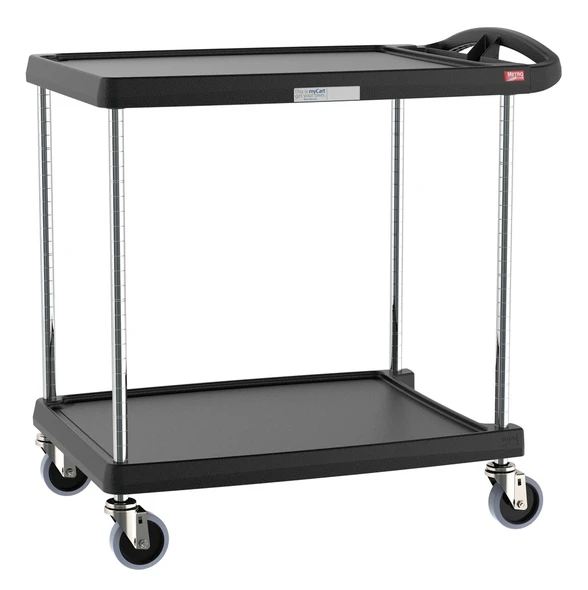
Metro myCart Utility Cart – 2 Shelves, Black, 20 x 30 in, 300 lb Capacity
Metro
$589.99The Metro myCart Utility Cart moves supplies on two black polymer shelves sized 20 x 30 in with a 300 lb total capacity. The smooth, easy to clean shelves sit on chrome posts, and the cart rolls on...- SKU:
- MY2030-24BL
$589.99 -
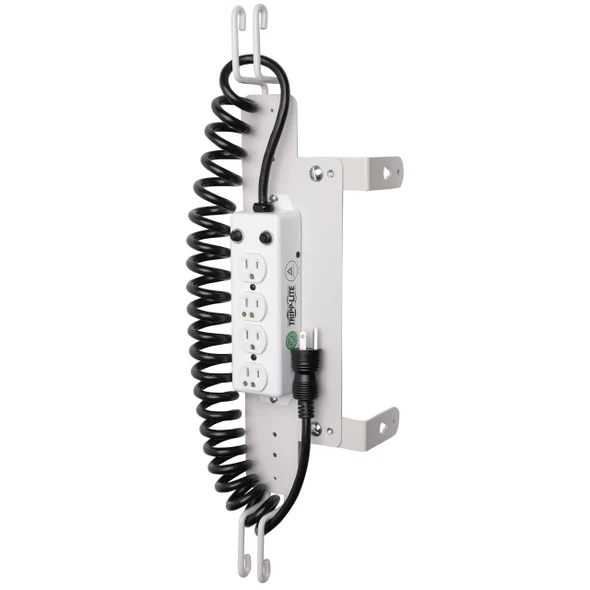
Metro Flexline Power Strip Holder – 4 Hospital Grade Outlets, 10 ft Cord
Metro
$546.99The Metro Flexline Power Strip Holder mounts a hospital grade 4 outlet power strip on a Flexline cart so devices charge and run at the point of care. The strip rides in a dedicated holder on the cart...- SKU:
- FL305-4US
$546.99 -
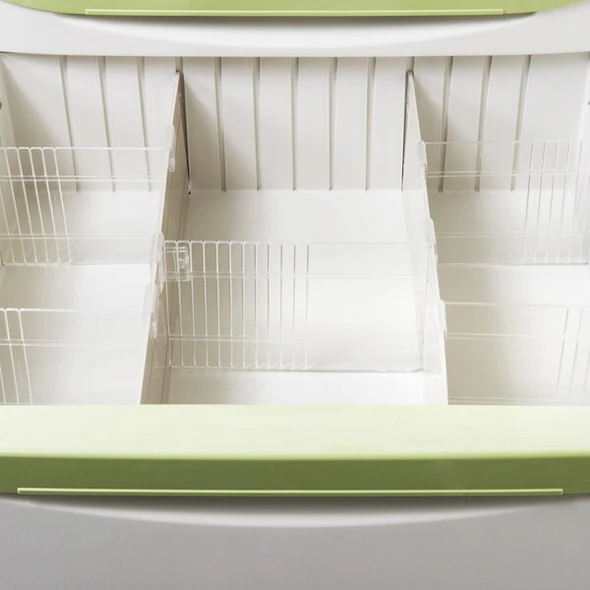
Metro Flexline Drawer Divider Kit – For 6 and 9 in Drawers, Clear Plastic Dividers
Metro
$247.99The Metro Flexline Drawer Divider Kit divides a 6 and 9 in Flexline cart drawer into clear, labeled sections for medications and supplies. The clear plastic dividers drop into the drawer and...- SKU:
- FL116
$247.99 -
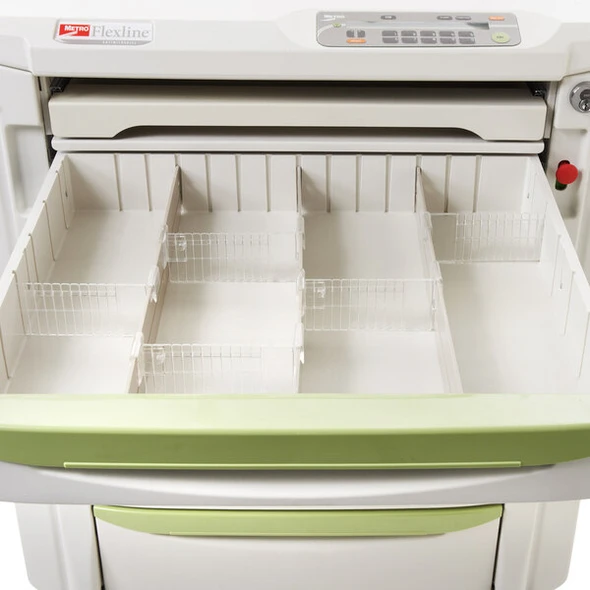
Metro Flexline Drawer Divider Kit – For 3 in Drawers, Clear Plastic Dividers
Metro
$241.99The Metro Flexline Drawer Divider Kit divides a 3 in Flexline cart drawer into clear, labeled sections for medications and supplies. The clear plastic dividers drop into the drawer and rearrange by...- SKU:
- FL113
$241.99 -

Metro Starsys Catheter Hooks – Pack of 5, Holds 12 Catheters, 5 lb Per Hook
Metro
$124.99The Metro Starsys Catheter Hooks add hanging storage for catheter packages inside Starsys catheter storage units. Each pack carries five hooks with mounting screws, and every hook holds catheter...- SKU:
- SXRCATHHK
$124.99 -
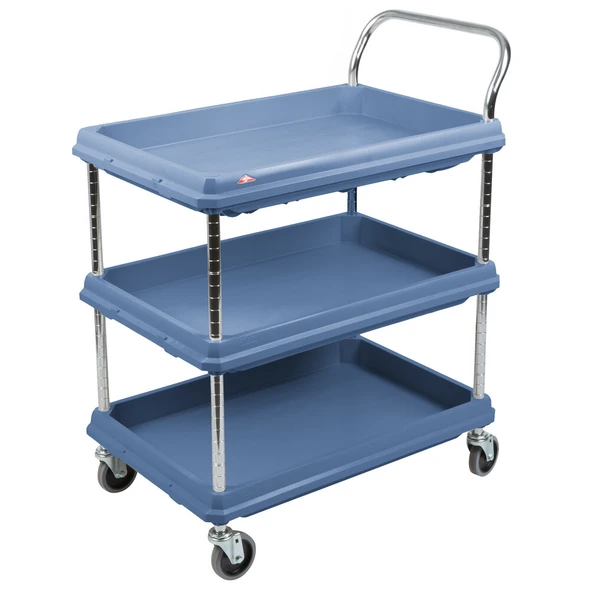
Metro Deep Ledge Utility Cart – 3 Shelves, Slate Blue with Microban, 400 lb Capacity
Metro
$846.99The Metro Deep Ledge Utility Cart stacks three polymer shelves whose 2-3/4 in ledges keep bottles, trays and supplies on the cart in transit. The slate blue shelves carry built-in Microban protection...- SKU:
- BC2030-3DMB
$846.99 -
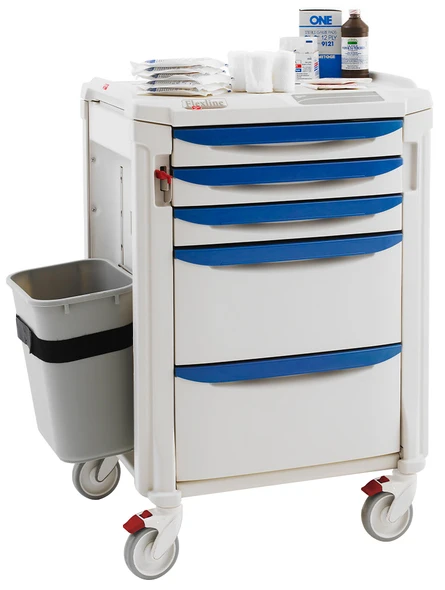
Metro Flexline Dressing Package Cart – 5 Drawers, Side Bins, Waste Basket, 42 in
Metro
$4,772.99The Metro Flexline Dressing Package Cart is a complete wound care workstation built on the 42 in Flexline cart with a passive lock. The package stacks three 3 in drawers and two 9 in drawers with...- SKU:
- FLDRS
$4,772.99 -
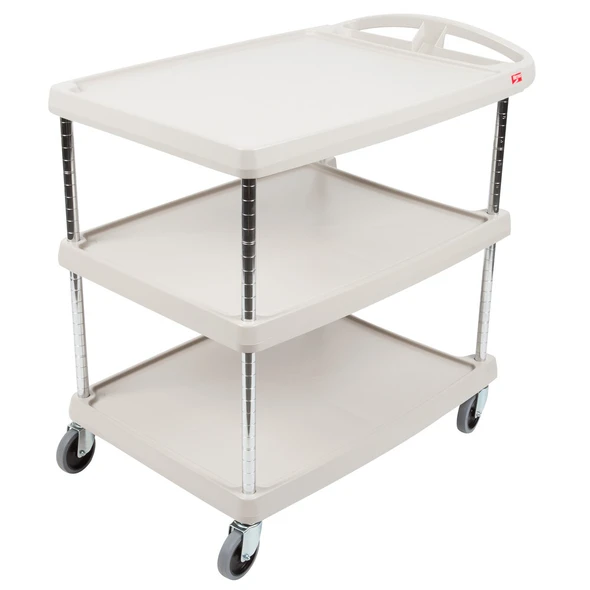
Metro myCart Utility Cart – 3 Shelves, Gray Shelves, Chrome Posts, 23.4 x 34.4 in
Metro
$741.99The Metro myCart Utility Cart in the larger 2030 size carries three gray polymer shelves on chrome-plated posts for bigger daily loads. The cart is rated at 400 lb across the three shelves, with up...- SKU:
- MY2030-34G
$741.99 -

Metro myCart Utility Cart – 3 Shelves, Gray Shelves, Chrome Posts, 400 lb Capacity
Metro
$669.99The Metro myCart Utility Cart is the compact 3-shelf base model with gray polymer shelves on chrome-plated posts. The cart carries up to 400 lb across three shelves rated at 150 lb each. Four 4 in...- SKU:
- MY1627-34G
$669.99 -
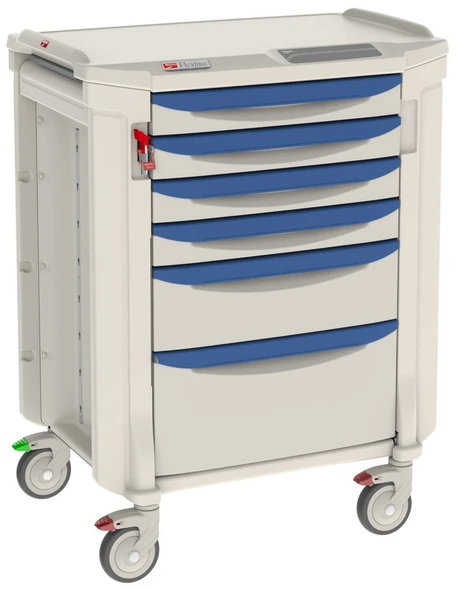
Metro Flexline Medical Cart – 6 Drawers, Passive Lock, Slate Blue Pulls, 42 in High
Metro
$3,918.99The Metro Flexline Medical Cart is a 42 in general use cart configured with four 3 in drawers, one 6 in drawer and one 9 in drawer behind a passive lock. The corrosion-proof polymer body carries...- SKU:
- FLP41100
$3,918.99 -
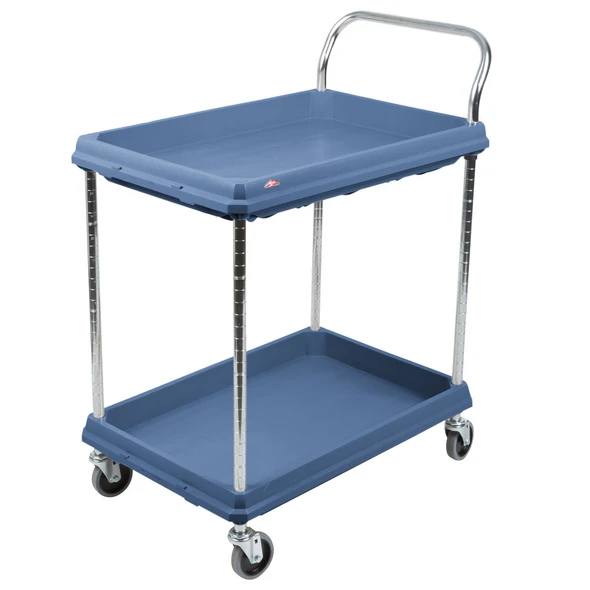
Metro Deep Ledge Utility Cart – 2 Shelves, Slate Blue with Microban, 300 lb Capacity
Metro
$706.99The Metro Deep Ledge Utility Cart carries supplies on two polymer shelves whose 2-3/4 in ledges keep bottles and trays from sliding off in transit. The slate blue shelves carry built-in Microban...- SKU:
- BC2030-2DMB
$706.99 -
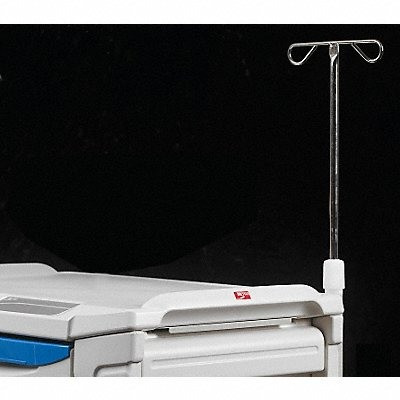
Metro Flexline IV Pole – 2 Hook, Cart Mount with Mounting Hardware
Metro
$444.99The Metro Flexline IV Pole adds infusion capacity to a Flexline cart without a separate floor stand. The pole mounts at the cart corner with the included hardware and raises two hooks over the work...- SKU:
- FL315
$444.99 -
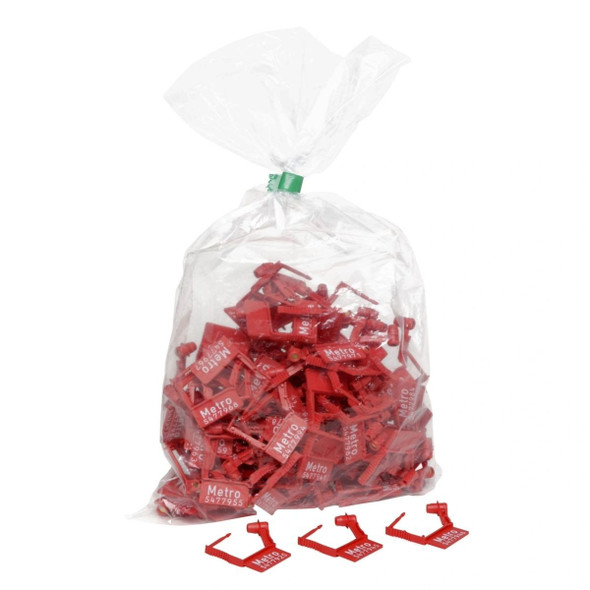
Metro LifeLine Security Seals – Red Plastic, Numbered, Pack of 100
Metro
$187.99The Metro LifeLine Security Seals prove a crash cart is stocked and untouched with one glance. Each red plastic seal carries its own number, so the seal on the cart log matches the seal on the latch...- SKU:
- LEC320
$187.99 -
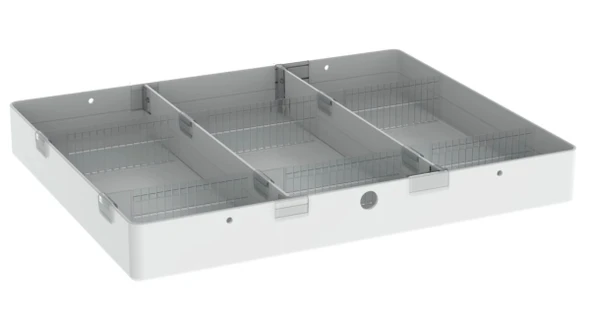
Metro LifeLine Top Cavity Tray Kit – Divided Organizer for Emergency Carts
Metro
$346.99The Metro LifeLine Top Cavity Tray Kit turns the open top of a LifeLine emergency cart into divided, visible storage. The molded tray drops into the cart's top cavity and separates airway and...- SKU:
- LEC143
$346.99 -
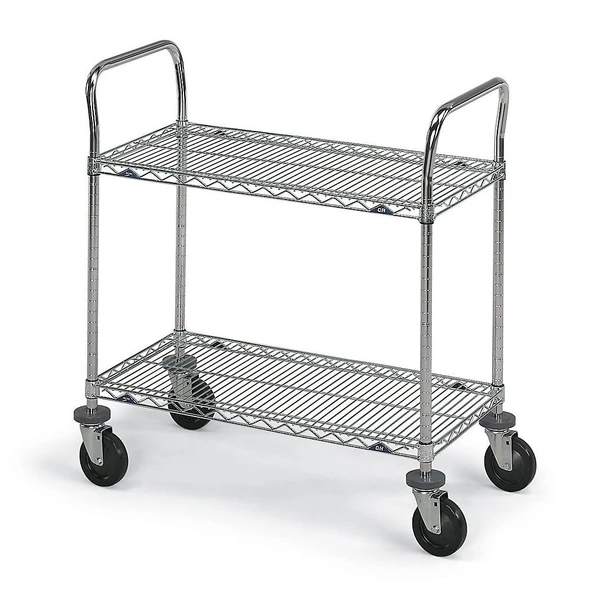
Metro MW Utility Cart – 2 Wire Shelves, 24 x 36 in, Chrome, Handles Both Ends
Metro
$869.99The Metro MW Utility Cart moves cases and supplies on two full-size chrome wire shelves. Push handles at both ends let staff pull the cart out of tight bays without turning it around. The open wire...- SKU:
- MW611
$869.99 -
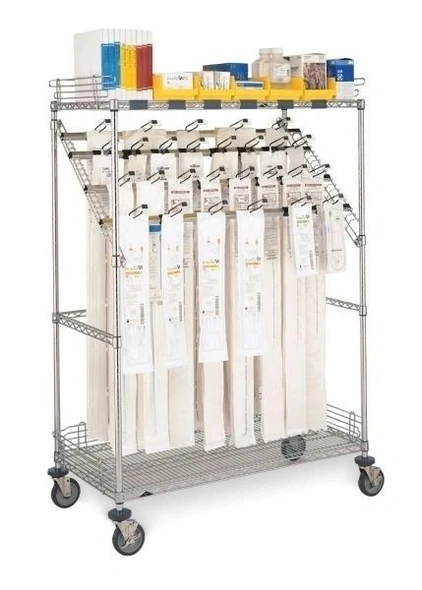
Metro Catheter Procedure Cart – Deluxe Combination, 24 x 60 in, 3 Side Shelves, Chrome
Metro
$3,940.99The Metro Catheter Procedure Cart organizes long catheter packages on hooks instead of stacking them in bins. The deluxe combination layout pairs a 36 in hook bay with 24 in shelves across a 24 x 60...- SKU:
- CPCD3/2LC
$3,940.99 -
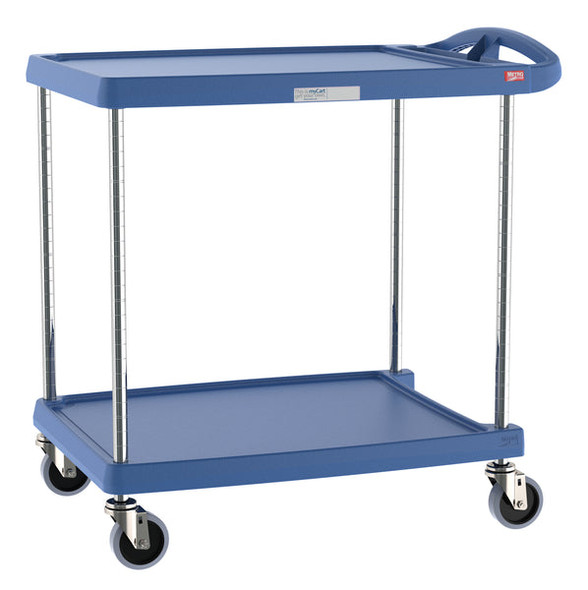
Metro myCart Utility Cart – 2 Polymer Shelves, 300 lb Capacity, Blue Microban
Metro
$678.99The Metro myCart Utility Cart in blue brings built-in Microban antimicrobial protection to a compact two-shelf frame. The smaller footprint threads through exam room doors and tight storage alcoves...- SKU:
- MY2030-24BU
$678.99 -
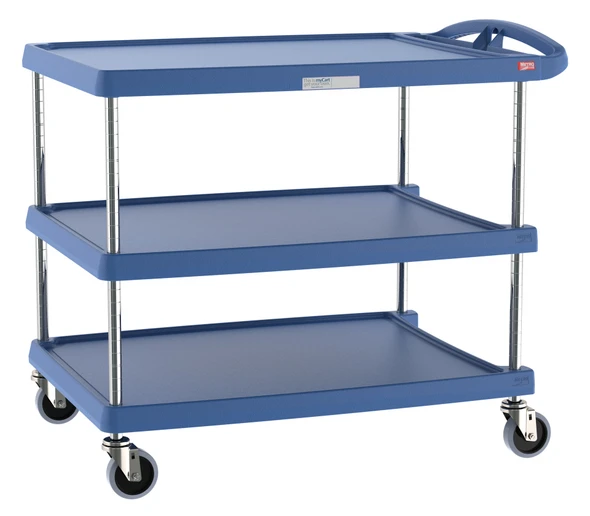
Metro myCart Utility Cart – 3 Polymer Shelves, 500 lb Capacity, Blue Microban
Metro
$940.99The Metro myCart Utility Cart in blue carries built-in Microban antimicrobial protection in every shelf. The protection works between cleanings to keep shelf surfaces cleaner during heavy daily use...- SKU:
- MY2636-35BU
$940.99 -
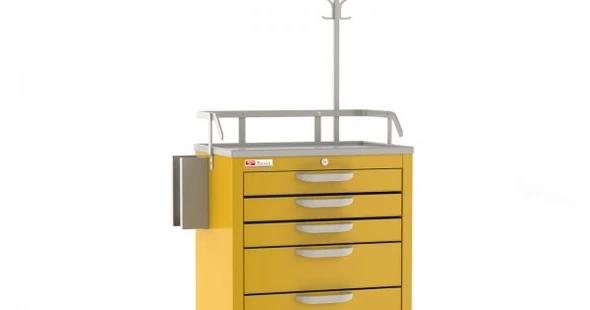
Metro Basix Isolation Cart – 5 Drawers, Yellow and Taupe, Glove Box Holder
Metro
$4,242.99The Metro Basix Isolation Cart puts gowns, gloves and masks at the doorway of the isolation room, exactly where staff gown up. The yellow drawer fronts signal isolation supplies at a glance down the...- SKU:
- MBX3110ISO
$4,242.99
About Furnishings and Equipment
Clinical Furnishings and Equipment are essential components of any healthcare setting, supporting patient care, clinical procedures, and medical workflow. From examination tables and procedure chairs to overbed tables and medical trolleys, these furnishings are designed for durability, hygiene, and ergonomic efficiency. At MedicalEx, we provide a comprehensive selection of clinical furniture to help hospitals, clinics, and outpatient centers maintain high standards of care and safety.
Why Clinical Furnishings and Equipment Are Essential
Clinical furnishings and equipment are not just about comfort — they are integral to care delivery, infection control, and operational efficiency. Proper furnishings reduce clinician fatigue, enable safer procedures, and improve patient experiences. Whether supporting mobility, offering secure storage, or facilitating diagnostic work, clinical equipment ensures compliance with healthcare standards and enhances productivity across all departments.
- Enables accurate and efficient patient examinations and procedures.
- Improves hygiene and infection prevention through easy-clean designs.
- Reduces physical strain for medical personnel during prolonged tasks.
- Supports patients with mobility or recovery needs.
- Maintains compliance with clinical and safety regulations.
What Is Clinical Furnishings and Equipment?
Clinical furnishings and equipment refer to the specialized, medical-grade furniture used in patient care settings. These include exam tables, procedure chairs, mobile carts, IV poles, overbed tables, and clinician seating. Unlike standard furniture, clinical furnishings are designed for repeated sanitation, patient safety, and workflow optimization. They are constructed from non-porous materials like stainless steel, antimicrobial vinyl, and powder-coated metals to withstand high-use environments and strict infection control protocols.
Types of Clinical Furnishings and Equipment
Examination Tables
Best for: Physical assessments, diagnostics, and minor procedures.
Examination tables offer essential support during clinical evaluations, ensuring patients are positioned comfortably and practitioners have full access. These tables often feature adjustable sections, built-in storage, and high load capacities for universal use.
Key Features:
- Adjustable height and backrest for ergonomic positioning.
- Antimicrobial upholstery that is easy to disinfect.
- Integrated drawers or shelves for tool storage.
- Sturdy frames supporting various patient sizes.
- Compatible with disposable paper rolls for hygiene.
Applications:
- GP clinics and specialist examination rooms.
- Outpatient surgical centers.
- Physical therapy and sports medicine facilities.
- Pediatrics and gynecology offices.
Procedure Chairs
Best for: Minor surgical procedures, ENT, dermatology, or dental evaluations.
These versatile chairs allow clinicians to adjust patient positioning with precision during procedures. Many models feature powered recline, rotation, and height adjustment options to accommodate different types of exams and treatments.
Key Features:
- Multiple positioning options, including Trendelenburg.
- Removable or pivoting armrests and foot supports.
- Heavy-duty steel frames with high weight tolerance.
- Padded, fluid-resistant upholstery.
- Electric or manual controls for adjustment.
Applications:
- ENT and dermatology clinics.
- Outpatient procedures and aesthetic treatments.
- Gynecological and urological care.
- Dental and ophthalmology settings.
Medical Carts and Trolleys
Best for: Transporting and organizing medical supplies and instruments.
These mobile units enhance efficiency by keeping critical tools within reach. Medical carts come in various configurations such as anesthesia carts, emergency crash carts, or procedure-specific models with customizable drawers and accessories.
Key Features:
- Lockable drawers for secure storage.
- Sturdy caster wheels for smooth mobility.
- Antimicrobial surfaces for infection control.
- Drawer dividers and work surfaces for organization.
- Available with power integration for devices.
Applications:
- Emergency rooms and ICU units.
- Operating rooms and surgical prep areas.
- Outpatient procedure rooms.
- Ward-based nursing care.
Overbed Tables
Best for: Bedside support for patients during meals, activities, or care.
Overbed tables provide adjustable, mobile surfaces that improve the quality of care for bed-bound patients. They are ideal for both temporary and long-term hospital stays and are built for easy repositioning and cleaning.
Key Features:
- Height-adjustable columns to fit any bed height.
- Durable laminate or ABS tops with spill guards.
- Locking casters for safety and stability.
- Tilting top options for reading or tablets.
- Lightweight construction for easy handling.
Applications:
- Inpatient hospital rooms.
- Rehabilitation and recovery centers.
- Assisted living and long-term care.
- Home healthcare environments.
Clinical Stools and Chairs
Best for: Providing ergonomic seating for clinicians during procedures or examinations.
These stools are designed for mobility, comfort, and support. With features like pneumatic height adjustment, foot rings, and padded seats, they ensure clinicians maintain proper posture and reduce fatigue during extended use.
Key Features:
- Swivel seats with adjustable height functionality.
- Five-leg base with smooth-rolling casters.
- Antimicrobial vinyl cushions.
- Optional backrest and foot support features.
- Compact designs to fit tight exam rooms.
Applications:
- GP and specialist consultation rooms.
- Dentistry and podiatry clinics.
- Diagnostic labs and imaging suites.
- Nursing stations and prep areas.
When to Use Clinical Furnishings and Equipment
Clinical furnishings should be used in all medical environments that require patient interaction, diagnostics, or minor procedures. These products are vital for ensuring hygiene, comfort, and procedural efficiency.
- During general patient consultations or physical exams.
- In minor procedure or treatment rooms.
- For bedside patient care and mobility support.
- In emergency and surgical preparation zones.
- Across rehabilitation and long-term care settings.
How to Use Clinical Furnishings and Equipment
- Position each item for optimal workflow and accessibility.
- Disinfect surfaces between each patient use.
- Adjust height or tilt settings to match the procedure.
- Lock wheels or casters for stability when stationary.
- Conduct regular checks to ensure safety and function.
Key Features of Clinical Furnishings and Equipment
- Ergonomic Design: Improves comfort for both patients and healthcare providers during use.
- Infection Control Materials: Non-porous, antimicrobial surfaces for safe disinfection.
- Mobility and Flexibility: Wheeled units and adjustable components improve workflow.
- High Load Capacity: Equipment designed to support patients of all sizes safely.
- Regulatory Compliance: Designed to meet healthcare hygiene and safety standards.
Benefits of Clinical Furnishings and Equipment
Streamlined Workflow
Ergonomic design and integrated storage help medical staff work more efficiently, reducing delays and improving patient throughput.
Enhanced Patient Safety
Sturdy, stable equipment supports safe positioning and reduces risks during exams and treatments.
Improved Comfort and Dignity
High-quality padding, adjustable features, and mobility aids ensure a respectful and comfortable experience for patients.
Ease of Maintenance
Surfaces are designed for quick, effective cleaning, supporting infection control protocols and reducing operational downtime.
Cost-Effective Durability
Built for daily use, medical furnishings resist wear and tear, minimizing long-term replacement costs and downtime.
How to Choose the Right Clinical Furnishings and Equipment
- Match Equipment to Specialty: Select furnishings based on clinical discipline (e.g., ENT, general practice, dermatology).
- Assess Available Space: Choose compact or foldable options for small exam rooms or mobile use.
- Prioritize Patient Safety: Ensure furnishings have adequate weight ratings and safety locks.
- Focus on Hygiene: Opt for antimicrobial materials and easy-clean finishes.
- Look for Adjustability: Height and angle adjustability supports diverse care needs and staff comfort.
Frequently Asked Questions (FAQs)
What materials are commonly used in clinical furnishings?
Stainless steel, powder-coated metals, and antimicrobial vinyl are standard due to their durability and ease of disinfection.
Can clinical furniture be used in home healthcare?
Yes, many pieces — such as overbed tables and stools — are suitable for home care when compact and easy to clean.
How often should clinical furnishings be cleaned?
Surfaces should be disinfected after every patient use with medical-grade cleaning agents approved for clinical environments.
What is the difference between exam tables and procedure chairs?
Exam tables are typically flat and static, while procedure chairs offer multi-positional adjustments for surgical or specialist exams.
Do furnishings come assembled?
Some products arrive pre-assembled, while others require minimal setup. Always refer to manufacturer instructions for installation.
Related Products
Medical Lighting Equipment
Ensure proper visibility for exams and procedures with surgical-grade lighting solutions. Explore Medical Lighting →
Infection Control Supplies
Support your furnishings with disinfectants, covers, and PPE for complete clinical hygiene. View Infection Control →
Diagnostic Instruments
Equip each clinical space with essential tools like stethoscopes, otoscopes, and thermometers. Browse Diagnostic Tools →
Patient Handling Equipment
Promote safety during transfers and repositioning with hoists, sliders, and mobility aids. Shop Mobility Aids →
Furnish your facility with top-tier clinical equipment from MedicalEx. Our ergonomic, hygienic, and durable solutions are trusted by professionals across all medical disciplines. Shop now and elevate your standard of care.