
Manual Wheelchairs
Manual Wheelchairs are versatile and reliable mobility aids designed for individuals who need assistance with movement. Operated by the user or a caregiver, manual wheelchairs provide a cost-effective and lightweight solution for indoor and outdoor mobility. With a variety of styles, including folding frames, reclining options, and bariatric models, manual wheelchairs cater to a wide range of mobility needs, offering comfort, independence, and ease of transport.
Why Manual Wheelchairs Are Essential
Manual wheelchairs offer freedom of movement for individuals who cannot walk or require mobility support. They provide a simple, practical solution for navigating daily life, improving independence, and enabling users to participate in activities. Lightweight and portable, manual wheelchairs are ideal for temporary or long-term use, offering a dependable alternative to powered devices.
What Are Manual Wheelchairs?
Manual wheelchairs are non-motorized mobility devices propelled either by the user using hand rims or by a caregiver pushing the chair. They are designed to be lightweight, durable, and adjustable to meet individual needs. Manual wheelchairs come in various models, such as standard, transport, reclining, and bariatric, making them suitable for diverse applications, from everyday mobility to medical recovery.
Types of Manual Wheelchairs
1. Standard Manual Wheelchairs
Best for: Daily mobility for users with moderate strength.
Standard manual wheelchairs are durable and easy to use, offering a dependable solution for individuals with general mobility needs.
Key Features
- Foldable frames for easy transport and storage.
- Adjustable footrests and armrests for comfort.
- Padded seats and backrests for support.
Applications
- Indoor and Outdoor Use: Provides reliable mobility for various settings.
- Temporary Recovery: Assists during short-term rehabilitation.
- Caregiver Assistance: Suitable for users who require pushing support.
2. Lightweight Manual Wheelchairs
Best for: Users who need a portable and easy-to-maneuver option.
Lightweight wheelchairs are designed for effortless handling and transport, ideal for active users or frequent travelers.
Key Features
- Lightweight aluminum or titanium frames.
- Compact, foldable designs for portability.
- Smooth rolling wheels for easy navigation.
Applications
- Travel: Perfect for trips and daily commutes.
- Active Users: Supports individuals who self-propel frequently.
- Medical Appointments: Easy to transport and store during visits.
3. Reclining Manual Wheelchairs
Best for: Enhanced comfort and pressure relief for long-term use.
Reclining manual wheelchairs offer adjustable backrests and leg supports, making them suitable for individuals requiring additional support or pressure management.
Key Features
- Adjustable reclining backrest for user comfort.
- Detachable leg rests for customizable positioning.
- High backrests and headrests for extended support.
Applications
- Post-Surgery Recovery: Provides a comfortable seating option for extended periods.
- Chronic Conditions: Supports individuals with limited strength or stability.
- Elderly Users: Offers added comfort and relaxation.
4. Bariatric Manual Wheelchairs
Best for: Individuals requiring heavy-duty support and wider seating.
Bariatric wheelchairs are specifically designed to accommodate higher weight capacities while ensuring durability and comfort.
Key Features
- Reinforced frames for enhanced durability.
- Wider seats to ensure user comfort.
- High weight capacity for safety and stability.
Applications
- Plus-Size Users: Offers safe mobility for heavier individuals.
- Chronic Conditions: Supports users with obesity-related mobility challenges.
- Healthcare Facilities: Reliable option for hospitals and clinics.
5. Transport Wheelchairs
Best for: Caregiver-assisted mobility for short distances.
Transport wheelchairs are lightweight and compact, designed for easy use by caregivers during travel or medical appointments.
Key Features
- Compact frames for convenient handling.
- Smaller rear wheels for caregiver operation.
- Foldable designs for portability.
Applications
- Travel Assistance: Ideal for trips and outdoor activities.
- Hospitals and Clinics: Provides mobility for patients during appointments.
- Caregiver Use: Simple and efficient for pushing and storage.
Key Features of Manual Wheelchairs
- Foldable Frames: Allows for easy transport and storage.
- Adjustable Components: Includes height-adjustable footrests, armrests, and backrests.
- Lightweight Materials: Aluminum and titanium frames for portability and durability.
- Comfort Enhancements: Padded seats and ergonomic designs to reduce fatigue.
- Customizable Options: Available in various seat widths, wheel sizes, and reclining features.
- Durability: Sturdy construction ensures long-term use and reliability.
Real-World Use Cases
Case 1: Post-Surgery Recovery
A patient recovering from a hip replacement used a reclining manual wheelchair for added comfort and support during their rehabilitation period.
Case 2: Elderly Mobility
An older adult with balance challenges relied on a standard manual wheelchair for daily movement within their home and outdoor spaces.
Case 3: Travel Assistance
A caregiver used a lightweight transport wheelchair to take a family member to medical appointments and outdoor excursions.
Case 4: Bariatric Mobility
A bariatric patient utilized a reinforced manual wheelchair to navigate their home and attend physical therapy sessions.
How to Choose the Right Manual Wheelchair
- User Strength: Choose a lightweight model for users who self-propel and a standard or transport wheelchair for caregiver assistance.
- Comfort Needs: Select reclining or padded models for extended use.
- Portability: Opt for foldable designs for travel or easy storage.
- Weight Capacity: For heavier users, bariatric models provide safety and durability.
- Intended Use: Consider specific applications such as indoor, outdoor, or medical use.
- Professional Advice: Consult with a healthcare provider to identify the best option for your needs.
How to Use Manual Wheelchairs
- Adjust for Comfort: Customize the footrests, armrests, and seat height to suit the user.
- Practice Propulsion: Learn how to self-propel using the hand rims or operate the chair with a caregiver.
- Safety First: Use brakes when stationary and avoid uneven surfaces.
- Maintain Regularly: Inspect wheels, brakes, and frames for wear and tear.
- Store Properly: Fold the wheelchair for easy storage when not in use.
Benefits of Manual Wheelchairs
- Cost-Effective Mobility: Affordable compared to powered options.
- Lightweight and Portable: Easy to transport and maneuver.
- Customizable Features: Tailored options for comfort and usability.
- Independence: Allows users to move freely without relying entirely on caregivers.
- Versatility: Suitable for short-term recovery, long-term use, or travel.
Frequently Asked Questions (FAQs)
1. Are manual wheelchairs covered by insurance?
Yes, many manual wheelchairs are covered by insurance or Medicare if prescribed for medical use.
2. How do I choose the right size manual wheelchair?
Measure the user’s seat width, height, and weight to select a wheelchair that fits comfortably and securely.
3. Can manual wheelchairs be used outdoors?
Yes, most manual wheelchairs are designed for both indoor and outdoor use, but lightweight or all-terrain options may be more suitable for frequent outdoor activities.
4. Are manual wheelchairs easy to transport?
Yes, most manual wheelchairs have foldable frames, making them easy to carry and store.
5. How often should manual wheelchairs be maintained?
Regular maintenance, such as inspecting tires, brakes, and frames, should be performed monthly or as needed.
Related Products
Enhance your manual wheelchair experience with wheelchair cushions, anti-slip footrests, and storage pouches. Explore our lightweight ramps and portable lifts for added accessibility. Visit our blog for expert tips on choosing and maintaining manual wheelchairs.
Feel confident and mobile with our high-quality Manual Wheelchairs, designed for comfort, portability, and reliability. From standard to lightweight models, we offer solutions to suit every need. Shop now and find the perfect fit for your mobility!
Shop By Category
-
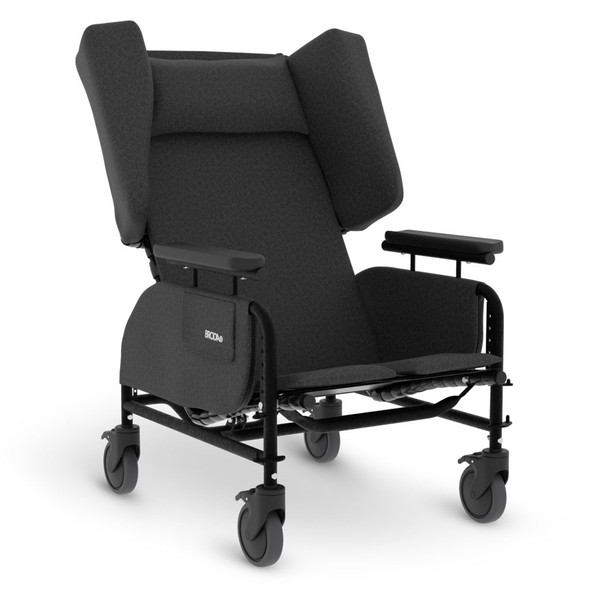
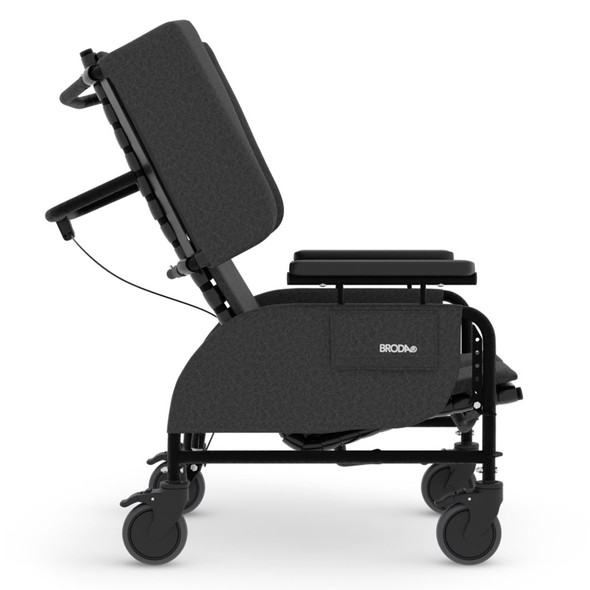
Broda Sashay Pedal Wheelchair – Low Seat Height Foot-Propelled Chair with 18-Degree Tilt, 350 lb Capacity
Broda
$2,654.99 - $3,418.99Broda Sashay Pedal Wheelchair is the simplest chair in Broda's pedal line: a low-seat, foot-propelled wheelchair with 18 degrees of tilt for residents who move best under their own power. Its seat...$2,654.99 - $3,418.99 -

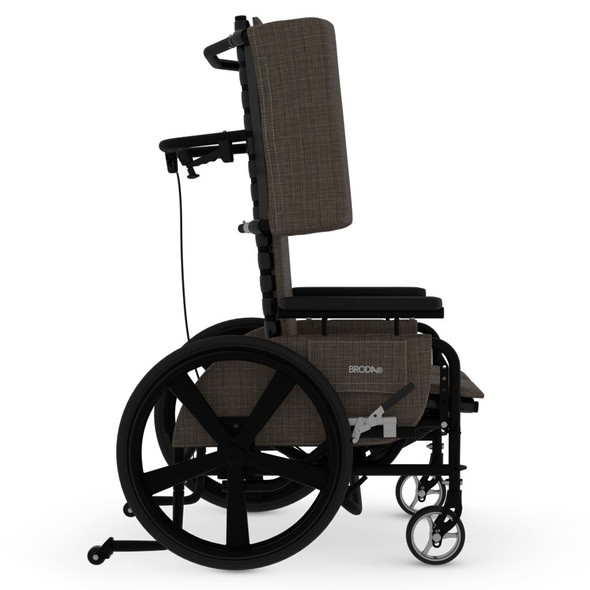
Broda Latitude Pedal Wheelchair – Foot-Propelled Rocking Chair with 18-Degree Tilt, Seat Widths 16 to 22 in
Broda
$3,092.99 - $3,843.99Broda Latitude Pedal Wheelchair is a foot-propelled pedal wheelchair with a gentle rocking mechanism, made for users who move better, and settle better, when the chair lets them move. It tilts to 18...$3,092.99 - $3,843.99 -


Broda Encore Pedal Rocker Wheelchair – Dynamic Rocking Foot-Propelled Chair with Tilt, 250 lb Capacity
Broda
$3,748.99 - $4,994.99Broda Encore Pedal Rocker Wheelchair adds Broda's Dynamic Rocking mechanism to the foot-propelled Encore, so users who rock for comfort or self-soothing get that motion from a chair built to allow it...$3,748.99 - $4,994.99 -
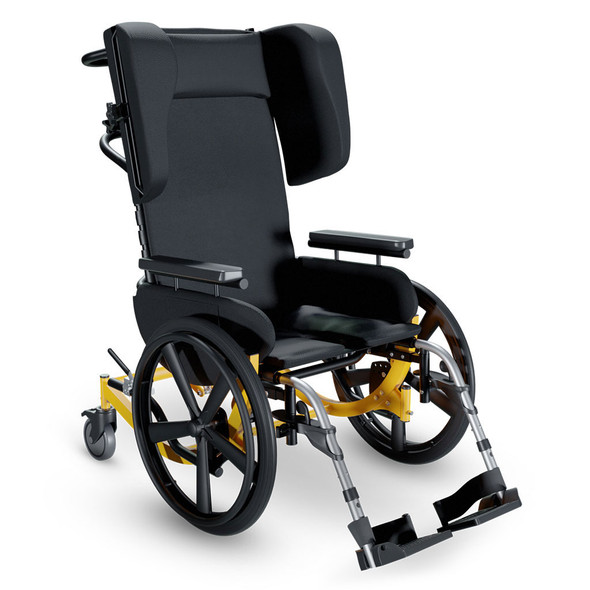
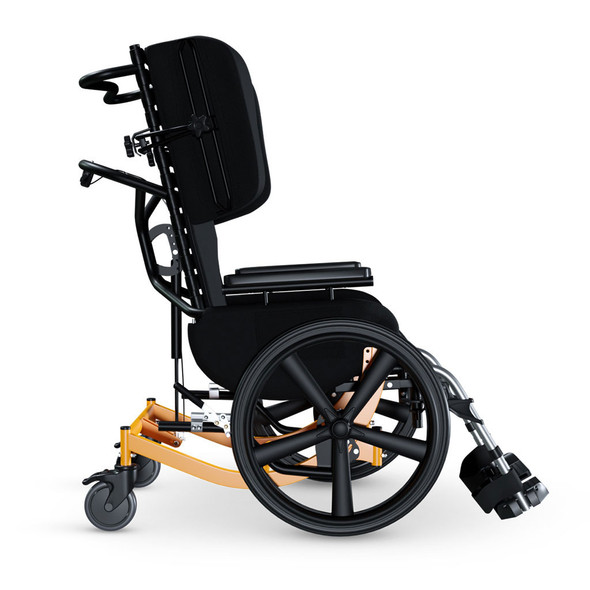
Broda Encore Pedal Wheelchair – Foot-Propelled Tilt Chair with Front Mag Wheels, Seat Widths 16 to 28 in
Broda
$3,321.99 - $6,623.99Broda Encore Pedal Wheelchair is a foot-propelled pedal wheelchair with up to 40 degrees of tilt, letting residents move themselves with their feet while caregivers keep tilt-based pressure care...$3,321.99 - $6,623.99 -
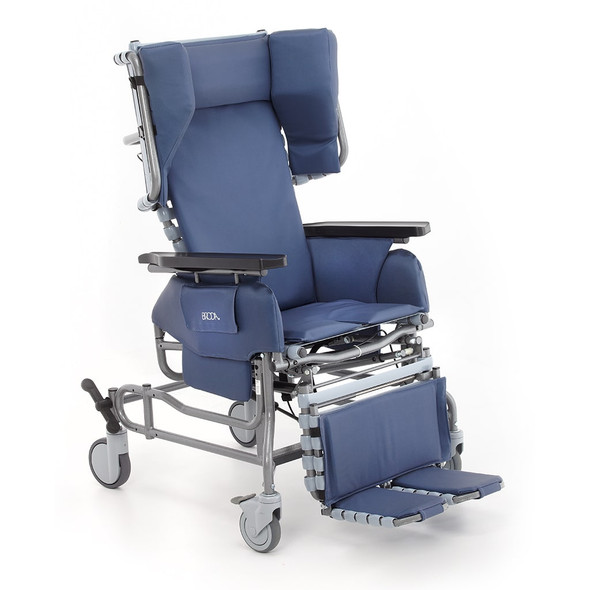

Broda Elite Tilt Wheelchair – 40-Degree Tilt Positioning Chair with Comfort Tension Seating, 350 lb Capacity
Broda
$4,346.99 - $4,776.99Broda Elite Tilt Wheelchair delivers up to 40 degrees of tilt-in-space without a reclining back, keeping the user's seated posture fixed while caregivers change the angle of the whole seat. That...$4,346.99 - $4,776.99 -


Broda Elite Rehab Wheelchair – Tilt-in-Space Rehab Chair with Solid Seat Pan and Matrx Cushion, HCPCS E1161
Broda
$3,182.99 - $4,187.99Broda Elite Rehab Wheelchair is a tilt-in-space rehab wheelchair that ships with a solid seat pan and a Matrx Seating Series cushion already installed, ready for clinical seating work. It tilts to 40...$3,182.99 - $4,187.99 -

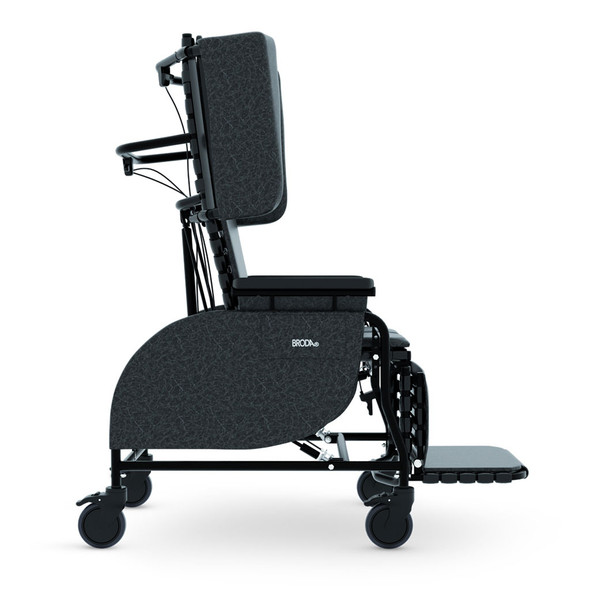
Broda Midline Positioning Wheelchair – Tilt and Recline Chair with Adjustable Seat Height, 350 lb Capacity
Broda
$4,095.99Broda Midline Positioning Wheelchair pairs up to 38 degrees of tilt with up to 90 degrees of recline in a mid-priced positioning chair for users who need postural support all day. Its seat surface...$4,095.99 -
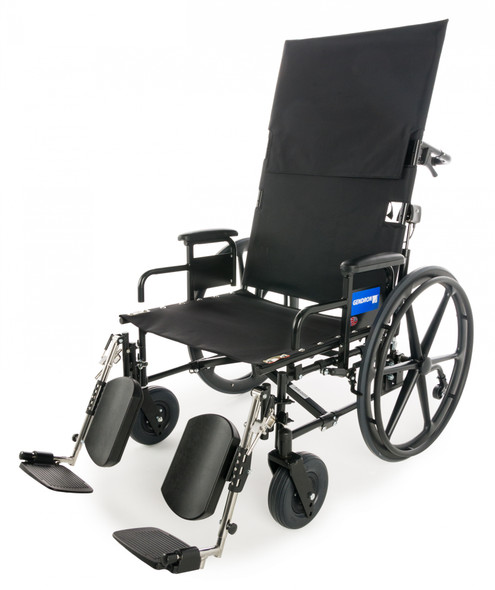
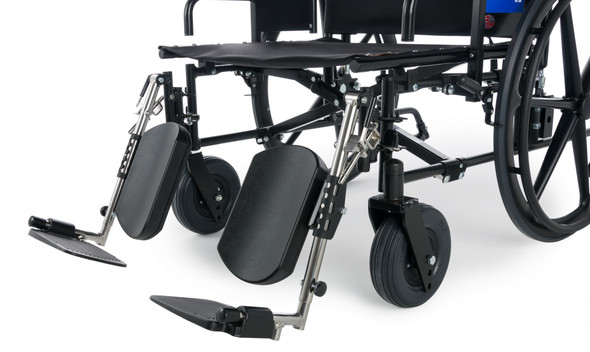
Regency 450R Reclining Wheelchair
Graham-Field
$3,186.99The Regency 450R Reclining Wheelchair is the Regency line's 24 in reclining chair with desk arms. It gives bariatric users recline-based position changes in a single standard build.Reclining back for...- SKU:
- 450242030R
$3,186.99 -
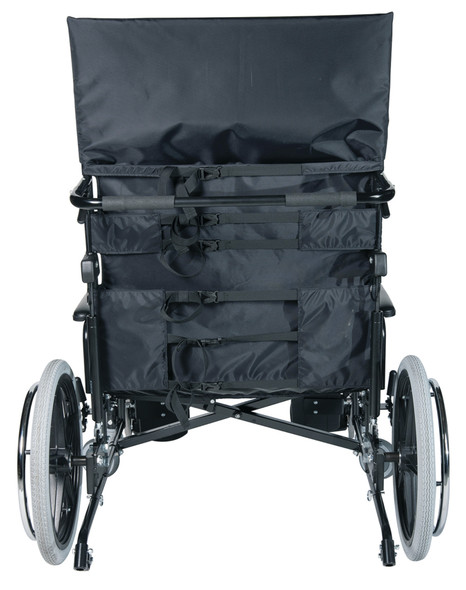
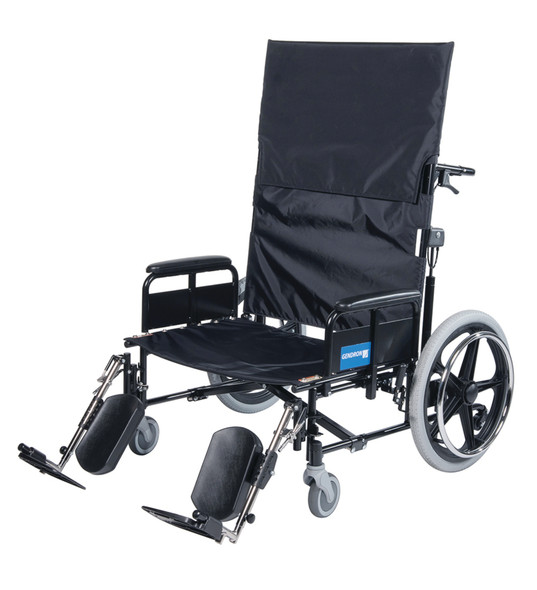
Regency 525R Reclining Wheelchair
Graham-Field
$3,506.99 - $3,555.99The Regency 525R Reclining Wheelchair is a high-back bariatric recliner rated up to 850 lb in its headline configuration. It brings recline-based pressure management to the heaviest seated users...$3,506.99 - $3,555.99 -
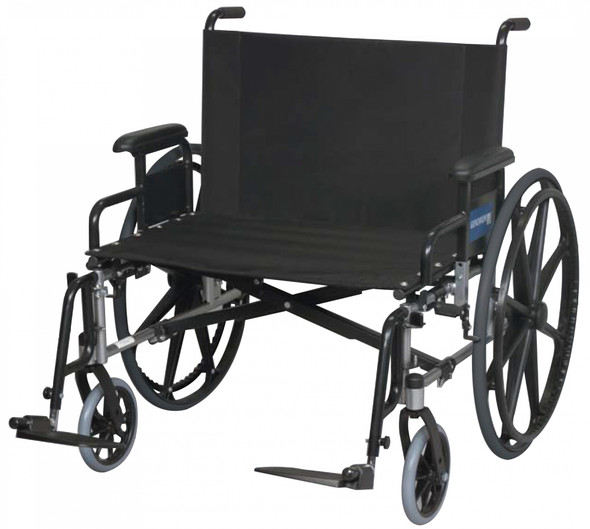
Regency Bariatric Wheelchair
Graham-Field
$2,346.99 - $3,304.99The Regency Bariatric Wheelchair range covers the fixed-back Regency XL 2000 in widths from 24 in to 34 in, plus the fixed-back Regency 525. These are the high-capacity chairs for users who sit...$2,346.99 - $3,304.99 -
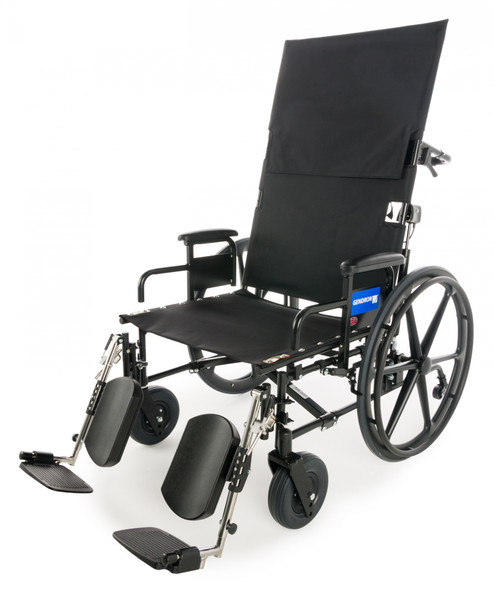
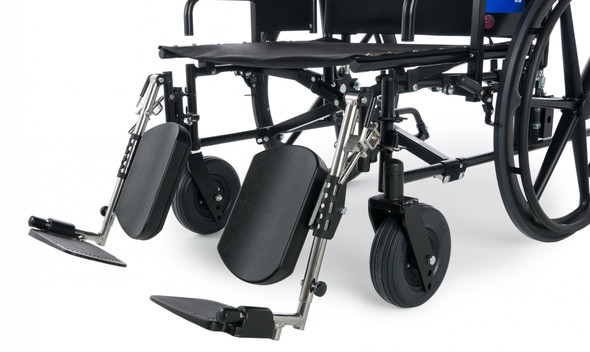
Regency XL 2000 Reclining Wheelchair
Graham-Field
$3,706.99 - $4,314.99The Regency XL 2000 Reclining Wheelchair pairs a reclining back with the bariatric XL 2000 frame, in widths from 22 in to 34 in. It is built for heavy users who also need position changes through the...$3,706.99 - $4,314.99 -


Gendron MRI Safe Transport Wheelchair
Graham-Field
$4,029.99 - $5,975.99The Gendron MRI Safe Transport Wheelchair is a non-magnetic transport chair built for the MRI suite, in a 20 in 350 lb model and a 26 in 650 lb bariatric model. It moves patients to and from the...$4,029.99 - $5,975.99 -
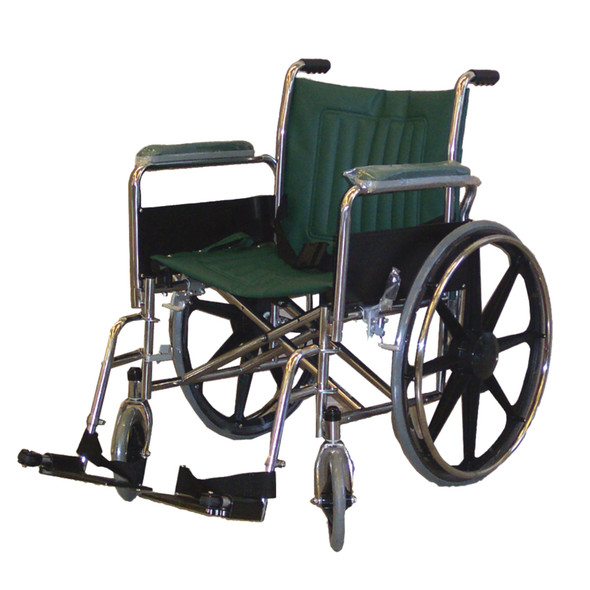
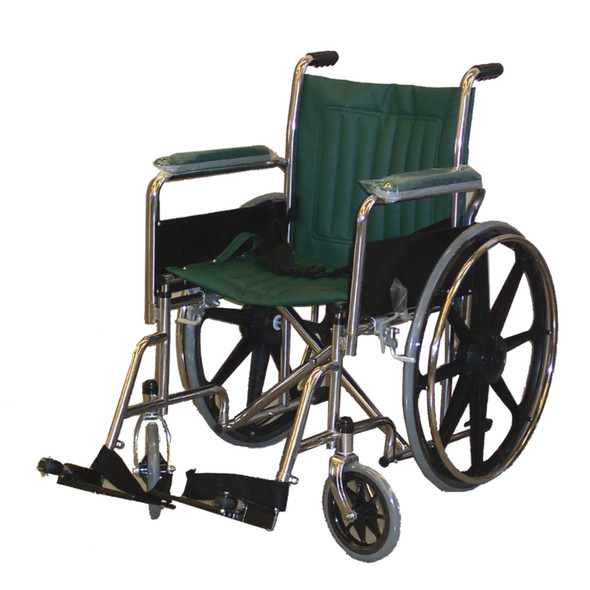
MarketLab MR Non-Magnetic Wheelchairs – 2 Configuration Options, Manual Wheelchairs, For Patient Mobility
MarketLab
$4,479.99 - $5,279.99MarketLab MR Non-Magnetic Wheelchairs serve care teams who handle patient mobility every day, built for daily clinical use. It is stocked as part of the standard setup for patient mobility.It Stays –...$4,479.99 - $5,279.99 -


Extra-Wide Bari+Max Reclining Bariatric Wheelchair with Elevating Leg Rest – 28" Seat
Dynarex
$2,679.99The Dynarex Extra-Wide Bari+Max Reclining Bariatric Wheelchair with Elevating Leg Rest – 28" Seat provides superior comfort, durability, and support for individuals requiring a heavy-duty mobility...- SKU:
- 15015-28DELR
- Frame Material:
- Powder-Coated Steel
- Product Weight:
- 94.82 lbs
- Seat Depth:
- 20 inches (50.8 cm)
- Seat Width:
- 28 inches (71.1 cm)
- Weight Capacity:
- 750 lbs (317.5 kg)
- Upholstery:
- Black Padded Embossed Vinyl
- Brakes:
- Push-to-Lock Brakes
$2,679.99
About Manual Wheelchairs
Manual Wheelchairs are versatile and reliable mobility aids designed for individuals who need assistance with movement. Operated by the user or a caregiver, manual wheelchairs provide a cost-effective and lightweight solution for indoor and outdoor mobility. With a variety of styles, including folding frames, reclining options, and bariatric models, manual wheelchairs cater to a wide range of mobility needs, offering comfort, independence, and ease of transport.
Why Manual Wheelchairs Are Essential
Manual wheelchairs offer freedom of movement for individuals who cannot walk or require mobility support. They provide a simple, practical solution for navigating daily life, improving independence, and enabling users to participate in activities. Lightweight and portable, manual wheelchairs are ideal for temporary or long-term use, offering a dependable alternative to powered devices.
What Are Manual Wheelchairs?
Manual wheelchairs are non-motorized mobility devices propelled either by the user using hand rims or by a caregiver pushing the chair. They are designed to be lightweight, durable, and adjustable to meet individual needs. Manual wheelchairs come in various models, such as standard, transport, reclining, and bariatric, making them suitable for diverse applications, from everyday mobility to medical recovery.
Types of Manual Wheelchairs
1. Standard Manual Wheelchairs
Best for: Daily mobility for users with moderate strength.
Standard manual wheelchairs are durable and easy to use, offering a dependable solution for individuals with general mobility needs.
Key Features
- Foldable frames for easy transport and storage.
- Adjustable footrests and armrests for comfort.
- Padded seats and backrests for support.
Applications
- Indoor and Outdoor Use: Provides reliable mobility for various settings.
- Temporary Recovery: Assists during short-term rehabilitation.
- Caregiver Assistance: Suitable for users who require pushing support.
2. Lightweight Manual Wheelchairs
Best for: Users who need a portable and easy-to-maneuver option.
Lightweight wheelchairs are designed for effortless handling and transport, ideal for active users or frequent travelers.
Key Features
- Lightweight aluminum or titanium frames.
- Compact, foldable designs for portability.
- Smooth rolling wheels for easy navigation.
Applications
- Travel: Perfect for trips and daily commutes.
- Active Users: Supports individuals who self-propel frequently.
- Medical Appointments: Easy to transport and store during visits.
3. Reclining Manual Wheelchairs
Best for: Enhanced comfort and pressure relief for long-term use.
Reclining manual wheelchairs offer adjustable backrests and leg supports, making them suitable for individuals requiring additional support or pressure management.
Key Features
- Adjustable reclining backrest for user comfort.
- Detachable leg rests for customizable positioning.
- High backrests and headrests for extended support.
Applications
- Post-Surgery Recovery: Provides a comfortable seating option for extended periods.
- Chronic Conditions: Supports individuals with limited strength or stability.
- Elderly Users: Offers added comfort and relaxation.
4. Bariatric Manual Wheelchairs
Best for: Individuals requiring heavy-duty support and wider seating.
Bariatric wheelchairs are specifically designed to accommodate higher weight capacities while ensuring durability and comfort.
Key Features
- Reinforced frames for enhanced durability.
- Wider seats to ensure user comfort.
- High weight capacity for safety and stability.
Applications
- Plus-Size Users: Offers safe mobility for heavier individuals.
- Chronic Conditions: Supports users with obesity-related mobility challenges.
- Healthcare Facilities: Reliable option for hospitals and clinics.
5. Transport Wheelchairs
Best for: Caregiver-assisted mobility for short distances.
Transport wheelchairs are lightweight and compact, designed for easy use by caregivers during travel or medical appointments.
Key Features
- Compact frames for convenient handling.
- Smaller rear wheels for caregiver operation.
- Foldable designs for portability.
Applications
- Travel Assistance: Ideal for trips and outdoor activities.
- Hospitals and Clinics: Provides mobility for patients during appointments.
- Caregiver Use: Simple and efficient for pushing and storage.
Key Features of Manual Wheelchairs
- Foldable Frames: Allows for easy transport and storage.
- Adjustable Components: Includes height-adjustable footrests, armrests, and backrests.
- Lightweight Materials: Aluminum and titanium frames for portability and durability.
- Comfort Enhancements: Padded seats and ergonomic designs to reduce fatigue.
- Customizable Options: Available in various seat widths, wheel sizes, and reclining features.
- Durability: Sturdy construction ensures long-term use and reliability.
Real-World Use Cases
Case 1: Post-Surgery Recovery
A patient recovering from a hip replacement used a reclining manual wheelchair for added comfort and support during their rehabilitation period.
Case 2: Elderly Mobility
An older adult with balance challenges relied on a standard manual wheelchair for daily movement within their home and outdoor spaces.
Case 3: Travel Assistance
A caregiver used a lightweight transport wheelchair to take a family member to medical appointments and outdoor excursions.
Case 4: Bariatric Mobility
A bariatric patient utilized a reinforced manual wheelchair to navigate their home and attend physical therapy sessions.
How to Choose the Right Manual Wheelchair
- User Strength: Choose a lightweight model for users who self-propel and a standard or transport wheelchair for caregiver assistance.
- Comfort Needs: Select reclining or padded models for extended use.
- Portability: Opt for foldable designs for travel or easy storage.
- Weight Capacity: For heavier users, bariatric models provide safety and durability.
- Intended Use: Consider specific applications such as indoor, outdoor, or medical use.
- Professional Advice: Consult with a healthcare provider to identify the best option for your needs.
How to Use Manual Wheelchairs
- Adjust for Comfort: Customize the footrests, armrests, and seat height to suit the user.
- Practice Propulsion: Learn how to self-propel using the hand rims or operate the chair with a caregiver.
- Safety First: Use brakes when stationary and avoid uneven surfaces.
- Maintain Regularly: Inspect wheels, brakes, and frames for wear and tear.
- Store Properly: Fold the wheelchair for easy storage when not in use.
Benefits of Manual Wheelchairs
- Cost-Effective Mobility: Affordable compared to powered options.
- Lightweight and Portable: Easy to transport and maneuver.
- Customizable Features: Tailored options for comfort and usability.
- Independence: Allows users to move freely without relying entirely on caregivers.
- Versatility: Suitable for short-term recovery, long-term use, or travel.
Frequently Asked Questions (FAQs)
1. Are manual wheelchairs covered by insurance?
Yes, many manual wheelchairs are covered by insurance or Medicare if prescribed for medical use.
2. How do I choose the right size manual wheelchair?
Measure the user’s seat width, height, and weight to select a wheelchair that fits comfortably and securely.
3. Can manual wheelchairs be used outdoors?
Yes, most manual wheelchairs are designed for both indoor and outdoor use, but lightweight or all-terrain options may be more suitable for frequent outdoor activities.
4. Are manual wheelchairs easy to transport?
Yes, most manual wheelchairs have foldable frames, making them easy to carry and store.
5. How often should manual wheelchairs be maintained?
Regular maintenance, such as inspecting tires, brakes, and frames, should be performed monthly or as needed.
Related Products
Enhance your manual wheelchair experience with wheelchair cushions, anti-slip footrests, and storage pouches. Explore our lightweight ramps and portable lifts for added accessibility. Visit our blog for expert tips on choosing and maintaining manual wheelchairs.
Feel confident and mobile with our high-quality Manual Wheelchairs, designed for comfort, portability, and reliability. From standard to lightweight models, we offer solutions to suit every need. Shop now and find the perfect fit for your mobility!