
Microbiology Tools
Microbiology Tools are specialized instruments and consumables used to culture, handle, and analyze microorganisms in clinical, academic, and research laboratories. From inoculation loops to nutrient-rich media and anaerobic containment systems, these tools support every stage of microbial study—from isolation to identification. Whether testing for pathogens or researching beneficial microbes, high-quality microbiology tools are essential for accurate, reproducible results.
Why Microbiology Tools Are Essential
Microbiological testing plays a central role in diagnostics, infection control, pharmaceutical development, and food safety. Reliable tools ensure consistent culturing, safe sample handling, and precise microorganism analysis. Without them, labs risk contamination, false results, and compromised workflows. By enabling aseptic technique, targeted growth environments, and precise inoculation, microbiology tools help professionals maintain integrity and efficiency throughout the testing process.
What Are Microbiology Tools?
Microbiology tools encompass a broad range of products designed to support the growth, transfer, containment, and observation of microorganisms. These include growth media like agar and broths, transfer instruments such as loops and needles, culturing vessels like Petri dishes, and anaerobic systems for oxygen-sensitive organisms. Used in tandem with incubators and identification systems, these tools allow researchers and clinicians to isolate and analyze bacteria, fungi, viruses, and other microorganisms.
Types of Microbiology Tools
Agar & Broths
Best for: Supporting microbial growth and colony formation under controlled conditions.
These media provide essential nutrients for culturing bacteria, fungi, and other microorganisms.
Key Features:
- Available in dehydrated or pre-poured formats.
- Formulated for selective, differential, or enriched growth.
- Options include TSA, MacConkey, LB, blood agar, and more.
- Sterile packaging for contamination-free use.
- Color-coded or labeled for easy identification.
Applications:
- Clinical pathogen screening and diagnosis.
- Environmental and food testing.
- Antibiotic susceptibility assays.
- General bacterial or fungal research.
Anaerobic Bags
Best for: Culturing organisms that require oxygen-free environments.
These gas-generating systems create anaerobic conditions for fastidious microbes.
Key Features:
- Oxygen-absorbing sachets or chemical generators.
- Self-contained pouches or jars with indicators.
- No need for external gas supply or anaerobic chamber.
- Compatible with Petri dishes and broth cultures.
- Easy-to-use and disposable.
Applications:
- Cultivation of Clostridium, Bacteroides, and other obligate anaerobes.
- Anaerobic testing in diagnostic microbiology.
- Veterinary, dental, and gastrointestinal sample analysis.
- Research in gut microbiome or fermentation pathways.
Inoculation Tools
Best for: Aseptic transfer of microorganisms between media.
These sterile instruments allow precise, contamination-free manipulation of microbial samples.
Key Features:
- Available as loops, needles, or spreaders.
- Sterile disposable or autoclavable reusable options.
- Calibrated loop sizes (1μL, 10μL, etc.).
- Plastic or metal construction for specific needs.
- Ergonomic grips and color coding for ease of use.
Applications:
- Streak plating for isolation of colonies.
- Transfer from broth to solid media.
- Inoculation of biochemical tests or ID panels.
- Routine lab culture handling.
Petri Dishes
Best for: Culturing and observing microbial colonies.
These shallow, lidded dishes are foundational to microbiological work.
Key Features:
- Polystyrene (disposable) or glass (reusable) construction.
- Vented or non-vented options for humidity control.
- Pre-sterilized and ready-to-fill formats available.
- Stackable for efficient incubation.
- Marking areas or grid lines for colony counting.
Applications:
- Growth and isolation of bacteria and fungi.
- Colony morphology studies and diagnostics.
- Antibiotic zone of inhibition tests.
- Environmental surface or air sampling.
When to Use Microbiology Tools
- During routine culture and sensitivity testing.
- For isolating, identifying, and quantifying microbial strains.
- In environmental or food microbiology assays.
- While studying antibiotic resistance or microbial ecology.
- In teaching labs and research experiments involving microbes.
How to Use Microbiology Tools
- Prepare sterile work conditions (e.g., laminar hood, alcohol cleaning).
- Select the appropriate media and tools based on organism type.
- Use inoculation loops or needles to transfer samples to growth media.
- Incubate under proper conditions (aerobic or anaerobic, temperature, time).
- Observe, document, and dispose of cultures per biosafety protocols.
Key Features of Microbiology Tools
- Sterile, contamination-resistant construction ensures reliable results.
- Diverse media and transfer tools for aerobic, anaerobic, and selective culturing.
- Disposable and reusable options tailored to lab size and workflow.
- Compatibility with standard incubation and identification systems.
- Color-coded or labeled products for workflow efficiency.
Benefits of Microbiology Tools
Microbiology tools support precise, reproducible microbial testing across healthcare, research, and industry. By simplifying culture setup, sample transfer, and growth monitoring, they enhance lab productivity and reduce contamination risks. Whether isolating a pathogen or conducting long-term microbial studies, these tools make it easy to maintain sterile conditions and optimize growth parameters—delivering confidence in every result.
How to Choose the Right Microbiology Tools
- Select based on organism type: aerobic, anaerobic, fastidious, or environmental.
- Match media to your assay goals: enrichment, differential, or selective culturing.
- Choose between disposable or reusable tools based on lab throughput.
- Ensure sterility and material compatibility with your procedures.
- Evaluate packaging format and shelf life for bulk purchasing or long-term use.
Frequently Asked Questions (FAQs)
Q: Can I reuse inoculation loops?
A: Metal loops can be sterilized and reused; plastic loops are single-use and should be disposed of after one application.
Q: Do anaerobic bags fully eliminate oxygen?
A: Yes, when used correctly, they create near-zero oxygen environments suitable for strict anaerobes.
Q: What’s the difference between agar and broth?
A: Agar is a solid media for colony formation; broth is a liquid media for suspension growth and turbidity measurement.
Q: Are Petri dishes sterile when purchased?
A: Most disposable Petri dishes are pre-sterilized; always check labeling. Glass dishes must be autoclaved before use.
Q: Can I use the same Petri dish for multiple organisms?
A: No. For accurate results and to prevent cross-contamination, use a separate plate for each strain or sample.
Related Products
- Incubators & Anaerobic Jars: For precise temperature and gas control during culture growth.
- Lab Safety Gear: Gloves, goggles, and coats for sterile technique and spill protection.
- Staining & Microscopy Supplies: For post-incubation microorganism identification.
- Autoclaves & Disinfection Systems: For safe sterilization and disposal of cultures and tools.
Explore the full range of microbiology tools at MedicalEx—your trusted partner for high-quality culturing supplies. Whether you’re performing diagnostic testing or pioneering microbial research, our agar media, inoculation tools, anaerobic systems, and Petri dishes deliver precision, sterility, and performance. Shop now and elevate your microbiology workflows with confidence.
Shop By Category
-

BD GasPak EZ Anaerobe Container System Sachets – Water-Free, Catalyst-Free Anaerobic Kit for BD Containers, 20/Pack
BD
$317.99BD GasPak EZ Anaerobe Container System Sachets provide a water-free, catalyst-free method for instantly generating anaerobic, microaerophilic, or CO₂-enriched environments inside BD GasPak EZ...- SKU:
- 260678
- Material:
- nonbreakable, chemical-resistant laboratory plastic
$317.99 -
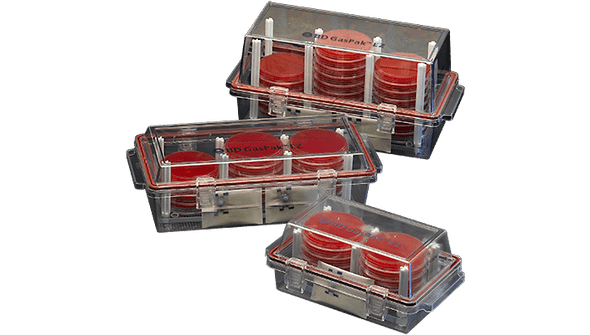
BD GasPak EZ CO2 Container System Sachets – Water-Free, Catalyst-Free CO2 Kit for BD Containers, 20/Pack
BD
$317.99BD GasPak EZ CO2 Container System Sachets provide a catalyst-free, water-free solution for generating CO₂-enriched, microaerophilic, or anaerobic environments inside BD GasPak EZ incubation...- SKU:
- 260679
- Material:
- nonbreakable, chemical-resistant laboratory plastic
$317.99 -

BD GasPak EZ CampyPak Container System Sachets – Water-Free, Catalyst-Free Anaerobic Kit for BD Containers, 20/Pack
BD
$317.99BD GasPak EZ CampyPak Container System Sachets are engineered for easy, reliable generation of anaerobic, microaerophilic, or CO2-enriched environments in laboratory incubation containers. Designed...- SKU:
- 260680
- Material:
- nonbreakable, chemical-resistant laboratory plastic
$317.99 -
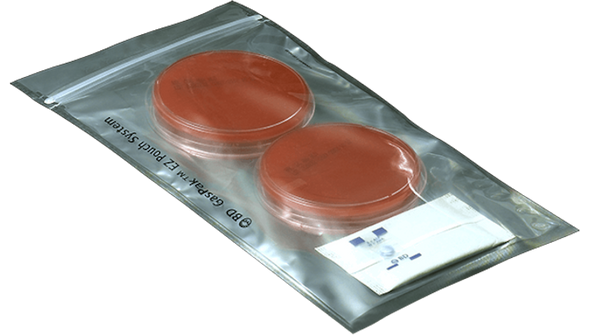
BD GasPak EZ Anaerobe Pouch System – Water-Free Strict Anaerobic Culture Kit for Labs, Single-Use, 20 Pouches/Box
BD
$185.99BD GasPak EZ Anaerobe Pouch System delivers a reliable, convenient, and innovative solution for generating strict anaerobic environments in clinical, research, and food safety laboratories. This...- SKU:
- 260683
$185.99 -
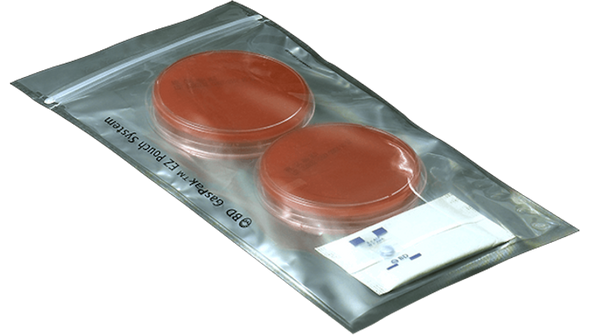
BD GasPak EZ CO2 Pouch System – CO2-Enriched Capnophilic Bacteria Culture Kit, Water-Free, 20 Pouches/Box
BD
$158.99BD GasPak EZ CO2 Pouch System provides a convenient, resealable, waterless solution for generating controlled CO2-enriched environments required for Capnophilic bacteria and CO2-dependent organism...- SKU:
- 260684
$158.99 -

BD GasPak EZ CampyPouch System – Microaerophilic Campylobacter Culture Kit, Water-Free, 20 Pouches/Box
BD
$165.99BD GasPak EZ CampyPouch system delivers a simple, resealable, and highly effective method for generating controlled microaerophilic conditions—optimized for Campylobacter species—in clinical,...- SKU:
- 260685
$165.99 -

BD GasPak Dry Anaerobic Indicator Strips – Water-Free, Latex-Free, Oxygen Indicator for Anaerobic Jars, 50/Box
BD
$241.99BD GasPak Dry Anaerobic Indicator Strips deliver rapid, accurate visual detection of anaerobic conditions in BD GasPak jars and systems. These easy-to-read strips enable reliable oxygen level...- SKU:
- 271051
- Quantity Per Box:
- 50 indicator strips
$241.99 -

BD GasPak CO2 Indicator Strips – Rapid Color Change, Latex-Free, Visual CO2 Test for Anaerobic Systems, 50/Box
BD
$188.99BD GasPak CO2 Indicator Strips ensure rapid and accurate visual verification of carbon dioxide levels in BD GasPak anaerobic systems. Designed for use in microbiology labs and clinical settings,...- SKU:
- 271055
- Size:
- standard laboratory indicator strip size (see BD documentation)
- Material:
- non-toxic, latex-free substrate with colorimetric chemical indicator
- Quantity Per Box:
- 50 strips
$188.99 -


McKesson Polystyrene Petri Dish – Sterile, Stackable, and Clear for Precise Laboratory Cultures
McKesson
$32.35 - $432.15Engineered for reliability and clarity, the McKesson Polystyrene Petri Dish supports effective culturing and sample storage in medical, research, and diagnostic environments. With a sterile,...- SKU:
- 16-PDK1004
- Sterile:
- Yes
- Material:
- Crystal-grade polystyrene for optical clarity
- Packaging:
- 25 dishes per sleeve, 20 sleeves per case (500 total)
$32.35 - $432.15
About Microbiology Tools
Microbiology Tools are specialized instruments and consumables used to culture, handle, and analyze microorganisms in clinical, academic, and research laboratories. From inoculation loops to nutrient-rich media and anaerobic containment systems, these tools support every stage of microbial study—from isolation to identification. Whether testing for pathogens or researching beneficial microbes, high-quality microbiology tools are essential for accurate, reproducible results.
Why Microbiology Tools Are Essential
Microbiological testing plays a central role in diagnostics, infection control, pharmaceutical development, and food safety. Reliable tools ensure consistent culturing, safe sample handling, and precise microorganism analysis. Without them, labs risk contamination, false results, and compromised workflows. By enabling aseptic technique, targeted growth environments, and precise inoculation, microbiology tools help professionals maintain integrity and efficiency throughout the testing process.
What Are Microbiology Tools?
Microbiology tools encompass a broad range of products designed to support the growth, transfer, containment, and observation of microorganisms. These include growth media like agar and broths, transfer instruments such as loops and needles, culturing vessels like Petri dishes, and anaerobic systems for oxygen-sensitive organisms. Used in tandem with incubators and identification systems, these tools allow researchers and clinicians to isolate and analyze bacteria, fungi, viruses, and other microorganisms.
Types of Microbiology Tools
Agar & Broths
Best for: Supporting microbial growth and colony formation under controlled conditions.
These media provide essential nutrients for culturing bacteria, fungi, and other microorganisms.
Key Features:
- Available in dehydrated or pre-poured formats.
- Formulated for selective, differential, or enriched growth.
- Options include TSA, MacConkey, LB, blood agar, and more.
- Sterile packaging for contamination-free use.
- Color-coded or labeled for easy identification.
Applications:
- Clinical pathogen screening and diagnosis.
- Environmental and food testing.
- Antibiotic susceptibility assays.
- General bacterial or fungal research.
Anaerobic Bags
Best for: Culturing organisms that require oxygen-free environments.
These gas-generating systems create anaerobic conditions for fastidious microbes.
Key Features:
- Oxygen-absorbing sachets or chemical generators.
- Self-contained pouches or jars with indicators.
- No need for external gas supply or anaerobic chamber.
- Compatible with Petri dishes and broth cultures.
- Easy-to-use and disposable.
Applications:
- Cultivation of Clostridium, Bacteroides, and other obligate anaerobes.
- Anaerobic testing in diagnostic microbiology.
- Veterinary, dental, and gastrointestinal sample analysis.
- Research in gut microbiome or fermentation pathways.
Inoculation Tools
Best for: Aseptic transfer of microorganisms between media.
These sterile instruments allow precise, contamination-free manipulation of microbial samples.
Key Features:
- Available as loops, needles, or spreaders.
- Sterile disposable or autoclavable reusable options.
- Calibrated loop sizes (1μL, 10μL, etc.).
- Plastic or metal construction for specific needs.
- Ergonomic grips and color coding for ease of use.
Applications:
- Streak plating for isolation of colonies.
- Transfer from broth to solid media.
- Inoculation of biochemical tests or ID panels.
- Routine lab culture handling.
Petri Dishes
Best for: Culturing and observing microbial colonies.
These shallow, lidded dishes are foundational to microbiological work.
Key Features:
- Polystyrene (disposable) or glass (reusable) construction.
- Vented or non-vented options for humidity control.
- Pre-sterilized and ready-to-fill formats available.
- Stackable for efficient incubation.
- Marking areas or grid lines for colony counting.
Applications:
- Growth and isolation of bacteria and fungi.
- Colony morphology studies and diagnostics.
- Antibiotic zone of inhibition tests.
- Environmental surface or air sampling.
When to Use Microbiology Tools
- During routine culture and sensitivity testing.
- For isolating, identifying, and quantifying microbial strains.
- In environmental or food microbiology assays.
- While studying antibiotic resistance or microbial ecology.
- In teaching labs and research experiments involving microbes.
How to Use Microbiology Tools
- Prepare sterile work conditions (e.g., laminar hood, alcohol cleaning).
- Select the appropriate media and tools based on organism type.
- Use inoculation loops or needles to transfer samples to growth media.
- Incubate under proper conditions (aerobic or anaerobic, temperature, time).
- Observe, document, and dispose of cultures per biosafety protocols.
Key Features of Microbiology Tools
- Sterile, contamination-resistant construction ensures reliable results.
- Diverse media and transfer tools for aerobic, anaerobic, and selective culturing.
- Disposable and reusable options tailored to lab size and workflow.
- Compatibility with standard incubation and identification systems.
- Color-coded or labeled products for workflow efficiency.
Benefits of Microbiology Tools
Microbiology tools support precise, reproducible microbial testing across healthcare, research, and industry. By simplifying culture setup, sample transfer, and growth monitoring, they enhance lab productivity and reduce contamination risks. Whether isolating a pathogen or conducting long-term microbial studies, these tools make it easy to maintain sterile conditions and optimize growth parameters—delivering confidence in every result.
How to Choose the Right Microbiology Tools
- Select based on organism type: aerobic, anaerobic, fastidious, or environmental.
- Match media to your assay goals: enrichment, differential, or selective culturing.
- Choose between disposable or reusable tools based on lab throughput.
- Ensure sterility and material compatibility with your procedures.
- Evaluate packaging format and shelf life for bulk purchasing or long-term use.
Frequently Asked Questions (FAQs)
Q: Can I reuse inoculation loops?
A: Metal loops can be sterilized and reused; plastic loops are single-use and should be disposed of after one application.
Q: Do anaerobic bags fully eliminate oxygen?
A: Yes, when used correctly, they create near-zero oxygen environments suitable for strict anaerobes.
Q: What’s the difference between agar and broth?
A: Agar is a solid media for colony formation; broth is a liquid media for suspension growth and turbidity measurement.
Q: Are Petri dishes sterile when purchased?
A: Most disposable Petri dishes are pre-sterilized; always check labeling. Glass dishes must be autoclaved before use.
Q: Can I use the same Petri dish for multiple organisms?
A: No. For accurate results and to prevent cross-contamination, use a separate plate for each strain or sample.
Related Products
- Incubators & Anaerobic Jars: For precise temperature and gas control during culture growth.
- Lab Safety Gear: Gloves, goggles, and coats for sterile technique and spill protection.
- Staining & Microscopy Supplies: For post-incubation microorganism identification.
- Autoclaves & Disinfection Systems: For safe sterilization and disposal of cultures and tools.
Explore the full range of microbiology tools at MedicalEx—your trusted partner for high-quality culturing supplies. Whether you’re performing diagnostic testing or pioneering microbial research, our agar media, inoculation tools, anaerobic systems, and Petri dishes deliver precision, sterility, and performance. Shop now and elevate your microbiology workflows with confidence.