
Personal Protective Equipment (PPE)
Personal Protective Equipment (PPE) is an essential safeguard in medical, industrial, and public environments, offering a critical barrier against biological, chemical, and physical hazards. From surgical gloves and face shields to respirators and isolation gowns, PPE plays a pivotal role in protecting healthcare workers, patients, and personnel in high-risk environments. Proper use of PPE helps prevent infections, ensures compliance with safety regulations, and promotes a secure, hygienic workspace across diverse applications. Whether in hospitals, laboratories, or construction sites, PPE empowers professionals to perform confidently and safely.
Why Personal Protective Equipment (PPE) Is Essential
PPE is foundational to health and safety protocols across healthcare and industrial settings. It reduces the risk of cross-contamination, shields against hazardous exposure, and ensures a sterile environment for patients and workers alike. By forming a reliable barrier, PPE safeguards against pathogens, bodily fluids, chemicals, and airborne particles.
It not only enhances the safety of individuals but also upholds broader public health by minimizing disease transmission and injury risk. In operating rooms, emergency response, or manufacturing zones, PPE helps maintain operational continuity, compliance, and peace of mind.
What Is Personal Protective Equipment (PPE)?
Personal Protective Equipment (PPE) includes a range of specialized clothing and gear designed to protect individuals from infection, chemical exposure, and physical injury. Common items include gloves, masks, gowns, goggles, face shields, shoe covers, and coveralls. PPE is manufactured using medical-grade materials such as nitrile, latex, non-woven fabric, and polycarbonate plastics, tailored for single-use or reusable purposes. Depending on the product, PPE may be sterile or non-sterile, disposable or washable, and regulated to meet healthcare and occupational safety standards.
Types of Personal Protective Equipment (PPE)
1. Surgical Gloves
Best for: Hand protection during medical procedures, examinations, and contamination control.
Surgical gloves are sterile, high-precision gloves used primarily in surgical environments. They provide superior sensitivity, flexibility, and barrier protection against bloodborne pathogens and chemicals. These gloves are designed for single-use and are often powder-free to reduce allergic reactions.
Key Features:
- Sterile and anatomically shaped for precision handling
- Made from latex, nitrile, or neoprene for durability
- Textured fingertips enhance grip and control
- Powder-free to reduce allergic risks
- Available in various sizes for optimal fit
Applications:
- Surgical operations and invasive procedures
- Emergency rooms and operating theaters
- Dental surgeries and outpatient clinics
- Sterile environments requiring maximum hygiene
2. Masks and Respirators
Best for: Respiratory protection against airborne pathogens and pollutants
Masks and respirators create a seal over the nose and mouth to filter particles, droplets, and aerosols. Surgical masks are ideal for blocking large droplets, while N95 respirators offer high-efficiency filtration for occupational health.
Key Features:
- Multi-layer filtration systems
- Adjustable nose bridges for secure sealing
- Breathable, skin-friendly materials
- Options for single-use and reusable models
- Certified to meet medical or industrial safety standards
Applications:
- Surgical and outpatient procedures
- Pandemic response and airborne pathogen exposure
- Public transportation and crowded indoor areas
- Industrial sectors with dust, smoke, or chemical fumes
3. Examination Gloves
Best for: General medical exams and handling contaminated surfaces
Examination gloves provide essential barrier protection during non-surgical patient care, diagnostics, and hygiene tasks. They are available in nitrile, vinyl, or latex, and come in sterile and non-sterile versions.
Key Features:
- Ambidextrous and flexible for quick application
- Puncture-resistant and textured for grip
- Latex-free options available for allergy sensitivity
- Powder-free for lower risk of contamination
Applications:
- Medical check-ups and first aid
- Lab specimen handling
- Patient hygiene assistance
- Industrial cleaning and sanitation
4. Gowns and Coveralls
Best for: Full-body protection from fluids, infectious agents, or chemicals
PPE gowns and coveralls protect against bodily fluids, sprays, and particulate matter. They range from lightweight isolation gowns to heavy-duty industrial coveralls.
Key Features:
- Liquid-resistant or impermeable materials
- Elastic cuffs and waist ties for secure fit
- Breathable fabrics for comfort during long wear
- Reusable or single-use options available
Applications:
- Hospital wards and surgical units
- Hazardous material clean-up
- Research labs and pharmaceutical manufacturing
- Emergency response and hazmat teams
5. Face Shields and Goggles
Best for: Eye and facial protection from splashes, sprays, and debris
Face shields and goggles prevent exposure to droplets, blood splashes, and airborne irritants. Shields protect the full face, while goggles provide a snug fit around the eyes.
Key Features:
- Fog-resistant and anti-scratch lenses
- Wide visibility for improved field of vision
- Lightweight with adjustable headbands
- Can be used over prescription glasses
Applications:
- Surgical and dental procedures
- Laboratory and pathology environments
- Manufacturing settings with flying particles
- Public health emergencies
6. Shoe Covers
Best for: Preventing contamination in sterile or clean environments
Shoe covers maintain cleanliness in environments where sterility or hygiene is paramount. Disposable or anti-skid types help control microbial and dirt transfer.
Key Features:
- Slip-resistant soles for safety
- Elastic openings to fit over various footwear types
- Tear-resistant construction
- Waterproof options for added protection
Applications:
- Surgical and patient-care areas
- Cleanrooms and pharmaceutical labs
- Construction and food processing plants
- Homecare visits and infectious zones
When to Use Personal Protective Equipment (PPE)
PPE should be used whenever there’s a risk of contact with infectious materials, chemical exposure, or environmental hazards. Key situations include:
- Performing medical or dental procedures
- Handling biological specimens or hazardous chemicals
- Working in cleanrooms or sterile environments
- Operating in construction, chemical, or industrial zones
- During public health emergencies (e.g., pandemics)
How to Use Personal Protective Equipment (PPE)
Proper PPE usage involves the following steps:
- Perform hand hygiene before donning gloves or other PPE
- Don items in correct order: gown → mask/respirator → goggles/face shield → gloves
- Ensure proper fit and coverage, adjusting closures as needed
- Avoid touching PPE while in use to prevent contamination
- Remove PPE carefully, starting with gloves, followed by face shield/goggles, gown, and mask
- Dispose of used PPE in appropriate biohazard bins
- Wash hands thoroughly after PPE removal
Key Features of Personal Protective Equipment (PPE)
- Barrier Protection: Shields against fluids, pathogens, and debris
- Ergonomic Design: Comfortable for extended use with adjustable elements
- Regulatory Compliance: Meets standards from FDA, OSHA, CE, or ANSI
- Material Diversity: Latex, nitrile, polycarbonate, and breathable fabrics
- Versatile Configurations: Reusable and disposable options for various settings
- Benefits of Personal Protective Equipment (PPE)
Infection Control
PPE reduces the risk of infections by creating a sealed barrier between personnel and pathogens. This is crucial in surgical suites, ICUs, and during disease outbreaks.
Regulatory Compliance
Using certified PPE ensures adherence to safety regulations, reducing legal risks and improving workplace safety audits.
Cross-Industry Utility
PPE serves a wide range of sectors including healthcare, biotech, agriculture, construction, and public health.
Operational Continuity
Protecting workers from illness or injury means fewer disruptions, better staff availability, and higher operational efficiency.
Enhanced Safety Culture
Availability of PPE promotes awareness and responsibility, leading to a safer and more confident workforce.
How to Choose the Right Personal Protective Equipment (PPE)
- Assess Risk Level: Match PPE to the severity of biological, chemical, or physical hazards
- Check Material Compatibility: Choose materials (nitrile, latex, poly, etc.) based on sensitivity, durability, and resistance
- Size and Fit: Proper fit ensures maximum protection and comfort
- Usage Frequency: Determine if items should be disposable or reusable
- Certifications & Standards: Ensure PPE meets FDA, OSHA, or CE requirements for your region and use case
- Environment: Cleanrooms, surgery, public settings, and industrial zones each require specific PPE combinations
Frequently Asked Questions (FAQs)
1. What is the difference between surgical and examination gloves?
Surgical gloves are sterile and anatomically fitted for precision, while examination gloves are non-sterile and used for general patient care.
2. Can PPE be reused?
Some PPE like goggles, cloth masks, and gowns are reusable if properly disinfected. Gloves and surgical masks are single-use.
3. Are all PPE items one-size-fits-all?
No. PPE comes in various sizes and designs to ensure effective protection and comfort for different users.
4. How do I know if my PPE is certified?
Check product packaging and specifications for certifications such as FDA-approved, CE-marked, or OSHA-compliant.
5. When should PPE be discarded?
After any contamination, damage, or designated single-use period, PPE must be safely discarded in biohazard waste.
Related Products
Wound Care Dressings
Protect open wounds with our selection of hydrocolloid, foam, and alginate dressings. Explore Wound Dressings.
Hand Sanitizers
Support PPE hygiene with alcohol-based hand rubs for fast, effective disinfection. Shop Sanitizers.
Surgical Instruments
Pair your PPE with high-precision instruments for sterile procedures. View Surgical Tools.
Medical Waste Containers
Ensure safe disposal of used PPE and biohazard materials. Browse Disposal Products.
Equip your staff and protect your space with our trusted Personal Protective Equipment (PPE). Explore our full range of gloves, gowns, face shields, and more to stay safe and compliant. Shop now and invest in protection you can count on.
Shop By Category
-
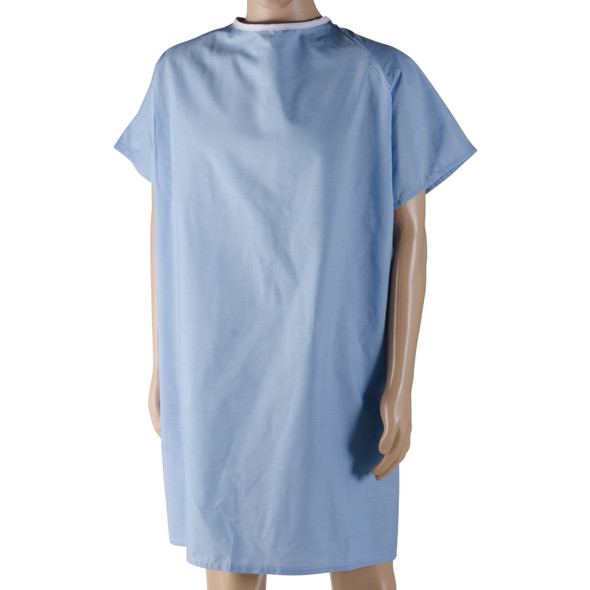
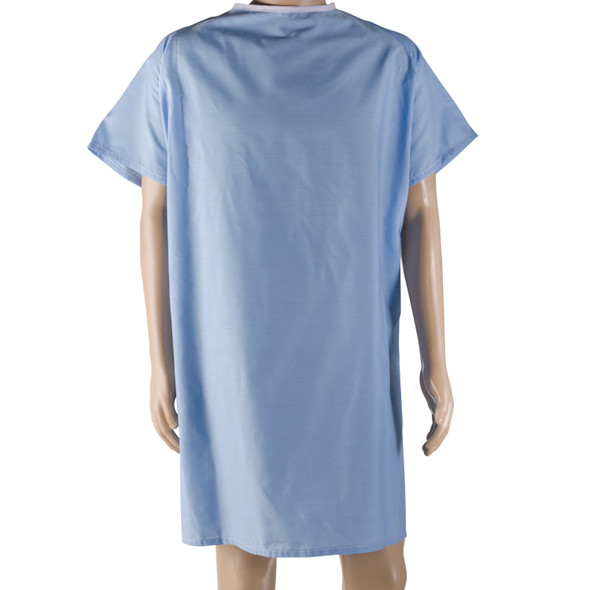
DMI Patient Hospital Gown with Snaps
Mabis Healthcare
$49.99The DMI Patient Hospital Gown with Snaps is made for patient examinations and procedures. This gown brings a manufacturer's build quality to patient examinations and procedures, at a practical price...- SKU:
- 532-8030-0139
$49.99 -

Dynarex AccuTouch Latex Exam Gloves – Latex Construction – Case of 1000
Dynarex
$359.99The Dynarex AccuTouch Latex Exam Gloves pairs a latex construction with the straightforward handling busy care settings demand. High-quality latex gloves crafted for optimal protection and comfort...$359.99 -
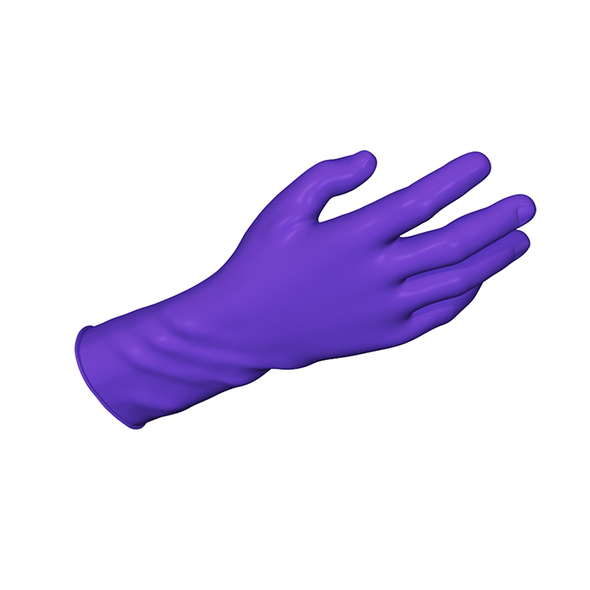

Dynarex True Advantage Nitrile Exam Gloves – Nitrile Construction – Latex-Free – Case of 1000
Dynarex
$422.99The Dynarex True Advantage Nitrile Exam Gloves is built for dependable daily care, with a nitrile construction that holds up in real clinical routines. Dynarex True Advantage Nitrile Exam Gloves are...- SKU:
- DYN-6503
$422.99 -
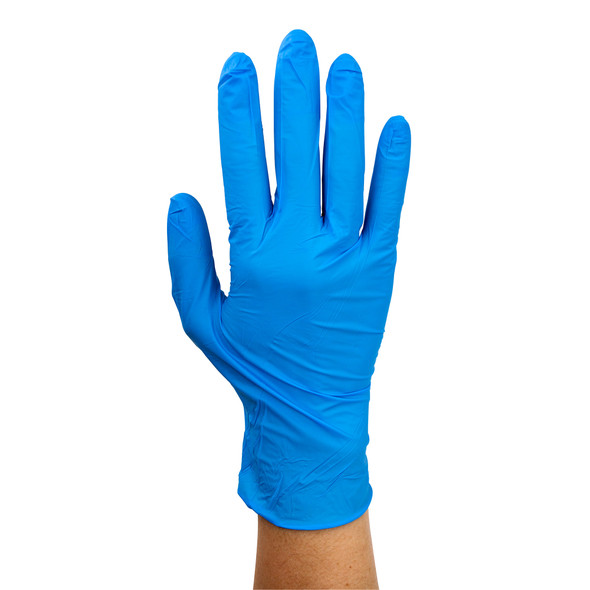
Dynarex Safe-Touch Blue Nitrile Exam Gloves – Latex-Free – Case of 10
Dynarex
$461.99The Dynarex Safe-Touch Blue Nitrile Exam Gloves is designed around one job, and its range of 3 sizes and configurations shows in everyday use. Safe-Touch Blue Nitrile Exam Gloves are premium-quality,...$461.99 -
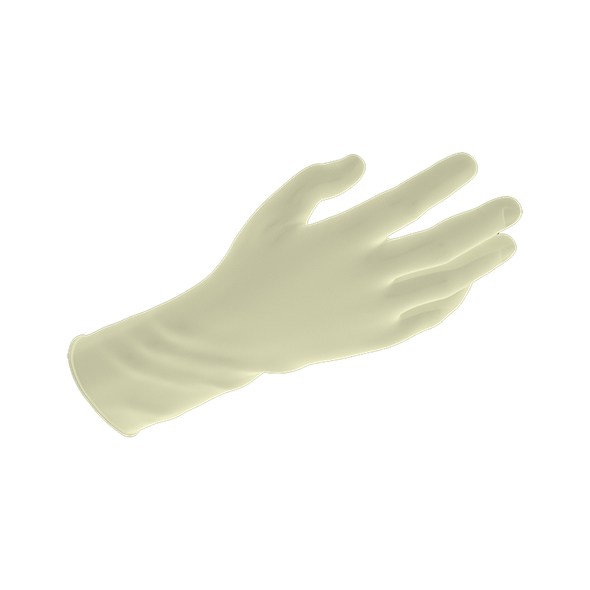
Dynarex Safe-Touch Latex Exam Gloves – Latex Construction – Case of 1000
Dynarex
$58.99 - $324.99The Dynarex Safe-Touch Latex Exam Gloves gives caregivers a latex construction they can count on shift after shift. Dynarex Safe-Touch Latex Exam Gloves are high-quality, polymer-lined gloves...$58.99 - $324.99 -
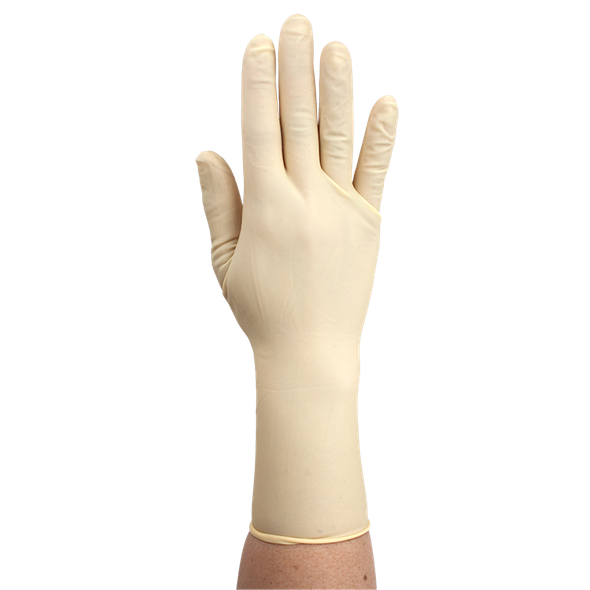
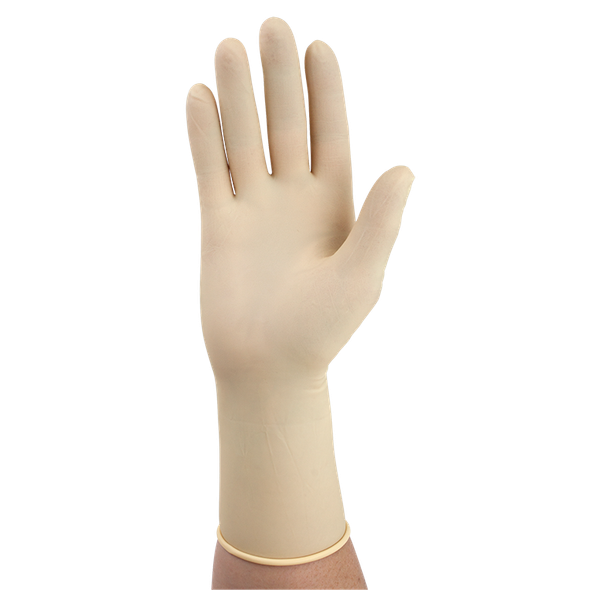
Dynarex Sterile Latex Surgical Gloves – Latex Construction – Case of 200
Dynarex
$280.99The Dynarex Sterile Latex Surgical Gloves is designed around one job, and its latex construction shows in everyday use. Dynarex Sterile Latex Surgical Gloves are premium-quality, powder-free latex...$280.99 -
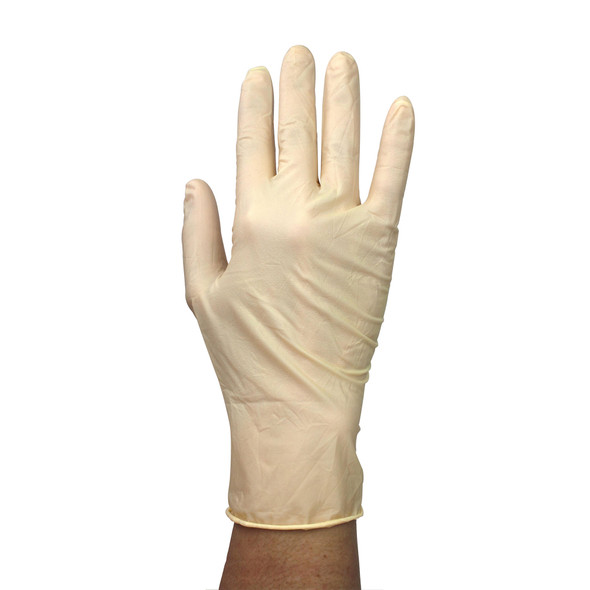
Dynarex Sterile Latex Exam Gloves – Latex Construction – Case of 8
Dynarex
$395.99The Dynarex Sterile Latex Exam Gloves gives caregivers a latex construction they can count on shift after shift. Dynarex Sterile Latex Exam Gloves are high-quality sterile gloves designed for...$395.99 -


Bioseal Cotton Gloves – 15 Inch Long 100% Cotton, Sterile, Latex-Free, Case of 24
Bioseal
$468.99The Bioseal Cotton Gloves is a sterile cotton gloves from Bioseal, supplied 1 pair per pack 24 packs per case. It is built for holding slippery tissue during sterile procedures, retraction and...- SKU:
- KP5016CW
$468.99 -


Bioseal Cotton Gloves – 100% Cotton Tissue Handling Gloves, Sterile, Case of 24
Bioseal
$342.99The Bioseal Cotton Gloves is a sterile cotton gloves from Bioseal, supplied 1 pair per pack 24 packs per case. Bioseal packages it for holding slippery tissue during sterile procedures, retraction...- SKU:
- KP5018W
$342.99 -
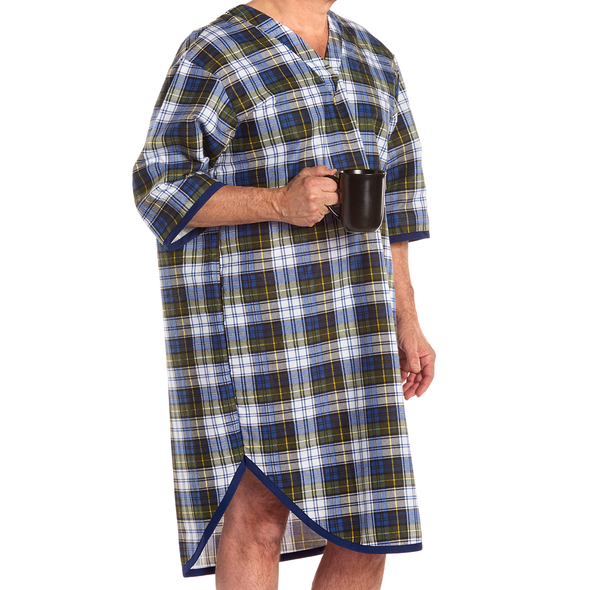
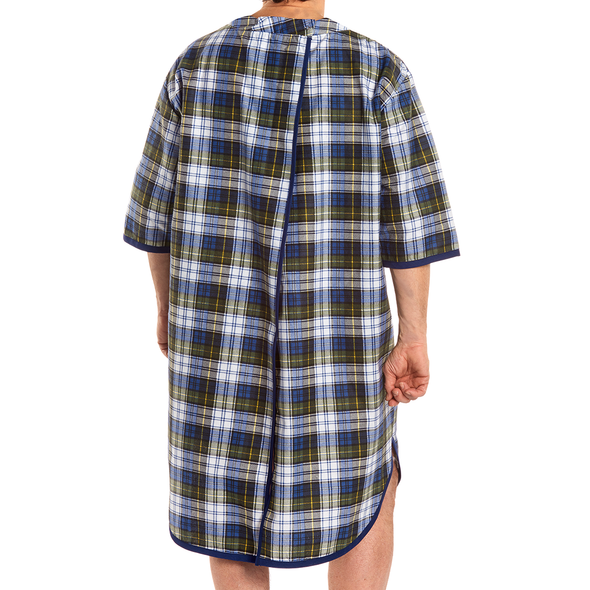
Salk Men's Sleep Shirt – Blue Plaid, Long Length Nightshirt, Large to X-Large
Salk Inc
$71.99The Salk Men's Sleep Shirt is a long-length men's nightshirt in blue plaid that wears like home sleepwear, not a hospital gown. Sleep is hard enough in care settings, and a familiar plaid nightshirt...- SKU:
- 560BP/LG-XLG
$71.99 -

Salk LadyLace Long Sleeve Patient Gown – Yellow Print, Tie Back, One Size
Salk Inc
$79.99The Salk LadyLace Long Sleeve Patient Gown is a women's patient gown with full-length sleeves and a cheerful yellow print. Long sleeves matter when wards run cold and patients feel chilled, and this...- SKU:
- 540LPY
$79.99 -
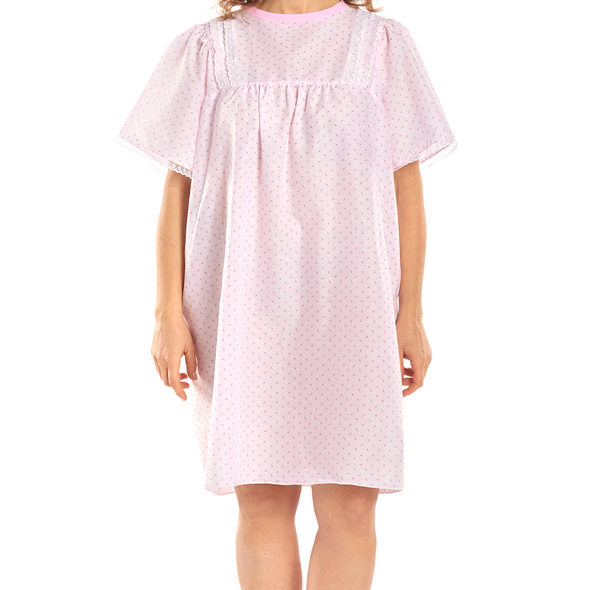

Salk LadyLace Short Sleeve Patient Gown – Pink Print, Tie Back, One Size
Salk Inc
$69.99The Salk LadyLace Short Sleeve Patient Gown is a women's patient gown with a soft pink print and short sleeves for a warmer, more personal feel. A gown is what a patient wears for the hardest days,...- SKU:
- 535LPP
$69.99 -
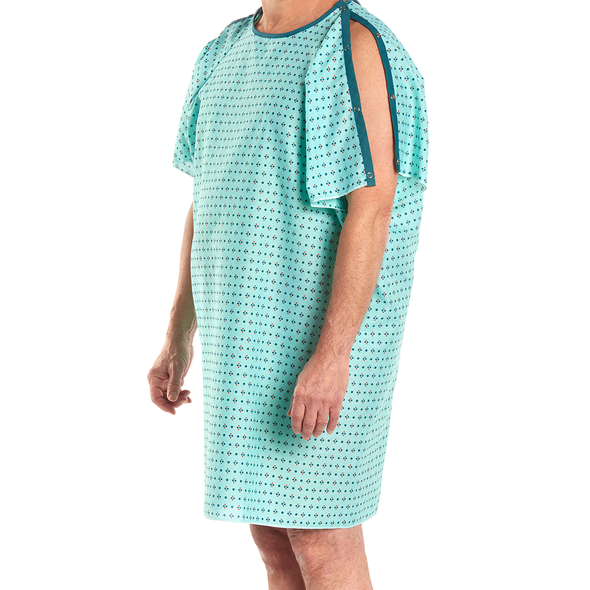
Salk Deluxe I.V. Patient Gown – Geo Print, Snap Sleeves for Line Access, One Size
Salk Inc
$57.99The Salk Deluxe I.V. Patient Gown is a Geo Print patient gown with snap sleeves that open for IV access without undressing the patient. Every line check that requires pulling a gown off costs time...- SKU:
- 520MP
$57.99 -
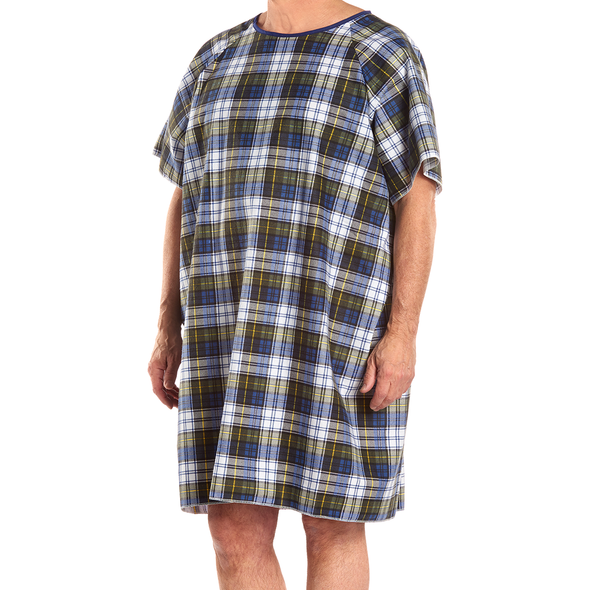

Salk TieBack Patient Gown – Back Tie Closure, Five Prints and Colors, One Size
Salk Inc
$52.99 - $68.99The Salk TieBack Patient Gown is a classic back-tie patient gown in five prints and colors, made in a durable poly cotton blend. Facilities run on gowns that survive the laundry and fit everyone, and...$52.99 - $68.99 -
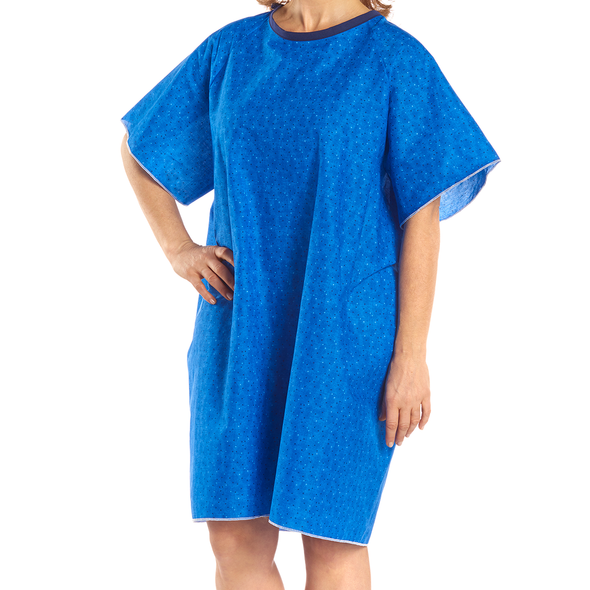

Salk SnapWrap Deluxe Patient Gown – Overlapping Panel Snap Closure, Six Prints and Colors, One Size
Salk Inc
$61.99 - $64.99The Salk SnapWrap Deluxe Patient Gown is a wrap-around patient gown whose overlapping panel snaps closed for secure, modest coverage. A gown that gaps or ties loosely steals dignity at the exact...$61.99 - $64.99 -
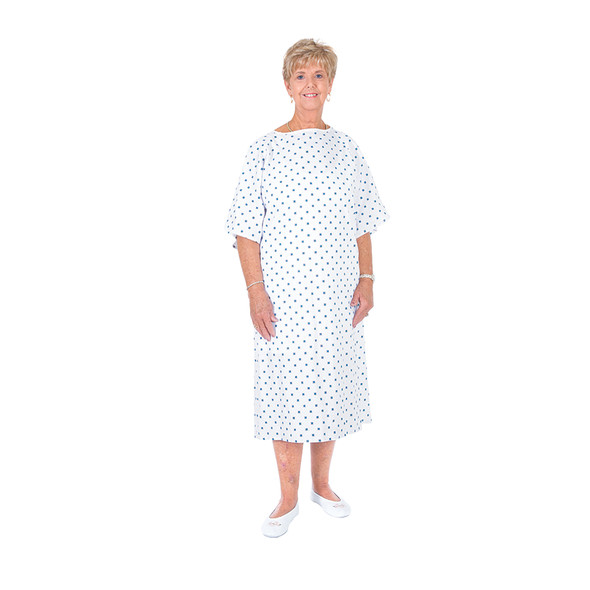
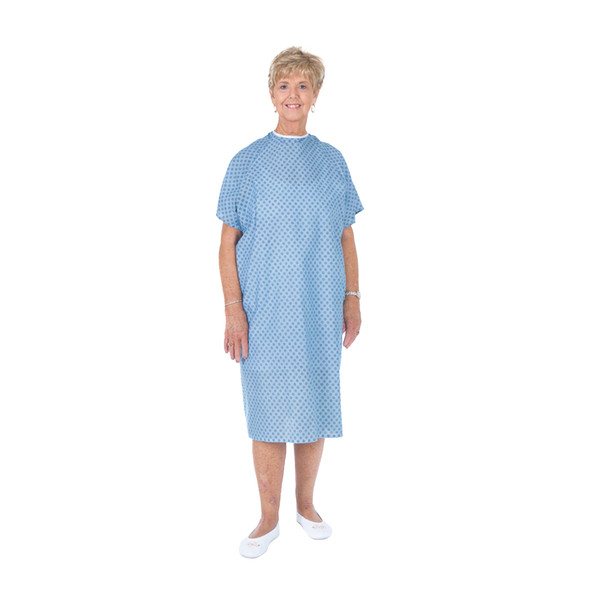
Alex Orthopedic Patient Exam Gown – Center Tie Back, Raglan Sleeves – One Size Fits Most, Print Cloth
Alex Orthopedic
$45.99The Patient Exam Gown is a reusable print cloth gown in the traditional center tie style, with roomy raglan sleeves that make exams and dressing easier. It is machine washable and dryable, built for...- SKU:
- C3010
$45.99 -
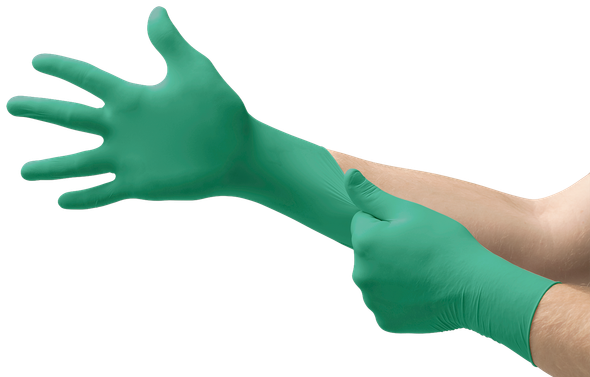
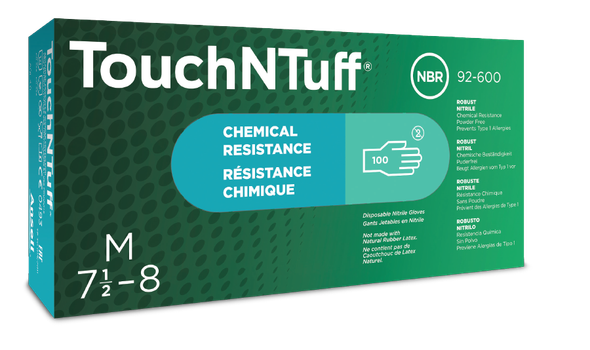
Ansell TouchNTuff 92-600 – Powder-Free, 4 Size Options, 100/bx, 10 bx/cs, Superior Comfort: Extra-Soft
Ansell
$287.99The Ansell TouchNTuff 92-600 is a nitrile glove built for hazard protection tasks, with advanced chemical resistance. When the work area gets busy, small frustrations with supplies add up fast. This...$287.99 -


Ansell Microflex Xceed XC-310 Blue Nitrile Gloves – Powder-Free, 5 Size Options, 230/bx, 10 bx/cs
Ansell
$339.99The Ansell Microflex Xceed XC-310 Blue Nitrile Gloves is an exam glove built for examinations and chemical handling tasks, with ergoform technology. When the exam room gets busy, small frustrations...$339.99 -
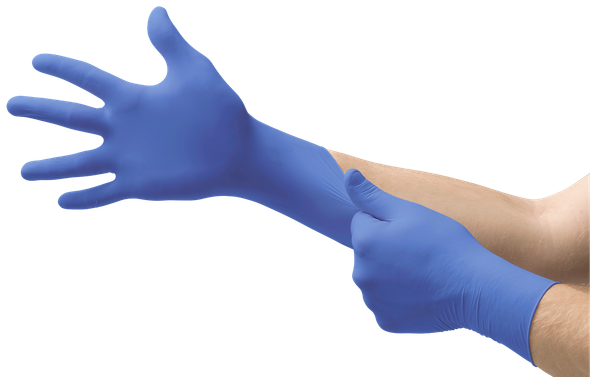

Ansell Microflex Ultraform UF-524 – Powder-Free, 8 Size Options, 250/bx, 10 bx/cs, For Examinations
Ansell
$353.99 - $404.99The Ansell Microflex Ultraform UF-524 is an exam glove built for examinations and chemical handling tasks, with ergoform technology. When the exam room gets busy, small frustrations with supplies add...$353.99 - $404.99 -

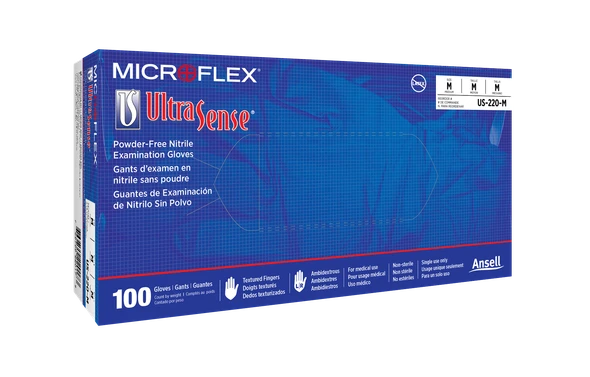
Ansell Microflex UltraSense US-220 Thin Nitrile Gloves – Powder-Free, 5 Size Options, 100/bx, 10 bx/cs
Ansell
$201.99The Ansell Microflex UltraSense US-220 Thin Nitrile Gloves is an exam glove built for examinations and chemical handling tasks, with thin nitrile formulation. When the exam room gets busy, small...$201.99
About Personal Protective Equipment (PPE)
Personal Protective Equipment (PPE) is an essential safeguard in medical, industrial, and public environments, offering a critical barrier against biological, chemical, and physical hazards. From surgical gloves and face shields to respirators and isolation gowns, PPE plays a pivotal role in protecting healthcare workers, patients, and personnel in high-risk environments. Proper use of PPE helps prevent infections, ensures compliance with safety regulations, and promotes a secure, hygienic workspace across diverse applications. Whether in hospitals, laboratories, or construction sites, PPE empowers professionals to perform confidently and safely.
Why Personal Protective Equipment (PPE) Is Essential
PPE is foundational to health and safety protocols across healthcare and industrial settings. It reduces the risk of cross-contamination, shields against hazardous exposure, and ensures a sterile environment for patients and workers alike. By forming a reliable barrier, PPE safeguards against pathogens, bodily fluids, chemicals, and airborne particles.
It not only enhances the safety of individuals but also upholds broader public health by minimizing disease transmission and injury risk. In operating rooms, emergency response, or manufacturing zones, PPE helps maintain operational continuity, compliance, and peace of mind.
What Is Personal Protective Equipment (PPE)?
Personal Protective Equipment (PPE) includes a range of specialized clothing and gear designed to protect individuals from infection, chemical exposure, and physical injury. Common items include gloves, masks, gowns, goggles, face shields, shoe covers, and coveralls. PPE is manufactured using medical-grade materials such as nitrile, latex, non-woven fabric, and polycarbonate plastics, tailored for single-use or reusable purposes. Depending on the product, PPE may be sterile or non-sterile, disposable or washable, and regulated to meet healthcare and occupational safety standards.
Types of Personal Protective Equipment (PPE)
1. Surgical Gloves
Best for: Hand protection during medical procedures, examinations, and contamination control.
Surgical gloves are sterile, high-precision gloves used primarily in surgical environments. They provide superior sensitivity, flexibility, and barrier protection against bloodborne pathogens and chemicals. These gloves are designed for single-use and are often powder-free to reduce allergic reactions.
Key Features:
- Sterile and anatomically shaped for precision handling
- Made from latex, nitrile, or neoprene for durability
- Textured fingertips enhance grip and control
- Powder-free to reduce allergic risks
- Available in various sizes for optimal fit
Applications:
- Surgical operations and invasive procedures
- Emergency rooms and operating theaters
- Dental surgeries and outpatient clinics
- Sterile environments requiring maximum hygiene
2. Masks and Respirators
Best for: Respiratory protection against airborne pathogens and pollutants
Masks and respirators create a seal over the nose and mouth to filter particles, droplets, and aerosols. Surgical masks are ideal for blocking large droplets, while N95 respirators offer high-efficiency filtration for occupational health.
Key Features:
- Multi-layer filtration systems
- Adjustable nose bridges for secure sealing
- Breathable, skin-friendly materials
- Options for single-use and reusable models
- Certified to meet medical or industrial safety standards
Applications:
- Surgical and outpatient procedures
- Pandemic response and airborne pathogen exposure
- Public transportation and crowded indoor areas
- Industrial sectors with dust, smoke, or chemical fumes
3. Examination Gloves
Best for: General medical exams and handling contaminated surfaces
Examination gloves provide essential barrier protection during non-surgical patient care, diagnostics, and hygiene tasks. They are available in nitrile, vinyl, or latex, and come in sterile and non-sterile versions.
Key Features:
- Ambidextrous and flexible for quick application
- Puncture-resistant and textured for grip
- Latex-free options available for allergy sensitivity
- Powder-free for lower risk of contamination
Applications:
- Medical check-ups and first aid
- Lab specimen handling
- Patient hygiene assistance
- Industrial cleaning and sanitation
4. Gowns and Coveralls
Best for: Full-body protection from fluids, infectious agents, or chemicals
PPE gowns and coveralls protect against bodily fluids, sprays, and particulate matter. They range from lightweight isolation gowns to heavy-duty industrial coveralls.
Key Features:
- Liquid-resistant or impermeable materials
- Elastic cuffs and waist ties for secure fit
- Breathable fabrics for comfort during long wear
- Reusable or single-use options available
Applications:
- Hospital wards and surgical units
- Hazardous material clean-up
- Research labs and pharmaceutical manufacturing
- Emergency response and hazmat teams
5. Face Shields and Goggles
Best for: Eye and facial protection from splashes, sprays, and debris
Face shields and goggles prevent exposure to droplets, blood splashes, and airborne irritants. Shields protect the full face, while goggles provide a snug fit around the eyes.
Key Features:
- Fog-resistant and anti-scratch lenses
- Wide visibility for improved field of vision
- Lightweight with adjustable headbands
- Can be used over prescription glasses
Applications:
- Surgical and dental procedures
- Laboratory and pathology environments
- Manufacturing settings with flying particles
- Public health emergencies
6. Shoe Covers
Best for: Preventing contamination in sterile or clean environments
Shoe covers maintain cleanliness in environments where sterility or hygiene is paramount. Disposable or anti-skid types help control microbial and dirt transfer.
Key Features:
- Slip-resistant soles for safety
- Elastic openings to fit over various footwear types
- Tear-resistant construction
- Waterproof options for added protection
Applications:
- Surgical and patient-care areas
- Cleanrooms and pharmaceutical labs
- Construction and food processing plants
- Homecare visits and infectious zones
When to Use Personal Protective Equipment (PPE)
PPE should be used whenever there’s a risk of contact with infectious materials, chemical exposure, or environmental hazards. Key situations include:
- Performing medical or dental procedures
- Handling biological specimens or hazardous chemicals
- Working in cleanrooms or sterile environments
- Operating in construction, chemical, or industrial zones
- During public health emergencies (e.g., pandemics)
How to Use Personal Protective Equipment (PPE)
Proper PPE usage involves the following steps:
- Perform hand hygiene before donning gloves or other PPE
- Don items in correct order: gown → mask/respirator → goggles/face shield → gloves
- Ensure proper fit and coverage, adjusting closures as needed
- Avoid touching PPE while in use to prevent contamination
- Remove PPE carefully, starting with gloves, followed by face shield/goggles, gown, and mask
- Dispose of used PPE in appropriate biohazard bins
- Wash hands thoroughly after PPE removal
Key Features of Personal Protective Equipment (PPE)
- Barrier Protection: Shields against fluids, pathogens, and debris
- Ergonomic Design: Comfortable for extended use with adjustable elements
- Regulatory Compliance: Meets standards from FDA, OSHA, CE, or ANSI
- Material Diversity: Latex, nitrile, polycarbonate, and breathable fabrics
- Versatile Configurations: Reusable and disposable options for various settings
- Benefits of Personal Protective Equipment (PPE)
Infection Control
PPE reduces the risk of infections by creating a sealed barrier between personnel and pathogens. This is crucial in surgical suites, ICUs, and during disease outbreaks.
Regulatory Compliance
Using certified PPE ensures adherence to safety regulations, reducing legal risks and improving workplace safety audits.
Cross-Industry Utility
PPE serves a wide range of sectors including healthcare, biotech, agriculture, construction, and public health.
Operational Continuity
Protecting workers from illness or injury means fewer disruptions, better staff availability, and higher operational efficiency.
Enhanced Safety Culture
Availability of PPE promotes awareness and responsibility, leading to a safer and more confident workforce.
How to Choose the Right Personal Protective Equipment (PPE)
- Assess Risk Level: Match PPE to the severity of biological, chemical, or physical hazards
- Check Material Compatibility: Choose materials (nitrile, latex, poly, etc.) based on sensitivity, durability, and resistance
- Size and Fit: Proper fit ensures maximum protection and comfort
- Usage Frequency: Determine if items should be disposable or reusable
- Certifications & Standards: Ensure PPE meets FDA, OSHA, or CE requirements for your region and use case
- Environment: Cleanrooms, surgery, public settings, and industrial zones each require specific PPE combinations
Frequently Asked Questions (FAQs)
1. What is the difference between surgical and examination gloves?
Surgical gloves are sterile and anatomically fitted for precision, while examination gloves are non-sterile and used for general patient care.
2. Can PPE be reused?
Some PPE like goggles, cloth masks, and gowns are reusable if properly disinfected. Gloves and surgical masks are single-use.
3. Are all PPE items one-size-fits-all?
No. PPE comes in various sizes and designs to ensure effective protection and comfort for different users.
4. How do I know if my PPE is certified?
Check product packaging and specifications for certifications such as FDA-approved, CE-marked, or OSHA-compliant.
5. When should PPE be discarded?
After any contamination, damage, or designated single-use period, PPE must be safely discarded in biohazard waste.
Related Products
Wound Care Dressings
Protect open wounds with our selection of hydrocolloid, foam, and alginate dressings. Explore Wound Dressings.
Hand Sanitizers
Support PPE hygiene with alcohol-based hand rubs for fast, effective disinfection. Shop Sanitizers.
Surgical Instruments
Pair your PPE with high-precision instruments for sterile procedures. View Surgical Tools.
Medical Waste Containers
Ensure safe disposal of used PPE and biohazard materials. Browse Disposal Products.
Equip your staff and protect your space with our trusted Personal Protective Equipment (PPE). Explore our full range of gloves, gowns, face shields, and more to stay safe and compliant. Shop now and invest in protection you can count on.