
Personal Protective Equipment (PPE)
Personal Protective Equipment (PPE) is an essential safeguard in medical, industrial, and public environments, offering a critical barrier against biological, chemical, and physical hazards. From surgical gloves and face shields to respirators and isolation gowns, PPE plays a pivotal role in protecting healthcare workers, patients, and personnel in high-risk environments. Proper use of PPE helps prevent infections, ensures compliance with safety regulations, and promotes a secure, hygienic workspace across diverse applications. Whether in hospitals, laboratories, or construction sites, PPE empowers professionals to perform confidently and safely.
Why Personal Protective Equipment (PPE) Is Essential
PPE is foundational to health and safety protocols across healthcare and industrial settings. It reduces the risk of cross-contamination, shields against hazardous exposure, and ensures a sterile environment for patients and workers alike. By forming a reliable barrier, PPE safeguards against pathogens, bodily fluids, chemicals, and airborne particles.
It not only enhances the safety of individuals but also upholds broader public health by minimizing disease transmission and injury risk. In operating rooms, emergency response, or manufacturing zones, PPE helps maintain operational continuity, compliance, and peace of mind.
What Is Personal Protective Equipment (PPE)?
Personal Protective Equipment (PPE) includes a range of specialized clothing and gear designed to protect individuals from infection, chemical exposure, and physical injury. Common items include gloves, masks, gowns, goggles, face shields, shoe covers, and coveralls. PPE is manufactured using medical-grade materials such as nitrile, latex, non-woven fabric, and polycarbonate plastics, tailored for single-use or reusable purposes. Depending on the product, PPE may be sterile or non-sterile, disposable or washable, and regulated to meet healthcare and occupational safety standards.
Types of Personal Protective Equipment (PPE)
1. Surgical Gloves
Best for: Hand protection during medical procedures, examinations, and contamination control.
Surgical gloves are sterile, high-precision gloves used primarily in surgical environments. They provide superior sensitivity, flexibility, and barrier protection against bloodborne pathogens and chemicals. These gloves are designed for single-use and are often powder-free to reduce allergic reactions.
Key Features:
- Sterile and anatomically shaped for precision handling
- Made from latex, nitrile, or neoprene for durability
- Textured fingertips enhance grip and control
- Powder-free to reduce allergic risks
- Available in various sizes for optimal fit
Applications:
- Surgical operations and invasive procedures
- Emergency rooms and operating theaters
- Dental surgeries and outpatient clinics
- Sterile environments requiring maximum hygiene
2. Masks and Respirators
Best for: Respiratory protection against airborne pathogens and pollutants
Masks and respirators create a seal over the nose and mouth to filter particles, droplets, and aerosols. Surgical masks are ideal for blocking large droplets, while N95 respirators offer high-efficiency filtration for occupational health.
Key Features:
- Multi-layer filtration systems
- Adjustable nose bridges for secure sealing
- Breathable, skin-friendly materials
- Options for single-use and reusable models
- Certified to meet medical or industrial safety standards
Applications:
- Surgical and outpatient procedures
- Pandemic response and airborne pathogen exposure
- Public transportation and crowded indoor areas
- Industrial sectors with dust, smoke, or chemical fumes
3. Examination Gloves
Best for: General medical exams and handling contaminated surfaces
Examination gloves provide essential barrier protection during non-surgical patient care, diagnostics, and hygiene tasks. They are available in nitrile, vinyl, or latex, and come in sterile and non-sterile versions.
Key Features:
- Ambidextrous and flexible for quick application
- Puncture-resistant and textured for grip
- Latex-free options available for allergy sensitivity
- Powder-free for lower risk of contamination
Applications:
- Medical check-ups and first aid
- Lab specimen handling
- Patient hygiene assistance
- Industrial cleaning and sanitation
4. Gowns and Coveralls
Best for: Full-body protection from fluids, infectious agents, or chemicals
PPE gowns and coveralls protect against bodily fluids, sprays, and particulate matter. They range from lightweight isolation gowns to heavy-duty industrial coveralls.
Key Features:
- Liquid-resistant or impermeable materials
- Elastic cuffs and waist ties for secure fit
- Breathable fabrics for comfort during long wear
- Reusable or single-use options available
Applications:
- Hospital wards and surgical units
- Hazardous material clean-up
- Research labs and pharmaceutical manufacturing
- Emergency response and hazmat teams
5. Face Shields and Goggles
Best for: Eye and facial protection from splashes, sprays, and debris
Face shields and goggles prevent exposure to droplets, blood splashes, and airborne irritants. Shields protect the full face, while goggles provide a snug fit around the eyes.
Key Features:
- Fog-resistant and anti-scratch lenses
- Wide visibility for improved field of vision
- Lightweight with adjustable headbands
- Can be used over prescription glasses
Applications:
- Surgical and dental procedures
- Laboratory and pathology environments
- Manufacturing settings with flying particles
- Public health emergencies
6. Shoe Covers
Best for: Preventing contamination in sterile or clean environments
Shoe covers maintain cleanliness in environments where sterility or hygiene is paramount. Disposable or anti-skid types help control microbial and dirt transfer.
Key Features:
- Slip-resistant soles for safety
- Elastic openings to fit over various footwear types
- Tear-resistant construction
- Waterproof options for added protection
Applications:
- Surgical and patient-care areas
- Cleanrooms and pharmaceutical labs
- Construction and food processing plants
- Homecare visits and infectious zones
When to Use Personal Protective Equipment (PPE)
PPE should be used whenever there’s a risk of contact with infectious materials, chemical exposure, or environmental hazards. Key situations include:
- Performing medical or dental procedures
- Handling biological specimens or hazardous chemicals
- Working in cleanrooms or sterile environments
- Operating in construction, chemical, or industrial zones
- During public health emergencies (e.g., pandemics)
How to Use Personal Protective Equipment (PPE)
Proper PPE usage involves the following steps:
- Perform hand hygiene before donning gloves or other PPE
- Don items in correct order: gown → mask/respirator → goggles/face shield → gloves
- Ensure proper fit and coverage, adjusting closures as needed
- Avoid touching PPE while in use to prevent contamination
- Remove PPE carefully, starting with gloves, followed by face shield/goggles, gown, and mask
- Dispose of used PPE in appropriate biohazard bins
- Wash hands thoroughly after PPE removal
Key Features of Personal Protective Equipment (PPE)
- Barrier Protection: Shields against fluids, pathogens, and debris
- Ergonomic Design: Comfortable for extended use with adjustable elements
- Regulatory Compliance: Meets standards from FDA, OSHA, CE, or ANSI
- Material Diversity: Latex, nitrile, polycarbonate, and breathable fabrics
- Versatile Configurations: Reusable and disposable options for various settings
- Benefits of Personal Protective Equipment (PPE)
Infection Control
PPE reduces the risk of infections by creating a sealed barrier between personnel and pathogens. This is crucial in surgical suites, ICUs, and during disease outbreaks.
Regulatory Compliance
Using certified PPE ensures adherence to safety regulations, reducing legal risks and improving workplace safety audits.
Cross-Industry Utility
PPE serves a wide range of sectors including healthcare, biotech, agriculture, construction, and public health.
Operational Continuity
Protecting workers from illness or injury means fewer disruptions, better staff availability, and higher operational efficiency.
Enhanced Safety Culture
Availability of PPE promotes awareness and responsibility, leading to a safer and more confident workforce.
How to Choose the Right Personal Protective Equipment (PPE)
- Assess Risk Level: Match PPE to the severity of biological, chemical, or physical hazards
- Check Material Compatibility: Choose materials (nitrile, latex, poly, etc.) based on sensitivity, durability, and resistance
- Size and Fit: Proper fit ensures maximum protection and comfort
- Usage Frequency: Determine if items should be disposable or reusable
- Certifications & Standards: Ensure PPE meets FDA, OSHA, or CE requirements for your region and use case
- Environment: Cleanrooms, surgery, public settings, and industrial zones each require specific PPE combinations
Frequently Asked Questions (FAQs)
1. What is the difference between surgical and examination gloves?
Surgical gloves are sterile and anatomically fitted for precision, while examination gloves are non-sterile and used for general patient care.
2. Can PPE be reused?
Some PPE like goggles, cloth masks, and gowns are reusable if properly disinfected. Gloves and surgical masks are single-use.
3. Are all PPE items one-size-fits-all?
No. PPE comes in various sizes and designs to ensure effective protection and comfort for different users.
4. How do I know if my PPE is certified?
Check product packaging and specifications for certifications such as FDA-approved, CE-marked, or OSHA-compliant.
5. When should PPE be discarded?
After any contamination, damage, or designated single-use period, PPE must be safely discarded in biohazard waste.
Related Products
Wound Care Dressings
Protect open wounds with our selection of hydrocolloid, foam, and alginate dressings. Explore Wound Dressings.
Hand Sanitizers
Support PPE hygiene with alcohol-based hand rubs for fast, effective disinfection. Shop Sanitizers.
Surgical Instruments
Pair your PPE with high-precision instruments for sterile procedures. View Surgical Tools.
Medical Waste Containers
Ensure safe disposal of used PPE and biohazard materials. Browse Disposal Products.
Equip your staff and protect your space with our trusted Personal Protective Equipment (PPE). Explore our full range of gloves, gowns, face shields, and more to stay safe and compliant. Shop now and invest in protection you can count on.
Shop By Category
-
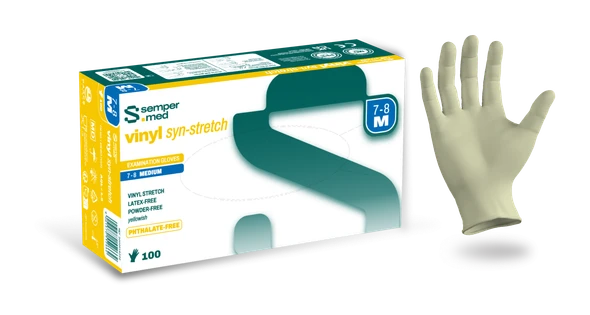
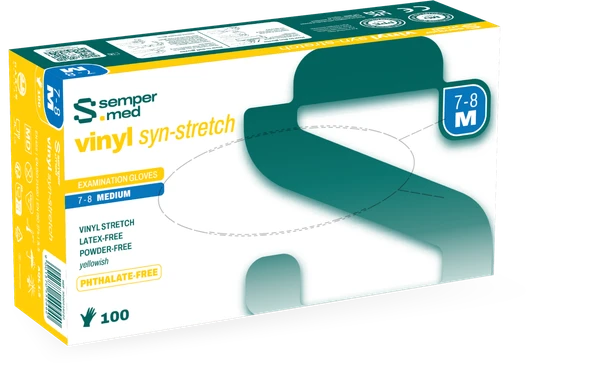
Harps Sempermed Vinyl Syn-Stretch Vinyl Exam Gloves – Yellow, Powder-Free, Enhanced Stretch Fit, Case of 10
Harps USA
$103.99The Harps Sempermed Vinyl Syn-Stretch stretches further than conventional vinyl, giving exam and care settings a latex-free glove with a closer, more flexible fit. The 10 boxes-per-case format suits...$103.99 -
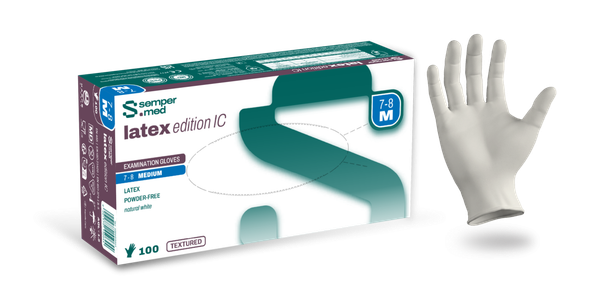

Harps Sempermed Latex Edition IC Latex Exam Gloves – Powder-Free, Polymer Coated, Textured, 100 per Box, Case
Harps USA
$132.99The Harps Sempermed Latex Edition IC keeps the fit and feel of natural rubber latex in a powder-free exam glove with a synthetic polymer inner coating for easy donning. With 10 boxes to a case,...$132.99 -

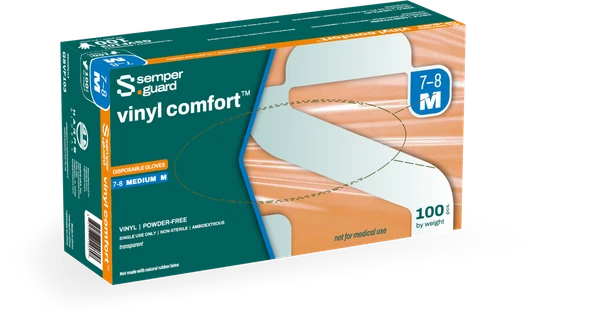
Harps Semperguard Vinyl Comfort Vinyl Gloves – Transparent, Powder-Free, Polymer Coated, 100 per Box, Case of
Harps USA
$89.99The Harps Semperguard Vinyl Comfort covers light-duty hand protection at an exceptional value for cleaning, food service and general tasks that turn gloves over quickly. Each case holds 10 boxes,...$89.99 -
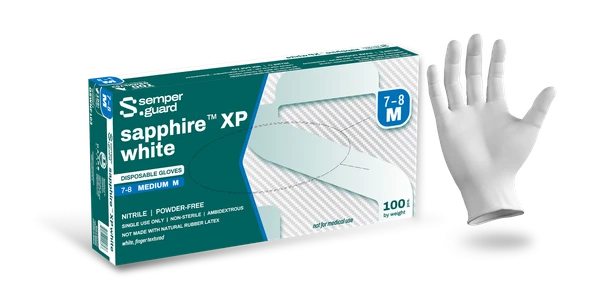
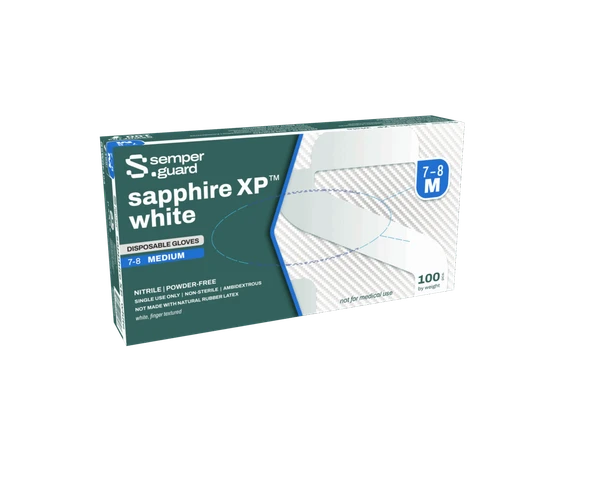
Harps Semperguard Sapphire XP White Nitrile Gloves – White, Textured Fingertips, Powder-Free, 100 per Box
Harps USA
$152.99The Harps Semperguard Sapphire XP White gives clinics, labs and food operations a white nitrile glove that makes contamination easy to see while keeping tactile control. Ordering by the case (10...$152.99 -
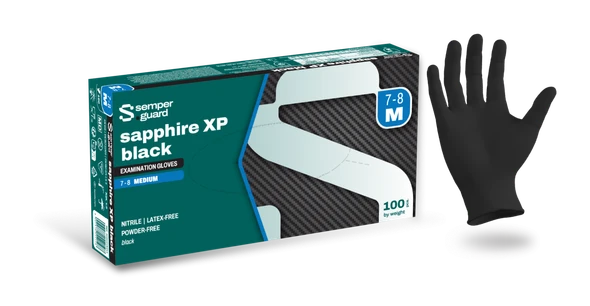
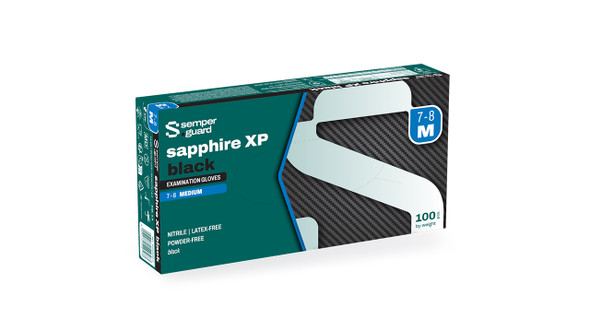
Harps Semperguard Sapphire XP Black Nitrile Exam Gloves – Black, Chemo Tested, Textured Fingertips, 100 per
Harps USA
$134.99The Harps Semperguard Sapphire XP Black puts an exam-grade black nitrile glove on staff who need chemo-tested barrier protection without giving up grip or a clean professional look. The case format...$134.99 -


Harps Semperguard Sapphire Cobalt Nitrile Gloves – Cobalt Blue, Finger Textured, Powder-Free, 100 per Box
Harps USA
$134.99The Harps Semperguard Sapphire Cobalt gives janitorial, food service and light industrial crews a cobalt blue nitrile glove that grips well and holds up through a full shift of tasks. Cases ship with...$134.99 -
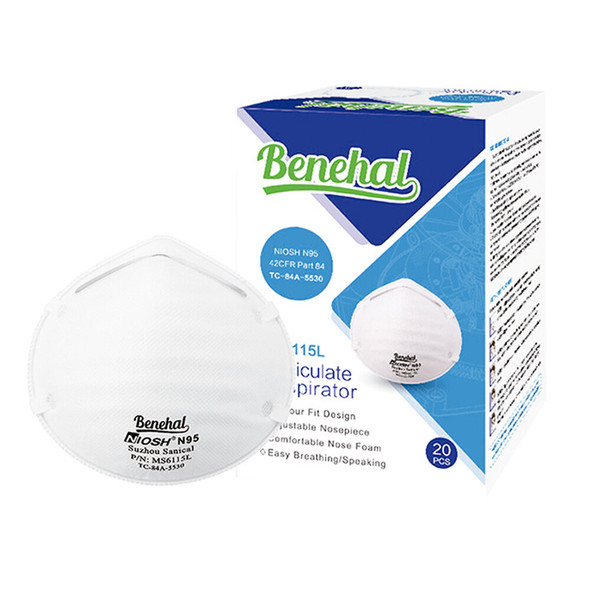

MediVena Benehal N95 Surgical Respirator – N95 Surgical Respirator, NIOSH-Certified, Safety Medical Device
MediVena
$301.99The MediVena Benehal N95 Surgical Respirator is a benehal n95 surgical respirator from the ONE-CARE line from MediVena, built for respiratory protection in healthcare settings as the benehal n95...- SKU:
- MS8265
$301.99 -
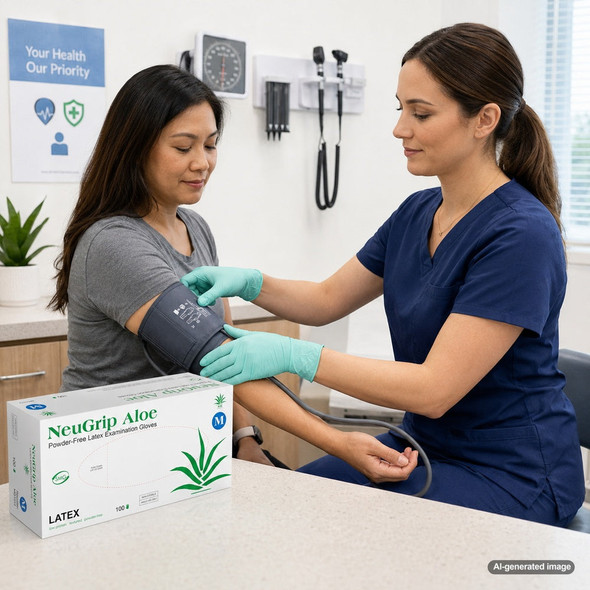
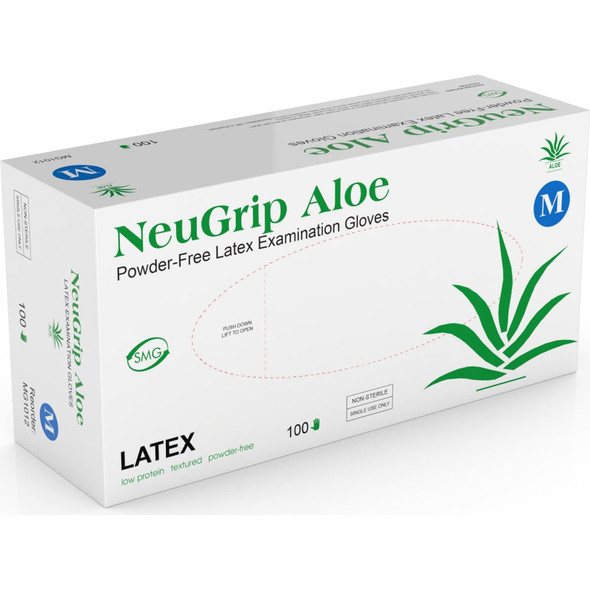
Medgluv NeuGrip Aloe Natural Latex Exam Gloves, Fully Textured, Powder Free, Natural, cs, Ambidextrous Fit
Medgluv
$125.99Medgluv NeuGrip Aloe Natural Latex Exam Gloves are single use latex exam gloves that clinics stock for patient exams, lab work and general clinical care. A fully textured finish supports confident...$125.99 -


Medgluv NitraGrip XP Blue Nitrile Exam Gloves, Fully Textured, Powder Free, Blue, cs, Ambidextrous Fit
Medgluv
$169.99Medgluv NitraGrip XP Blue Nitrile Exam Gloves give clinical teams a nitrile barrier for clinical exams, phlebotomy and routine patient care, packed by the case. The full textured surface on the...$169.99 -
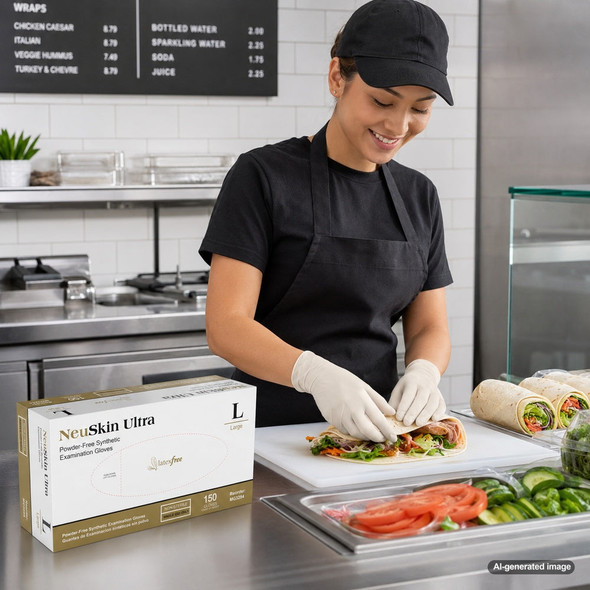
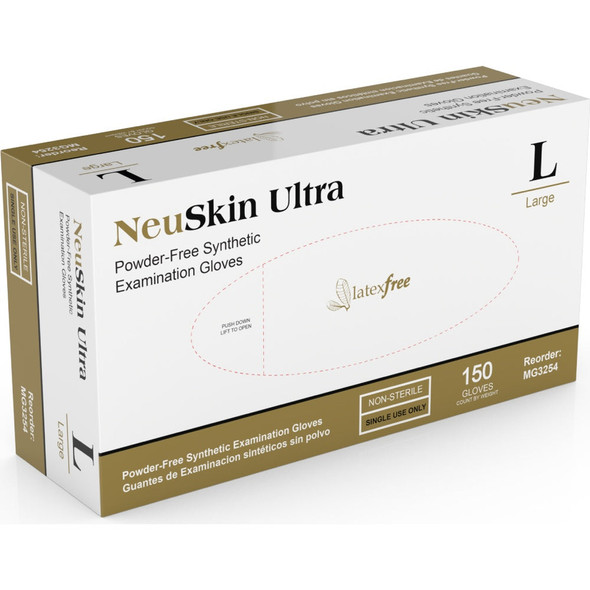
Medgluv NeuSkin Ultra 150 Cream Exam Gloves, Powder Free, Cream, cs, Ambidextrous Fit, Single Use
Medgluv
$108.99Medgluv NeuSkin Ultra 150 Cream Exam Gloves give clinical teams a vinyl barrier for examinations, diagnostics and everyday clinical tasks, packed by the case. The smooth, stretch surface on the...$108.99 -
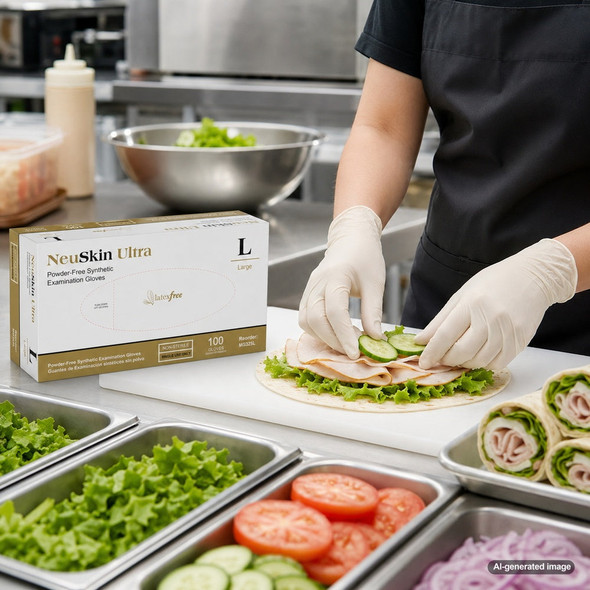
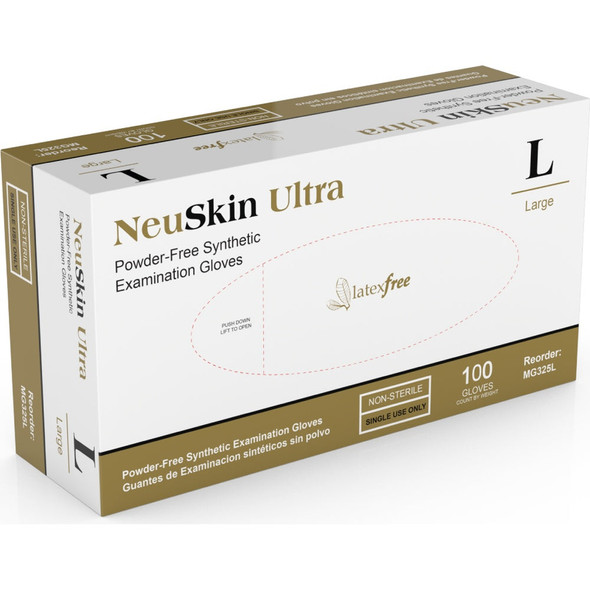
Medgluv NeuSkin Ultra 100 Cream Exam Gloves, Powder Free, Cream, cs, Ambidextrous Fit, Single Use
Medgluv
$87.99Medgluv NeuSkin Ultra 100 Cream Exam Gloves are vinyl exam gloves made for patient exams, lab work and general clinical care, supplied by the case. The smooth, stretch surface on the NeuSkin Ultra...$87.99 -
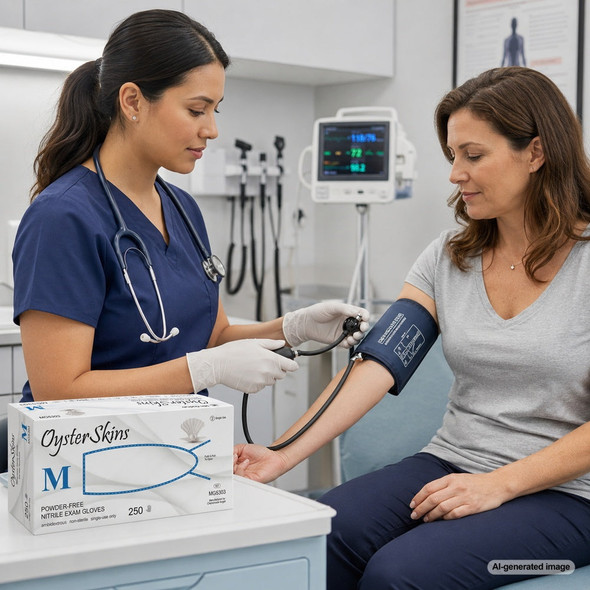
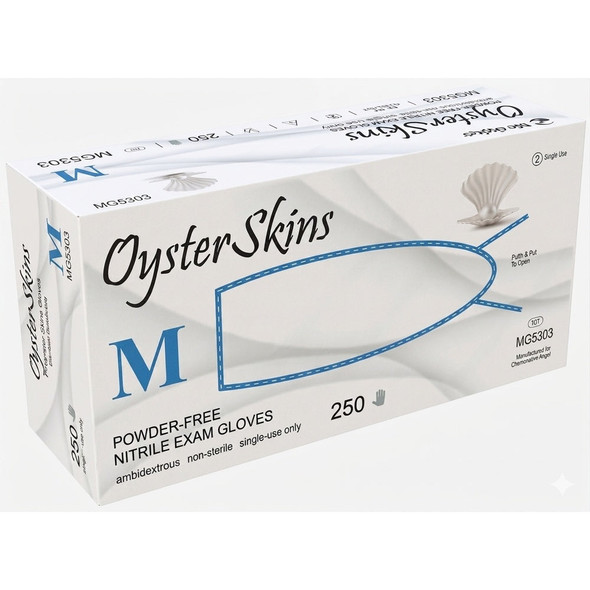
Medgluv OysterSkin 250 Platinum Nitrile Exam Gloves, Textured Fingertips, Powder Free, Platinum, cs
Medgluv
$207.99Medgluv OysterSkin 250 Platinum Nitrile Exam Gloves give clinical teams a nitrile barrier for clinical exams, phlebotomy and routine patient care, packed by the case. The OysterSkin glove pairs a...$207.99 -


Medgluv NitraSonic 150 Sky Blue Nitrile Exam Gloves, Fully Textured, Powder Free, Sky Blue, cs
Medgluv
$190.99Medgluv NitraSonic 150 Sky Blue Nitrile Exam Gloves are single use nitrile exam gloves that clinics stock for clinical exams, phlebotomy and routine patient care. A full-textured finish supports...$190.99 -


Medgluv NitraGrip 300 Teal Blue Nitrile Exam Gloves, Textured Fingertips, Powder Free, Teal Blue, cs
Medgluv
$273.99Medgluv NitraGrip 300 Teal Blue Nitrile Exam Gloves are nitrile exam gloves made for clinical exams, phlebotomy and routine patient care, supplied by the case. The NitraGrip glove pairs a textured...$273.99 -


Medgluv NeuBlush Pink Nitrile Exam Gloves, Textured Fingertips, Powder Free, Pink, cs, Ambidextrous Fit
Medgluv
$219.99Medgluv NeuBlush Pink Nitrile Exam Gloves are nitrile exam gloves made for examinations, diagnostics and everyday clinical tasks, supplied by the case. The textured fingertips surface on the NeuBlush...$219.99 -


Medgluv NeuFlex 250 Cornflower Blue Nitrile Exam Gloves, Textured Fingertips, Powder Free, Packaging, cs
Medgluv
$165.99Medgluv NeuFlex 250 Cornflower Blue Nitrile Exam Gloves are single use nitrile exam gloves that clinics stock for patient exams, lab work and general clinical care. The textured fingers surface on...$165.99 -


Medgluv NitraPro Blue Nitrile Exam Gloves, Textured Fingertips, Powder Free, Blue, cs, Ambidextrous Fit
Medgluv
$311.99Medgluv NitraPro Blue Nitrile Exam Gloves are nitrile exam gloves made for clinical exams, phlebotomy and routine patient care, supplied by the case. The NitraPro glove pairs a full textured...$311.99 -


Medgluv SonicBurst Orange Nitrile Exam Gloves, Textured Fingertips, Powder Free, Orange, cs
Medgluv
$131.99Medgluv SonicBurst Orange Nitrile Exam Gloves are nitrile exam gloves made for clinical exams, phlebotomy and routine patient care, supplied by the case. The diamond textured / textured fingers...$131.99 -


Medgluv NitraSonic White Nitrile Surgical Gloves, Fully Textured, Powder Free, White, Sterile, cs
Medgluv
$278.99Medgluv NitraSonic White Nitrile Surgical Gloves are single use nitrile surgical gloves that clinics stock for patient exams, lab work and general clinical care. The textured finish surface on the...$278.99 -


Medgluv NitraGrip White Nitrile Exam Gloves, Fully Textured, Powder Free, White, Sterile, cs
Medgluv
$177.99Medgluv NitraGrip White Nitrile Exam Gloves give clinical teams a nitrile barrier for examinations, diagnostics and everyday clinical tasks, packed by the case. The NitraGrip glove pairs a full...- SKU:
- MGSE5124
$177.99
About Personal Protective Equipment (PPE)
Personal Protective Equipment (PPE) is an essential safeguard in medical, industrial, and public environments, offering a critical barrier against biological, chemical, and physical hazards. From surgical gloves and face shields to respirators and isolation gowns, PPE plays a pivotal role in protecting healthcare workers, patients, and personnel in high-risk environments. Proper use of PPE helps prevent infections, ensures compliance with safety regulations, and promotes a secure, hygienic workspace across diverse applications. Whether in hospitals, laboratories, or construction sites, PPE empowers professionals to perform confidently and safely.
Why Personal Protective Equipment (PPE) Is Essential
PPE is foundational to health and safety protocols across healthcare and industrial settings. It reduces the risk of cross-contamination, shields against hazardous exposure, and ensures a sterile environment for patients and workers alike. By forming a reliable barrier, PPE safeguards against pathogens, bodily fluids, chemicals, and airborne particles.
It not only enhances the safety of individuals but also upholds broader public health by minimizing disease transmission and injury risk. In operating rooms, emergency response, or manufacturing zones, PPE helps maintain operational continuity, compliance, and peace of mind.
What Is Personal Protective Equipment (PPE)?
Personal Protective Equipment (PPE) includes a range of specialized clothing and gear designed to protect individuals from infection, chemical exposure, and physical injury. Common items include gloves, masks, gowns, goggles, face shields, shoe covers, and coveralls. PPE is manufactured using medical-grade materials such as nitrile, latex, non-woven fabric, and polycarbonate plastics, tailored for single-use or reusable purposes. Depending on the product, PPE may be sterile or non-sterile, disposable or washable, and regulated to meet healthcare and occupational safety standards.
Types of Personal Protective Equipment (PPE)
1. Surgical Gloves
Best for: Hand protection during medical procedures, examinations, and contamination control.
Surgical gloves are sterile, high-precision gloves used primarily in surgical environments. They provide superior sensitivity, flexibility, and barrier protection against bloodborne pathogens and chemicals. These gloves are designed for single-use and are often powder-free to reduce allergic reactions.
Key Features:
- Sterile and anatomically shaped for precision handling
- Made from latex, nitrile, or neoprene for durability
- Textured fingertips enhance grip and control
- Powder-free to reduce allergic risks
- Available in various sizes for optimal fit
Applications:
- Surgical operations and invasive procedures
- Emergency rooms and operating theaters
- Dental surgeries and outpatient clinics
- Sterile environments requiring maximum hygiene
2. Masks and Respirators
Best for: Respiratory protection against airborne pathogens and pollutants
Masks and respirators create a seal over the nose and mouth to filter particles, droplets, and aerosols. Surgical masks are ideal for blocking large droplets, while N95 respirators offer high-efficiency filtration for occupational health.
Key Features:
- Multi-layer filtration systems
- Adjustable nose bridges for secure sealing
- Breathable, skin-friendly materials
- Options for single-use and reusable models
- Certified to meet medical or industrial safety standards
Applications:
- Surgical and outpatient procedures
- Pandemic response and airborne pathogen exposure
- Public transportation and crowded indoor areas
- Industrial sectors with dust, smoke, or chemical fumes
3. Examination Gloves
Best for: General medical exams and handling contaminated surfaces
Examination gloves provide essential barrier protection during non-surgical patient care, diagnostics, and hygiene tasks. They are available in nitrile, vinyl, or latex, and come in sterile and non-sterile versions.
Key Features:
- Ambidextrous and flexible for quick application
- Puncture-resistant and textured for grip
- Latex-free options available for allergy sensitivity
- Powder-free for lower risk of contamination
Applications:
- Medical check-ups and first aid
- Lab specimen handling
- Patient hygiene assistance
- Industrial cleaning and sanitation
4. Gowns and Coveralls
Best for: Full-body protection from fluids, infectious agents, or chemicals
PPE gowns and coveralls protect against bodily fluids, sprays, and particulate matter. They range from lightweight isolation gowns to heavy-duty industrial coveralls.
Key Features:
- Liquid-resistant or impermeable materials
- Elastic cuffs and waist ties for secure fit
- Breathable fabrics for comfort during long wear
- Reusable or single-use options available
Applications:
- Hospital wards and surgical units
- Hazardous material clean-up
- Research labs and pharmaceutical manufacturing
- Emergency response and hazmat teams
5. Face Shields and Goggles
Best for: Eye and facial protection from splashes, sprays, and debris
Face shields and goggles prevent exposure to droplets, blood splashes, and airborne irritants. Shields protect the full face, while goggles provide a snug fit around the eyes.
Key Features:
- Fog-resistant and anti-scratch lenses
- Wide visibility for improved field of vision
- Lightweight with adjustable headbands
- Can be used over prescription glasses
Applications:
- Surgical and dental procedures
- Laboratory and pathology environments
- Manufacturing settings with flying particles
- Public health emergencies
6. Shoe Covers
Best for: Preventing contamination in sterile or clean environments
Shoe covers maintain cleanliness in environments where sterility or hygiene is paramount. Disposable or anti-skid types help control microbial and dirt transfer.
Key Features:
- Slip-resistant soles for safety
- Elastic openings to fit over various footwear types
- Tear-resistant construction
- Waterproof options for added protection
Applications:
- Surgical and patient-care areas
- Cleanrooms and pharmaceutical labs
- Construction and food processing plants
- Homecare visits and infectious zones
When to Use Personal Protective Equipment (PPE)
PPE should be used whenever there’s a risk of contact with infectious materials, chemical exposure, or environmental hazards. Key situations include:
- Performing medical or dental procedures
- Handling biological specimens or hazardous chemicals
- Working in cleanrooms or sterile environments
- Operating in construction, chemical, or industrial zones
- During public health emergencies (e.g., pandemics)
How to Use Personal Protective Equipment (PPE)
Proper PPE usage involves the following steps:
- Perform hand hygiene before donning gloves or other PPE
- Don items in correct order: gown → mask/respirator → goggles/face shield → gloves
- Ensure proper fit and coverage, adjusting closures as needed
- Avoid touching PPE while in use to prevent contamination
- Remove PPE carefully, starting with gloves, followed by face shield/goggles, gown, and mask
- Dispose of used PPE in appropriate biohazard bins
- Wash hands thoroughly after PPE removal
Key Features of Personal Protective Equipment (PPE)
- Barrier Protection: Shields against fluids, pathogens, and debris
- Ergonomic Design: Comfortable for extended use with adjustable elements
- Regulatory Compliance: Meets standards from FDA, OSHA, CE, or ANSI
- Material Diversity: Latex, nitrile, polycarbonate, and breathable fabrics
- Versatile Configurations: Reusable and disposable options for various settings
- Benefits of Personal Protective Equipment (PPE)
Infection Control
PPE reduces the risk of infections by creating a sealed barrier between personnel and pathogens. This is crucial in surgical suites, ICUs, and during disease outbreaks.
Regulatory Compliance
Using certified PPE ensures adherence to safety regulations, reducing legal risks and improving workplace safety audits.
Cross-Industry Utility
PPE serves a wide range of sectors including healthcare, biotech, agriculture, construction, and public health.
Operational Continuity
Protecting workers from illness or injury means fewer disruptions, better staff availability, and higher operational efficiency.
Enhanced Safety Culture
Availability of PPE promotes awareness and responsibility, leading to a safer and more confident workforce.
How to Choose the Right Personal Protective Equipment (PPE)
- Assess Risk Level: Match PPE to the severity of biological, chemical, or physical hazards
- Check Material Compatibility: Choose materials (nitrile, latex, poly, etc.) based on sensitivity, durability, and resistance
- Size and Fit: Proper fit ensures maximum protection and comfort
- Usage Frequency: Determine if items should be disposable or reusable
- Certifications & Standards: Ensure PPE meets FDA, OSHA, or CE requirements for your region and use case
- Environment: Cleanrooms, surgery, public settings, and industrial zones each require specific PPE combinations
Frequently Asked Questions (FAQs)
1. What is the difference between surgical and examination gloves?
Surgical gloves are sterile and anatomically fitted for precision, while examination gloves are non-sterile and used for general patient care.
2. Can PPE be reused?
Some PPE like goggles, cloth masks, and gowns are reusable if properly disinfected. Gloves and surgical masks are single-use.
3. Are all PPE items one-size-fits-all?
No. PPE comes in various sizes and designs to ensure effective protection and comfort for different users.
4. How do I know if my PPE is certified?
Check product packaging and specifications for certifications such as FDA-approved, CE-marked, or OSHA-compliant.
5. When should PPE be discarded?
After any contamination, damage, or designated single-use period, PPE must be safely discarded in biohazard waste.
Related Products
Wound Care Dressings
Protect open wounds with our selection of hydrocolloid, foam, and alginate dressings. Explore Wound Dressings.
Hand Sanitizers
Support PPE hygiene with alcohol-based hand rubs for fast, effective disinfection. Shop Sanitizers.
Surgical Instruments
Pair your PPE with high-precision instruments for sterile procedures. View Surgical Tools.
Medical Waste Containers
Ensure safe disposal of used PPE and biohazard materials. Browse Disposal Products.
Equip your staff and protect your space with our trusted Personal Protective Equipment (PPE). Explore our full range of gloves, gowns, face shields, and more to stay safe and compliant. Shop now and invest in protection you can count on.