
Professional Use
The Professional Use category encompasses a wide range of tools and supplies essential for healthcare professionals, educators, and clinical environments. These products are meticulously designed to support diagnostic, educational, and procedural needs across medical disciplines. From anatomical models for teaching to diagnostic tools like stethoscopes and otoscopes, this category ensures precision, reliability, and efficiency in professional settings.
Why Professional Use Tools Are Essential
Healthcare professionals rely on accurate, durable, and high-quality tools to deliver optimal care. Professional-use supplies help ensure precise diagnoses, effective patient education, and seamless procedural execution. These tools also enable educators to train future medical practitioners with realistic and practical equipment.
Types of Professional Use Products
1. Anatomical Models
Best for: Medical education and patient demonstrations.
Anatomical models are detailed, lifelike replicas of the human body or specific organs, used to teach anatomy and explain medical conditions or procedures.
Key Features
- Realistic designs with accurate anatomical details.
- Durable materials for repeated use.
- Variety of models, including full-body, organ-specific, and skeletal systems.
- Removable parts for hands-on learning.
Applications
- Medical schools and healthcare training programs.
- Patient education to explain diagnoses or surgical procedures.
- Teaching anatomy to students in biology or healthcare courses.
2. Doppler and Ultrasound Gels
Best for: Enhancing ultrasound and Doppler imaging accuracy.
Doppler and ultrasound gels ensure clear imaging by eliminating air pockets between the probe and the skin. These gels are essential for high-quality diagnostic imaging.
Key Features
- Non-irritating, hypoallergenic formulas.
- Water-soluble for easy cleanup.
- Available in various sizes, from single-use packets to large dispensers.
- Ensures consistent acoustic transmission.
Applications
- Ultrasound imaging in diagnostic clinics.
- Fetal monitoring during pregnancy.
- Vascular studies using Doppler devices.
3. Dopplers
Best for: Monitoring blood flow and fetal heart rates.
Dopplers are handheld devices that use ultrasound to detect and measure blood flow or fetal heartbeats, making them vital in prenatal care and vascular studies.
Key Features
- Compact, portable designs for bedside use.
- High-frequency probes for clear sound quality.
- Rechargeable battery options for continuous use.
- LCD displays for real-time readings.
Applications
- Obstetrics to monitor fetal heart rates.
- Vascular studies to assess blood flow in arteries and veins.
- Emergency settings for quick diagnostics.
4. Educational Supplies
Best for: Training medical students and professionals.
Educational supplies include tools, kits, and learning aids designed to enhance medical training and simulation.
Key Features
- Models and simulators for hands-on practice.
- Visual aids like charts and diagrams.
- Kits for learning basic medical procedures, such as suturing or IV insertion.
- Durable materials for repeated use in classrooms.
Applications
- Medical and nursing school programs.
- Continuing education for healthcare professionals.
- Patient education in clinical environments.
5. Manometers
Best for: Measuring pressure in medical procedures.
Manometers are instruments used to measure pressure in various applications, such as blood pressure monitoring or respiratory therapy.
Key Features
- High-precision gauges for accurate pressure readings.
- Durable construction for repeated clinical use.
- Portable designs for flexibility in different settings.
Applications
- Blood pressure monitoring with manual sphygmomanometers.
- Respiratory therapy for assessing airway pressure.
- Laboratory experiments requiring pressure measurements.
6. Otoscopes
Best for: Examining the ears and diagnosing ear-related conditions.
Otoscopes are handheld devices used to inspect the ear canal and tympanic membrane for infections or blockages.
Key Features
- Bright LED or halogen lights for clear visibility.
- High-resolution lenses for detailed imaging.
- Compact, lightweight designs for portability.
- Disposable specula for hygiene.
Applications
- Routine ear examinations in clinics and hospitals.
- Pediatric care to diagnose ear infections.
- Emergency settings for quick diagnostics.
7. Pen Lights
Best for: Examining the eyes, throat, and other small areas.
Pen lights are compact, portable lighting devices used in medical examinations to check pupil response, throat health, and more.
Key Features
- Bright LED or halogen bulbs for focused lighting.
- Pocket clips for easy access.
- Long battery life for extended use.
- Lightweight and portable designs.
Applications
- Neurological exams to check pupil response.
- Throat and oral cavity inspections.
- General use in hospitals, clinics, and emergency settings.
8. Stethoscopes
Best for: Auscultating heart, lung, and bowel sounds.
Stethoscopes are indispensable diagnostic tools for listening to internal body sounds. Available in various types, including cardiology and pediatric models, they cater to specific clinical needs.
Key Features
- Dual-head or single-head designs for versatile use.
- High acoustic sensitivity for clear sound.
- Lightweight yet durable construction.
- Pediatric and neonatal versions with smaller diaphragms.
Applications
- Diagnosing cardiac or respiratory conditions.
- Routine physical exams in clinics or hospitals.
- Pediatric care for listening to heart or lung sounds in infants.
9. Vaginal Speculums
Best for: Gynecological examinations and procedures.
Vaginal speculums are tools used to open the vaginal walls for visual examination or procedures such as Pap smears.
Key Features
- Reusable and disposable options for hygiene and convenience.
- Adjustable designs for better visibility and access.
- Smooth, non-irritating materials for patient comfort.
- Sterilized options for clinical use.
Applications
- Routine gynecological exams in clinics.
- Procedures like Pap smears or IUD insertions.
- Emergency room assessments for reproductive health concerns.
Key Features of Professional Use Products
- High-Quality Materials: Designed to withstand frequent use in clinical environments.
- Accuracy and Precision: Essential for reliable diagnostics and effective procedures.
- Versatility: Suitable for a wide range of medical disciplines and patient needs.
- Portability: Compact and lightweight options for mobile healthcare providers.
- Hygiene and Safety: Includes disposable and sterilized options to minimize contamination.
Benefits of Professional Use Products
1. Enhanced Patient Care
Accurate and reliable tools ensure high-quality diagnostics and procedures.
2. Effective Training
Educational supplies and anatomical models improve medical training and skill development.
3. Versatility in Use
Covers multiple specialties, from gynecology to cardiology and pediatrics.
4. Convenience for Professionals
Portable and user-friendly designs make everyday tasks more efficient.
5. Hygiene and Safety
Disposable and sterilized tools reduce the risk of infections.
Real-World Uses
- Clinics and Hospitals: Routine exams, diagnostics, and patient education.
- Medical Schools: Training future healthcare professionals with realistic tools.
- Mobile Healthcare: Portable tools for fieldwork or home visits.
- Emergency Rooms: Quick, reliable diagnostics in critical situations.
- Specialty Care: Tools for gynecology, pediatrics, cardiology, and more.
How to Choose the Right Professional Use Products
- Intended Use: Select tools tailored to specific medical disciplines or procedures.
- Quality and Durability: Opt for high-quality materials to ensure long-term performance.
- Hygiene: Consider disposable options for enhanced infection control.
- Portability: Choose lightweight, compact designs for mobile healthcare needs.
- Certification: Ensure products meet industry standards for safety and reliability.
Frequently Asked Questions (FAQs)
1. Are anatomical models accurate?
Yes, most anatomical models are designed with precise details to ensure realistic training and education.
2. Can pen lights be used for neurological exams?
Yes, pen lights are commonly used to assess pupil response during neurological evaluations.
3. Are disposable vaginal speculums safe?
Yes, disposable speculums are sterilized and designed for single-use to ensure hygiene.
4. How do Doppler devices work?
Dopplers use ultrasound waves to detect and measure blood flow or fetal heartbeats.
5. Are otoscope specula reusable?
Most otoscope specula are disposable, but reusable options are available and must be sterilized after each use.
Related Products
Explore diagnostic kits, educational models, and clinical-grade monitoring tools to enhance your professional setup. Visit our blog for insights into choosing the best tools for your practice.
Equip your clinic or practice with Professional Use Tools. From anatomical models to Dopplers, find reliable and high-quality supplies to meet your needs.
Shop By Category
-

Good-Lite Sloan Letter Proportionally Spaced Distance Chart – Translucent, 20 Foot, 9 x 14 Inch
Good-Lite
$96.99The Sloan Proportional Chart 20 Foot is a translucent Sloan letter chart with proportionally spaced logMAR lines from 20/80 to 20/10 in the 9 by 14 inch cabinet format. It fits ESV1200 and ESV1500...- SKU:
- 600737
- Packaging:
- EA / 1
$96.99 -


Good-Lite Tumbling E Linear-Spaced Distance Chart – For ESV1200 and ESV1500 Cabinets, 20 Foot
Good-Lite
$96.99The Tumbling E Linear Chart is a 20-foot distance chart with linear-spaced E lines from 20/80 to 20/16, labeled in 20-foot and 6-meter notations. It fits ESV1200 and ESV1500 illuminated cabinets or...- SKU:
- 600735
- Packaging:
- EA / 1
$96.99 -
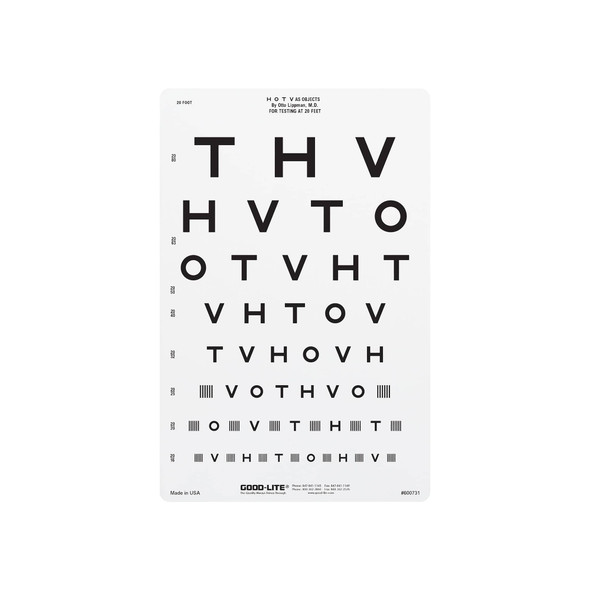
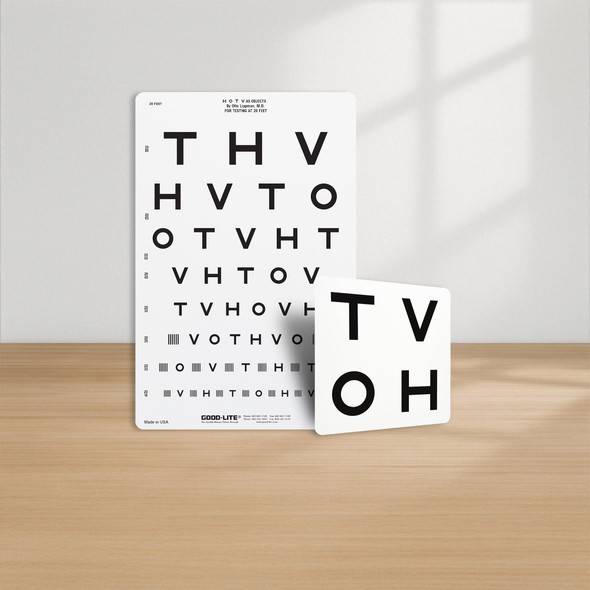
Good-Lite HOTV Crowded Distance Chart Only – For ESV1200 and ESV1500 Cabinets, 20 Foot
Good-Lite
$96.99The HOTV Crowded Chart Only 20 Foot is the replacement panel for the HOTV crowded distance chart, with crowded lines from 20/80 to 20/16 for 20-foot testing. It fits ESV1200 and ESV1500 illuminated...- SKU:
- 600731
- Packaging:
- EA / 1
$96.99 -

Good-Lite Tumbling E Wide-Spaced Distance Chart – For ESV1200 and ESV1500 Cabinets, 20 Foot
Good-Lite
$96.99The Tumbling E Wide-Spaced 20 Foot Chart presents wide-spaced E lines from 20/100 to 20/16 for full-distance lanes where patients answer by pointing. It fits ESV1200 and ESV1500 illuminated cabinets...- SKU:
- 600728
- Packaging:
- EA / 1
$96.99 -

Good-Lite Snellen Letter Distance Chart with Red and Green Bars – Linear Spaced, 20 Foot
Good-Lite
$96.99The Snellen Chart with Red Green Bars is a linear-spaced 20-foot Snellen letter chart with line sizes from 20/100 to 20/16 and red and green bar markers. It fits ESV1200 and ESV1500 illuminated...- SKU:
- 600727
- Packaging:
- EA / 1
$96.99 -
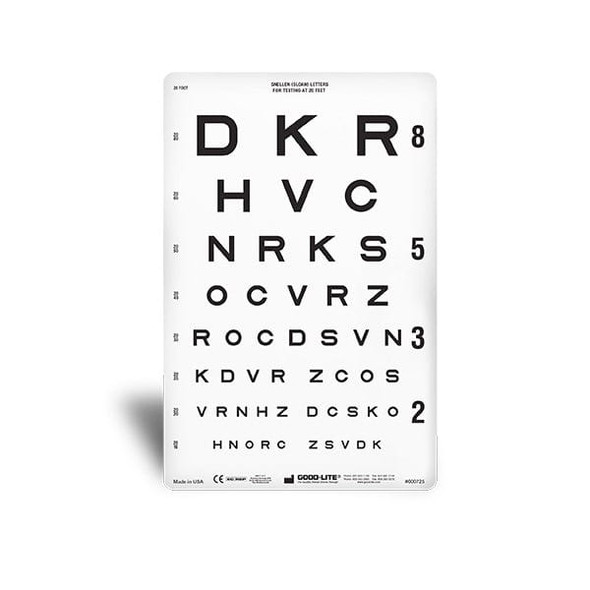
Good-Lite Sloan Letter Linear-Spaced Distance Chart – For ESV1200 and ESV1500 Cabinets, 20 Foot
Good-Lite
$96.99The Sloan Letter Linear Chart is a 20-foot distance chart with linear-spaced Sloan letter lines from 20/80 to 20/16. It drops into ESV1200 and ESV1500 illuminated cabinets or wall mounts, with lines...- SKU:
- 600725
- Packaging:
- EA / 1
$96.99 -

Good-Lite Tumbling E Wide-Spaced Distance Chart – For ESV1200 and ESV1500 Cabinets, 10 Foot
Good-Lite
$96.99The Tumbling E Wide-Spaced Chart is a 10-foot distance chart whose wide-spaced E lines run from 10/50 to 10/8 for patients who answer by pointing. It fits ESV1200 and ESV1500 illuminated cabinets or...- SKU:
- 600722
- Packaging:
- EA / 1
$96.99 -
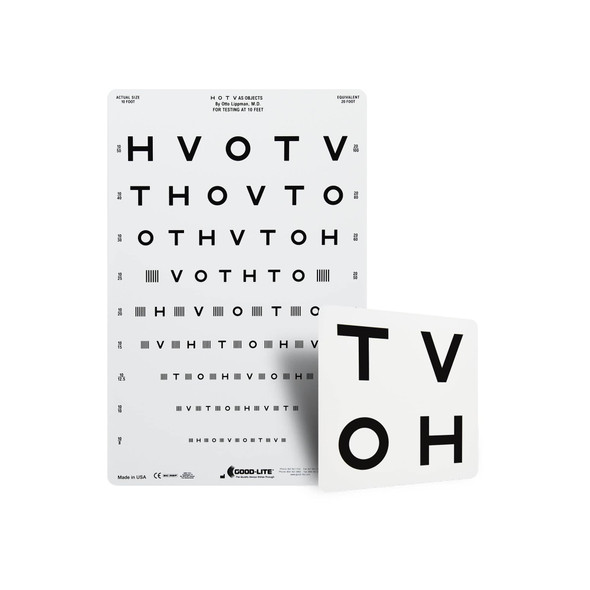
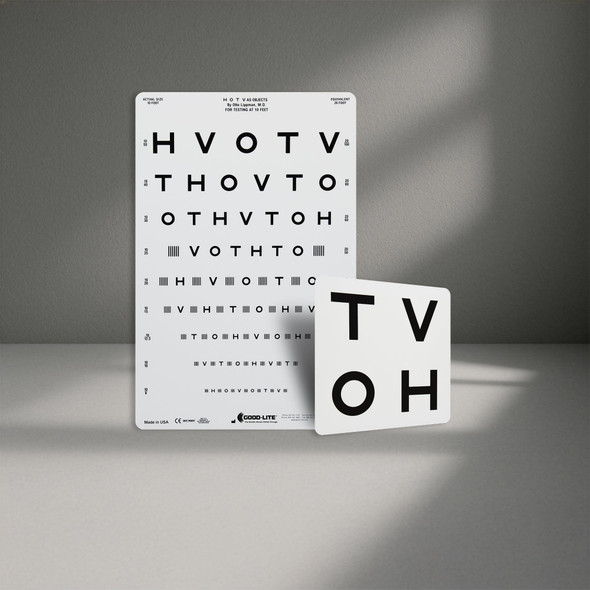
Good-Lite HOTV Crowded Distance Chart – For ESV1200 and ESV1500 Cabinets, 10 Foot, Set or Chart Only
Good-Lite
$96.99 - $116.99The HOTV Crowded Distance Chart presents crowded HOTV lines from 10/50 to 10/8 for 10-foot testing in ESV1200 and ESV1500 cabinets, or wall mounted. Order the set with response key and instructions,...- Packaging:
- EA / 1
$96.99 - $116.99 -


Good-Lite LEA SYMBOLS Proportional Spaced Distance Chart – US Notations, 10 Foot, Set or Chart Only
Good-Lite
$96.99 - $116.99The LEA SYMBOLS Proportional Chart is a pediatric distance chart with proportionally spaced logMAR lines for 10-foot testing in an ESV1200 or ESV1500 cabinet, or wall mounted. Order the chart set...- Packaging:
- EA / 1
$96.99 - $116.99 -
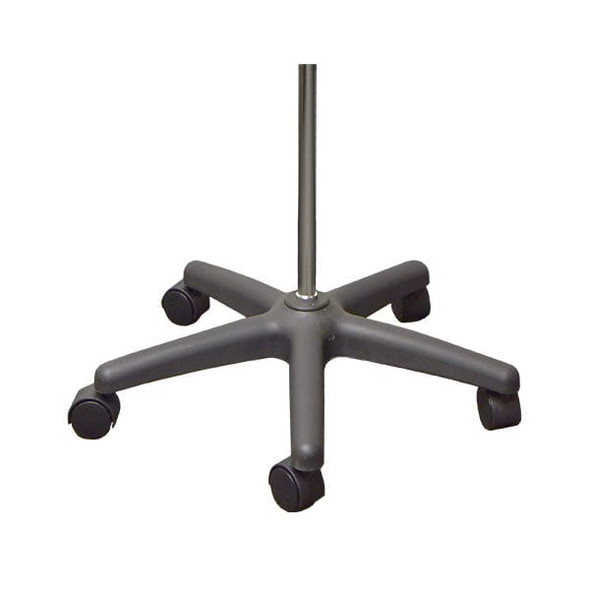
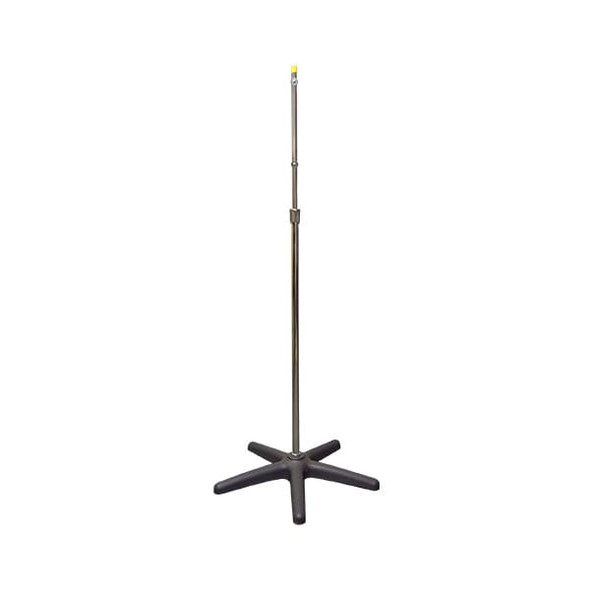
Good-Lite Illuminated Cabinet Stand – For ESV1018, ESV1200 and ESV1500, With or Without Casters
Good-Lite
$380.99 - $424.99The Illuminated Cabinet Stand is the universal floor stand for Good-Lite ESV1018, ESV1200 and ESV1500 illuminated chart cabinets, including the Model A+, A and M cabinets. Choose the fixed stand or...- Packaging:
- EA / 1
$380.99 - $424.99 -

Good-Lite Snellen Letters Eye Chart – 20 Foot Wall Chart with Red and Green Bars, Large Print
Good-Lite
$111.99The Snellen Letters Chart is the standard 20-foot Snellen wall chart with red and green reference bars and lines from 20/200 to 20/10. It is the general distance acuity panel for lanes, occupational...- SKU:
- 800713
- Packaging:
- EA / 1
$111.99 -

Good-Lite HOTV Cabinet Chart Only – ESV1200 and ESV1500 Chart, 10 Foot, No Response Key
Good-Lite
$96.99The HOTV Cabinet Chart Only is the replacement HOTV chart for the ESV1200 and ESV1500 cabinets, with 50 percent spaced crowding rectangles and lines from 10/50 to 10/8 at 10 feet. It is the chart...- SKU:
- 600723
- Packaging:
- EA / 1
$96.99 -

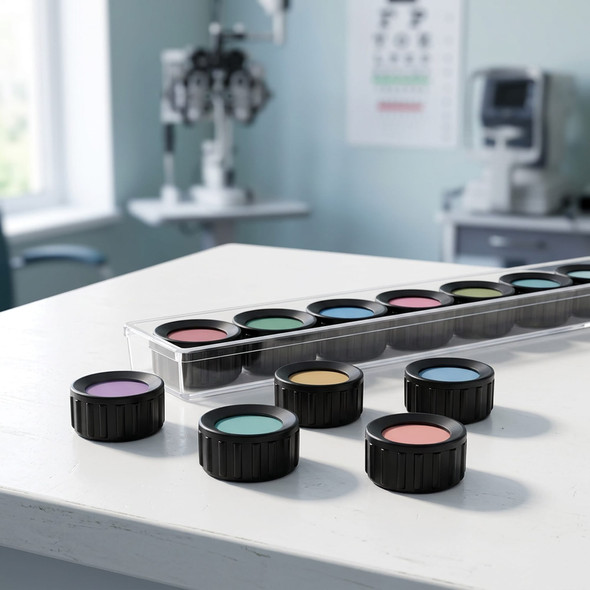
Good-Lite Trial Lens Occluder – 38 mm Black Occluder Lens for Trial Frames, Phoria Testing
Good-Lite
$478.99The Trial Lens Occluder is the 38 mm black occluder lens that drops into a trial frame to block one eye completely during refraction and binocular testing. Full-size 38 mm format fits standard trial...- SKU:
- 730023
- Packaging:
- EA / 1
$478.99 -
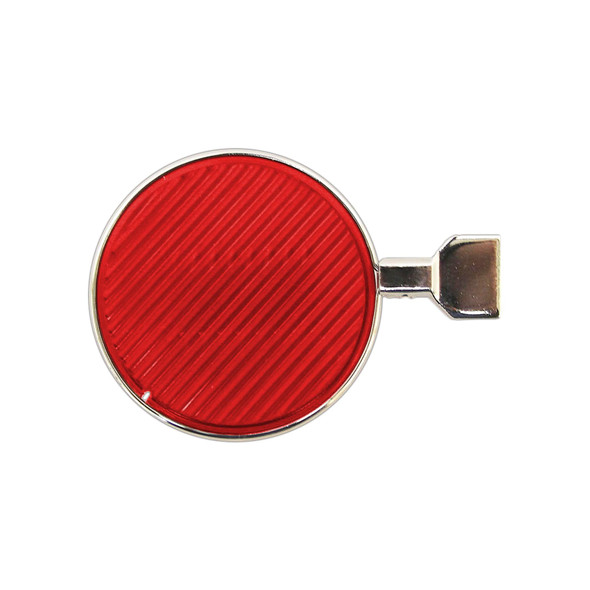
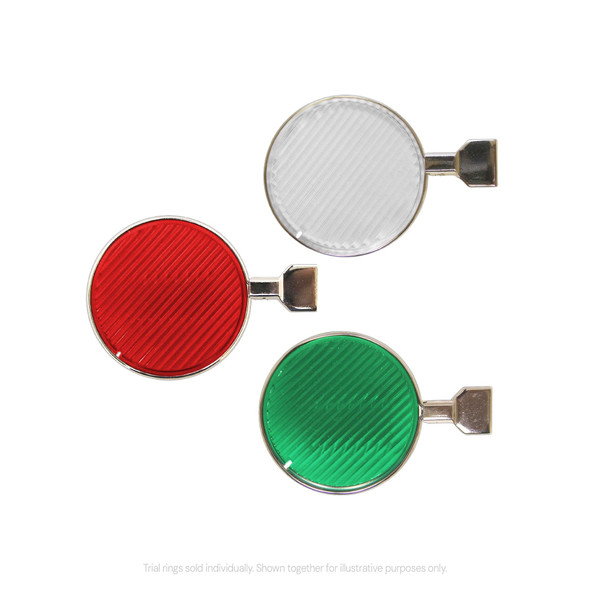
Good-Lite Maddox Wing Near Vision Card – Near Phoria and Maddox Wing Test, 16 Inch Card
Good-Lite
$98.99The Maddox Wing Near Card presents the Maddox Wing test on a 16-inch near card for measuring near phorias, with the arrow and scale format the test is known for. It quantifies horizontal and vertical...- SKU:
- 556100
- Packaging:
- EA / 1
$98.99 -
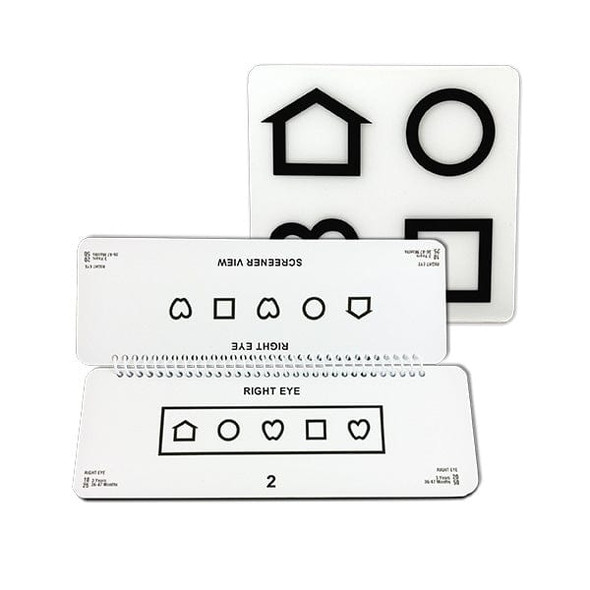

Good-Lite Sloan Letter Chart Set – ETDRS Format Charts for ESV1200 Cabinet, 10 Foot Testing
Good-Lite
$193.99The Sloan Letter ESV1200 Set supplies the Sloan letter charts in ETDRS format for the ESV1200 illuminated cabinet at a 10-foot testing distance, with the set's alternate arrangement included. Cabinet...- SKU:
- 259520
- Packaging:
- EA / 1
$193.99 -
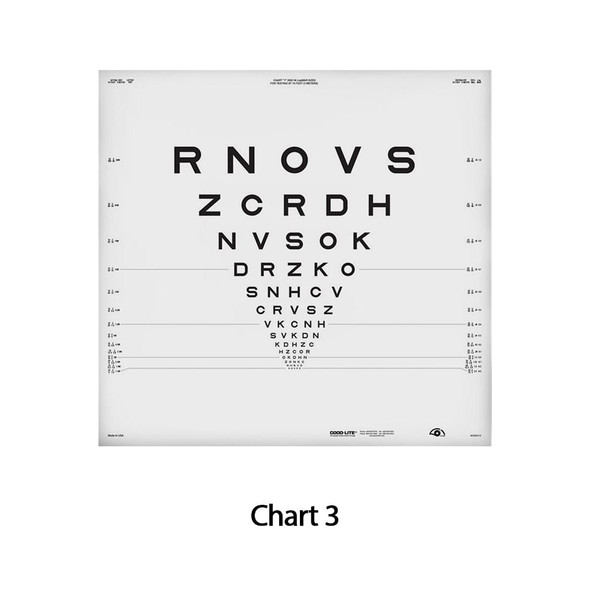
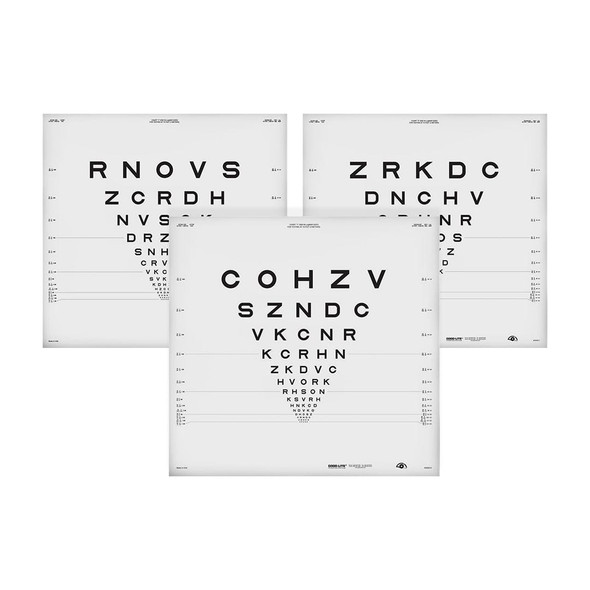
Good-Lite ETDRS 2000 Series Chart 3 – Sloan Letters for 6.5 Foot Testing, ESV3000 Cabinet
Good-Lite
$158.99The ETDRS 2000 Series Chart 3 is the third Sloan letter arrangement of the revised ETDRS series, for 6.5-foot testing in the ESV3000 viewer with lines from 10/100 to 10/5. A third arrangement keeps...- SKU:
- 500043
- Packaging:
- EA / 1
$158.99 -

Good-Lite Eccentric Circles Near Vision Card – Phoria and Fixation Disparity, 16 Inch Near
Good-Lite
$63.99The Eccentric Circles Near Card presents the eccentric circle targets used at 16 inches to check near phoria alignment and fixation behavior. Offset circle patterns make small binocular misalignments...- SKU:
- 119660
- Packaging:
- EA / 1
$63.99 -
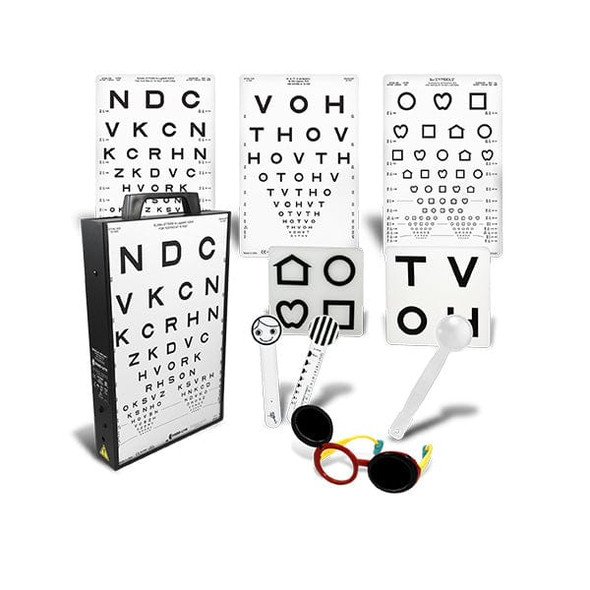
Good-Lite Sloan Letter Intermediate Chart – 10 Percent Intermediate Chart for Model A+ Cabinet
Good-Lite
$865.99The Sloan Intermediate Chart is the 10 percent intermediate-distance Sloan letter chart made for the Model A+ illuminated cabinet, with proportionally spaced lines for intermediate acuity measurement...- SKU:
- 100300
- Packaging:
- EA / 1
$865.99 -
Good-Lite Marsden Ball – Classic Vision Therapy Ball on String with Printed Letters
Good-Lite
$85.99The Marsden Ball on String is the classic lettered vision therapy ball supplied on its string, ready to hang for pursuit and tracking drills. Printed letters on the ball let the therapist add...- SKU:
- 109000
- Packaging:
- EA / 1
$85.99 -
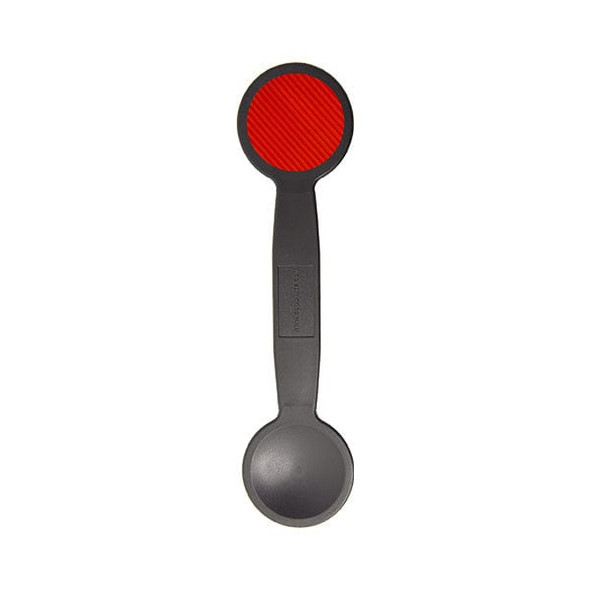
Good-Lite Maddox Rod Trial Lens – 7/8 Inch Diameter, Red and Clear, Phoria Testing Lens
Good-Lite
$75.99The Maddox Rod Trial Lens is the 7/8-inch streak lens that turns a point of light into a line for measuring phorias and tropias, supplied in the red and clear version. It drops into a standard trial...- SKU:
- 207000
- Packaging:
- EA / 1
$75.99
About Professional Use
The Professional Use category encompasses a wide range of tools and supplies essential for healthcare professionals, educators, and clinical environments. These products are meticulously designed to support diagnostic, educational, and procedural needs across medical disciplines. From anatomical models for teaching to diagnostic tools like stethoscopes and otoscopes, this category ensures precision, reliability, and efficiency in professional settings.
Why Professional Use Tools Are Essential
Healthcare professionals rely on accurate, durable, and high-quality tools to deliver optimal care. Professional-use supplies help ensure precise diagnoses, effective patient education, and seamless procedural execution. These tools also enable educators to train future medical practitioners with realistic and practical equipment.
Types of Professional Use Products
1. Anatomical Models
Best for: Medical education and patient demonstrations.
Anatomical models are detailed, lifelike replicas of the human body or specific organs, used to teach anatomy and explain medical conditions or procedures.
Key Features
- Realistic designs with accurate anatomical details.
- Durable materials for repeated use.
- Variety of models, including full-body, organ-specific, and skeletal systems.
- Removable parts for hands-on learning.
Applications
- Medical schools and healthcare training programs.
- Patient education to explain diagnoses or surgical procedures.
- Teaching anatomy to students in biology or healthcare courses.
2. Doppler and Ultrasound Gels
Best for: Enhancing ultrasound and Doppler imaging accuracy.
Doppler and ultrasound gels ensure clear imaging by eliminating air pockets between the probe and the skin. These gels are essential for high-quality diagnostic imaging.
Key Features
- Non-irritating, hypoallergenic formulas.
- Water-soluble for easy cleanup.
- Available in various sizes, from single-use packets to large dispensers.
- Ensures consistent acoustic transmission.
Applications
- Ultrasound imaging in diagnostic clinics.
- Fetal monitoring during pregnancy.
- Vascular studies using Doppler devices.
3. Dopplers
Best for: Monitoring blood flow and fetal heart rates.
Dopplers are handheld devices that use ultrasound to detect and measure blood flow or fetal heartbeats, making them vital in prenatal care and vascular studies.
Key Features
- Compact, portable designs for bedside use.
- High-frequency probes for clear sound quality.
- Rechargeable battery options for continuous use.
- LCD displays for real-time readings.
Applications
- Obstetrics to monitor fetal heart rates.
- Vascular studies to assess blood flow in arteries and veins.
- Emergency settings for quick diagnostics.
4. Educational Supplies
Best for: Training medical students and professionals.
Educational supplies include tools, kits, and learning aids designed to enhance medical training and simulation.
Key Features
- Models and simulators for hands-on practice.
- Visual aids like charts and diagrams.
- Kits for learning basic medical procedures, such as suturing or IV insertion.
- Durable materials for repeated use in classrooms.
Applications
- Medical and nursing school programs.
- Continuing education for healthcare professionals.
- Patient education in clinical environments.
5. Manometers
Best for: Measuring pressure in medical procedures.
Manometers are instruments used to measure pressure in various applications, such as blood pressure monitoring or respiratory therapy.
Key Features
- High-precision gauges for accurate pressure readings.
- Durable construction for repeated clinical use.
- Portable designs for flexibility in different settings.
Applications
- Blood pressure monitoring with manual sphygmomanometers.
- Respiratory therapy for assessing airway pressure.
- Laboratory experiments requiring pressure measurements.
6. Otoscopes
Best for: Examining the ears and diagnosing ear-related conditions.
Otoscopes are handheld devices used to inspect the ear canal and tympanic membrane for infections or blockages.
Key Features
- Bright LED or halogen lights for clear visibility.
- High-resolution lenses for detailed imaging.
- Compact, lightweight designs for portability.
- Disposable specula for hygiene.
Applications
- Routine ear examinations in clinics and hospitals.
- Pediatric care to diagnose ear infections.
- Emergency settings for quick diagnostics.
7. Pen Lights
Best for: Examining the eyes, throat, and other small areas.
Pen lights are compact, portable lighting devices used in medical examinations to check pupil response, throat health, and more.
Key Features
- Bright LED or halogen bulbs for focused lighting.
- Pocket clips for easy access.
- Long battery life for extended use.
- Lightweight and portable designs.
Applications
- Neurological exams to check pupil response.
- Throat and oral cavity inspections.
- General use in hospitals, clinics, and emergency settings.
8. Stethoscopes
Best for: Auscultating heart, lung, and bowel sounds.
Stethoscopes are indispensable diagnostic tools for listening to internal body sounds. Available in various types, including cardiology and pediatric models, they cater to specific clinical needs.
Key Features
- Dual-head or single-head designs for versatile use.
- High acoustic sensitivity for clear sound.
- Lightweight yet durable construction.
- Pediatric and neonatal versions with smaller diaphragms.
Applications
- Diagnosing cardiac or respiratory conditions.
- Routine physical exams in clinics or hospitals.
- Pediatric care for listening to heart or lung sounds in infants.
9. Vaginal Speculums
Best for: Gynecological examinations and procedures.
Vaginal speculums are tools used to open the vaginal walls for visual examination or procedures such as Pap smears.
Key Features
- Reusable and disposable options for hygiene and convenience.
- Adjustable designs for better visibility and access.
- Smooth, non-irritating materials for patient comfort.
- Sterilized options for clinical use.
Applications
- Routine gynecological exams in clinics.
- Procedures like Pap smears or IUD insertions.
- Emergency room assessments for reproductive health concerns.
Key Features of Professional Use Products
- High-Quality Materials: Designed to withstand frequent use in clinical environments.
- Accuracy and Precision: Essential for reliable diagnostics and effective procedures.
- Versatility: Suitable for a wide range of medical disciplines and patient needs.
- Portability: Compact and lightweight options for mobile healthcare providers.
- Hygiene and Safety: Includes disposable and sterilized options to minimize contamination.
Benefits of Professional Use Products
1. Enhanced Patient Care
Accurate and reliable tools ensure high-quality diagnostics and procedures.
2. Effective Training
Educational supplies and anatomical models improve medical training and skill development.
3. Versatility in Use
Covers multiple specialties, from gynecology to cardiology and pediatrics.
4. Convenience for Professionals
Portable and user-friendly designs make everyday tasks more efficient.
5. Hygiene and Safety
Disposable and sterilized tools reduce the risk of infections.
Real-World Uses
- Clinics and Hospitals: Routine exams, diagnostics, and patient education.
- Medical Schools: Training future healthcare professionals with realistic tools.
- Mobile Healthcare: Portable tools for fieldwork or home visits.
- Emergency Rooms: Quick, reliable diagnostics in critical situations.
- Specialty Care: Tools for gynecology, pediatrics, cardiology, and more.
How to Choose the Right Professional Use Products
- Intended Use: Select tools tailored to specific medical disciplines or procedures.
- Quality and Durability: Opt for high-quality materials to ensure long-term performance.
- Hygiene: Consider disposable options for enhanced infection control.
- Portability: Choose lightweight, compact designs for mobile healthcare needs.
- Certification: Ensure products meet industry standards for safety and reliability.
Frequently Asked Questions (FAQs)
1. Are anatomical models accurate?
Yes, most anatomical models are designed with precise details to ensure realistic training and education.
2. Can pen lights be used for neurological exams?
Yes, pen lights are commonly used to assess pupil response during neurological evaluations.
3. Are disposable vaginal speculums safe?
Yes, disposable speculums are sterilized and designed for single-use to ensure hygiene.
4. How do Doppler devices work?
Dopplers use ultrasound waves to detect and measure blood flow or fetal heartbeats.
5. Are otoscope specula reusable?
Most otoscope specula are disposable, but reusable options are available and must be sterilized after each use.
Related Products
Explore diagnostic kits, educational models, and clinical-grade monitoring tools to enhance your professional setup. Visit our blog for insights into choosing the best tools for your practice.
Equip your clinic or practice with Professional Use Tools. From anatomical models to Dopplers, find reliable and high-quality supplies to meet your needs.