
Restraints
Restraints are carefully designed medical devices used to ensure the safety of patients and caregivers in healthcare settings. By limiting unintended or harmful movements, restraints help prevent falls, injuries, and accidents during medical procedures or patient care. Commonly used in hospitals, long-term care facilities, rehabilitation centers, and emergency rooms, restraints are available in various forms to address specific patient needs while maintaining dignity and comfort.
Why Are Restraints Essential?
Restraints are vital in managing patients who may pose a risk to themselves or others due to medical conditions, cognitive impairments, or behavioral issues. By providing a secure way to control movement, restraints help prevent falls, self-inflicted injuries, or disruptions during medical treatments. When used appropriately, they create a safer environment for patients, caregivers, and healthcare providers.
Types of Restraints
1. Soft Restraints
Soft restraints are made from padded or cloth materials to provide gentle control while ensuring patient comfort.
Applications
- Patients with cognitive impairments, such as dementia or delirium.
- Preventing unintentional removal of medical devices like IV lines or catheters.
Key Features
- Soft, Padded Materials: Minimizes discomfort and skin irritation.
- Adjustable Straps: Provides a secure yet customizable fit.
- Velcro or Buckle Closures: Easy to use for caregivers while ensuring patient safety.
2. Wrist and Ankle Restraints
Wrist and ankle restraints limit the movement of specific limbs to prevent injury or interference with medical treatments.
Applications
- Patients prone to pulling at IV lines, feeding tubes, or catheters.
- Securing patients during procedures or recovery.
Key Features
- Secure Fastenings: Prevents accidental removal by the patient.
- Padded for Comfort: Reduces pressure on the wrists or ankles.
- Universal Fit: Suitable for both pediatric and adult patients.
3. Chair Restraints
Chair restraints keep patients safely seated in wheelchairs or recliners, preventing falls or attempts to stand unassisted.
Applications
- Elderly patients in long-term care facilities with fall risks.
- Patients with mobility challenges requiring added support.
Key Features
- Lap Belts and Shoulder Straps: Provides stability while seated.
- Non-Slip Design: Keeps the patient securely positioned in the chair.
- Adjustable for Comfort: Fits various chair types and patient sizes.
4. Bed Restraints
Bed restraints are designed to secure patients in bed to prevent falls or wandering, particularly in high-risk settings.
Applications
- Patients recovering from surgery or under sedation.
- Managing wandering behavior in dementia patients.
Key Features
- Four-Point Restraint Systems: Secures both wrists and ankles for complete safety.
- Durable Materials: Withstands frequent use in clinical environments.
- Quick-Release Mechanisms: Allows for rapid removal in emergencies.
5. Posey Restraints
Posey restraints are specialized products known for their durability and effectiveness in securing patients while maintaining comfort.
Applications
- High-risk patients in intensive care or psychiatric units.
- Controlling movement during medical procedures.
Key Features
- Wide Range of Options: Includes mitts, belts, and limb holders.
- High-Quality Materials: Built for extended use in demanding healthcare settings.
- Secure Closures: Ensures safety without compromising ease of use.
Key Features of Restraints
- Safety-Focused Design: Prevents falls, injuries, and interference with medical equipment.
- Adjustable Fit: Customizable straps and closures ensure proper application for various patient sizes.
- Comfortable Materials: Soft, padded, and breathable fabrics minimize irritation and promote dignity.
- Quick-Release Mechanisms: Allows caregivers to respond quickly in emergencies.
- Versatile Applications: Suitable for use in beds, wheelchairs, or recliners.
- Durable Construction: Designed for repeated use in high-demand clinical settings.
Benefits of Restraints
1. Enhanced Patient Safety
Restraints prevent falls, self-inflicted injuries, and interference with medical devices, protecting patients from harm.
2. Caregiver Protection
By limiting potentially dangerous movements, restraints reduce the risk of injury to caregivers during medical procedures or patient handling.
3. Improved Care Quality
Restraints enable caregivers to focus on providing treatment without the added concern of managing unsafe patient behaviors.
4. Compliance with Regulations
Healthcare-grade restraints meet safety and ethical standards required in medical facilities.
5. Tailored to Patient Needs
With various designs and materials available, restraints can be chosen to meet specific safety and comfort requirements.
Real-World Applications
1. Hospitals and Acute Care Settings
- Securing patients recovering from anesthesia or sedation to prevent falls or movement.
- Managing agitation in patients with acute medical or psychiatric conditions.
2. Long-Term Care Facilities
- Preventing wandering or falls among residents with dementia or cognitive impairments.
- Providing stability for wheelchair-bound individuals during transfers or movement.
3. Rehabilitation Centers
- Ensuring safety during physical therapy or mobility training.
- Limiting movements that could interfere with recovery or worsen injuries.
4. Emergency and Psychiatric Care
- Controlling violent or self-harming behaviors in emergency settings.
- Safely managing patients experiencing severe mental health episodes.
5. Home Healthcare
- Providing added safety for patients with limited mobility or at high risk of falls.
- Preventing interference with feeding tubes or catheters in home care settings.
Frequently Asked Questions (FAQs)
1. When should restraints be used?
Restraints should only be used when necessary to prevent harm to the patient or others and should always follow healthcare regulations and facility guidelines.
2. Are restraints comfortable for patients?
Modern restraints are designed with soft, padded materials to minimize discomfort and preserve patient dignity.
3. Can restraints be used on children?
Yes, pediatric restraints are available and are designed to fit smaller patients while ensuring safety and comfort.
4. How are restraints cleaned?
Most restraints are made from washable materials that can be cleaned with soap and water or disinfectant wipes. Always follow the manufacturer’s care instructions.
5. Are restraints ethically acceptable in healthcare?
When used appropriately and under strict guidelines, restraints are a necessary and ethical tool to ensure patient and caregiver safety.
Ensure patient and caregiver safety with high-quality Restraints designed for various healthcare settings. From soft restraints to specialized Posey products, find solutions tailored to meet your facility’s needs while maintaining comfort and dignity for patients.
-


Skil-Care Bath Mitt – Mesh Construction, Includes Manufacturer Instruction Manual, for Daily Care
Skil-Care
$42.99Skil-Care Bath Mitt brings secure positioning that protects patients and staff to safe patient management where a limb holder is clinically indicated. With Universal sizing to choose from, caregivers...- SKU:
- 913030
$42.99 -

Skil-Care Economy Limb Holder – Synthetic Sheepskin and Foam Construction, 3 Configurations
Skil-Care
$31.99 - $442.99Skil-Care Economy Limb Holder is a holder made for safe patient management where a limb holder is clinically indicated in homes, hospitals, and long-term care settings. It comes in Universal sizing,...$31.99 - $442.99 -

Skil-Care Padded-Plus Mitts – Includes Manufacturer Instruction Manual, for Professional and Home Care
Skil-Care
$87.99Skil-Care Padded-Plus Mitts is a pad made for safe patient management where a limb holder is clinically indicated in homes, hospitals, and long-term care settings. It comes in Universal sizing,...- SKU:
- 306120
$87.99 -
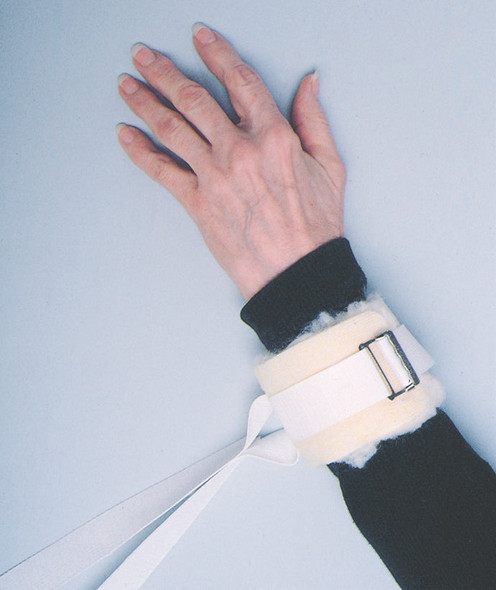
Skil-Care Sheepskin Limb Holder – Synthetic Sheepskin Construction, Includes Manufacturer Instruction Manual
Skil-Care
$37.99Skil-Care Sheepskin Limb Holder is a dependable holder built for safe patient management where a limb holder is clinically indicated. Configurations span Universal sizing, starting with the W/Double...- SKU:
- 306010
$37.99 -


Skil-Care Pelvic Holder – Mesh Construction, 3 Configurations, Includes Manufacturer Instruction Manual
Skil-Care
$52.99 - $55.99Skil-Care Pelvic Holder brings secure positioning that protects patients and staff to safe patient management where a limb holder is clinically indicated. With Small, Medium sizing to choose from,...$52.99 - $55.99 -
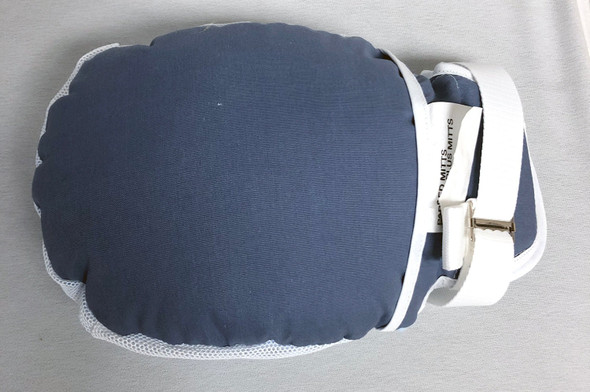
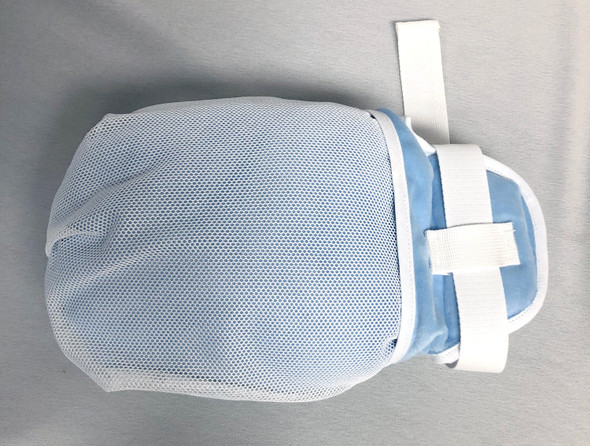
Skil-Care Padded Mitts – Includes Manufacturer Instruction Manual, for Professional and Home Care
Skil-Care
$80.99Skil-Care Padded Mitts is a dependable pad built for safe patient management where a limb holder is clinically indicated. Configurations span Universal sizing, in restraints care, which makes it...- SKU:
- 306110
$80.99 -
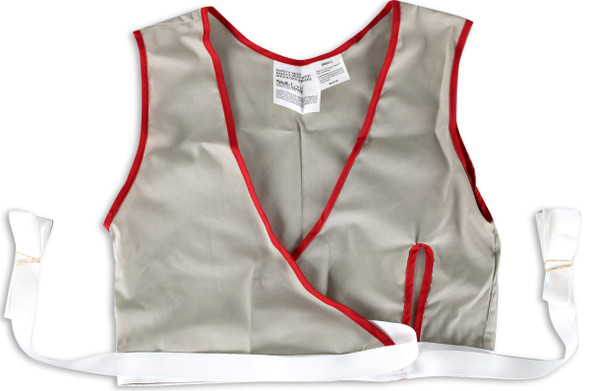
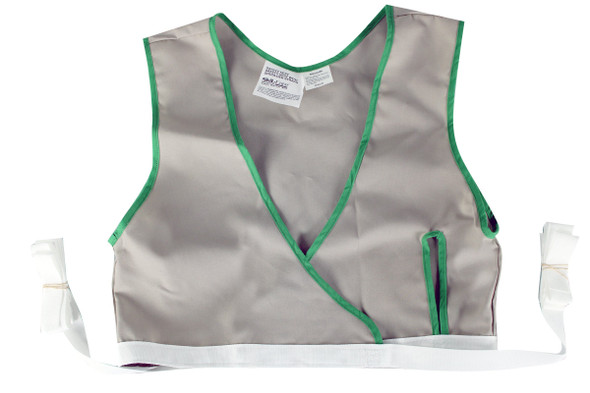
Skil-Care Safety Vest – Mesh Construction, 4 Configurations, Includes Manufacturer Instruction Manual
Skil-Care
$65.99 - $69.99Skil-Care Safety Vest brings secure positioning that protects patients and staff to safe patient management where a limb holder is clinically indicated. With Small, Medium, Large sizing to choose...$65.99 - $69.99 -
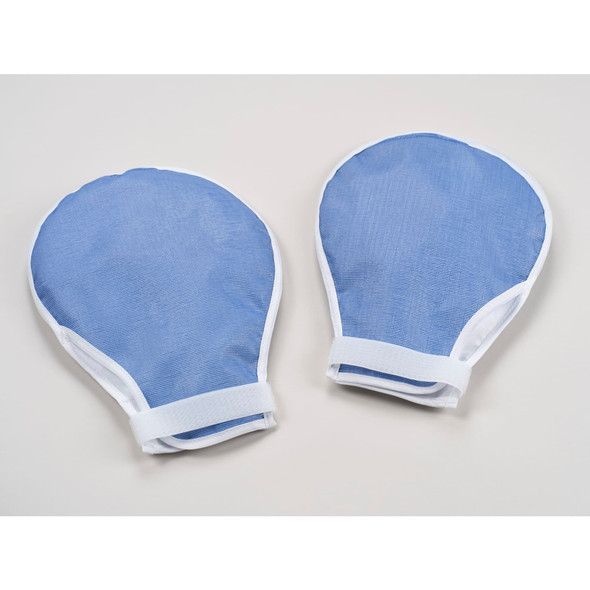

MarketLab Padded Safety Mitts – 7 Configuration Options, Assured Control, Restraints, Patient Safety
MarketLab
$47.99 - $93.99MarketLab Padded Safety Mitts pad and protect the hand, limiting grasp and self-injury for patients under observation. The padded format keeps fingers cushioned while staff check the hand through the...- Quantity Per Box:
- pr
$47.99 - $93.99 -

TIDI Posey Peek-A-Boo Mitts – 2 Configuration Options, Soft Cloth Gentle on Patient's Skin
Tidi
$85.99 - $88.99The TIDI Posey Peek-A-Boo Mitts is a mitt used for patient positioning. Fiber-filled padding on both sides of the mitt keeps it soft against the patient's skin.Sold Detail 2 – It is sold by the pair...$85.99 - $88.99 -

TIDI Posey Soft Limb Holder with D-Ring Closure – Foam, 2 Configuration Options, Sold by the Pair
Tidi
$22.99 - $28.99The TIDI Posey Soft Limb Holder with D-Ring Closure is a limb holder used for patient positioning. A standard metal D-ring lets a single strap secure the cuff on the patient and anchor the restraint...- Material:
- Foam
$22.99 - $28.99 -

TIDI Posey Soft Limb Holder with Buckle Closure – Foam, 7 Configuration Options, For Patient Positioning
Tidi
$29.99 - $35.99The TIDI Posey Soft Limb Holder with Buckle Closure is a limb holder used for patient positioning. Care teams use it for patient positioning and limb safety.Fit in Practice – The closure fastens...- Material:
- Foam
$29.99 - $35.99 -

Posey Pediatric Soft Limb Restraints – Foam Cuffs with Double-Strap Tie for Infants and Young Children
Tidi
$88.99The Posey Pediatric Soft Limb Holders are designed to help prevent treatment disruption and self-injury in infants and children. Ideal for pediatric patients who may pull at IV lines or catheters,...- Material:
- Soft foam with hook-and-loop closure
- Closure:
- Hook-and-loop cuff with double-strap tie end
- Packaging:
- Two packs of 12 per case (24 total)
$88.99 -

Posey Restraint Belts – Non-Self-Releasing Cotton Safety Straps for Hospital Beds & Stretchers
Tidi
$74.99The Posey Restraint Stationary Belts are general-purpose cotton belts designed to safely limit unassisted patient movement on hospital beds or stretchers. These non-self-releasing restraints are...- Material:
- Cotton
- Size:
- 68 inches (172.7 cm) long × 3 inches (7.6 cm) wide
- Closure:
- Hook-and-loop
$74.99
About Restraints
Restraints are carefully designed medical devices used to ensure the safety of patients and caregivers in healthcare settings. By limiting unintended or harmful movements, restraints help prevent falls, injuries, and accidents during medical procedures or patient care. Commonly used in hospitals, long-term care facilities, rehabilitation centers, and emergency rooms, restraints are available in various forms to address specific patient needs while maintaining dignity and comfort.
Why Are Restraints Essential?
Restraints are vital in managing patients who may pose a risk to themselves or others due to medical conditions, cognitive impairments, or behavioral issues. By providing a secure way to control movement, restraints help prevent falls, self-inflicted injuries, or disruptions during medical treatments. When used appropriately, they create a safer environment for patients, caregivers, and healthcare providers.
Types of Restraints
1. Soft Restraints
Soft restraints are made from padded or cloth materials to provide gentle control while ensuring patient comfort.
Applications
- Patients with cognitive impairments, such as dementia or delirium.
- Preventing unintentional removal of medical devices like IV lines or catheters.
Key Features
- Soft, Padded Materials: Minimizes discomfort and skin irritation.
- Adjustable Straps: Provides a secure yet customizable fit.
- Velcro or Buckle Closures: Easy to use for caregivers while ensuring patient safety.
2. Wrist and Ankle Restraints
Wrist and ankle restraints limit the movement of specific limbs to prevent injury or interference with medical treatments.
Applications
- Patients prone to pulling at IV lines, feeding tubes, or catheters.
- Securing patients during procedures or recovery.
Key Features
- Secure Fastenings: Prevents accidental removal by the patient.
- Padded for Comfort: Reduces pressure on the wrists or ankles.
- Universal Fit: Suitable for both pediatric and adult patients.
3. Chair Restraints
Chair restraints keep patients safely seated in wheelchairs or recliners, preventing falls or attempts to stand unassisted.
Applications
- Elderly patients in long-term care facilities with fall risks.
- Patients with mobility challenges requiring added support.
Key Features
- Lap Belts and Shoulder Straps: Provides stability while seated.
- Non-Slip Design: Keeps the patient securely positioned in the chair.
- Adjustable for Comfort: Fits various chair types and patient sizes.
4. Bed Restraints
Bed restraints are designed to secure patients in bed to prevent falls or wandering, particularly in high-risk settings.
Applications
- Patients recovering from surgery or under sedation.
- Managing wandering behavior in dementia patients.
Key Features
- Four-Point Restraint Systems: Secures both wrists and ankles for complete safety.
- Durable Materials: Withstands frequent use in clinical environments.
- Quick-Release Mechanisms: Allows for rapid removal in emergencies.
5. Posey Restraints
Posey restraints are specialized products known for their durability and effectiveness in securing patients while maintaining comfort.
Applications
- High-risk patients in intensive care or psychiatric units.
- Controlling movement during medical procedures.
Key Features
- Wide Range of Options: Includes mitts, belts, and limb holders.
- High-Quality Materials: Built for extended use in demanding healthcare settings.
- Secure Closures: Ensures safety without compromising ease of use.
Key Features of Restraints
- Safety-Focused Design: Prevents falls, injuries, and interference with medical equipment.
- Adjustable Fit: Customizable straps and closures ensure proper application for various patient sizes.
- Comfortable Materials: Soft, padded, and breathable fabrics minimize irritation and promote dignity.
- Quick-Release Mechanisms: Allows caregivers to respond quickly in emergencies.
- Versatile Applications: Suitable for use in beds, wheelchairs, or recliners.
- Durable Construction: Designed for repeated use in high-demand clinical settings.
Benefits of Restraints
1. Enhanced Patient Safety
Restraints prevent falls, self-inflicted injuries, and interference with medical devices, protecting patients from harm.
2. Caregiver Protection
By limiting potentially dangerous movements, restraints reduce the risk of injury to caregivers during medical procedures or patient handling.
3. Improved Care Quality
Restraints enable caregivers to focus on providing treatment without the added concern of managing unsafe patient behaviors.
4. Compliance with Regulations
Healthcare-grade restraints meet safety and ethical standards required in medical facilities.
5. Tailored to Patient Needs
With various designs and materials available, restraints can be chosen to meet specific safety and comfort requirements.
Real-World Applications
1. Hospitals and Acute Care Settings
- Securing patients recovering from anesthesia or sedation to prevent falls or movement.
- Managing agitation in patients with acute medical or psychiatric conditions.
2. Long-Term Care Facilities
- Preventing wandering or falls among residents with dementia or cognitive impairments.
- Providing stability for wheelchair-bound individuals during transfers or movement.
3. Rehabilitation Centers
- Ensuring safety during physical therapy or mobility training.
- Limiting movements that could interfere with recovery or worsen injuries.
4. Emergency and Psychiatric Care
- Controlling violent or self-harming behaviors in emergency settings.
- Safely managing patients experiencing severe mental health episodes.
5. Home Healthcare
- Providing added safety for patients with limited mobility or at high risk of falls.
- Preventing interference with feeding tubes or catheters in home care settings.
Frequently Asked Questions (FAQs)
1. When should restraints be used?
Restraints should only be used when necessary to prevent harm to the patient or others and should always follow healthcare regulations and facility guidelines.
2. Are restraints comfortable for patients?
Modern restraints are designed with soft, padded materials to minimize discomfort and preserve patient dignity.
3. Can restraints be used on children?
Yes, pediatric restraints are available and are designed to fit smaller patients while ensuring safety and comfort.
4. How are restraints cleaned?
Most restraints are made from washable materials that can be cleaned with soap and water or disinfectant wipes. Always follow the manufacturer’s care instructions.
5. Are restraints ethically acceptable in healthcare?
When used appropriately and under strict guidelines, restraints are a necessary and ethical tool to ensure patient and caregiver safety.
Ensure patient and caregiver safety with high-quality Restraints designed for various healthcare settings. From soft restraints to specialized Posey products, find solutions tailored to meet your facility’s needs while maintaining comfort and dignity for patients.