
Stethoscopes
Stethoscopes are iconic diagnostic tools used to listen to internal body sounds, such as the heart, lungs, and bowel movements. Renowned for their reliability and precision, stethoscopes are indispensable for healthcare professionals, from general practitioners to cardiologists. Designed for versatility and ease of use, they aid in diagnosing a wide range of medical conditions, ensuring effective and timely care.
Why Stethoscopes Are Essential
Stethoscopes provide healthcare professionals with a non-invasive way to assess and monitor vital body functions. By amplifying internal sounds, they help identify abnormalities, such as irregular heartbeats, respiratory issues, or digestive problems, making them vital for accurate diagnostics and patient care.
How Do Stethoscopes Work?
Stethoscopes function by amplifying body sounds through a combination of physics and acoustic engineering:
-
Chest Piece: The chest piece, which contains a diaphragm and sometimes a bell, is placed against the patient’s skin.
- Diaphragm: Best for high-frequency sounds like heartbeats or breath sounds.
- Bell: Effective for low-frequency sounds, such as murmurs or bruits.
-
Sound Transmission: Sounds from the chest piece are transmitted through hollow tubing to the earpieces.
- The tubing isolates and directs sound, minimizing external noise.
-
Earpieces: The earpieces ensure the sound is delivered directly to the user’s ears, amplifying the vibrations for clear audibility.
-
Electronic Models: In electronic stethoscopes, sound waves are converted into electronic signals, amplified, and sometimes filtered for clarity. Some models even allow sound recording or Bluetooth connectivity for advanced analysis.
This simple yet effective mechanism allows healthcare providers to hear subtle body sounds and make accurate assessments.
Types of Stethoscopes
1. Acoustic Stethoscopes
Best for: General-purpose auscultation in clinical and home settings.
Acoustic stethoscopes are the most commonly used stethoscopes, relying on sound transmission through hollow tubes to the user’s ears.
Key Features
- Dual-head chest pieces for versatility (diaphragm for high-frequency sounds, bell for low-frequency sounds).
- Lightweight, ergonomic designs for extended use.
- Durable tubing for enhanced sound clarity and longevity.
- Affordable and widely available.
Applications
- Routine physical exams in clinics and hospitals.
- Monitoring heart and lung sounds in primary care.
- Home use for patients managing chronic conditions.
2. Electronic Stethoscopes
Best for: Amplifying faint sounds and advanced diagnostics.
Electronic stethoscopes convert sound waves into electronic signals, amplifying and filtering sounds for greater clarity.
Key Features
- Amplification features for faint or distant sounds.
- Noise reduction technology for clearer diagnostics.
- Digital recording for playback and analysis.
- Bluetooth connectivity for integrating with health apps or devices.
Applications
- Cardiology for detecting subtle murmurs or irregular heartbeats.
- Emergency medicine for accurate assessments in noisy environments.
- Teaching and research for recording and analyzing diagnostic sounds.
3. Pediatric and Neonatal Stethoscopes
Best for: Examining infants and children with smaller chest pieces.
Pediatric and neonatal stethoscopes are specifically designed for younger patients, ensuring comfort and precision.
Key Features
- Smaller diaphragms for optimal sound capture on small patients.
- Bright, child-friendly colors to reduce anxiety.
- Lightweight designs for ease of use during pediatric exams.
Applications
- Monitoring heart and lung sounds in infants and children.
- Neonatal care in hospitals and specialized clinics.
- Routine pediatric check-ups.
4. Cardiology Stethoscopes
Best for: Advanced cardiovascular diagnostics.
Cardiology stethoscopes are engineered for exceptional sound clarity and sensitivity, making them ideal for detecting subtle heart sounds.
Key Features
- Tunable diaphragms for detecting a wide range of frequencies.
- Thick, non-latex tubing for sound isolation.
- High acoustic sensitivity for precise diagnostics.
- Ergonomic designs for comfort during long shifts.
Applications
- Diagnosing heart murmurs, arrhythmias, and valve issues.
- Cardiology clinics and specialty care.
- Advanced physical exams in hospitals.
5. Teaching Stethoscopes
Best for: Training medical students and healthcare professionals.
Teaching stethoscopes feature dual headsets, allowing instructors and students to listen simultaneously for enhanced learning experiences.
Key Features
- Dual earpieces for shared auscultation.
- Durable construction for frequent use.
- Adjustable tubing for varying user heights.
- Clear acoustic performance for effective learning.
Applications
- Medical school training programs.
- On-the-job training for nurses and medical interns.
- Patient case studies and group learning environments.
Key Features of Stethoscopes
- Acoustic Sensitivity: High-performance chest pieces and tubing for clear sound transmission.
- Durability: Built with robust materials like stainless steel and non-latex tubing for long-term use.
- Versatility: Suitable for a range of medical fields, from pediatrics to cardiology.
- Ergonomic Design: Lightweight and comfortable for extended use.
- Customization: Available in various chest piece sizes and tubing lengths to meet specific needs.
Benefits of Stethoscopes
1. Accurate Diagnostics
Provides real-time insights into heart, lung, and bowel sounds for effective decision-making.
2. Versatile Applications
Covers a broad spectrum of specialties, from general practice to specialized cardiology.
3. Non-Invasive Monitoring
Allows for quick, painless assessments without the need for advanced imaging.
4. Portable Convenience
Compact and lightweight designs ensure stethoscopes are always within reach.
5. Cost-Effective Tool
An affordable investment for healthcare professionals at all levels.
Real-World Uses
- Primary Care: Routine physical exams to monitor heart and lung health.
- Emergency Medicine: Rapid assessments in critical care or noisy environments.
- Cardiology: Detect subtle heart murmurs or valve abnormalities.
- Pediatrics: Monitor vital signs in infants and children.
- Teaching and Training: Educate medical students on auscultation techniques.
How to Choose the Right Stethoscope
- Purpose: Choose based on your specialty, such as general care, cardiology, or pediatrics.
- Acoustic Performance: Look for models with high sensitivity for clearer sound quality.
- Durability: Opt for stethoscopes made from stainless steel and non-latex tubing for long-lasting use.
- Portability: Select lightweight designs for daily use.
- Advanced Features: Consider electronic models for amplified sound and digital recording.
Frequently Asked Questions (FAQs)
1. What’s the difference between acoustic and electronic stethoscopes?
Acoustic stethoscopes rely on hollow tubing to transmit sound, while electronic stethoscopes amplify sounds electronically for greater clarity.
2. Are stethoscopes suitable for home use?
Yes, stethoscopes can be used at home by trained individuals for monitoring heart or lung sounds.
3. Can I use a pediatric stethoscope for adults?
Pediatric stethoscopes are designed for smaller chest areas, but they can be used on adults for specific situations, although sound clarity may vary.
4. How do I clean a stethoscope?
Use alcohol wipes to disinfect the chest piece, tubing, and earpieces after each use.
5. Do stethoscopes come with warranties?
Yes, most high-quality stethoscopes come with manufacturer warranties, typically ranging from 1 to 7 years.
Related Products
Enhance your practice with blood pressure monitors, pulse oximeters, and pen lights. Visit our blog for tips on using stethoscopes effectively in diagnostics.
Listen with precision using Stethoscopes. From acoustic to electronic models, explore options tailored for every medical specialty.
-

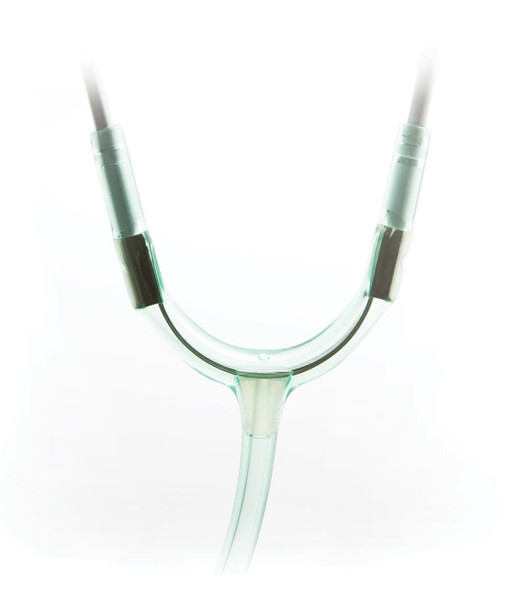
ADC Adscope 613 Teaching Stethoscope with Dual Headsets for Instructor and Student, Stainless Chestpiece
ADC
$124.99The Adscope 613 Teaching Stethoscope lets an instructor and a student listen to the same heartbeat at the same moment, through two headsets on one stainless chestpiece. That shared listen turns 'did...$124.99 -
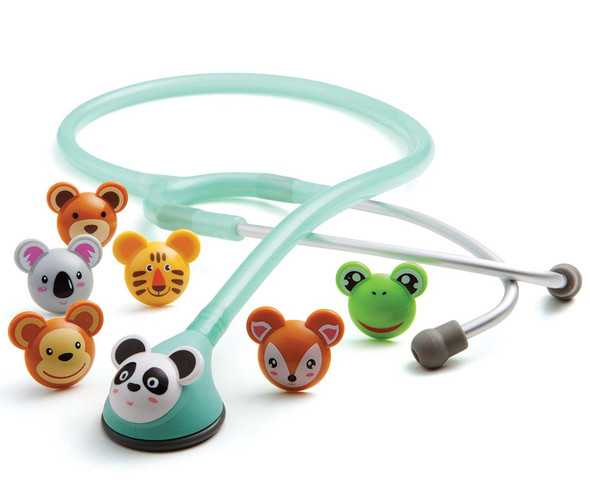
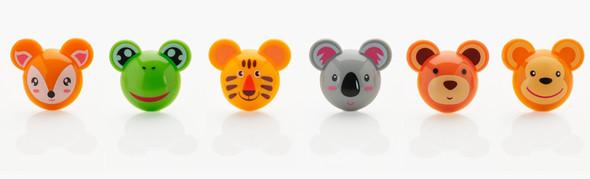
ADC Adimals 618 Pediatric Stethoscope with Interchangeable Animal Face Chestpiece, AFD Technology
ADC
$122.99 - $127.99The Adimals 618 turns the pediatric exam into a friendlier moment, with seven snap-on animal faces that let a child pick the character who listens to their heart. Behind the playful faces sits a real...$122.99 - $127.99 -


ADC Adscope-Lite 614 Pediatric Stethoscope with One-Sided AFD Chestpiece, Lightweight Zinc Alloy Build
ADC
$97.99 - $100.99The Adscope-Lite 614 brings the one-sided platinum design to pediatric care, with a small sculpted chestpiece that tunes by pressure and weighs only 3.8 ounces. For clinicians examining children all...$97.99 - $100.99 -

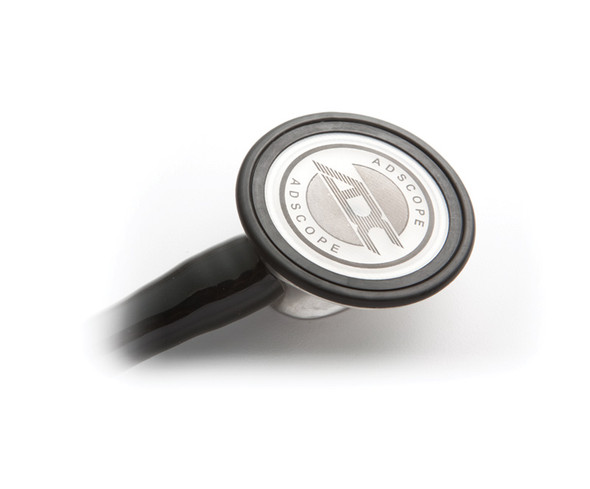
ADC Adscope-Lite 612 Platinum Clinician Stethoscope with One-Sided AFD Chestpiece, Lifetime Warranty
ADC
$100.99The Adscope-Lite 612 folds the response of a bell and diaphragm into one oversized, one-sided chestpiece, so there is no head to flip in the middle of an exam. At 4.9 ounces, it gives clinicians a...$100.99 -

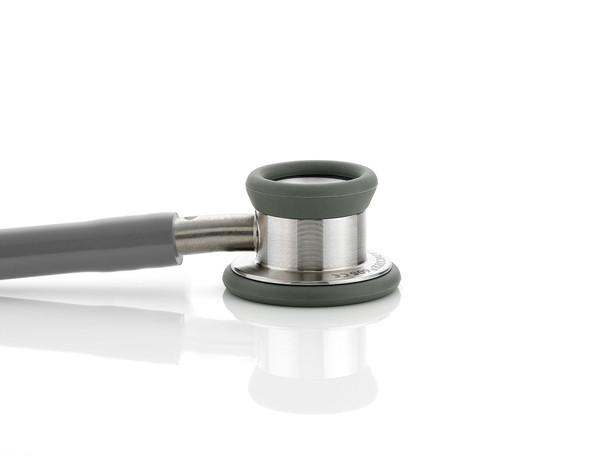
ADC Adscope 605 Infant Stethoscope with Infant Chestpiece, AFD Diaphragm and Adsoft Plus Eartips
ADC
$97.99 - $100.99The Adscope 605 is proportioned for the smallest patients of all, with an infant chestpiece that couples to tiny chests without overwhelming them. Neonatal and infant exams leave no room for an...$97.99 - $100.99 -

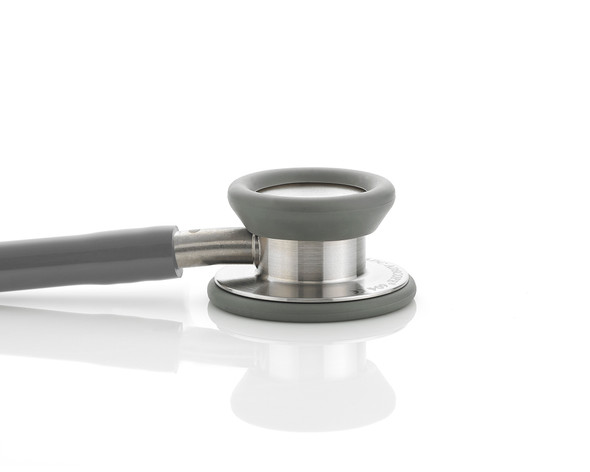
ADC Adscope 604 Pediatric Stethoscope with AFD Technology, Pediatric Chestpiece, 29.5 Inch Length
ADC
$97.99 - $100.99The Adscope 604 scales cardiology-grade acoustics down to a pediatric chestpiece, so small chests and faster heart rates get the clarity they deserve. Pediatric clinicians know an adult diaphragm...$97.99 - $100.99 -


ADC Adscope 603 Clinician Stethoscope with AFD Technology, Stainless Steel Chestpiece and Adsoft Plus Eartips
ADC
$97.99 - $114.99The Adscope 603 is one of ADC's most popular acoustic scopes, pairing a stainless combination chestpiece with AFD technology that sharpens both ends of the frequency range. It is the clinician...$97.99 - $114.99
About Stethoscopes
Stethoscopes are iconic diagnostic tools used to listen to internal body sounds, such as the heart, lungs, and bowel movements. Renowned for their reliability and precision, stethoscopes are indispensable for healthcare professionals, from general practitioners to cardiologists. Designed for versatility and ease of use, they aid in diagnosing a wide range of medical conditions, ensuring effective and timely care.
Why Stethoscopes Are Essential
Stethoscopes provide healthcare professionals with a non-invasive way to assess and monitor vital body functions. By amplifying internal sounds, they help identify abnormalities, such as irregular heartbeats, respiratory issues, or digestive problems, making them vital for accurate diagnostics and patient care.
How Do Stethoscopes Work?
Stethoscopes function by amplifying body sounds through a combination of physics and acoustic engineering:
-
Chest Piece: The chest piece, which contains a diaphragm and sometimes a bell, is placed against the patient’s skin.
- Diaphragm: Best for high-frequency sounds like heartbeats or breath sounds.
- Bell: Effective for low-frequency sounds, such as murmurs or bruits.
-
Sound Transmission: Sounds from the chest piece are transmitted through hollow tubing to the earpieces.
- The tubing isolates and directs sound, minimizing external noise.
-
Earpieces: The earpieces ensure the sound is delivered directly to the user’s ears, amplifying the vibrations for clear audibility.
-
Electronic Models: In electronic stethoscopes, sound waves are converted into electronic signals, amplified, and sometimes filtered for clarity. Some models even allow sound recording or Bluetooth connectivity for advanced analysis.
This simple yet effective mechanism allows healthcare providers to hear subtle body sounds and make accurate assessments.
Types of Stethoscopes
1. Acoustic Stethoscopes
Best for: General-purpose auscultation in clinical and home settings.
Acoustic stethoscopes are the most commonly used stethoscopes, relying on sound transmission through hollow tubes to the user’s ears.
Key Features
- Dual-head chest pieces for versatility (diaphragm for high-frequency sounds, bell for low-frequency sounds).
- Lightweight, ergonomic designs for extended use.
- Durable tubing for enhanced sound clarity and longevity.
- Affordable and widely available.
Applications
- Routine physical exams in clinics and hospitals.
- Monitoring heart and lung sounds in primary care.
- Home use for patients managing chronic conditions.
2. Electronic Stethoscopes
Best for: Amplifying faint sounds and advanced diagnostics.
Electronic stethoscopes convert sound waves into electronic signals, amplifying and filtering sounds for greater clarity.
Key Features
- Amplification features for faint or distant sounds.
- Noise reduction technology for clearer diagnostics.
- Digital recording for playback and analysis.
- Bluetooth connectivity for integrating with health apps or devices.
Applications
- Cardiology for detecting subtle murmurs or irregular heartbeats.
- Emergency medicine for accurate assessments in noisy environments.
- Teaching and research for recording and analyzing diagnostic sounds.
3. Pediatric and Neonatal Stethoscopes
Best for: Examining infants and children with smaller chest pieces.
Pediatric and neonatal stethoscopes are specifically designed for younger patients, ensuring comfort and precision.
Key Features
- Smaller diaphragms for optimal sound capture on small patients.
- Bright, child-friendly colors to reduce anxiety.
- Lightweight designs for ease of use during pediatric exams.
Applications
- Monitoring heart and lung sounds in infants and children.
- Neonatal care in hospitals and specialized clinics.
- Routine pediatric check-ups.
4. Cardiology Stethoscopes
Best for: Advanced cardiovascular diagnostics.
Cardiology stethoscopes are engineered for exceptional sound clarity and sensitivity, making them ideal for detecting subtle heart sounds.
Key Features
- Tunable diaphragms for detecting a wide range of frequencies.
- Thick, non-latex tubing for sound isolation.
- High acoustic sensitivity for precise diagnostics.
- Ergonomic designs for comfort during long shifts.
Applications
- Diagnosing heart murmurs, arrhythmias, and valve issues.
- Cardiology clinics and specialty care.
- Advanced physical exams in hospitals.
5. Teaching Stethoscopes
Best for: Training medical students and healthcare professionals.
Teaching stethoscopes feature dual headsets, allowing instructors and students to listen simultaneously for enhanced learning experiences.
Key Features
- Dual earpieces for shared auscultation.
- Durable construction for frequent use.
- Adjustable tubing for varying user heights.
- Clear acoustic performance for effective learning.
Applications
- Medical school training programs.
- On-the-job training for nurses and medical interns.
- Patient case studies and group learning environments.
Key Features of Stethoscopes
- Acoustic Sensitivity: High-performance chest pieces and tubing for clear sound transmission.
- Durability: Built with robust materials like stainless steel and non-latex tubing for long-term use.
- Versatility: Suitable for a range of medical fields, from pediatrics to cardiology.
- Ergonomic Design: Lightweight and comfortable for extended use.
- Customization: Available in various chest piece sizes and tubing lengths to meet specific needs.
Benefits of Stethoscopes
1. Accurate Diagnostics
Provides real-time insights into heart, lung, and bowel sounds for effective decision-making.
2. Versatile Applications
Covers a broad spectrum of specialties, from general practice to specialized cardiology.
3. Non-Invasive Monitoring
Allows for quick, painless assessments without the need for advanced imaging.
4. Portable Convenience
Compact and lightweight designs ensure stethoscopes are always within reach.
5. Cost-Effective Tool
An affordable investment for healthcare professionals at all levels.
Real-World Uses
- Primary Care: Routine physical exams to monitor heart and lung health.
- Emergency Medicine: Rapid assessments in critical care or noisy environments.
- Cardiology: Detect subtle heart murmurs or valve abnormalities.
- Pediatrics: Monitor vital signs in infants and children.
- Teaching and Training: Educate medical students on auscultation techniques.
How to Choose the Right Stethoscope
- Purpose: Choose based on your specialty, such as general care, cardiology, or pediatrics.
- Acoustic Performance: Look for models with high sensitivity for clearer sound quality.
- Durability: Opt for stethoscopes made from stainless steel and non-latex tubing for long-lasting use.
- Portability: Select lightweight designs for daily use.
- Advanced Features: Consider electronic models for amplified sound and digital recording.
Frequently Asked Questions (FAQs)
1. What’s the difference between acoustic and electronic stethoscopes?
Acoustic stethoscopes rely on hollow tubing to transmit sound, while electronic stethoscopes amplify sounds electronically for greater clarity.
2. Are stethoscopes suitable for home use?
Yes, stethoscopes can be used at home by trained individuals for monitoring heart or lung sounds.
3. Can I use a pediatric stethoscope for adults?
Pediatric stethoscopes are designed for smaller chest areas, but they can be used on adults for specific situations, although sound clarity may vary.
4. How do I clean a stethoscope?
Use alcohol wipes to disinfect the chest piece, tubing, and earpieces after each use.
5. Do stethoscopes come with warranties?
Yes, most high-quality stethoscopes come with manufacturer warranties, typically ranging from 1 to 7 years.
Related Products
Enhance your practice with blood pressure monitors, pulse oximeters, and pen lights. Visit our blog for tips on using stethoscopes effectively in diagnostics.
Listen with precision using Stethoscopes. From acoustic to electronic models, explore options tailored for every medical specialty.
More information about Stethoscopes
Frequently Asked Questions About Stethoscopes
1. What are the different types of stethoscopes available?
2. How do I choose the right stethoscope for my needs?
3. What is the difference between single-headed and dual-headed stethoscopes?
4. How do I maintain and clean my stethoscope properly?
5. Can I personalize or customize my stethoscope?
Extra Information:
- Stethoscopes are crucial tools for healthcare professionals in diagnosing various medical conditions, including cardiovascular and respiratory disorders.
- When using a stethoscope, it's important to ensure proper technique, such as maintaining a good seal between the chest piece and the patient's skin and listening for subtle sounds and abnormalities.
- Investing in a high-quality stethoscope from reputable brands like Littmann, Welch Allyn, or 3M can enhance diagnostic accuracy and improve patient care.
- Stay updated on advancements in stethoscope technology, such as digital auscultation systems and wireless connectivity, which offer new possibilities for remote patient monitoring and telemedicine applications.