
Surgical Gloves
Surgical Gloves are vital in maintaining sterile conditions during invasive procedures, offering a protective barrier between medical professionals and patients. Designed for precision, safety, and comfort, surgical gloves are essential in operating rooms, emergency departments, outpatient clinics, and dental practices. They protect against bloodborne pathogens, cross-contamination, and chemical exposure while ensuring dexterity and tactile feedback. Available in multiple materials such as latex, nitrile, neoprene, polyisoprene, and polychloroprene, surgical gloves meet various clinical needs, allergy concerns, and procedural demands. These gloves play a foundational role in ensuring the safety, hygiene, and success of medical interventions.
Why Surgical Gloves Are Essential
Surgical gloves are indispensable tools in any sterile medical environment. They are designed not only to shield the wearer from infectious agents but also to safeguard patients by minimizing microbial transmission. Unlike general-purpose or examination gloves, surgical gloves are anatomically shaped, sterile, and manufactured to higher standards for durability, sensitivity, and fit. They support extended wear during lengthy procedures without compromising comfort or tactile performance. Their sterile packaging and precision fit enable better control during delicate surgeries. In high-risk procedures involving exposure to blood, bodily fluids, or hazardous chemicals, surgical gloves provide critical frontline defense for both medical staff and patients.
What Are Surgical Gloves?
Surgical gloves are sterile, single-use hand coverings worn by medical professionals during operative or other aseptic procedures. They are made from various materials—including natural rubber latex and synthetic polymers like nitrile, neoprene, polyisoprene, and polychloroprene—to offer differing levels of elasticity, durability, and chemical resistance. These gloves are available in multiple sizes and are shaped to match the left and right hands for better fit and reduced fatigue. Surgical gloves often feature textured fingertips for improved instrument handling and are packaged in sterile pairs to preserve surgical asepsis.
Types of Surgical Gloves
1. Latex Surgical Gloves
Best for: High tactile sensitivity and elasticity in standard surgeries.
Made from natural rubber latex, these gloves offer excellent elasticity, comfort, and fine tactile response. Despite concerns over latex allergies, they remain a preferred choice for many surgeons due to their superior performance in precise tasks.
Key Features:
- Exceptional fit and tactile sensitivity.
- High flexibility and stretchability.
- Biodegradable and eco-friendly.
- Available in powdered and powder-free versions.
Applications:
- General surgery
- Cardiothoracic and gynecological procedures
- Dental and microsurgical tasks
2. Nitrile Surgical Gloves
Best for: Latex-free protection with strong chemical and puncture resistance.
Nitrile gloves are made from synthetic rubber and are ideal for individuals with latex allergies. They provide excellent barrier protection and are resistant to a wide range of chemicals.
Key Features:
- Hypoallergenic and latex-free.
- Excellent puncture and chemical resistance.
- High durability for extended procedures.
- Often textured for better grip.
Applications:
- Emergency and trauma surgeries
- Infectious disease management
- High-fluid exposure procedures
3. Neoprene Surgical Gloves
Best for: Durability and flexibility in high-risk surgical settings.
Neoprene (chloroprene rubber) gloves combine strength with flexibility and are suitable for long-duration use. They are an excellent alternative for users with latex sensitivities.
Key Features:
- Excellent fit and comfort for long wear.
- Resistant to chemicals, viruses, and alcohol-based agents.
- Latex-free and powder-free.
- Allows for double-gloving techniques.
Applications:
- Orthopedic and cardiac surgeries
- Oncology and transplant procedures
- Veterinary and research operations
4. Polyisoprene Surgical Gloves
Best for: Latex-like comfort and flexibility without allergy risks.
Polyisoprene gloves are synthetic alternatives that mimic the performance of latex while being completely latex-free. They provide superior sensitivity and flexibility, making them ideal for precision tasks.
Key Features:
- Soft and stretchy with a natural feel.
- Latex protein-free to prevent allergic reactions.
- High elasticity and tactile control.
- Preferred for delicate surgeries.
Applications:
- Neurosurgery
- Plastic and reconstructive surgery
- Eye and ENT procedures
5. Polychloroprene Surgical Gloves
Best for: Strength and comfort in high-stress environments.
Polychloroprene gloves are a type of synthetic rubber glove offering a balance between neoprene and nitrile. They offer a comfortable fit, good elasticity, and strong protection.
Key Features:
- Latex-free and well-tolerated by sensitive users.
- Excellent durability and grip.
- Comfortable fit for long procedures.
- Suitable for double-gloving.
Applications:
- Long, complex surgeries
- Infectious disease control
- High-risk contamination areas
6. Specialty Coated Surgical Gloves
Best for: Enhanced grip and donning in challenging environments.
These gloves include polymer coatings, chlorination, or moisturizers to improve donning ease, reduce friction, or protect the skin during prolonged use.
Key Features:
- Easy to don with dry or moist hands.
- Reduced hand fatigue.
- Enhanced surface grip for instruments.
- Skin-protecting inner coatings.
Applications:
- Wet or high-fluid procedures
- Long-duration operations
- Surgeons with skin sensitivity
When to Use Surgical Gloves
Surgical gloves should be used whenever sterility is essential, and the risk of contamination, infection, or fluid exposure is high. Common scenarios include:
- All invasive surgical procedures
- Handling of sterile instruments and drapes
- Treatment of open wounds and surgical sites
- High-risk patient interactions
- Procedures involving hazardous chemicals or fluids
How to Use Surgical Gloves
Correct usage of surgical gloves ensures effectiveness and safety:
- Wash and dry hands thoroughly before donning.
- Open the sterile glove packaging carefully.
- Put on the first glove using the inner cuff edge.
- Use the gloved hand to assist with the second glove.
- Adjust for fit without contaminating outer surfaces.
- After use, remove by peeling from the cuff, turning gloves inside out.
- Dispose of gloves in appropriate medical waste bins.
- Sanitize hands immediately after glove removal.
Key Features of Surgical Gloves
- Sterile and Individually Packaged: Each pair is sealed to maintain aseptic conditions.
- Anatomically Shaped for Comfort: Reduces fatigue during extended wear.
- Material Options for Every Need: Includes latex, nitrile, neoprene, polyisoprene, and polychloroprene.
- Enhanced Tactile Sensitivity: Allows precision handling in delicate surgeries.
- High Durability: Resistant to tears, chemicals, and microbial penetration.
Benefits of Surgical Gloves
Infection Control: Prevents the transfer of pathogens between patients and healthcare providers.
Allergy-Free Options: Synthetic materials like nitrile and polyisoprene accommodate latex-sensitive users.
Superior Fit and Comfort: Anatomical shapes and flexible materials reduce fatigue and improve performance.
Procedural Versatility: A wide range of glove types suits every surgical specialty.
Compliance with Medical Standards: Manufactured under strict guidelines to ensure sterility, safety, and quality.
How to Choose the Right Surgical Gloves
- Material Sensitivity: Use latex if no allergy exists; opt for nitrile or polyisoprene if allergies are a concern.
- Procedure Type: Choose based on precision required, exposure risks, and fluid levels.
- Fit and Sizing: Ensure proper glove size for dexterity and comfort.
- Glove Thickness: Thicker gloves offer more protection; thinner ones provide better sensitivity.
- Special Coatings: Consider for ease of donning, skin protection, or grip improvement.
Frequently Asked Questions (FAQs)
Q: Are surgical gloves reusable?
A: No. They are designed for single-use to maintain sterility and prevent infection.
Q: What’s the difference between surgical and examination gloves?
A: Surgical gloves are sterile, come in hand-specific sizes, and offer higher tactile precision.
Q: Can surgical gloves cause allergic reactions?
A: Latex gloves may trigger allergies; synthetic options like nitrile or polyisoprene are hypoallergenic.
Q: What glove type is best for high-risk chemical exposure?
A: Nitrile or neoprene gloves offer superior chemical resistance.
Q: How are surgical gloves sterilized?
A: They are sterilized using gamma radiation or ethylene oxide and packaged in sealed sterile pairs.
Related Products
Surgical Gowns: Offer full-body sterile coverage during procedures.
Sterile Drapes: Help create a sterile field around the surgical area.
Surgical Masks: Protect against airborne particles and droplets.
Sterilization Trays: Provide safe transport and storage of surgical tools.
Ensure your surgical environment meets the highest standards of safety and precision. Browse our full range of surgical gloves to find the perfect fit, material, and protection level for your clinical needs.
-
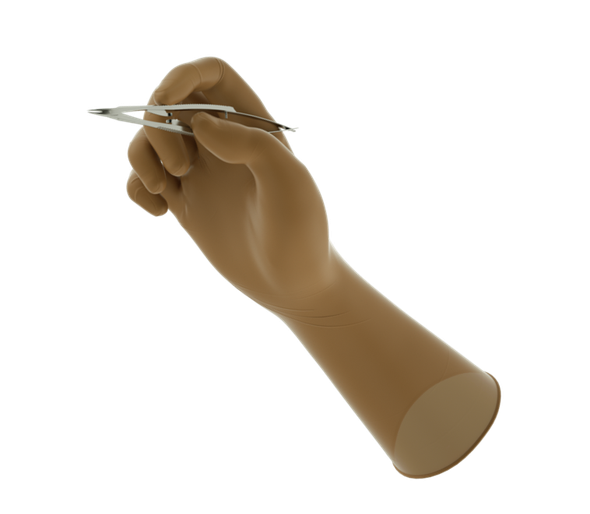
Ansell Gammex PI Hybrid Micro – Powder-Free, 8 Size Options, 50 pr/bx, 4 bx/cs, Polyisoprene Surgical Gloves
Ansell
$792.99The Ansell Gammex PI Hybrid Micro is a surgical glove built for sterile surgical procedures, with PI neoprene material. When the surgical suite gets busy, small frustrations with supplies add up fast...$792.99 -

Ansell Gammex PI Hybrid – Powder-Free, ISO 21420, 8 Size Options, 50 pr/bx, 4 bx/cs, For Sterile Surgical
Ansell
$788.99The Ansell Gammex PI Hybrid is a surgical glove built for sterile surgical procedures, with no natural rubber latex. When the surgical suite gets busy, small frustrations with supplies add up fast...$788.99 -

Ansell Gammex Non-Latex Sensitive Neoprene Surgical Gloves – Powder-Free, 8 Size Options, 50 pr/bx, 4 bx/cs
Ansell
$772.99The Ansell Gammex Non-Latex Sensitive Neoprene Surgical Gloves is a surgical glove built for sterile surgical procedures, with no natural rubber latex. When the surgical suite gets busy, small...$772.99 -


Ansell Gammex Non-Latex PI Underglove – Powder-Free, 8 Size Options, 50 pr/bx, 4 bx/cs, For Sterile Surgical
Ansell
$791.99The Ansell Gammex Non-Latex PI Underglove is a surgical glove built for sterile surgical procedures, with micro thin. When the surgical suite gets busy, small frustrations with supplies add up fast...$791.99 -


Ansell Gammex Non-Latex PI Textured – Powder-Free, ISO 21420, 8 Size Options, 50 pr/bx, 4 bx/cs
Ansell
$791.99Ansell Gammex Non-Latex PI Textured pair a textured finish with a polyisoprene build for latex-free sterile work. The polyisoprene build keeps the glove free of natural rubber latex.Standards and...$791.99 -


Ansell Gammex Non-Latex PI Ortho – Powder-Free, 7 Size Options, 50 pr/bx, 4 bx/cs, For Sterile Surgical
Ansell
$727.99The Ansell Gammex Non-Latex PI Ortho is a surgical glove built for sterile surgical procedures, with polyisoprene skin-friendly. When the surgical suite gets busy, small frustrations with supplies...$727.99 -


Ansell Gammex Non-Latex PI Micro – Powder-Free, ISO 21420, 8 Size Options, 50 pr/bx, 4 bx/cs
Ansell
$791.99The Ansell Gammex Non-Latex PI Micro is a surgical glove built for sterile surgical procedures, with thinner. When the surgical suite gets busy, small frustrations with supplies add up fast. This...$791.99 -


Ansell Gammex Non-Latex PI Green – Powder-Free, 7 Size Options, 50 pr/bx, 4 bx/cs, For Sterile Surgical
Ansell
$791.99The Ansell Gammex Non-Latex PI Green is a surgical glove built for sterile surgical procedures, with optimal instrument handling. When the surgical suite gets busy, small frustrations with supplies...$791.99 -


Ansell Gammex Non-Latex PI – Powder-Free, ISO 21420, 8 Size Options, 50 pr/bx, 4 bx/cs, For Sterile Surgical
Ansell
$791.99The Ansell Gammex Non-Latex PI is a surgical glove built for sterile surgical procedures, with exceptional instrument handling. When the surgical suite gets busy, small frustrations with supplies add...$791.99 -


Mölnlycke Biogel Skinsense Indicator Underglove – a non-latex synthetic surgical glove, Surgical Gloves
Mölnlycke USA
$543.99 - $686.99The Mölnlycke Biogel Skinsense Indicator Underglove is a surgical glove made from non-latex synthetic from Mölnlycke, built for serving as the underglove layer in latex-free double gloving,...$543.99 - $686.99 -
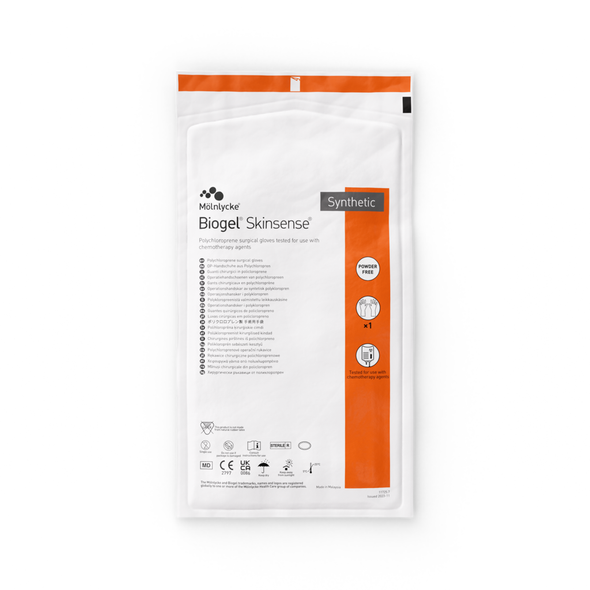

Mölnlycke Biogel Skinsense Gloves – a non-latex synthetic surgical glove, Sterile, Powder free
Mölnlycke USA
$543.99 - $658.99The Mölnlycke Biogel Skinsense, the non-latex synthetic surgical glove, is a surgical glove made from non-latex synthetic from Mölnlycke, made for giving surgical teams a sterile synthetic glove...$543.99 - $658.99 -


Mölnlycke Biogel PI UltraTouch M Gloves – a polyisoprene surgical glove, Sterile, Powder free
Mölnlycke USA
$647.99 - $780.99The Mölnlycke Biogel PI UltraTouch M, the M microsurgery configuration of UltraTouch, is a surgical glove made from polyisoprene from Mölnlycke, made for supporting microsurgical and fine procedures...$647.99 - $780.99 -


Mölnlycke Biogel PI UltraTouch G Gloves – a polyisoprene surgical glove, Sterile, Powder free
Mölnlycke USA
$647.99 - $780.99The Mölnlycke Biogel PI UltraTouch G is a surgical glove made from polyisoprene from Mölnlycke, built for stocking the UltraTouch G configuration for teams whose preference cards call for it by...$647.99 - $780.99 -

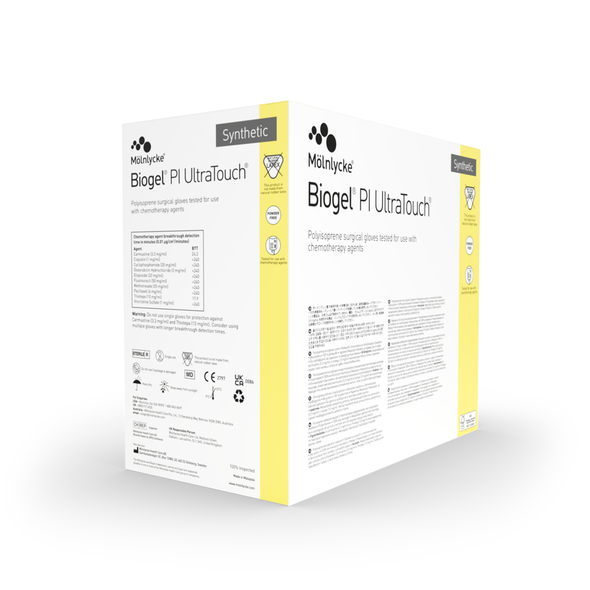
Mölnlycke Biogel PI UltraTouch Gloves – a polyisoprene surgical glove, Powder free, 5.5 to 9
Mölnlycke USA
$647.99 - $816.99The Mölnlycke Biogel PI UltraTouch is a surgical glove made from polyisoprene from Mölnlycke, built for serving as the main glove for latex-free surgical teams that want the range-leading Biogel feel...$647.99 - $816.99 -
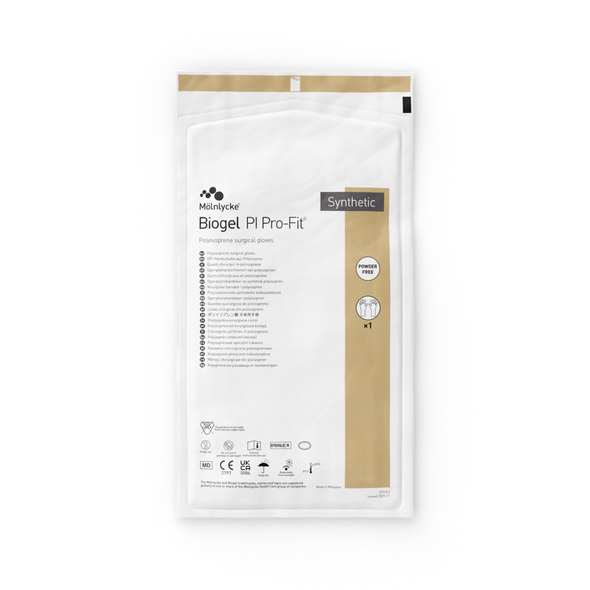
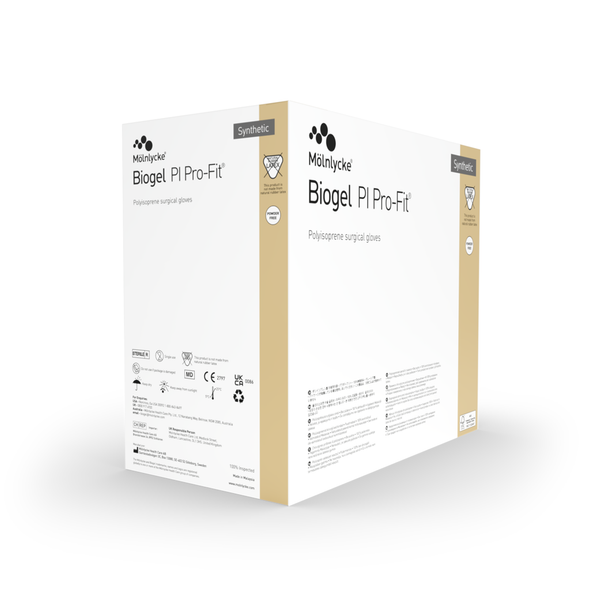
Mölnlycke Biogel PI Pro-Fit Gloves – a polyisoprene surgical glove, Powder free, 6 to 9, Sizes 6 to 9
Mölnlycke USA
$674.99 - $816.99The Mölnlycke Biogel PI Pro-Fit is a surgical glove made from polyisoprene from Mölnlycke, built for giving surgical teams a polyisoprene glove shaped for a close professional fit across long lists...$674.99 - $816.99 -
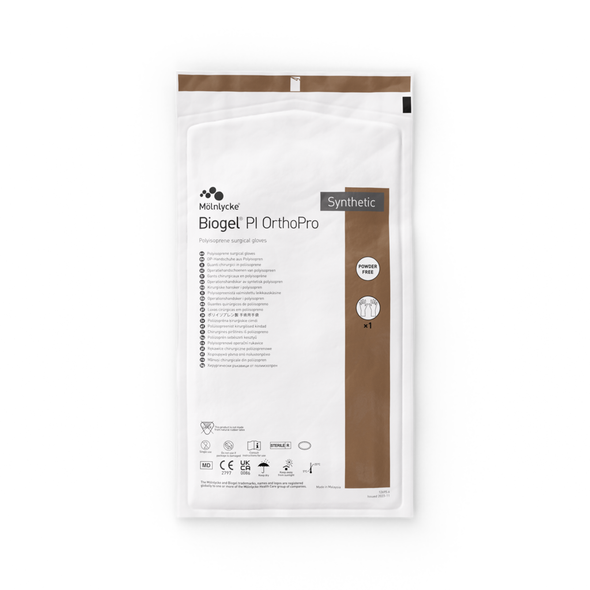
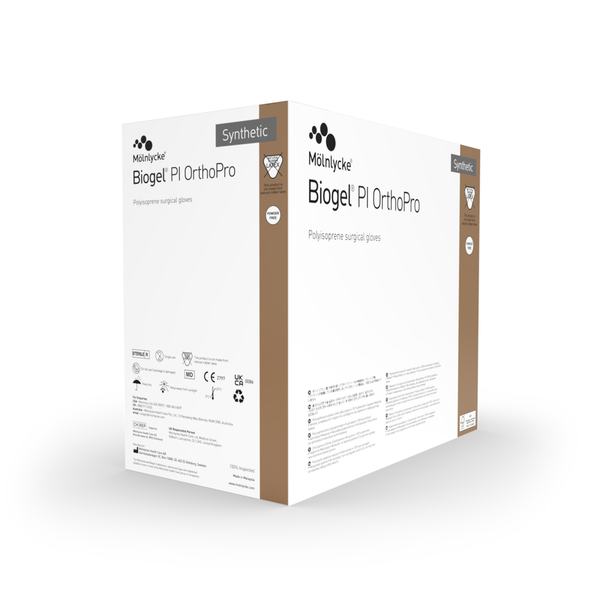
Mölnlycke Biogel PI OrthoPro Gloves – a polyisoprene surgical glove, Sterile, Powder free, 6 to 9
Mölnlycke USA
$674.99 - $702.99The Mölnlycke Biogel PI OrthoPro, the heavier sterile polyisoprene glove built for orthopaedic lists, is a surgical glove made from polyisoprene from Mölnlycke, made for standing up to orthopaedic...$674.99 - $702.99 -
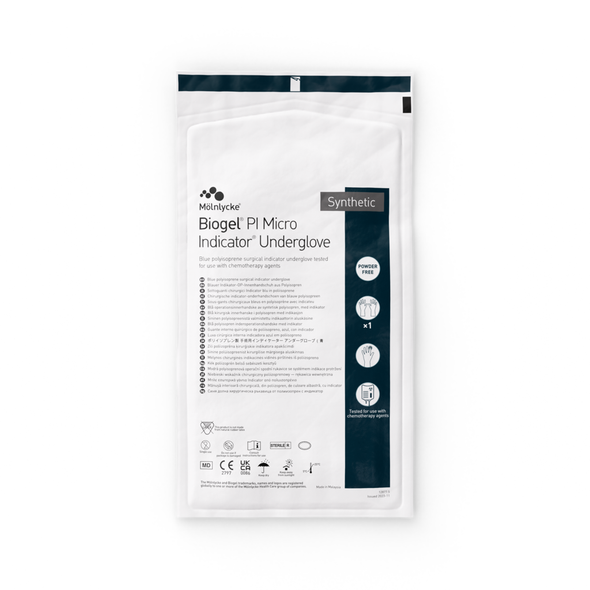
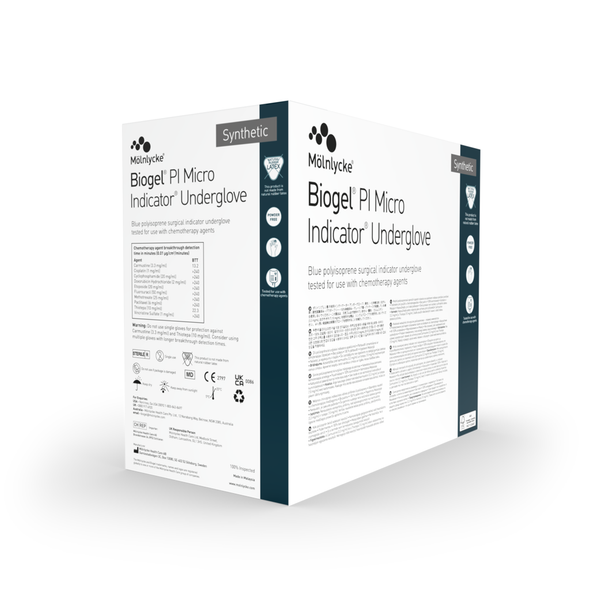
Mölnlycke Biogel PI Micro Indicator Underglove – a polyisoprene surgical glove, Surgical Gloves
Mölnlycke USA
$647.99 - $780.99The Mölnlycke Biogel PI Micro Indicator Underglove is a surgical glove made from polyisoprene from Mölnlycke, built for working as the underglove layer for double gloving where a thinner film...$647.99 - $780.99 -


Mölnlycke Biogel PI Indicator Underglove – a polyisoprene surgical glove, Surgical Gloves, Sterile
Mölnlycke USA
$647.99 - $816.99The Mölnlycke Biogel PI Indicator Underglove, the sterile polyisoprene underglove for latex-free double gloving with perforation indication, is a surgical glove made from polyisoprene from Mölnlycke,...$647.99 - $816.99 -
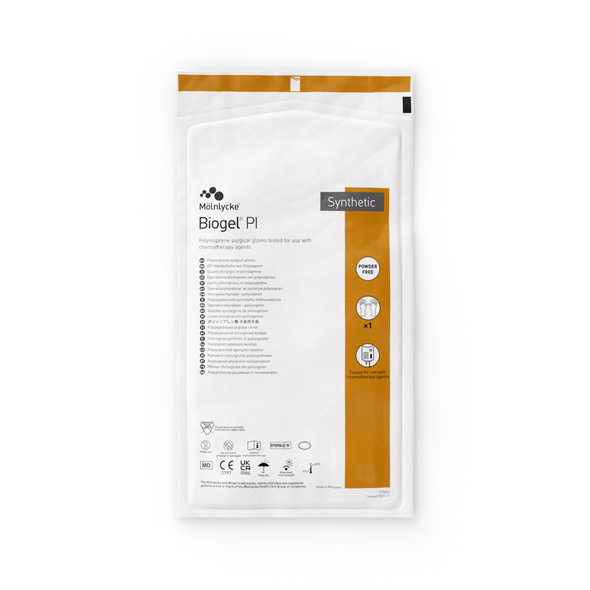
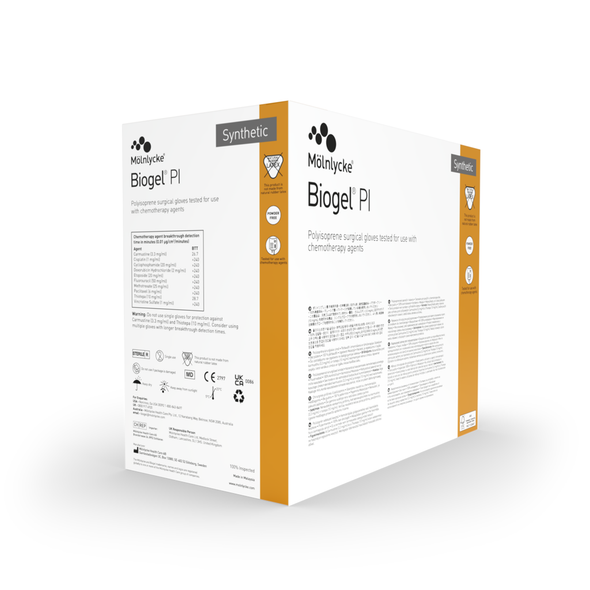
Mölnlycke Biogel PI Gloves – a polyisoprene surgical glove, Sterile, Powder free, 5.5 to 9
Mölnlycke USA
$674.99 - $780.99The Mölnlycke Biogel PI, the polyisoprene surgical glove, is a surgical glove made from polyisoprene from Mölnlycke, made for delivering the fit and feel of latex from a synthetic polyisoprene glove...$674.99 - $780.99 -

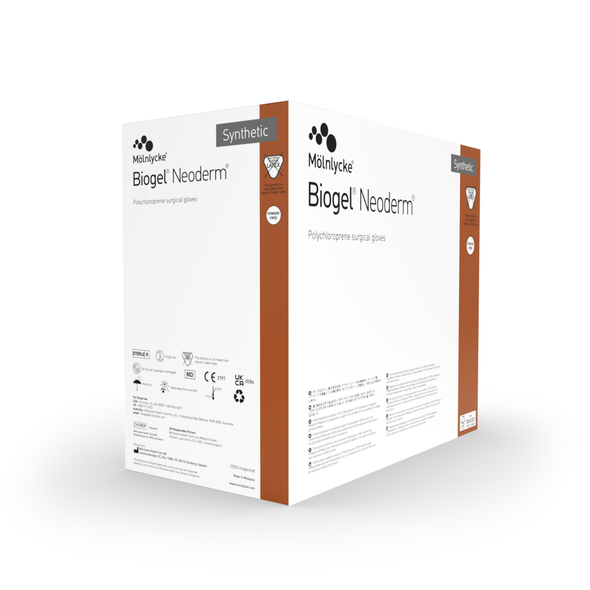
Mölnlycke Biogel Neoderm Gloves – a non-latex synthetic surgical glove, Sterile, Powder free
Mölnlycke USA
$543.99 - $658.99The Mölnlycke Biogel Neoderm is a surgical glove made from non-latex synthetic from Mölnlycke, built for providing a sterile surgical glove for wearers and patients who must avoid natural rubber...$543.99 - $658.99
About Surgical Gloves
Surgical Gloves are vital in maintaining sterile conditions during invasive procedures, offering a protective barrier between medical professionals and patients. Designed for precision, safety, and comfort, surgical gloves are essential in operating rooms, emergency departments, outpatient clinics, and dental practices. They protect against bloodborne pathogens, cross-contamination, and chemical exposure while ensuring dexterity and tactile feedback. Available in multiple materials such as latex, nitrile, neoprene, polyisoprene, and polychloroprene, surgical gloves meet various clinical needs, allergy concerns, and procedural demands. These gloves play a foundational role in ensuring the safety, hygiene, and success of medical interventions.
Why Surgical Gloves Are Essential
Surgical gloves are indispensable tools in any sterile medical environment. They are designed not only to shield the wearer from infectious agents but also to safeguard patients by minimizing microbial transmission. Unlike general-purpose or examination gloves, surgical gloves are anatomically shaped, sterile, and manufactured to higher standards for durability, sensitivity, and fit. They support extended wear during lengthy procedures without compromising comfort or tactile performance. Their sterile packaging and precision fit enable better control during delicate surgeries. In high-risk procedures involving exposure to blood, bodily fluids, or hazardous chemicals, surgical gloves provide critical frontline defense for both medical staff and patients.
What Are Surgical Gloves?
Surgical gloves are sterile, single-use hand coverings worn by medical professionals during operative or other aseptic procedures. They are made from various materials—including natural rubber latex and synthetic polymers like nitrile, neoprene, polyisoprene, and polychloroprene—to offer differing levels of elasticity, durability, and chemical resistance. These gloves are available in multiple sizes and are shaped to match the left and right hands for better fit and reduced fatigue. Surgical gloves often feature textured fingertips for improved instrument handling and are packaged in sterile pairs to preserve surgical asepsis.
Types of Surgical Gloves
1. Latex Surgical Gloves
Best for: High tactile sensitivity and elasticity in standard surgeries.
Made from natural rubber latex, these gloves offer excellent elasticity, comfort, and fine tactile response. Despite concerns over latex allergies, they remain a preferred choice for many surgeons due to their superior performance in precise tasks.
Key Features:
- Exceptional fit and tactile sensitivity.
- High flexibility and stretchability.
- Biodegradable and eco-friendly.
- Available in powdered and powder-free versions.
Applications:
- General surgery
- Cardiothoracic and gynecological procedures
- Dental and microsurgical tasks
2. Nitrile Surgical Gloves
Best for: Latex-free protection with strong chemical and puncture resistance.
Nitrile gloves are made from synthetic rubber and are ideal for individuals with latex allergies. They provide excellent barrier protection and are resistant to a wide range of chemicals.
Key Features:
- Hypoallergenic and latex-free.
- Excellent puncture and chemical resistance.
- High durability for extended procedures.
- Often textured for better grip.
Applications:
- Emergency and trauma surgeries
- Infectious disease management
- High-fluid exposure procedures
3. Neoprene Surgical Gloves
Best for: Durability and flexibility in high-risk surgical settings.
Neoprene (chloroprene rubber) gloves combine strength with flexibility and are suitable for long-duration use. They are an excellent alternative for users with latex sensitivities.
Key Features:
- Excellent fit and comfort for long wear.
- Resistant to chemicals, viruses, and alcohol-based agents.
- Latex-free and powder-free.
- Allows for double-gloving techniques.
Applications:
- Orthopedic and cardiac surgeries
- Oncology and transplant procedures
- Veterinary and research operations
4. Polyisoprene Surgical Gloves
Best for: Latex-like comfort and flexibility without allergy risks.
Polyisoprene gloves are synthetic alternatives that mimic the performance of latex while being completely latex-free. They provide superior sensitivity and flexibility, making them ideal for precision tasks.
Key Features:
- Soft and stretchy with a natural feel.
- Latex protein-free to prevent allergic reactions.
- High elasticity and tactile control.
- Preferred for delicate surgeries.
Applications:
- Neurosurgery
- Plastic and reconstructive surgery
- Eye and ENT procedures
5. Polychloroprene Surgical Gloves
Best for: Strength and comfort in high-stress environments.
Polychloroprene gloves are a type of synthetic rubber glove offering a balance between neoprene and nitrile. They offer a comfortable fit, good elasticity, and strong protection.
Key Features:
- Latex-free and well-tolerated by sensitive users.
- Excellent durability and grip.
- Comfortable fit for long procedures.
- Suitable for double-gloving.
Applications:
- Long, complex surgeries
- Infectious disease control
- High-risk contamination areas
6. Specialty Coated Surgical Gloves
Best for: Enhanced grip and donning in challenging environments.
These gloves include polymer coatings, chlorination, or moisturizers to improve donning ease, reduce friction, or protect the skin during prolonged use.
Key Features:
- Easy to don with dry or moist hands.
- Reduced hand fatigue.
- Enhanced surface grip for instruments.
- Skin-protecting inner coatings.
Applications:
- Wet or high-fluid procedures
- Long-duration operations
- Surgeons with skin sensitivity
When to Use Surgical Gloves
Surgical gloves should be used whenever sterility is essential, and the risk of contamination, infection, or fluid exposure is high. Common scenarios include:
- All invasive surgical procedures
- Handling of sterile instruments and drapes
- Treatment of open wounds and surgical sites
- High-risk patient interactions
- Procedures involving hazardous chemicals or fluids
How to Use Surgical Gloves
Correct usage of surgical gloves ensures effectiveness and safety:
- Wash and dry hands thoroughly before donning.
- Open the sterile glove packaging carefully.
- Put on the first glove using the inner cuff edge.
- Use the gloved hand to assist with the second glove.
- Adjust for fit without contaminating outer surfaces.
- After use, remove by peeling from the cuff, turning gloves inside out.
- Dispose of gloves in appropriate medical waste bins.
- Sanitize hands immediately after glove removal.
Key Features of Surgical Gloves
- Sterile and Individually Packaged: Each pair is sealed to maintain aseptic conditions.
- Anatomically Shaped for Comfort: Reduces fatigue during extended wear.
- Material Options for Every Need: Includes latex, nitrile, neoprene, polyisoprene, and polychloroprene.
- Enhanced Tactile Sensitivity: Allows precision handling in delicate surgeries.
- High Durability: Resistant to tears, chemicals, and microbial penetration.
Benefits of Surgical Gloves
Infection Control: Prevents the transfer of pathogens between patients and healthcare providers.
Allergy-Free Options: Synthetic materials like nitrile and polyisoprene accommodate latex-sensitive users.
Superior Fit and Comfort: Anatomical shapes and flexible materials reduce fatigue and improve performance.
Procedural Versatility: A wide range of glove types suits every surgical specialty.
Compliance with Medical Standards: Manufactured under strict guidelines to ensure sterility, safety, and quality.
How to Choose the Right Surgical Gloves
- Material Sensitivity: Use latex if no allergy exists; opt for nitrile or polyisoprene if allergies are a concern.
- Procedure Type: Choose based on precision required, exposure risks, and fluid levels.
- Fit and Sizing: Ensure proper glove size for dexterity and comfort.
- Glove Thickness: Thicker gloves offer more protection; thinner ones provide better sensitivity.
- Special Coatings: Consider for ease of donning, skin protection, or grip improvement.
Frequently Asked Questions (FAQs)
Q: Are surgical gloves reusable?
A: No. They are designed for single-use to maintain sterility and prevent infection.
Q: What’s the difference between surgical and examination gloves?
A: Surgical gloves are sterile, come in hand-specific sizes, and offer higher tactile precision.
Q: Can surgical gloves cause allergic reactions?
A: Latex gloves may trigger allergies; synthetic options like nitrile or polyisoprene are hypoallergenic.
Q: What glove type is best for high-risk chemical exposure?
A: Nitrile or neoprene gloves offer superior chemical resistance.
Q: How are surgical gloves sterilized?
A: They are sterilized using gamma radiation or ethylene oxide and packaged in sealed sterile pairs.
Related Products
Surgical Gowns: Offer full-body sterile coverage during procedures.
Sterile Drapes: Help create a sterile field around the surgical area.
Surgical Masks: Protect against airborne particles and droplets.
Sterilization Trays: Provide safe transport and storage of surgical tools.
Ensure your surgical environment meets the highest standards of safety and precision. Browse our full range of surgical gloves to find the perfect fit, material, and protection level for your clinical needs.