
Surgical Instruments
Surgical Instruments are specialized tools essential for performing medical procedures with precision and efficiency. These instruments are designed for a wide range of functions, from cutting and grasping to retracting and suturing, supporting healthcare professionals in achieving optimal surgical outcomes. Crafted from high-quality materials like stainless steel, titanium, or innovative medical-grade polymers, surgical instruments ensure durability, sterility, and reliability across diverse medical disciplines.
This in-depth description explores the types, features, benefits, and real-world applications of surgical instruments, ensuring you’re equipped with the knowledge to select the right tools for your healthcare needs.
Why Are Surgical Instruments Essential?
Surgical instruments are indispensable in modern healthcare. They allow surgeons to perform intricate procedures with precision, ensure patient safety, and facilitate faster recovery. Properly designed and high-quality surgical tools reduce the risk of complications, improve procedural efficiency, and enhance the overall success of medical interventions. Whether for routine outpatient care or complex, life-saving operations, surgical instruments are fundamental to delivering superior patient care.
Types of Surgical Instruments
1. Cutting and Dissecting Instruments
These tools are used for making precise incisions, dissecting tissues, or removing structures during surgery.
Examples
- Scalpels: Ultra-sharp blades available in disposable and reusable options for precise incisions.
- Surgical Scissors: Includes curved, straight, and fine-tipped scissors for tissue dissection and suture cutting.
- Bone Saws and Osteotomes: Designed for cutting through bone during orthopedic or reconstructive procedures.
Applications
- General surgery, orthopedic surgery, and plastic surgery.
- Dissecting delicate tissues or removing tumors.
Key Features
- Made from high-strength materials for sharpness and durability.
- Ergonomic handles to provide a steady grip for precision cutting.
- Available in various sizes and blade shapes to suit specific procedures.
2. Grasping and Holding Instruments
Grasping instruments provide control and precision for holding tissues, foreign objects, or surgical materials during procedures.
Examples
- Forceps: Available in various types, including dressing forceps, tissue forceps, and hemostatic forceps.
- Needle Holders: Tools for holding suturing needles securely during wound closure.
- Clamps: Instruments like mosquito clamps for securing blood vessels or tissues.
Applications
- Suturing wounds, removing foreign objects, and securing tissue during surgery.
- Manipulating delicate structures without causing trauma.
Key Features
- Non-slip, serrated tips for firm grip.
- Lightweight designs to reduce hand fatigue during prolonged procedures.
- Specialized varieties for specific tasks, such as atraumatic forceps for delicate tissues.
3. Retracting and Exposing Instruments
Retractors are critical for holding back tissues, organs, or skin to provide a clear view of the surgical site.
Examples
- Manual Retractors: Simple tools like skin hooks or Senn retractors.
- Self-Retaining Retractors: Includes Weitlaner or Balfour retractors with locking mechanisms for hands-free operation.
Applications
- Deep abdominal surgeries, orthopedic procedures, and neurological surgeries.
- Providing better access and visibility in confined surgical fields.
Key Features
- Durable construction to endure surgical stresses.
- Adjustable designs for precise positioning.
- Sterilizable materials to ensure a sterile field.
4. Clamping and Occluding Instruments
Clamping tools are essential for controlling bleeding, securing blood vessels, and occluding ducts during surgery.
Examples
- Hemostats: Used to control bleeding by clamping blood vessels.
- Vascular Clamps: Specialized clamps for arteries and veins.
- Bulldog Clamps: Temporary occlusion of blood vessels during delicate surgeries.
Applications
- Cardiovascular surgeries to control blood flow.
- General surgical procedures requiring temporary occlusion.
Key Features
- Locking mechanisms to maintain steady pressure.
- Available in atraumatic designs to prevent tissue damage.
- Lightweight and easy to maneuver.
5. Suturing and Stapling Instruments
These instruments are designed for wound closure, ensuring precise and efficient suturing or stapling.
Examples
- Surgical Staplers: Ideal for rapid wound closure.
- Suturing Needles and Holders: Designed for precision stitching in open or laparoscopic surgeries.
Applications
- General surgeries, trauma care, and cosmetic procedures.
- Suturing internal or external wounds and closing incisions.
Key Features
- Smooth operation for precise wound closure.
- Compatible with absorbable and non-absorbable sutures.
- Ergonomic designs to reduce surgeon fatigue.
6. Diagnostic and Specialized Instruments
Diagnostic instruments help evaluate tissues and structures during surgery, guiding medical professionals in performing the procedure.
Examples
- Probes: For exploring wounds or identifying foreign objects.
- Dilators: Used to widen body openings or passageways.
- Trocars: Designed for minimally invasive procedures like laparoscopic surgery.
Applications
- Assisting in diagnostic procedures during surgery.
- Facilitating minimally invasive surgical techniques.
Key Features
- Smooth finishes to reduce tissue trauma.
- Available in various sizes and shapes for specific tasks.
- Reusable and sterilizable for cost efficiency.
Key Features of Surgical Instruments
- Premium Materials: Stainless steel, titanium, or cobalt for strength, durability, and sterility.
- Precision Engineering: Designed to meet the specific needs of various surgical disciplines.
- Ergonomic Designs: Ensures comfort and reduces fatigue for surgeons during long procedures.
- Sterilizable: Reusable instruments are built to withstand repeated autoclaving or sterilization processes.
- Specialized Tools: Tailored for specific surgical needs, from general surgery to specialized fields like neurosurgery.
- Regulatory Compliance: Manufactured to meet FDA, CE, and ISO standards for safety and reliability.
Benefits of Surgical Instruments
1. Precision and Accuracy
Well-designed instruments allow surgeons to perform delicate procedures with high accuracy, reducing risks and improving outcomes.
2. Enhanced Patient Safety
Quality instruments minimize trauma and ensure the safety of patients during complex procedures.
3. Long-Term Value
Durable and reusable instruments reduce long-term costs while maintaining reliability.
4. Versatility
Instruments cater to a variety of medical disciplines, including general surgery, orthopedics, neurosurgery, and more.
5. Efficiency in the OR
Ergonomic and functional designs streamline surgical workflows, saving time and effort for medical teams.
Real-World Applications
1. Hospitals and Surgical Centers
- Performing routine and specialized surgeries.
- Providing safe and effective tools for operating room staff.
2. Clinics and Outpatient Facilities
- Supporting minor procedures like biopsies or wound care.
- Equipping staff with diagnostic and suturing tools.
3. Veterinary Medicine
- Conducting surgical procedures on animals, including spaying, neutering, and fracture repair.
4. Specialty Fields
- Tools tailored for fields like cardiovascular, orthopedic, and cosmetic surgery.
5. Educational and Training Institutions
- Providing students with high-quality instruments for learning and practice.
Frequently Asked Questions (FAQs)
1. How are surgical instruments cleaned?
Instruments are typically cleaned using enzymatic detergents followed by sterilization in an autoclave or chemical disinfectant.
2. What’s the lifespan of surgical instruments?
With proper care and maintenance, surgical instruments can last for years, depending on the material and usage frequency.
3. Can instruments be customized?
Yes, many manufacturers offer custom designs or kits tailored to specific surgical needs.
4. How can I identify the right instrument for my procedure?
Consulting with manufacturers or surgical supply experts can help match instruments to specific procedural requirements.
5. Are disposable instruments available?
Yes, single-use instruments are available for specific applications, particularly in emergency or high-contamination scenarios.
Equip your facility with high-quality Surgical Instruments for precision, safety, and efficiency. Explore cutting-edge tools tailored to general and specialized surgeries, ensuring optimal outcomes for your patients.
Shop By Category
-

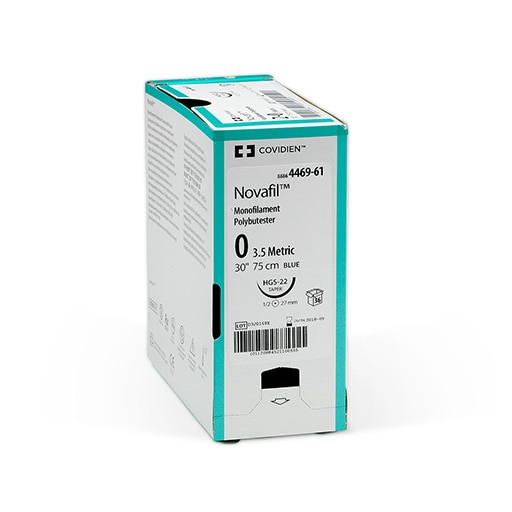
Medtronic Novafil Monofilament Polybutester Sutures for Soft Tissue Approximation Sterile Sutures
Medtronic
$210.99 - $1,799.99The Medtronic Novafil monofilament polybutester suture is available from MedicalEx in the configurations listed below. Polybutester fiber gives this nonabsorbable monofilament an elastic handling...$210.99 - $1,799.99 -

Medtronic Caprosyn Monofilament Absorbable Sutures with Polyglytone 6211 Polymer Sterile Sutures
Medtronic
$341.99 - $1,645.99The Medtronic Caprosyn monofilament absorbable suture is available from MedicalEx in the configurations listed below. The Polyglytone 6211 strand is built to hold tight through the critical first ten...$341.99 - $1,645.99 -


Medtronic V-Loc Barbed Wound Closure Devices for Knotless Soft Tissue Approximation Sterile Devices
Medtronic
$841.99 - $1,167.99The Medtronic V-Loc wound closure device is available from MedicalEx in the configurations listed below. Dual-angle cut barbs arranged in a 360 degree helix anchor into tissue and distribute tension...$841.99 - $1,167.99 -


Medtronic Plain Gut Absorbable Sutures in Purified Bovine Collagen for Soft Tissue Approximation
Medtronic
$300.99 - $1,708.99The Medtronic Plain Gut absorbable suture is available from MedicalEx in the configurations listed below. Without chromic treatment, the purified collagen strand absorbs more rapidly than chromic...$300.99 - $1,708.99 -

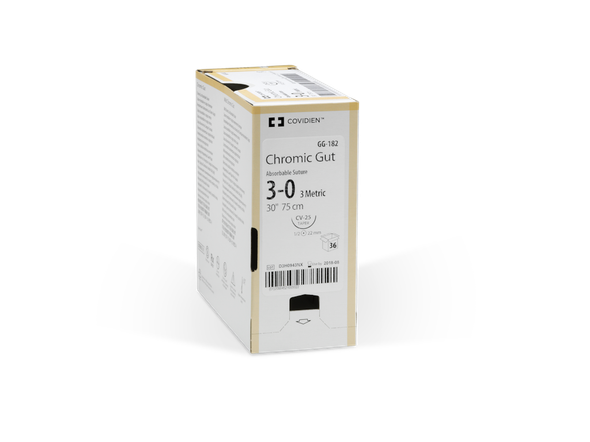
Medtronic Chromic Gut Absorbable Sutures in Purified Bovine Collagen with Chromic Treatment
Medtronic
$374.99 - $3,558.99The Medtronic Chromic Gut absorbable suture is available from MedicalEx in the configurations listed below. Uniform treatment with a buffered chromium salt solution slows the enzymatic absorption of...$374.99 - $3,558.99 -
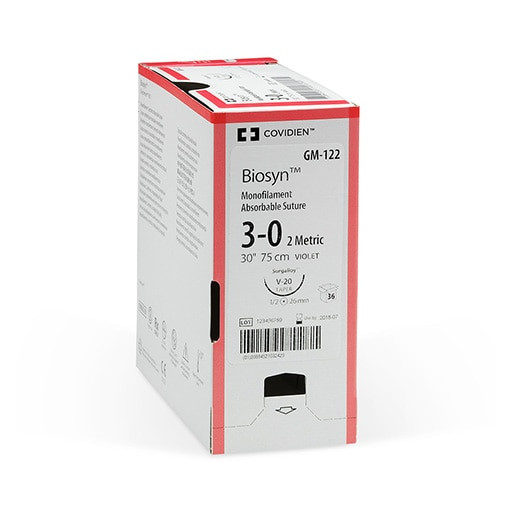

Medtronic Biosyn Monofilament Absorbable Sutures with Glycomer 631 Synthetic Polyester Sterile
Medtronic
$314.99 - $1,984.99The Medtronic Biosyn monofilament absorbable suture is available from MedicalEx in the configurations listed below. The Glycomer 631 strand blends glycolide, dioxanone and trimethylene carbonate for...$314.99 - $1,984.99 -

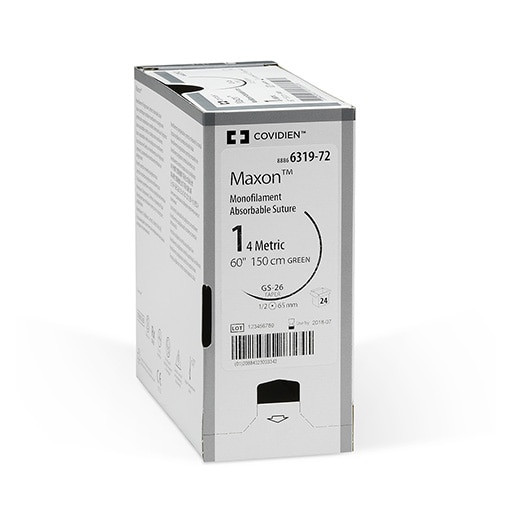
Medtronic Maxon Monofilament Polyglyconate Absorbable Sutures for Soft Tissue Closure Sterile
Medtronic
$432.99 - $4,433.99The Medtronic Maxon monofilament absorbable suture is available from MedicalEx in the configurations listed below. The polyglyconate monofilament holds support for up to six weeks and absorbs in...$432.99 - $4,433.99 -


Medtronic Sofsilk Braided Silk Sutures with Silicone or Wax Coating for Ligation in Sterile Packs
Medtronic
$151.99 - $2,080.99The Medtronic Sofsilk silk suture is available from MedicalEx in the configurations listed below. The braid is natural silk fibroin coated uniformly with silicone or a special wax mixture, which is...$151.99 - $2,080.99 -
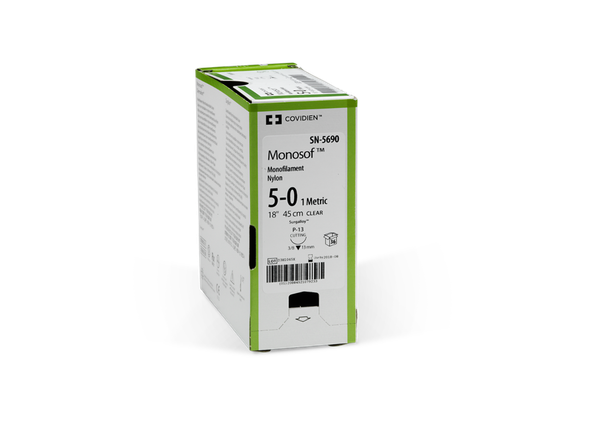
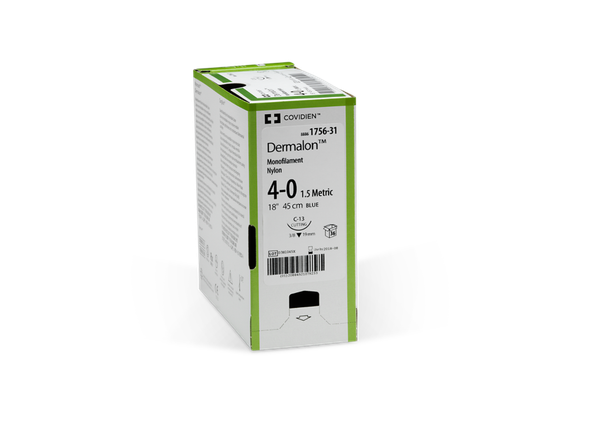
Medtronic Monosof and Dermalon Monofilament Nylon Sutures in Black and Clear for General Closure
Medtronic
$142.99 - $3,753.99The Medtronic Monosof and Dermalon monofilament nylon suture is available from MedicalEx in the configurations listed below. Both strands are inert nylon monofilaments for general soft tissue...$142.99 - $3,753.99 -


Medtronic Ti-Cron Silicone Coated Braided Polyester Sutures with PTFE Pledget Options Sterile
Medtronic
$315.99 - $6,403.99The Medtronic Ti-Cron braided polyester suture is available from MedicalEx in the configurations listed below. A uniform silicone coating gives the polyethylene terephthalate braid its lubricity, and...$315.99 - $6,403.99 -

Medtronic Surgipro II Monofilament Polypropylene Sutures for Soft Tissue Approximation Sterile
Medtronic
$478.99 - $11,340.99The Medtronic Surgipro II monofilament polypropylene suture is available from MedicalEx in the configurations listed below. The strand is an inert polypropylene and polyethylene monofilament that...$478.99 - $11,340.99 -
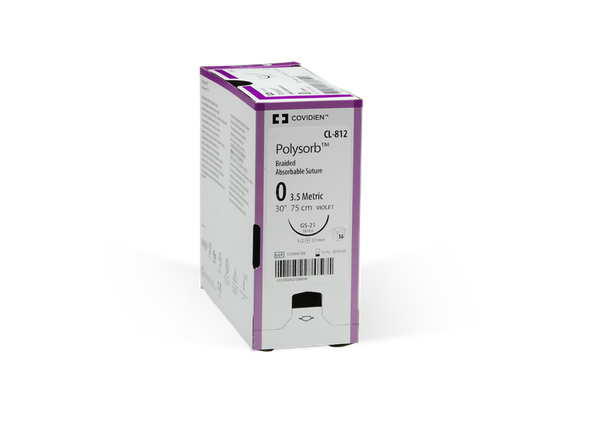
Medtronic Polysorb Braided Absorbable Sutures with Lactomer Glycolide Lactide Copolymer for Soft Tissue
Medtronic
$406.99 - $1,602.99The Medtronic Polysorb braided absorbable suture is available from MedicalEx in the configurations listed below. The line pairs a Lactomer glycolide and lactide copolymer braid with an absorbable...$406.99 - $1,602.99 -
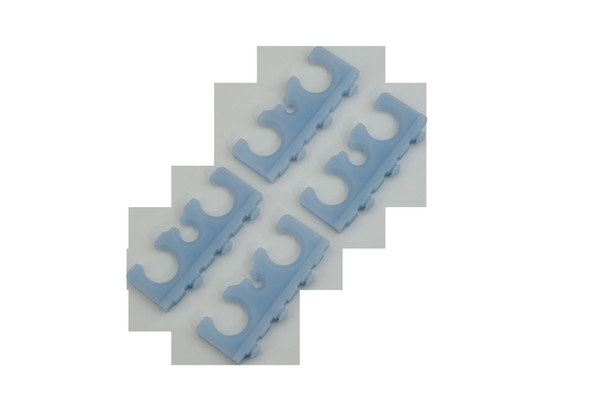

Advanced Sterilization Products APTIMAX Tray Holder – Silicone Instrument Holder, 0.4 Inch, Case of 4
Advanced Sterilization Products
$106.99The APTIMAX Tray Holder is a small silicone block that seats inside an APTIMAX tray and grips an instrument to keep it from shifting. Holders let sterile processing staff customize a tray layout...- SKU:
- 99404
- Packaging:
- CS/4
$106.99 -

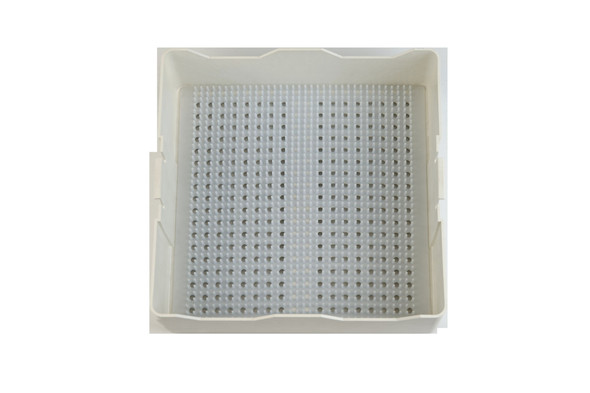
Advanced Sterilization Products STERRAD Instrument Tray Mat – Silicone Mat for APTIMAX Trays, Two Sizes
Advanced Sterilization Products
$393.99 - $713.99The STERRAD Instrument Tray Mat lines the floor of an APTIMAX tray with durable silicone that cushions instruments and helps hold them in place. Each size is cut for a specific tray in the family, so...$393.99 - $713.99 -

Advanced Sterilization Products APTIMAX Instrument Tray – Liquid Crystal Polymer Tray for STERRAD Systems
Advanced Sterilization Products
$821.99 - $1,048.99The APTIMAX Instrument Tray encases surgical instruments for sterilization in STERRAD systems, holding them in a rigid, protective case through the cycle. Molded from 100 percent liquid crystal...$821.99 - $1,048.99 -

H&O CryoProbe 23.5g N2O Cartridges – Nitrous Oxide Cartridges for CryoProbe B+, Box of 6 with Filters
H&O Equipments
$510.99The H&O CryoProbe 23.5g N2O Cartridges is a box of sealed 23.5g nitrous oxide cartridges for CryoProbe pens from H&O Equipments, built for powering CryoProbe B+ cryosurgery pens without tanks or...- SKU:
- S-HO-NO23-XX-S06-PR
$510.99 -
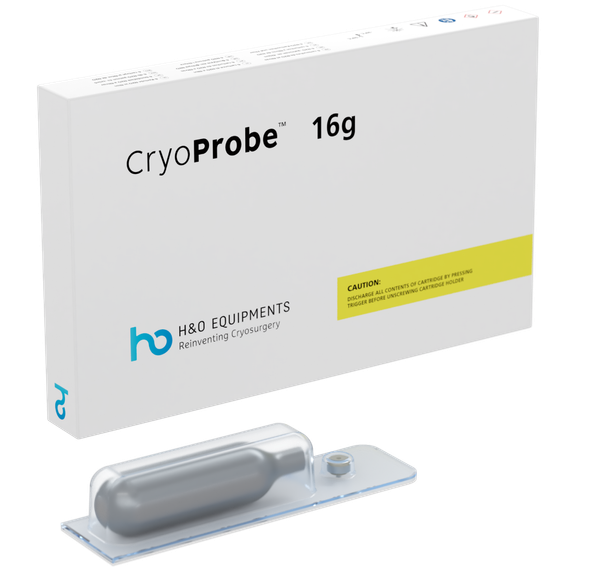
H&O CryoProbe 16g N2O Cartridges – Nitrous Oxide Cartridges for CryoProbe O+, X+ and XP, Box of 6 with Filters
H&O Equipments
$218.99The H&O CryoProbe 16g N2O Cartridges is a box of sealed 16g nitrous oxide cartridges for CryoProbe pens from H&O Equipments, built for powering CryoProbe O+, X+ and XP cryosurgery pens without tanks...- SKU:
- S-HO-NOCX-PRXL-S06
$218.99 -

H&O CryoProbe 8g N2O Cartridges – Nitrous Oxide Cartridges for CryoProbe M and XPS, Box of 24 with Filters
H&O Equipments
$399.99The H&O CryoProbe 8g N2O Cartridges, the CryoProbe 8g N2O cartridges, is a box of sealed 8g nitrous oxide cartridges for CryoProbe pens from H&O Equipments, made for powering CryoProbe M and XPS...- SKU:
- S-HO-NOCX-XX-S24-PR
$399.99 -


H&O CryoProbe Applicators for XPS, XP and XP+ – Color-Ring Micro Tips Sized 1-3 mm to 5-8 mm by Lesion
H&O Equipments
$927.99The H&O CryoProbe Applicators XPS XP XP+, the CryoProbe ring applicators for XPS, XP and XP+, is a set of interchangeable ring-coded micro-applicator tips for the CryoProbe XPS, XP and XP+ pens from...$927.99 -

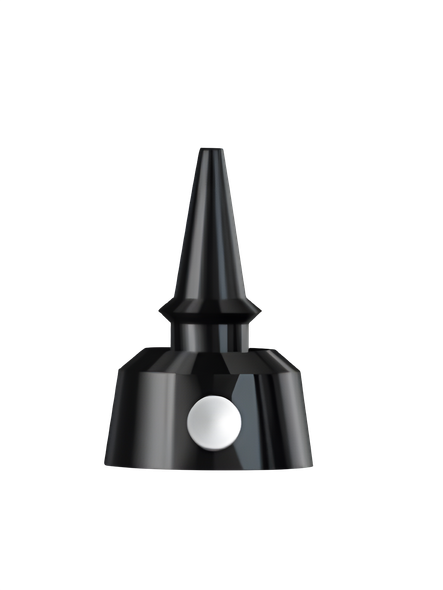
H&O CryoProbe Applicators for M, O+ and X+ – Color-Dot Micro Tips, Standard and 60 mm Extended Lengths
H&O Equipments
$644.99 - $945.99The H&O CryoProbe Applicators M O+ X+ is a set of interchangeable micro-applicator tips for the CryoProbe M, O+ and X+ pens from H&O Equipments, built for matching the cryosurgery jet to lesion size...$644.99 - $945.99
About Surgical Instruments
Surgical Instruments are specialized tools essential for performing medical procedures with precision and efficiency. These instruments are designed for a wide range of functions, from cutting and grasping to retracting and suturing, supporting healthcare professionals in achieving optimal surgical outcomes. Crafted from high-quality materials like stainless steel, titanium, or innovative medical-grade polymers, surgical instruments ensure durability, sterility, and reliability across diverse medical disciplines.
This in-depth description explores the types, features, benefits, and real-world applications of surgical instruments, ensuring you’re equipped with the knowledge to select the right tools for your healthcare needs.
Why Are Surgical Instruments Essential?
Surgical instruments are indispensable in modern healthcare. They allow surgeons to perform intricate procedures with precision, ensure patient safety, and facilitate faster recovery. Properly designed and high-quality surgical tools reduce the risk of complications, improve procedural efficiency, and enhance the overall success of medical interventions. Whether for routine outpatient care or complex, life-saving operations, surgical instruments are fundamental to delivering superior patient care.
Types of Surgical Instruments
1. Cutting and Dissecting Instruments
These tools are used for making precise incisions, dissecting tissues, or removing structures during surgery.
Examples
- Scalpels: Ultra-sharp blades available in disposable and reusable options for precise incisions.
- Surgical Scissors: Includes curved, straight, and fine-tipped scissors for tissue dissection and suture cutting.
- Bone Saws and Osteotomes: Designed for cutting through bone during orthopedic or reconstructive procedures.
Applications
- General surgery, orthopedic surgery, and plastic surgery.
- Dissecting delicate tissues or removing tumors.
Key Features
- Made from high-strength materials for sharpness and durability.
- Ergonomic handles to provide a steady grip for precision cutting.
- Available in various sizes and blade shapes to suit specific procedures.
2. Grasping and Holding Instruments
Grasping instruments provide control and precision for holding tissues, foreign objects, or surgical materials during procedures.
Examples
- Forceps: Available in various types, including dressing forceps, tissue forceps, and hemostatic forceps.
- Needle Holders: Tools for holding suturing needles securely during wound closure.
- Clamps: Instruments like mosquito clamps for securing blood vessels or tissues.
Applications
- Suturing wounds, removing foreign objects, and securing tissue during surgery.
- Manipulating delicate structures without causing trauma.
Key Features
- Non-slip, serrated tips for firm grip.
- Lightweight designs to reduce hand fatigue during prolonged procedures.
- Specialized varieties for specific tasks, such as atraumatic forceps for delicate tissues.
3. Retracting and Exposing Instruments
Retractors are critical for holding back tissues, organs, or skin to provide a clear view of the surgical site.
Examples
- Manual Retractors: Simple tools like skin hooks or Senn retractors.
- Self-Retaining Retractors: Includes Weitlaner or Balfour retractors with locking mechanisms for hands-free operation.
Applications
- Deep abdominal surgeries, orthopedic procedures, and neurological surgeries.
- Providing better access and visibility in confined surgical fields.
Key Features
- Durable construction to endure surgical stresses.
- Adjustable designs for precise positioning.
- Sterilizable materials to ensure a sterile field.
4. Clamping and Occluding Instruments
Clamping tools are essential for controlling bleeding, securing blood vessels, and occluding ducts during surgery.
Examples
- Hemostats: Used to control bleeding by clamping blood vessels.
- Vascular Clamps: Specialized clamps for arteries and veins.
- Bulldog Clamps: Temporary occlusion of blood vessels during delicate surgeries.
Applications
- Cardiovascular surgeries to control blood flow.
- General surgical procedures requiring temporary occlusion.
Key Features
- Locking mechanisms to maintain steady pressure.
- Available in atraumatic designs to prevent tissue damage.
- Lightweight and easy to maneuver.
5. Suturing and Stapling Instruments
These instruments are designed for wound closure, ensuring precise and efficient suturing or stapling.
Examples
- Surgical Staplers: Ideal for rapid wound closure.
- Suturing Needles and Holders: Designed for precision stitching in open or laparoscopic surgeries.
Applications
- General surgeries, trauma care, and cosmetic procedures.
- Suturing internal or external wounds and closing incisions.
Key Features
- Smooth operation for precise wound closure.
- Compatible with absorbable and non-absorbable sutures.
- Ergonomic designs to reduce surgeon fatigue.
6. Diagnostic and Specialized Instruments
Diagnostic instruments help evaluate tissues and structures during surgery, guiding medical professionals in performing the procedure.
Examples
- Probes: For exploring wounds or identifying foreign objects.
- Dilators: Used to widen body openings or passageways.
- Trocars: Designed for minimally invasive procedures like laparoscopic surgery.
Applications
- Assisting in diagnostic procedures during surgery.
- Facilitating minimally invasive surgical techniques.
Key Features
- Smooth finishes to reduce tissue trauma.
- Available in various sizes and shapes for specific tasks.
- Reusable and sterilizable for cost efficiency.
Key Features of Surgical Instruments
- Premium Materials: Stainless steel, titanium, or cobalt for strength, durability, and sterility.
- Precision Engineering: Designed to meet the specific needs of various surgical disciplines.
- Ergonomic Designs: Ensures comfort and reduces fatigue for surgeons during long procedures.
- Sterilizable: Reusable instruments are built to withstand repeated autoclaving or sterilization processes.
- Specialized Tools: Tailored for specific surgical needs, from general surgery to specialized fields like neurosurgery.
- Regulatory Compliance: Manufactured to meet FDA, CE, and ISO standards for safety and reliability.
Benefits of Surgical Instruments
1. Precision and Accuracy
Well-designed instruments allow surgeons to perform delicate procedures with high accuracy, reducing risks and improving outcomes.
2. Enhanced Patient Safety
Quality instruments minimize trauma and ensure the safety of patients during complex procedures.
3. Long-Term Value
Durable and reusable instruments reduce long-term costs while maintaining reliability.
4. Versatility
Instruments cater to a variety of medical disciplines, including general surgery, orthopedics, neurosurgery, and more.
5. Efficiency in the OR
Ergonomic and functional designs streamline surgical workflows, saving time and effort for medical teams.
Real-World Applications
1. Hospitals and Surgical Centers
- Performing routine and specialized surgeries.
- Providing safe and effective tools for operating room staff.
2. Clinics and Outpatient Facilities
- Supporting minor procedures like biopsies or wound care.
- Equipping staff with diagnostic and suturing tools.
3. Veterinary Medicine
- Conducting surgical procedures on animals, including spaying, neutering, and fracture repair.
4. Specialty Fields
- Tools tailored for fields like cardiovascular, orthopedic, and cosmetic surgery.
5. Educational and Training Institutions
- Providing students with high-quality instruments for learning and practice.
Frequently Asked Questions (FAQs)
1. How are surgical instruments cleaned?
Instruments are typically cleaned using enzymatic detergents followed by sterilization in an autoclave or chemical disinfectant.
2. What’s the lifespan of surgical instruments?
With proper care and maintenance, surgical instruments can last for years, depending on the material and usage frequency.
3. Can instruments be customized?
Yes, many manufacturers offer custom designs or kits tailored to specific surgical needs.
4. How can I identify the right instrument for my procedure?
Consulting with manufacturers or surgical supply experts can help match instruments to specific procedural requirements.
5. Are disposable instruments available?
Yes, single-use instruments are available for specific applications, particularly in emergency or high-contamination scenarios.
Equip your facility with high-quality Surgical Instruments for precision, safety, and efficiency. Explore cutting-edge tools tailored to general and specialized surgeries, ensuring optimal outcomes for your patients.