
Glassware & Plasticware
Glassware and Plasticware are foundational tools in every laboratory, used for handling, measuring, mixing, and storing a wide variety of substances. From beakers and flasks to centrifuge tubes and reagent bottles, these vessels support everything from routine sample prep to high-precision analytical work. Whether reusable or disposable, sterile or non-sterile, high-quality labware ensures safety, accuracy, and consistency in all lab workflows.
Why Glassware and Plasticware Are Essential
Reliable labware is vital for conducting experiments, preparing reagents, and ensuring contamination-free sample handling. Glassware offers chemical resistance and thermal stability for complex procedures, while plasticware provides flexibility, disposability, and cost-efficiency. These tools are used across clinical, pharmaceutical, educational, and industrial laboratories to carry out essential functions that support research integrity, safety compliance, and workflow efficiency.
What Is Glassware and Plasticware?
Laboratory glassware and plasticware include a wide range of containers and vessels used for liquid handling, storage, heating, and analysis. Glassware is typically made from borosilicate or soda-lime glass, known for their durability and resistance to heat and chemicals. Plasticware is made from polymers like polypropylene (PP), polyethylene (PE), and polystyrene (PS), offering lightweight, break-resistant alternatives. Both types are available in reusable and single-use formats depending on the lab's needs.
Types of Glassware & Plasticware
Beakers
Best for: General mixing, heating, and liquid handling.
Beakers are cylindrical containers with spouts and graduations, ideal for simple transfers and reagent prep.
Key Features:
- Made from borosilicate glass or autoclavable plastic.
- Graduated markings for volume estimation.
- Wide opening for easy stirring or pouring.
- Available in a range of volumes (50 mL to 2,000 mL+).
- Resistant to acids, bases, and heat.
Applications:
- Solution preparation.
- General lab mixing tasks.
- pH testing and titrations.
- Educational lab use.
Erlenmeyer Flasks
Best for: Mixing, culturing, and heating liquids.
These conical flasks reduce splash risk and are ideal for mixing by swirling or storing liquid cultures.
Key Features:
- Narrow neck minimizes evaporation and contamination.
- Graduated volume markings.
- Screw-cap or stopper options for secure sealing.
- Available in both glass and plastic formats.
- Compatible with shakers and autoclaves.
Applications:
- Cell culture media prep.
- Microbiological or chemical reactions.
- Heating and boiling liquids.
- Sterile sample storage.
Test Tubes & Culture Tubes
Best for: Sample collection, heating, and reaction monitoring.
These small cylindrical tubes are used for qualitative observation or small-scale testing.
Key Features:
- Flat or round bottom with open or screw-cap tops.
- Rack-compatible diameters and lengths.
- Disposable and autoclavable versions available.
- Clear for easy visual inspection.
- Sterile options for sensitive biological work.
Applications:
- Blood, urine, or reagent testing.
- Heating small volumes in flame or water baths.
- Cell culture or microbial testing.
- Educational experiments.
Reagent Bottles & Storage Containers
Best for: Safe storage and dispensing of chemicals or reagents.
These containers feature screw or pour spouts with leak-proof closures.
Key Features:
- Amber and clear versions for light-sensitive reagents.
- Wide mouth or narrow neck depending on usage.
- Graduated for volume tracking.
- Made from chemically resistant PP, HDPE, or glass.
- Sterile or non-sterile options.
Applications:
- Reagent preparation and storage.
- Solution transfers and dispensing.
- Buffer or media storage.
- Sample archival.
Graduated Cylinders
Best for: Precise measurement of liquid volumes.
These tall, narrow vessels provide greater accuracy in volume reading than beakers.
Key Features:
- Molded graduations for easy visibility.
- Hexagonal base for stability.
- Pour spouts for safe liquid transfer.
- Available in plastic or glass.
- Range from 10 mL to 2,000 mL capacities.
Applications:
- Measuring reagents or chemicals.
- Quantitative analysis.
- Educational demonstrations.
- Liquid transfer in solution prep.
When to Use Glassware & Plasticware
- During solution prep, mixing, or dilution protocols.
- For sample heating, observation, or short-term storage.
- When precision measuring is required (e.g., graduated cylinders).
- In aseptic workflows requiring sterile, single-use containers.
- For chemical storage in light-protected or chemically inert containers.
How to Use Glassware & Plasticware
- Choose the appropriate item based on procedure requirements.
- Inspect for damage or contamination before use.
- Use with compatible instruments (e.g., stirrers, shakers, balances).
- Label containers clearly to avoid sample mix-ups.
- Clean, sterilize, or dispose of items according to lab protocols.
Key Features of Glassware & Plasticware
- Chemically resistant materials for use with acids, solvents, and reagents.
- Heat-tolerant glassware suitable for autoclaving and heating.
- Sterile and non-sterile versions support all lab environments.
- Graduated markings and ergonomic designs improve usability.
- Wide variety of formats and volumes accommodate every lab task.
Benefits of Glassware & Plasticware
Reliable labware contributes directly to experimental success and sample integrity. Glassware provides long-term durability and clarity for chemical procedures, while plasticware offers convenience, disposability, and safety in high-throughput or sensitive workflows. With standardized sizing, compatibility with instruments, and options for sterility, labware products ensure your team works faster, cleaner, and with full confidence in the accuracy of every task.
How to Choose the Right Glassware & Plasticware
- Consider the procedure: use glass for heating or solvents; plastic for disposability and convenience.
- Check compatibility: ensure sizing works with racks, shakers, or instruments.
- Select sterility level: sterile for molecular and diagnostic work; non-sterile for general use.
- Match volume and shape to storage, transfer, or mixing needs.
- Choose amber or opaque material for light-sensitive reagents.
Frequently Asked Questions (FAQs)
Q: When should I use glass instead of plastic?
A: Use glass when heat resistance or solvent compatibility is critical. Plastic is preferred for low-risk, disposable tasks.
Q: Are all lab plasticware items autoclavable?
A: No. Only certain plastics like PP and PC are autoclavable. Always check product specifications.
Q: Can I use the same plasticware for acids and solvents?
A: It depends on the chemical. Some plastics degrade with strong solvents or acids. PTFE or glass is safer for aggressive substances.
Q: Are volumes on plasticware as accurate as those on glassware?
A: Glassware tends to offer better precision. For high-accuracy measurements, use graduated cylinders or volumetric flasks.
Q: How should I clean reusable labware?
A: Use lab-grade detergents followed by sterilization, either via autoclaving or dry heat, as per your lab’s SOPs.
Related Products
- Cryovials & Tubes: For sample storage, freezing, and transport.
- Pipette Tips & Pipettes: For accurate measurement and liquid transfer into labware.
- Labels & Film: For identifying and sealing beakers, flasks, or reagent bottles.
- Cleaning Supplies & Autoclaves: For safe decontamination and reuse of glass items.
Equip your lab with premium glassware and plasticware from MedicalEx—built for durability, precision, and reliability. From daily use disposables to reusable chemical-resistant containers, we offer trusted labware solutions that meet every research and clinical need. Shop now and streamline your lab with dependable labware essentials.
-

ASP Global Clear 4 Mil Reclosable Ziplock Bag with 1 Size and Pack Options for Hospitals and Clinics
ASP Global
$103.99ASP Global Clear 4 Mil Reclosable Ziplock Bag – clear 4 MIL reclosable ziplock bags are multipurpose for storage and organization. It gives pharmacy and supply room teams organizing small items a...- SKU:
- C20
$103.99 -

ASP Global Clear 2 Mil Reclosable Ziplock Bag with 13 Size and Pack Options for Hospitals and Clinics
ASP Global
$24.99 - $161.99ASP Global Clear 2 Mil Reclosable Ziplock Bag – clear 2 MIL reclosable ziplock bags are multipurpose for storage and organization. It is offered in 13 manufacturer configurations, so pharmacy and...$24.99 - $161.99 -

ASP Global Amber Reclosable Ziplock UV Bag with 1 Size and Pack Options for Hospitals and Clinics
ASP Global
$159.99ASP Global Amber Reclosable Ziplock UV Bag – amber ziplock closure bags protect light-sensitive contents from ultraviolet damage. It gives pharmacy teams storing light-sensitive items a dependable,...- SKU:
- Q203
$159.99 -
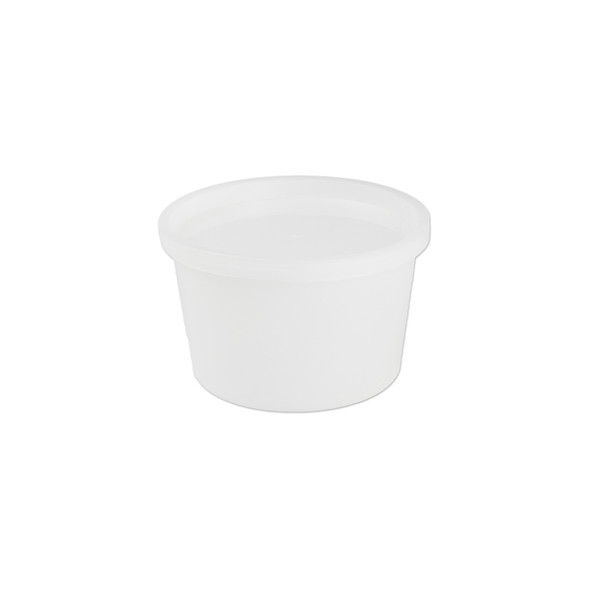
Medgen Laboratory Container with Snap on Lid – 16oz Capacity, Translucent Base and Lid, Non – Sterile, Case
Medgen
$122.99Medgen Laboratory Container with Snap on Lid is designed for busy lab environments where secure sample storage and easy identification matter. Whether you are handling routine specimen collection or...- SKU:
- 2732
- Case Quantity:
- 100/case
- Capacity / Volume:
- 16 oz (473 mL)
- Sterile:
- No
$122.99 -

Medgen Laboratory Container with Snap on Lid – 32oz Capacity, Translucent Base and Lid, 100/Case
Medgen
$145.99Medgen Laboratory Container with Snap on Lid is designed for busy labs that need reliable sample storage and handling. Whether you are preparing specimens or storing liquids, this container supports...- SKU:
- 2733
- Capacity / Volume:
- 32 oz (946 mL)
- Case Quantity:
- 100/case
- Sterile:
- No
$145.99 -

Medgen Laboratory Container with Snap on Lid – 84 oz Capacity, Translucent Base and Lid, Non-Sterile, 50/Case
Medgen
$152.99Medgen Laboratory Container with Snap on Lid is designed for busy lab environments where reliable sample storage is essential. Whether you're managing routine specimen collection or organizing bulk...- SKU:
- 02734A
- Capacity / Volume:
- 84 oz
- Sterile:
- No
- Color:
- Translucent Base and Lid
$152.99 -
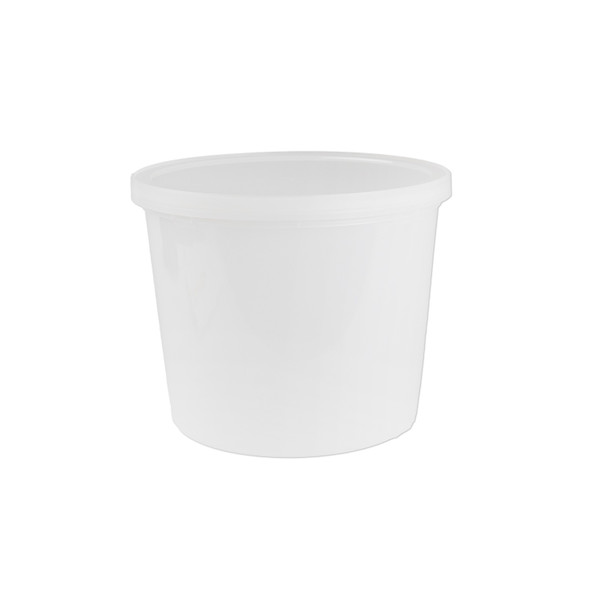
Medgen Laboratory Container – Snap-On Lid, 64 oz Capacity, Translucent Base and Lid, Non-Sterile, 50/Case
Medgen
$134.99Medgen Laboratory Container is designed for professionals who need reliable storage for samples and solutions. Whether you work in a clinical lab, research facility, or educational setting, this...- SKU:
- 02738A
- Capacity / Volume:
- 64 oz
- Packaging:
- 50/case
$134.99 -

Medgen Laboratory Container with Snap-On Lid – 174 oz Capacity, Translucent Base, Non-Sterile, 25/Case
Medgen
$168.99Medgen Laboratory Container with Snap-on Lid is designed for busy labs and clinics that need reliable storage for liquids or samples. The snap-on lid and sturdy handle make it easy to transport,...- SKU:
- 2739
- Capacity / Volume:
- 174 oz
- Case Quantity:
- 25/case
$168.99 -
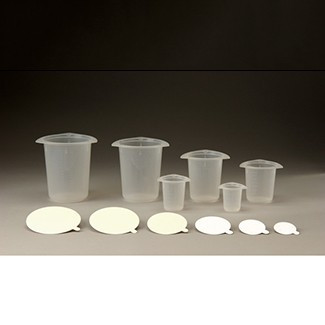

Medgen Tri-Pour Beaker – Three-Sided Pour Spouts, 1.5 oz (50 mL) Capacity, Polypropylene, Non-Sterile
Medgen
$44.99Medgen Tri-Pour Beaker makes measuring and pouring liquids easier for busy labs and clinics. If you need a reliable container for precise liquid handling, this beaker’s three-sided pour spouts and...- SKU:
- PB5935-050
- Capacity / Volume:
- 1.5 oz (50 mL)
- Color:
- Translucent
- Material:
- Polypropylene
- Packaging:
- 4 sleeves of 25 each, 100/case
$44.99 -
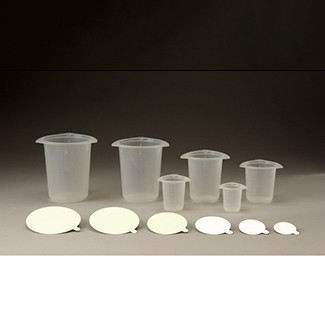
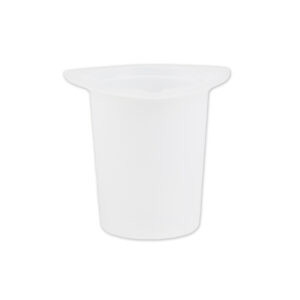
Medgen Tri-Pour Beakers and Paper Lids – 3.5 oz (100 mL) Capacity, Translucent, 100/case Packaging
Medgen
$49.99Medgen Tri-Pour Beakers and Paper Lids make measuring and transferring liquids easier for busy labs and clinics. If you need a reliable, non-sterile measuring container for daily sample prep or...- SKU:
- PB5935-100
- Capacity / Volume:
- 3.5 oz (100 mL)
- Case Quantity:
- 100/case (4 sleeves of 25 each)
- Packaging:
- 4 sleeves of 25 each, 100 per case
- Material:
- Translucent plastic
$49.99 -
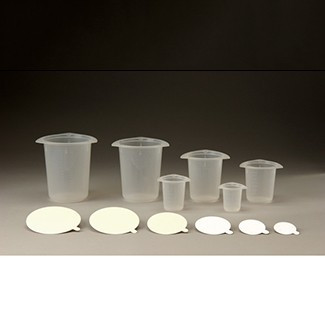

Medgen Tri-Pour Beakers and Paper Lids – 33 oz (1000 mL) Capacity, Translucent, 100/Case Packaging
Medgen
$114.99Medgen Tri-Pour Beakers and Paper Lids make measuring and pouring liquids easier for busy labs, clinics, and medical facilities. If you need a reliable, non-sterile measuring container for routine...- SKU:
- PB5935-1K0
- Case Quantity:
- 100/case
- Color:
- Translucent
- Capacity / Volume:
- 33 oz (1000 mL)
- Packaging:
- 4 sleeves of 25 each (100/case)
$114.99 -
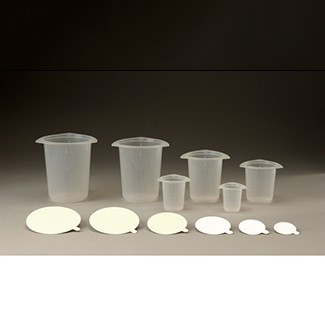
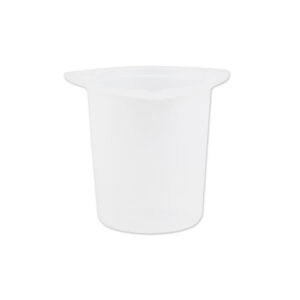
Medgen Tri-Pour Beakers and Paper Lids – 8 oz (250 mL) Capacity, Translucent, 4 Sleeves of 25 Each, 100/Case
Medgen
$63.99Medgen Tri-Pour Beakers and Paper Lids offer a practical solution for measuring and handling liquids in clinical and laboratory settings. If you need reliable, easy-to-use containers for routine...- SKU:
- PB5935-250
- Capacity / Volume:
- 8 oz (250 mL)
- Color:
- Translucent
- Packaging:
- 4 sleeves of 25 each, 100/case
$63.99 -
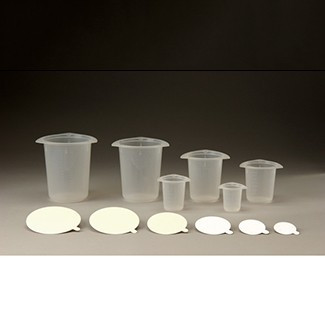

Medgen Tri-Pour Beakers and Paper Lids – 13 oz (400 mL) Capacity, Translucent, 100 per Case
Medgen
$79.99Medgen Tri-Pour Beakers and Paper Lids offer a practical solution for accurate liquid measurement and secure covering in laboratory and clinical settings. Designed for professionals who need reliable...- SKU:
- PB5935-400
- Capacity / Volume:
- 13 oz (400 mL)
- Packaging:
- 4 sleeves of 25 each
- Case Quantity:
- 100/case
$79.99 -
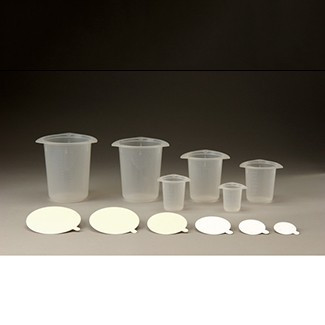
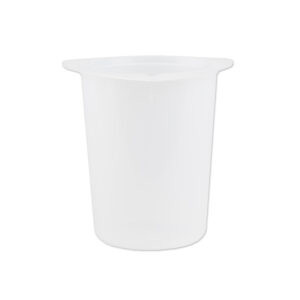
Medgen Tri-Pour Beakers and Paper Lids – 26 oz (800 mL) Capacity, Translucent, 100/case Packaging
Medgen
$109.99Medgen Tri-Pour Beakers and Paper Lids offer a practical solution for accurate liquid measurement and secure storage in laboratory and clinical settings. Designed for professionals who need...- SKU:
- PB5935-800
- Capacity / Volume:
- 26 oz (800 mL)
- Material:
- Translucent
- Packaging:
- 4 sleeves of 25 each (100/case)
$109.99 -
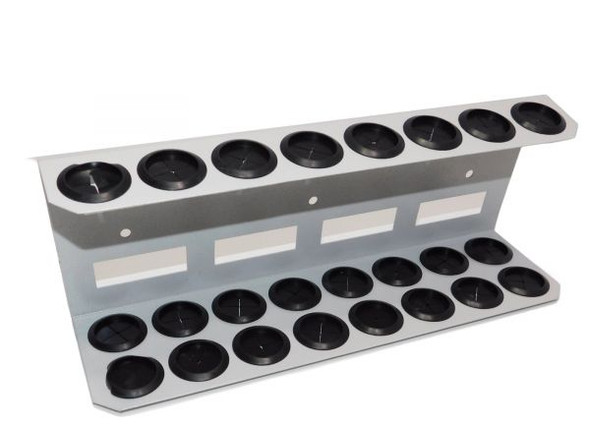

Unico TUBE Holdster Rack – 18-Place Capacity, Durable Wood Construction, Secure Tube Organization, Lab
Unico
$104.99TUBE Holdster Rack is designed for labs and clinics that need to keep sample tubes organized and secure. If you work with Tapped PowerSpin FX or LX centrifuges, this rack helps streamline your...- SKU:
- C800-18
- Material:
- Wood
$104.99 -


UNICO Tube-CUBE Single Place Tube Holder – Fits Containers Up to 66mm Diameter, Wood Construction
$44.99UNICO Tube-CUBE Single Place Tube Holder offers a simple way to keep your workspace organized and efficient. If you work in a small lab or need to store a single sample securely, this compact holder...- SKU:
- 54101
- Size:
- 5.5 in
- Material:
- Wood
$44.99 -


UNICO Tube-CUBE Tube Rack – 9-Place, 8–16mm Tube Diameter, Wood Construction
$44.99UNICO Tube-CUBE Tube Rack brings order to busy labs and research spaces. If you need to keep multiple sample tubes secure and organized, this compact cube rack is designed for you. Its stable wood...- SKU:
- 54901
- Size:
- 2 7/8 in (7.3 cm)
- Material:
- Wood
$44.99 -


Dukal Stainless Steel Beaker – Seamless, Autoclavable 18/8 Steel in 16 oz and 32 oz Sizes for Clinical Use
Dukal
$40.25 - $50.15The Dukal Stainless Steel Beaker is available in 16 oz and 32 oz sizes to suit a range of clinical and laboratory fluid handling needs. Manufactured from high-quality 18/8 (304) stainless steel, each...- Capacity / Volume:
- 16 oz (473 mL)
- Sterile:
- No
- Material:
- 18/8 Stainless Steel (304)
$40.25 - $50.15 -

McKesson 15 mL Centrifuge Tube – Non-Sterile, Leak-Resistant with Graduated Markings for Reliable Sample Processing
McKesson
$220.99The McKesson 15 mL Centrifuge Tube offers durable, chemical-resistant polypropylene construction with precision graduation markings and a secure screw cap, making it ideal for sample centrifugation,...- SKU:
- 177-6284
- Size:
- 0.67 x 4.72 inches (17 x 120 mm)
- Capacity / Volume:
- 15 mL
- Sterile:
- No
- Packaging:
- 500 tubes per case
- Closure:
- Blue screw cap
$220.99
About Glassware & Plasticware
Glassware and Plasticware are foundational tools in every laboratory, used for handling, measuring, mixing, and storing a wide variety of substances. From beakers and flasks to centrifuge tubes and reagent bottles, these vessels support everything from routine sample prep to high-precision analytical work. Whether reusable or disposable, sterile or non-sterile, high-quality labware ensures safety, accuracy, and consistency in all lab workflows.
Why Glassware and Plasticware Are Essential
Reliable labware is vital for conducting experiments, preparing reagents, and ensuring contamination-free sample handling. Glassware offers chemical resistance and thermal stability for complex procedures, while plasticware provides flexibility, disposability, and cost-efficiency. These tools are used across clinical, pharmaceutical, educational, and industrial laboratories to carry out essential functions that support research integrity, safety compliance, and workflow efficiency.
What Is Glassware and Plasticware?
Laboratory glassware and plasticware include a wide range of containers and vessels used for liquid handling, storage, heating, and analysis. Glassware is typically made from borosilicate or soda-lime glass, known for their durability and resistance to heat and chemicals. Plasticware is made from polymers like polypropylene (PP), polyethylene (PE), and polystyrene (PS), offering lightweight, break-resistant alternatives. Both types are available in reusable and single-use formats depending on the lab's needs.
Types of Glassware & Plasticware
Beakers
Best for: General mixing, heating, and liquid handling.
Beakers are cylindrical containers with spouts and graduations, ideal for simple transfers and reagent prep.
Key Features:
- Made from borosilicate glass or autoclavable plastic.
- Graduated markings for volume estimation.
- Wide opening for easy stirring or pouring.
- Available in a range of volumes (50 mL to 2,000 mL+).
- Resistant to acids, bases, and heat.
Applications:
- Solution preparation.
- General lab mixing tasks.
- pH testing and titrations.
- Educational lab use.
Erlenmeyer Flasks
Best for: Mixing, culturing, and heating liquids.
These conical flasks reduce splash risk and are ideal for mixing by swirling or storing liquid cultures.
Key Features:
- Narrow neck minimizes evaporation and contamination.
- Graduated volume markings.
- Screw-cap or stopper options for secure sealing.
- Available in both glass and plastic formats.
- Compatible with shakers and autoclaves.
Applications:
- Cell culture media prep.
- Microbiological or chemical reactions.
- Heating and boiling liquids.
- Sterile sample storage.
Test Tubes & Culture Tubes
Best for: Sample collection, heating, and reaction monitoring.
These small cylindrical tubes are used for qualitative observation or small-scale testing.
Key Features:
- Flat or round bottom with open or screw-cap tops.
- Rack-compatible diameters and lengths.
- Disposable and autoclavable versions available.
- Clear for easy visual inspection.
- Sterile options for sensitive biological work.
Applications:
- Blood, urine, or reagent testing.
- Heating small volumes in flame or water baths.
- Cell culture or microbial testing.
- Educational experiments.
Reagent Bottles & Storage Containers
Best for: Safe storage and dispensing of chemicals or reagents.
These containers feature screw or pour spouts with leak-proof closures.
Key Features:
- Amber and clear versions for light-sensitive reagents.
- Wide mouth or narrow neck depending on usage.
- Graduated for volume tracking.
- Made from chemically resistant PP, HDPE, or glass.
- Sterile or non-sterile options.
Applications:
- Reagent preparation and storage.
- Solution transfers and dispensing.
- Buffer or media storage.
- Sample archival.
Graduated Cylinders
Best for: Precise measurement of liquid volumes.
These tall, narrow vessels provide greater accuracy in volume reading than beakers.
Key Features:
- Molded graduations for easy visibility.
- Hexagonal base for stability.
- Pour spouts for safe liquid transfer.
- Available in plastic or glass.
- Range from 10 mL to 2,000 mL capacities.
Applications:
- Measuring reagents or chemicals.
- Quantitative analysis.
- Educational demonstrations.
- Liquid transfer in solution prep.
When to Use Glassware & Plasticware
- During solution prep, mixing, or dilution protocols.
- For sample heating, observation, or short-term storage.
- When precision measuring is required (e.g., graduated cylinders).
- In aseptic workflows requiring sterile, single-use containers.
- For chemical storage in light-protected or chemically inert containers.
How to Use Glassware & Plasticware
- Choose the appropriate item based on procedure requirements.
- Inspect for damage or contamination before use.
- Use with compatible instruments (e.g., stirrers, shakers, balances).
- Label containers clearly to avoid sample mix-ups.
- Clean, sterilize, or dispose of items according to lab protocols.
Key Features of Glassware & Plasticware
- Chemically resistant materials for use with acids, solvents, and reagents.
- Heat-tolerant glassware suitable for autoclaving and heating.
- Sterile and non-sterile versions support all lab environments.
- Graduated markings and ergonomic designs improve usability.
- Wide variety of formats and volumes accommodate every lab task.
Benefits of Glassware & Plasticware
Reliable labware contributes directly to experimental success and sample integrity. Glassware provides long-term durability and clarity for chemical procedures, while plasticware offers convenience, disposability, and safety in high-throughput or sensitive workflows. With standardized sizing, compatibility with instruments, and options for sterility, labware products ensure your team works faster, cleaner, and with full confidence in the accuracy of every task.
How to Choose the Right Glassware & Plasticware
- Consider the procedure: use glass for heating or solvents; plastic for disposability and convenience.
- Check compatibility: ensure sizing works with racks, shakers, or instruments.
- Select sterility level: sterile for molecular and diagnostic work; non-sterile for general use.
- Match volume and shape to storage, transfer, or mixing needs.
- Choose amber or opaque material for light-sensitive reagents.
Frequently Asked Questions (FAQs)
Q: When should I use glass instead of plastic?
A: Use glass when heat resistance or solvent compatibility is critical. Plastic is preferred for low-risk, disposable tasks.
Q: Are all lab plasticware items autoclavable?
A: No. Only certain plastics like PP and PC are autoclavable. Always check product specifications.
Q: Can I use the same plasticware for acids and solvents?
A: It depends on the chemical. Some plastics degrade with strong solvents or acids. PTFE or glass is safer for aggressive substances.
Q: Are volumes on plasticware as accurate as those on glassware?
A: Glassware tends to offer better precision. For high-accuracy measurements, use graduated cylinders or volumetric flasks.
Q: How should I clean reusable labware?
A: Use lab-grade detergents followed by sterilization, either via autoclaving or dry heat, as per your lab’s SOPs.
Related Products
- Cryovials & Tubes: For sample storage, freezing, and transport.
- Pipette Tips & Pipettes: For accurate measurement and liquid transfer into labware.
- Labels & Film: For identifying and sealing beakers, flasks, or reagent bottles.
- Cleaning Supplies & Autoclaves: For safe decontamination and reuse of glass items.
Equip your lab with premium glassware and plasticware from MedicalEx—built for durability, precision, and reliability. From daily use disposables to reusable chemical-resistant containers, we offer trusted labware solutions that meet every research and clinical need. Shop now and streamline your lab with dependable labware essentials.