
Central Venous Catheters
Central Venous Catheters (CVCs) are specialized medical devices used to provide reliable access to large central veins for the delivery of medications, fluids, nutrients, and blood products. Unlike peripheral catheters, CVCs are designed for long-term or high-volume therapies, making them essential in critical care, oncology, and long-term intravenous (IV) treatments. With advanced features to enhance patient safety and comfort, CVCs are widely used in hospitals, outpatient clinics, and home healthcare settings.
Why Are Central Venous Catheters Essential?
CVCs provide stable and secure venous access for administering life-saving treatments, drawing blood, and managing high-volume or high-concentration infusions that peripheral veins cannot handle. Their ability to deliver multiple therapies simultaneously through multiple lumens makes them indispensable in complex medical cases, ensuring optimal patient outcomes in acute and long-term care scenarios.
Types of Central Venous Catheters
1. Tunneled Central Venous Catheters
Tunneled CVCs are surgically implanted under the skin and inserted into a large vein, making them suitable for long-term use.
Applications
- Chemotherapy, dialysis, and parenteral nutrition.
- Long-term infusion therapies requiring durable venous access.
Key Features
- Placed under the skin to reduce infection risk.
- Durable design for months or years of use.
- Secured with a cuff that promotes tissue growth for stability.
2. Non-Tunneled Central Venous Catheters
Non-tunneled CVCs are inserted directly into a large vein, typically in the neck, chest, or groin, and are used for short-term critical care.
Applications
- Emergency medication administration in ICU settings.
- Short-term therapies requiring immediate central access.
Key Features
- Direct insertion for rapid venous access.
- Typically used for a few days to weeks.
- Requires sterile environments to minimize infection risks.
3. Peripherally Inserted Central Catheters (PICC Lines)
PICC lines are inserted through a peripheral vein in the arm and advanced to a central vein near the heart, providing intermediate-to-long-term venous access.
Applications
- Long-term antibiotic therapy or parenteral nutrition.
- Outpatient chemotherapy or infusion therapy.
Key Features
- Less invasive placement compared to tunneled CVCs.
- Can remain in place for weeks to months.
- Lower risk of complications compared to non-tunneled CVCs.
4. Implantable Ports (Port-a-Caths)
Implantable ports are small devices placed under the skin and connected to a central vein, ideal for long-term treatments requiring frequent access.
Applications
- Oncology treatments requiring multiple rounds of chemotherapy.
- Long-term IV therapies with intermittent use.
Key Features
- Subcutaneous placement for discreet use.
- Long-lasting design for years of use.
- Requires a special needle (Huber needle) for access.
5. Hemodialysis Catheters
Hemodialysis catheters are specialized CVCs designed for high-flow blood access, used primarily for dialysis in patients with kidney failure.
Applications
- Temporary or long-term hemodialysis treatments.
- Plasma exchange and other extracorporeal therapies.
Key Features
- Dual-lumen design for simultaneous blood removal and return.
- High-flow capacity to support dialysis efficiency.
- Durable materials to withstand repeated use.
Key Features of Central Venous Catheters
- Multiple Lumens: Allow simultaneous delivery of incompatible medications or therapies.
- Durability: Designed for long-term or high-volume use, depending on the type.
- Versatility: Suitable for medication delivery, parenteral nutrition, and blood sampling.
- Safety Features: Advanced designs reduce infection risks and improve patient comfort.
- Customizable Options: Available in different lengths, lumen counts, and materials to meet patient-specific needs.
- Ease of Monitoring: Radiopaque markers or tips allow for precise placement confirmation via imaging.
Benefits of Central Venous Catheters
1. Reliable Long-Term Venous Access
CVCs provide stable and dependable access to large veins, ensuring uninterrupted delivery of therapies over extended periods.
2. High-Volume and High-Concentration Therapy
These catheters accommodate treatments requiring large volumes, rapid infusions, or high-concentration medications that peripheral veins cannot handle.
3. Reduced Patient Discomfort
By eliminating the need for repeated venipunctures, CVCs enhance patient comfort and improve treatment adherence.
4. Multitasking Capability
Multiple lumens allow for simultaneous administration of different medications, fluids, or blood products.
5. Enhanced Infection Control
Advanced materials, antimicrobial coatings, and subcutaneous placement options reduce the risk of bloodstream infections.
Real-World Applications
1. Oncology and Chemotherapy
- Delivering multiple rounds of chemotherapy while minimizing vein damage.
- Providing venous access for hydration, anti-nausea medications, or blood transfusions.
2. Critical Care
- Rapid delivery of life-saving medications in ICU settings.
- Monitoring central venous pressure (CVP) to guide fluid management.
3. Dialysis and Extracorporeal Therapies
- Facilitating high-flow blood access for dialysis treatments in patients with kidney failure.
4. Parenteral Nutrition
- Long-term intravenous feeding for patients unable to consume or absorb nutrients orally.
5. Outpatient and Home Healthcare
- Supporting long-term infusion therapies in chronic conditions like infections, malnutrition, or autoimmune diseases.
Frequently Asked Questions (FAQs)
1. How long can a central venous catheter stay in place?
The duration depends on the type of catheter. Non-tunneled CVCs are used for days to weeks, while tunneled CVCs, PICC lines, and implantable ports can last for months to years with proper care.
2. Are central venous catheters painful to insert?
Insertion is performed under local anesthesia or sedation, minimizing pain. Most patients report minimal discomfort during the procedure.
3. How are infections prevented with CVCs?
Proper care, including regular cleaning, dressing changes, and antimicrobial coatings, reduces the risk of catheter-related bloodstream infections (CRBSIs).
4. Can CVCs be used for blood draws?
Yes, most CVCs, including PICC lines and tunneled catheters, allow for blood sampling as well as medication delivery.
5. What is the difference between a PICC line and a tunneled catheter?
PICC lines are inserted into peripheral veins in the arm and advanced to a central vein, while tunneled catheters are surgically placed under the skin and inserted into large central veins for long-term use.
Equip your healthcare facility with premium Central Venous Catheters (CVCs) tailored for reliable, safe, and efficient intravenous therapy. Explore our range of tunneled catheters, PICC lines, implantable ports, and hemodialysis catheters for diverse clinical needs.
-
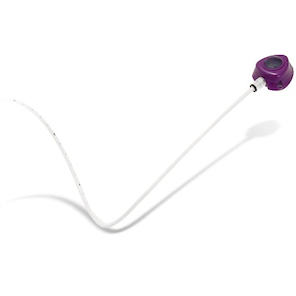
Bard Medical PowerPort M.R.I. Implantable Port – 8 French ChronoFlex Catheter, AirGuard Introducer Kit
Bard Medical
$2,954.99Bard Medical PowerPort M.R.I. Implantable Port provides implantable venous access for repeated therapy. The listed configuration centers on Attachable ChronoFlex® Polyurethane, with AirGuard™ Valved...- SKU:
- 1808000
$2,954.99 -
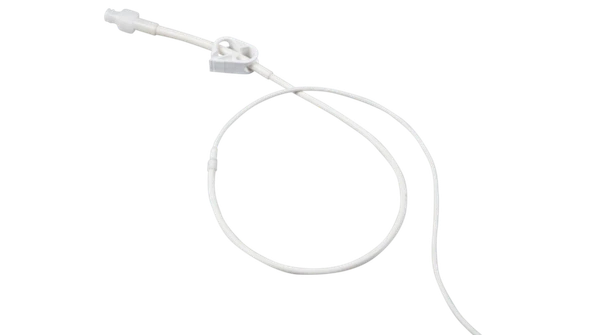
Bard Medical Broviac Single Lumen Catheter – Cutdown Procedure Tray, 3 Configuration Options
Bard Medical
$498.99 - $688.99Bard Medical Broviac Single Lumen Catheter supports the urinary care it is specified for in clinical use. Bard specifies the configuration for in procedure rooms, so the setup matches the team that...$498.99 - $688.99 -

Bard Medical Broviac Single Lumen Catheter with Peel-Apart Introducer – 1 ea, For Central Venous Access
Bard Medical
$983.99Bard Medical Broviac Single Lumen Catheter with Peel-Apart supports the urinary care it is specified for in clinical use. The listed configuration centers on 4.2 FR, with 71 cm rounding out the...- SKU:
- 0600520
$983.99 -

ICU Medical Port-A-Cath II Power & Port-A-Cath II P/T Implantable Venous Access Systems – Self-Seal
ICU Medical
$657.99 - $1,212.99ICU Medical Port-A-Cath II Power & Port-A-Cath II P/T open repeated access into the venous system for parenteral therapy and blood sampling. Power-rated patterns take contrast injection up to 5...- Quantity Per Box:
- ea
$657.99 - $1,212.99 -

ICU Medical Port-A-Cath II & Port-A-Cath II Power Implantable Venous Access Systems – Dual Ports
ICU Medical
$1,274.99ICU Medical Port-A-Cath II & Port-A-Cath II Power give clinicians two access points into a vein for medicines, fluids, nutrition, and blood draws. A low-profile portal in polysulfone and titanium...- SKU:
- 21-8468-24
- Quantity Per Box:
- 1 each
$1,274.99 -

ICU Medical Port-A-Cath & Port-A-Cath Power Titanium Implantable Venous Access Systems – Self-Seal
ICU Medical
$632.99 - $1,160.99ICU Medical Port-A-Cath & Port-A-Cath Power Titanium build long-term venous access around a titanium portal with a rounded shape and beveled suture holes. Standard and low-profile patterns fit the...- Quantity Per Box:
- ea
$632.99 - $1,160.99 -

BD Power-Trialysis Slim-Cath Short-Term Dialysis Catheter – 12.0 Fr, 30 cm Insertion Length
BD
$2,736.99Power-Trialysis Slim-Cath Short-Term Dialysis Catheter is designed for clinicians who need reliable vascular access for acute dialysis procedures. This catheter supports efficient treatment sessions...- SKU:
- 5855300
- Packaging:
- 5/shelfpack, 50/case
$2,736.99 -

BD Power-Trialysis Slim-Cath Short-Term Dialysis Catheter – 24 cm, 12.0 Fr, Straight Configuration
BD
$2,736.99Power-Trialysis Slim-Cath Short-Term Dialysis Catheter is designed for clinicians who need reliable vascular access for acute dialysis. This catheter offers a slim profile and straight configuration,...- SKU:
- 5855240
- Packaging:
- 5/shelfpack, 50/case
$2,736.99 -

BD Power-Trialysis Slim-Cath Short-Term Dialysis Catheter – 20 cm, Straight Extension Legs
BD
$2,775.99Power-Trialysis Slim-Cath Short-Term Dialysis Catheter is designed for clinicians who need reliable vascular access for acute dialysis. This catheter offers a slim profile and advanced features to...- SKU:
- 5855200G
- Length:
- 20 cm
$2,775.99 -

BD Power-Trialysis Slim-Cath Short-Term Dialysis Catheter – 12.0 Fr Size, 20 cm Insertion Length
BD
$2,736.99Power-Trialysis Slim-Cath Short-Term Dialysis Catheter is designed for clinicians who need reliable vascular access for acute dialysis. This catheter supports efficient procedures and helps patients...- SKU:
- 5855200
- Packaging:
- 5/shelfpack, 50/case
$2,736.99 -


BD Power-Trialysis Short-Term Straight Dialysis Catheter Tray – 24 cm Insertion Length, 13.0 Fr
BD
$2,822.99Power-Trialysis Short-Term Straight Dialysis Catheter Tray is designed for clinicians who need reliable vascular access for acute dialysis procedures. When every second counts, this catheter tray...- SKU:
- 5605240
- Packaging:
- 5/shelfpack, 50/case
$2,822.99 -

BD Duoglide Short-Term Curved Extension Dialysis Catheter – 13 Fr, 24 cm Insertion Length, Full Procedure Tray
BD
$2,631.99BD Duoglide Short-Term Curved Extension Dialysis Catheter is designed for clinicians who need reliable, short-term vascular access for hemodialysis, hemoperfusion, or apheresis therapy. This dual...- SKU:
- 5626240
- Packaging:
- 5/shelfpack, 50/case
$2,631.99 -

BD Duoglide Short-Term Curved Extension Dialysis Catheter – 13 Fr, 20 cm Insertion Length, Dual Lumen
BD
$2,631.99BD Duoglide Short-Term Curved Extension Dialysis Catheter is designed for clinicians who need reliable short-term vascular access for hemodialysis, hemoperfusion, or apheresis therapy. When time and...- SKU:
- 5626200
- Packaging:
- 5/shelfpack, 50/case
$2,631.99 -

BD Duoglide Short-Term Curved Extension Dialysis Catheter – 13 Fr Dual Lumen, 15 cm Insertion Length
BD
$2,631.99BD Duoglide Short-Term Curved Extension Dialysis Catheter is designed for clinicians who need reliable, short-term vascular access for hemodialysis, hemoperfusion, or apheresis therapy. This catheter...- SKU:
- 5626150
$2,631.99 -

BD Duoglide Short-Term Straight Dialysis Catheter – 13 Fr Dual Lumen, 20 cm Insertion Length
BD
$2,759.99BD Duoglide Short-Term Straight Dialysis Catheter is designed for clinicians who need reliable, short-term vascular access for hemodialysis, hemoperfusion, or apheresis therapy. This catheter...- SKU:
- 5625200
- Case Quantity:
- 50/case
$2,759.99 -

BD Power-Trialysis Slim-Cath Short-Term Dialysis Catheter – 12.0 Fr, 15 cm Insertion Length
BD
$2,736.99Power-Trialysis Slim-Cath Short-Term Dialysis Catheter is designed for clinicians seeking a reliable solution for acute dialysis access. This catheter offers a slim profile and straightforward...- SKU:
- 5855150
$2,736.99 -


BD Power-Trialysis Short-Term Dialysis Catheter Tray – 13 Fr, Alphacurve Catheter, 15 cm Insertion Length
BD
$2,970.99Power-Trialysis Short-Term Dialysis Catheter Tray is designed for clinicians who need reliable vascular access for acute dialysis procedures. This tray combines a 13 Fr Alphacurve catheter with a 15...- SKU:
- 5655150
- Packaging:
- 5/shelfpack, 50/case
$2,970.99 -


BD Power-Trialysis Short-Term Straight Dialysis Catheter Tray – 13.0 Fr, 15 cm Insertion Length
BD
$2,822.99Power-Trialysis Short-Term Straight Dialysis Catheter Tray is designed for clinicians who need reliable vascular access for acute dialysis procedures. This catheter tray supports efficient workflows...- SKU:
- 5605150
- Case Quantity:
- 50/case
$2,822.99 -


BD Power-Trialysis Short-Term Curved Extension Dialysis Catheter Kit – 13.0 Fr, 15 cm Insertion Length
BD
$2,512.99Power-Trialysis Short-Term Curved Extension Dialysis Catheter Kit is designed for clinicians who need reliable vascular access for acute dialysis procedures. This kit supports efficient setup and...- SKU:
- 5613150
- Packaging:
- 5/shelfpack, 50/case
$2,512.99 -

BD DuoGlide Short-Term Curved Extension Dialysis Catheter – 13 Fr Dual Lumen, 12.5 cm Insertion Length
BD
$2,631.99BD DuoGlide Short-Term Curved Extension Dialysis Catheter is designed for clinicians seeking reliable short-term vascular access for hemodialysis, hemoperfusion, or apheresis therapy. This catheter...- SKU:
- 5626120
- Case Quantity:
- 50/case
$2,631.99
About Central Venous Catheters
Central Venous Catheters (CVCs) are specialized medical devices used to provide reliable access to large central veins for the delivery of medications, fluids, nutrients, and blood products. Unlike peripheral catheters, CVCs are designed for long-term or high-volume therapies, making them essential in critical care, oncology, and long-term intravenous (IV) treatments. With advanced features to enhance patient safety and comfort, CVCs are widely used in hospitals, outpatient clinics, and home healthcare settings.
Why Are Central Venous Catheters Essential?
CVCs provide stable and secure venous access for administering life-saving treatments, drawing blood, and managing high-volume or high-concentration infusions that peripheral veins cannot handle. Their ability to deliver multiple therapies simultaneously through multiple lumens makes them indispensable in complex medical cases, ensuring optimal patient outcomes in acute and long-term care scenarios.
Types of Central Venous Catheters
1. Tunneled Central Venous Catheters
Tunneled CVCs are surgically implanted under the skin and inserted into a large vein, making them suitable for long-term use.
Applications
- Chemotherapy, dialysis, and parenteral nutrition.
- Long-term infusion therapies requiring durable venous access.
Key Features
- Placed under the skin to reduce infection risk.
- Durable design for months or years of use.
- Secured with a cuff that promotes tissue growth for stability.
2. Non-Tunneled Central Venous Catheters
Non-tunneled CVCs are inserted directly into a large vein, typically in the neck, chest, or groin, and are used for short-term critical care.
Applications
- Emergency medication administration in ICU settings.
- Short-term therapies requiring immediate central access.
Key Features
- Direct insertion for rapid venous access.
- Typically used for a few days to weeks.
- Requires sterile environments to minimize infection risks.
3. Peripherally Inserted Central Catheters (PICC Lines)
PICC lines are inserted through a peripheral vein in the arm and advanced to a central vein near the heart, providing intermediate-to-long-term venous access.
Applications
- Long-term antibiotic therapy or parenteral nutrition.
- Outpatient chemotherapy or infusion therapy.
Key Features
- Less invasive placement compared to tunneled CVCs.
- Can remain in place for weeks to months.
- Lower risk of complications compared to non-tunneled CVCs.
4. Implantable Ports (Port-a-Caths)
Implantable ports are small devices placed under the skin and connected to a central vein, ideal for long-term treatments requiring frequent access.
Applications
- Oncology treatments requiring multiple rounds of chemotherapy.
- Long-term IV therapies with intermittent use.
Key Features
- Subcutaneous placement for discreet use.
- Long-lasting design for years of use.
- Requires a special needle (Huber needle) for access.
5. Hemodialysis Catheters
Hemodialysis catheters are specialized CVCs designed for high-flow blood access, used primarily for dialysis in patients with kidney failure.
Applications
- Temporary or long-term hemodialysis treatments.
- Plasma exchange and other extracorporeal therapies.
Key Features
- Dual-lumen design for simultaneous blood removal and return.
- High-flow capacity to support dialysis efficiency.
- Durable materials to withstand repeated use.
Key Features of Central Venous Catheters
- Multiple Lumens: Allow simultaneous delivery of incompatible medications or therapies.
- Durability: Designed for long-term or high-volume use, depending on the type.
- Versatility: Suitable for medication delivery, parenteral nutrition, and blood sampling.
- Safety Features: Advanced designs reduce infection risks and improve patient comfort.
- Customizable Options: Available in different lengths, lumen counts, and materials to meet patient-specific needs.
- Ease of Monitoring: Radiopaque markers or tips allow for precise placement confirmation via imaging.
Benefits of Central Venous Catheters
1. Reliable Long-Term Venous Access
CVCs provide stable and dependable access to large veins, ensuring uninterrupted delivery of therapies over extended periods.
2. High-Volume and High-Concentration Therapy
These catheters accommodate treatments requiring large volumes, rapid infusions, or high-concentration medications that peripheral veins cannot handle.
3. Reduced Patient Discomfort
By eliminating the need for repeated venipunctures, CVCs enhance patient comfort and improve treatment adherence.
4. Multitasking Capability
Multiple lumens allow for simultaneous administration of different medications, fluids, or blood products.
5. Enhanced Infection Control
Advanced materials, antimicrobial coatings, and subcutaneous placement options reduce the risk of bloodstream infections.
Real-World Applications
1. Oncology and Chemotherapy
- Delivering multiple rounds of chemotherapy while minimizing vein damage.
- Providing venous access for hydration, anti-nausea medications, or blood transfusions.
2. Critical Care
- Rapid delivery of life-saving medications in ICU settings.
- Monitoring central venous pressure (CVP) to guide fluid management.
3. Dialysis and Extracorporeal Therapies
- Facilitating high-flow blood access for dialysis treatments in patients with kidney failure.
4. Parenteral Nutrition
- Long-term intravenous feeding for patients unable to consume or absorb nutrients orally.
5. Outpatient and Home Healthcare
- Supporting long-term infusion therapies in chronic conditions like infections, malnutrition, or autoimmune diseases.
Frequently Asked Questions (FAQs)
1. How long can a central venous catheter stay in place?
The duration depends on the type of catheter. Non-tunneled CVCs are used for days to weeks, while tunneled CVCs, PICC lines, and implantable ports can last for months to years with proper care.
2. Are central venous catheters painful to insert?
Insertion is performed under local anesthesia or sedation, minimizing pain. Most patients report minimal discomfort during the procedure.
3. How are infections prevented with CVCs?
Proper care, including regular cleaning, dressing changes, and antimicrobial coatings, reduces the risk of catheter-related bloodstream infections (CRBSIs).
4. Can CVCs be used for blood draws?
Yes, most CVCs, including PICC lines and tunneled catheters, allow for blood sampling as well as medication delivery.
5. What is the difference between a PICC line and a tunneled catheter?
PICC lines are inserted into peripheral veins in the arm and advanced to a central vein, while tunneled catheters are surgically placed under the skin and inserted into large central veins for long-term use.
Equip your healthcare facility with premium Central Venous Catheters (CVCs) tailored for reliable, safe, and efficient intravenous therapy. Explore our range of tunneled catheters, PICC lines, implantable ports, and hemodialysis catheters for diverse clinical needs.