
Centrifuges
Centrifuges are essential laboratory instruments used to separate components of a liquid sample based on density using centrifugal force. Commonly used in clinical, research, and industrial labs, centrifuges isolate plasma or serum from blood, concentrate cells, or clarify biological fluids. Whether preparing diagnostic specimens, purifying nucleic acids, or separating cell cultures, centrifuges are critical to accurate sample processing and high-integrity lab workflows.
Why Centrifuges Are Essential
Many diagnostic and research procedures require pre-processed samples—such as serum, plasma, or cell pellets. Centrifuges accelerate these workflows by rapidly and efficiently separating fluids without manual filtration or sedimentation. By improving throughput, consistency, and sample integrity, centrifuges reduce error and support reliable downstream analysis. From clinical chemistry to microbiology and molecular biology, centrifuges are foundational to lab efficiency and accuracy.
What Are Centrifuges?
Centrifuges are instruments that spin liquid samples at high speeds, generating centrifugal force to separate components by density. Denser particles move outward, forming a pellet, while lighter components remain in the supernatant. Centrifuges are available in various formats—clinical, micro, high-speed, refrigerated, and ultracentrifuges—each suited to different sample types and volumes. Most lab centrifuges include safety features, programmable settings, and interchangeable rotors for flexibility.
Types of Centrifuges
Clinical Centrifuges
Best for: Routine blood sample processing in hospitals and diagnostic labs.
These benchtop centrifuges are optimized for serum/plasma separation in blood collection tubes.
Key Features:
- Spin speeds of ~2,000–5,000 RPM.
- Fixed-angle or swing-out rotors.
- Compatible with common vacutainers (e.g., 5–15 mL).
- Digital or analog speed/time controls.
- Compact, easy-to-use design.
Applications:
- Serum and plasma separation for chemistry and immunoassays.
- Pre-centrifugation for hematology or coagulation testing.
- Urine sediment preparation.
- PRP and PPP prep in clinical or cosmetic procedures.
Microcentrifuges
Best for: Small-volume sample processing in molecular biology and PCR workflows.
These high-speed centrifuges are used with microtubes (0.2–2.0 mL).
Key Features:
- Speeds up to 14,000–16,000 RPM.
- Rotor capacity: 6–24 microtubes.
- Quiet, vibration-free operation.
- Snap-lid or automatic lock systems.
- Available in refrigerated or non-refrigerated versions.
Applications:
- Nucleic acid and protein purification.
- PCR and spin-column prep.
- Bacterial and cell pelleting.
- Sample concentration or desalinization.
High-Speed and Refrigerated Centrifuges
Best for: Processing temperature-sensitive or large-volume samples.
These models offer precise temperature control and higher g-forces for more advanced separation.
Key Features:
- Speed range up to 20,000 RPM.
- Cooling range: -10°C to +40°C.
- Interchangeable rotors (swing, fixed-angle, microplate).
- Programmable memory for repeat protocols.
- Safety lid lock and imbalance detection.
Applications:
- DNA/RNA extractions requiring cold spin.
- Protein isolation and precipitation.
- Plasma, urine, or cell fractionation.
- Biotech, pharma, and cell biology labs.
Cytocentrifuges
Best for: Concentrating cells onto microscope slides for cytological analysis.
These specialized centrifuges produce monolayer cell preparations for easier staining and diagnosis.
Key Features:
- Slide adaptors and fluid shields.
- Low-speed, gentle spin protocols.
- Controlled deposition of cells on slide.
- Easy clean-up and single-use chambers.
- Ideal for preserving cell morphology.
Applications:
- Cancer cytology and PAP smears.
- CSF and fluid cytology.
- Fine needle aspiration (FNA) prep.
- Hematopathology and microbiology.
When to Use Centrifuges
- To separate serum or plasma from blood prior to testing.
- When isolating nucleic acids or proteins for molecular workflows.
- For concentrating cells or sedimenting bacteria.
- To clarify samples in research, food, or industrial labs.
- When processing large volumes or temperature-sensitive specimens.
How to Use Centrifuges
- Select the appropriate rotor and tube adaptors.
- Load samples evenly and balance the rotor.
- Set desired speed (RPM) and time.
- Close and secure the lid before starting the run.
- Wait for complete stop before opening and retrieving tubes.
Key Features of Centrifuges
- Versatile rotor systems for varying tube sizes and applications.
- Adjustable speed and time settings for custom protocols.
- Safety features including lid locks and imbalance detection.
- Compact or high-capacity formats for labs of all sizes.
- Refrigerated options to protect heat-sensitive samples.
Benefits of Centrifuges
Centrifuges enhance sample preparation by reducing turnaround time, improving consistency, and preserving specimen quality. Whether used for clinical testing or life sciences research, they eliminate manual separation steps and support high-throughput workflows. With models suited for every lab environment—from micro preps to cytology—they are vital for ensuring sample integrity and accurate downstream testing.
How to Choose the Right Centrifuge
- Match to your sample type: blood, microtubes, plates, or cytology slides.
- Check speed and capacity requirements for your applications.
- Decide between fixed-angle or swing-bucket rotors based on separation goals.
- Evaluate need for temperature control (e.g., nucleic acid or protein work).
- Consider available space and safety features for your lab setup.
Frequently Asked Questions (FAQs)
Q: Can centrifuges be used with blood collection tubes?
A: Yes. Clinical centrifuges with appropriate rotor inserts support most standard vacutainers.
Q: What’s the difference between fixed-angle and swing-out rotors?
A: Fixed-angle rotors are faster and ideal for pelleting. Swing-out rotors allow horizontal separation for clearer plasma or serum layers.
Q: Do I need a refrigerated centrifuge?
A: If you're spinning heat-sensitive samples like RNA or proteins, a refrigerated unit helps preserve sample integrity.
Q: How do I balance the centrifuge?
A: Always load tubes in pairs of equal weight, directly opposite each other in the rotor.
Q: How often should centrifuges be calibrated?
A: Calibration should be performed at least annually, or as recommended by your quality system or instrument manufacturer.
Related Products
- Blood Collection Tubes: Compatible with clinical and swing-out rotors.
- Microcentrifuge Tubes: For use with molecular and microspin protocols.
- Tube Racks & Adapters: Ensure secure and balanced loading.
- Controls & Calibrators: For quality control and result standardization post-centrifugation.
Streamline your sample prep with reliable, high-performance centrifuges from MedicalEx. Whether you're processing blood, DNA, or cells, our centrifuges deliver safe, efficient, and reproducible separation across all lab environments. Shop now for the right centrifuge solution to meet your clinical or research needs.
-

Unico PowerSpin Benchtop Centrifuge – 12V, Benchtop Sample Preparation for Clinical and Research Labs
Unico
$821.99The Unico PowerSpin Benchtop Centrifuge is built to spin blood, urine and microhematocrit samples down to a clean separation. It is made to spin blood, urine and microhematocrit samples down to a...- SKU:
- C82608
$821.99 -

Unico Porta-Spin AC Adapter for PowerSpin Centrifuges – European Power Cord, 220V, Rotor and Tube Handling
Unico
$357.99The Unico Porta-Spin AC Adapter for PowerSpin Centrifuges is built to keep rotors loaded evenly and tubes seated securely through every run. It is part of that Unico bench line, made to keep rotors...- SKU:
- C826-12E
$357.99 -

Unico Tube Shield for PowerSpin Centrifuges – 2/pk, Rotor and Tube Handling for Clinical and Research Labs
Unico
$56.99The Unico Tube Shield for PowerSpin Centrifuges is built to keep rotors loaded evenly and tubes seated securely through every run. This tube shield for powerspin centrifuges is built to keep rotors...- SKU:
- C822-02
$56.99 -

Unico Horizontal Rotor for PowerSpin Centrifuges – 6 Place, Genuine Unico Part for Clinical and Research Labs
Unico
$435.99The Unico Horizontal Rotor for PowerSpin Centrifuges is built to keep rotors loaded evenly and tubes seated securely through every run. This horizontal rotor for powerspin centrifuges keeps its job...- SKU:
- C822-01
$435.99 -
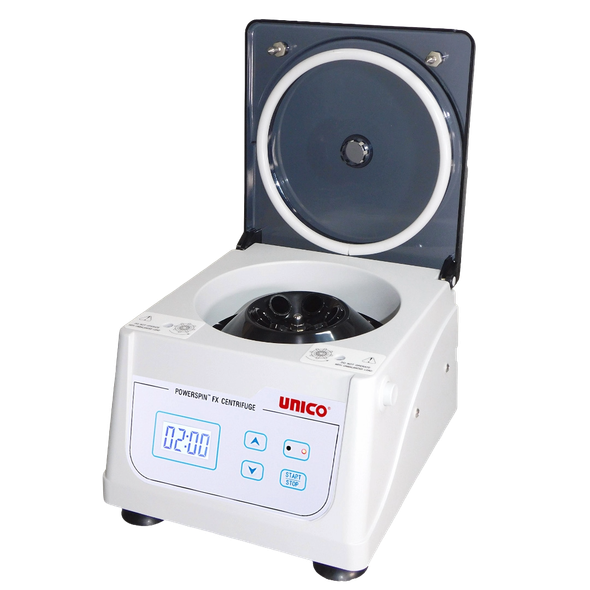

Unico PowerSpin Benchtop Centrifuge – Fixed Speed 3,400 RPM, 6 Place Rotor, 30 min. Timer, Genuine Unico Part
Unico
$672.99The Unico PowerSpin Benchtop Centrifuge is built to spin blood, urine and microhematocrit samples down to a clean separation. It is built to spin blood, urine and microhematocrit samples down to a...- SKU:
- C806H
$672.99 -


Unico PowerSpin Benchtop Centrifuge – Digital, USA Plug, 110v, 60hz, 20 x 18 x 16, Benchtop Sample Preparation
Unico
$650.99The Unico PowerSpin Benchtop Centrifuge is built to spin blood, urine and microhematocrit samples down to a clean separation. This powerspin benchtop centrifuge keeps its job simple: spin blood,...- SKU:
- C80508
$650.99 -
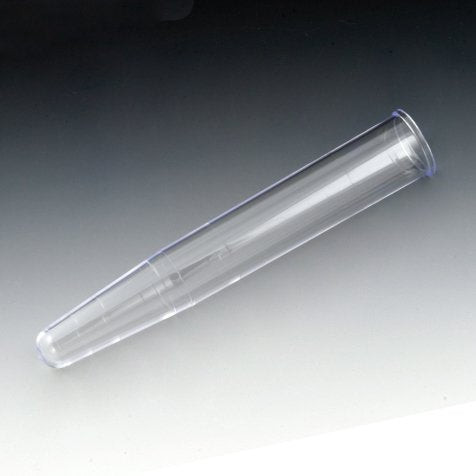
Unico Conical Urine Tubes for PowerSpin Centrifuges – 12mL, Graduated, 2000/pk for Clinical and Research Labs
Unico
$561.99The Unico Conical Urine Tubes for PowerSpin Centrifuges are built to keep rotors loaded evenly and tubes seated securely through every run. This conical urine tubes for powerspin centrifuges keeps...- SKU:
- C800-500-2K
$561.99 -


Unico Adapter for PowerSpin Centrifuges – 4 Place Microhematocrit Tube, 2/pk for Clinical and Research Labs
Unico
$270.99The Unico Adapter for PowerSpin Centrifuges is built to keep rotors loaded evenly and tubes seated securely through every run. It is part of that Unico bench line, made to keep rotors loaded evenly...- SKU:
- C800-34
$270.99 -

Unico Fuse for PowerSpin Centrifuges – 250V, 4 Amp, Rotor and Tube Handling for Clinical and Research Labs
Unico
$34.99The Unico Fuse for PowerSpin Centrifuges is built to keep rotors loaded evenly and tubes seated securely through every run. This fuse for powerspin centrifuges keeps its job simple: keep rotors...- SKU:
- C800-10
$34.99 -

Unico Adapter for PowerSpin Centrifuges – 10 mm Tube Lift, 12/pk for Clinical and Research Labs
Unico
$111.99The Unico Adapter for PowerSpin Centrifuges is built to keep rotors loaded evenly and tubes seated securely through every run. It is built to keep rotors loaded evenly and tubes seated securely...- SKU:
- C800-05
$111.99 -
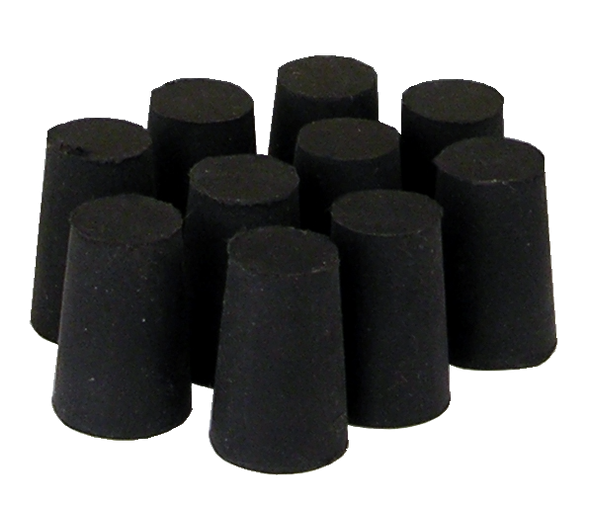
Unico Adapter for PowerSpin Centrifuges – FX/VX/LX/MX and PortaSpin, 6/pk for Clinical and Research Labs
Unico
$84.99The Unico Adapter for PowerSpin Centrifuges is built to keep rotors loaded evenly and tubes seated securely through every run. It is made to keep rotors loaded evenly and tubes seated securely...- SKU:
- C800-03-6
$84.99 -

Unico Rotor Replacement Package for PowerSpin Centrifuges – 6 place rotor and 6 tube shields for powerspin fx
Unico
$184.99The Unico Rotor Replacement Package for PowerSpin Centrifuges is built to keep rotors loaded evenly and tubes seated securely through every run. It is made to keep rotors loaded evenly and tubes...- SKU:
- C800-00P
$184.99 -

Unico 6 Place Rotor for PowerSpin Centrifuges – Rotor and Tube Handling for Clinical and Research Labs
Unico
$147.99The Unico 6 Place Rotor for PowerSpin Centrifuges is built to keep rotors loaded evenly and tubes seated securely through every run. It is made to keep rotors loaded evenly and tubes seated securely...- SKU:
- C800-00
$147.99 -

MarketLab LC-8 Centrifuges – Benchtop Centrifuge, 3500 rpm, for Specimen Processing in the Laboratory
MarketLab
$766.99MarketLab LC-8 Centrifuges spin specimens down at the bench, sized for the laboratory's routine volume. StatSpin centrifuges are built for fast separations in clinical and veterinary laboratories...- SKU:
- 20560
- Quantity Per Box:
- 1 ea
$766.99 -


Unico Powerspin PX Centrifuge – Variable Speed 500-3800 Rpm, 6-Place Fixed Angle Rotor, 18 lb Weight
Unico
$762.99Powerspin PX Centrifuge is designed for professionals who need reliable sample processing on the go. Whether you're working in a mobile lab, conducting on-site testing, or handling field...- SKU:
- C827
- Size:
- 10.2 in x 11.8 in x 7.9 in (25.9 cm x 30 cm x 20.1 cm)
$762.99 -
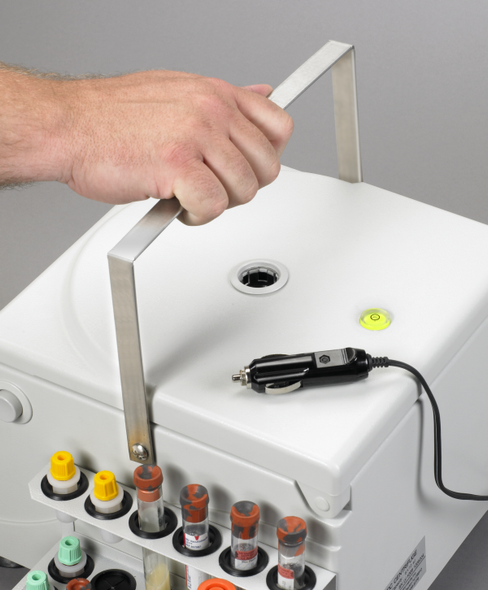
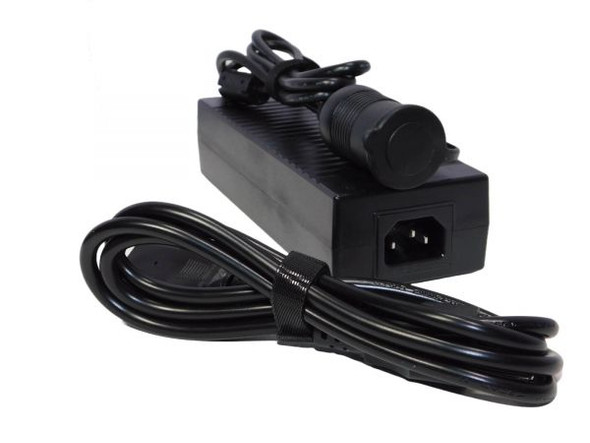
Unico Powerspin PX Centrifuge – 8-Place Fixed Angle Rotor, 2-15 mL Tube Capacity, 3800 Rpm, 18 lb Weight
Unico
$716.99Powerspin PX Centrifuge is designed for busy labs and mobile professionals who need reliable sample processing wherever their work takes them. If you handle clinical, research, or industrial samples,...- SKU:
- C828H
- Warranty:
- 1 year
- Size:
- 10.2 in x 11.8 in x 7.9 in (25.9 cm x 30 cm x 20.1 cm)
$716.99 -

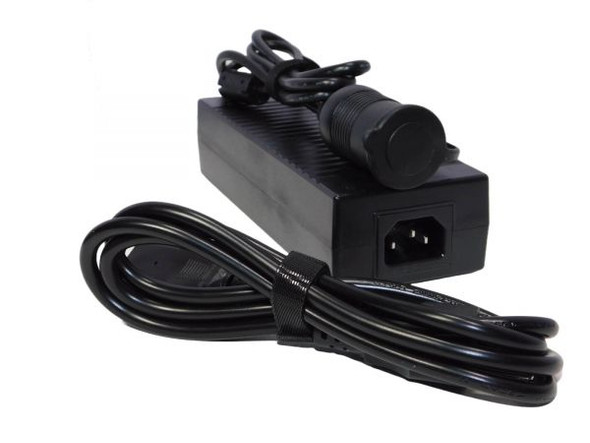
Unico Powerspin PX Centrifuge – Fixed Speed 3800 Rpm, 8-Place Rotor, 2-15 mL Tube Capacity, 18 lb Weight
Unico
$673.99Powerspin PX Centrifuge is designed for professionals who need reliable sample processing in mobile or field environments. Whether you are working in remote locations, mobile labs, or need a compact...- SKU:
- C828
- Warranty:
- 1 years
$673.99 -

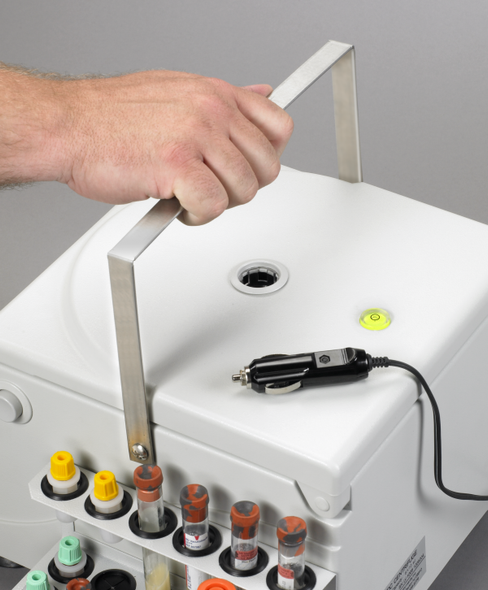
Unico Powerspin PX Centrifuge – 6-Place Fixed Angle Rotor, 3700 Rpm, 2-15 mL Tube Capacity, 13 lb Weight
Unico
$703.99Powerspin PX Centrifuge is designed for professionals who need reliable sample processing on the go. Whether you’re working in a mobile lab, conducting field research, or handling on-site...- SKU:
- C826H
- Warranty:
- 1 years
- Size:
- 10.2 in x 11.8 in x 7.9 in (25.9 cm x 30 cm x 20.1 cm)
$703.99 -

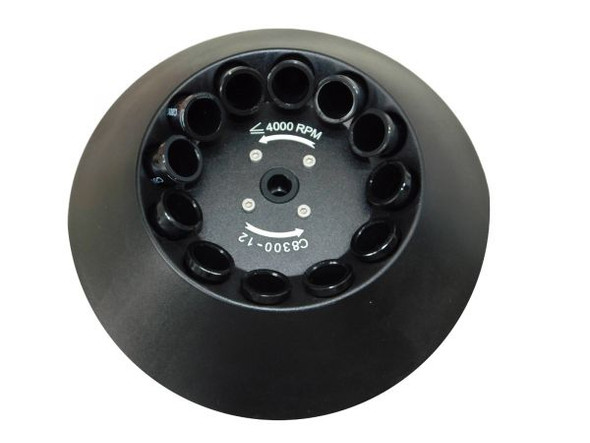
Unico Powerspin HXV Centrifuge – Variable Speed 500-3500 Rpm, 12-Place Fixed Angle Rotor, Digital Timer
Unico
$1,442.99Unico Powerspin HXV Centrifuge is designed for busy clinical, industrial, and biological labs where precision and reliability matter most. If you need consistent results and easy operation, this...- SKU:
- C8312
$1,442.99 -


Unico Powerspin HX Centrifuge – 3500 Rpm, 6 X 15 mL Capacity, Horizontal Rotor, Digital Timer
Unico
$1,100.99Unico Powerspin HX Centrifuge is designed for labs and clinics that need reliable, quiet separation of serum or plasma specimens. If you process blood samples for routine diagnostics or send out...- SKU:
- C8302
- Warranty:
- 1 year
$1,100.99
About Centrifuges
Centrifuges are essential laboratory instruments used to separate components of a liquid sample based on density using centrifugal force. Commonly used in clinical, research, and industrial labs, centrifuges isolate plasma or serum from blood, concentrate cells, or clarify biological fluids. Whether preparing diagnostic specimens, purifying nucleic acids, or separating cell cultures, centrifuges are critical to accurate sample processing and high-integrity lab workflows.
Why Centrifuges Are Essential
Many diagnostic and research procedures require pre-processed samples—such as serum, plasma, or cell pellets. Centrifuges accelerate these workflows by rapidly and efficiently separating fluids without manual filtration or sedimentation. By improving throughput, consistency, and sample integrity, centrifuges reduce error and support reliable downstream analysis. From clinical chemistry to microbiology and molecular biology, centrifuges are foundational to lab efficiency and accuracy.
What Are Centrifuges?
Centrifuges are instruments that spin liquid samples at high speeds, generating centrifugal force to separate components by density. Denser particles move outward, forming a pellet, while lighter components remain in the supernatant. Centrifuges are available in various formats—clinical, micro, high-speed, refrigerated, and ultracentrifuges—each suited to different sample types and volumes. Most lab centrifuges include safety features, programmable settings, and interchangeable rotors for flexibility.
Types of Centrifuges
Clinical Centrifuges
Best for: Routine blood sample processing in hospitals and diagnostic labs.
These benchtop centrifuges are optimized for serum/plasma separation in blood collection tubes.
Key Features:
- Spin speeds of ~2,000–5,000 RPM.
- Fixed-angle or swing-out rotors.
- Compatible with common vacutainers (e.g., 5–15 mL).
- Digital or analog speed/time controls.
- Compact, easy-to-use design.
Applications:
- Serum and plasma separation for chemistry and immunoassays.
- Pre-centrifugation for hematology or coagulation testing.
- Urine sediment preparation.
- PRP and PPP prep in clinical or cosmetic procedures.
Microcentrifuges
Best for: Small-volume sample processing in molecular biology and PCR workflows.
These high-speed centrifuges are used with microtubes (0.2–2.0 mL).
Key Features:
- Speeds up to 14,000–16,000 RPM.
- Rotor capacity: 6–24 microtubes.
- Quiet, vibration-free operation.
- Snap-lid or automatic lock systems.
- Available in refrigerated or non-refrigerated versions.
Applications:
- Nucleic acid and protein purification.
- PCR and spin-column prep.
- Bacterial and cell pelleting.
- Sample concentration or desalinization.
High-Speed and Refrigerated Centrifuges
Best for: Processing temperature-sensitive or large-volume samples.
These models offer precise temperature control and higher g-forces for more advanced separation.
Key Features:
- Speed range up to 20,000 RPM.
- Cooling range: -10°C to +40°C.
- Interchangeable rotors (swing, fixed-angle, microplate).
- Programmable memory for repeat protocols.
- Safety lid lock and imbalance detection.
Applications:
- DNA/RNA extractions requiring cold spin.
- Protein isolation and precipitation.
- Plasma, urine, or cell fractionation.
- Biotech, pharma, and cell biology labs.
Cytocentrifuges
Best for: Concentrating cells onto microscope slides for cytological analysis.
These specialized centrifuges produce monolayer cell preparations for easier staining and diagnosis.
Key Features:
- Slide adaptors and fluid shields.
- Low-speed, gentle spin protocols.
- Controlled deposition of cells on slide.
- Easy clean-up and single-use chambers.
- Ideal for preserving cell morphology.
Applications:
- Cancer cytology and PAP smears.
- CSF and fluid cytology.
- Fine needle aspiration (FNA) prep.
- Hematopathology and microbiology.
When to Use Centrifuges
- To separate serum or plasma from blood prior to testing.
- When isolating nucleic acids or proteins for molecular workflows.
- For concentrating cells or sedimenting bacteria.
- To clarify samples in research, food, or industrial labs.
- When processing large volumes or temperature-sensitive specimens.
How to Use Centrifuges
- Select the appropriate rotor and tube adaptors.
- Load samples evenly and balance the rotor.
- Set desired speed (RPM) and time.
- Close and secure the lid before starting the run.
- Wait for complete stop before opening and retrieving tubes.
Key Features of Centrifuges
- Versatile rotor systems for varying tube sizes and applications.
- Adjustable speed and time settings for custom protocols.
- Safety features including lid locks and imbalance detection.
- Compact or high-capacity formats for labs of all sizes.
- Refrigerated options to protect heat-sensitive samples.
Benefits of Centrifuges
Centrifuges enhance sample preparation by reducing turnaround time, improving consistency, and preserving specimen quality. Whether used for clinical testing or life sciences research, they eliminate manual separation steps and support high-throughput workflows. With models suited for every lab environment—from micro preps to cytology—they are vital for ensuring sample integrity and accurate downstream testing.
How to Choose the Right Centrifuge
- Match to your sample type: blood, microtubes, plates, or cytology slides.
- Check speed and capacity requirements for your applications.
- Decide between fixed-angle or swing-bucket rotors based on separation goals.
- Evaluate need for temperature control (e.g., nucleic acid or protein work).
- Consider available space and safety features for your lab setup.
Frequently Asked Questions (FAQs)
Q: Can centrifuges be used with blood collection tubes?
A: Yes. Clinical centrifuges with appropriate rotor inserts support most standard vacutainers.
Q: What’s the difference between fixed-angle and swing-out rotors?
A: Fixed-angle rotors are faster and ideal for pelleting. Swing-out rotors allow horizontal separation for clearer plasma or serum layers.
Q: Do I need a refrigerated centrifuge?
A: If you're spinning heat-sensitive samples like RNA or proteins, a refrigerated unit helps preserve sample integrity.
Q: How do I balance the centrifuge?
A: Always load tubes in pairs of equal weight, directly opposite each other in the rotor.
Q: How often should centrifuges be calibrated?
A: Calibration should be performed at least annually, or as recommended by your quality system or instrument manufacturer.
Related Products
- Blood Collection Tubes: Compatible with clinical and swing-out rotors.
- Microcentrifuge Tubes: For use with molecular and microspin protocols.
- Tube Racks & Adapters: Ensure secure and balanced loading.
- Controls & Calibrators: For quality control and result standardization post-centrifugation.
Streamline your sample prep with reliable, high-performance centrifuges from MedicalEx. Whether you're processing blood, DNA, or cells, our centrifuges deliver safe, efficient, and reproducible separation across all lab environments. Shop now for the right centrifuge solution to meet your clinical or research needs.