




Description
The Debrisoft Pad is a sterile monofilament fibre pad that lifts slough, debris and biofilm out of the wound bed in one short treatment session. Its bevelled fibre tips loosen devitalised tissue while protecting newly formed granulation tissue and epithelial cells. Clinicians reach for it when a wound needs fast, virtually painless mechanical debridement before a fresh dressing goes on.
- Monofilament Fibre Technology – knitted polyester fibres lift, bind and remove slough, debris and biofilm
- Visible Results in 2 to 4 Minutes – one pad debrides most superficial wounds in a single short session
- Gentle on New Tissue – bevelled fibre tips protect granulation tissue and epithelial cells
- Two Sizes – 10 x 10 cm for shallow wounds and 13 x 20 cm for larger areas
Mechanical Debridement That Prepares the Wound Bed in Minutes
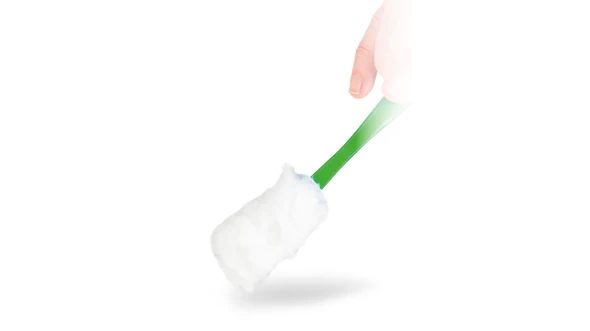
Debridement is the step that restarts a stalled wound, because slough and biofilm shield bacteria and block new tissue growth. This pad uses millions of soft monofilament fibres to grip that material and carry it away as the pad moves across the wound. The fibres also absorb exudate, cellular debris and skin keratoses during the same pass, so the wound bed and the surrounding skin are cleansed together.
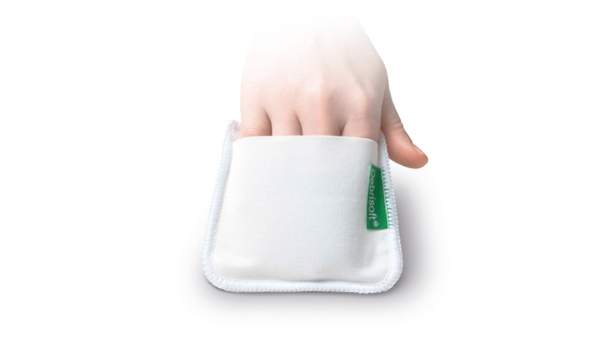
The reverse side carries a polyacrylate coating, and a grip pocket of polyester, polyamide and elastane keeps the pad secure in the clinician's hand. Each pad is sterile, individually sealed and made for a single use, so there is no reprocessing between patients. It is a debridement tool rather than a dressing, and it is removed and discarded as soon as the wound bed is clean.
Features and Benefits
Debridement Performance
- Monofilament Fibre Composite: 100 percent knitted polyester fibres lift and bind slough and debris
- Biofilm Removal: the fibre composite removes the biofilm that shields bacteria in the wound bed
- Fast Treatment Time: visible results in 2 to 4 minutes for most superficial wounds
Patient Comfort
- Virtually Painless: designed for debridement with little or no pain for the patient
- Tissue Protection: bevelled fibre tips spare newly formed granulation tissue
Indications
- Wound Types: diabetic, arterial and venous ulcers, pressure ulcers and postoperative wounds healing by secondary intention
- Skin Conditions: dry, hyperkeratotic or parchment-like skin, including skin affected by lymphoedema
Product Specifications
Product Details
- Product Type: monofilament fibre debridement pad
- Material: 100 percent knitted monofilament polyester fibres with a polyacrylate coated reverse side
- Grip Pocket: polyester, polyamide and elastane
- Sterility: sterile and individually sealed, sterilised by ethylene oxide
Sizing and Packaging
- Size Options: 10 x 10 cm and 13 x 20 cm
- Packaging: box of 5 for the 10 x 10 cm pad, case of 50 for the 13 x 20 cm pad
- Use: single use only, do not resterilise
- Manufacturer: Lohmann & Rauscher
See more in Wound Care Prep, or explore the complete Lohmann & Rauscher collection.
Why Clinicians Choose Monofilament Debridement
A cleaner wound bed heals faster, and this pad gets there without sharps, anaesthetic or repeat soaking visits. It turns debridement into a routine two to four minute step at any dressing change.
- Faster Wound Bed Preparation – slough and biofilm are lifted in minutes, so dressing time goes to healing care
- Comfort Patients Accept – virtually painless treatment supports repeat debridement at every change
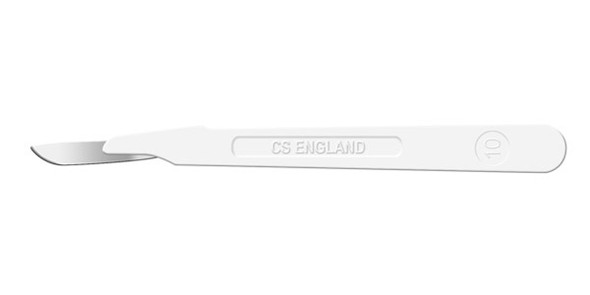
- No Sharps Required – mechanical action replaces curette or scalpel work for superficial wounds
- Fibre Binding Action – knitted fibres bind and carry debris away rather than smearing it across the bed
Frequently Asked Questions
How is the pad used?
Moisten the fibre side with a standard wound irrigation solution, then work across the wound with gentle pressure in circular or sweeping movements. The full treatment usually takes 2 to 4 minutes, and the pad is discarded afterwards.
Does the pad stay on the wound as a dressing?
No. It is a debridement tool that is used during the dressing change and then removed. Apply a suitable wound dressing once the wound bed is clean.
Which wounds is it suited to?
It is made for acute and chronic superficial wounds such as diabetic ulcers, arterial and venous ulcers, pressure ulcers and traumatic or surgical wounds. It also cleanses the skin surrounding the wound, including hyperkeratotic skin.
Is treatment painful?
Treatment is designed to be virtually painless, and clinical reports describe most patients feeling no pain during use. Hard necrotic tissue or thick eschar should be softened first with autolytic debridement.
Can one pad be reused?
No. Each pad is sterile, individually sealed and intended for a single use. It must not be resterilised or used on a second patient.
What sizes are available?
The pad comes in 10 x 10 cm for shallow wounds and accessible skin areas, and 13 x 20 cm for larger wounds or areas of hyperkeratosis. This listing offers the 10 x 10 cm size in a box of 5 and the 13 x 20 cm size in a case of 50.