


Description
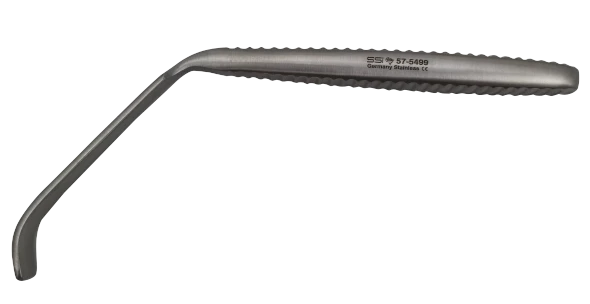
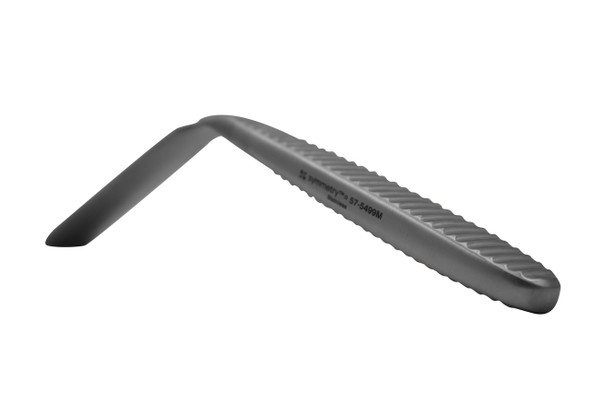
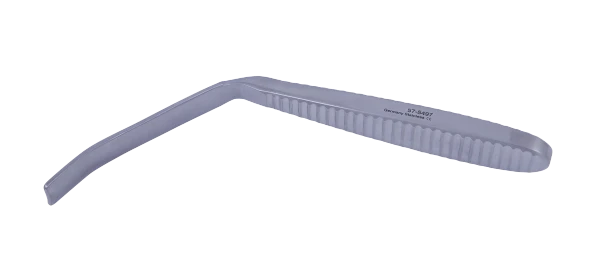
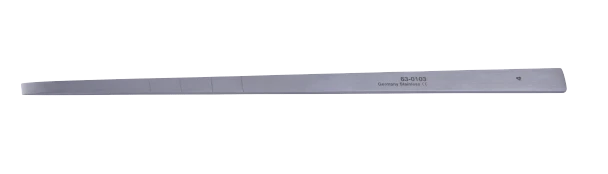
Aspen Osteotome Cottle Very Delicate is designed for ENT surgeons who require precision and control during delicate nasal procedures. If you need a slim, reusable instrument for fine bone work, this tool supports steady hands and confident outcomes. Its 4 mm blade and rounded corners make it ideal for procedures involving the nose, offering comfort and accuracy for both clinicians and patients.
- 4 mm Blade Width – Allows for precise bone sculpting, supporting confident surgical technique.
- Rounded Corners – Minimizes tissue trauma, giving peace of mind during delicate work.
- Reusable Design – Built for repeated use, ensuring reliability and value in clinical settings.
- Latex-Free Construction – Reduces risk of allergic reactions, helping maintain patient safety.
Precision Surgical Osteotome for ENT Procedures
This very delicate osteotome is crafted for ear, nose, and throat (ENT) surgery, where accuracy and gentle handling are essential. The 4 mm blade width and rounded corners help reduce tissue trauma while providing the control needed for nasal bone work. Its 7 in length offers reach and balance, making it suitable for detailed procedures. The latex-free, reusable construction supports safe and sustainable practice. Surgeons performing rhinoplasty or other nasal interventions will appreciate the ergonomic design and reliable performance. This surgical instrument is ideal for specialists seeking a dependable tool for fine bone manipulation.
Features and Benefits
Delicate Precision for ENT Surgery
- Very Delicate Profile – Enables fine bone adjustments in nasal procedures, supporting gentle technique.
- ENT Specialty Design – Tailored for nose anatomy, ensuring optimal fit and function.
Safe and Sustainable Construction
- Latex-Free Material – Suitable for sensitive patients, reduces risk of allergic response.
- Reusable Instrument – Designed for multiple uses, supporting cost-effective practice.
Comfort and Control
- Rounded Corners – Helps prevent accidental tissue injury, promoting safer outcomes.
- 7 in Length – Offers reach and balance for controlled movements in surgery.
Product Specifications
Dimensions and Anatomy
- Blade Width: 4 mm
- Length: 7 in
- Anatomy: Nose
Material and Safety
- Latex-Free: Yes
- Reusable: Yes
Surgical Specialty
- Surgical Specialty: ENT Surgery
- End Type: Rounded Corners
- Namesake: Cottle
Explore More: See all ENT Surgical Instruments | Shop more Aspen Products
Reliable Performance and Patient Safety
Choose this osteotome for its blend of precision, safety, and value. Its delicate build and reusable, latex-free construction set it apart from generic surgical tools. The ergonomic design helps clinicians maintain steady control, supporting better outcomes for patients. This instrument is a trusted choice for ENT specialists who demand accuracy and reliability in every procedure.
- Specialized for ENT – Designed for nasal bone work, delivers consistent results in delicate surgeries.
- Reusable and Cost-Effective – Supports multiple procedures, reducing waste and expense.
- Latex-Free Assurance – Helps protect sensitive patients, minimizing allergy risks.
- Precision Build – Fine blade and rounded corners offer control not found in standard osteotomes.
Manuals and Troubleshooting Guides
- Aspen Osteotome Cottle Very Delicate – Reprocessing Instructions Reusable Instruments
- Aspen Osteotome Cottle Very Delicate – Reprocessing Instructions Reusable Instruments
Frequently Asked Questions (FAQs)
What is the blade width of this osteotome?
The blade width is 4 mm, allowing for precise bone sculpting in ENT procedures.
Is this instrument reusable?
Yes, this osteotome is designed for repeated use, supporting cost-effective surgical practice.
Does the osteotome contain latex?
No, it is latex-free, making it suitable for patients with latex sensitivities.
What is the total length of the instrument?
The osteotome measures 7 in, providing reach and control for nasal surgery.
What surgical specialty is this osteotome intended for?
This instrument is designed for ENT surgery, specifically for procedures involving the nose.
What is the end type of the blade?
The blade features rounded corners to help minimize tissue trauma during delicate procedures.
Who is the namesake of this osteotome?
The osteotome is named after Cottle, reflecting its design for specialized ENT applications.