Description
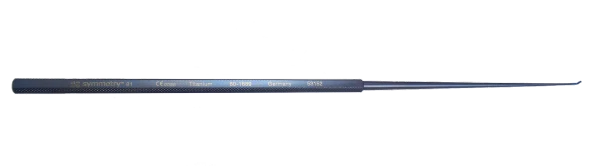
Aspen Rhoton Dissector Spatula is designed for precision in neurological surgery, offering a reliable tool for delicate cranial procedures. If you are a neurosurgeon or surgical team member seeking a lightweight, balanced instrument for cranial work, this spatula’s titanium construction and ergonomic design help you work with confidence and control.
- Large 2.1 mm Tip – Enables precise tissue manipulation, supporting steady hands during intricate procedures.
- Lightweight Titanium Construction – Provides balance and corrosion resistance, helping reduce hand fatigue for longer surgeries.
- Etched Label #8 – Ensures quick identification in the surgical tray, saving time in critical moments.
- Reusable Design – Built for repeated sterilization, supporting cost-effective instrument management.
Precision Dissector for Cranial Surgery and Delicate Tissue Handling
This specialized spatula is crafted for neurosurgical applications, combining a large 2.1 mm tip with a 7.5 in length for optimal reach and control. The titanium body offers durability and a lightweight feel, making it suitable for extended use in the operating room. Its etched label and ergonomic handle design help surgical teams quickly identify and handle the instrument, minimizing delays. Designed for cranial anatomy, this tool supports surgeons in achieving steady, controlled movements for delicate tissue work. The reusable nature of the instrument helps streamline reprocessing and inventory management, providing peace of mind for busy surgical teams.
Features and Benefits
Ergonomic and Functional Design
- Round, Deeply Knurled Handle – Enhances grip and control, reducing the risk of slippage during procedures.
- Balanced Weight Distribution – Lightweight titanium ensures comfortable handling for long surgeries.
Material and Durability
- Titanium Construction – Offers corrosion resistance and long-term durability for repeated use.
- Reusable Instrument – Designed for multiple sterilization cycles, supporting sustainable surgical practices.
Specialty Application
- 2.1 mm Tip Width – Ideal for precise cranial tissue manipulation in neurological surgery.
- Etched Label #8 – Facilitates easy identification in instrument sets.
Product Specifications
Dimensions and Weight
- Length: 7.5 in (19.1 cm)
- Tip Width: 2.1 mm
Material and Construction
- Material: Titanium
- Latex-Free: Yes
Specialty and Use
- Surgical Specialty: Neurological Surgery
- Anatomy: Cranial
- Lifespan: Reusable
Explore More: See all Neurosurgical Instruments | Shop more Aspen Products
Enhanced Performance for Neurosurgical Teams
Choose this precision dissector for its ergonomic titanium design and reliable performance in cranial procedures. The etched label and balanced handle make it a practical choice for surgical teams who value efficiency and comfort. Its reusable construction supports sustainable practices and long-term value in the operating room.
- Optimized for Cranial Procedures – Designed for neurological surgery, supporting precise tissue handling and steady control.
- Quick Instrument Identification – Etched label streamlines tray management, reducing setup time.
- Durable Titanium Build – Withstands repeated sterilization for dependable use.
- Reusable for Cost Efficiency – Supports sustainable instrument management and reduces replacement needs.
Frequently Asked Questions (FAQs)
What is the tip width of this dissector spatula?
The tip width is 2.1 mm, ideal for precise cranial tissue manipulation.
What material is used for the handle and spatula?
This instrument is made from lightweight, corrosion-resistant titanium.
Is this product latex-free?
Yes, the dissector spatula is latex-free for safety in sensitive environments.
Can this instrument be reused?
Yes, it is designed for repeated sterilization and reuse in surgical settings.
What surgical specialty is this instrument intended for?
This dissector spatula is intended for neurological surgery, specifically cranial procedures.
How long is the instrument?
The total length is 7.5 in (19.1 cm), providing optimal reach for cranial work.
How is the instrument identified in a tray?
It features an etched label (#8) for quick and easy identification during procedures.