Description
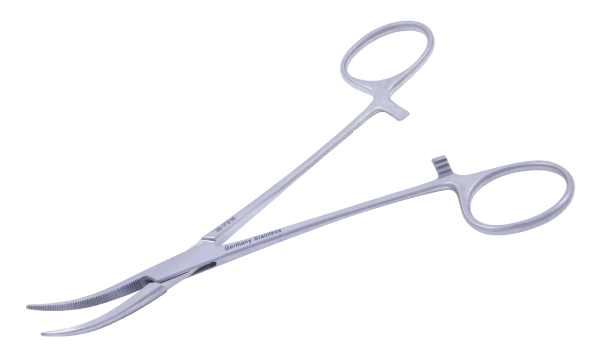
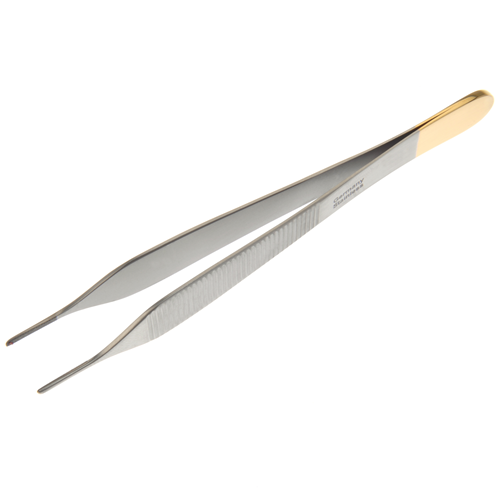
Aspen Utrata Capsulorhexis Forceps are designed for precision and reliability in ophthalmic surgery, giving clinicians confidence during delicate eye procedures. The round handle and reusable design make these forceps a dependable choice for eye care professionals. Ideal for surgeons performing capsulorhexis, these forceps support steady control and comfort throughout the procedure.
- Round Handle – Provides a secure grip for precise manipulation, supporting steady hands during surgery.
- Reusable Construction – Built for repeated use, offering long-term value and consistent performance.
- Latex-Free – Reduces the risk of allergic reactions, ensuring safety for both patients and staff.
- Ophthalmic Specialty – Specifically designed for eye surgery, giving surgeons the right tool for the task.
Precision Ophthalmic Instrument for Reliable Eye Surgery
This specialized surgical instrument is crafted for use in capsulorhexis procedures, where accuracy and control are essential. The round handle enhances grip and maneuverability, while the 4 1/4 in length provides optimal reach for delicate tasks. As a latex-free and reusable device, it supports safe and efficient workflows in the operating room. Surgeons and ophthalmic teams benefit from a tool that is engineered for the unique demands of eye surgery, helping maintain focus and confidence throughout each procedure.
Features and Benefits
Ergonomic Design for Surgical Precision
- Round Handle – Enhances grip and control, supporting accurate movements during delicate operations.
- 4 1/4 in Length – Offers the right balance of reach and maneuverability for ophthalmic procedures.
Safe and Reusable Materials
- Latex-Free Construction – Minimizes allergy risks for patients and staff.
- Reusable Device – Designed for multiple uses, supporting cost-effective surgical practice.
Specialized for Eye Surgery
- Ophthalmic Surgery Application – Tailored for use in eye procedures, ensuring suitability for capsulorhexis tasks.
- Precision Engineering – Built to meet the demands of surgical accuracy in ophthalmology.
Product Specifications
Dimensions and Design
- Length: 4 1/4 in (10.8 cm)
- Handle: Round
Material and Safety
- Latex-Free: Yes
- Lifespan: Reusable
Surgical Application
- Surgical Specialty: Ophthalmic Surgery
- Anatomy: Eye
Explore More: See all Forceps | Shop more Aspen Products
Engineered for Confidence in Eye Surgery
Choose this precision instrument for its ergonomic design and focus on safety. The reusable, latex-free construction supports both patient and staff well-being, while the specialized build ensures it meets the demands of ophthalmic procedures. Compared to generic forceps, this device is tailored for capsulorhexis, giving you the right balance of control and comfort in every case.
- Ergonomic Round Handle – Improves grip and reduces hand fatigue, helping maintain steady performance.
- Reusable and Cost-Effective – Supports multiple procedures, offering long-term value for surgical teams.
- Latex-Free Safety – Protects against allergic reactions, providing peace of mind for clinicians and patients.
- Specialized for Ophthalmic Use – Designed specifically for eye surgery, ensuring optimal results in capsulorhexis.
Manuals and Troubleshooting Guides
Aspen Utrata Capsulorhexis Forceps – INS LBL 00010 C General IFU
Frequently Asked Questions (FAQs)
What is the length of these forceps?
The forceps measure 4 1/4 in (10.8 cm), providing optimal reach for ophthalmic procedures.
Are these forceps reusable?
Yes, this device is designed for repeated use, supporting cost-effective surgical practice.
Is the product latex-free?
Yes, the construction is latex-free, reducing the risk of allergic reactions for patients and staff.
What type of surgery are these forceps intended for?
They are specifically designed for ophthalmic surgery, particularly capsulorhexis procedures.
What is the handle design?
The forceps feature a round handle for enhanced grip and control during delicate tasks.
Can these forceps be sterilized?
Yes, they are intended for sterilization and reuse according to standard surgical protocols.
What anatomy are these forceps used for?
They are used for procedures involving the eye.