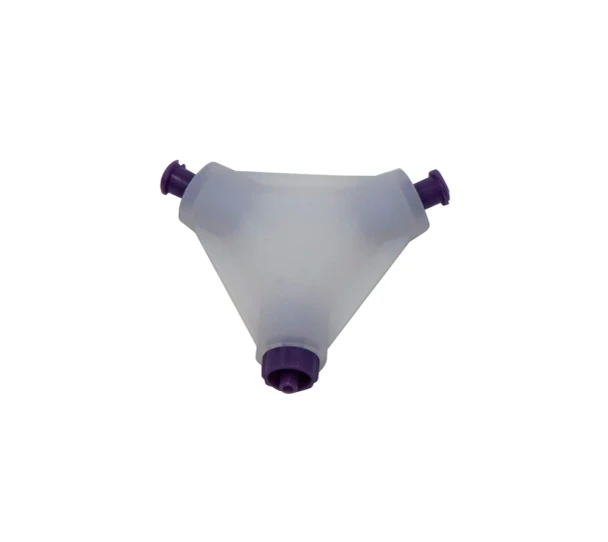



Description
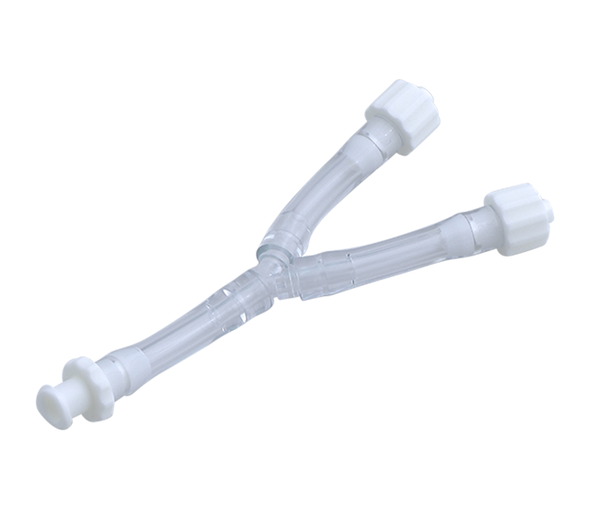
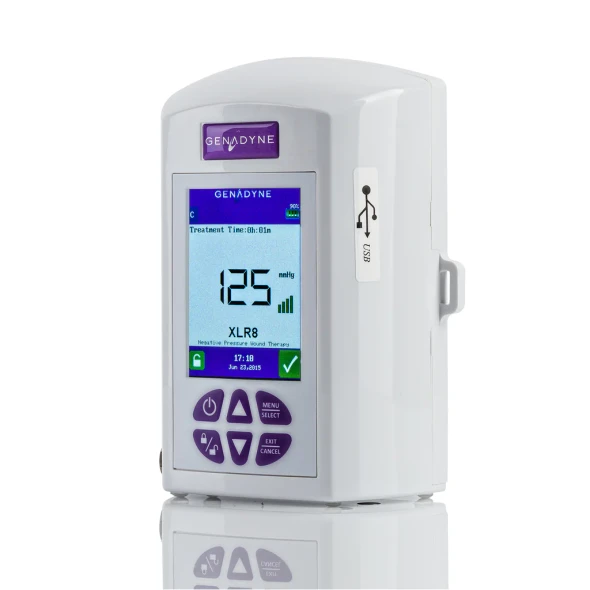
The Genadyne Y Connector for XLR8 splits one pump's therapy across two wounds that sit too far apart for a single dressing line. Running a second pump for a second wound doubles the cost and the bedside clutter, and some patients simply have wounds that one line cannot reach. This connector lets one XLR8 treat both sites through two separate tubing connections.
- Two Wounds, One Pump – The Y splits therapy to two dressing lines, treats distant wounds from a single unit.
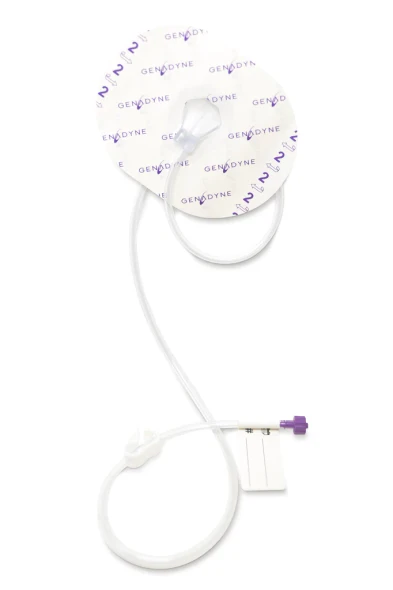
- Dual Tubing Connections – Two separate connectors branch from the pump line, each site keeps its own dressing run.
- Controlled by One Pump – Both wounds run on the settings of the single XLR8, keeps the care plan unified.
- Genuine XLR8 Fit – Made by Genadyne for the XLR8 line, the fittings seat the way the system expects.
One Pump, Two Wound Sites, No Second Machine
Patients with wounds on two limbs or at distant sites present a logistics problem for negative pressure therapy, since each dressing normally wants its own pump. The Y connector answers by branching the therapy line, so the XLR8 already at the bedside drives both dressings at once. Each branch carries its own tubing connector to its own dressing, and the pump controls the pair as one therapy. For the care team, that means one unit to program, one battery to watch and one set of alerts to answer. For the patient, it means therapy at both sites without a second machine competing for space and outlets.
Features and Benefits
Therapy Branching
- Dual Wound Coverage: The connector allows the clinician to treat multiple wounds that are a large distance apart from one pump.
- Two Tubing Connectors: The Y supports two separate tubing connectors, so each wound keeps an independent dressing run.
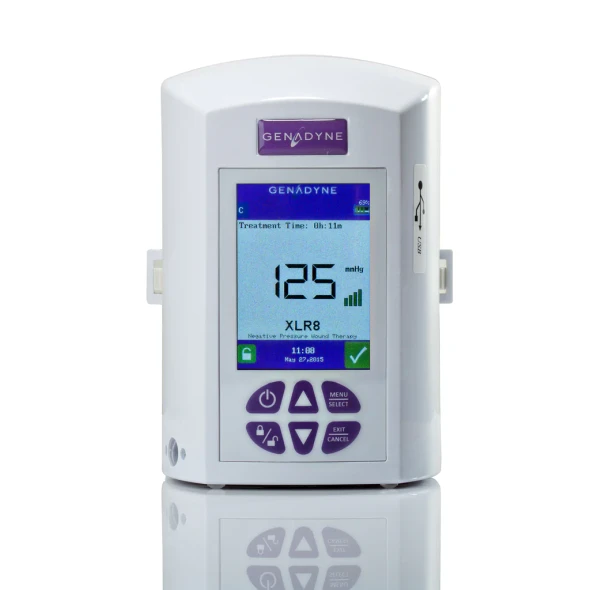
- Single Pump Control: Both branches are controlled by the one XLR8 pump, which keeps settings and alerts in a single place.
System Fit
- XLR8 Line Compatibility: The fitting is made for the Genadyne XLR8 negative pressure system and its tubing.
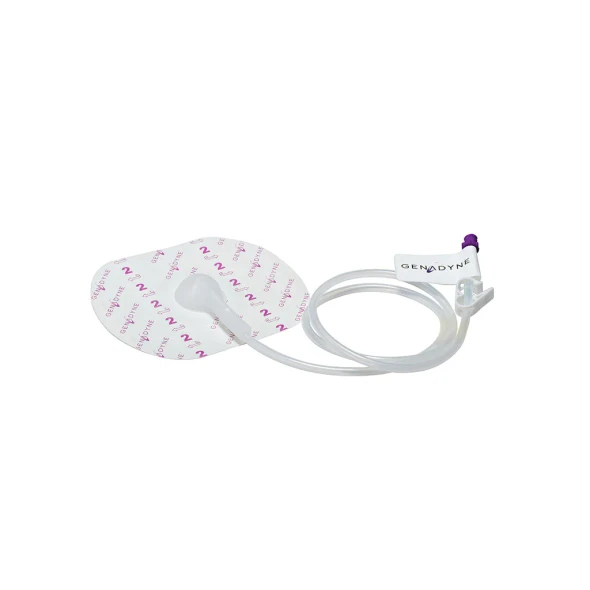
- Capped Connector Ends: The capped purple ends match the connection style used across the XLR8 accessory line.
Product Specifications
Configuration
- Connector Type: Y connector, one pump line to two tubing connectors
- Controlled By: One Genadyne XLR8 NPWT pump
Product Details
- Quantity Per Pack: 1 each
- Compatibility: Genadyne XLR8 NPWT system
- Manufacturer Part Number: A4-S00Y2
Browse the full Wound Dressings range, or shop everything from Genadyne Biotechnologies.
Why One Pump for Two Wounds Is the Smarter Setup
A second pump is the expensive answer to a plumbing question. This connector is the plumbing answer, a single fitting that turns the XLR8 already in the room into a two-site therapy system. The plan stays unified, the bedside stays clear, and both wounds get treated on schedule.
- Half the Hardware – One pump covers two wound sites – less equipment to buy, charge and track.
- One Set of Settings – Both dressings run from a single control point – the therapy plan stays consistent.
- Reaches Distant Sites – Branches run to wounds a large distance apart – anatomy stops dictating the setup.
- Clearer Bedside – One unit and one battery to watch – rounds get simpler for the care team.
Frequently Asked Questions
What does the Y connector do?
It branches one XLR8 pump line into two tubing connectors, so a single pump can treat two wounds at once. Genadyne designed it for wounds that are a large distance apart.
Do both wounds get the same therapy settings?
Yes, both branches are controlled by the one pump, so both wounds run on the settings programmed into that XLR8. The clinician manages one therapy plan for the pair of sites.
Which pump does it work with?
The connector is made for the Genadyne XLR8 NPWT system. Its ends follow the connection style used across the XLR8 accessory line.
How many connectors come in a package?
The connector is sold individually, one per package. Order one for each two-wound setup the program runs.
Can it treat two wounds on different limbs?
Yes, that distance case is exactly what it is built for. The two branches run to separate dressings, so wounds on different limbs or far apart on the body can share one pump.