
Intermittent Catheters
Intermittent Catheters are a cornerstone of urinary care, offering a safe, efficient, and convenient solution for individuals who face challenges with bladder emptying. These single-use catheters are designed to provide control, comfort, and independence, making them an essential tool for managing urinary retention or related conditions. Whether you're a first-time user or a healthcare professional, understanding the types, benefits, and uses of intermittent catheters can help you make informed choices about urinary care.
What Are Intermittent Catheters?
Intermittent catheters are slim, flexible tubes used to empty the bladder at regular intervals. Unlike indwelling catheters, they are inserted temporarily and removed immediately after the bladder is drained. This practice minimizes the risk of infections, making intermittent catheterization a preferred option for many patients.
How Do They Work?
- Preparation: The catheter is lubricated (or pre-lubricated) and inserted into the urethra.
- Drainage: Once the catheter reaches the bladder, urine flows out through the tube.
- Removal: The catheter is withdrawn after the bladder is emptied, and it is then disposed of as it is designed for single use.
Types of Intermittent Catheters
Intermittent catheters are available in various styles to meet different needs. Each type offers specific features to enhance comfort, hygiene, and usability:
1. Straight Tip Catheters
These are the most commonly used intermittent catheters. They feature a straight design and are ideal for patients with a standard urethral anatomy.
2. Coudé Tip Catheters
Designed with a curved tip, Coudé catheters are specifically for patients with obstructions, such as an enlarged prostate, or those who find straight-tip catheters challenging to use.
3. Pre-Lubricated Catheters
These catheters are ready-to-use and eliminate the need for separate lubricants. Their hydrophilic coating activates when exposed to water, reducing friction during insertion and removal.
4. Closed System Catheters
Closed system catheters are pre-packaged with a collection bag, ensuring maximum sterility and reducing the risk of urinary tract infections (UTIs). These are ideal for users who travel or require additional protection.
5. Pediatric Catheters
Smaller in size and tailored for children, pediatric catheters offer the same functionality as adult catheters but are gentler on sensitive anatomies.
Benefits of Intermittent Catheters
1. Reduced Risk of Infections
Since intermittent catheters are removed after use, they significantly lower the likelihood of developing catheter-associated urinary tract infections (CAUTIs).
2. Promotes Independence
Intermittent catheterization enables users to manage their urinary health on their own, promoting a sense of freedom and control.
3. Comfort and Discretion
Modern designs, such as pre-lubricated and compact catheters, make the process more comfortable and discreet, especially for active lifestyles.
4. Single-Use Convenience
Disposable catheters eliminate the need for cleaning and sterilization, making them an easy and hygienic option for regular use.
5. Improved Bladder Health
Regular bladder emptying with intermittent catheters prevents urine retention, reducing the risk of bladder infections and related complications.
Who Can Benefit from Intermittent Catheters?
Intermittent catheters are suitable for a variety of conditions and medical scenarios, including:
- Neurogenic Bladder: Common in individuals with spinal cord injuries or neurological conditions.
- Post-Surgical Recovery: To manage temporary urinary retention.
- Enlarged Prostate (BPH): For men experiencing obstructed urine flow.
- Urinary Retention: When the bladder cannot empty fully or at all.
- Congenital Conditions: Such as spina bifida, which can affect urinary function.
Practical Tips for Using Intermittent Catheters
- Follow a Routine: Establish a regular schedule for catheterization to prevent overfilling of the bladder.
- Choose the Right Catheter: Select the type that best suits your anatomy, comfort, and lifestyle.
- Practice Hygiene: Wash your hands and clean the insertion site to maintain sterility and avoid infections.
- Use Adequate Lubrication: If not using a pre-lubricated catheter, apply a sterile lubricant for smooth insertion.
- Dispose Properly: Discard the catheter after use according to local medical waste guidelines.
Real-World Applications of Intermittent Catheters
Intermittent catheters are widely used in both medical settings and personal care:
- Hospitals and Clinics: For post-surgical care or temporary urinary retention.
- Home Care: Empowering individuals to manage bladder emptying independently.
- Travel-Friendly Options: Compact designs and closed systems make intermittent catheters ideal for users on the go.
FAQs About Intermittent Catheters
1. Are intermittent catheters painful to use?
When used correctly with proper lubrication, intermittent catheterization is typically painless. Pre-lubricated options can further enhance comfort.
2. How often should I use an intermittent catheter?
The frequency depends on individual needs but typically ranges from four to six times a day, based on bladder capacity and medical advice.
3. Can I reuse an intermittent catheter?
No, intermittent catheters are designed for single use only to maintain sterility and reduce the risk of infection.
4. What size catheter should I use?
Catheter sizes are measured in French units (Fr). Your healthcare provider will recommend the appropriate size based on your anatomy and medical needs.
5. Are intermittent catheters covered by insurance?
Yes, most insurance plans, including Medicare, cover intermittent catheters for individuals with a medical necessity.
Intermittent catheters offer a safe, effective, and convenient solution for managing urinary retention. With advancements in design and materials, modern catheters are more comfortable and accessible than ever, giving users greater freedom and confidence in their daily lives. By choosing the right catheter and following best practices, you can take control of your urinary health with ease.
Explore our wide range of intermittent catheters today to find the perfect solution for your needs. For additional support, contact our team or browse our related products to enhance your care experience.
-

Convatec GentleCath Uncoated – Boxes of 100, For Intermittent Catheterization, Genuine Convatec Product
Convatec
$85.99 - $137.99Convatec GentleCath Uncoated GentleCath Uncoated Intermittent Urinary Catheter is designed to make catheter insertion and removal as smooth and easy as possible for the patient. It is made for people...$85.99 - $137.99 -
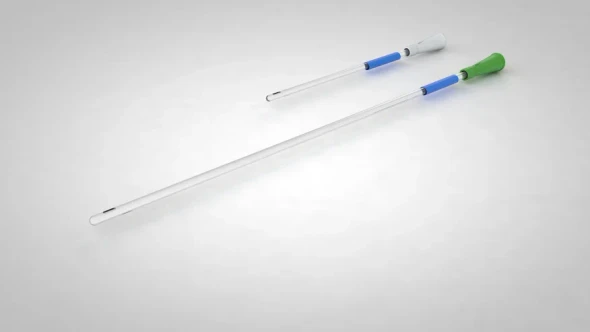
Convatec GentleCath Hydrophilic – 8FR to 18FR French Sizes, 1 in x 10 in to 1 in x 30 in Sizes
Convatec
$59.99 - $96.99Convatec GentleCath Hydrophilic The GentleCath Hydrophilic coated catheter includes a sterile water sachet, wall attachment and unique no-touch handling strip to provide an intermittent catheter that...$59.99 - $96.99 -
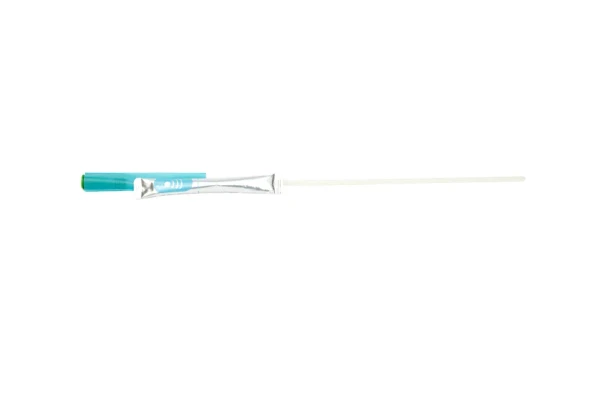
Convatec GentleCath Glide – 8FR to 18FR French Sizes, Boxes of 30, For Intermittent Catheterization
Convatec
$94.99 - $140.99Convatec GentleCath Glide GentleCath Glide is designed to make cathing as simple and convenient as possible. It is made for people who self-catheterize who want dependable performance they can get on...$94.99 - $140.99 -


Convatec GentleCath Air for Men – 8FR to 18FR French Sizes, Boxes of 30, For Intermittent Catheterization
Convatec
$101.99 - $157.99Convatec GentleCath Air for Men GentleCath Air for Men is a compact hydrophilic intermittent catheter with integrated [FeelClean Technology](https://www.gentlecath.com/us/products/feelclean/). It is...$101.99 - $157.99 -

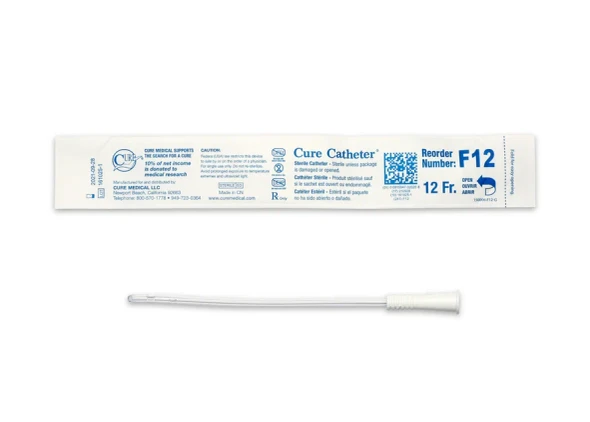
Convatec Cure Catheter Uncoated – 8FR to 18FR French Sizes, Boxes of 10 or 30, Sterile, Supplied by MedicalEx
Convatec
$181.99 - $297.99Convatec Cure Catheter Uncoated The sterile, single-use, uncoated Cure Catheter features fire polished eyelets for comfort. It is made for people who self-catheterize who want dependable performance...$181.99 - $297.99 -


Convatec Hydrophilic Cure Catheter – 8FR to 18FR French Sizes, Boxes of 3 or 10 or 30, Sterile
Convatec
$292.99 - $598.99Convatec Hydrophilic Cure Catheter The sterile, single-use, Hydrophilic Cure Catheter features fire polished eyelets for comfort. It is made for people who self-catheterize who want dependable...$292.99 - $598.99 -
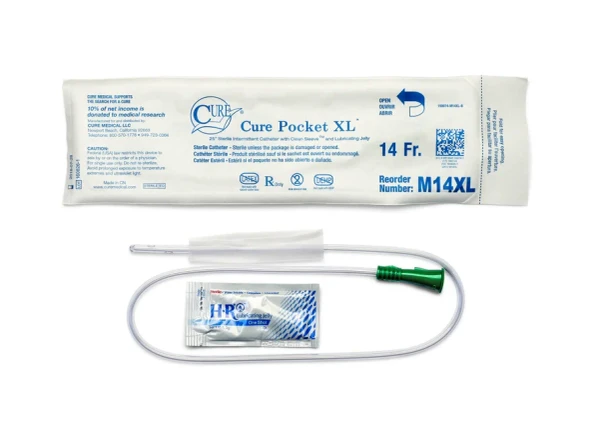

Convatec Cure Medical Pocket Catheter – 12FR to 16FR French Sizes, Boxes of 3 or 10 or 30, Sterile
Convatec
$182.99 - $375.99Convatec Cure Medical Pocket Catheter The sterile, single-use, U-shaped Cure Medical Pocket Catheter fits in most pant pockets and small spaces for discreet portability. It is made for people who...$182.99 - $375.99 -
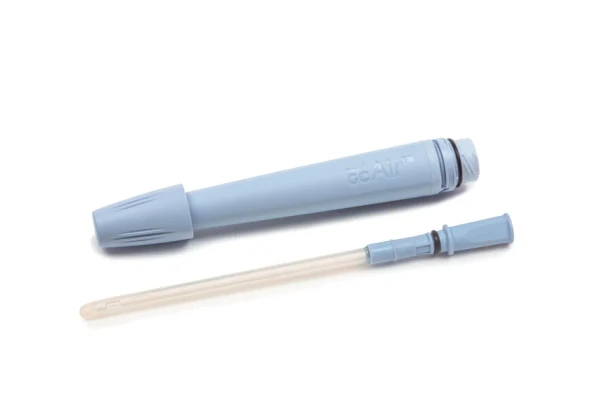

Convatec GentleCath Air for Women – 10FR to 14FR French Sizes, Boxes of 30, For Intermittent Catheterization
Convatec
$90.99Convatec GentleCath Air for Women Many women choose to switch catheter brands to find the one that suits them best. It is made for people who self-catheterize who want dependable performance they can...$90.99 -

BD Intermittent Catheter, Male 16″ – Straight & Coudé Tip, DEHP-Free PVC, Uncoated, 12FR–16FR
BD
$59.75 - $91.75The BD Intermittent Catheter, Male 16″ is a sterile, single-use urinary catheter engineered for safe and effective intermittent catheterization. Designed in both straight and coudé (Tiemann) tip...- Length:
- 16 inches (40.6 cm)
- Material:
- DEHP-free PVC
- Packaging:
- Sterile, single-use; 30 per box
$59.75 - $91.75 -

BD Intermittent Catheter, Female 6″ – Straight Tip, DEHP-Free PVC, Sterile, Available in 10FR–14FR
BD
$60.99The BD Intermittent Catheter, Female 6″ is a sterile, uncoated urinary catheter with a straight tip, designed for safe and simple intermittent catheterization. Available in 10FR, 12FR, and 14FR, each...- Length:
- 6 inches (15.2 cm)
- Material:
- PVC, DEHP-free
- Sterile:
- Yes
- Packaging:
- 30/cs
$60.99 -


BD Surestep Intermittent Catheter Tray – Closed System, 6Fr–16Fr, Straight & Coude, Silicone, PVC, Rubber
BD
$407.15BD Surestep Intermittent Catheter Tray supports aseptic, closed-system intermittent catheterization with a pre-connected drainage bag and all components required for peri-care. Available in silicone,...- Packaging:
- Individually wrapped, sterile, single-use
$407.15
About Intermittent Catheters
Intermittent Catheters are a cornerstone of urinary care, offering a safe, efficient, and convenient solution for individuals who face challenges with bladder emptying. These single-use catheters are designed to provide control, comfort, and independence, making them an essential tool for managing urinary retention or related conditions. Whether you're a first-time user or a healthcare professional, understanding the types, benefits, and uses of intermittent catheters can help you make informed choices about urinary care.
What Are Intermittent Catheters?
Intermittent catheters are slim, flexible tubes used to empty the bladder at regular intervals. Unlike indwelling catheters, they are inserted temporarily and removed immediately after the bladder is drained. This practice minimizes the risk of infections, making intermittent catheterization a preferred option for many patients.
How Do They Work?
- Preparation: The catheter is lubricated (or pre-lubricated) and inserted into the urethra.
- Drainage: Once the catheter reaches the bladder, urine flows out through the tube.
- Removal: The catheter is withdrawn after the bladder is emptied, and it is then disposed of as it is designed for single use.
Types of Intermittent Catheters
Intermittent catheters are available in various styles to meet different needs. Each type offers specific features to enhance comfort, hygiene, and usability:
1. Straight Tip Catheters
These are the most commonly used intermittent catheters. They feature a straight design and are ideal for patients with a standard urethral anatomy.
2. Coudé Tip Catheters
Designed with a curved tip, Coudé catheters are specifically for patients with obstructions, such as an enlarged prostate, or those who find straight-tip catheters challenging to use.
3. Pre-Lubricated Catheters
These catheters are ready-to-use and eliminate the need for separate lubricants. Their hydrophilic coating activates when exposed to water, reducing friction during insertion and removal.
4. Closed System Catheters
Closed system catheters are pre-packaged with a collection bag, ensuring maximum sterility and reducing the risk of urinary tract infections (UTIs). These are ideal for users who travel or require additional protection.
5. Pediatric Catheters
Smaller in size and tailored for children, pediatric catheters offer the same functionality as adult catheters but are gentler on sensitive anatomies.
Benefits of Intermittent Catheters
1. Reduced Risk of Infections
Since intermittent catheters are removed after use, they significantly lower the likelihood of developing catheter-associated urinary tract infections (CAUTIs).
2. Promotes Independence
Intermittent catheterization enables users to manage their urinary health on their own, promoting a sense of freedom and control.
3. Comfort and Discretion
Modern designs, such as pre-lubricated and compact catheters, make the process more comfortable and discreet, especially for active lifestyles.
4. Single-Use Convenience
Disposable catheters eliminate the need for cleaning and sterilization, making them an easy and hygienic option for regular use.
5. Improved Bladder Health
Regular bladder emptying with intermittent catheters prevents urine retention, reducing the risk of bladder infections and related complications.
Who Can Benefit from Intermittent Catheters?
Intermittent catheters are suitable for a variety of conditions and medical scenarios, including:
- Neurogenic Bladder: Common in individuals with spinal cord injuries or neurological conditions.
- Post-Surgical Recovery: To manage temporary urinary retention.
- Enlarged Prostate (BPH): For men experiencing obstructed urine flow.
- Urinary Retention: When the bladder cannot empty fully or at all.
- Congenital Conditions: Such as spina bifida, which can affect urinary function.
Practical Tips for Using Intermittent Catheters
- Follow a Routine: Establish a regular schedule for catheterization to prevent overfilling of the bladder.
- Choose the Right Catheter: Select the type that best suits your anatomy, comfort, and lifestyle.
- Practice Hygiene: Wash your hands and clean the insertion site to maintain sterility and avoid infections.
- Use Adequate Lubrication: If not using a pre-lubricated catheter, apply a sterile lubricant for smooth insertion.
- Dispose Properly: Discard the catheter after use according to local medical waste guidelines.
Real-World Applications of Intermittent Catheters
Intermittent catheters are widely used in both medical settings and personal care:
- Hospitals and Clinics: For post-surgical care or temporary urinary retention.
- Home Care: Empowering individuals to manage bladder emptying independently.
- Travel-Friendly Options: Compact designs and closed systems make intermittent catheters ideal for users on the go.
FAQs About Intermittent Catheters
1. Are intermittent catheters painful to use?
When used correctly with proper lubrication, intermittent catheterization is typically painless. Pre-lubricated options can further enhance comfort.
2. How often should I use an intermittent catheter?
The frequency depends on individual needs but typically ranges from four to six times a day, based on bladder capacity and medical advice.
3. Can I reuse an intermittent catheter?
No, intermittent catheters are designed for single use only to maintain sterility and reduce the risk of infection.
4. What size catheter should I use?
Catheter sizes are measured in French units (Fr). Your healthcare provider will recommend the appropriate size based on your anatomy and medical needs.
5. Are intermittent catheters covered by insurance?
Yes, most insurance plans, including Medicare, cover intermittent catheters for individuals with a medical necessity.
Intermittent catheters offer a safe, effective, and convenient solution for managing urinary retention. With advancements in design and materials, modern catheters are more comfortable and accessible than ever, giving users greater freedom and confidence in their daily lives. By choosing the right catheter and following best practices, you can take control of your urinary health with ease.
Explore our wide range of intermittent catheters today to find the perfect solution for your needs. For additional support, contact our team or browse our related products to enhance your care experience.