
IV Catheters
IV Catheters are crucial medical devices that facilitate the delivery of fluids, medications, nutrients, and blood products directly into the bloodstream. As a cornerstone of intravenous therapy, these catheters provide reliable venous access for patients across a variety of medical settings, from routine care to critical emergencies. With diverse types and configurations available, IV catheters ensure precise, efficient, and safe administration of treatments, enhancing patient outcomes and comfort.
Why Are IV Catheters Essential?
IV catheters play a vital role in healthcare by enabling direct and controlled access to a patient’s circulatory system. Whether for short-term hydration, emergency interventions, or long-term chemotherapy, these devices ensure the efficient and accurate administration of treatments. Designed with patient safety and comfort in mind, IV catheters reduce the risk of complications like infiltration or infection while offering versatility to meet the needs of various clinical applications.
Types of IV Catheters
1. Peripheral IV Catheters
Peripheral IV catheters are the most commonly used type, providing short-term venous access through veins in the arms, hands, or feet.
Applications
- Routine hydration therapy.
- Administration of antibiotics or pain medications.
- Blood transfusions and routine blood draws.
Key Features
- Gauge Options: Available in sizes from 14G (large) to 24G (small) to accommodate various flow rates and patient needs.
- Insertion Ease: Designed for straightforward placement in superficial veins.
- Short-Term Use: Ideal for treatments lasting up to 96 hours.
- Safety Options: Available with safety mechanisms like retractable needles to prevent accidental needlesticks.
2. Central Venous Catheters (CVCs)
CVCs provide long-term venous access by being inserted into large veins such as the subclavian, jugular, or femoral veins.
Applications
- Delivering chemotherapy, total parenteral nutrition (TPN), or vasopressors.
- Administering high-volume or high-concentration medications.
- Long-term infusion therapy in critical care settings.
Key Features
- Multiple Lumens: Allow simultaneous delivery of incompatible medications.
- Durable Design: Suitable for weeks to months of continuous use.
- Advanced Placement: Requires ultrasound guidance or fluoroscopy for precise insertion.
3. PICC Lines (Peripherally Inserted Central Catheters)
PICC lines are long, thin catheters inserted into a peripheral vein and advanced to a central vein near the heart.
Applications
- Long-term antibiotic therapy or parenteral nutrition.
- Outpatient chemotherapy or infusion therapies.
- Blood sampling in chronic conditions.
Key Features
- Longevity: Can remain in place for weeks to months with proper care.
- Reduced Risk: Lower infection risk compared to centrally inserted catheters.
- Versatility: Suitable for high-volume and high-concentration infusions.
4. Midline Catheters
Midline catheters are longer than peripheral IV catheters but shorter than PICC lines, offering intermediate-term venous access.
Applications
- Hydration therapy and intravenous antibiotics for 1–4 weeks.
- Blood draws and repeat venous access without frequent needle sticks.
Key Features
- Less Invasive: Does not require central vein placement.
- Reduced Complications: Lower risk of bloodstream infections compared to CVCs.
- Durable Design: Suitable for moderate-term therapy needs.
5. Butterfly Needles
Butterfly needles, also known as winged infusion sets, are designed for short-term or quick venous access.
Applications
- Pediatric and geriatric venipuncture.
- Administering small-volume infusions or drawing blood samples.
Key Features
- Ease of Use: Flexible wings provide better grip and control.
- Comfort: Thin needles minimize discomfort, especially for small or fragile veins.
- Temporary Use: Ideal for single procedures or quick access.
6. Closed-System Catheters
Closed-system catheters reduce exposure to blood and other fluids, minimizing contamination risks.
Applications
- Venous access in high-risk infection environments.
- Routine IV therapy in hospitals and outpatient settings.
Key Features
- Integrated Valves: Prevent backflow and contamination.
- Pre-Connected Systems: Simplify setup and reduce the need for additional components.
- Safety Mechanisms: Protect healthcare workers from accidental needlestick injuries.
Key Features of IV Catheters
- Variety of Sizes: Gauges from 14G to 26G for adult, pediatric, and neonatal care.
- Sterile and Safe: Pre-sterilized to prevent infections.
- Enhanced Comfort: Flexible materials and ergonomic designs minimize patient discomfort.
- Adaptability: Multiple configurations for short-term, intermediate, and long-term therapies.
- Safety Mechanisms: Retractable needles, self-sealing valves, and closed systems for enhanced protection.
- Durability: High-quality materials designed to withstand extended use and harsh conditions.
Benefits of IV Catheters
1. Reliable Venous Access
IV catheters provide consistent and dependable access for the safe administration of treatments.
2. Versatility Across Applications
From routine hydration to chemotherapy, they cater to a wide range of therapeutic needs.
3. Enhanced Patient Safety
Sterile designs and advanced safety features reduce risks of infection, infiltration, and needlestick injuries.
4. Precision and Efficiency
Catheters ensure controlled, precise delivery of fluids and medications, improving treatment outcomes.
5. Patient Comfort
Modern materials and designs reduce pain and irritation, enhancing the overall patient experience.
Real-World Applications
1. Hospitals and Clinics
- Administering IV fluids, medications, and blood products.
- Supporting diagnostic procedures like contrast injections.
2. Emergency and Trauma Care
- Rapid fluid resuscitation or medication delivery in critical scenarios.
3. Oncology and Critical Care
- Chemotherapy, parenteral nutrition, and other long-term therapies.
4. Pediatric and Geriatric Care
- Specialized catheters for fragile or small veins, ensuring minimal discomfort.
5. Home Healthcare
- PICC lines and midline catheters for long-term therapies administered at home.
Frequently Asked Questions (FAQs)
1. How do I choose the right IV catheter size?
The size depends on the therapy type. Larger gauges (14–18G) are used for rapid fluid resuscitation, while smaller gauges (22–26G) are suitable for routine infusions or pediatric care.
2. What is the difference between a PICC line and a peripheral catheter?
A PICC line is a long catheter inserted into a peripheral vein and advanced to a central vein, used for long-term therapy. Peripheral catheters are shorter and designed for short-term use in superficial veins.
3. Are IV catheters reusable?
No, IV catheters are single-use devices to ensure sterility and prevent infection.
4. Can IV catheters be used for blood sampling?
Yes, many IV catheters, including PICC lines and midline catheters, are designed for both blood sampling and fluid/medication delivery.
5. What safety features are available in modern IV catheters?
Modern catheters include retractable needles, closed systems, and integrated valves to enhance safety and reduce risks of contamination or needlestick injuries.
Choose high-quality IV catheters for safe, reliable, and efficient intravenous therapy. From peripheral and PICC lines to closed-system and pediatric-specific designs, our comprehensive range ensures superior patient care across all clinical settings. Shop now to equip your facility with state-of-the-art IV solutions!
Shop By Category
-


ICU Medical PAS Port T2 Peripheral Vascular Access System, Titanium Portal, Kit and Tray Options
ICU Medical
$1,238.99 - $1,245.99The PAS Port T2 Peripheral Vascular Access System is a titanium implantable port designed specifically for arm and chest placement. It permits repeated access to the venous system for medications,...$1,238.99 - $1,245.99 -

Terumo Surshield Safety Winged Infusion Sets – Hinged Needle Shield, One-Handed Use, 50 per Box
Terumo
$816.99 - $853.99The Terumo Surshield Safety Winged Infusion Set takes the familiar butterfly set and adds a hinged shield that snaps over the needle as it leaves the vein. No change in insertion technique is...$816.99 - $853.99 -

Bard Medical Broviac Single Lumen Catheter with Peel-Apart Introducer – 1 ea, For Central Venous Access
Bard Medical
$983.99Bard Medical Broviac Single Lumen Catheter with Peel-Apart supports the urinary care it is specified for in clinical use. The listed configuration centers on 4.2 FR, with 71 cm rounding out the...- SKU:
- 0600520
$983.99 -
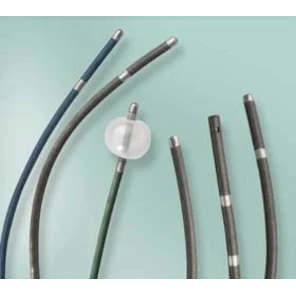
Bard Medical Balloon-Flow Bipolar Electrode Catheter – 5 per case, 110 cm Usable Length, 5/cs
Bard Medical
$1,563.99Bard Medical Balloon-Flow Bipolar Electrode Catheter carries electrodes for temporary cardiac pacing and sensing. The listed configuration centers on Balloon Flow-Assisted, with with Depth Markers...- SKU:
- 006172P
$1,563.99 -

ICU Medical Port-A-Cath II & Port-A-Cath II Power Implantable Venous Access Systems – Dual Ports
ICU Medical
$1,274.99ICU Medical Port-A-Cath II & Port-A-Cath II Power give clinicians two access points into a vein for medicines, fluids, nutrition, and blood draws. A low-profile portal in polysulfone and titanium...- SKU:
- 21-8468-24
- Quantity Per Box:
- 1 each
$1,274.99 -


BD Nexiva Diffusics Closed IV Catheter System – 22 g X 1 in, 45 mL/min Flow Rate, 325 Psi Pressure
BD
$922.99BD Nexiva Diffusics Closed IV Catheter System is designed for clinicians who need reliable vascular access with enhanced flow and safety. If you work in fast-paced hospital settings or outpatient...- SKU:
- 383591
- Gauge:
- 22 G (0.9 mm)
- Length:
- 1 in (25 mm)
- Sterilization Method:
- ETO
$922.99 -

BD Nexiva Closed IV Catheter System – Dual Port with BD Q-Syte Needle-Free Connector, 20 g X 1.75 in
BD
$826.99BD Nexiva Closed IV Catheter System is designed for clinicians who need reliable vascular access with enhanced safety and efficiency. This system supports dual port access and features the BD Q-Syte...- SKU:
- 383538
- Gauge:
- 20 G
- Sterilization Method:
- ETO
- Length:
- 1.75 in (44 mm)
$826.99 -

BD Introsyte Autoguard Shielded Introducer – High Density Polyethylene Catheter, 20 g 3 Fr
BD
$978.99BD Introsyte Autoguard Shielded Introducer is designed for clinicians who value safety and precision during IV access. The push-button shielding mechanism helps protect users from needlestick...- SKU:
- 384010
$978.99 -
BD Angiocath Peripheral Venous Catheter – 14 G, 1.88 in Length, 277 mL/min Flow Rate, EO Sterilized, Orange
BD
$1,360.99BD Angiocath Peripheral Venous Catheter is designed for clinicians who need reliable vascular access with confidence and efficiency. When every second counts in acute care or emergency settings, this...- SKU:
- 381167
- Length:
- 1.88 in (48 mm)
- Sterilization Method:
- EO
- Shelf Life:
- 5 Years
- Case Quantity:
- 200
- Quantity Per Box:
- 50
$1,360.99 -


BD Nexiva Diffusics Closed IV Catheter System with BD Maxzero Needle-Free Connector – 22 g X 1.75 in
BD
$1,030.99BD Nexiva Diffusics Closed IV Catheter System with BD Maxzero Needle-Free Connector is designed for clinicians who demand reliable vascular access and efficient fluid delivery. This system helps...- SKU:
- 383598
- Gauge:
- 22 G (0.9 mm)
- Length:
- 1.75 in (44 mm)
- Sterilization Method:
- ETO
$1,030.99 -


BD Nexiva Diffusics Closed IV Catheter System with BD Maxzero Needle-Free Connector – 20 g, 1.00 in. Length
BD
$1,083.99BD Nexiva Diffusics Closed IV Catheter System with BD Maxzero Needle-Free Connector is designed for clinicians who demand reliable vascular access and patient comfort. This system supports efficient...- SKU:
- 383597
- Gauge:
- 20 G (1.1 mm)
- Length:
- 1.00 in. (25 mm)
- Sterilization Method:
- ETO
$1,083.99 -


BD Nexiva Diffusics Closed IV Catheter System – 24 g X 0.75 in, 21 mL/min Flow Rate, 325 Psi Pressure
BD
$964.99BD Nexiva Diffusics Closed IV Catheter System is designed for clinicians who need reliable vascular access with enhanced flow and safety. Whether you are working in a high-acuity hospital setting or...- SKU:
- 383590
- Gauge:
- 24 G (0.7 mm)
- Sterilization Method:
- ETO
- Length:
- 0.75 in (19 mm)
$964.99 -


BD Nexiva Diffusics Closed IV Catheter System – 20 Gauge, 1.25 in. Length, 64 mL/min Flow Rate
BD
$964.99BD Nexiva Diffusics Closed IV Catheter System is designed for clinicians who need reliable vascular access with enhanced flow and safety. Whether you are working in a fast-paced hospital or...- SKU:
- 383593
- Gauge:
- 20 (1.1 mm)
- Sterilization Method:
- ETO
- Length:
- 1.25 in. (31 mm)
$964.99 -


BD Nexiva Diffusics Closed IV Catheter System – 20 g X 1 in, 68 mL/min Flow Rate, 325 Psi Pressure
BD
$964.99BD Nexiva Diffusics Closed IV Catheter System is designed for clinicians who demand reliable vascular access with enhanced flow and safety. Whether you are working in a high-acuity hospital setting...- SKU:
- 383592
- Gauge:
- 20 G (1.1 mm)
- Length:
- 1 in (25 mm)
- Sterilization Method:
- ETO
$964.99 -


BD Nexiva Closed IV Catheter System – Dual Port, BD Q-Syte Needle-Free Connector, 18 g X 1.75 in
BD
$826.99BD Nexiva Closed IV Catheter System is designed for clinicians who need secure, efficient IV access with minimal risk of blood exposure. This device supports safe, needle-free connections and is...- SKU:
- 383540
- Gauge:
- 18 G
- Length:
- 1.75 in (44 mm)
- Sterilization Method:
- ETO
$826.99 -


BD Nexiva Closed IV Catheter System – Dual Port, 20 g X 1.25 in., 300 Psi High Pressure Rating
BD
$826.99BD Nexiva Closed IV Catheter System is designed for clinicians who need reliable vascular access with enhanced safety and efficiency. This system supports dual port access and high-pressure...- SKU:
- 383537
- Gauge:
- 20 G
- Sterilization Method:
- ETO
- Length:
- 1.25 in. (32 mm)
$826.99 -


BD Nexiva Closed IV Catheter System – Dual Port, 18 g X 1.25 in., 300 Psi High Pressure Rating
BD
$826.99BD Nexiva Closed IV Catheter System is designed for clinicians who demand safety and efficiency during vascular access. This advanced system helps reduce blood exposure and streamlines IV therapy,...- SKU:
- 383539
- Length:
- 1.25 in. (32 mm)
- Sterilization Method:
- ETO
- Gauge:
- 18 G
$826.99 -


BD Nexiva Closed IV Catheter System – Single Port, 24 g X 0.75 in, BD Maxzero Needle-Free Connector
BD
$906.99BD Nexiva Closed IV Catheter System is designed for clinicians who need reliable vascular access with enhanced safety and efficiency. This system supports single port access and features the BD...- SKU:
- 383551
- Gauge:
- 24 G
- Length:
- 0.75 in (19 mm)
- Sterilization Method:
- ETO
$906.99 -
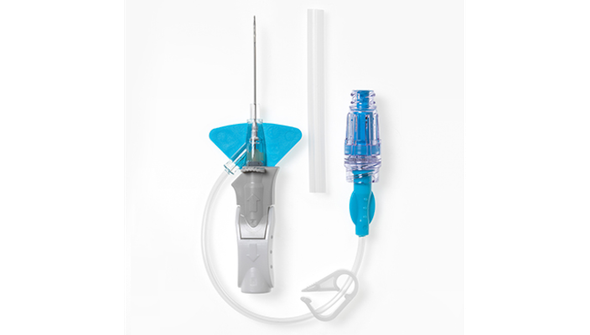

BD Nexiva Closed IV Catheter System – Single Port, 22 g X 1 in, 300 Psi High Pressure Rating
BD
$906.99BD Nexiva Closed IV Catheter System is designed for clinicians who need reliable vascular access with enhanced safety and efficiency. This system supports healthcare professionals in fast-paced...- SKU:
- 383552
- Gauge:
- 22 G
- Sterilization Method:
- ETO
- Length:
- 1 in (25 mm)
$906.99 -


BD Nexiva Closed IV Catheter System – Single Port with BD Maxzero Needle-Free Connector, 20 g X 1.75 in
BD
$906.99BD Nexiva Closed IV Catheter System is designed for clinicians who demand safety and efficiency during vascular access. This system helps reduce the risk of blood exposure and streamlines IV therapy,...- SKU:
- 383558
- Gauge:
- 20 G
- Length:
- 1.75 in (44 mm)
- Sterilization Method:
- ETO
$906.99
About IV Catheters
IV Catheters are crucial medical devices that facilitate the delivery of fluids, medications, nutrients, and blood products directly into the bloodstream. As a cornerstone of intravenous therapy, these catheters provide reliable venous access for patients across a variety of medical settings, from routine care to critical emergencies. With diverse types and configurations available, IV catheters ensure precise, efficient, and safe administration of treatments, enhancing patient outcomes and comfort.
Why Are IV Catheters Essential?
IV catheters play a vital role in healthcare by enabling direct and controlled access to a patient’s circulatory system. Whether for short-term hydration, emergency interventions, or long-term chemotherapy, these devices ensure the efficient and accurate administration of treatments. Designed with patient safety and comfort in mind, IV catheters reduce the risk of complications like infiltration or infection while offering versatility to meet the needs of various clinical applications.
Types of IV Catheters
1. Peripheral IV Catheters
Peripheral IV catheters are the most commonly used type, providing short-term venous access through veins in the arms, hands, or feet.
Applications
- Routine hydration therapy.
- Administration of antibiotics or pain medications.
- Blood transfusions and routine blood draws.
Key Features
- Gauge Options: Available in sizes from 14G (large) to 24G (small) to accommodate various flow rates and patient needs.
- Insertion Ease: Designed for straightforward placement in superficial veins.
- Short-Term Use: Ideal for treatments lasting up to 96 hours.
- Safety Options: Available with safety mechanisms like retractable needles to prevent accidental needlesticks.
2. Central Venous Catheters (CVCs)
CVCs provide long-term venous access by being inserted into large veins such as the subclavian, jugular, or femoral veins.
Applications
- Delivering chemotherapy, total parenteral nutrition (TPN), or vasopressors.
- Administering high-volume or high-concentration medications.
- Long-term infusion therapy in critical care settings.
Key Features
- Multiple Lumens: Allow simultaneous delivery of incompatible medications.
- Durable Design: Suitable for weeks to months of continuous use.
- Advanced Placement: Requires ultrasound guidance or fluoroscopy for precise insertion.
3. PICC Lines (Peripherally Inserted Central Catheters)
PICC lines are long, thin catheters inserted into a peripheral vein and advanced to a central vein near the heart.
Applications
- Long-term antibiotic therapy or parenteral nutrition.
- Outpatient chemotherapy or infusion therapies.
- Blood sampling in chronic conditions.
Key Features
- Longevity: Can remain in place for weeks to months with proper care.
- Reduced Risk: Lower infection risk compared to centrally inserted catheters.
- Versatility: Suitable for high-volume and high-concentration infusions.
4. Midline Catheters
Midline catheters are longer than peripheral IV catheters but shorter than PICC lines, offering intermediate-term venous access.
Applications
- Hydration therapy and intravenous antibiotics for 1–4 weeks.
- Blood draws and repeat venous access without frequent needle sticks.
Key Features
- Less Invasive: Does not require central vein placement.
- Reduced Complications: Lower risk of bloodstream infections compared to CVCs.
- Durable Design: Suitable for moderate-term therapy needs.
5. Butterfly Needles
Butterfly needles, also known as winged infusion sets, are designed for short-term or quick venous access.
Applications
- Pediatric and geriatric venipuncture.
- Administering small-volume infusions or drawing blood samples.
Key Features
- Ease of Use: Flexible wings provide better grip and control.
- Comfort: Thin needles minimize discomfort, especially for small or fragile veins.
- Temporary Use: Ideal for single procedures or quick access.
6. Closed-System Catheters
Closed-system catheters reduce exposure to blood and other fluids, minimizing contamination risks.
Applications
- Venous access in high-risk infection environments.
- Routine IV therapy in hospitals and outpatient settings.
Key Features
- Integrated Valves: Prevent backflow and contamination.
- Pre-Connected Systems: Simplify setup and reduce the need for additional components.
- Safety Mechanisms: Protect healthcare workers from accidental needlestick injuries.
Key Features of IV Catheters
- Variety of Sizes: Gauges from 14G to 26G for adult, pediatric, and neonatal care.
- Sterile and Safe: Pre-sterilized to prevent infections.
- Enhanced Comfort: Flexible materials and ergonomic designs minimize patient discomfort.
- Adaptability: Multiple configurations for short-term, intermediate, and long-term therapies.
- Safety Mechanisms: Retractable needles, self-sealing valves, and closed systems for enhanced protection.
- Durability: High-quality materials designed to withstand extended use and harsh conditions.
Benefits of IV Catheters
1. Reliable Venous Access
IV catheters provide consistent and dependable access for the safe administration of treatments.
2. Versatility Across Applications
From routine hydration to chemotherapy, they cater to a wide range of therapeutic needs.
3. Enhanced Patient Safety
Sterile designs and advanced safety features reduce risks of infection, infiltration, and needlestick injuries.
4. Precision and Efficiency
Catheters ensure controlled, precise delivery of fluids and medications, improving treatment outcomes.
5. Patient Comfort
Modern materials and designs reduce pain and irritation, enhancing the overall patient experience.
Real-World Applications
1. Hospitals and Clinics
- Administering IV fluids, medications, and blood products.
- Supporting diagnostic procedures like contrast injections.
2. Emergency and Trauma Care
- Rapid fluid resuscitation or medication delivery in critical scenarios.
3. Oncology and Critical Care
- Chemotherapy, parenteral nutrition, and other long-term therapies.
4. Pediatric and Geriatric Care
- Specialized catheters for fragile or small veins, ensuring minimal discomfort.
5. Home Healthcare
- PICC lines and midline catheters for long-term therapies administered at home.
Frequently Asked Questions (FAQs)
1. How do I choose the right IV catheter size?
The size depends on the therapy type. Larger gauges (14–18G) are used for rapid fluid resuscitation, while smaller gauges (22–26G) are suitable for routine infusions or pediatric care.
2. What is the difference between a PICC line and a peripheral catheter?
A PICC line is a long catheter inserted into a peripheral vein and advanced to a central vein, used for long-term therapy. Peripheral catheters are shorter and designed for short-term use in superficial veins.
3. Are IV catheters reusable?
No, IV catheters are single-use devices to ensure sterility and prevent infection.
4. Can IV catheters be used for blood sampling?
Yes, many IV catheters, including PICC lines and midline catheters, are designed for both blood sampling and fluid/medication delivery.
5. What safety features are available in modern IV catheters?
Modern catheters include retractable needles, closed systems, and integrated valves to enhance safety and reduce risks of contamination or needlestick injuries.
Choose high-quality IV catheters for safe, reliable, and efficient intravenous therapy. From peripheral and PICC lines to closed-system and pediatric-specific designs, our comprehensive range ensures superior patient care across all clinical settings. Shop now to equip your facility with state-of-the-art IV solutions!