
IV Supplies
IV (intravenous) Supplies are critical tools in the healthcare field, enabling the safe and efficient delivery of fluids, medications, blood products, and nutrients directly into a patient’s bloodstream. This method bypasses the digestive system, ensuring rapid and precise administration of therapies, especially in life-threatening or time-sensitive situations.
Used across a variety of medical settings—hospitals, outpatient clinics, emergency rooms, and even home care—IV supplies form the cornerstone of modern healthcare. High-quality, well-chosen IV supplies ensure patient safety, improve comfort, and reduce complications. In this comprehensive guide, we’ll explore the full spectrum of IV supplies, their types, features, benefits, and applications.
What Are IV Supplies?
IV supplies are the devices and equipment used during infusion therapy. This therapy involves the direct administration of substances into the veins for:
- Hydration
- Delivering essential nutrients
- Administering medications like antibiotics, chemotherapy, or pain management drugs
- Blood transfusions
- Monitoring and maintaining electrolyte balance
The primary goal of IV supplies is to make infusion therapy efficient, sterile, and comfortable for patients while simplifying workflows for healthcare providers.
Detailed Types of IV Supplies
Understanding the types of IV supplies is key to selecting the right tools for each clinical or home care situation. Let’s dive deeper into the key categories of IV supplies and their specific applications.
1. IV Catheters
IV catheters are the entry point for infusion therapy. These small tubes are inserted into a vein and provide direct access to the circulatory system. Choosing the right catheter depends on the duration of therapy, the medication or fluid being administered, and the patient’s overall condition.
Types of IV Catheters
-
Peripheral IV Catheters (PIVCs):
- Use: Ideal for short-term or intermittent therapies, such as hydration, pain relief, or antibiotics.
- Size Options: Gauge sizes (e.g., 18G, 20G, 22G) to accommodate various flow rates and vein sizes.
- Example: Used for administering fluids during a minor surgery or an emergency room visit.
-
Central Venous Catheters (CVCs):
- Use: Long-term access to central veins, commonly for patients undergoing chemotherapy, dialysis, or TPN (total parenteral nutrition).
- Features: Inserted into large central veins (e.g., subclavian or femoral veins).
- Variants: Include tunneled and non-tunneled catheters, port-a-cath devices, and hemodialysis catheters.
-
Peripherally Inserted Central Catheters (PICC Lines):
- Use: Designed for extended therapies lasting weeks or months.
- Benefits: Minimally invasive and can be used for home infusion therapy.
- Example: Common in patients receiving prolonged intravenous antibiotics.
-
Midline Catheters:
- Use: A hybrid option between peripheral and central lines, used for treatments lasting 1-4 weeks.
- Advantage: Easier placement compared to CVCs with fewer complications.
2. IV Administration Sets
Administration sets are critical for transferring fluids or medications from the IV bag or bottle to the patient. They are engineered for precise flow rates and sterile delivery.
Types of Administration Sets
-
Primary IV Sets:
- Purpose: Continuous infusion of fluids or medications.
- Features: Includes drip chambers, clamps, and connectors to control the flow rate.
-
Secondary IV Sets (Piggyback Sets):
- Purpose: Administer additional medications through the same IV line without stopping the primary infusion.
- Example: Often used for antibiotics delivered alongside hydration fluids.
-
Gravity-Driven Sets:
- Use: Reliant on manual flow control, these are commonly used in outpatient or low-resource settings.
-
Pump-Compatible Sets:
- Features: Designed for precise electronic pump systems, ensuring exact dosages and flow rates.
3. IV Infusion Sets
IV infusion sets are a subset of administration sets tailored for specific treatments, such as blood transfusions or chemotherapy. They include features like in-line filters to ensure the purity of fluids and prevent complications.
Specialized Infusion Sets
- Blood Transfusion Sets: Designed to handle blood products with built-in drip chambers and larger lumen tubing for reduced clotting risk.
- Chemotherapy Sets: Made from materials that resist leaching and chemical breakdown.
4. IV Extension Sets
Extension sets provide added length and flexibility to the IV line, making it easier for caregivers to access patients and for patients to move comfortably. These are especially useful in:
- Pediatric care
- ICU settings
- Home infusion therapy
5. IV Connectors & Caps
These small but vital components maintain a sterile and secure connection between various IV system parts, reducing contamination and infection risks.
Types of Connectors:
- Needleless Connectors: Allow safe, needle-free access for administering medications.
- Luer Lock Connectors: Provide a secure, leak-free connection.
- Caps: Protect open ports when not in use, maintaining sterility.
6. IV Dressings & Securement Devices
Securing the IV line is crucial to prevent dislodgement and infection. Modern dressings and securement devices provide both stability and comfort.
Examples:
- Transparent Dressings: Allow for continuous monitoring of the IV site.
- Advanced Securement Devices: Such as StatLock, which stabilizes the catheter and reduces tugging.
7. Dressing Change & IV Start Kits
These pre-assembled kits contain everything needed to start or maintain IV therapy, including sterile gloves, antiseptic wipes, and securement devices. They improve efficiency and reduce preparation time.
8. Tourniquets
A tourniquet temporarily restricts blood flow to make veins more prominent during IV catheter insertion. They are simple but indispensable tools for starting an IV.
9. IV Poles
IV poles provide stable support for infusion bags or bottles. Adjustable and mobile poles are widely used in hospitals and home care for both gravity-driven and pump-based systems.
10. Blood Collection Supplies
Many IV systems double as access points for drawing blood, reducing the need for multiple needle sticks. Blood collection systems ensure accurate and safe sampling for diagnostic testing.
Features and Benefits of High-Quality IV Supplies
Key Features:
- Durable Materials: Biocompatible, latex-free options reduce allergic reactions and irritation.
- Ease of Use: Pre-assembled kits and ergonomic designs simplify procedures.
- Advanced Sterility: Minimizes the risk of catheter-related bloodstream infections (CRBSIs).
- Compatibility: Works seamlessly with modern infusion pumps and monitoring equipment.
Benefits:
- Enhanced Patient Safety: Reduces risks of complications, including occlusions and phlebitis.
- Improved Workflow: Streamlined processes save time and resources for healthcare providers.
- Comfort: Minimally invasive designs improve patient experience.
Applications of IV Supplies
IV therapy is used in various medical contexts, including:
- Emergency Care: Rapid resuscitation and medication delivery.
- Chronic Disease Management: Long-term therapy for conditions like cancer, diabetes, and immune disorders.
- Surgical Recovery: Administering pain relief, fluids, and antibiotics post-surgery.
- Home Infusion Therapy: Patients with chronic illnesses can receive treatments in the comfort of their homes.
FAQs About IV Supplies
1. Can IV supplies be reused?
No. Most IV supplies are single-use to ensure sterility and prevent infections.
2. How can I prevent IV site infections?
Use sterile, single-use supplies, follow proper insertion techniques, and secure the catheter with advanced dressings.
3. Are there pediatric-specific IV supplies?
Yes. Pediatric IV catheters, extension sets, and securement devices are designed to accommodate smaller veins and ensure comfort.
IV supplies are indispensable tools in modern healthcare, ensuring effective and safe infusion therapy. By understanding their types, features, and applications, healthcare providers and caregivers can make informed decisions to deliver the highest standard of care. Explore our extensive selection of high-quality IV supplies from trusted brands to meet all your infusion therapy needs with confidence.
Shop By Category
-


Busse Ear and Ulcer Bulb Syringes, 1 oz, 2 oz and 3 oz, Sterile Singles or Non Sterile Bulk, Color Coded
Busse
$110.99 - $1,280.99Busse Ear and Ulcer Bulb Syringes are disposable syringes for ear and wound irrigation and suction, in 1 oz, 2 oz and 3 oz capacities. Sterile singles cover field and bedside use, non sterile bulk...$110.99 - $1,280.99 -
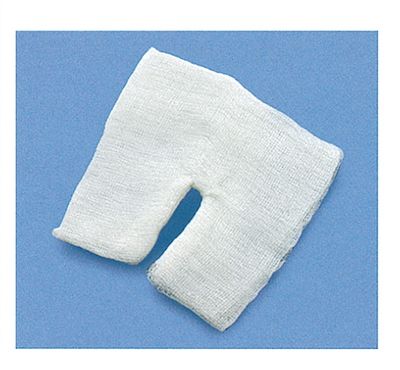
Busse Tracheostomy Dressing, Sterile, Pre Cut Gauze Dressing for the Stoma Site, 50 per Box, 300 per Case
Busse
$146.99Busse Tracheostomy Dressing is the sterile, pre cut gauze dressing made for the tracheostomy stoma site, stocked on its own for dressing only changes. Units that run their own care sets, or change...- SKU:
- 707
$146.99 -

Busse Tracheostomy Care Trays and Sets, Seven Builds with Dressings, Forceps, Gloves and Peroxide, Sterile
Busse
$118.99 - $215.99Busse Tracheostomy Care Trays cover routine tracheostomy care in seven staged builds, from the standard kit to peroxide, basin and no glove variants. Every build stages the tray, gloves where listed,...$118.99 - $215.99 -
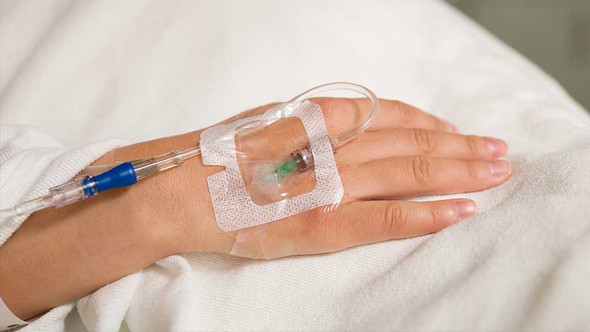
Busse I.V. Start Kits with Tegaderm or Transparent Dressing, ChloraPrep Sepp or Chlorascrub Swab, Sterile
Busse
$166.99 - $199.99Busse I.V. Start Kits stage a complete peripheral IV start, with the skin prep, tourniquet, dressing and tape the insertion runs on. One kit centers on a Tegaderm dressing with a ChloraPrep Sepp...$166.99 - $199.99 -

Busse Dressing Change Trays, With Instruments and Abdominal Pad or With Saline and Stretch Gauze, Sterile
Busse
$166.99 - $218.99Busse Dressing Change Trays stage routine dressing changes in two builds, one instrument focused and one built as a primary dressing change set. Item 759 stages scissors, forceps and an abdominal pad...$166.99 - $218.99 -
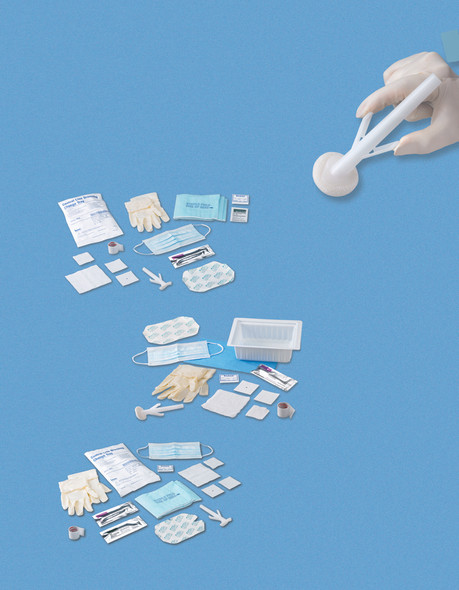
Busse Central Line Dressing Change Tray with Tegaderm Dressing and Alcohol Swabsticks, Sterile, 30 per Case
Busse
$316.99 - $380.99Busse Central Line Dressing Change Tray stages a central venous catheter dressing change with a Tegaderm transparent dressing at the center of the set. Mask, gloves, iodophor and alcohol swabsticks,...$316.99 - $380.99 -

Busse EpiGlide Loss of Resistance Syringes, 10mL Plastic, Luer Lock or Luer Slip Tip, Sterile, 50 per Case
Busse
$160.99 - $166.99Busse EpiGlide Loss of Resistance Syringes are 10mL plastic syringes made for the loss of resistance technique used to confirm epidural placement. The range offers the two standard tip fittings, Luer...$160.99 - $166.99 -

Graham Medical Disposable Tourniquets - Latex-Free Single-Use Straps, 1 Inch by 18 Inches, White
Graham Medical
$181.62 - $353.57Disposable Tourniquets from Graham Medical cover the everyday single-use needs of busy care and service settings. This page gathers the full manufacturer range in one place, with every configuration...$181.62 - $353.57 -

Smith & Nephew PRIMAPORE IV Adhesive Dressing – 3 Configurations – Sizes 4" x 3 1/8" to 2¾" x 2"
Smith & Nephew
$92.99 - $361.99Smith & Nephew PRIMAPORE IV Adhesive Dressing – 3 Configurations – Sizes 4" x 3 1/8" to 2¾" x 2" is a transparent IV film dressing from Smith & Nephew that seals the catheter site under a...$92.99 - $361.99 -


Smith & Nephew OPSITE IV3000 Ported Film Dressing – 2 Configurations – Size 3½" x 4¾" – OEM Supply
Smith & Nephew
$478.99 - $1,385.99Smith & Nephew OPSITE IV3000 Ported Film Dressing – 2 Configurations – Size 3½" x 4¾" – OEM Supply is a transparent IV film dressing from Smith & Nephew that seals the catheter site under a...$478.99 - $1,385.99 -


Smith & Nephew OPSITE IV3000 Transparent Film Dressing – 6 Configurations – Sizes 2.38" x 2.75" to 4" x 8"
Smith & Nephew
$388.99 - $936.99Smith & Nephew OPSITE IV3000 Transparent Film Dressing – 6 Configurations – Sizes 2.38" x 2.75" to 4" x 8" is a transparent IV film dressing from Smith & Nephew that seals the catheter site under a...$388.99 - $936.99 -
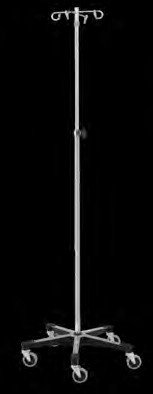
Blickman Twist Lock 5-Leg Stainless Steel IV Stand – Height Adjustable – Swivel Caster Base – Steel Build
Blickman
$483.99 - $504.99The Blickman Twist Lock 5-Leg Stainless Steel IV Stand puts a polished die cast aluminum base with hard rubber swivel casters to work in infusion and patient care areas. It is offered in 2...$483.99 - $504.99 -
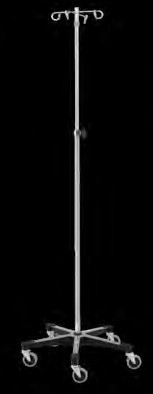
Blickman Tru-Loc 5-Leg Stainless Steel IV Stand – Height Adjustable – Swivel Caster Base – Steel Build
Blickman
$391.99 - $405.99Built around a polished die cast aluminum base with hard rubber swivel casters, the Blickman Tru-Loc 5-Leg Stainless Steel IV Stand is made for daily duty in infusion and patient care areas. Compare...$391.99 - $405.99 -

Blickman Thumb Control 5-Leg Stainless Steel IV Stand – Height Adjustable – Swivel Caster Base – Steel Build
Blickman
$519.99 - $539.99Built around a polished die cast aluminum base with hard rubber swivel casters, the Blickman Thumb Control 5-Leg Stainless Steel IV Stand is made for daily duty in infusion and patient care areas...$519.99 - $539.99 -


Blickman Washable IV Stand – Height Adjustable – Swivel Caster Base – for Hospital and Clinic Use
Blickman
$385.99 - $413.99Facilities choose the Blickman Washable IV Stand for infusion and patient care areas, where it delivers a polished die cast aluminum base with hard rubber swivel casters. This page lists 3...$385.99 - $413.99 -


Blickman MR IV Stand – Height Adjustable – Swivel Caster Base – for Hospital and Clinic Use – Steel Build
Blickman
$753.99 - $770.99Facilities choose the Blickman MR IV Stand for infusion and patient care areas, where it delivers a polished die cast aluminum base with hard rubber swivel casters. This page lists 2 configurations...$753.99 - $770.99 -

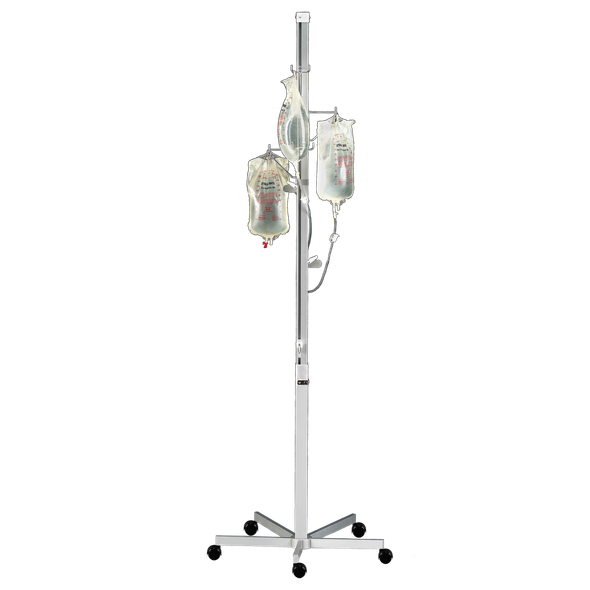
Blickman Irrigation Tower – Height Adjustable – Swivel Caster Base – for Hospital and Clinic Use – Steel Build
Blickman
$2,858.99 - $3,537.99Facilities choose the Blickman Irrigation Tower for infusion and patient care areas, where it delivers a polished die cast aluminum base with hard rubber swivel casters. This page lists 2...$2,858.99 - $3,537.99 -
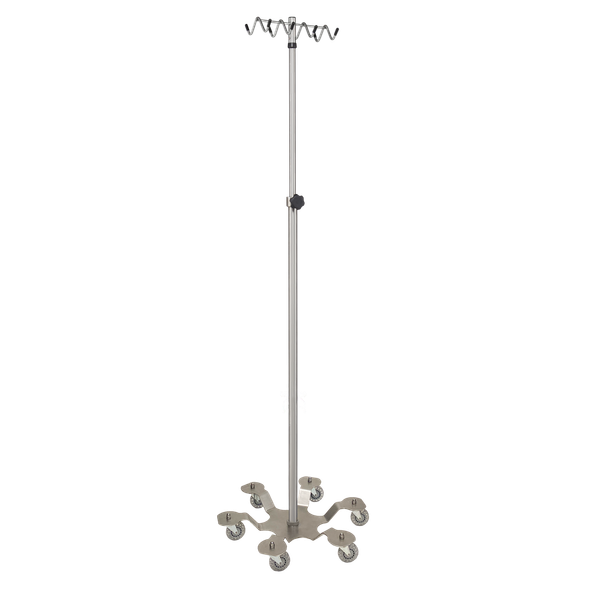

Blickman 6-Leg Stainless Steel IV Stand – Height Adjustable – Swivel Caster Base – for Hospital and Clinic Use
Blickman
$529.99 - $682.99Facilities choose the Blickman 6-Leg Stainless Steel IV Stand for infusion and patient care areas, where it delivers a polished die cast aluminum base with hard rubber swivel casters. This page lists...$529.99 - $682.99 -

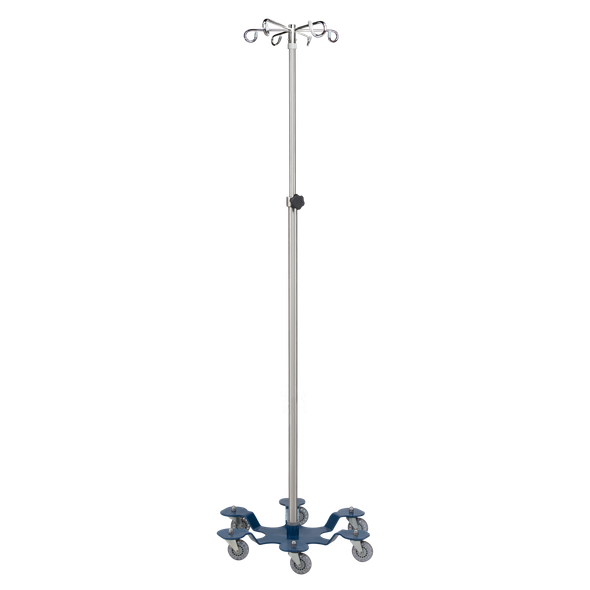
Blickman 6-Leg Chrome IV Stand – Height Adjustable – Swivel Caster Base – for Hospital and Clinic Use
Blickman
$393.99 - $408.99The Blickman 6-Leg Chrome IV Stand puts a polished die cast aluminum base with hard rubber swivel casters to work in infusion and patient care areas. It is offered in 2 configurations on this page,...$393.99 - $408.99 -


Blickman 5-Leg Chrome IV Stand – Height Adjustable – Swivel Caster Base – for Hospital and Clinic Use
Blickman
$218.99 - $259.99The Blickman 5-Leg Chrome IV Stand is chosen by facilities for infusion and patient care areas, where it delivers a polished die cast aluminum base with hard rubber swivel casters. This page lists 4...$218.99 - $259.99
About IV Supplies
IV (intravenous) Supplies are critical tools in the healthcare field, enabling the safe and efficient delivery of fluids, medications, blood products, and nutrients directly into a patient’s bloodstream. This method bypasses the digestive system, ensuring rapid and precise administration of therapies, especially in life-threatening or time-sensitive situations.
Used across a variety of medical settings—hospitals, outpatient clinics, emergency rooms, and even home care—IV supplies form the cornerstone of modern healthcare. High-quality, well-chosen IV supplies ensure patient safety, improve comfort, and reduce complications. In this comprehensive guide, we’ll explore the full spectrum of IV supplies, their types, features, benefits, and applications.
What Are IV Supplies?
IV supplies are the devices and equipment used during infusion therapy. This therapy involves the direct administration of substances into the veins for:
- Hydration
- Delivering essential nutrients
- Administering medications like antibiotics, chemotherapy, or pain management drugs
- Blood transfusions
- Monitoring and maintaining electrolyte balance
The primary goal of IV supplies is to make infusion therapy efficient, sterile, and comfortable for patients while simplifying workflows for healthcare providers.
Detailed Types of IV Supplies
Understanding the types of IV supplies is key to selecting the right tools for each clinical or home care situation. Let’s dive deeper into the key categories of IV supplies and their specific applications.
1. IV Catheters
IV catheters are the entry point for infusion therapy. These small tubes are inserted into a vein and provide direct access to the circulatory system. Choosing the right catheter depends on the duration of therapy, the medication or fluid being administered, and the patient’s overall condition.
Types of IV Catheters
-
Peripheral IV Catheters (PIVCs):
- Use: Ideal for short-term or intermittent therapies, such as hydration, pain relief, or antibiotics.
- Size Options: Gauge sizes (e.g., 18G, 20G, 22G) to accommodate various flow rates and vein sizes.
- Example: Used for administering fluids during a minor surgery or an emergency room visit.
-
Central Venous Catheters (CVCs):
- Use: Long-term access to central veins, commonly for patients undergoing chemotherapy, dialysis, or TPN (total parenteral nutrition).
- Features: Inserted into large central veins (e.g., subclavian or femoral veins).
- Variants: Include tunneled and non-tunneled catheters, port-a-cath devices, and hemodialysis catheters.
-
Peripherally Inserted Central Catheters (PICC Lines):
- Use: Designed for extended therapies lasting weeks or months.
- Benefits: Minimally invasive and can be used for home infusion therapy.
- Example: Common in patients receiving prolonged intravenous antibiotics.
-
Midline Catheters:
- Use: A hybrid option between peripheral and central lines, used for treatments lasting 1-4 weeks.
- Advantage: Easier placement compared to CVCs with fewer complications.
2. IV Administration Sets
Administration sets are critical for transferring fluids or medications from the IV bag or bottle to the patient. They are engineered for precise flow rates and sterile delivery.
Types of Administration Sets
-
Primary IV Sets:
- Purpose: Continuous infusion of fluids or medications.
- Features: Includes drip chambers, clamps, and connectors to control the flow rate.
-
Secondary IV Sets (Piggyback Sets):
- Purpose: Administer additional medications through the same IV line without stopping the primary infusion.
- Example: Often used for antibiotics delivered alongside hydration fluids.
-
Gravity-Driven Sets:
- Use: Reliant on manual flow control, these are commonly used in outpatient or low-resource settings.
-
Pump-Compatible Sets:
- Features: Designed for precise electronic pump systems, ensuring exact dosages and flow rates.
3. IV Infusion Sets
IV infusion sets are a subset of administration sets tailored for specific treatments, such as blood transfusions or chemotherapy. They include features like in-line filters to ensure the purity of fluids and prevent complications.
Specialized Infusion Sets
- Blood Transfusion Sets: Designed to handle blood products with built-in drip chambers and larger lumen tubing for reduced clotting risk.
- Chemotherapy Sets: Made from materials that resist leaching and chemical breakdown.
4. IV Extension Sets
Extension sets provide added length and flexibility to the IV line, making it easier for caregivers to access patients and for patients to move comfortably. These are especially useful in:
- Pediatric care
- ICU settings
- Home infusion therapy
5. IV Connectors & Caps
These small but vital components maintain a sterile and secure connection between various IV system parts, reducing contamination and infection risks.
Types of Connectors:
- Needleless Connectors: Allow safe, needle-free access for administering medications.
- Luer Lock Connectors: Provide a secure, leak-free connection.
- Caps: Protect open ports when not in use, maintaining sterility.
6. IV Dressings & Securement Devices
Securing the IV line is crucial to prevent dislodgement and infection. Modern dressings and securement devices provide both stability and comfort.
Examples:
- Transparent Dressings: Allow for continuous monitoring of the IV site.
- Advanced Securement Devices: Such as StatLock, which stabilizes the catheter and reduces tugging.
7. Dressing Change & IV Start Kits
These pre-assembled kits contain everything needed to start or maintain IV therapy, including sterile gloves, antiseptic wipes, and securement devices. They improve efficiency and reduce preparation time.
8. Tourniquets
A tourniquet temporarily restricts blood flow to make veins more prominent during IV catheter insertion. They are simple but indispensable tools for starting an IV.
9. IV Poles
IV poles provide stable support for infusion bags or bottles. Adjustable and mobile poles are widely used in hospitals and home care for both gravity-driven and pump-based systems.
10. Blood Collection Supplies
Many IV systems double as access points for drawing blood, reducing the need for multiple needle sticks. Blood collection systems ensure accurate and safe sampling for diagnostic testing.
Features and Benefits of High-Quality IV Supplies
Key Features:
- Durable Materials: Biocompatible, latex-free options reduce allergic reactions and irritation.
- Ease of Use: Pre-assembled kits and ergonomic designs simplify procedures.
- Advanced Sterility: Minimizes the risk of catheter-related bloodstream infections (CRBSIs).
- Compatibility: Works seamlessly with modern infusion pumps and monitoring equipment.
Benefits:
- Enhanced Patient Safety: Reduces risks of complications, including occlusions and phlebitis.
- Improved Workflow: Streamlined processes save time and resources for healthcare providers.
- Comfort: Minimally invasive designs improve patient experience.
Applications of IV Supplies
IV therapy is used in various medical contexts, including:
- Emergency Care: Rapid resuscitation and medication delivery.
- Chronic Disease Management: Long-term therapy for conditions like cancer, diabetes, and immune disorders.
- Surgical Recovery: Administering pain relief, fluids, and antibiotics post-surgery.
- Home Infusion Therapy: Patients with chronic illnesses can receive treatments in the comfort of their homes.
FAQs About IV Supplies
1. Can IV supplies be reused?
No. Most IV supplies are single-use to ensure sterility and prevent infections.
2. How can I prevent IV site infections?
Use sterile, single-use supplies, follow proper insertion techniques, and secure the catheter with advanced dressings.
3. Are there pediatric-specific IV supplies?
Yes. Pediatric IV catheters, extension sets, and securement devices are designed to accommodate smaller veins and ensure comfort.
IV supplies are indispensable tools in modern healthcare, ensuring effective and safe infusion therapy. By understanding their types, features, and applications, healthcare providers and caregivers can make informed decisions to deliver the highest standard of care. Explore our extensive selection of high-quality IV supplies from trusted brands to meet all your infusion therapy needs with confidence.