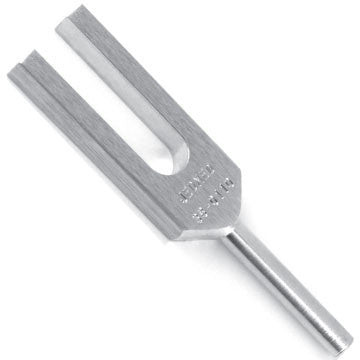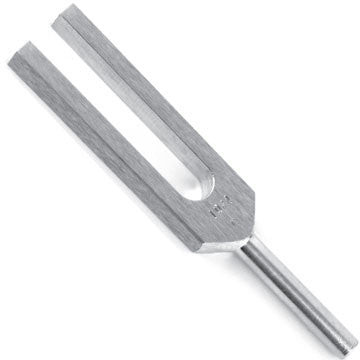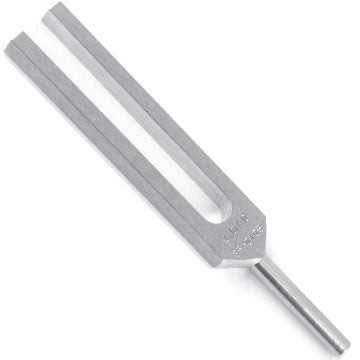
Description
The Jedmed Tuning Fork C256 is a class A3M aluminum alloy tuning fork tuned to the C256 frequency. Its frequency is accurate to plus or minus 0.5 percent at 20 degrees Celsius for hearing examinations.
- Frequency Tolerance – plus or minus 0.5 percent at 20 degrees C
- Class A3M Alloy – aluminum alloy construction, light and corrosion resistant
- C256 Frequency – a core frequency for Rinne and Weber hearing tests
C256 Accuracy in Class A3M Aluminum
The 256 hertz fork is a core frequency for hearing screening examinations such as Rinne and Weber testing. This fork is made from class A3M aluminum alloy, which keeps it light and corrosion resistant. Its frequency tolerance is plus or minus 0.5 percent at 20 degrees Celsius, so test results stay comparable between rooms and clinicians.
Aluminum forks hold their tone across years of daily clinic use. It pairs with the other frequencies in the Jedmed line to make a complete test set.
Features and Benefits
Accuracy
- Frequency Tolerance: plus or minus 0.5 percent at 20 degrees C
- Class A3M Alloy: aluminum alloy construction, light and corrosion resistant
Clinical Use
- C256 Frequency: a core frequency for Rinne and Weber hearing tests
Product Specifications
Product Details
- Frequency: C256 (256 Hz)
- Material: class A3M aluminum alloy
- Tolerance: plus or minus 0.5 percent at 20 degrees C
Ordering Information
- Brand: Jedmed Instrument Company
- Sold As: Each
- Catalog Number (SKU): 38-0107
Browse the full Tuning Forks range, or see every Jedmed product we carry.
Comparisons Need Accurate Forks
Hearing tests are comparisons, and comparisons need accurate forks. The C256 in class A3M alloy holds its half-percent tolerance for the long term.
- Accurate to plus or minus 0.5 percent
- Class A3M aluminum alloy
- Core Rinne and Weber frequency
- Light and corrosion resistant
Frequently Asked Questions
What frequency is this fork?
It is tuned to C256, which is 256 hertz. It is a reusable item and is cleaned and sterilized between uses under standard reprocessing practice.
How accurate is it?
The frequency is accurate to plus or minus 0.5 percent at 20 degrees Celsius. It is supplied individually.
What is it made from?
It is made from class A3M aluminum alloy. Its frequency is C256 (256 Hz).
What is a C256 fork used for?
It is used in hearing examinations such as the Rinne and Weber tests. It is made from class A3M aluminum alloy.
How should it be stored?
Forks keep their accuracy when stored protected from bending and knocks, for example in a five fork holder. It is made by Jedmed Instrument Company of St. Louis, Missouri.