
Lab Instruments
Lab Instruments are the backbone of precision diagnostics, research, and quality control across clinical, pharmaceutical, academic, and industrial laboratories. From analyzers and spectrophotometers to centrifuges and incubators, these tools enable reliable data generation, sample processing, and automated testing. Designed for performance, accuracy, and compliance, lab instruments streamline workflows and elevate scientific standards in every application.
Why Lab Instruments Are Essential
Laboratory workflows rely on instrumentation for accurate measurements, reproducible results, and efficient sample handling. These tools reduce manual error, save time, and allow labs to scale testing or research while maintaining regulatory compliance. Whether analyzing blood gases, amplifying DNA, or measuring pH levels, lab instruments empower professionals to perform high-complexity tasks with speed, confidence, and consistency.
What Are Lab Instruments?
Lab instruments are devices or machines used for analytical testing, biological processing, physical measurement, and automated sample handling. They include diagnostic analyzers, thermal cyclers, mixers, spectrophotometers, and environmental control devices like incubators or water baths. Instruments are typically designed with digital interfaces, software integration, and specialized consumables for specific applications ranging from molecular diagnostics to clinical chemistry.
Types of Lab Instruments
Blood Gas Analyzers
Best for: Measuring blood gases, pH, and electrolytes in critical care.
Blood gas analyzers provide fast, point-of-care results for respiratory and metabolic assessments.
Key Features:
- Portable or benchtop designs.
- Simultaneous analysis of pH, pCO₂, pO₂, and more.
- Compatible with whole blood or plasma.
- Rapid turnaround time (TAT).
- Integrated quality control and calibration.
Applications:
- ICU and emergency diagnostics.
- Respiratory and renal monitoring.
- Cardiopulmonary testing.
- Arterial blood gas (ABG) analysis.
Chemistry Analyzers
Best for: Automated biochemical analysis of blood or serum.
These instruments detect and quantify substances like glucose, enzymes, or lipids.
Key Features:
- Fully or semi-automated sample processing.
- Multi-parameter testing with reagent panels.
- Barcode scanning and LIS integration.
- Random access and continuous loading.
- Built-in controls and calibrators.
Applications:
- Clinical biochemistry labs.
- Metabolic panel testing.
- Endocrine and liver function assessments.
- Veterinary and research diagnostics.
Coagulation Analyzers
Best for: Monitoring blood clotting and anticoagulant therapy.
These devices perform PT, aPTT, INR, and D-dimer testing with accuracy and speed.
Key Features:
- Automated reagent handling.
- Optical or mechanical clot detection.
- Small sample volume requirements.
- Real-time QC and trend monitoring.
- Compliance with hematology protocols.
Applications:
- Coagulation disorders diagnosis.
- Surgical or trauma patient screening.
- Anticoagulant dose monitoring.
- Laboratory hematology departments.
Controls and Calibrators
Best for: Validating and standardizing instrument performance.
Used across all analyzer types to ensure reliable, traceable results.
Key Features:
- Third-party or OEM matched options.
- Multi-level (low/normal/high) for range validation.
- Stabilized for long shelf life.
- Traceable to international standards.
- Ready-to-use or lyophilized formats.
Applications:
- Routine analyzer maintenance.
- Quality control program compliance (CLIA, ISO).
- Calibration verification for audits.
- Troubleshooting result variability.
Electrolyte Analyzers
Best for: Measuring levels of Na⁺, K⁺, Cl⁻, Ca²⁺, and more.
Fast, cost-effective electrolyte analysis using ion-selective electrode technology.
Key Features:
- Stat or batch testing options.
- Sample volumes as low as 60 µL.
- Automatic calibration and waste management.
- Integrated touchscreens.
- Whole blood, plasma, serum, or urine compatibility.
Applications:
- ICU, dialysis, and emergency medicine.
- Metabolic and renal panel testing.
- Electrolyte balance monitoring.
- Pediatric and geriatric care.
ELISA Readers
Best for: Quantifying biomarkers in enzyme-linked immunoassays.
Also known as microplate readers, these instruments detect absorbance changes to measure analyte concentration.
Key Features:
- 96- and 384-well plate compatibility.
- Wavelength range: 400–750 nm.
- Curve fitting and kinetic analysis software.
- Fast read speeds and low CV.
- Multiple reading modes (endpoint, kinetic, dual-wavelength).
Applications:
- Infectious disease testing.
- Hormone and cytokine measurement.
- Food and environmental safety.
- Drug screening and toxicology.
Hematology Analyzers
Best for: Complete blood count (CBC) and differential testing.
Automated hematology analyzers process whole blood samples to evaluate WBC, RBC, HGB, and platelets.
Key Features:
- 3-part or 5-part differential systems.
- Flagging and histogram capabilities.
- Low sample and reagent consumption.
- Intuitive touch interfaces and LIS connectivity.
- Daily QC tracking and calibration.
Applications:
- Hematology and oncology labs.
- Blood donation screening.
- Infection and anemia diagnostics.
- Pediatric and geriatric testing.
PCR Systems
Best for: DNA/RNA amplification and molecular diagnostics.
Thermal cyclers automate denaturation, annealing, and extension cycles for nucleic acid detection.
Key Features:
- Conventional and real-time (qPCR) systems.
- High temperature uniformity and ramp speeds.
- Multiplexing and fluorescence detection.
- Plug-and-play assay kits supported.
- Software for data visualization and analysis.
Applications:
- Pathogen detection (COVID-19, HPV, HIV).
- Genotyping and SNP analysis.
- Forensics and ancestry testing.
- Food and GMO testing.
pH & Conductivity Meters
Best for: Measuring acidity, alkalinity, and ionic concentration.
Benchtop or handheld meters provide real-time results for solution characterization.
Key Features:
- Auto temperature compensation (ATC).
- Replaceable probes and digital calibration.
- Simultaneous pH and conductivity display.
- Built-in memory and USB connectivity.
- Splash-proof and durable designs.
Applications:
- Water quality and environmental testing.
- Chemical titrations.
- Biopharmaceutical manufacturing.
- Cell culture media prep.
Point-of-Care Analyzers
Best for: Rapid, bedside diagnostic testing.
Compact analyzers provide lab-quality results in minutes with minimal training.
Key Features:
- Portable, battery-operated formats.
- Disposable cartridges or test strips.
- Simple interface and minimal prep.
- Wireless data transfer and EMR integration.
- Ideal for CLIA-waived environments.
Applications:
- Emergency rooms and urgent care.
- Home care and field testing.
- Chronic disease management.
- Military or humanitarian deployments.
Spectrophotometers
Best for: Quantifying absorbance or transmittance of light through samples.
Used in analytical chemistry, molecular biology, and clinical applications.
Key Features:
- UV-Vis or visible spectrum coverage.
- Cuvette or microvolume formats.
- Photodiode array or monochromator optics.
- Software for spectral scanning and analysis.
- High repeatability and calibration support.
Applications:
- Nucleic acid and protein quantification.
- Colorimetric assay development.
- Reaction kinetics and enzyme activity.
- Pharmaceutical QC testing.
Urine Analyzers
Best for: Automated urinalysis using reagent strips or cartridges.
These instruments interpret test results for glucose, ketones, protein, leukocytes, and more.
Key Features:
- Barcode and LIS integration.
- Semi-automated or fully automated options.
- High-throughput batch processing.
- Built-in printer or data export functions.
- Minimal manual interpretation needed.
Applications:
- Routine health screenings.
- Kidney and liver disease monitoring.
- Diabetes and metabolic assessments.
- Hospital, clinic, or point-of-care use.
Centrifuges
Best for: Separating blood, plasma, or cells by density.
Centrifuges apply centrifugal force to isolate sample components.
Key Features:
- Micro, clinical, or high-speed options.
- Fixed-angle or swing-out rotors.
- Digital speed/time control.
- Safety lock and imbalance detection.
- Autoclavable rotor buckets.
Applications:
- Blood plasma preparation.
- Cell harvesting.
- Urine sedimentation.
- Microbiology and biochemistry labs.
Incubators
Best for: Culturing cells and microorganisms in controlled environments.
Maintain stable temperature, humidity, and CO₂ conditions.
Key Features:
- Temperature range 5°C above ambient to 60°C+.
- Forced air or natural convection models.
- CO₂ and humidity control (for cell incubators).
- Adjustable shelves and over-temp protection.
- LCD or touchscreen controls.
Applications:
- Bacterial growth and fermentation.
- Tissue and stem cell culture.
- Environmental testing.
- IVF and fertility labs.
Mixers & Shakers
Best for: Homogenizing or agitating samples.
Used for consistent mixing in tubes, flasks, or plates.
Key Features:
- Orbital, vortex, or rocker motion.
- Speed and time adjustability.
- Platform accessories for multiple vessel types.
- Quiet operation and compact designs.
- Temperature-controlled options available.
Applications:
- ELISA and immunoassay preparation.
- Microbial culture mixing.
- Solvent extraction or sample rehydration.
- Plate incubation and staining.
Water Baths
Best for: Gentle heating of samples at controlled temperatures.
Water baths offer uniform temperature distribution for reproducible results.
Key Features:
- Digital or analog temperature control.
- Optional shaking or circulating models.
- Stainless steel inner chambers.
- Over-temperature protection.
- Lid and rack accessories.
Applications:
- Enzyme incubation and tissue digestion.
- Melting point analysis.
- Sample thawing.
- Microbiology, histology, and chemistry labs.
Key Features of Lab Instruments
- Automated testing and data analysis reduce human error.
- Digital interfaces and software integration streamline lab workflows.
- Precise measurements across clinical and research assays.
- Compact, modular, or benchtop designs optimize space.
- Compatible with QC materials, reagents, and LIS systems.
Benefits of Lab Instruments
Lab instruments bring speed, reliability, and scalability to modern laboratories. They support a wide range of testing—from rapid diagnostics to complex molecular workflows—while enhancing compliance and reducing technician burden. With the right equipment, labs can increase throughput, minimize manual errors, and achieve accurate, reproducible outcomes that drive clinical and scientific progress.
Frequently Asked Questions (FAQs)
Q: Are MedicalEx instruments CLIA- or ISO-certified?
A: Yes, we offer instruments compliant with CLIA, ISO, CE, and other major regulatory frameworks. Product pages specify certifications.
Q: Can I integrate these devices with my LIS or EMR?
A: Most lab instruments feature LIS/EMR compatibility or offer optional software modules for seamless integration.
Q: Do instruments come with warranties and support?
A: Yes. Most include manufacturer warranties, training, and access to technical support or service contracts.
Q: How do I maintain calibration and QC?
A: Use manufacturer-recommended calibrators and controls, and follow scheduled QC protocols to meet compliance standards.
Q: What kind of training is needed?
A: Most instruments are user-friendly, and MedicalEx or OEMs can provide manuals, virtual training, or in-person setup support.
Related Products
- Reagents & Assay Kits: Validated kits compatible with select analyzers.
- Controls & Calibrators: Maintain accuracy and compliance.
- Pipettes & Pipette Tips: For sample prep and instrument loading.
- Specimen Collection Tubes: For blood, urine, or swab-based diagnostics.
Power your lab with precision instruments from MedicalEx. Whether you're analyzing blood, DNA, proteins, or reagents, our curated selection of lab instruments ensures reliable, compliant, and efficient performance for every workflow. Shop now and elevate your lab's capabilities with trusted technology.
Shop By Category
-

BD Veritor System Flu a Control Swabs – 10 Flu a+, 10 Flu B+, 20 Swabs per Pack, 1095-Day Shelf Life
BD
$127.99BD Veritor System Flu a Control Swabs are designed for clinical teams who need reliable controls for flu testing. These swabs help ensure accurate results and support confident decision-making in...- SKU:
- 256051
- Quantity Per Box:
- 20 swabs
- Shelf Life:
- 1095 days
$127.99 -

BD Veritor Flu Lab Combo – 2 Flu Lab Kits, 1 Analyzer, 60 Tests per Kit, 1095-Day Shelf Life
BD
$921.99BD Veritor Flu Lab Combo is designed for busy clinical labs and healthcare teams who need fast, reliable flu testing. When accuracy and efficiency matter most, this combo delivers clear results and...- SKU:
- 256073
- Shelf Life:
- 1095 days
$921.99 -

BD Veritor Flu CLIA Combo – 2 Flu CLIA Kits, 1 Analyzer, 60 Tests per Kit, 1095-Day Shelf Life
BD
$921.99BD Veritor Flu CLIA Combo is designed for healthcare teams seeking reliable and efficient flu testing at the point of care. When accuracy and speed matter, this combo kit delivers clear results and...- SKU:
- 256074
- Shelf Life:
- 1095 days
$921.99 -

BD Veritor Plus Analyzer – Handheld Diagnostic Device, 720-Day Shelf Life, Single Unit Packaging, 1 EA
BD
$438.99BD Veritor Plus Analyzer brings confidence to your diagnostic workflow with fast, accurate results. Designed for healthcare teams who need reliable point-of-care testing, this handheld device...- SKU:
- 256066
- Quantity Per Box:
- 1 EA
- Shelf Life:
- 720 days
$438.99 -

BD Veritor Printer Cable – Diagnostic Accessory for Veritor System, 1 Each Packaging, Compatible with GTIN
BD
$78.99BD Veritor Printer Cable is designed to help healthcare teams connect diagnostic equipment with ease. When you need a reliable accessory for your point-of-care testing setup, this cable supports...- SKU:
- 443907
- Quantity Per Box:
- 1 each
$78.99 -

Unico MICRO Cell Holder Kit – Adjustable X-Y Base, Single Cuvette Holder for 10mm Square Cuvette
Unico
$413.99MICRO Cell Holder Kit is designed for precise spectrophotometric analysis, supporting researchers and lab professionals who require stable temperature control and accurate sample handling. If you...- SKU:
- SQ2800-106P
$413.99 -

Unico HALOGEN Bulb for SQ2800 Spectrophotometer – 12V 20W Vertical Filament, Reliable Illumination
Unico
$163.99HALOGEN Bulb for SQ2800 Spectrophotometer is designed for professionals who require consistent, accurate illumination in laboratory settings. If you rely on your SQ2800 spectrophotometer for precise...- SKU:
- SQ2800-515
- Quantity Per Box:
- 1
$163.99 -

Unico 3A Replacement Fuse for SQ Series Spectrophotometers – Individual Pack, Protects Against Power Surges
Unico
$41.99Unico 3A Replacement Fuse for SQ Series Spectrophotometers is designed for laboratory professionals who need reliable protection for sensitive instruments. When a spectrophotometer is essential to...- SKU:
- SQ2800-535
$41.99 -
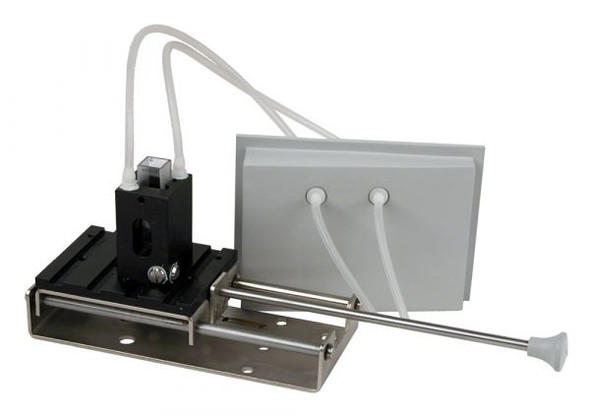
Unico WATER-JACKETED Cuvette Holder Kit for 10 mm Single Square Cuvette – Universal Base, Flowthru Panel
Unico
$478.99WATER-JACKETED Cuvette Holder Kit for 10 Mm Single Square Cuvette is designed for laboratories that require precise temperature control during spectrophotometric analysis. If you work with SQ2800...- SKU:
- SQ2800-105P
$478.99 -
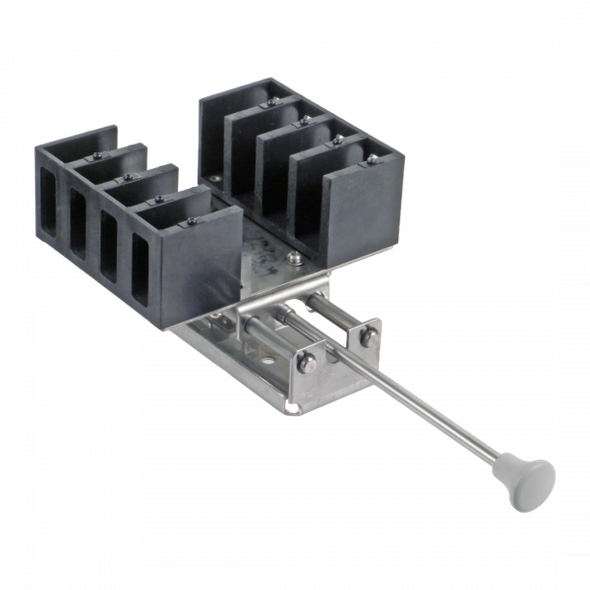
Unico LONG Path Cell Holder Kit – Holds 4 Cells Up to 100 mm Pathlength, Universal Base Included
Unico
$478.99LONG Path Cell Holder Kit is designed for laboratories and researchers who need precise multi-sample analysis. If you work with spectrophotometers like the SQ2800, 2802, or 2802S, this kit helps...- SKU:
- SQ2800-102P
$478.99 -

Unico 8-Position Auto Cell Changer – for Sq2800/2802/3802 Series, Automatic Switching, Multi-Sample Efficiency
Unico
$852.99Unico 8-Position Auto Cell Changer streamlines your laboratory workflow by enabling automatic cell switching for SQ2800, 2802, and 3802 series spectrophotometers. If you manage high-throughput sample...- SKU:
- SQ2800-121
$852.99 -
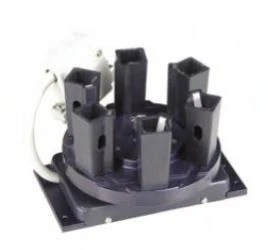
Unico 6-Position Auto Cell Changer – for SQ4802 Series Spectrophotometer, Automates Multi-Sample Analysis
Unico
$852.99Unico 6-Position Auto Cell Changer streamlines your lab workflow by automating the cell changing process for the SQ4802 series spectrophotometer. If you manage multi-sample analysis or...- SKU:
- SQ4802-120
$852.99 -

Unico ADVANCED PC Window Software Package for SQ4802 – %T/abs/conc, Standard Curve, Kinetics, Dna/protein
Unico
$1,259.99ADVANCED PC Window Software Package for SQ4802 is designed for laboratory professionals who need advanced analytical tools and reliable data management. If you require precise measurements and...- SKU:
- SQ4802-401
$1,259.99 -

Unico TEST Tube Holder Kit – Fits 8 – 20 mm Tubes, Universal Base, V-Type Holder, Wood Material
Unico
$294.99TEST Tube Holder Kit is designed for laboratories and research settings where secure and stable support for test tubes is essential. If you work with a variety of tube sizes, this kit helps you keep...- SKU:
- S-2150-101P
- Material:
- Wood
$294.99 -


Unico Deuterium Lamp with FLANGE for S-2150 Series – Single Replacement Lamp, Secure Flange Design,
Unico
$770.99Deuterium Lamp with FLANGE for S-2150 Series is designed for labs and technicians who need reliable, accurate light sources for their UNICO spectrophotometers. If you work with absorbance...- SKU:
- S-2150-525
- Warranty:
- 1 year
$770.99 -
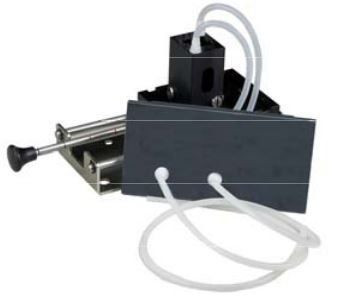
Unico WATER-JACKETED Cuvette Holder Kit – 10 mm Single Square, Universal Base, Flow-Thru Panel
Unico
$432.99WATER-JACKETED Cuvette Holder Kit is designed for laboratories and research professionals who need precise temperature control during spectrophotometric analysis. If you work with sensitive samples...- SKU:
- S-2150-105P
- Material:
- Wood
$432.99 -
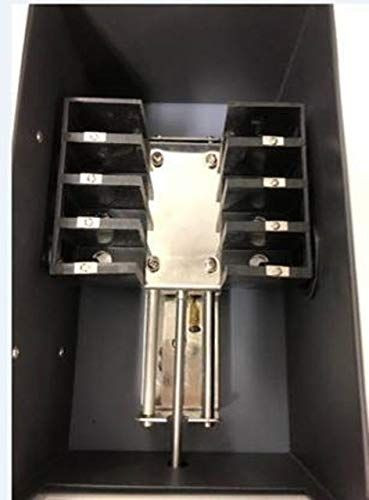
Unico RECTANGULAR Long Path Cell Holder Kit – Compatible with Cells Up to 100 mm Pathlength, Precision Fit
Unico
$294.99RECTANGULAR Long Path Cell Holder Kit is designed to support your need for precise, extended pathlength measurements in laboratory settings. When your research demands enhanced sensitivity and...- SKU:
- S-2150-102P
$294.99 -
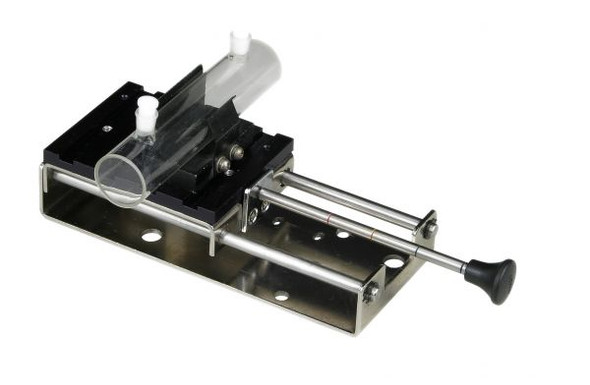
Unico Cylindrical Cell Holder Kit for Cells Up to 100 mm Pathlength – 22 mm Diameter, Universal Base Included
Unico
$294.99Cylindrical Cell Holder Kit for Cells Up to 100 Mm Pathlength is designed for precise laboratory work, making it easier to handle cylindrical cells in spectrophotometry. If you work with S-2150...- SKU:
- S-2150-104P
$294.99 -
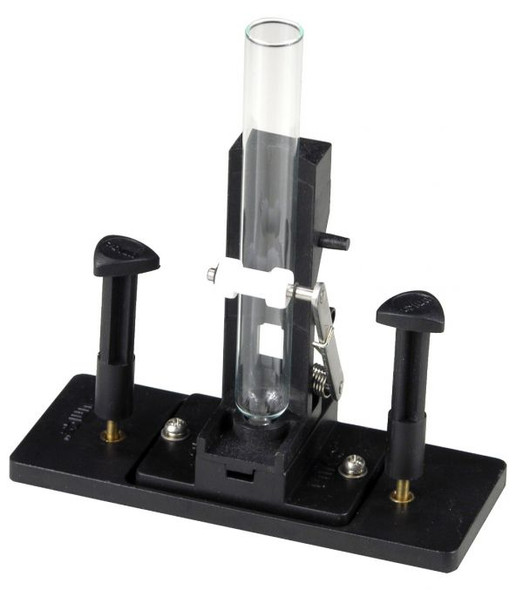
Unico TEST V-Type Test Tube Cell Holder with Base – for 8 – 25 mm Tubes, Wood Material, S-1200 Series
Unico
$225.99TEST V-Type Test Tube Cell Holder with Base is designed for laboratory professionals who need reliable support for a range of test tube sizes. When you’re working with the S-1200 series...- SKU:
- S-1200-101
- Material:
- Wood
$225.99 -
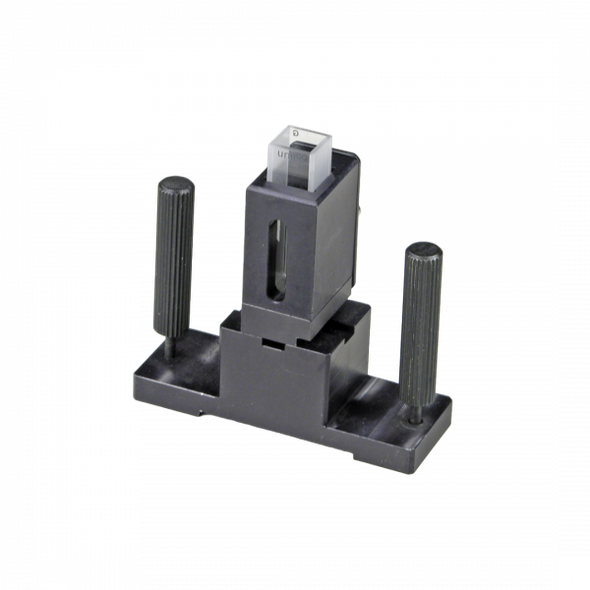
Unico SINGLE Square Cuvette Holder with Base – for 10 mm Cuvettes, Compatible with S-1200 Series
Unico
$225.99SINGLE Square Cuvette Holder with Base is designed for laboratories and research professionals who require precise alignment and stability for their spectrophotometric measurements. If you need...- SKU:
- S-1200-102
- Material:
- Wood
$225.99
About Lab Instruments
Lab Instruments are the backbone of precision diagnostics, research, and quality control across clinical, pharmaceutical, academic, and industrial laboratories. From analyzers and spectrophotometers to centrifuges and incubators, these tools enable reliable data generation, sample processing, and automated testing. Designed for performance, accuracy, and compliance, lab instruments streamline workflows and elevate scientific standards in every application.
Why Lab Instruments Are Essential
Laboratory workflows rely on instrumentation for accurate measurements, reproducible results, and efficient sample handling. These tools reduce manual error, save time, and allow labs to scale testing or research while maintaining regulatory compliance. Whether analyzing blood gases, amplifying DNA, or measuring pH levels, lab instruments empower professionals to perform high-complexity tasks with speed, confidence, and consistency.
What Are Lab Instruments?
Lab instruments are devices or machines used for analytical testing, biological processing, physical measurement, and automated sample handling. They include diagnostic analyzers, thermal cyclers, mixers, spectrophotometers, and environmental control devices like incubators or water baths. Instruments are typically designed with digital interfaces, software integration, and specialized consumables for specific applications ranging from molecular diagnostics to clinical chemistry.
Types of Lab Instruments
Blood Gas Analyzers
Best for: Measuring blood gases, pH, and electrolytes in critical care.
Blood gas analyzers provide fast, point-of-care results for respiratory and metabolic assessments.
Key Features:
- Portable or benchtop designs.
- Simultaneous analysis of pH, pCO₂, pO₂, and more.
- Compatible with whole blood or plasma.
- Rapid turnaround time (TAT).
- Integrated quality control and calibration.
Applications:
- ICU and emergency diagnostics.
- Respiratory and renal monitoring.
- Cardiopulmonary testing.
- Arterial blood gas (ABG) analysis.
Chemistry Analyzers
Best for: Automated biochemical analysis of blood or serum.
These instruments detect and quantify substances like glucose, enzymes, or lipids.
Key Features:
- Fully or semi-automated sample processing.
- Multi-parameter testing with reagent panels.
- Barcode scanning and LIS integration.
- Random access and continuous loading.
- Built-in controls and calibrators.
Applications:
- Clinical biochemistry labs.
- Metabolic panel testing.
- Endocrine and liver function assessments.
- Veterinary and research diagnostics.
Coagulation Analyzers
Best for: Monitoring blood clotting and anticoagulant therapy.
These devices perform PT, aPTT, INR, and D-dimer testing with accuracy and speed.
Key Features:
- Automated reagent handling.
- Optical or mechanical clot detection.
- Small sample volume requirements.
- Real-time QC and trend monitoring.
- Compliance with hematology protocols.
Applications:
- Coagulation disorders diagnosis.
- Surgical or trauma patient screening.
- Anticoagulant dose monitoring.
- Laboratory hematology departments.
Controls and Calibrators
Best for: Validating and standardizing instrument performance.
Used across all analyzer types to ensure reliable, traceable results.
Key Features:
- Third-party or OEM matched options.
- Multi-level (low/normal/high) for range validation.
- Stabilized for long shelf life.
- Traceable to international standards.
- Ready-to-use or lyophilized formats.
Applications:
- Routine analyzer maintenance.
- Quality control program compliance (CLIA, ISO).
- Calibration verification for audits.
- Troubleshooting result variability.
Electrolyte Analyzers
Best for: Measuring levels of Na⁺, K⁺, Cl⁻, Ca²⁺, and more.
Fast, cost-effective electrolyte analysis using ion-selective electrode technology.
Key Features:
- Stat or batch testing options.
- Sample volumes as low as 60 µL.
- Automatic calibration and waste management.
- Integrated touchscreens.
- Whole blood, plasma, serum, or urine compatibility.
Applications:
- ICU, dialysis, and emergency medicine.
- Metabolic and renal panel testing.
- Electrolyte balance monitoring.
- Pediatric and geriatric care.
ELISA Readers
Best for: Quantifying biomarkers in enzyme-linked immunoassays.
Also known as microplate readers, these instruments detect absorbance changes to measure analyte concentration.
Key Features:
- 96- and 384-well plate compatibility.
- Wavelength range: 400–750 nm.
- Curve fitting and kinetic analysis software.
- Fast read speeds and low CV.
- Multiple reading modes (endpoint, kinetic, dual-wavelength).
Applications:
- Infectious disease testing.
- Hormone and cytokine measurement.
- Food and environmental safety.
- Drug screening and toxicology.
Hematology Analyzers
Best for: Complete blood count (CBC) and differential testing.
Automated hematology analyzers process whole blood samples to evaluate WBC, RBC, HGB, and platelets.
Key Features:
- 3-part or 5-part differential systems.
- Flagging and histogram capabilities.
- Low sample and reagent consumption.
- Intuitive touch interfaces and LIS connectivity.
- Daily QC tracking and calibration.
Applications:
- Hematology and oncology labs.
- Blood donation screening.
- Infection and anemia diagnostics.
- Pediatric and geriatric testing.
PCR Systems
Best for: DNA/RNA amplification and molecular diagnostics.
Thermal cyclers automate denaturation, annealing, and extension cycles for nucleic acid detection.
Key Features:
- Conventional and real-time (qPCR) systems.
- High temperature uniformity and ramp speeds.
- Multiplexing and fluorescence detection.
- Plug-and-play assay kits supported.
- Software for data visualization and analysis.
Applications:
- Pathogen detection (COVID-19, HPV, HIV).
- Genotyping and SNP analysis.
- Forensics and ancestry testing.
- Food and GMO testing.
pH & Conductivity Meters
Best for: Measuring acidity, alkalinity, and ionic concentration.
Benchtop or handheld meters provide real-time results for solution characterization.
Key Features:
- Auto temperature compensation (ATC).
- Replaceable probes and digital calibration.
- Simultaneous pH and conductivity display.
- Built-in memory and USB connectivity.
- Splash-proof and durable designs.
Applications:
- Water quality and environmental testing.
- Chemical titrations.
- Biopharmaceutical manufacturing.
- Cell culture media prep.
Point-of-Care Analyzers
Best for: Rapid, bedside diagnostic testing.
Compact analyzers provide lab-quality results in minutes with minimal training.
Key Features:
- Portable, battery-operated formats.
- Disposable cartridges or test strips.
- Simple interface and minimal prep.
- Wireless data transfer and EMR integration.
- Ideal for CLIA-waived environments.
Applications:
- Emergency rooms and urgent care.
- Home care and field testing.
- Chronic disease management.
- Military or humanitarian deployments.
Spectrophotometers
Best for: Quantifying absorbance or transmittance of light through samples.
Used in analytical chemistry, molecular biology, and clinical applications.
Key Features:
- UV-Vis or visible spectrum coverage.
- Cuvette or microvolume formats.
- Photodiode array or monochromator optics.
- Software for spectral scanning and analysis.
- High repeatability and calibration support.
Applications:
- Nucleic acid and protein quantification.
- Colorimetric assay development.
- Reaction kinetics and enzyme activity.
- Pharmaceutical QC testing.
Urine Analyzers
Best for: Automated urinalysis using reagent strips or cartridges.
These instruments interpret test results for glucose, ketones, protein, leukocytes, and more.
Key Features:
- Barcode and LIS integration.
- Semi-automated or fully automated options.
- High-throughput batch processing.
- Built-in printer or data export functions.
- Minimal manual interpretation needed.
Applications:
- Routine health screenings.
- Kidney and liver disease monitoring.
- Diabetes and metabolic assessments.
- Hospital, clinic, or point-of-care use.
Centrifuges
Best for: Separating blood, plasma, or cells by density.
Centrifuges apply centrifugal force to isolate sample components.
Key Features:
- Micro, clinical, or high-speed options.
- Fixed-angle or swing-out rotors.
- Digital speed/time control.
- Safety lock and imbalance detection.
- Autoclavable rotor buckets.
Applications:
- Blood plasma preparation.
- Cell harvesting.
- Urine sedimentation.
- Microbiology and biochemistry labs.
Incubators
Best for: Culturing cells and microorganisms in controlled environments.
Maintain stable temperature, humidity, and CO₂ conditions.
Key Features:
- Temperature range 5°C above ambient to 60°C+.
- Forced air or natural convection models.
- CO₂ and humidity control (for cell incubators).
- Adjustable shelves and over-temp protection.
- LCD or touchscreen controls.
Applications:
- Bacterial growth and fermentation.
- Tissue and stem cell culture.
- Environmental testing.
- IVF and fertility labs.
Mixers & Shakers
Best for: Homogenizing or agitating samples.
Used for consistent mixing in tubes, flasks, or plates.
Key Features:
- Orbital, vortex, or rocker motion.
- Speed and time adjustability.
- Platform accessories for multiple vessel types.
- Quiet operation and compact designs.
- Temperature-controlled options available.
Applications:
- ELISA and immunoassay preparation.
- Microbial culture mixing.
- Solvent extraction or sample rehydration.
- Plate incubation and staining.
Water Baths
Best for: Gentle heating of samples at controlled temperatures.
Water baths offer uniform temperature distribution for reproducible results.
Key Features:
- Digital or analog temperature control.
- Optional shaking or circulating models.
- Stainless steel inner chambers.
- Over-temperature protection.
- Lid and rack accessories.
Applications:
- Enzyme incubation and tissue digestion.
- Melting point analysis.
- Sample thawing.
- Microbiology, histology, and chemistry labs.
Key Features of Lab Instruments
- Automated testing and data analysis reduce human error.
- Digital interfaces and software integration streamline lab workflows.
- Precise measurements across clinical and research assays.
- Compact, modular, or benchtop designs optimize space.
- Compatible with QC materials, reagents, and LIS systems.
Benefits of Lab Instruments
Lab instruments bring speed, reliability, and scalability to modern laboratories. They support a wide range of testing—from rapid diagnostics to complex molecular workflows—while enhancing compliance and reducing technician burden. With the right equipment, labs can increase throughput, minimize manual errors, and achieve accurate, reproducible outcomes that drive clinical and scientific progress.
Frequently Asked Questions (FAQs)
Q: Are MedicalEx instruments CLIA- or ISO-certified?
A: Yes, we offer instruments compliant with CLIA, ISO, CE, and other major regulatory frameworks. Product pages specify certifications.
Q: Can I integrate these devices with my LIS or EMR?
A: Most lab instruments feature LIS/EMR compatibility or offer optional software modules for seamless integration.
Q: Do instruments come with warranties and support?
A: Yes. Most include manufacturer warranties, training, and access to technical support or service contracts.
Q: How do I maintain calibration and QC?
A: Use manufacturer-recommended calibrators and controls, and follow scheduled QC protocols to meet compliance standards.
Q: What kind of training is needed?
A: Most instruments are user-friendly, and MedicalEx or OEMs can provide manuals, virtual training, or in-person setup support.
Related Products
- Reagents & Assay Kits: Validated kits compatible with select analyzers.
- Controls & Calibrators: Maintain accuracy and compliance.
- Pipettes & Pipette Tips: For sample prep and instrument loading.
- Specimen Collection Tubes: For blood, urine, or swab-based diagnostics.
Power your lab with precision instruments from MedicalEx. Whether you're analyzing blood, DNA, proteins, or reagents, our curated selection of lab instruments ensures reliable, compliant, and efficient performance for every workflow. Shop now and elevate your lab's capabilities with trusted technology.