


Description
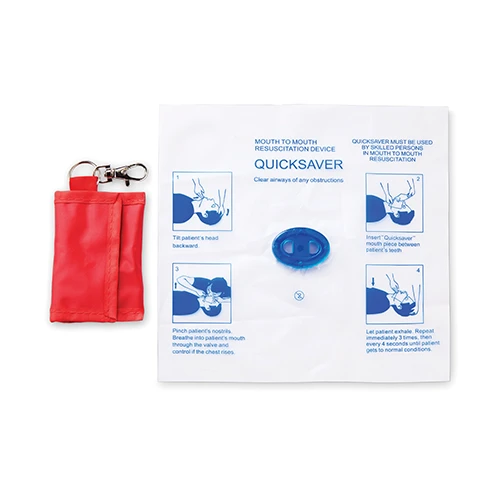
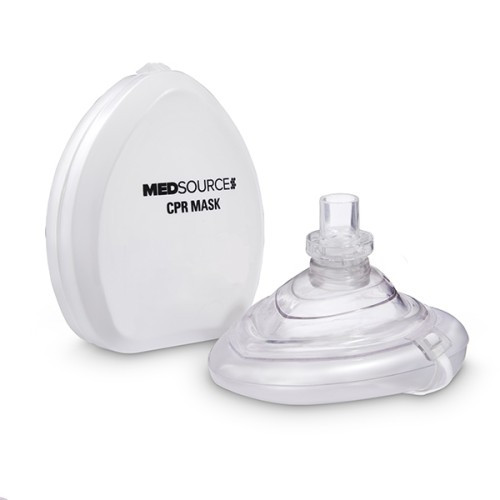
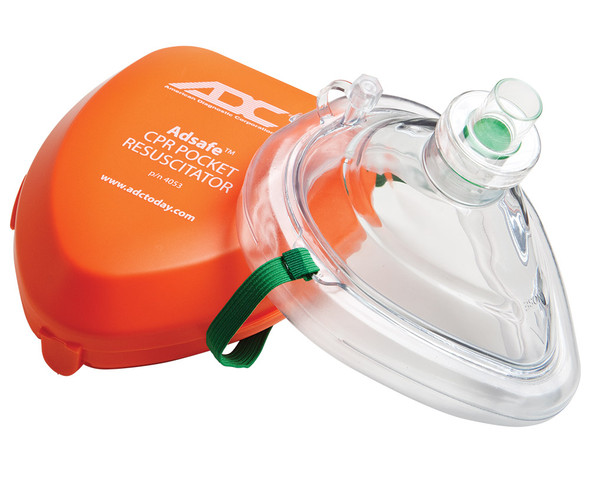
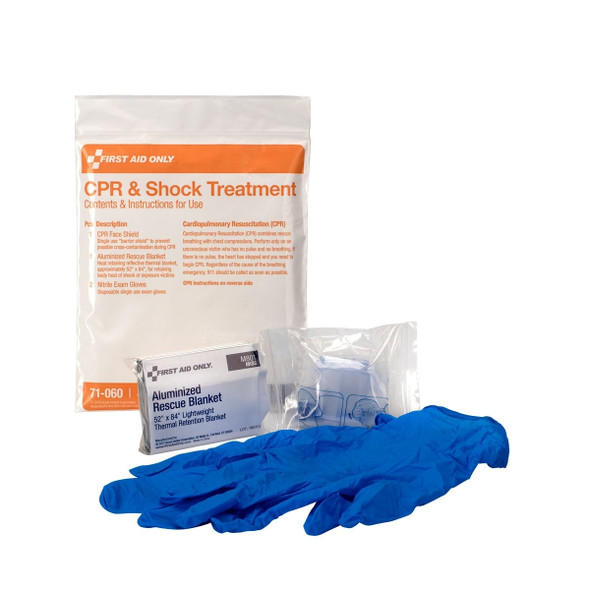
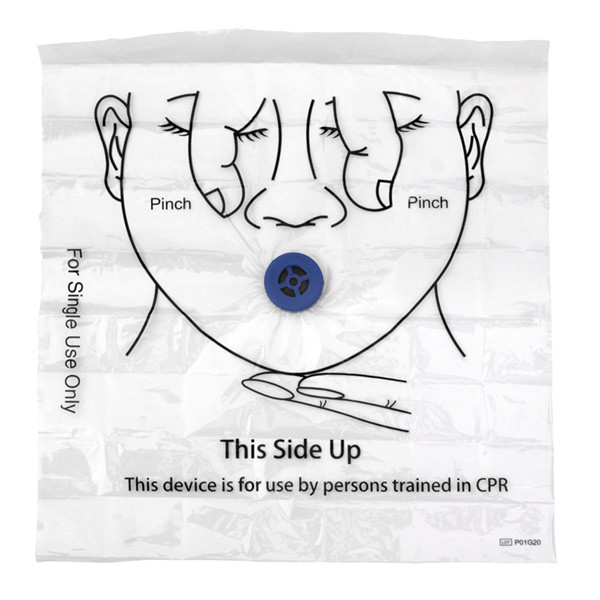
The Medi-First CPR Shield puts a one way barrier between a rescuer and a victim during rescue breathing, so bystanders act instead of hesitating. The disposable mask prevents backflow from the victim while air passes to them, and each shield is individually packaged for kits and cabinets.
- One way airway valve – air goes in, nothing comes back
- Disposable and compact – one shield per kit, car and cabinet
- Barrier confidence – removes the hesitation that delays rescue breaths
A Barrier That Makes Rescue Breathing Happen
In a cardiac emergency, the barrier is often psychological as much as physical, because strangers hesitate to breathe for strangers. A CPR shield removes that hesitation with a simple one way valve over the victim's mouth. The rescuer breathes through the mask, air passes to the victim, and the valve blocks backflow toward the rescuer.
The shield is disposable, so there is nothing to clean or question after the event. Its flat, individual packaging fits a first aid kit, a glove box, a desk drawer or an AED cabinet. Medique lists it as a standard component for workplace first aid readiness, beside the gloves and dressings.
Features and Benefits
- Valve: One way airway prevents backflow from the victim
- Type: Disposable CPR mask shield
- Packaging: Individually packaged, flat for kits
- Use: Rescue breathing during CPR by trained responders
- Placement: First aid kits, AED cabinets, vehicles and desks
Product Specifications
Product Details
- Type: Disposable CPR shield with one way valve
- Use: Barrier for rescue breathing
- Manufacturer: Medique Products, Medi-First line
Packaging
- Sold As: Each, individually packaged
- Note: Single use, discard after use
Browse the full First Aid range, or shop everything from Medique Products.
Why Every Kit Needs a Barrier Device
Compression only CPR helps, but trained responders give better outcomes with breaths, and they give breaths more willingly through a barrier. A one dollar shield removes the biggest excuse to wait.
- Action over hesitation – a barrier makes bystanders willing rescuers
- True one way flow – the valve, not just a filter sheet
- Fits anywhere – flat packaging rides in kits, cars and AED cabinets
- Disposable hygiene – no cleaning protocol after an event
Frequently Asked Questions
How does the one way valve work?
The valve lets the rescuer's breath pass into the victim while blocking air and fluid from flowing back toward the rescuer. That is what separates a CPR shield from a plain face sheet.
Who can use it?
Anyone trained in CPR can use it during rescue breathing. Untrained bystanders should call 911 and follow dispatcher instructions, which may focus on compressions.
Is it reusable?
No. The shield is disposable and should be discarded after a single use.
Where should shields be stored?
Keep one with every first aid kit, AED and vehicle kit so a barrier is always within reach. They are sold individually, so stocking several locations is inexpensive.
Does it replace CPR training?
No. It is a barrier accessory for people giving rescue breaths. Training through a certified CPR course is the real preparation.