
Microscopes
Microscopes are vital instruments used to visualize and analyze objects too small to be seen by the naked eye. From identifying blood cells and bacteria to observing tissues and materials, microscopes empower researchers, clinicians, and educators to explore the microscopic world in detail. Whether in a clinical lab, classroom, or research institution, microscopes are essential tools for precision, discovery, and diagnosis.
Why Microscopes Are Essential
In diagnostics, pathology, microbiology, and research, accurate observation is everything—and that begins with a high-quality microscope. Microscopes allow users to examine cells, microbes, and structures with clarity and magnification, making them indispensable for disease detection, cell counting, microorganism identification, and anatomical studies. With advancements in optics, illumination, and digital integration, modern microscopes enhance workflow, reduce user fatigue, and support better clinical and research outcomes.
What Are Microscopes?
Microscopes are optical instruments that use lenses and light to magnify small samples for detailed examination. They range from basic compound microscopes to advanced digital, phase-contrast, and fluorescence models. Most laboratory microscopes include multiple objective lenses (typically 4x, 10x, 40x, 100x) and are equipped with coarse/fine focus, stage clips, and adjustable illumination. Applications span across medicine, biology, material science, and forensic analysis.
Types of Microscopes
Compound Microscopes
Best for: High-magnification viewing of cells, tissues, bacteria, and small organisms.
These microscopes use multiple lenses to achieve magnification levels of 40x to 1000x or more.
Key Features:
- Binocular or monocular eyepieces.
- Objective lenses typically ranging from 4x to 100x.
- LED or halogen illumination.
- Coaxial coarse and fine focusing knobs.
- Mechanical stage for precise slide movement.
Applications:
- Clinical pathology and hematology.
- Bacterial staining and Gram smear analysis.
- Tissue and cytology slide review.
- Academic biology labs and training.
Stereo (Dissecting) Microscopes
Best for: Low-magnification, 3D viewing of larger samples or surfaces.
Stereo microscopes offer depth perception and are ideal for inspecting specimens or performing dissection.
Key Features:
- Zoom magnification typically between 10x–50x.
- Large working distance and dual eyepieces.
- Top and bottom illumination.
- Ergonomic design for prolonged viewing.
- Available in fixed or zoom models.
Applications:
- Entomology and plant biology.
- Dissection and specimen sorting.
- Quality control in electronics or materials.
- Educational demonstrations.
Digital Microscopes
Best for: Viewing and capturing images or video of microscopic samples on a screen.
These microscopes integrate cameras for live viewing, documentation, and analysis.
Key Features:
- Built-in or attachable digital camera.
- USB, HDMI, or Wi-Fi output for monitor or PC connection.
- Image capture and measurement software.
- Compatible with Windows/Mac software.
- Ideal for teaching or documentation-heavy workflows.
Applications:
- Digital pathology or telemicroscopy.
- Classroom projection and remote education.
- Documentation of microbial or histology findings.
- Collaborative lab review.
Phase-Contrast Microscopes
Best for: Viewing unstained live cells or transparent specimens.
Phase-contrast technology enhances contrast in transparent samples without staining.
Key Features:
- Phase rings and annular diaphragms in optics.
- Compatible with standard microscope accessories.
- High-contrast imaging of living cells or thin films.
- Often built on compound microscope platforms.
- Ideal for time-lapse or cellular studies.
Applications:
- Cell culture observation.
- Live cell motility and morphology studies.
- Parasitology and protozoa imaging.
- IVF, embryology, and microbiology.
Key Features of Microscopes
- Multiple objective lenses for variable magnification.
- Coaxial focus and mechanical stages for precise control.
- LED or halogen lighting for even, bright illumination.
- Digital integration and screen output in modern models.
- Ergonomic viewing angles for reduced eye strain.
Benefits of Microscopes
Microscopes empower clinicians, researchers, and educators to explore the microscopic world with precision. They support early disease detection, microbiological research, and scientific discovery. Whether capturing digital images or examining stained specimens, high-quality microscopes improve accuracy, efficiency, and reproducibility in every lab setting.
How to Choose the Right Microscope
- Choose a compound microscope for high-resolution slide analysis.
- Use stereo microscopes for 3D viewing of larger specimens.
- Select digital models for image capture, teaching, or collaborative review.
- Consider phase-contrast if working with live or unstained samples.
- Match magnification, lighting, and camera features to your application and workflow.
Frequently Asked Questions (FAQs)
Q: What is the standard magnification range for lab microscopes?
A: Most compound microscopes offer 40x to 1000x magnification with interchangeable objectives.
Q: Do I need immersion oil for 100x objectives?
A: Yes, oil immersion is required for high-resolution viewing under 100x magnification.
Q: What’s the difference between stereo and compound microscopes?
A: Compound microscopes offer high magnification for slide samples; stereo microscopes provide 3D views of larger, opaque specimens.
Q: Can I connect a microscope to a computer or screen?
A: Yes. Digital microscopes or those with camera adapters offer USB, HDMI, or Wi-Fi output for viewing and recording.
Q: Are microscopes suitable for educational use?
A: Absolutely. Many models are designed specifically for classrooms, with user-friendly features and durable designs.
Related Products
- Blank Slides & Coverslips: For mounting and protecting your samples.
- Immersion Oil: Required for high-magnification objectives.
- Prepared Slides: Pre-mounted samples for teaching or quick analysis.
- Lens Cleaners & Storage Covers: For microscope care and maintenance.
Explore the microscopic world with confidence using premium microscopes from MedicalEx. Whether you’re diagnosing, teaching, or researching, our wide range of compound, stereo, digital, and phase-contrast microscopes offers unmatched clarity, durability, and performance. Shop now and bring your lab’s imaging capabilities into sharp focus.
-
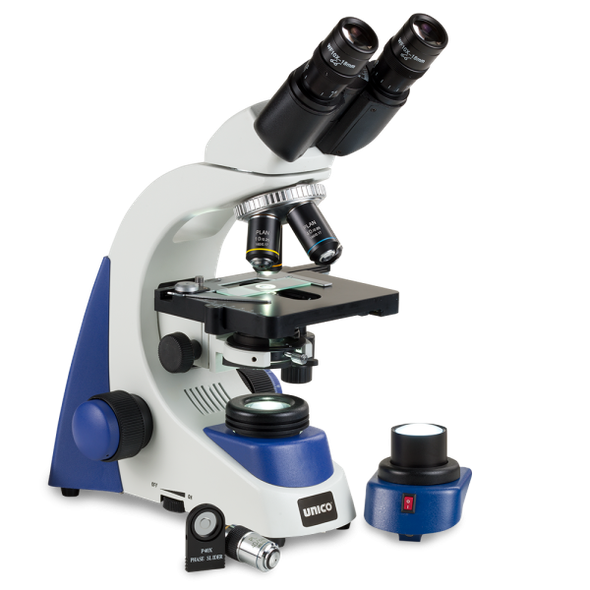
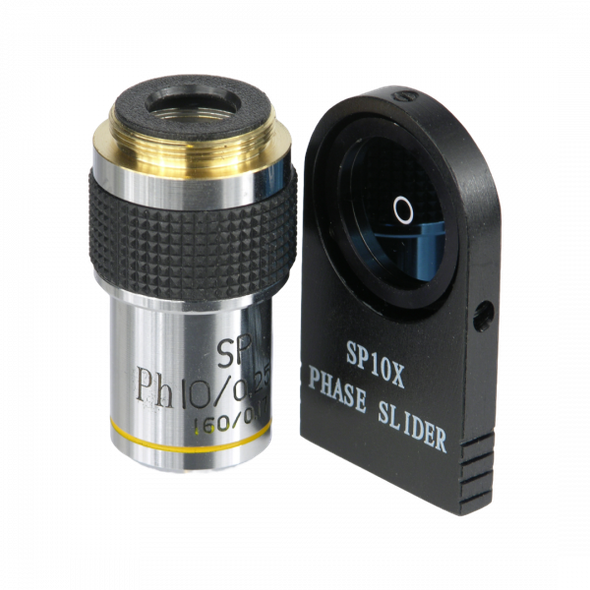
Unico Med/vet Practice Binocular Microscope – Seidentopf Head, Achromat and Phase Objectives, LED Illumination
Unico
$1,975.99Med/Vet Practice Binocular Microscope is designed for professionals and students who need reliable, high-resolution imaging in laboratory or clinical settings. If you require clear, distortion-free...- SKU:
- G380-PH-40
$1,975.99 -


Unico G380PL Binocular Microscope – Plan Achromat Objectives, LED Illumination, Mechanical Stage, 17 lb Weight
Unico
$2,135.99G380PL Binocular Microscope is designed for professionals who demand clarity and comfort in laboratory, research, or educational settings. If you need precise imaging and ergonomic controls for daily...- SKU:
- G380PL-LED
$2,135.99 -


Unico G380-LED Med/vet Practice Microscope – Binocular Head, 10x Widefield Eyepieces, LED Illumination
Unico
$1,548.99Unico G380-LED Med/vet Practice Microscope is designed for professionals who need reliable, crisp imaging in clinical, veterinary, or laboratory settings. If you work with specimens daily and require...- SKU:
- G380-LED
$1,548.99 -
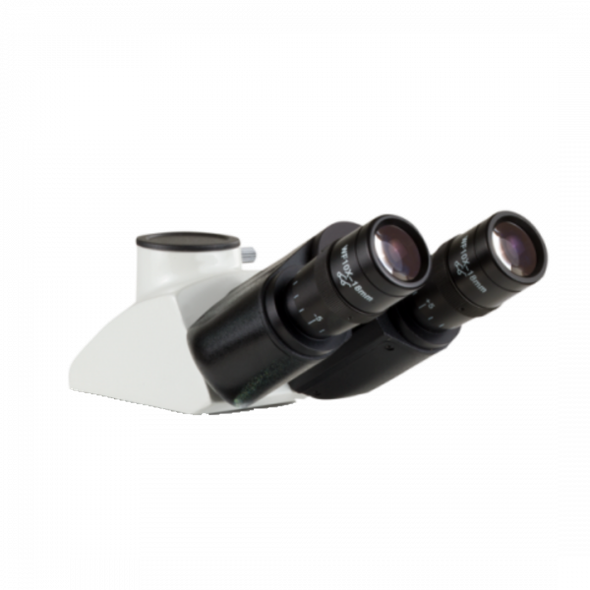
Unico SEIDENTOPF Trinocular Head for G380 Series – Binocular and Photographic Observation, Camera Port
Unico
$840.99SEIDENTOPF Trinocular Head for G380 Series is designed for professionals and educators who need both visual and photographic documentation in microscopy. If you work in research, teaching, or lab...- SKU:
- G380-3005
- Warranty:
- 1 years
$840.99 -

Unico SEIDENTOPF Binocular Head for G380 Series – Adjustable Viewing Angle, Precision Optics, Compatible with
Unico
$597.99SEIDENTOPF Binocular Head for G380 Series is designed for professionals and educators who need comfortable, adjustable viewing during extended microscope sessions. If you work in a laboratory or...- SKU:
- G380-3004
$597.99 -
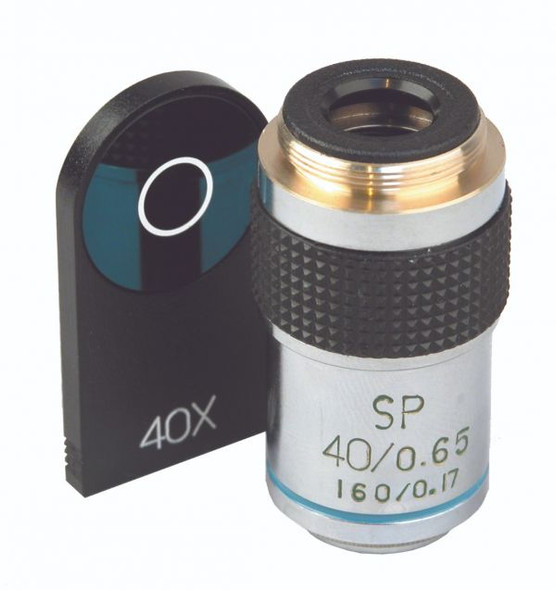
Unico PHASE Kit for G380 Series – 40X Semi-Plan Phase Objective, Slide-in Annulus Ring, Compatible with
Unico
$511.99PHASE Kit for G380 Series is designed for laboratory professionals and educators seeking enhanced phase contrast microscopy. If you need improved image clarity and contrast for your G380 microscope,...- SKU:
- G380-8031
- Warranty:
- 1 year
$511.99 -

Unico PHASE Kit for G380 Series – Includes 10X Semi-Plan Phase Objective, Slide-in Annulus Ring
Unico
$511.99PHASE Kit for G380 Series is designed for professionals and educators who need reliable phase contrast imaging with improved clarity. If you work in a laboratory or classroom setting, this kit helps...- SKU:
- G380-8034
$511.99 -
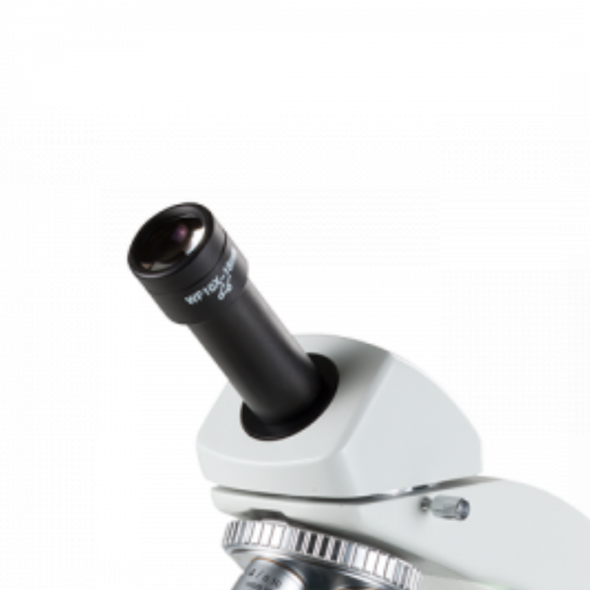
Unico MONOCULAR Head, 45° Inclined for G380 – Ergonomic Viewing, Wood Material, Precision Fit, Durable
Unico
$161.99MONOCULAR Head, 45° Inclined for G380 is designed for professionals and students who need comfortable, ergonomic viewing during extended microscope sessions. If you spend long hours observing...- SKU:
- G380-3001
- Material:
- Wood
- Warranty:
- 1 years
$161.99 -


Unico LED Illuminator Pack for G380 Series – Snap-in Design, Cordless Operation, Uses AA Batteries
Unico
$312.99LED Illuminator Pack for G380 Series brings effortless cordless lighting to your microscope setup. If you need portable, reliable illumination for fieldwork or classrooms, this snap-in LED pack is...- SKU:
- G380-7001
- Warranty:
- 1 year
$312.99 -


Unico Digital Eyepiece Camera – 2.0 MP CMOS Sensor, USB Cable, Windows Xp/7/10 Software Included
Unico
$381.99Digital Eyepiece Camera makes capturing microscope images simple and efficient. If you need to document, analyze, or share high-quality visuals from your microscope, this digital camera streamlines...- SKU:
- B6-8182
- Warranty:
- 1 years
$381.99 -

Unico DUAL Viewing Head for G380 Series – Simultaneous Observation, Eyepiece Sold Separately
Unico
$322.99DUAL Viewing Head for G380 Series is designed for educators, lab technicians, and students who need to observe microscope slides together. If you want to make collaborative learning or demonstrations...- SKU:
- G380-3002
$322.99 -

Unico Hard Carrying Case – Padded Interior with Lock and Key, Secure Storage for Lab Equipment, Model
Unico
$372.99Unico Carrying Case is designed for professionals who need reliable protection and secure transport for sensitive lab equipment. Whether you are moving delicate instruments between labs or storing...- SKU:
- G380-8907
$372.99 -

Unico 4X DIN Plan Microscope Objective – N.A. 0.10, Semi-Plan Design, Retractable Front Lens
Unico
$200.99Unico 4X DIN Plan Microscope Objective brings clarity and precision to your laboratory or classroom. If you need reliable, flat-field imaging for routine or advanced microscopy, this objective helps...- SKU:
- G380-2301
$200.99 -

Unico 4X Infinity Achromat Objective – NA 0.10, Sharp Imaging, Reduced Chromatic Aberration for G380 Series
Unico
$143.99Unico 4X Infinity Achromat Objective is designed for users who demand sharp, reliable imaging in laboratory or educational settings. If you work with the G380 series and need consistent clarity, this...- SKU:
- G380-2601
$143.99 -

Unico 4X DIN Achromat Objective for G380 Series – 4X Magnification, N.A. 0.10, DIN Standard Compatibility
Unico
$102.99Unico 4X DIN Achromat Objective for G380 Series is designed for users who need reliable, low-power scanning on their microscopes. Whether you are a laboratory technician or a student working with the...- SKU:
- G380-2101
$102.99 -

Unico 40X DIN Plan Objective – N.A. 0.65, Retractable Front Lens, Flat Field Imaging, Compatible with
Unico
$486.99Unico 40X DIN Plan Objective is designed for laboratory professionals and educators who need precise, reliable imaging. If you’re seeking clear, sharp images with a flat field, this lens supports...- SKU:
- G380-2303
$486.99 -

Unico 40X Infinity Achromat Objective Lens – NA 0.65, High Clarity for G380 Series Microscopes
Unico
$312.99Unico 40X Infinity Achromat Objective Lens is designed for precision and clarity, supporting demanding microscopy work with confidence. If you need reliable high magnification for the G380 series,...- SKU:
- G380-2603
$312.99 -

Unico 40X DIN Achromat Objective for G380 Series – N.A. 0.65, Retractable Front Lens, Excellent Image Quality
Unico
$181.99Unico 40X DIN Achromat Objective for G380 Series is designed for precision and reliability, helping you achieve clear results in every lab session. If you work in educational or clinical settings and...- SKU:
- G380-2103
$181.99 -

Unico WF10X High Eyepoint Eyepiece – 10x Magnification, 18mm Field of View, Comfortable for Eyeglass Wearers
Unico
$171.99Unico WF10X High Eyepoint Eyepiece is designed for those who value comfort and clarity during extended microscopy sessions. If you wear glasses or need a wider view for scanning specimens, this...- SKU:
- G380-1402
$171.99 -

Unico 10X DIN Plan Objective Lens – 0.25 Numerical Aperture, Flat-Field Clarity for Microscopes
Unico
$312.99Unico 10X DIN Plan Objective Lens is designed for professionals and educators who demand sharp, precise observation in microscopy. If you need reliable image clarity across the entire field, this...- SKU:
- G380-2302
$312.99
About Microscopes
Microscopes are vital instruments used to visualize and analyze objects too small to be seen by the naked eye. From identifying blood cells and bacteria to observing tissues and materials, microscopes empower researchers, clinicians, and educators to explore the microscopic world in detail. Whether in a clinical lab, classroom, or research institution, microscopes are essential tools for precision, discovery, and diagnosis.
Why Microscopes Are Essential
In diagnostics, pathology, microbiology, and research, accurate observation is everything—and that begins with a high-quality microscope. Microscopes allow users to examine cells, microbes, and structures with clarity and magnification, making them indispensable for disease detection, cell counting, microorganism identification, and anatomical studies. With advancements in optics, illumination, and digital integration, modern microscopes enhance workflow, reduce user fatigue, and support better clinical and research outcomes.
What Are Microscopes?
Microscopes are optical instruments that use lenses and light to magnify small samples for detailed examination. They range from basic compound microscopes to advanced digital, phase-contrast, and fluorescence models. Most laboratory microscopes include multiple objective lenses (typically 4x, 10x, 40x, 100x) and are equipped with coarse/fine focus, stage clips, and adjustable illumination. Applications span across medicine, biology, material science, and forensic analysis.
Types of Microscopes
Compound Microscopes
Best for: High-magnification viewing of cells, tissues, bacteria, and small organisms.
These microscopes use multiple lenses to achieve magnification levels of 40x to 1000x or more.
Key Features:
- Binocular or monocular eyepieces.
- Objective lenses typically ranging from 4x to 100x.
- LED or halogen illumination.
- Coaxial coarse and fine focusing knobs.
- Mechanical stage for precise slide movement.
Applications:
- Clinical pathology and hematology.
- Bacterial staining and Gram smear analysis.
- Tissue and cytology slide review.
- Academic biology labs and training.
Stereo (Dissecting) Microscopes
Best for: Low-magnification, 3D viewing of larger samples or surfaces.
Stereo microscopes offer depth perception and are ideal for inspecting specimens or performing dissection.
Key Features:
- Zoom magnification typically between 10x–50x.
- Large working distance and dual eyepieces.
- Top and bottom illumination.
- Ergonomic design for prolonged viewing.
- Available in fixed or zoom models.
Applications:
- Entomology and plant biology.
- Dissection and specimen sorting.
- Quality control in electronics or materials.
- Educational demonstrations.
Digital Microscopes
Best for: Viewing and capturing images or video of microscopic samples on a screen.
These microscopes integrate cameras for live viewing, documentation, and analysis.
Key Features:
- Built-in or attachable digital camera.
- USB, HDMI, or Wi-Fi output for monitor or PC connection.
- Image capture and measurement software.
- Compatible with Windows/Mac software.
- Ideal for teaching or documentation-heavy workflows.
Applications:
- Digital pathology or telemicroscopy.
- Classroom projection and remote education.
- Documentation of microbial or histology findings.
- Collaborative lab review.
Phase-Contrast Microscopes
Best for: Viewing unstained live cells or transparent specimens.
Phase-contrast technology enhances contrast in transparent samples without staining.
Key Features:
- Phase rings and annular diaphragms in optics.
- Compatible with standard microscope accessories.
- High-contrast imaging of living cells or thin films.
- Often built on compound microscope platforms.
- Ideal for time-lapse or cellular studies.
Applications:
- Cell culture observation.
- Live cell motility and morphology studies.
- Parasitology and protozoa imaging.
- IVF, embryology, and microbiology.
Key Features of Microscopes
- Multiple objective lenses for variable magnification.
- Coaxial focus and mechanical stages for precise control.
- LED or halogen lighting for even, bright illumination.
- Digital integration and screen output in modern models.
- Ergonomic viewing angles for reduced eye strain.
Benefits of Microscopes
Microscopes empower clinicians, researchers, and educators to explore the microscopic world with precision. They support early disease detection, microbiological research, and scientific discovery. Whether capturing digital images or examining stained specimens, high-quality microscopes improve accuracy, efficiency, and reproducibility in every lab setting.
How to Choose the Right Microscope
- Choose a compound microscope for high-resolution slide analysis.
- Use stereo microscopes for 3D viewing of larger specimens.
- Select digital models for image capture, teaching, or collaborative review.
- Consider phase-contrast if working with live or unstained samples.
- Match magnification, lighting, and camera features to your application and workflow.
Frequently Asked Questions (FAQs)
Q: What is the standard magnification range for lab microscopes?
A: Most compound microscopes offer 40x to 1000x magnification with interchangeable objectives.
Q: Do I need immersion oil for 100x objectives?
A: Yes, oil immersion is required for high-resolution viewing under 100x magnification.
Q: What’s the difference between stereo and compound microscopes?
A: Compound microscopes offer high magnification for slide samples; stereo microscopes provide 3D views of larger, opaque specimens.
Q: Can I connect a microscope to a computer or screen?
A: Yes. Digital microscopes or those with camera adapters offer USB, HDMI, or Wi-Fi output for viewing and recording.
Q: Are microscopes suitable for educational use?
A: Absolutely. Many models are designed specifically for classrooms, with user-friendly features and durable designs.
Related Products
- Blank Slides & Coverslips: For mounting and protecting your samples.
- Immersion Oil: Required for high-magnification objectives.
- Prepared Slides: Pre-mounted samples for teaching or quick analysis.
- Lens Cleaners & Storage Covers: For microscope care and maintenance.
Explore the microscopic world with confidence using premium microscopes from MedicalEx. Whether you’re diagnosing, teaching, or researching, our wide range of compound, stereo, digital, and phase-contrast microscopes offers unmatched clarity, durability, and performance. Shop now and bring your lab’s imaging capabilities into sharp focus.