
Mobility Aids

Mobility Aids are essential tools designed to assist individuals with mobility challenges, offering safety, comfort, and independence. These devices, which include wheelchairs, mobility scooters, walkers, canes, crutches, patient lifts, and transfer boards, cater to a wide range of needs. Whether recovering from an injury, managing a chronic condition, or dealing with age-related mobility decline, mobility aids empower users to regain control of their lives and move with confidence.
Why Mobility Aids Are Essential
Mobility aids are vital for reducing physical strain, preventing falls, and improving mobility. They provide support for those with limited movement due to injury, surgery, or chronic health conditions. Beyond physical benefits, these devices enhance users' psychological well-being by promoting independence, social engagement, and an active lifestyle. Mobility aids also help caregivers manage patient needs more effectively, reducing their workload and ensuring safety.
What Are Mobility Aids?
Mobility aids are assistive devices designed to improve movement, stability, and accessibility for individuals with mobility challenges. From simple walking aids like canes and crutches to advanced solutions like powered wheelchairs, scooters, and patient transfer systems, these tools address specific challenges, helping users navigate daily life with ease. Mobility aids also improve rehabilitation outcomes by supporting safe recovery during injury or surgery.
Types of Mobility Aids
1. Wheelchairs
Best for: Individuals with limited or no ability to walk.
Wheelchairs provide seated mobility for users who cannot stand or walk independently. They come in manual and powered options to meet diverse needs.
Key Features
- Ergonomic designs for maximum comfort.
- Adjustable footrests and armrests for customization.
- Manual and electric-powered models for different mobility levels.
Applications
- Paralysis: Provides mobility for users with lower-body paralysis.
- Chronic Conditions: Supports individuals with neuromuscular disorders or arthritis.
- Post-Surgery Recovery: Assists users during rehabilitation.
2. Mobility Scooters
Best for: Enhancing mobility for outdoor or long-distance travel.
Mobility scooters are powered vehicles designed to provide convenient transportation for individuals with moderate mobility challenges.
Key Features
- Battery-powered operation with intuitive controls.
- Padded seating for extended comfort.
- Compact, foldable designs for portability.
Applications
- Elderly Users: Promotes independence for seniors.
- Chronic Pain or Fatigue: Reduces strain during travel.
- Recreational Use: Ideal for errands and outdoor activities.
3. Walkers and Rollators
Best for: Providing stability and support during walking.
Walkers and rollators are lightweight frames that assist users with balance and mobility. Rollators feature wheels for easier movement and often include a seat for resting.
Key Features
- Adjustable height for a personalized fit.
- Padded grips for enhanced comfort.
- Rollators often include built-in brakes and storage compartments.
Applications
- Rehabilitation: Supports recovery from surgery or injury.
- Balance Issues: Offers stability for individuals with coordination challenges.
- Elderly Mobility: Prevents falls and improves confidence during walking.
4. Canes
Best for: Supporting balance and reducing strain during walking.
Canes provide lightweight support for individuals who require minimal assistance with balance or stability.
Key Features
- Ergonomic handles to reduce hand fatigue.
- Adjustable height for customized support.
- Single-tip and quad-tip designs for different stability needs.
Applications
- Mild Mobility Issues: Reduces joint strain during walking.
- Post-Injury Recovery: Enhances stability after minor injuries.
- Chronic Conditions: Supports users with arthritis or hip pain.
5. Crutches
Best for: Temporary mobility support after injury.
Crutches help redistribute weight from the lower body, enabling users to walk without placing stress on injured areas.
Key Features
- Lightweight construction for easy handling.
- Padded grips and armrests for added comfort.
- Adjustable height to fit individual needs.
Applications
- Post-Injury: Assists recovery from fractures or sprains.
- Post-Surgery: Provides support after lower-limb surgeries.
- Temporary Use: Ideal for short-term rehabilitation.
6. Patient Lifts
Best for: Safely transferring individuals with limited mobility.
Patient lifts are mechanical or electric devices used to assist caregivers in transferring patients from beds to chairs, wheelchairs, or other surfaces without physical strain.
Key Features
- Electric and manual lift options for varied needs.
- Slings for secure and comfortable patient handling.
- Heavy-duty construction to support higher weight capacities.
Applications
- Home Care: Simplifies transfers in home settings.
- Hospitals: Ensures patient safety during transfers.
- Elderly Care: Reduces caregiver strain in managing immobile patients.
7. Patient Transfer Boards
Best for: Assisting with seated transfers between surfaces.
Patient transfer boards are flat, smooth devices used to slide patients between beds, chairs, or wheelchairs.
Key Features
- Lightweight and portable designs.
- Smooth surfaces to reduce friction during transfers.
- Durable materials for long-term use.
Applications
- Rehabilitation Centers: Supports safe and efficient patient movement.
- Hospitals: Aids in transferring patients with limited mobility.
- Home Care: Provides an easy-to-use solution for seated transfers.
Key Features of Mobility Aids
- Customizable Designs: Adjustable handles, armrests, and seat heights to meet user needs.
- Lightweight Construction: Aluminum, carbon fiber, or reinforced materials for easy handling.
- Enhanced Comfort: Padded grips, ergonomic handles, and cushioned seats.
- Portability: Compact, foldable designs for easy storage and transportation.
- Safety Features: Anti-slip bases, secure brakes, and sturdy frames for stability.
- Technology Integration: Electric-powered options for scooters, wheelchairs, and patient lifts.
Real-World Use Cases
Case 1: Elderly Independence
An elderly individual with balance issues used a rollator to prevent falls and improve confidence during walks, enhancing their overall quality of life.
Case 2: Post-Surgery Rehabilitation
A knee surgery patient relied on a walker during early recovery stages, transitioning to a cane as their mobility improved.
Case 3: Home Care for Immobile Patients
A caregiver used an electric patient lift to safely transfer an elderly individual from bed to wheelchair, reducing strain and ensuring patient safety.
Case 4: Outdoor Mobility for Seniors
A senior with arthritis used a mobility scooter for outdoor errands, allowing them to maintain independence and reduce joint pain during travel.
How to Choose the Right Mobility Aid
- Assess Mobility Needs: Determine whether the user needs minimal assistance (e.g., cane) or full support (e.g., wheelchair or patient lift).
- Consider the Environment: Choose compact designs for indoor use and sturdy, all-terrain options for outdoor mobility.
- Focus on Safety: Look for features such as anti-slip bases, secure brakes, and sturdy construction.
- Evaluate Comfort: Select aids with padded grips, ergonomic handles, and adjustable components for personalized support.
- Think About Caregiver Needs: For immobile patients, prioritize tools like patient lifts or transfer boards that reduce caregiver strain.
- Consult a Healthcare Professional: Seek guidance from a physical therapist or medical provider to ensure the chosen device meets specific needs.
How to Use Mobility Aids
- Fit the Device: Adjust the height, armrests, or other settings for optimal support and comfort.
- Follow Safety Guidelines: Use brakes and anti-slip features when necessary, especially on uneven surfaces.
- Practice Good Posture: Maintain proper alignment to prevent strain or discomfort.
- Build Confidence Gradually: Start with short distances or sessions, increasing mobility over time.
- Inspect Regularly: Check for signs of wear and tear and perform routine maintenance to ensure safety.
Benefits of Mobility Aids
- Increased Independence: Enables users to move freely and perform daily activities.
- Improved Safety: Reduces the risk of falls and physical strain for users and caregivers.
- Enhanced Comfort: Ergonomic and padded designs minimize discomfort during use.
- Better Rehabilitation Outcomes: Supports recovery and builds strength during injury or surgery recovery.
- Caregiver Assistance: Tools like patient lifts and transfer boards make caregiving safer and more efficient.
Frequently Asked Questions (FAQs)
1. Are mobility aids covered by insurance?
Yes, many mobility aids, including wheelchairs and patient lifts, are covered by insurance or Medicare if prescribed by a healthcare provider.
2. How do I choose the right mobility aid?
Consult a healthcare provider or physical therapist to assess your mobility needs and recommend the appropriate device.
3. Can mobility aids be used outdoors?
Yes, many devices, such as mobility scooters and rollators, are designed for outdoor use.
4. Are patient lifts difficult to operate?
No, patient lifts, especially electric models, are designed for ease of use and come with detailed instructions.
5. How do I maintain my mobility aid?
Regularly clean and inspect the device for wear and tear, and follow the manufacturer's maintenance guidelines.
Related Products
Complement mobility aids with safety accessories such as non-slip grips, storage pouches, and padded supports. Explore our range of rehabilitation tools, posture supports, and caregiver equipment for a complete mobility solution. Visit our blog for expert advice on choosing and maintaining mobility aids.
Feel confident and independent with our Mobility Aids, designed to provide safety, support, and freedom of movement. From wheelchairs to patient lifts, our solutions cater to a variety of needs, ensuring enhanced comfort and convenience. Shop now and take the first step toward better mobility today!
Shop By Category
-
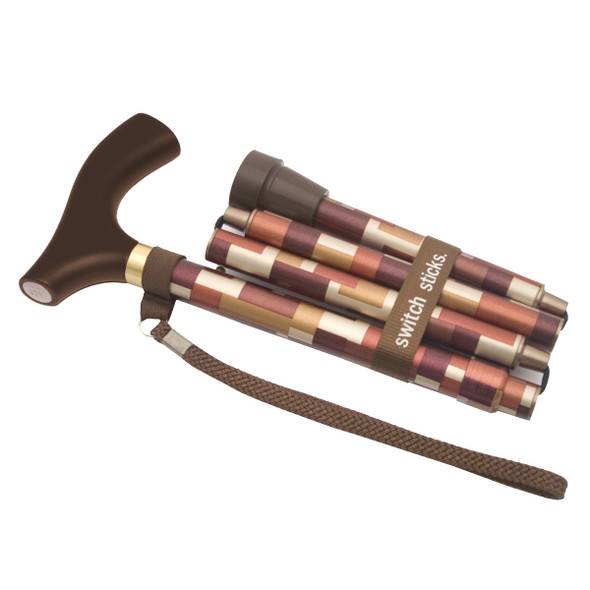
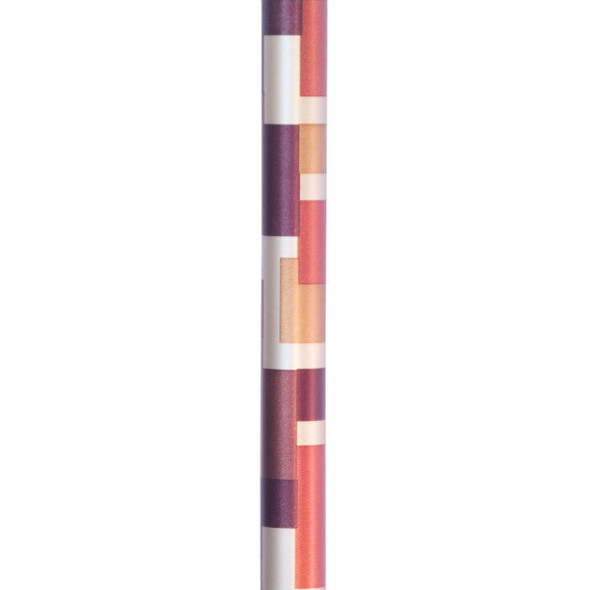
Switch Sticks Folding Walking Cane - Maple Pattern
Mabis Healthcare
$75.99The Switch Sticks Folding Walking Cane Maple is made for walking support that folds away for travel and storage. The Switch Sticks Folding Walking Cane Maple comes from Switch Sticks, a Briggs...- SKU:
- 502-2000-5110
$75.99 -
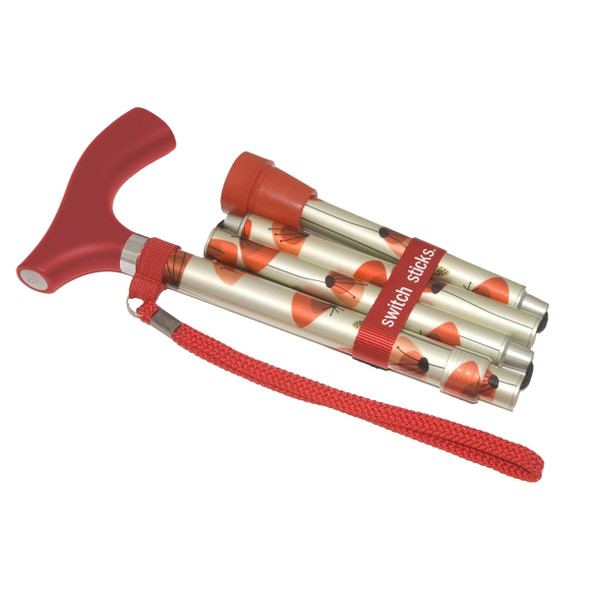
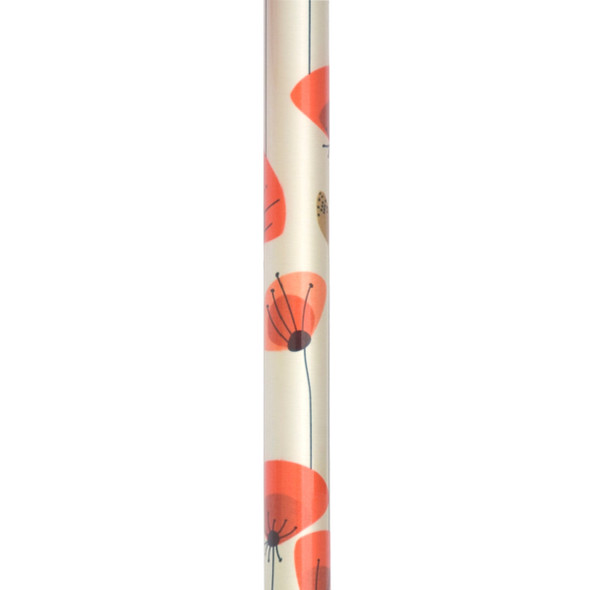
Switch Sticks Folding Walking Cane - Poppies Pattern
Mabis Healthcare
$75.99The Switch Sticks Folding Walking Cane Poppies is made for walking support that folds away for travel and storage. Every detail of this cane is aimed at making the daily routine safer and more...- SKU:
- 502-2000-5107
$75.99 -
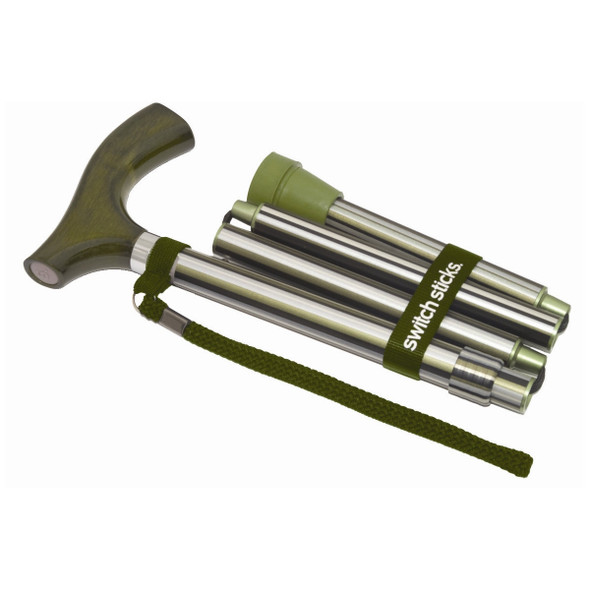
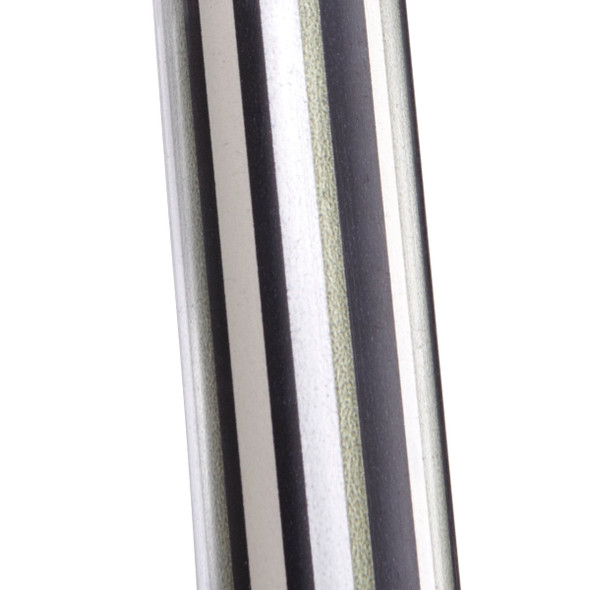
Switch Sticks Folding Walking Cane - Huntington Pattern
Mabis Healthcare
$74.99The Switch Sticks Folding Walking Cane Huntington is made for walking support that folds away for travel and storage. For walking support that folds away for travel and storage, this cane offers a...- SKU:
- 502-2000-5105
$74.99 -
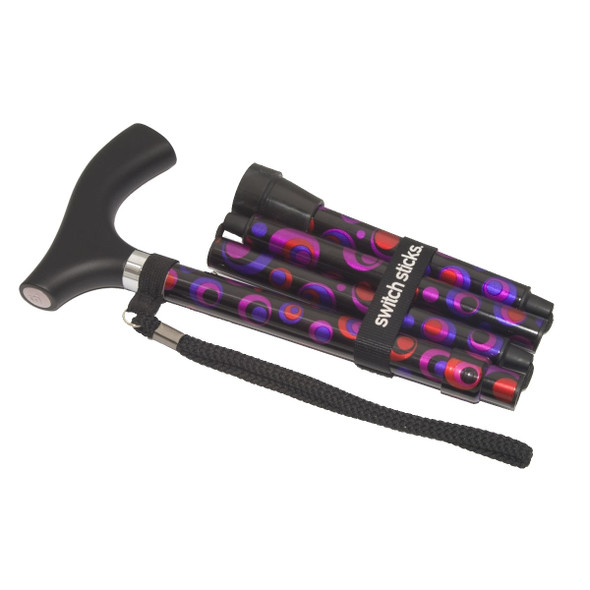
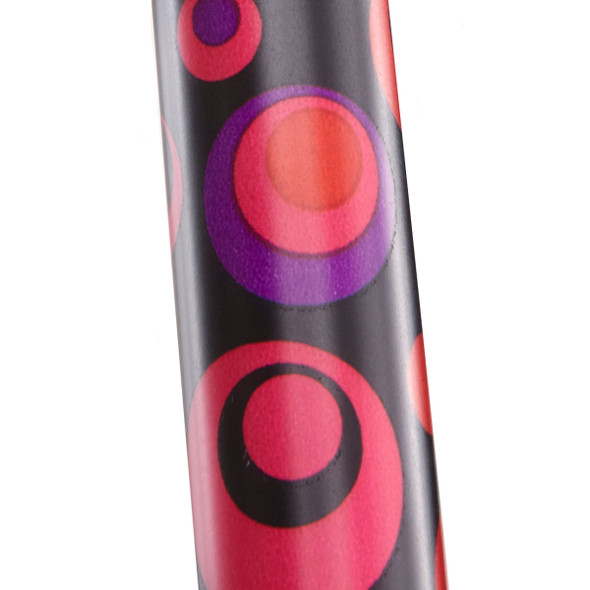
Switch Sticks Folding Walking Cane - Circles Pattern
Mabis Healthcare
$75.99The Switch Sticks Folding Walking Cane Circles is made for walking support that folds away for travel and storage. This cane is built for daily use at home or in a care setting, with the fit and...- SKU:
- 502-2000-5102
$75.99 -
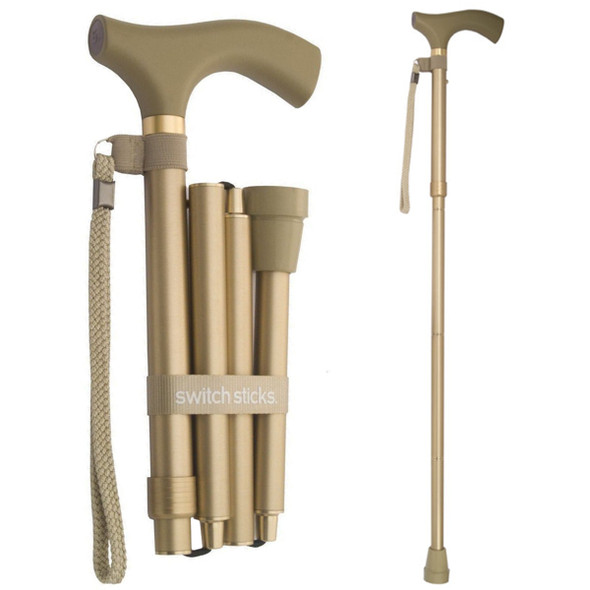
Switch Sticks Folding Walking Stick, Gold
Mabis Healthcare
$74.99The Switch Sticks Folding Walking Stick, Gold is made for walking support that folds away for travel and storage. This cane is sized and finished for real homes and care settings, not showroom...- SKU:
- 502-2000-0002
$74.99 -
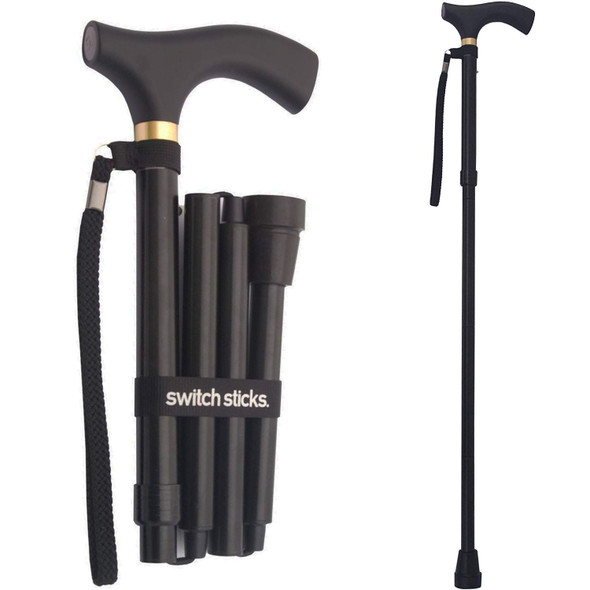
Switch Sticks Folding Walking Stick, Black
Mabis Healthcare
$82.99The Switch Sticks Folding Walking Stick, Black is made for walking support that folds away for travel and storage. For walking support that folds away for travel and storage, this cane offers a...- SKU:
- 502-2000-0000
$82.99 -
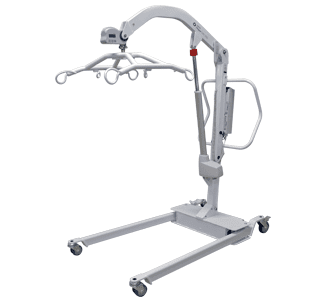
Hoyer HPL700 Bariatric Patient Lift - 700 lb Capacity - Power Operated Base
Joerns Healthcare
$4,399.99The Hoyer HPL700 is Joerns’ mid-range bariatric lift, rated to 700 lbs with a power operated base. The wide cradle design is built for patients of size rather than stretched from a standard frame.700...- SKU:
- HPL700-S2
$4,399.99 -
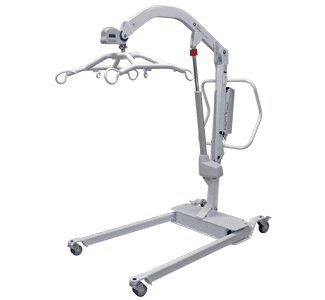
Hoyer HPL700 Bariatric Lift with Weigh Scale - 700 lb Capacity - Power Base
Joerns Healthcare
$5,001.99The Hoyer HPL700 with Weigh Scale is the mid-range bariatric lift that weighs the resident in the same motion as the transfer. A power operated base and a wide cradle design handle patients of size...- SKU:
- HPL700WSC-S2
$5,001.99 -

Hoyer HPL402 Electric Patient Lift - 400 lb Capacity - Adjustable U-Base
Joerns Healthcare
$1,884.99The Hoyer HPL402 is the powered answer when a manual lift becomes a challenge at home. Battery operation does the lifting work while the caregiver steers, positions and reassures the resident.400 lb...- SKU:
- HPL402
$1,884.99 -
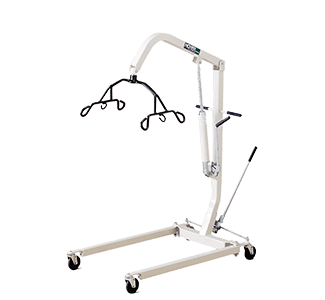
Hoyer HML400 Hydraulic Patient Lift - 400 lb Capacity - Adjustable U-Base
Joerns Healthcare
$1,027.99The Hoyer HML400 is Joerns’ most popular homecare lift, a manual hydraulic lifter that needs no battery or outlet. The pump handle rotates from side to side, so the caregiver works from whichever...- SKU:
- HML400
$1,027.99 -
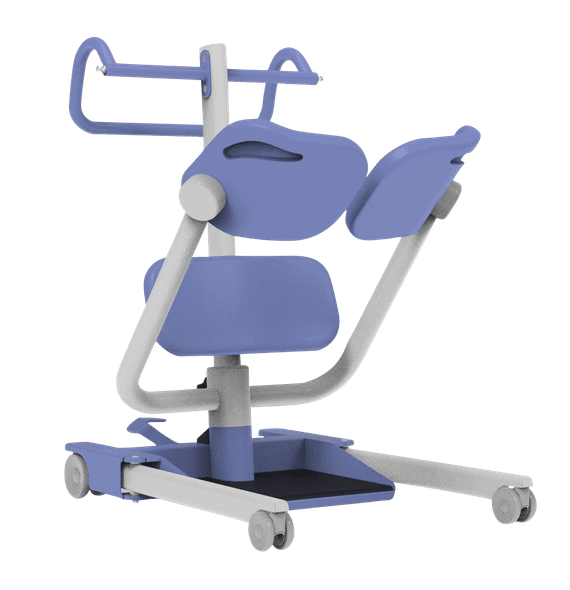
Hoyer Up Stand Aid - 450 lb Capacity - Non-Powered Transfer Device
Joerns Healthcare
$1,686.99The Hoyer Up is a non-powered stand aid for people who can stand with some support and want to stay active in their own transfers. The user grasps the middle bar and pulls up, and the swing-away...- SKU:
- HOY-UP
$1,686.99 -

Hoyer Journey Sit-to-Stand Lift - 341 lb Capacity - Folding Frame
Joerns Healthcare
$3,619.99The Hoyer Journey is the compact sit-to-stand lift for residents who can bear some weight and take part in their own transfers. Its small footprint works the tight bathrooms and bedside spaces where...- SKU:
- HOY-JOURNEY-S
$3,619.99 -
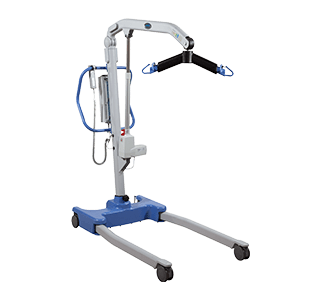
Hoyer Presence Patient Lift with Weigh Scale - 500 lb Capacity
Joerns Healthcare
$8,033.99The Hoyer Presence with Weigh Scale folds resident weighing into the transfers staff already perform. The integrated scale reads the weight while the resident is suspended, so weight checks stop...- SKU:
- HOY-PRESENCEWSC-S
$8,033.99 -

Hoyer Presence Patient Lift - 500 lb Capacity - Aluminum Frame
Joerns Healthcare
$4,796.99The Hoyer Presence is the workhorse floor lift of the Hoyer Pro family. Its lightweight engineered aluminum frame pairs a 500 lb safe working load with one of the longest lifting ranges Joerns offers...- SKU:
- HOY-PRESENCE-S
$4,796.99 -
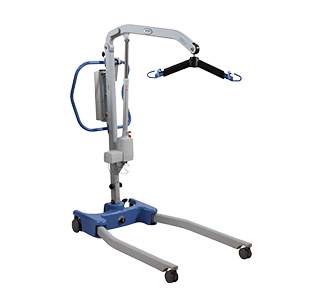
Hoyer Advance Patient Lift - 341 lb Capacity - Folding Aluminum Frame
Joerns Healthcare
$2,103.99The Hoyer Advance is the Hoyer Pro floor lift that folds away when the transfer is done. Its lightweight aluminum frame suits home care and small facilities where a full-size lift cannot stay parked...- SKU:
- HOY-ADVANCE-E
$2,103.99 -

Hoyer Calibre Bariatric Patient Lift - 850 lb Capacity - Integrated Weigh Scale
Joerns Healthcare
$11,518.99The Hoyer Calibre is the bariatric floor lift Joerns Healthcare builds for the heaviest transfers on the unit. Its wrap-around handle lets more than one caregiver share the push, so a loaded lift...- SKU:
- HOY-CALIBRE-S
$11,518.99 -
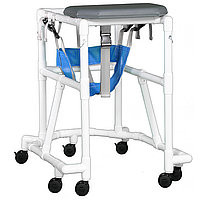
IPU Walker Chair Adjustable Height Combo Walker PVC Frame 300 lbs. Weight Capacity 37-1/2 to 44-1/2 Inch
IPU
$667.99The IPU Walker Chair supports safer movement for patients and residents. IPU has built PVC healthcare equipment in Michigan since 1985.300 lb weight capacity for the seated userHealthcare-grade PVC...- SKU:
- CW88
$667.99 -

IPU Walker Chair Adjustable Height Deluxe Ultimate PVC Frame 300 lbs. Weight Capacity 29 to 33 Inch Heig
IPU
$720.99The IPU Deluxe Walker Chair stands up to constant cleaning between patients. Staff can disinfect every surface between patients with standard cleaners.300 lb weight capacity for the seated...- SKU:
- ULT99 DLX
$720.99 -
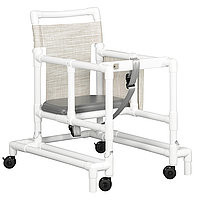
IPU Walker Chair Adjustable Height Ultimate PVC Frame 300 lbs. Weight Capacity 29 to 35 Inch Height
IPU
$675.99The IPU Walker Chair helps patients move with support from staff or on their own. The design favors simple, repeatable use by any trained staff member.300 lb weight capacity for the seated...- SKU:
- ULT99
$675.99 -
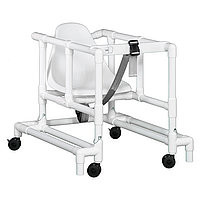
IPU Walker Chair Adjustable Height Standard Line PVC Frame 300 lbs. Weight Capacity 29 to 35 Inch Height
IPU
$516.99The IPU Value Line Walker Chair is built for the transfer and mobility work of daily care. With a 300 lb weight capacity, it matches the daily caseload of a care unit.300 lb weight capacity for the...- SKU:
- VL W66
$516.99
About Mobility Aids
Mobility Aids are essential tools designed to assist individuals with mobility challenges, offering safety, comfort, and independence. These devices, which include wheelchairs, mobility scooters, walkers, canes, crutches, patient lifts, and transfer boards, cater to a wide range of needs. Whether recovering from an injury, managing a chronic condition, or dealing with age-related mobility decline, mobility aids empower users to regain control of their lives and move with confidence.
Why Mobility Aids Are Essential
Mobility aids are vital for reducing physical strain, preventing falls, and improving mobility. They provide support for those with limited movement due to injury, surgery, or chronic health conditions. Beyond physical benefits, these devices enhance users' psychological well-being by promoting independence, social engagement, and an active lifestyle. Mobility aids also help caregivers manage patient needs more effectively, reducing their workload and ensuring safety.
What Are Mobility Aids?
Mobility aids are assistive devices designed to improve movement, stability, and accessibility for individuals with mobility challenges. From simple walking aids like canes and crutches to advanced solutions like powered wheelchairs, scooters, and patient transfer systems, these tools address specific challenges, helping users navigate daily life with ease. Mobility aids also improve rehabilitation outcomes by supporting safe recovery during injury or surgery.
Types of Mobility Aids
1. Wheelchairs
Best for: Individuals with limited or no ability to walk.
Wheelchairs provide seated mobility for users who cannot stand or walk independently. They come in manual and powered options to meet diverse needs.
Key Features
- Ergonomic designs for maximum comfort.
- Adjustable footrests and armrests for customization.
- Manual and electric-powered models for different mobility levels.
Applications
- Paralysis: Provides mobility for users with lower-body paralysis.
- Chronic Conditions: Supports individuals with neuromuscular disorders or arthritis.
- Post-Surgery Recovery: Assists users during rehabilitation.
2. Mobility Scooters
Best for: Enhancing mobility for outdoor or long-distance travel.
Mobility scooters are powered vehicles designed to provide convenient transportation for individuals with moderate mobility challenges.
Key Features
- Battery-powered operation with intuitive controls.
- Padded seating for extended comfort.
- Compact, foldable designs for portability.
Applications
- Elderly Users: Promotes independence for seniors.
- Chronic Pain or Fatigue: Reduces strain during travel.
- Recreational Use: Ideal for errands and outdoor activities.
3. Walkers and Rollators
Best for: Providing stability and support during walking.
Walkers and rollators are lightweight frames that assist users with balance and mobility. Rollators feature wheels for easier movement and often include a seat for resting.
Key Features
- Adjustable height for a personalized fit.
- Padded grips for enhanced comfort.
- Rollators often include built-in brakes and storage compartments.
Applications
- Rehabilitation: Supports recovery from surgery or injury.
- Balance Issues: Offers stability for individuals with coordination challenges.
- Elderly Mobility: Prevents falls and improves confidence during walking.
4. Canes
Best for: Supporting balance and reducing strain during walking.
Canes provide lightweight support for individuals who require minimal assistance with balance or stability.
Key Features
- Ergonomic handles to reduce hand fatigue.
- Adjustable height for customized support.
- Single-tip and quad-tip designs for different stability needs.
Applications
- Mild Mobility Issues: Reduces joint strain during walking.
- Post-Injury Recovery: Enhances stability after minor injuries.
- Chronic Conditions: Supports users with arthritis or hip pain.
5. Crutches
Best for: Temporary mobility support after injury.
Crutches help redistribute weight from the lower body, enabling users to walk without placing stress on injured areas.
Key Features
- Lightweight construction for easy handling.
- Padded grips and armrests for added comfort.
- Adjustable height to fit individual needs.
Applications
- Post-Injury: Assists recovery from fractures or sprains.
- Post-Surgery: Provides support after lower-limb surgeries.
- Temporary Use: Ideal for short-term rehabilitation.
6. Patient Lifts
Best for: Safely transferring individuals with limited mobility.
Patient lifts are mechanical or electric devices used to assist caregivers in transferring patients from beds to chairs, wheelchairs, or other surfaces without physical strain.
Key Features
- Electric and manual lift options for varied needs.
- Slings for secure and comfortable patient handling.
- Heavy-duty construction to support higher weight capacities.
Applications
- Home Care: Simplifies transfers in home settings.
- Hospitals: Ensures patient safety during transfers.
- Elderly Care: Reduces caregiver strain in managing immobile patients.
7. Patient Transfer Boards
Best for: Assisting with seated transfers between surfaces.
Patient transfer boards are flat, smooth devices used to slide patients between beds, chairs, or wheelchairs.
Key Features
- Lightweight and portable designs.
- Smooth surfaces to reduce friction during transfers.
- Durable materials for long-term use.
Applications
- Rehabilitation Centers: Supports safe and efficient patient movement.
- Hospitals: Aids in transferring patients with limited mobility.
- Home Care: Provides an easy-to-use solution for seated transfers.
Key Features of Mobility Aids
- Customizable Designs: Adjustable handles, armrests, and seat heights to meet user needs.
- Lightweight Construction: Aluminum, carbon fiber, or reinforced materials for easy handling.
- Enhanced Comfort: Padded grips, ergonomic handles, and cushioned seats.
- Portability: Compact, foldable designs for easy storage and transportation.
- Safety Features: Anti-slip bases, secure brakes, and sturdy frames for stability.
- Technology Integration: Electric-powered options for scooters, wheelchairs, and patient lifts.
Real-World Use Cases
Case 1: Elderly Independence
An elderly individual with balance issues used a rollator to prevent falls and improve confidence during walks, enhancing their overall quality of life.
Case 2: Post-Surgery Rehabilitation
A knee surgery patient relied on a walker during early recovery stages, transitioning to a cane as their mobility improved.
Case 3: Home Care for Immobile Patients
A caregiver used an electric patient lift to safely transfer an elderly individual from bed to wheelchair, reducing strain and ensuring patient safety.
Case 4: Outdoor Mobility for Seniors
A senior with arthritis used a mobility scooter for outdoor errands, allowing them to maintain independence and reduce joint pain during travel.
How to Choose the Right Mobility Aid
- Assess Mobility Needs: Determine whether the user needs minimal assistance (e.g., cane) or full support (e.g., wheelchair or patient lift).
- Consider the Environment: Choose compact designs for indoor use and sturdy, all-terrain options for outdoor mobility.
- Focus on Safety: Look for features such as anti-slip bases, secure brakes, and sturdy construction.
- Evaluate Comfort: Select aids with padded grips, ergonomic handles, and adjustable components for personalized support.
- Think About Caregiver Needs: For immobile patients, prioritize tools like patient lifts or transfer boards that reduce caregiver strain.
- Consult a Healthcare Professional: Seek guidance from a physical therapist or medical provider to ensure the chosen device meets specific needs.
How to Use Mobility Aids
- Fit the Device: Adjust the height, armrests, or other settings for optimal support and comfort.
- Follow Safety Guidelines: Use brakes and anti-slip features when necessary, especially on uneven surfaces.
- Practice Good Posture: Maintain proper alignment to prevent strain or discomfort.
- Build Confidence Gradually: Start with short distances or sessions, increasing mobility over time.
- Inspect Regularly: Check for signs of wear and tear and perform routine maintenance to ensure safety.
Benefits of Mobility Aids
- Increased Independence: Enables users to move freely and perform daily activities.
- Improved Safety: Reduces the risk of falls and physical strain for users and caregivers.
- Enhanced Comfort: Ergonomic and padded designs minimize discomfort during use.
- Better Rehabilitation Outcomes: Supports recovery and builds strength during injury or surgery recovery.
- Caregiver Assistance: Tools like patient lifts and transfer boards make caregiving safer and more efficient.
Frequently Asked Questions (FAQs)
1. Are mobility aids covered by insurance?
Yes, many mobility aids, including wheelchairs and patient lifts, are covered by insurance or Medicare if prescribed by a healthcare provider.
2. How do I choose the right mobility aid?
Consult a healthcare provider or physical therapist to assess your mobility needs and recommend the appropriate device.
3. Can mobility aids be used outdoors?
Yes, many devices, such as mobility scooters and rollators, are designed for outdoor use.
4. Are patient lifts difficult to operate?
No, patient lifts, especially electric models, are designed for ease of use and come with detailed instructions.
5. How do I maintain my mobility aid?
Regularly clean and inspect the device for wear and tear, and follow the manufacturer's maintenance guidelines.
Related Products
Complement mobility aids with safety accessories such as non-slip grips, storage pouches, and padded supports. Explore our range of rehabilitation tools, posture supports, and caregiver equipment for a complete mobility solution. Visit our blog for expert advice on choosing and maintaining mobility aids.
Feel confident and independent with our Mobility Aids, designed to provide safety, support, and freedom of movement. From wheelchairs to patient lifts, our solutions cater to a variety of needs, ensuring enhanced comfort and convenience. Shop now and take the first step toward better mobility today!