
Patient Care

Patient Care Products are foundational in healthcare delivery, empowering caregivers, medical professionals, and families to provide comprehensive support for individuals at every stage of recovery, treatment, and daily living. From precise surgical instruments and ergonomic hospital furniture to advanced monitoring tools and infection control supplies, patient care products cater to a wide variety of medical environments and needs.
Beyond meeting physical requirements, these tools address the emotional and psychological well-being of patients, ensuring dignity, independence, and comfort throughout their care journey. Designed for use in hospitals, rehabilitation centers, long-term care facilities, and home healthcare, patient care products streamline caregiving while improving patient outcomes.
Types of Patient Care Products
Patient care encompasses a diverse range of tools tailored to meet specific needs across different medical settings. Below is a comprehensive guide to the key categories and their detailed benefits:
1. Hospital Supplies
Hospital supplies are indispensable for daily healthcare operations. These consumables and reusable tools ensure that healthcare professionals can deliver effective treatment while maintaining strict hygiene and safety standards.
Examples
- Wound Care: Bandages, gauze, and surgical dressings.
- Infection Control: PPE kits, disposable gloves, aprons, and sterilization wraps.
- Medical Tools: IV poles, infusion sets, syringes, and catheters.
Applications
- Emergency procedures in wards, ICUs, and operating rooms.
- Sterile handling of medications and fluids in outpatient and inpatient settings.
- Ensuring cleanliness and efficiency in routine medical care.
Key Features
- High-quality, sterile materials that ensure patient safety.
- Disposable options to reduce infection risk in high-turnover environments.
- Versatile designs compatible with diverse medical applications.
Hospital supplies streamline care delivery by equipping professionals with reliable tools that support routine and emergency procedures.
2. Surgical Instruments
Surgical instruments are highly specialized tools designed for precision and efficiency during medical procedures, ranging from minor outpatient operations to intricate surgeries.
Examples
- General Instruments: Scalpels, retractors, forceps, and clamps.
- Specialized Tools: Laparoscopic instruments for minimally invasive surgery.
- Suturing Equipment: Needle holders, surgical scissors, and thread cutters.
Applications
- General surgeries, obstetrics, and orthopedic procedures.
- Specialized surgeries in neurosurgery, cardiology, and reconstructive fields.
- Outpatient procedures requiring precision and sterility.
Key Features
- Rust-proof, sterilizable materials for durability and safety.
- Ergonomic designs for improved handling and reduced hand fatigue.
- High precision to ensure successful outcomes in intricate surgeries.
Surgical instruments are essential for achieving superior results in critical operations, ensuring patient safety and long-term usability for healthcare professionals.
3. Hospital Furniture
Hospital furniture is essential for creating a comfortable and functional environment for both patients and caregivers. These durable, ergonomic solutions enhance recovery and facilitate smooth caregiving workflows.
Examples
- Adjustable hospital beds with side rails for safety and comfort.
- Overbed tables, bedside cabinets, and examination tables for utility and convenience.
- Recliner chairs and stretchers for mobility and patient relaxation.
Applications
- Patient rooms in hospitals and long-term care facilities.
- Diagnostic centers and outpatient clinics.
- Home healthcare setups for chronic or post-surgery recovery.
Key Features
- Adjustable designs for personalized patient comfort.
- Easy-to-clean surfaces that maintain hygiene in clinical settings.
- Durable construction for frequent use in demanding environments.
Hospital furniture bridges the gap between patient comfort and caregiving efficiency, offering practical solutions for diverse medical environments.
4. Enteral Feeding Supplies
Enteral feeding products deliver essential nutrition and hydration to patients who cannot eat or drink orally, supporting recovery and long-term health. These tools ensure precise and hygienic delivery of nutrients directly into the gastrointestinal tract.
Examples
- Feeding pumps for controlled nutrient delivery.
- Nasogastric, gastrostomy, and jejunostomy feeding tubes.
- Formula containers, connectors, and syringes.
Applications
- ICU patients requiring nutritional support due to medical conditions.
- Long-term care for individuals with swallowing difficulties or digestive disorders.
- Pediatric and geriatric patients needing supplemental nutrition.
Key Features
- Sterile, easy-to-use designs for safe feeding.
- Compatibility with various dietary formulas and feeding schedules.
- Portable solutions for home healthcare environments.
Enteral feeding supplies ensure that patients receive the nourishment they need, enabling sustained health and improved recovery outcomes.
5. Mobility Aids
Mobility aids are designed to restore independence to individuals facing temporary or permanent mobility challenges. They help patients regain confidence while supporting rehabilitation and daily activities.
Examples
- Walkers, rollators, and manual or powered wheelchairs.
- Crutches, canes, and walking sticks for balance support.
- Patient lifts and transfer boards for safe and efficient movement.
Applications
- Rehabilitation after surgery, strokes, or injuries.
- Daily mobility for elderly individuals or those with chronic conditions.
- Assisting caregivers in transferring patients in home or clinical settings.
Key Features
- Lightweight and foldable designs for easy transport.
- Adjustable heights and configurations to meet individual needs.
- Anti-slip grips and stable frames for enhanced safety.
Mobility aids empower patients to navigate their surroundings with ease, reducing reliance on caregivers and improving their quality of life.
6. Monitoring and Diagnostic Tools
Monitoring and diagnostic tools play a crucial role in tracking patient health, aiding in timely and effective treatment planning.
Examples
- Digital blood pressure monitors for accurate readings.
- Pulse oximeters for oxygen saturation tracking.
- ECG machines for monitoring heart activity.
- Infrared thermometers for contact-free temperature measurement.
Applications
- Chronic illness management through at-home monitoring.
- ICU and ward-based vital sign tracking.
- Diagnostic use in outpatient and primary care clinics.
Key Features
- Portable, user-friendly designs for both patients and caregivers.
- High accuracy to support critical healthcare decisions.
- Long battery life for uninterrupted operation.
These tools ensure that healthcare providers and caregivers can monitor and respond to patient needs effectively, ensuring better health outcomes.
7. Patient Safety Devices
Safety devices are designed to minimize risks such as falls, injuries, and emergencies, ensuring a secure environment for vulnerable patients.
Examples
- Bed rails, fall prevention alarms, and anti-slip mats.
- Emergency call buttons for caregiver alerts.
- Restraints for high-risk patients needing additional security.
Applications
- Elderly care in long-term facilities or homes.
- Post-surgery rehabilitation in hospitals or outpatient clinics.
- ICU settings for patients requiring constant monitoring.
Key Features
- Durable materials for reliable, long-term safety.
- Non-invasive designs to maintain patient dignity.
- Instant alert systems for rapid caregiver response.
Patient safety devices provide peace of mind to both patients and caregivers, reducing the likelihood of preventable accidents.
8. Syringes and Needles
Syringes and needles are essential tools for medication administration, fluid extraction, and diagnostic sampling.
Examples
- Hypodermic needles for vaccinations and injections.
- Insulin syringes for diabetes management.
- Catheter needles for intravenous fluid delivery.
Applications
- Routine injections and blood sampling in hospitals and clinics.
- Emergency administration of medications.
- At-home management of chronic conditions like diabetes.
Key Features
- Sterile, single-use designs to prevent infection.
- Precision tips for minimal patient discomfort.
- Available in various sizes for diverse medical needs.
Syringes and needles provide a reliable means of administering care efficiently and safely.
9. Infection Control Supplies
Infection control supplies are vital for maintaining sterility and preventing cross-contamination in healthcare settings.
Examples
- PPE kits, gloves, face masks, and gowns.
- Disinfectants, hand sanitizers, and sterilization wraps.
- UV sterilizers and air purifiers for clinical environments.
Applications
- Operating rooms and ICU units requiring strict hygiene protocols.
- Home care for immunocompromised individuals.
- Clinics and outpatient facilities during flu or pandemic seasons.
Key Features
- Hospital-grade materials for maximum pathogen elimination.
- Easy-to-use products for quick and effective sanitization.
- Comprehensive protection for surfaces, tools, and personnel.
Infection control supplies are critical for safeguarding the health of both patients and caregivers.
Benefits of Patient Care Products
1. Enhanced Comfort and Dignity
Ergonomic designs and innovative features prioritize patient well-being and respect their independence.
2. Reduced Risk of Complications
Safety devices, infection control tools, and monitoring systems minimize preventable risks like falls, infections, and delayed treatments.
3. Streamlined Caregiving
Advanced tools, such as lifts, diagnostic equipment, and surgical instruments, ease caregiver workloads and improve efficiency.
4. Faster Recovery and Rehabilitation
Rehabilitation aids and therapeutic products enable quicker, more effective recovery for patients.
5. Adaptable to Multiple Settings
Patient care products are versatile, making them ideal for use in hospitals, care facilities, and homes.
6. Cost Efficiency
Durable, reusable products reduce the need for frequent replacements, saving costs over time.
Real-World Applications
1. Hospitals
Essential for ICUs, surgical theaters, and general wards to deliver professional care.
2. Long-Term Care Facilities
Provide safety and comfort for elderly and chronically ill residents.
3. Home Healthcare
Allow family caregivers to offer professional-grade care in a familiar setting.
4. Rehabilitation Centers
Support patient recovery with mobility aids, monitoring tools, and therapeutic equipment.
5. Emergency Clinics
Enable quick and efficient care with infection control and diagnostic tools.
Frequently Asked Questions (FAQs)
1. What are the most essential patient care products for home healthcare?
Key patient care products for home healthcare include mobility aids (such as walkers or wheelchairs), monitoring tools (like blood pressure monitors and pulse oximeters), patient lifts for transfers, and hygiene supplies like bathing aids and skin care products.
2. How do patient safety devices prevent falls and injuries?
Patient safety devices like bed rails, anti-slip mats, and fall prevention alarms are designed to minimize the risk of falls by providing physical support, enhancing stability, and alerting caregivers to potential emergencies.
3. What is the purpose of enteral feeding supplies?
Enteral feeding supplies ensure that patients who cannot eat or drink orally receive adequate nutrition and hydration. These products deliver nutrients directly into the stomach or intestines through feeding tubes and pumps.
4. How can patient care products improve recovery times?
Patient care products like therapeutic mattresses, rehabilitation tools, and mobility aids help patients stay comfortable, reduce strain, and support physical therapy, accelerating recovery and improving overall outcomes.
5. Are monitoring and diagnostic tools easy to use for caregivers at home?
Yes, many monitoring and diagnostic tools, such as digital blood pressure monitors and pulse oximeters, are designed with user-friendly interfaces, making them easy to operate for non-medical caregivers.
6. What features should I look for in hospital furniture for home use?
For home use, hospital furniture should have adjustable settings for personalized comfort, easy-to-clean surfaces for hygiene, and durable construction to withstand regular use.
7. How do infection control supplies benefit patient care?
Infection control supplies, such as hand sanitizers, PPE kits, and disinfectants, help maintain a sterile environment, preventing the spread of bacteria and viruses and protecting both patients and caregivers.
8. What are the advantages of mobility aids for elderly patients?
Mobility aids like rollators, canes, and wheelchairs improve balance and stability, allowing elderly patients to maintain independence and reduce their reliance on caregivers.
9. Are patient care products covered by insurance?
Some patient care products, particularly those deemed medically necessary (such as mobility aids or feeding supplies), may be covered by insurance or Medicare. It’s best to check with your provider for details.
10. How can caregivers choose the right patient care products?
Caregivers should assess the patient’s specific needs, consult healthcare professionals for recommendations, and prioritize products with features like durability, adjustability, and ease of use.
Empower your care efforts with our wide selection of patient care products. From mobility aids and monitoring tools to surgical instruments and infection control supplies, we provide everything needed for effective, safe, and compassionate healthcare. Shop now to optimize care and enhance patient outcomes!
Shop By Category
- Clamps & Hemostats
- Electrosurgery
- Fixation Devices
- Forceps
- Instrument Trays & Sterilization
- Needle Holders
- Rongeurs, Curettes & Bone Instruments
- Surgical Retractors
- Surgical Scalpels & Blades
- Laparoscopic Trocars
- Medical Scissors
- Surgical Kits
- Skin Staplers
- Surgical Skin Prep Razors
- Suture and Needles
- Surgical Staple Removers
- Suture Removal Kits
-

Medegen Central Supply Stainless Steel – Instrument Trays, Full Size, Regular, 67/8 x 41/2
Medegen
$53.99 - $172.99The Medegen Central Supply Stainless Steel is an instrument tray used for instrument handling. A stainless steel instrument tray holds instruments during procedures and processing.Stated Material –...- Material:
- Stainless Steel
- Size:
- 67/8 x 41/2 (170.2 x 20.3 cm)
$53.99 - $172.99 -

Medegen Central Supply Stainless Steel – Instrument Trays, Catheter, 191/8 x 121/2, 4 135/8 x 93/4
Medegen
$63.99 - $145.99The Medegen Central Supply Stainless Steel is an instrument tray used for instrument handling. A stainless steel instrument tray holds instruments during procedures and processing.Measured Size –...- Size:
- 191/8 x 121/2 (485.1 x 20.3 cm)
- Material:
- Stainless Steel
$63.99 - $145.99 -

Medegen Central Supply Stainless Steel – Buckets and Pails, 12 x 8, 8 Configuration Options
Medegen
$73.99 - $472.99The Medegen Central Supply Stainless Steel is a bucket used during bedside patient care. The stainless build rinses and sanitizes between uses.Capacities Run – The capacity is stated for every...- Size:
- 12 x 8 (30.5 x 20.3 cm)
$73.99 - $472.99 -

Medegen Color ZIP Food Service Double Zip Closure – 13 x 18, 14 x 20, 5 Configuration Options
Medegen
$57.99 - $81.99The Medegen Color ZIP Food Service Double Zip Closure is a zip closure used for small-item storage. Capacity is 2 gallons.Secure Closure – A press-to-close strip seals the bag, so contents stay...- Size:
- 13 x 18 (33 x 45.7 cm)
- Quantity Per Box:
- 500/cs
$57.99 - $81.99 -

Medegen Anti-Static Zip Bags – Pink Tint Color, 2 x 3, 2.5 x 9, 2 Configuration Options, Access to Contents I
Medegen
$48.99 - $144.99The Medegen Anti-Static Zip Bags is a zip bag used for small-item storage. An anti-static zip bag protects static-sensitive contents in storage and handling.3 X Option – Pack counts appear in the...- Size:
- 2 x 3 (5.1 x 7.6 cm)
$48.99 - $144.99 -
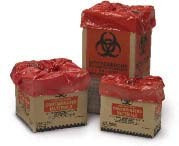
Medegen Anti-Static Kick Bucket Liner – Nfpa 56a, Twist Ties, Lldpe Film, Star Seal, Coreless Rolls
Medegen
$119.99The Medegen Anti-Static Kick Bucket Liner is a kick bucket liner used for daily waste handling. The anti-static film meets NFPA 56A.Anti-Static Film Detail 2 – The stated standard is printed in the...- SKU:
- 50-02
- Quantity Per Box:
- 500/cs
- Size:
- 9 x 12 (22.9 x 30.5 cm)
$119.99 -

TIDI Posey Respiratory Securement – 47 cm x 3 cm, 60 cm x 3 cm, Foam, 4 Configuration Options
Tidi
$48.99 - $55.99The TIDI Posey Respiratory Securement is a trach tie used during daily patient care. A foam tracheostomy tie holds the trach tube in place at the neck.Stated Material – The material is foam.Options –...- Size:
- 47 cm x 3 cm
- Material:
- Foam
$48.99 - $55.99 -
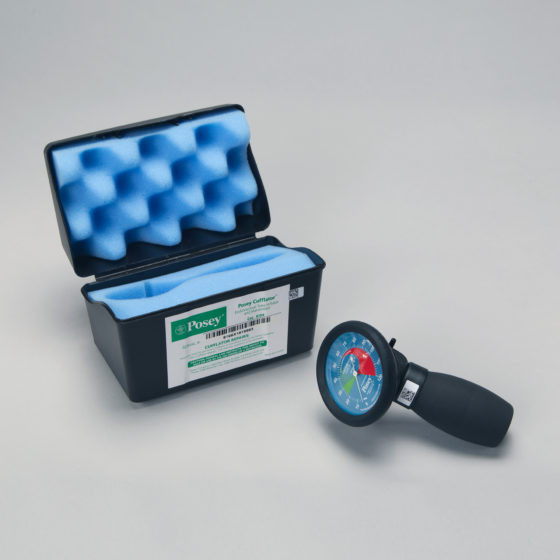
TIDI Posey Respiratory Accessories – 13 cm x 3 cm, Foam, For Daily Patient Care, Respiratory Support
Tidi
$32.99The TIDI Posey Respiratory Accessories is a respiratory accessory used during daily patient care. Probe wraps hold sensors firmly to prevent misalignment of optical components, while blocking out...- SKU:
- 6554
- Size:
- 13 cm x 3 cm
$32.99 -

TIDI Neonatal ID Bracelets – Phototherapy Eye Protection, & Circumstraints, 25 cm x 5 cm, Foam
Tidi
$69.99The TIDI Neonatal ID Bracelets is an id bracelet used for patient safety. A blank ID panel accepts a hand-written entry or a 2 5/8 in (7 cm) label, and the bracelet secures with hook-and-loop...- SKU:
- 4749
- Size:
- 25 cm x 5 cm
$69.99 -

TIDI Posey Peek-A-Boo Mitts – 2 Configuration Options, Soft Cloth Gentle on Patient's Skin
Tidi
$85.99 - $88.99The TIDI Posey Peek-A-Boo Mitts is a mitt used for patient positioning. Fiber-filled padding on both sides of the mitt keeps it soft against the patient's skin.Sold Detail 2 – It is sold by the pair...$85.99 - $88.99 -

TIDI Posey Soft Limb Holder with D-Ring Closure – Foam, 2 Configuration Options, Sold by the Pair
Tidi
$22.99 - $28.99The TIDI Posey Soft Limb Holder with D-Ring Closure is a limb holder used for patient positioning. A standard metal D-ring lets a single strap secure the cuff on the patient and anchor the restraint...- Material:
- Foam
$22.99 - $28.99 -

TIDI Posey Soft Limb Holder with Buckle Closure – Foam, 7 Configuration Options, For Patient Positioning
Tidi
$29.99 - $35.99The TIDI Posey Soft Limb Holder with Buckle Closure is a limb holder used for patient positioning. Care teams use it for patient positioning and limb safety.Fit in Practice – The closure fastens...- Material:
- Foam
$29.99 - $35.99 -

TIDI Disposable Pillowcases – 21in x 30in, Tissue/Poly, 5 Configuration Options, 100 per case
Tidi
$92.99 - $126.99The TIDI Disposable Pillowcases is a pillowcase used during daily patient care. A disposable pillowcase covers the pillow between patients in the care setting.Reinforced Strength – It covers the...- Material:
- Tissue/Poly
- Size:
- 21in x 30in (53.3 x 76.2 cm)
- Quantity Per Box:
- 100/cs
$92.99 - $126.99 -

TIDI Disposable Patient & Exam Gowns – Paper Gowns for Patients, 30" x 42", 21" x 36", Single-Use
Tidi
$75.99 - $126.99The TIDI Disposable Patient & Exam Gowns is an exam gown used for exams and patient care. The single-use paper gowns give patients coverage during exams and procedures.Single-Use Format – One use per...- Size:
- 30" x 42" (76.2 x 106.7 cm)
- Material:
- Tissue/Poly/Tissue
- Packaging:
- 50/cs, 25/cs
$75.99 - $126.99 -

TIDI Patient Drape Sheets – 40in x 48in, 40in x 60in, Single-Use, Tissue/Poly/Tissue, 22 Configuration Options
Tidi
$73.99 - $125.99The TIDI Patient Drape Sheets cover and protect patients during procedures, with extra-strength material that resists tearing in use. Clinical teams use it in the procedure room.Extra Strength –...- Size:
- 40in x 48in (101.6 x 121.9 cm)
- Material:
- Tissue/Poly/Tissue
- Packaging:
- 50/cs, 100/cs, 200/cs, 500/cs
$73.99 - $125.99 -

TIDI Patient Exam Capes – Paper Capes for Patients, 30" x 21", 32" x 21", Tissue/Poly/Tissue
Tidi
$86.99 - $109.99The TIDI Patient Exam Capes is an exam cape used for exams and patient care. A disposable exam cape gives the patient coverage during exams and procedures.Capes Detail 2 – One use per patient keeps...- Size:
- 30" x 21" (76.2 x 53.3 cm)
- Material:
- Tissue/Poly/Tissue
- Packaging:
- 100/cs, 200/cs
$86.99 - $109.99 -

TIDI Medical Towels and Washcloths – 13in x 18in, Tissue/Poly, 3 Color Options, 500 per case
Tidi
$61.99 - $95.99The TIDI Medical Towels and Washcloths is a towel used during daily patient care. A disposable towel serves drying and general care tasks in the care setting.Single-Use Convenience – One use per...- Material:
- Tissue/Poly
- Size:
- 13in x 18in (33 x 45.7 cm)
- Quantity Per Box:
- 500/cs
$61.99 - $95.99 -

TIDI Exam Table Paper – 18in x 24in, 20in x 30in, Crepe Paper, 17 Configuration Options, For Exams
Tidi
$88.99 - $173.99The TIDI Exam Table Paper is an exam table paper used for exams and procedures. A disposable paper barrier covers the exam table between patients.Single-Use Format – The barrier layer stands between...- Size:
- 18in x 24in (45.7 x 61 cm)
- Material:
- Crepe Paper
- Packaging:
- 12/cs, 1000/cs, 6/cs
$88.99 - $173.99 -

TIDI Chiropractic Headrest Barriers – 12in x 12in, 12in x 24in, Single-Use, Crepe Paper, 7 Size Options
Tidi
$74.99 - $128.99The TIDI Chiropractic Headrest Barriers is a headrest barrier used during daily patient care. The single-use barriers provide economical, functional everyday protection on the headrest.Barrier...- Size:
- 12in x 12in (30.5 x 30.5 cm)
- Material:
- Crepe Paper
- Packaging:
- 12/cs, 25/cs, 1000/cs
$74.99 - $128.99 -

TIDI Gait Belts – Transfer Belts, Buckle Closure, 15 Configuration Options, 50 per case, For Patient Safety
Tidi
$36.99 - $524.99The TIDI Gait Belts is a gait belt used for patient safety. Metal buckle offers maximum hold while reducing wear on the cotton belt for increased durability.Case-Ready Packaging – Supplied 50 per...- Quantity Per Box:
- 50/cs
$36.99 - $524.99
About Patient Care
Patient Care Products are foundational in healthcare delivery, empowering caregivers, medical professionals, and families to provide comprehensive support for individuals at every stage of recovery, treatment, and daily living. From precise surgical instruments and ergonomic hospital furniture to advanced monitoring tools and infection control supplies, patient care products cater to a wide variety of medical environments and needs.
Beyond meeting physical requirements, these tools address the emotional and psychological well-being of patients, ensuring dignity, independence, and comfort throughout their care journey. Designed for use in hospitals, rehabilitation centers, long-term care facilities, and home healthcare, patient care products streamline caregiving while improving patient outcomes.
Types of Patient Care Products
Patient care encompasses a diverse range of tools tailored to meet specific needs across different medical settings. Below is a comprehensive guide to the key categories and their detailed benefits:
1. Hospital Supplies
Hospital supplies are indispensable for daily healthcare operations. These consumables and reusable tools ensure that healthcare professionals can deliver effective treatment while maintaining strict hygiene and safety standards.
Examples
- Wound Care: Bandages, gauze, and surgical dressings.
- Infection Control: PPE kits, disposable gloves, aprons, and sterilization wraps.
- Medical Tools: IV poles, infusion sets, syringes, and catheters.
Applications
- Emergency procedures in wards, ICUs, and operating rooms.
- Sterile handling of medications and fluids in outpatient and inpatient settings.
- Ensuring cleanliness and efficiency in routine medical care.
Key Features
- High-quality, sterile materials that ensure patient safety.
- Disposable options to reduce infection risk in high-turnover environments.
- Versatile designs compatible with diverse medical applications.
Hospital supplies streamline care delivery by equipping professionals with reliable tools that support routine and emergency procedures.
2. Surgical Instruments
Surgical instruments are highly specialized tools designed for precision and efficiency during medical procedures, ranging from minor outpatient operations to intricate surgeries.
Examples
- General Instruments: Scalpels, retractors, forceps, and clamps.
- Specialized Tools: Laparoscopic instruments for minimally invasive surgery.
- Suturing Equipment: Needle holders, surgical scissors, and thread cutters.
Applications
- General surgeries, obstetrics, and orthopedic procedures.
- Specialized surgeries in neurosurgery, cardiology, and reconstructive fields.
- Outpatient procedures requiring precision and sterility.
Key Features
- Rust-proof, sterilizable materials for durability and safety.
- Ergonomic designs for improved handling and reduced hand fatigue.
- High precision to ensure successful outcomes in intricate surgeries.
Surgical instruments are essential for achieving superior results in critical operations, ensuring patient safety and long-term usability for healthcare professionals.
3. Hospital Furniture
Hospital furniture is essential for creating a comfortable and functional environment for both patients and caregivers. These durable, ergonomic solutions enhance recovery and facilitate smooth caregiving workflows.
Examples
- Adjustable hospital beds with side rails for safety and comfort.
- Overbed tables, bedside cabinets, and examination tables for utility and convenience.
- Recliner chairs and stretchers for mobility and patient relaxation.
Applications
- Patient rooms in hospitals and long-term care facilities.
- Diagnostic centers and outpatient clinics.
- Home healthcare setups for chronic or post-surgery recovery.
Key Features
- Adjustable designs for personalized patient comfort.
- Easy-to-clean surfaces that maintain hygiene in clinical settings.
- Durable construction for frequent use in demanding environments.
Hospital furniture bridges the gap between patient comfort and caregiving efficiency, offering practical solutions for diverse medical environments.
4. Enteral Feeding Supplies
Enteral feeding products deliver essential nutrition and hydration to patients who cannot eat or drink orally, supporting recovery and long-term health. These tools ensure precise and hygienic delivery of nutrients directly into the gastrointestinal tract.
Examples
- Feeding pumps for controlled nutrient delivery.
- Nasogastric, gastrostomy, and jejunostomy feeding tubes.
- Formula containers, connectors, and syringes.
Applications
- ICU patients requiring nutritional support due to medical conditions.
- Long-term care for individuals with swallowing difficulties or digestive disorders.
- Pediatric and geriatric patients needing supplemental nutrition.
Key Features
- Sterile, easy-to-use designs for safe feeding.
- Compatibility with various dietary formulas and feeding schedules.
- Portable solutions for home healthcare environments.
Enteral feeding supplies ensure that patients receive the nourishment they need, enabling sustained health and improved recovery outcomes.
5. Mobility Aids
Mobility aids are designed to restore independence to individuals facing temporary or permanent mobility challenges. They help patients regain confidence while supporting rehabilitation and daily activities.
Examples
- Walkers, rollators, and manual or powered wheelchairs.
- Crutches, canes, and walking sticks for balance support.
- Patient lifts and transfer boards for safe and efficient movement.
Applications
- Rehabilitation after surgery, strokes, or injuries.
- Daily mobility for elderly individuals or those with chronic conditions.
- Assisting caregivers in transferring patients in home or clinical settings.
Key Features
- Lightweight and foldable designs for easy transport.
- Adjustable heights and configurations to meet individual needs.
- Anti-slip grips and stable frames for enhanced safety.
Mobility aids empower patients to navigate their surroundings with ease, reducing reliance on caregivers and improving their quality of life.
6. Monitoring and Diagnostic Tools
Monitoring and diagnostic tools play a crucial role in tracking patient health, aiding in timely and effective treatment planning.
Examples
- Digital blood pressure monitors for accurate readings.
- Pulse oximeters for oxygen saturation tracking.
- ECG machines for monitoring heart activity.
- Infrared thermometers for contact-free temperature measurement.
Applications
- Chronic illness management through at-home monitoring.
- ICU and ward-based vital sign tracking.
- Diagnostic use in outpatient and primary care clinics.
Key Features
- Portable, user-friendly designs for both patients and caregivers.
- High accuracy to support critical healthcare decisions.
- Long battery life for uninterrupted operation.
These tools ensure that healthcare providers and caregivers can monitor and respond to patient needs effectively, ensuring better health outcomes.
7. Patient Safety Devices
Safety devices are designed to minimize risks such as falls, injuries, and emergencies, ensuring a secure environment for vulnerable patients.
Examples
- Bed rails, fall prevention alarms, and anti-slip mats.
- Emergency call buttons for caregiver alerts.
- Restraints for high-risk patients needing additional security.
Applications
- Elderly care in long-term facilities or homes.
- Post-surgery rehabilitation in hospitals or outpatient clinics.
- ICU settings for patients requiring constant monitoring.
Key Features
- Durable materials for reliable, long-term safety.
- Non-invasive designs to maintain patient dignity.
- Instant alert systems for rapid caregiver response.
Patient safety devices provide peace of mind to both patients and caregivers, reducing the likelihood of preventable accidents.
8. Syringes and Needles
Syringes and needles are essential tools for medication administration, fluid extraction, and diagnostic sampling.
Examples
- Hypodermic needles for vaccinations and injections.
- Insulin syringes for diabetes management.
- Catheter needles for intravenous fluid delivery.
Applications
- Routine injections and blood sampling in hospitals and clinics.
- Emergency administration of medications.
- At-home management of chronic conditions like diabetes.
Key Features
- Sterile, single-use designs to prevent infection.
- Precision tips for minimal patient discomfort.
- Available in various sizes for diverse medical needs.
Syringes and needles provide a reliable means of administering care efficiently and safely.
9. Infection Control Supplies
Infection control supplies are vital for maintaining sterility and preventing cross-contamination in healthcare settings.
Examples
- PPE kits, gloves, face masks, and gowns.
- Disinfectants, hand sanitizers, and sterilization wraps.
- UV sterilizers and air purifiers for clinical environments.
Applications
- Operating rooms and ICU units requiring strict hygiene protocols.
- Home care for immunocompromised individuals.
- Clinics and outpatient facilities during flu or pandemic seasons.
Key Features
- Hospital-grade materials for maximum pathogen elimination.
- Easy-to-use products for quick and effective sanitization.
- Comprehensive protection for surfaces, tools, and personnel.
Infection control supplies are critical for safeguarding the health of both patients and caregivers.
Benefits of Patient Care Products
1. Enhanced Comfort and Dignity
Ergonomic designs and innovative features prioritize patient well-being and respect their independence.
2. Reduced Risk of Complications
Safety devices, infection control tools, and monitoring systems minimize preventable risks like falls, infections, and delayed treatments.
3. Streamlined Caregiving
Advanced tools, such as lifts, diagnostic equipment, and surgical instruments, ease caregiver workloads and improve efficiency.
4. Faster Recovery and Rehabilitation
Rehabilitation aids and therapeutic products enable quicker, more effective recovery for patients.
5. Adaptable to Multiple Settings
Patient care products are versatile, making them ideal for use in hospitals, care facilities, and homes.
6. Cost Efficiency
Durable, reusable products reduce the need for frequent replacements, saving costs over time.
Real-World Applications
1. Hospitals
Essential for ICUs, surgical theaters, and general wards to deliver professional care.
2. Long-Term Care Facilities
Provide safety and comfort for elderly and chronically ill residents.
3. Home Healthcare
Allow family caregivers to offer professional-grade care in a familiar setting.
4. Rehabilitation Centers
Support patient recovery with mobility aids, monitoring tools, and therapeutic equipment.
5. Emergency Clinics
Enable quick and efficient care with infection control and diagnostic tools.
Frequently Asked Questions (FAQs)
1. What are the most essential patient care products for home healthcare?
Key patient care products for home healthcare include mobility aids (such as walkers or wheelchairs), monitoring tools (like blood pressure monitors and pulse oximeters), patient lifts for transfers, and hygiene supplies like bathing aids and skin care products.
2. How do patient safety devices prevent falls and injuries?
Patient safety devices like bed rails, anti-slip mats, and fall prevention alarms are designed to minimize the risk of falls by providing physical support, enhancing stability, and alerting caregivers to potential emergencies.
3. What is the purpose of enteral feeding supplies?
Enteral feeding supplies ensure that patients who cannot eat or drink orally receive adequate nutrition and hydration. These products deliver nutrients directly into the stomach or intestines through feeding tubes and pumps.
4. How can patient care products improve recovery times?
Patient care products like therapeutic mattresses, rehabilitation tools, and mobility aids help patients stay comfortable, reduce strain, and support physical therapy, accelerating recovery and improving overall outcomes.
5. Are monitoring and diagnostic tools easy to use for caregivers at home?
Yes, many monitoring and diagnostic tools, such as digital blood pressure monitors and pulse oximeters, are designed with user-friendly interfaces, making them easy to operate for non-medical caregivers.
6. What features should I look for in hospital furniture for home use?
For home use, hospital furniture should have adjustable settings for personalized comfort, easy-to-clean surfaces for hygiene, and durable construction to withstand regular use.
7. How do infection control supplies benefit patient care?
Infection control supplies, such as hand sanitizers, PPE kits, and disinfectants, help maintain a sterile environment, preventing the spread of bacteria and viruses and protecting both patients and caregivers.
8. What are the advantages of mobility aids for elderly patients?
Mobility aids like rollators, canes, and wheelchairs improve balance and stability, allowing elderly patients to maintain independence and reduce their reliance on caregivers.
9. Are patient care products covered by insurance?
Some patient care products, particularly those deemed medically necessary (such as mobility aids or feeding supplies), may be covered by insurance or Medicare. It’s best to check with your provider for details.
10. How can caregivers choose the right patient care products?
Caregivers should assess the patient’s specific needs, consult healthcare professionals for recommendations, and prioritize products with features like durability, adjustability, and ease of use.
Empower your care efforts with our wide selection of patient care products. From mobility aids and monitoring tools to surgical instruments and infection control supplies, we provide everything needed for effective, safe, and compassionate healthcare. Shop now to optimize care and enhance patient outcomes!