
Professional Use
The Professional Use category encompasses a wide range of tools and supplies essential for healthcare professionals, educators, and clinical environments. These products are meticulously designed to support diagnostic, educational, and procedural needs across medical disciplines. From anatomical models for teaching to diagnostic tools like stethoscopes and otoscopes, this category ensures precision, reliability, and efficiency in professional settings.
Why Professional Use Tools Are Essential
Healthcare professionals rely on accurate, durable, and high-quality tools to deliver optimal care. Professional-use supplies help ensure precise diagnoses, effective patient education, and seamless procedural execution. These tools also enable educators to train future medical practitioners with realistic and practical equipment.
Types of Professional Use Products
1. Anatomical Models
Best for: Medical education and patient demonstrations.
Anatomical models are detailed, lifelike replicas of the human body or specific organs, used to teach anatomy and explain medical conditions or procedures.
Key Features
- Realistic designs with accurate anatomical details.
- Durable materials for repeated use.
- Variety of models, including full-body, organ-specific, and skeletal systems.
- Removable parts for hands-on learning.
Applications
- Medical schools and healthcare training programs.
- Patient education to explain diagnoses or surgical procedures.
- Teaching anatomy to students in biology or healthcare courses.
2. Doppler and Ultrasound Gels
Best for: Enhancing ultrasound and Doppler imaging accuracy.
Doppler and ultrasound gels ensure clear imaging by eliminating air pockets between the probe and the skin. These gels are essential for high-quality diagnostic imaging.
Key Features
- Non-irritating, hypoallergenic formulas.
- Water-soluble for easy cleanup.
- Available in various sizes, from single-use packets to large dispensers.
- Ensures consistent acoustic transmission.
Applications
- Ultrasound imaging in diagnostic clinics.
- Fetal monitoring during pregnancy.
- Vascular studies using Doppler devices.
3. Dopplers
Best for: Monitoring blood flow and fetal heart rates.
Dopplers are handheld devices that use ultrasound to detect and measure blood flow or fetal heartbeats, making them vital in prenatal care and vascular studies.
Key Features
- Compact, portable designs for bedside use.
- High-frequency probes for clear sound quality.
- Rechargeable battery options for continuous use.
- LCD displays for real-time readings.
Applications
- Obstetrics to monitor fetal heart rates.
- Vascular studies to assess blood flow in arteries and veins.
- Emergency settings for quick diagnostics.
4. Educational Supplies
Best for: Training medical students and professionals.
Educational supplies include tools, kits, and learning aids designed to enhance medical training and simulation.
Key Features
- Models and simulators for hands-on practice.
- Visual aids like charts and diagrams.
- Kits for learning basic medical procedures, such as suturing or IV insertion.
- Durable materials for repeated use in classrooms.
Applications
- Medical and nursing school programs.
- Continuing education for healthcare professionals.
- Patient education in clinical environments.
5. Manometers
Best for: Measuring pressure in medical procedures.
Manometers are instruments used to measure pressure in various applications, such as blood pressure monitoring or respiratory therapy.
Key Features
- High-precision gauges for accurate pressure readings.
- Durable construction for repeated clinical use.
- Portable designs for flexibility in different settings.
Applications
- Blood pressure monitoring with manual sphygmomanometers.
- Respiratory therapy for assessing airway pressure.
- Laboratory experiments requiring pressure measurements.
6. Otoscopes
Best for: Examining the ears and diagnosing ear-related conditions.
Otoscopes are handheld devices used to inspect the ear canal and tympanic membrane for infections or blockages.
Key Features
- Bright LED or halogen lights for clear visibility.
- High-resolution lenses for detailed imaging.
- Compact, lightweight designs for portability.
- Disposable specula for hygiene.
Applications
- Routine ear examinations in clinics and hospitals.
- Pediatric care to diagnose ear infections.
- Emergency settings for quick diagnostics.
7. Pen Lights
Best for: Examining the eyes, throat, and other small areas.
Pen lights are compact, portable lighting devices used in medical examinations to check pupil response, throat health, and more.
Key Features
- Bright LED or halogen bulbs for focused lighting.
- Pocket clips for easy access.
- Long battery life for extended use.
- Lightweight and portable designs.
Applications
- Neurological exams to check pupil response.
- Throat and oral cavity inspections.
- General use in hospitals, clinics, and emergency settings.
8. Stethoscopes
Best for: Auscultating heart, lung, and bowel sounds.
Stethoscopes are indispensable diagnostic tools for listening to internal body sounds. Available in various types, including cardiology and pediatric models, they cater to specific clinical needs.
Key Features
- Dual-head or single-head designs for versatile use.
- High acoustic sensitivity for clear sound.
- Lightweight yet durable construction.
- Pediatric and neonatal versions with smaller diaphragms.
Applications
- Diagnosing cardiac or respiratory conditions.
- Routine physical exams in clinics or hospitals.
- Pediatric care for listening to heart or lung sounds in infants.
9. Vaginal Speculums
Best for: Gynecological examinations and procedures.
Vaginal speculums are tools used to open the vaginal walls for visual examination or procedures such as Pap smears.
Key Features
- Reusable and disposable options for hygiene and convenience.
- Adjustable designs for better visibility and access.
- Smooth, non-irritating materials for patient comfort.
- Sterilized options for clinical use.
Applications
- Routine gynecological exams in clinics.
- Procedures like Pap smears or IUD insertions.
- Emergency room assessments for reproductive health concerns.
Key Features of Professional Use Products
- High-Quality Materials: Designed to withstand frequent use in clinical environments.
- Accuracy and Precision: Essential for reliable diagnostics and effective procedures.
- Versatility: Suitable for a wide range of medical disciplines and patient needs.
- Portability: Compact and lightweight options for mobile healthcare providers.
- Hygiene and Safety: Includes disposable and sterilized options to minimize contamination.
Benefits of Professional Use Products
1. Enhanced Patient Care
Accurate and reliable tools ensure high-quality diagnostics and procedures.
2. Effective Training
Educational supplies and anatomical models improve medical training and skill development.
3. Versatility in Use
Covers multiple specialties, from gynecology to cardiology and pediatrics.
4. Convenience for Professionals
Portable and user-friendly designs make everyday tasks more efficient.
5. Hygiene and Safety
Disposable and sterilized tools reduce the risk of infections.
Real-World Uses
- Clinics and Hospitals: Routine exams, diagnostics, and patient education.
- Medical Schools: Training future healthcare professionals with realistic tools.
- Mobile Healthcare: Portable tools for fieldwork or home visits.
- Emergency Rooms: Quick, reliable diagnostics in critical situations.
- Specialty Care: Tools for gynecology, pediatrics, cardiology, and more.
How to Choose the Right Professional Use Products
- Intended Use: Select tools tailored to specific medical disciplines or procedures.
- Quality and Durability: Opt for high-quality materials to ensure long-term performance.
- Hygiene: Consider disposable options for enhanced infection control.
- Portability: Choose lightweight, compact designs for mobile healthcare needs.
- Certification: Ensure products meet industry standards for safety and reliability.
Frequently Asked Questions (FAQs)
1. Are anatomical models accurate?
Yes, most anatomical models are designed with precise details to ensure realistic training and education.
2. Can pen lights be used for neurological exams?
Yes, pen lights are commonly used to assess pupil response during neurological evaluations.
3. Are disposable vaginal speculums safe?
Yes, disposable speculums are sterilized and designed for single-use to ensure hygiene.
4. How do Doppler devices work?
Dopplers use ultrasound waves to detect and measure blood flow or fetal heartbeats.
5. Are otoscope specula reusable?
Most otoscope specula are disposable, but reusable options are available and must be sterilized after each use.
Related Products
Explore diagnostic kits, educational models, and clinical-grade monitoring tools to enhance your professional setup. Visit our blog for insights into choosing the best tools for your practice.
Equip your clinic or practice with Professional Use Tools. From anatomical models to Dopplers, find reliable and high-quality supplies to meet your needs.
Shop By Category
-

Schiller Base Plate for T-Lite Patient Monitor, Mounting Base Plate for T-Lite Monitor Stand Installation
Schiller
$112.99The Schiller Base Plate for T-Lite is the base plate for mounting the T-Lite patient monitor. It is made for installations that mount the T-Lite on a stand.Is the base plate Schiller lists for the...- SKU:
- 0-758004
$112.99 -

Schiller Base Plate for Tranquility II Patient Monitor, Mounting Base Plate for Monitor Stand Installation
Schiller
$112.99The Schiller Base Plate for Tranquility II is the base plate for mounting the Tranquility II patient monitor. It is made for installations that mount the Tranquility II on a stand.Is the base plate...- SKU:
- 0-758003
$112.99 -

Schiller Wall Mount for Tranquility II Patient Monitor, Bedside Mounting Bracket for Monitor Installation
Schiller
$559.99The Schiller Wall Mount for Tranquility II mounts the Tranquility II patient monitor on the wall at the bedside. It is made for rooms where the Tranquility II stays at one bedside.Keeps the monitor...- SKU:
- 0-758002
$559.99 -

Schiller Rolling Stand with Basket for Patient Monitors, Monitor Stand for Bedside Vital Signs Monitoring
Schiller
$792.99The Schiller Rolling Stand with Basket is a rolling stand with a basket for Schiller patient monitors. It is made for wards that move a monitor between beds on a stand.Puts the monitor on wheels so...- SKU:
- 0-758001
$792.99 -

Schiller ECG Cable Support for Trolley X1, Cable Management Arm for Resting ECG Patient Cables on the Cart
Schiller
$366.99The Schiller ECG Cable Support supports the patient cable on the Trolley X1 so cables stay off the floor and untangled. It is made for ECG departments that want the patient cable managed on the...- SKU:
- 2.101130
$366.99 -

Schiller Drawer for Trolleys X1 and X2, Storage Drawer for Schiller ECG Trolley Systems and Supplies
Schiller
$849.99The Schiller Drawer for Trolleys X1 and X2 adds a storage drawer to the Schiller X1 and X2 trolleys for electrodes, paper and supplies. It is made for ECG departments that keep electrodes and paper...- SKU:
- 2.101118
$849.99 -
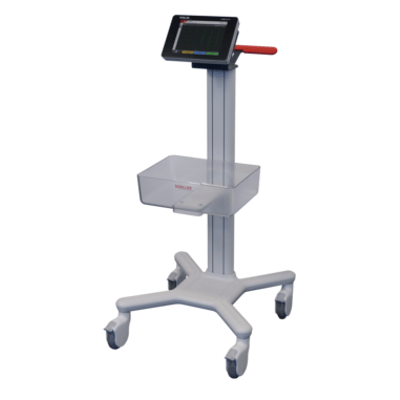
Schiller Trolley for CARDIOVIT FT-1 ECG Machine, Rolling Cart Dedicated to the FT-1 Portable ECG System
Schiller
$1,599.99The Schiller Trolley for FT-1 is the trolley made for the CARDIOVIT FT-1, giving the portable machine a rolling home base. It is made for clinics that keep the FT-1 on a dedicated rolling cart.Is the...- SKU:
- 2.101126
$1,599.99 -

Schiller Trolley X1 for AT-102, AT-102 G2, AT-10 Plus, AT-2 and FT-1 ECG Machines, Rolling ECG Cart
Schiller
$1,793.99The Schiller Trolley X1 is the X1 trolley for the AT-102, AT-102 G2, AT-10 Plus, AT-2 and FT-1 ECG machines. It is made for ECG departments that roll one machine between rooms.Carries the AT-102...- SKU:
- 2.101125
$1,793.99 -

Schiller Barcode Scanner Holder for Trolleys X1 and X2, Scanner Mount for Schiller ECG Trolley Systems
Schiller
$143.99The Schiller Barcode Scanner Holder mounts a barcode scanner on the Schiller X1 and X2 trolleys so the scanner travels with the ECG station. It is made for ECG departments that scan patient...- SKU:
- 2.101121
$143.99 -

Schiller Mains Cable Medical Hospital Grade Power Cable 115 VAC 8 ft for Schiller Devices, Replacement Cord
Schiller
$103.99The Schiller Mains Cable is a medical and hospital grade power cable, 115 VAC and 8 ft long, for Schiller devices. It is made for facilities replacing a device power cord with a hospital grade cable...- SKU:
- 2.300012
$103.99 -
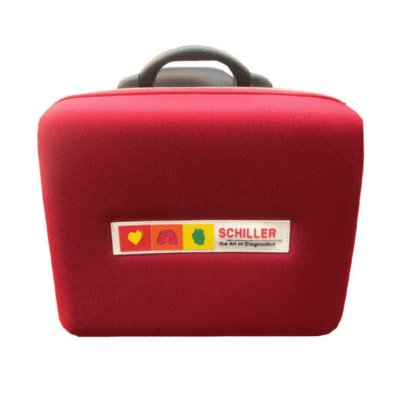
Schiller Carrying Case for CARDIOVIT FT-1 ECG Machine, Transport Case for the Portable Resting ECG System
Schiller
$490.99The Schiller Carrying Case for FT-1 is the carrying case Schiller makes for transporting the CARDIOVIT FT-1. It is made for mobile ECG teams and clinics that move the FT-1 between sites.Is shaped for...- SKU:
- 2.156098
$490.99 -
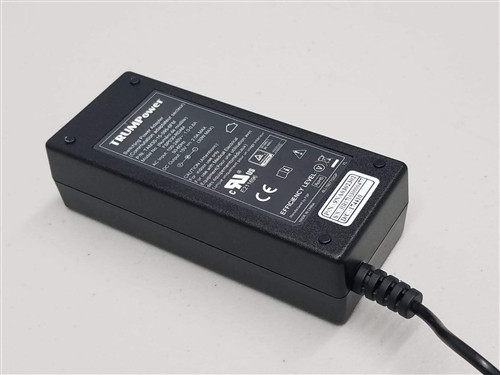
Schiller AC/DC Power Adapter for CARDIOVIT FT-1, Medical Grade 90-264 VAC Power Supply for Portable ECG
Schiller
$199.99The Schiller FT-1 Power Adapter is the medical grade AC/DC power adapter, 90 to 264 VAC, made for the CARDIOVIT FT-1. It is made for FT-1 users replacing the machine's medical grade power adapter.Is...- SKU:
- 2.200136
$199.99 -
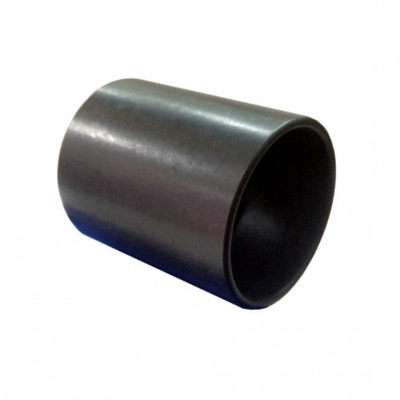
Schiller Calibration Syringe Universal Adapter for Spirometry Calibration Syringes, Sensor Connection Adapter
Schiller
$110.99The Schiller Calibration Syringe Adapter is the universal adapter that connects a calibration syringe to the spirometry sensor. It is made for spirometry services that connect a calibration syringe...- SKU:
- 4.430181
$110.99 -

Schiller Hinge Arm Holder Complete with Assembly Material for PowerCube Lung Function Systems
Schiller
$560.99The Schiller Hinge Arm Holder is the hinge arm holder for PowerCube systems, supplied complete with its assembly material. It is made for lung function labs fitting or replacing the sensor arm holder...- SKU:
- 2.100908
$560.99 -

Schiller O2 Sensor Cell for PowerCube Gas Analysis Systems, Replacement Oxygen Cell for Lung Function Testing
Schiller
$1,231.99The Schiller O2 Sensor Cell is the replacement O2 sensor cell for PowerCube gas analysis systems. It is made for lung function labs replacing the oxygen cell in a PowerCube gas analyzer.Is the oxygen...- SKU:
- 2.101207
$1,231.99 -

Schiller Patient Gas Measurement Tube 3 m for PowerCube Gas Analysis, Sample Line for Lung Function Testing
Schiller
$1,326.99The Schiller Patient Gas Measurement Tube is the 3 m patient gas measurement tube for PowerCube gas analysis. It is made for lung function labs replacing the patient gas sample line on PowerCube...- SKU:
- 2.100950
$1,326.99 -

Schiller Tube for Calibration Gas for PowerCube Systems, PVC Calibration Gas Line for Lung Function Labs
Schiller
$149.99The Schiller Tube for Calibration Gas is the PVC tube that carries calibration gas in PowerCube lung function systems. It is made for lung function labs replacing the calibration gas line on...- SKU:
- 2.100944
$149.99 -

Schiller Nafion Tube 60 cm for PowerCube Gas Analysis, For Analyzers with Serial Numbers Starting A1
Schiller
$434.99The Schiller Nafion Tube is the 60 cm Nafion tube for PowerCube gas analyzers whose serial numbers start with A1. It is made for lung function labs servicing PowerCube gas analysis systems.Is the...- SKU:
- 2.100910
$434.99 -

Schiller SpiroScout SP Sensor Set for CARDIOVIT AT-102 Spirometry Add-On with Mouthpieces and Nose Clips
Schiller
$1,835.99The Schiller SpiroScout SP Sensor Set adds SpiroScout SP spirometry to the CARDIOVIT AT-102, with the ultrasonic sensor, 50 mouthpieces and 2 nose clips included. It is made for AT-102 owners adding...- SKU:
- 2.000194
$1,835.99 -

Schiller Replacement Filters for SP-100 and SP-110 Spirometry Sensors, Filter Set of 10 Pieces
Schiller
$75.99The Schiller Replacement Filters SP-100/SP-110 is a set of 10 replacement filters for the SP-100 and SP-110 spirometry sensors. It is made for spirometry services maintaining SP-100 and SP-110...- SKU:
- 2.100026
$75.99
About Professional Use
The Professional Use category encompasses a wide range of tools and supplies essential for healthcare professionals, educators, and clinical environments. These products are meticulously designed to support diagnostic, educational, and procedural needs across medical disciplines. From anatomical models for teaching to diagnostic tools like stethoscopes and otoscopes, this category ensures precision, reliability, and efficiency in professional settings.
Why Professional Use Tools Are Essential
Healthcare professionals rely on accurate, durable, and high-quality tools to deliver optimal care. Professional-use supplies help ensure precise diagnoses, effective patient education, and seamless procedural execution. These tools also enable educators to train future medical practitioners with realistic and practical equipment.
Types of Professional Use Products
1. Anatomical Models
Best for: Medical education and patient demonstrations.
Anatomical models are detailed, lifelike replicas of the human body or specific organs, used to teach anatomy and explain medical conditions or procedures.
Key Features
- Realistic designs with accurate anatomical details.
- Durable materials for repeated use.
- Variety of models, including full-body, organ-specific, and skeletal systems.
- Removable parts for hands-on learning.
Applications
- Medical schools and healthcare training programs.
- Patient education to explain diagnoses or surgical procedures.
- Teaching anatomy to students in biology or healthcare courses.
2. Doppler and Ultrasound Gels
Best for: Enhancing ultrasound and Doppler imaging accuracy.
Doppler and ultrasound gels ensure clear imaging by eliminating air pockets between the probe and the skin. These gels are essential for high-quality diagnostic imaging.
Key Features
- Non-irritating, hypoallergenic formulas.
- Water-soluble for easy cleanup.
- Available in various sizes, from single-use packets to large dispensers.
- Ensures consistent acoustic transmission.
Applications
- Ultrasound imaging in diagnostic clinics.
- Fetal monitoring during pregnancy.
- Vascular studies using Doppler devices.
3. Dopplers
Best for: Monitoring blood flow and fetal heart rates.
Dopplers are handheld devices that use ultrasound to detect and measure blood flow or fetal heartbeats, making them vital in prenatal care and vascular studies.
Key Features
- Compact, portable designs for bedside use.
- High-frequency probes for clear sound quality.
- Rechargeable battery options for continuous use.
- LCD displays for real-time readings.
Applications
- Obstetrics to monitor fetal heart rates.
- Vascular studies to assess blood flow in arteries and veins.
- Emergency settings for quick diagnostics.
4. Educational Supplies
Best for: Training medical students and professionals.
Educational supplies include tools, kits, and learning aids designed to enhance medical training and simulation.
Key Features
- Models and simulators for hands-on practice.
- Visual aids like charts and diagrams.
- Kits for learning basic medical procedures, such as suturing or IV insertion.
- Durable materials for repeated use in classrooms.
Applications
- Medical and nursing school programs.
- Continuing education for healthcare professionals.
- Patient education in clinical environments.
5. Manometers
Best for: Measuring pressure in medical procedures.
Manometers are instruments used to measure pressure in various applications, such as blood pressure monitoring or respiratory therapy.
Key Features
- High-precision gauges for accurate pressure readings.
- Durable construction for repeated clinical use.
- Portable designs for flexibility in different settings.
Applications
- Blood pressure monitoring with manual sphygmomanometers.
- Respiratory therapy for assessing airway pressure.
- Laboratory experiments requiring pressure measurements.
6. Otoscopes
Best for: Examining the ears and diagnosing ear-related conditions.
Otoscopes are handheld devices used to inspect the ear canal and tympanic membrane for infections or blockages.
Key Features
- Bright LED or halogen lights for clear visibility.
- High-resolution lenses for detailed imaging.
- Compact, lightweight designs for portability.
- Disposable specula for hygiene.
Applications
- Routine ear examinations in clinics and hospitals.
- Pediatric care to diagnose ear infections.
- Emergency settings for quick diagnostics.
7. Pen Lights
Best for: Examining the eyes, throat, and other small areas.
Pen lights are compact, portable lighting devices used in medical examinations to check pupil response, throat health, and more.
Key Features
- Bright LED or halogen bulbs for focused lighting.
- Pocket clips for easy access.
- Long battery life for extended use.
- Lightweight and portable designs.
Applications
- Neurological exams to check pupil response.
- Throat and oral cavity inspections.
- General use in hospitals, clinics, and emergency settings.
8. Stethoscopes
Best for: Auscultating heart, lung, and bowel sounds.
Stethoscopes are indispensable diagnostic tools for listening to internal body sounds. Available in various types, including cardiology and pediatric models, they cater to specific clinical needs.
Key Features
- Dual-head or single-head designs for versatile use.
- High acoustic sensitivity for clear sound.
- Lightweight yet durable construction.
- Pediatric and neonatal versions with smaller diaphragms.
Applications
- Diagnosing cardiac or respiratory conditions.
- Routine physical exams in clinics or hospitals.
- Pediatric care for listening to heart or lung sounds in infants.
9. Vaginal Speculums
Best for: Gynecological examinations and procedures.
Vaginal speculums are tools used to open the vaginal walls for visual examination or procedures such as Pap smears.
Key Features
- Reusable and disposable options for hygiene and convenience.
- Adjustable designs for better visibility and access.
- Smooth, non-irritating materials for patient comfort.
- Sterilized options for clinical use.
Applications
- Routine gynecological exams in clinics.
- Procedures like Pap smears or IUD insertions.
- Emergency room assessments for reproductive health concerns.
Key Features of Professional Use Products
- High-Quality Materials: Designed to withstand frequent use in clinical environments.
- Accuracy and Precision: Essential for reliable diagnostics and effective procedures.
- Versatility: Suitable for a wide range of medical disciplines and patient needs.
- Portability: Compact and lightweight options for mobile healthcare providers.
- Hygiene and Safety: Includes disposable and sterilized options to minimize contamination.
Benefits of Professional Use Products
1. Enhanced Patient Care
Accurate and reliable tools ensure high-quality diagnostics and procedures.
2. Effective Training
Educational supplies and anatomical models improve medical training and skill development.
3. Versatility in Use
Covers multiple specialties, from gynecology to cardiology and pediatrics.
4. Convenience for Professionals
Portable and user-friendly designs make everyday tasks more efficient.
5. Hygiene and Safety
Disposable and sterilized tools reduce the risk of infections.
Real-World Uses
- Clinics and Hospitals: Routine exams, diagnostics, and patient education.
- Medical Schools: Training future healthcare professionals with realistic tools.
- Mobile Healthcare: Portable tools for fieldwork or home visits.
- Emergency Rooms: Quick, reliable diagnostics in critical situations.
- Specialty Care: Tools for gynecology, pediatrics, cardiology, and more.
How to Choose the Right Professional Use Products
- Intended Use: Select tools tailored to specific medical disciplines or procedures.
- Quality and Durability: Opt for high-quality materials to ensure long-term performance.
- Hygiene: Consider disposable options for enhanced infection control.
- Portability: Choose lightweight, compact designs for mobile healthcare needs.
- Certification: Ensure products meet industry standards for safety and reliability.
Frequently Asked Questions (FAQs)
1. Are anatomical models accurate?
Yes, most anatomical models are designed with precise details to ensure realistic training and education.
2. Can pen lights be used for neurological exams?
Yes, pen lights are commonly used to assess pupil response during neurological evaluations.
3. Are disposable vaginal speculums safe?
Yes, disposable speculums are sterilized and designed for single-use to ensure hygiene.
4. How do Doppler devices work?
Dopplers use ultrasound waves to detect and measure blood flow or fetal heartbeats.
5. Are otoscope specula reusable?
Most otoscope specula are disposable, but reusable options are available and must be sterilized after each use.
Related Products
Explore diagnostic kits, educational models, and clinical-grade monitoring tools to enhance your professional setup. Visit our blog for insights into choosing the best tools for your practice.
Equip your clinic or practice with Professional Use Tools. From anatomical models to Dopplers, find reliable and high-quality supplies to meet your needs.