




Description
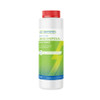
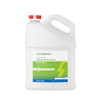
The Rx Destroyer All Purpose gives pharmacies, hospitals and long term care teams a ready to use bottle that starts dissolving wasted medication the moment it is dropped in. For staff who waste partial doses at the med cart all shift, the patented charcoal formula takes over on contact, so controlled and non-controlled medications are deactivated inside the bottle instead of sitting retrievable in a trash can.
- Ready To Use – Bottles arrive prefilled with the patented formula, with no water to add, no batteries and no preparation before the first dose is wasted
- Chemical Digestion – A dissolving agent breaks medication down on contact while activated charcoal adsorbs and deactivates it inside the sealed bottle
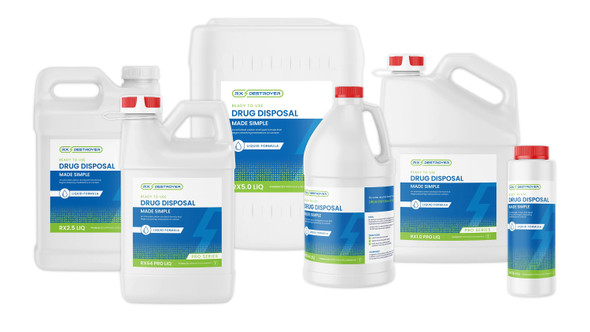
- Eight Sizes – Formats run from a 4 oz bottle for a single med room shelf to a 5 gallon bottle for central pharmacy and take back events
- Trash Disposal When Full – Once a bottle is full, or a year has passed since the first medication was added, it goes out with the common trash where local rules allow
About the All Purpose Formula
The All Purpose formula is the manufacturer recommendation when at least 70 percent of the waste stream is solid medication such as tablets, capsules, patches and lozenges, with up to 30 percent liquid medication mixed in. Its two part chemistry pairs a dissolving agent that breaks medication down immediately with activated charcoal that adsorbs the dissolved medication and renders it non-retrievable, the destruction standard the DEA sets for controlled substance disposal. Independent DEA laboratory testing backs the formula, and TCLP testing showed more than 99 percent of ibuprofen in a tested sample was non-leachable under simulated landfill conditions. Every size uses the same fill, shake and store routine, so a 4 oz bottle at a nursing station and a 5 gallon bottle in the pharmacy behave identically for staff. Unopened bottles carry a five year shelf life, which lets facilities stock the sizes they use without rotating inventory constantly.
Features and Benefits
Deactivation Chemistry
- Patented Formula – The proprietary, non-toxic formula combines a dissolving agent with activated charcoal in every bottle
- Non-Retrievable Result – Adsorbed medication is deactivated inside the bottle and cannot be poured off, squeezed out or recovered for misuse
- Proven In Testing – The formula is backed by third party DEA laboratory testing and more than 15 years of use in hospitals, pharmacies and long term care
Sizes And Series
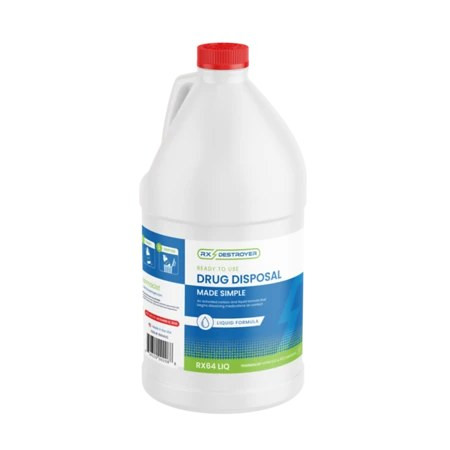
- Standard Bottles – 4 oz, 16 oz, 64 oz, 2.5 gallon and 5 gallon bottles cover med rooms, nursing units and central pharmacy waste points
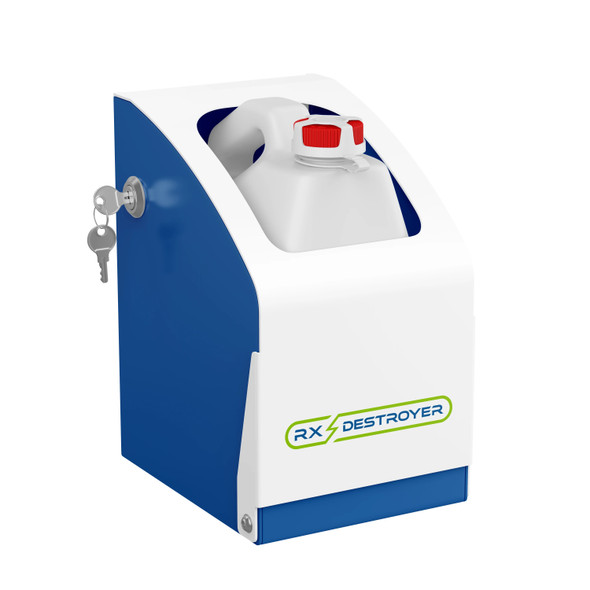
- PRO Series Bottles – 64 oz and 1 gallon PRO Series bottles serve higher volume wasting stations and pair with the matching lock boxes and mounts
- POP Display Pack – The 4 oz point of purchase pack puts small bottles at discharge desks and take back counters in a ready to hand out format
Product Specifications
Product Details
- Formula: All Purpose, for waste streams of 70 percent or more solid medication
- Active system: Dissolving agent with activated charcoal slurry
- Accepts: Tablets, capsules, patches, lozenges, powders, creams, suppositories and injectables
- Do not add: Sharps, syringes, needles, medication packaging, effervescent medications or inhalers
- Shelf life: 5 years unopened, use within 1 year after the first medication is added
Options And Packaging
- 4 oz Bottle: Case of 24
- 4 oz Bottle POP Display Pack: 6 per pack, 2 packs per case
- 16 oz Bottle: Case of 12
- 64 oz Bottle: Case of 4
- 64 oz PRO Series Bottle: Case of 4
- 1 Gallon PRO Series Bottle: Case of 4
- 2.5 Gallon Bottle: Case of 2
- 5 Gallon Bottle: Sold each
Compliance
- Destruction method: Chemical digestion to the DEA non-retrievable standard
- Manufacturer: C2R Global Manufacturing
Round out the program with the C2R Global Manufacturing range, or route full bottles through the mail-back program where incineration is required.
Why Choose This Product
Facilities standardize on this system because it removes the weakest link in medication wasting, the minutes a partial dose spends sitting in an open container or trash can. One bottle design covers the whole building, from a 4 oz bottle in a med room to a 5 gallon bottle at a take back event, and every size follows the same three step routine.
- Fewer Diversion Windows – Medication is deactivated at the point of wasting, not transported across the facility in retrievable form
- One Routine Everywhere – Fill, shake and store works the same in every size, which cuts training time for float and agency staff
- No Extra Equipment – The bottles need no water supply, power or plumbed station, so they can sit wherever wasting actually happens
- Audit Friendly Sizing – Eight stocked formats let each unit match bottle size to its real waste volume instead of overfilling a small bottle
Manuals and Troubleshooting Guides
Frequently Asked Questions
Which medications can go into the All Purpose bottles?
Tablets, capsules, patches, lozenges, powders, creams, suppositories and injectables are all compatible with the formula. The manufacturer compatibility list also covers opioids including fentanyl and whole leaf marijuana, and an on-staff pharmacist answers compatibility questions for unusual items.
How is the All Purpose formula different from the Liquid formula?
All Purpose is the right choice when at least 70 percent of what you waste is solid medication, with up to 30 percent liquid mixed in. Streams that are mostly liquid medication belong in the Liquid formula bottles, which add hardener packets for the final solidification step.
What happens once a bottle is full?
Seal the bottle and dispose of it in the common trash where local rules allow, because the contents have been deactivated and rendered non-retrievable. Facilities in states that prohibit trash disposal, or whose policies require incineration, can route full bottles through the mail-back program instead.
How long can a bottle stay in service?
Once the first medication is added, the manufacturer suggests using the bottle for no longer than one year or until it is full, whichever comes first. Unopened bottles carry a five year shelf life, so case stock can be held without spoilage concerns.
What should never be placed in these bottles?
Sharps, syringes and needles are excluded, along with medication packaging, effervescent medications and pressurized inhalers or canisters. Those items follow your regular sharps and pharmaceutical waste streams instead.