
Surgical Instruments
Surgical Instruments are specialized tools essential for performing medical procedures with precision and efficiency. These instruments are designed for a wide range of functions, from cutting and grasping to retracting and suturing, supporting healthcare professionals in achieving optimal surgical outcomes. Crafted from high-quality materials like stainless steel, titanium, or innovative medical-grade polymers, surgical instruments ensure durability, sterility, and reliability across diverse medical disciplines.
This in-depth description explores the types, features, benefits, and real-world applications of surgical instruments, ensuring you’re equipped with the knowledge to select the right tools for your healthcare needs.
Why Are Surgical Instruments Essential?
Surgical instruments are indispensable in modern healthcare. They allow surgeons to perform intricate procedures with precision, ensure patient safety, and facilitate faster recovery. Properly designed and high-quality surgical tools reduce the risk of complications, improve procedural efficiency, and enhance the overall success of medical interventions. Whether for routine outpatient care or complex, life-saving operations, surgical instruments are fundamental to delivering superior patient care.
Types of Surgical Instruments
1. Cutting and Dissecting Instruments
These tools are used for making precise incisions, dissecting tissues, or removing structures during surgery.
Examples
- Scalpels: Ultra-sharp blades available in disposable and reusable options for precise incisions.
- Surgical Scissors: Includes curved, straight, and fine-tipped scissors for tissue dissection and suture cutting.
- Bone Saws and Osteotomes: Designed for cutting through bone during orthopedic or reconstructive procedures.
Applications
- General surgery, orthopedic surgery, and plastic surgery.
- Dissecting delicate tissues or removing tumors.
Key Features
- Made from high-strength materials for sharpness and durability.
- Ergonomic handles to provide a steady grip for precision cutting.
- Available in various sizes and blade shapes to suit specific procedures.
2. Grasping and Holding Instruments
Grasping instruments provide control and precision for holding tissues, foreign objects, or surgical materials during procedures.
Examples
- Forceps: Available in various types, including dressing forceps, tissue forceps, and hemostatic forceps.
- Needle Holders: Tools for holding suturing needles securely during wound closure.
- Clamps: Instruments like mosquito clamps for securing blood vessels or tissues.
Applications
- Suturing wounds, removing foreign objects, and securing tissue during surgery.
- Manipulating delicate structures without causing trauma.
Key Features
- Non-slip, serrated tips for firm grip.
- Lightweight designs to reduce hand fatigue during prolonged procedures.
- Specialized varieties for specific tasks, such as atraumatic forceps for delicate tissues.
3. Retracting and Exposing Instruments
Retractors are critical for holding back tissues, organs, or skin to provide a clear view of the surgical site.
Examples
- Manual Retractors: Simple tools like skin hooks or Senn retractors.
- Self-Retaining Retractors: Includes Weitlaner or Balfour retractors with locking mechanisms for hands-free operation.
Applications
- Deep abdominal surgeries, orthopedic procedures, and neurological surgeries.
- Providing better access and visibility in confined surgical fields.
Key Features
- Durable construction to endure surgical stresses.
- Adjustable designs for precise positioning.
- Sterilizable materials to ensure a sterile field.
4. Clamping and Occluding Instruments
Clamping tools are essential for controlling bleeding, securing blood vessels, and occluding ducts during surgery.
Examples
- Hemostats: Used to control bleeding by clamping blood vessels.
- Vascular Clamps: Specialized clamps for arteries and veins.
- Bulldog Clamps: Temporary occlusion of blood vessels during delicate surgeries.
Applications
- Cardiovascular surgeries to control blood flow.
- General surgical procedures requiring temporary occlusion.
Key Features
- Locking mechanisms to maintain steady pressure.
- Available in atraumatic designs to prevent tissue damage.
- Lightweight and easy to maneuver.
5. Suturing and Stapling Instruments
These instruments are designed for wound closure, ensuring precise and efficient suturing or stapling.
Examples
- Surgical Staplers: Ideal for rapid wound closure.
- Suturing Needles and Holders: Designed for precision stitching in open or laparoscopic surgeries.
Applications
- General surgeries, trauma care, and cosmetic procedures.
- Suturing internal or external wounds and closing incisions.
Key Features
- Smooth operation for precise wound closure.
- Compatible with absorbable and non-absorbable sutures.
- Ergonomic designs to reduce surgeon fatigue.
6. Diagnostic and Specialized Instruments
Diagnostic instruments help evaluate tissues and structures during surgery, guiding medical professionals in performing the procedure.
Examples
- Probes: For exploring wounds or identifying foreign objects.
- Dilators: Used to widen body openings or passageways.
- Trocars: Designed for minimally invasive procedures like laparoscopic surgery.
Applications
- Assisting in diagnostic procedures during surgery.
- Facilitating minimally invasive surgical techniques.
Key Features
- Smooth finishes to reduce tissue trauma.
- Available in various sizes and shapes for specific tasks.
- Reusable and sterilizable for cost efficiency.
Key Features of Surgical Instruments
- Premium Materials: Stainless steel, titanium, or cobalt for strength, durability, and sterility.
- Precision Engineering: Designed to meet the specific needs of various surgical disciplines.
- Ergonomic Designs: Ensures comfort and reduces fatigue for surgeons during long procedures.
- Sterilizable: Reusable instruments are built to withstand repeated autoclaving or sterilization processes.
- Specialized Tools: Tailored for specific surgical needs, from general surgery to specialized fields like neurosurgery.
- Regulatory Compliance: Manufactured to meet FDA, CE, and ISO standards for safety and reliability.
Benefits of Surgical Instruments
1. Precision and Accuracy
Well-designed instruments allow surgeons to perform delicate procedures with high accuracy, reducing risks and improving outcomes.
2. Enhanced Patient Safety
Quality instruments minimize trauma and ensure the safety of patients during complex procedures.
3. Long-Term Value
Durable and reusable instruments reduce long-term costs while maintaining reliability.
4. Versatility
Instruments cater to a variety of medical disciplines, including general surgery, orthopedics, neurosurgery, and more.
5. Efficiency in the OR
Ergonomic and functional designs streamline surgical workflows, saving time and effort for medical teams.
Real-World Applications
1. Hospitals and Surgical Centers
- Performing routine and specialized surgeries.
- Providing safe and effective tools for operating room staff.
2. Clinics and Outpatient Facilities
- Supporting minor procedures like biopsies or wound care.
- Equipping staff with diagnostic and suturing tools.
3. Veterinary Medicine
- Conducting surgical procedures on animals, including spaying, neutering, and fracture repair.
4. Specialty Fields
- Tools tailored for fields like cardiovascular, orthopedic, and cosmetic surgery.
5. Educational and Training Institutions
- Providing students with high-quality instruments for learning and practice.
Frequently Asked Questions (FAQs)
1. How are surgical instruments cleaned?
Instruments are typically cleaned using enzymatic detergents followed by sterilization in an autoclave or chemical disinfectant.
2. What’s the lifespan of surgical instruments?
With proper care and maintenance, surgical instruments can last for years, depending on the material and usage frequency.
3. Can instruments be customized?
Yes, many manufacturers offer custom designs or kits tailored to specific surgical needs.
4. How can I identify the right instrument for my procedure?
Consulting with manufacturers or surgical supply experts can help match instruments to specific procedural requirements.
5. Are disposable instruments available?
Yes, single-use instruments are available for specific applications, particularly in emergency or high-contamination scenarios.
Equip your facility with high-quality Surgical Instruments for precision, safety, and efficiency. Explore cutting-edge tools tailored to general and specialized surgeries, ensuring optimal outcomes for your patients.
Shop By Category
-

BR Surgical Buck Ear Curette - Angled Blunt Size 00 - 6 1/2 Inch Stainless Steel
BR Surgical
$91.99The Buck Ear Curette from BR Surgical is built for removing firm cerumen from the ear canal. BUCK Ear Curette, angled, blunt, size 00.Pattern: Angled, bluntSize: Size 00Angled Shaft: Angle reaches...- SKU:
- BR44-11900
$91.99 -

BR Surgical Bruening Otoscope - 3.5x Magnifying - Set With 4 Specula
BR Surgical
$827.99The Bruening Otoscope from BR Surgical is built for pneumatic ear examination in ENT practice. BRUENINGS Magnifier Otoscope, 3.5x magnifier, Set consists of: 4 specula, suction head and rubber tube...- SKU:
- BR44-03004
$827.99 -
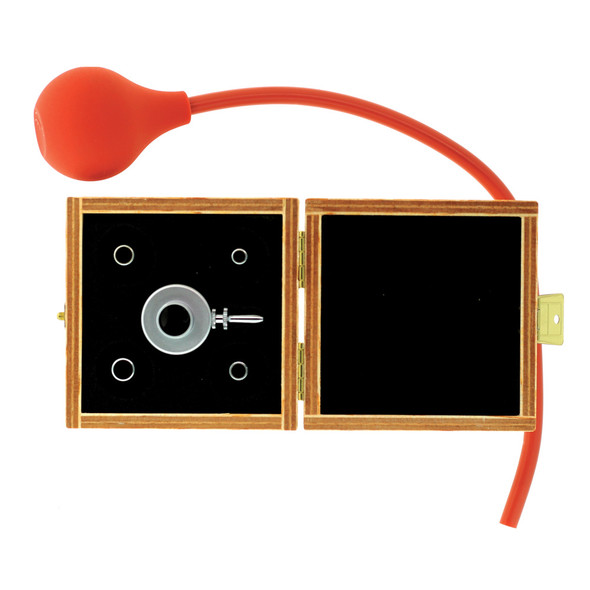
BR Surgical Bruening Otoscope - Pneumatic Non-Magnifying - Set With 4 Specula
BR Surgical
$677.99The Bruening Otoscope from BR Surgical is built for pneumatic ear examination in ENT practice. BRUENINGS Otoscope, non-magnifier, set consists of: 4 specula, suction head and rubber tube with bulb,...- SKU:
- BR44-03003
$677.99 -
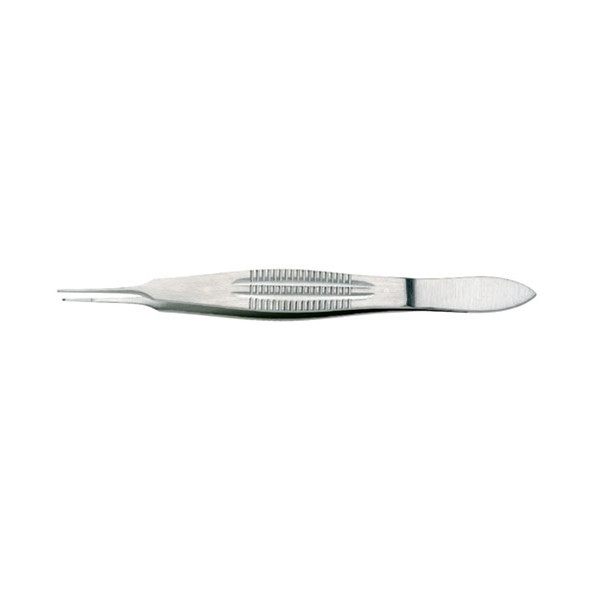
BR Surgical Castroviejo Suturing Forceps - 1x2 Teeth Tying Platform - 1.5 mm Tip 4 1/4 Inch
BR Surgical
$362.99The Castroviejo Suturing Forceps from BR Surgical is built for handling fine sutures and tissue in ophthalmic and microsurgery. CASTROVIEJO Suturing Forceps, 1x2 teeth, with tying platform, tip 1...- SKU:
- BR43-14915
$362.99 -
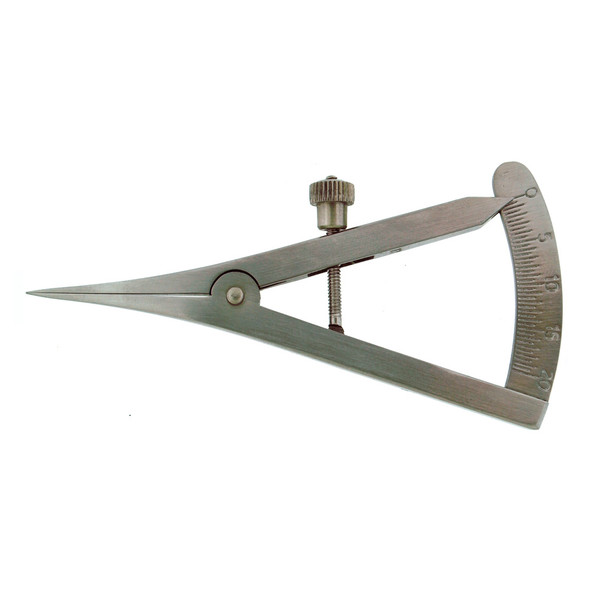
BR Surgical Castroviejo Caliper - 0 to 20 mm Scale - 3 1/2 Inch Stainless Steel
BR Surgical
$464.99The Castroviejo Caliper from BR Surgical is built for precise measurement in ophthalmic and microsurgical work. CASTROVIEJO Caliper, 0-20mm, 3 1/2".Pattern: 0 to 20 mm scaleSize: 3 1/2 inches long0...- SKU:
- BR42-58307
$464.99 -

BR Surgical Lieberman Eye Speculum - K-Wire Kratz Pattern - Stainless Steel
BR Surgical
$372.99The Lieberman Eye Speculum from BR Surgical is built for holding the eyelids open in ophthalmic procedures. LIEBERMANN Eye Speculum, K-Wire (Kratz).Pattern: K-Wire (Kratz) spring bladesSize: Standard...- SKU:
- BR42-10806
$372.99 -

BR Surgical Penfield Dissector - Style 2 Double Ended - 6 mm Blunt Tip 7 3/4 Inch
BR Surgical
$242.99The Penfield Dissector from BR Surgical is built for dissection and wax packing in neurosurgical procedures. PENFIELD Dissector, style #2, double ended, wax packer & 6mm blunt dissector, slightly...- SKU:
- BR40-16102
$242.99 -

BR Surgical Dandy Nerve Hook - Straight Pattern - 8 Inch Stainless Steel
BR Surgical
$130.99The Dandy Nerve Hook from BR Surgical is built for lifting and retracting nerves in neurosurgical work. DANDY Nerve Hook, straight, 8".Pattern: Straight nerve hookSize: 8 inches longFine Hook Tip:...- SKU:
- BR40-05220
$130.99 -

BR Surgical Needle Nose Pliers - Grooved Jaws 1 mm Taper Tip - 5 1/2 Inch
BR Surgical
$222.99The Needle Nose Pliers from BR Surgical is built for fine gripping and wire work in small fields. Needle Nose Pliers, grooved jaws, tips taper to 1mm, 5 1/2".Pattern: Grooved jaws, tips taper to 1...- SKU:
- BR33-56714
$222.99 -

BR Surgical Pin Cutter - TC Double Action Jaws - Cuts 2.0 mm Hard Wire - 7 Inch
BR Surgical
$815.99The Pin Cutter from BR Surgical is built for cutting pins and hard wire in orthopedic procedures. Wire Cutter, 2.0mm soft wire, 1.6mm hard wire, double action, 7" TC.Pattern: TC double-action jaws, 2...- SKU:
- BR33-54618
$815.99 -

BR Surgical Flat Nose Pliers - Parallel Jaws - 6 3/4 Inch Stainless Steel
BR Surgical
$400.99The Flat Nose Pliers from BR Surgical is built for gripping and bending wire, pins and small hardware on the tray. Pliers, flat nose, parallel, stainless steel, 6 3/4".Pattern: Flat nose, parallel...- SKU:
- BR33-53317
$400.99 -
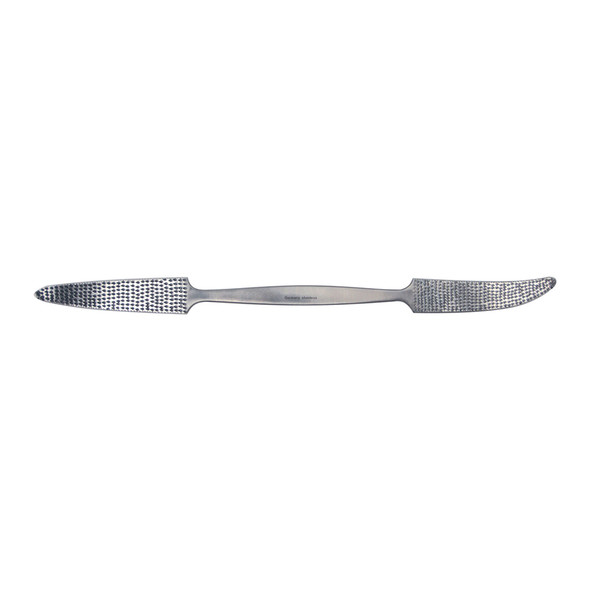
BR Surgical Putti Bone Rasp - Double End Wide Pattern - 10 3/4 Inch Stainless Steel
BR Surgical
$413.99The Putti Bone Rasp from BR Surgical is built for smoothing and shaping bone in orthopedic procedures. PUTTI Bone Rasp, double-end wide, 10 3/4".Pattern: Double-ended, wide rasp facesSize: 10 3/4...- SKU:
- BR32-97327
$413.99 -

BR Surgical Baby Webster Needle Holder - Smooth TC Jaws - 4 3/4 Inch Delicate Pattern
BR Surgical
$223.99The Baby Webster Needle Holder from BR Surgical is built for holding fine needles in delicate and plastic surgery work. BABY WEBSTER Needle Holder, delicate, smooth, standard, 4 3/4", TC.Pattern:...- SKU:
- BR24-13711
$223.99 -

BR Surgical Varady Phlebectomy Micro Extractor - Straight Hook - 170 mm Stainless Steel
BR Surgical
$238.99The Varady Phlebectomy Micro Extractor from BR Surgical is built for ambulatory phlebectomy and varicose vein avulsion. VARADY Phlebectomy Micro Extractor, 170mm.Pattern: Straight micro hookSize: 170...- SKU:
- BR20-55405
$238.99 -

BR Surgical Varady Phlebectomy Extractor - Straight Hook - 180 mm Stainless Steel
BR Surgical
$238.99The Varady Phlebectomy Extractor from BR Surgical is built for ambulatory phlebectomy and varicose vein avulsion. VARADY Phlebectomy Extractor, straight hook, 180mm.Pattern: Straight hookSize: 180 mm...- SKU:
- BR20-55402
$238.99 -

BR Surgical Button Probe - With Eye 2 mm Tip - 5 1/8 Inch Stainless Steel
BR Surgical
$36.99The Button Probe from BR Surgical is built for probing fistulas, sinuses and wounds. Probe, buttoned, w/ eye, Ø 2mm, 5 1/8".Pattern: Button tip with threading eyeSize: 5 1/8 inches long, 2 mm...- SKU:
- BR20-10213
$36.99 -
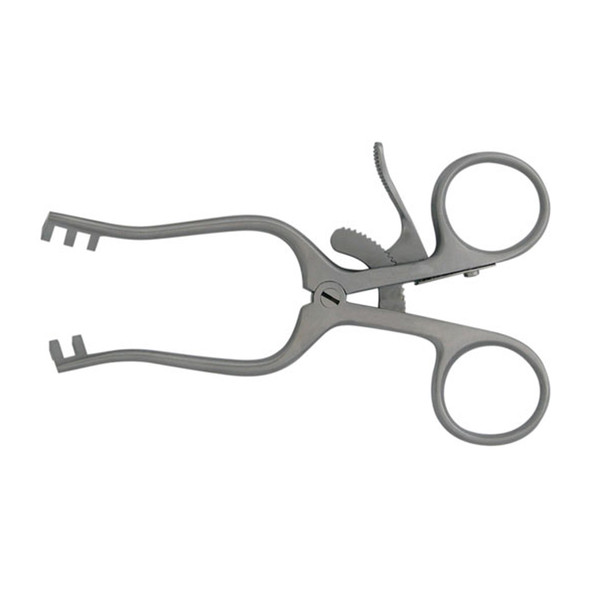
BR Surgical Weitlaner Retractor - Sharp 3x4 Teeth - 6 1/2 Inch Stainless Steel
BR Surgical
$370.99The Weitlaner Retractor from BR Surgical is built for self-retaining retraction in general and orthopedic procedures. WEITLANER Retractor, sharp, 3x4 teeth, 6 1/2''.Pattern: Sharp prongs, 3x4 teeth,...- SKU:
- BR18-67016
$370.99 -

BR Surgical Fletcher-Van Doran Uterine Polyp Forceps - Narrow Double Curved - 9 1/2 Inch
BR Surgical
$210.99The Fletcher-Van Doran Polyp Forceps from BR Surgical is built for grasping and removing uterine polyps in gynecologic procedures. FLETCHER-VAN DORAN Uterine Polyp Forceps, narrow, double curved, 9...- SKU:
- BR16-17530
$210.99 -
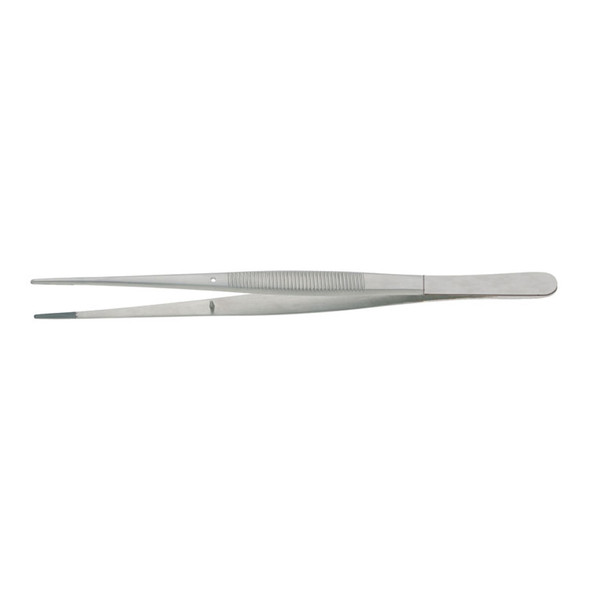
BR Surgical Potts-Smith Forceps - Serrated Jaws - 10 Inch German Stainless Steel
BR Surgical
$130.99The Potts-Smith Forceps from BR Surgical is built for grasping tissue in vascular and deep-field work. POTTS-SMITH forceps, serrated, 10".Pattern: Serrated jawsSize: 10 inches long1x2 Teeth: Toothed...- SKU:
- BR10-11225
$130.99 -

BR Surgical Carmalt Splinter Forceps - Straight Pattern - 4 1/8 Inch Stainless Steel
BR Surgical
$69.99The Carmalt Splinter Forceps from BR Surgical is built for removing splinters and small foreign bodies. CARMALT Splinter Forceps, straight, 4 1/8".Pattern: Carmalt pattern, straightSize: 4 1/8 inches...- SKU:
- BR10-81610
$69.99
About Surgical Instruments
Surgical Instruments are specialized tools essential for performing medical procedures with precision and efficiency. These instruments are designed for a wide range of functions, from cutting and grasping to retracting and suturing, supporting healthcare professionals in achieving optimal surgical outcomes. Crafted from high-quality materials like stainless steel, titanium, or innovative medical-grade polymers, surgical instruments ensure durability, sterility, and reliability across diverse medical disciplines.
This in-depth description explores the types, features, benefits, and real-world applications of surgical instruments, ensuring you’re equipped with the knowledge to select the right tools for your healthcare needs.
Why Are Surgical Instruments Essential?
Surgical instruments are indispensable in modern healthcare. They allow surgeons to perform intricate procedures with precision, ensure patient safety, and facilitate faster recovery. Properly designed and high-quality surgical tools reduce the risk of complications, improve procedural efficiency, and enhance the overall success of medical interventions. Whether for routine outpatient care or complex, life-saving operations, surgical instruments are fundamental to delivering superior patient care.
Types of Surgical Instruments
1. Cutting and Dissecting Instruments
These tools are used for making precise incisions, dissecting tissues, or removing structures during surgery.
Examples
- Scalpels: Ultra-sharp blades available in disposable and reusable options for precise incisions.
- Surgical Scissors: Includes curved, straight, and fine-tipped scissors for tissue dissection and suture cutting.
- Bone Saws and Osteotomes: Designed for cutting through bone during orthopedic or reconstructive procedures.
Applications
- General surgery, orthopedic surgery, and plastic surgery.
- Dissecting delicate tissues or removing tumors.
Key Features
- Made from high-strength materials for sharpness and durability.
- Ergonomic handles to provide a steady grip for precision cutting.
- Available in various sizes and blade shapes to suit specific procedures.
2. Grasping and Holding Instruments
Grasping instruments provide control and precision for holding tissues, foreign objects, or surgical materials during procedures.
Examples
- Forceps: Available in various types, including dressing forceps, tissue forceps, and hemostatic forceps.
- Needle Holders: Tools for holding suturing needles securely during wound closure.
- Clamps: Instruments like mosquito clamps for securing blood vessels or tissues.
Applications
- Suturing wounds, removing foreign objects, and securing tissue during surgery.
- Manipulating delicate structures without causing trauma.
Key Features
- Non-slip, serrated tips for firm grip.
- Lightweight designs to reduce hand fatigue during prolonged procedures.
- Specialized varieties for specific tasks, such as atraumatic forceps for delicate tissues.
3. Retracting and Exposing Instruments
Retractors are critical for holding back tissues, organs, or skin to provide a clear view of the surgical site.
Examples
- Manual Retractors: Simple tools like skin hooks or Senn retractors.
- Self-Retaining Retractors: Includes Weitlaner or Balfour retractors with locking mechanisms for hands-free operation.
Applications
- Deep abdominal surgeries, orthopedic procedures, and neurological surgeries.
- Providing better access and visibility in confined surgical fields.
Key Features
- Durable construction to endure surgical stresses.
- Adjustable designs for precise positioning.
- Sterilizable materials to ensure a sterile field.
4. Clamping and Occluding Instruments
Clamping tools are essential for controlling bleeding, securing blood vessels, and occluding ducts during surgery.
Examples
- Hemostats: Used to control bleeding by clamping blood vessels.
- Vascular Clamps: Specialized clamps for arteries and veins.
- Bulldog Clamps: Temporary occlusion of blood vessels during delicate surgeries.
Applications
- Cardiovascular surgeries to control blood flow.
- General surgical procedures requiring temporary occlusion.
Key Features
- Locking mechanisms to maintain steady pressure.
- Available in atraumatic designs to prevent tissue damage.
- Lightweight and easy to maneuver.
5. Suturing and Stapling Instruments
These instruments are designed for wound closure, ensuring precise and efficient suturing or stapling.
Examples
- Surgical Staplers: Ideal for rapid wound closure.
- Suturing Needles and Holders: Designed for precision stitching in open or laparoscopic surgeries.
Applications
- General surgeries, trauma care, and cosmetic procedures.
- Suturing internal or external wounds and closing incisions.
Key Features
- Smooth operation for precise wound closure.
- Compatible with absorbable and non-absorbable sutures.
- Ergonomic designs to reduce surgeon fatigue.
6. Diagnostic and Specialized Instruments
Diagnostic instruments help evaluate tissues and structures during surgery, guiding medical professionals in performing the procedure.
Examples
- Probes: For exploring wounds or identifying foreign objects.
- Dilators: Used to widen body openings or passageways.
- Trocars: Designed for minimally invasive procedures like laparoscopic surgery.
Applications
- Assisting in diagnostic procedures during surgery.
- Facilitating minimally invasive surgical techniques.
Key Features
- Smooth finishes to reduce tissue trauma.
- Available in various sizes and shapes for specific tasks.
- Reusable and sterilizable for cost efficiency.
Key Features of Surgical Instruments
- Premium Materials: Stainless steel, titanium, or cobalt for strength, durability, and sterility.
- Precision Engineering: Designed to meet the specific needs of various surgical disciplines.
- Ergonomic Designs: Ensures comfort and reduces fatigue for surgeons during long procedures.
- Sterilizable: Reusable instruments are built to withstand repeated autoclaving or sterilization processes.
- Specialized Tools: Tailored for specific surgical needs, from general surgery to specialized fields like neurosurgery.
- Regulatory Compliance: Manufactured to meet FDA, CE, and ISO standards for safety and reliability.
Benefits of Surgical Instruments
1. Precision and Accuracy
Well-designed instruments allow surgeons to perform delicate procedures with high accuracy, reducing risks and improving outcomes.
2. Enhanced Patient Safety
Quality instruments minimize trauma and ensure the safety of patients during complex procedures.
3. Long-Term Value
Durable and reusable instruments reduce long-term costs while maintaining reliability.
4. Versatility
Instruments cater to a variety of medical disciplines, including general surgery, orthopedics, neurosurgery, and more.
5. Efficiency in the OR
Ergonomic and functional designs streamline surgical workflows, saving time and effort for medical teams.
Real-World Applications
1. Hospitals and Surgical Centers
- Performing routine and specialized surgeries.
- Providing safe and effective tools for operating room staff.
2. Clinics and Outpatient Facilities
- Supporting minor procedures like biopsies or wound care.
- Equipping staff with diagnostic and suturing tools.
3. Veterinary Medicine
- Conducting surgical procedures on animals, including spaying, neutering, and fracture repair.
4. Specialty Fields
- Tools tailored for fields like cardiovascular, orthopedic, and cosmetic surgery.
5. Educational and Training Institutions
- Providing students with high-quality instruments for learning and practice.
Frequently Asked Questions (FAQs)
1. How are surgical instruments cleaned?
Instruments are typically cleaned using enzymatic detergents followed by sterilization in an autoclave or chemical disinfectant.
2. What’s the lifespan of surgical instruments?
With proper care and maintenance, surgical instruments can last for years, depending on the material and usage frequency.
3. Can instruments be customized?
Yes, many manufacturers offer custom designs or kits tailored to specific surgical needs.
4. How can I identify the right instrument for my procedure?
Consulting with manufacturers or surgical supply experts can help match instruments to specific procedural requirements.
5. Are disposable instruments available?
Yes, single-use instruments are available for specific applications, particularly in emergency or high-contamination scenarios.
Equip your facility with high-quality Surgical Instruments for precision, safety, and efficiency. Explore cutting-edge tools tailored to general and specialized surgeries, ensuring optimal outcomes for your patients.