
Wheelchairs
Wheelchairs are essential mobility aids designed to enhance the independence and comfort of individuals with limited or no ability to walk. Available in various styles, including sports wheelchairs, manual wheelchairs, power wheelchairs, pediatric models, wheelchair lifts, ramps, and accessories, these devices cater to diverse needs. Wheelchairs provide users with the ability to navigate daily life confidently, improving quality of life and promoting social engagement.
Why Wheelchairs Are Essential
Wheelchairs empower individuals with mobility challenges by offering a safe, reliable, and customizable means of transportation. They reduce physical strain, enhance independence, and enable users to participate in daily activities. Whether for temporary rehabilitation, chronic conditions, or specialized needs like sports or pediatric mobility, wheelchairs ensure comfort, convenience, and dignity.
What Are Wheelchairs?
Wheelchairs are mobility devices designed to assist individuals who have difficulty walking or are unable to walk. They feature a seat, wheels, and often customizable components to suit specific user requirements. From manual options to power-operated models, wheelchairs provide mobility solutions for diverse needs, ensuring safety and ease of use in various settings, including homes, workplaces, and recreational environments.
Types of Wheelchairs
1. Sports Wheelchairs
Best for: Individuals engaging in athletic activities or sports.
Sports wheelchairs are lightweight and ergonomically designed for optimal performance during high-movement activities.
Key Features
- Enhanced agility and speed for sports.
- Durable, lightweight materials like aluminum or titanium.
- Adjustable seating and wheels for maximum control.
Applications
- Wheelchair Basketball: Provides maneuverability and stability on the court.
- Tennis: Allows for quick turns and mobility on outdoor surfaces.
- Racing: Designed for speed and streamlined movement.
2. Manual Wheelchairs
Best for: Users who prefer self-propelled or caregiver-assisted mobility.
Manual wheelchairs are operated by the user or a caregiver, offering a lightweight and cost-effective mobility solution.
Key Features
- Foldable frames for easy storage and transport.
- Adjustable footrests and armrests for comfort.
- Variety of seat widths and materials for customization.
Applications
- Daily Mobility: Ideal for indoor and outdoor use.
- Rehabilitation: Supports temporary recovery needs.
- Caregiver Assistance: Suitable for assisted mobility.
3. Power Wheelchairs
Best for: Individuals with limited upper body strength or severe mobility challenges.
Power wheelchairs are motorized devices that provide effortless mobility and advanced control options.
Key Features
- Joystick controls for easy navigation.
- Rechargeable batteries for long-range travel.
- Advanced suspension systems for outdoor terrain.
Applications
- Chronic Conditions: Supports users with conditions like muscular dystrophy.
- Outdoor Use: Tackles uneven surfaces with ease.
- Custom Needs: Ideal for individuals requiring extensive customization.
4. Pediatric Wheelchairs
Best for: Children with mobility challenges requiring specialized support.
Pediatric wheelchairs are designed to accommodate the unique needs of children, providing comfort, safety, and adaptability.
Key Features
- Adjustable frames to grow with the child.
- Bright, engaging designs to suit children’s preferences.
- Lightweight and easy-to-maneuver construction.
Applications
- School Mobility: Enables independence in educational settings.
- Therapy Support: Assists in therapeutic activities.
- Everyday Use: Provides safety and comfort for daily movement.
5. Wheelchair Lifts
Best for: Overcoming barriers like stairs or elevated surfaces.
Wheelchair lifts are mechanical devices that allow users to ascend or descend stairs, improving accessibility in homes, vehicles, and public spaces.
Key Features
- Electric operation with safety controls.
- Compact designs for residential and vehicle use.
- Durable construction for indoor and outdoor applications.
Applications
- Home Accessibility: Provides stairlift solutions for multi-level homes.
- Vehicle Assistance: Ensures easy entry and exit for vehicles.
- Public Spaces: Improves accessibility in buildings and facilities.
6. Wheelchair Ramps
Best for: Ensuring smooth transitions over steps or uneven surfaces.
Wheelchair ramps are portable or fixed inclines that provide easy access to buildings, vehicles, or elevated areas.
Key Features
- Lightweight, foldable designs for portability.
- Non-slip surfaces for safety.
- Adjustable lengths to accommodate various heights.
Applications
- Home Entry: Facilitates access to porches and doorways.
- Vehicle Access: Allows easy wheelchair loading.
- Public Accessibility: Ensures compliance with ADA standards.
7. Wheelchair Accessories
Best for: Enhancing comfort, functionality, and usability.
Wheelchair accessories include items such as cushions, trays, storage pouches, and cup holders to personalize the user experience.
Key Features
- Padded cushions for pressure relief.
- Detachable trays for eating or working.
- Storage options for convenience during travel.
Applications
- Pressure Management: Reduces discomfort during extended use.
- Daily Activities: Provides space for personal items and meals.
- Enhanced Mobility: Adds practical features for everyday convenience.
Key Features of Wheelchairs
- Customizable Designs: Adjustable armrests, footrests, and seating for personalized comfort.
- Lightweight Frames: Aluminum and titanium options for easy portability.
- Advanced Technology: Motorized models with joystick controls and suspension systems.
- Durability: Built to withstand daily wear and tear for long-lasting use.
- Ergonomic Support: Cushioned seating and backrests for comfort and posture alignment.
- Accessibility Enhancements: Ramps and lifts to improve usability in various environments.
Real-World Use Cases
Case 1: Everyday Independence
An elderly user with limited mobility used a power wheelchair to regain independence, traveling freely both indoors and outdoors.
Case 2: Rehabilitation Support
A young adult recovering from spinal surgery relied on a manual wheelchair during rehabilitation, transitioning to walking aids as strength improved.
Case 3: Sports Mobility
An athlete with paraplegia used a sports wheelchair to participate in wheelchair basketball, benefiting from enhanced agility and speed.
Case 4: Pediatric Mobility
A child with cerebral palsy utilized a pediatric wheelchair, ensuring comfort and accessibility in school and therapy settings.
How to Choose the Right Wheelchair
- Mobility Needs: Assess the level of mobility required, from manual to motorized options.
- Intended Use: Consider whether the wheelchair is for indoor, outdoor, or sports activities.
- Customization: Look for adjustable features, such as seat size, armrests, and footrests.
- User Strength: For individuals with limited upper body strength, power wheelchairs may be the best choice.
- Environment: Choose ramps or lifts for enhanced accessibility in homes and vehicles.
- Consult Experts: Seek advice from healthcare providers or occupational therapists for tailored recommendations.
How to Use Wheelchairs
- Fit the Wheelchair: Adjust settings for optimal comfort and support.
- Practice Maneuvering: Learn how to navigate corners, ramps, and inclines.
- Safety First: Use seat belts and anti-tip features as needed.
- Maintain the Chair: Regularly check tires, brakes, and batteries for proper functioning.
- Use Accessories: Attach cushions, trays, or pouches for added convenience.
Benefits of Wheelchairs
- Increased Independence: Enables users to move freely and participate in daily activities.
- Enhanced Comfort: Ergonomic designs minimize strain and improve posture.
- Improved Accessibility: Lifts and ramps ensure seamless mobility in various settings.
- Customizable Features: Tailored options provide comfort and usability.
- Versatile Applications: Suitable for rehabilitation, sports, and long-term use.
Frequently Asked Questions (FAQs)
1. Are wheelchairs covered by insurance?
Yes, many wheelchairs are covered by insurance or Medicare if prescribed by a healthcare provider.
2. What is the difference between a manual and a power wheelchair?
Manual wheelchairs require physical effort to operate, while power wheelchairs are motorized and controlled by a joystick or remote.
3. Can wheelchairs be used outdoors?
Yes, many wheelchairs, especially power models and sports wheelchairs, are designed for outdoor use.
4. Are wheelchair ramps portable?
Yes, many ramps are foldable and lightweight, making them easy to transport and set up.
5. How do I maintain a wheelchair?
Regularly clean the wheelchair, check for wear and tear, and ensure tires and brakes are functioning correctly.
Related Products
Explore wheelchair cushions, storage pouches, and detachable trays to customize your wheelchair. Pair ramps and lifts with mobility scooters or rollators for comprehensive accessibility. Visit our blog for expert advice on wheelchair selection and maintenance.
Feel confident in your mobility with our wide range of Wheelchairs, including sports, manual, and power options. Designed for comfort, reliability, and independence, our products are tailored to meet your specific needs. Shop now and reclaim your freedom today!
Shop By Category
-
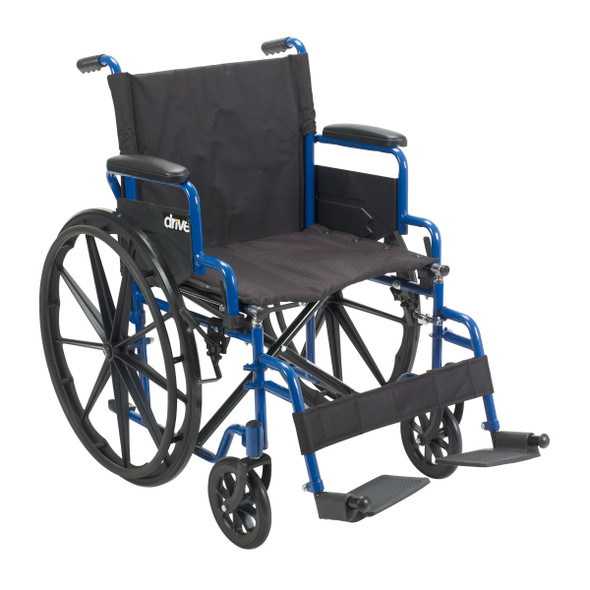

Drive Blue Streak Wheelchair – Flip-Back Desk Arms, Blue Steel Frame, 300 lb Capacity, 16 to 20 in Seats
Drive Medical
$208.99 - $283.99The Drive Blue Streak Wheelchair is the standard wheelchair done in Drive's signature blue: a powder-coated steel frame with a black cross brace, flip-back padded desk arms, and your choice of...$208.99 - $283.99 -
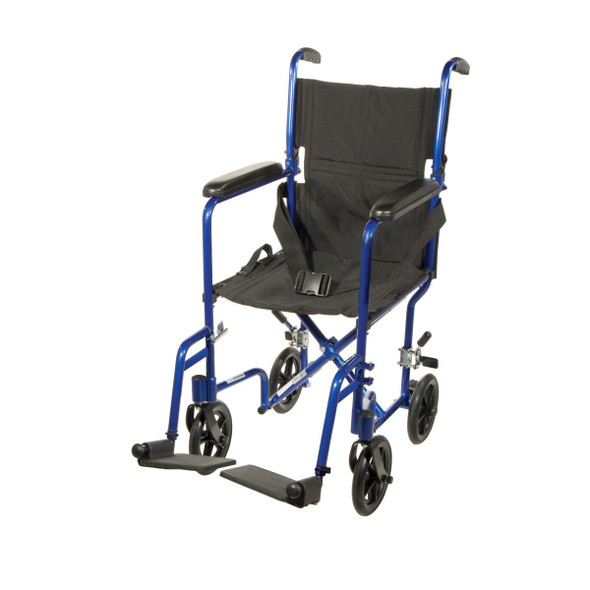
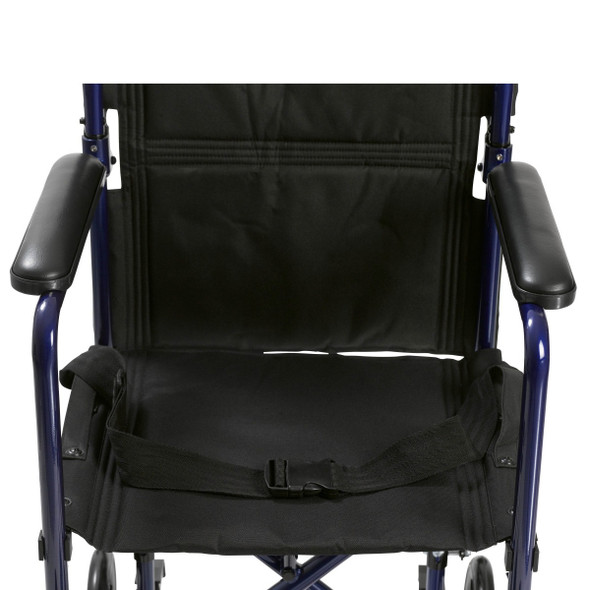
Drive Aluminum Transport Chair – 17 and 19 in Seats, Companion Wheel Locks, Seat Belt Included, 19 lb
Drive Medical
$202.99 - $265.35The Drive Aluminum Transport Chair is the 19 lb chair that lives in the trunk and comes out for everything: appointments, family visits, travel days. Its aluminum frame folds to 9 in wide, the back...$202.99 - $265.35 -


Drive Bariatric Steel Transport Chair – 450 lb Capacity, Swing-Away Footrests, 20 and 22 in Seats
Drive Medical
$334.99 - $478.99The Drive Bariatric Steel Transport Chair is the heavy-duty transport chair rated for riders up to 450 lb — at both seat widths. A reinforced steel frame with dual cross braces carries the load,...$334.99 - $478.99 -


McKesson Lightweight Transport Chair – Folding, Aluminum Frame, Swing-Away Footrests
McKesson
$219.25 - $264.25The McKesson Lightweight Transport Chair is designed for smooth mobility, easy caregiver operation, and compact storage. Unlike standard wheelchairs, this lightweight aluminum transport chair...$219.25 - $264.25 -


McKesson Reclining Wheelchair – Single Axle, 180° Full Back Support, Elevating Leg Rests & Detachable Arms
McKesson
$439.25 - $568.15The McKesson Reclining Wheelchair is designed for enhanced comfort, positioning support, and medical-grade durability. Featuring a hydraulic reclining backrest, this wheelchair a$439.25 - $568.15 -

Single Fold Portable Wheelchair & Scooter Ramp – Lightweight, Non-Slip, 600 lb Capacity, Multiple Sizes
Drive Medical
$228.15 - $555.75The Drive Medical Single Fold Portable Wheelchair/Scooter Ramp ensures smooth and safe transitions between different surface heights. Designed with lightweight yet durable materials, this ramp is...$228.15 - $555.75 -


McKesson Lightweight Silver Vein Transport Chair – 19" Seat, Foldable, 250 lb Capacity
McKesson
$257.99The McKesson Lightweight Silver Vein Transport Chair is designed for effortless mobility, safety, and comfort, making it ideal for home care, travel, and medical facilities. Built with a- SKU:
- 146-TR39E-SV
$257.99 -


Jazzy Air 2 Elevating Electric Wheelchair – 12" Seat Lift, Compact Design, and Long Range
Pride Mobility
$4,790.99The Pride Mobility Jazzy Air 2 Power Chair is designed to elevate your mobility and independence. With a revolutionary 12-inch power seat elevation that raises in just 11 seconds, this chair enables...- SKU:
- JAIR21001
$4,790.99 -


Extra-Wide Bari+Max Reclining Bariatric Wheelchair with Elevating Leg Rest – 28" Seat
Dynarex
$2,679.99The Dynarex Extra-Wide Bari+Max Reclining Bariatric Wheelchair with Elevating Leg Rest – 28" Seat provides superior comfort, durability, and support for individuals requiring a heavy-duty mobility...- SKU:
- 15015-28DELR
$2,679.99 -


Adult Folding Tilt-In-Space Wheelchair – Adjustable 45° Tilt
$2,195.99The Kanga Adult Folding Tilt-In-Space Wheelchair by Drive Medical delivers unmatched versatility and comfort with its advanced tilt-in-space technology. With an impressive 45° tilt range, this...- SKU:
- KGA-8020-2GB
$2,195.99 -


Drive Sentra EC Heavy Duty Bariatric Wheelchair – Carbon Steel Frame, Elevating Legrests, 450 lb Capacity
Drive Medical
$469.99 - $492.99The Drive Sentra EC Heavy Duty Bariatric Wheelchair is built for riders who have been let down by standard chairs — frames that flex, seats that pinch, and capacities that top out below what daily...$469.99 - $492.99 -
On Sale

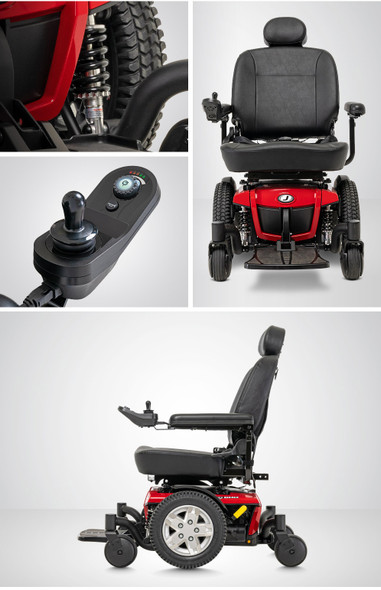
Jazzy 600 ES Power Wheelchair – 300 lbs Capacity, Long Range Battery, Smooth Maneuvering
Pride Mobility
Now: $3,157.10Was: $3,751.99The Pride Jazzy 600 ES Power Wheelchair offers unmatched versatility and performance for users seeking reliable, everyday mobility. Designed with Mid-Wheel 6 Technology, it provides exceptional...- SKU:
- JAZZY600ES2S-C
Now: $3,157.10Was: $3,751.99 -

Liquid Oxygen Carrier for Wheelchair
Compass Health
$77.99The Liquid Oxygen Carrier for Wheelchair offers a convenient and reliable solution for transporting your liquid oxygen tank securely, whether on a wheelchair or walker. Designed to accommodate all...- SKU:
- CPH40N
$77.99
About Wheelchairs
Wheelchairs are essential mobility aids designed to enhance the independence and comfort of individuals with limited or no ability to walk. Available in various styles, including sports wheelchairs, manual wheelchairs, power wheelchairs, pediatric models, wheelchair lifts, ramps, and accessories, these devices cater to diverse needs. Wheelchairs provide users with the ability to navigate daily life confidently, improving quality of life and promoting social engagement.
Why Wheelchairs Are Essential
Wheelchairs empower individuals with mobility challenges by offering a safe, reliable, and customizable means of transportation. They reduce physical strain, enhance independence, and enable users to participate in daily activities. Whether for temporary rehabilitation, chronic conditions, or specialized needs like sports or pediatric mobility, wheelchairs ensure comfort, convenience, and dignity.
What Are Wheelchairs?
Wheelchairs are mobility devices designed to assist individuals who have difficulty walking or are unable to walk. They feature a seat, wheels, and often customizable components to suit specific user requirements. From manual options to power-operated models, wheelchairs provide mobility solutions for diverse needs, ensuring safety and ease of use in various settings, including homes, workplaces, and recreational environments.
Types of Wheelchairs
1. Sports Wheelchairs
Best for: Individuals engaging in athletic activities or sports.
Sports wheelchairs are lightweight and ergonomically designed for optimal performance during high-movement activities.
Key Features
- Enhanced agility and speed for sports.
- Durable, lightweight materials like aluminum or titanium.
- Adjustable seating and wheels for maximum control.
Applications
- Wheelchair Basketball: Provides maneuverability and stability on the court.
- Tennis: Allows for quick turns and mobility on outdoor surfaces.
- Racing: Designed for speed and streamlined movement.
2. Manual Wheelchairs
Best for: Users who prefer self-propelled or caregiver-assisted mobility.
Manual wheelchairs are operated by the user or a caregiver, offering a lightweight and cost-effective mobility solution.
Key Features
- Foldable frames for easy storage and transport.
- Adjustable footrests and armrests for comfort.
- Variety of seat widths and materials for customization.
Applications
- Daily Mobility: Ideal for indoor and outdoor use.
- Rehabilitation: Supports temporary recovery needs.
- Caregiver Assistance: Suitable for assisted mobility.
3. Power Wheelchairs
Best for: Individuals with limited upper body strength or severe mobility challenges.
Power wheelchairs are motorized devices that provide effortless mobility and advanced control options.
Key Features
- Joystick controls for easy navigation.
- Rechargeable batteries for long-range travel.
- Advanced suspension systems for outdoor terrain.
Applications
- Chronic Conditions: Supports users with conditions like muscular dystrophy.
- Outdoor Use: Tackles uneven surfaces with ease.
- Custom Needs: Ideal for individuals requiring extensive customization.
4. Pediatric Wheelchairs
Best for: Children with mobility challenges requiring specialized support.
Pediatric wheelchairs are designed to accommodate the unique needs of children, providing comfort, safety, and adaptability.
Key Features
- Adjustable frames to grow with the child.
- Bright, engaging designs to suit children’s preferences.
- Lightweight and easy-to-maneuver construction.
Applications
- School Mobility: Enables independence in educational settings.
- Therapy Support: Assists in therapeutic activities.
- Everyday Use: Provides safety and comfort for daily movement.
5. Wheelchair Lifts
Best for: Overcoming barriers like stairs or elevated surfaces.
Wheelchair lifts are mechanical devices that allow users to ascend or descend stairs, improving accessibility in homes, vehicles, and public spaces.
Key Features
- Electric operation with safety controls.
- Compact designs for residential and vehicle use.
- Durable construction for indoor and outdoor applications.
Applications
- Home Accessibility: Provides stairlift solutions for multi-level homes.
- Vehicle Assistance: Ensures easy entry and exit for vehicles.
- Public Spaces: Improves accessibility in buildings and facilities.
6. Wheelchair Ramps
Best for: Ensuring smooth transitions over steps or uneven surfaces.
Wheelchair ramps are portable or fixed inclines that provide easy access to buildings, vehicles, or elevated areas.
Key Features
- Lightweight, foldable designs for portability.
- Non-slip surfaces for safety.
- Adjustable lengths to accommodate various heights.
Applications
- Home Entry: Facilitates access to porches and doorways.
- Vehicle Access: Allows easy wheelchair loading.
- Public Accessibility: Ensures compliance with ADA standards.
7. Wheelchair Accessories
Best for: Enhancing comfort, functionality, and usability.
Wheelchair accessories include items such as cushions, trays, storage pouches, and cup holders to personalize the user experience.
Key Features
- Padded cushions for pressure relief.
- Detachable trays for eating or working.
- Storage options for convenience during travel.
Applications
- Pressure Management: Reduces discomfort during extended use.
- Daily Activities: Provides space for personal items and meals.
- Enhanced Mobility: Adds practical features for everyday convenience.
Key Features of Wheelchairs
- Customizable Designs: Adjustable armrests, footrests, and seating for personalized comfort.
- Lightweight Frames: Aluminum and titanium options for easy portability.
- Advanced Technology: Motorized models with joystick controls and suspension systems.
- Durability: Built to withstand daily wear and tear for long-lasting use.
- Ergonomic Support: Cushioned seating and backrests for comfort and posture alignment.
- Accessibility Enhancements: Ramps and lifts to improve usability in various environments.
Real-World Use Cases
Case 1: Everyday Independence
An elderly user with limited mobility used a power wheelchair to regain independence, traveling freely both indoors and outdoors.
Case 2: Rehabilitation Support
A young adult recovering from spinal surgery relied on a manual wheelchair during rehabilitation, transitioning to walking aids as strength improved.
Case 3: Sports Mobility
An athlete with paraplegia used a sports wheelchair to participate in wheelchair basketball, benefiting from enhanced agility and speed.
Case 4: Pediatric Mobility
A child with cerebral palsy utilized a pediatric wheelchair, ensuring comfort and accessibility in school and therapy settings.
How to Choose the Right Wheelchair
- Mobility Needs: Assess the level of mobility required, from manual to motorized options.
- Intended Use: Consider whether the wheelchair is for indoor, outdoor, or sports activities.
- Customization: Look for adjustable features, such as seat size, armrests, and footrests.
- User Strength: For individuals with limited upper body strength, power wheelchairs may be the best choice.
- Environment: Choose ramps or lifts for enhanced accessibility in homes and vehicles.
- Consult Experts: Seek advice from healthcare providers or occupational therapists for tailored recommendations.
How to Use Wheelchairs
- Fit the Wheelchair: Adjust settings for optimal comfort and support.
- Practice Maneuvering: Learn how to navigate corners, ramps, and inclines.
- Safety First: Use seat belts and anti-tip features as needed.
- Maintain the Chair: Regularly check tires, brakes, and batteries for proper functioning.
- Use Accessories: Attach cushions, trays, or pouches for added convenience.
Benefits of Wheelchairs
- Increased Independence: Enables users to move freely and participate in daily activities.
- Enhanced Comfort: Ergonomic designs minimize strain and improve posture.
- Improved Accessibility: Lifts and ramps ensure seamless mobility in various settings.
- Customizable Features: Tailored options provide comfort and usability.
- Versatile Applications: Suitable for rehabilitation, sports, and long-term use.
Frequently Asked Questions (FAQs)
1. Are wheelchairs covered by insurance?
Yes, many wheelchairs are covered by insurance or Medicare if prescribed by a healthcare provider.
2. What is the difference between a manual and a power wheelchair?
Manual wheelchairs require physical effort to operate, while power wheelchairs are motorized and controlled by a joystick or remote.
3. Can wheelchairs be used outdoors?
Yes, many wheelchairs, especially power models and sports wheelchairs, are designed for outdoor use.
4. Are wheelchair ramps portable?
Yes, many ramps are foldable and lightweight, making them easy to transport and set up.
5. How do I maintain a wheelchair?
Regularly clean the wheelchair, check for wear and tear, and ensure tires and brakes are functioning correctly.
Related Products
Explore wheelchair cushions, storage pouches, and detachable trays to customize your wheelchair. Pair ramps and lifts with mobility scooters or rollators for comprehensive accessibility. Visit our blog for expert advice on wheelchair selection and maintenance.
Feel confident in your mobility with our wide range of Wheelchairs, including sports, manual, and power options. Designed for comfort, reliability, and independence, our products are tailored to meet your specific needs. Shop now and reclaim your freedom today!