


Description
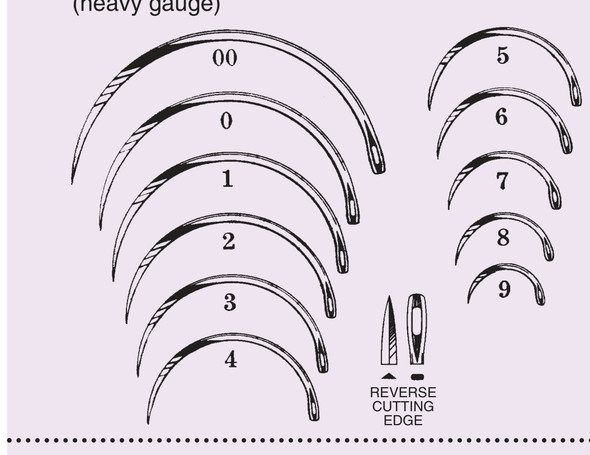
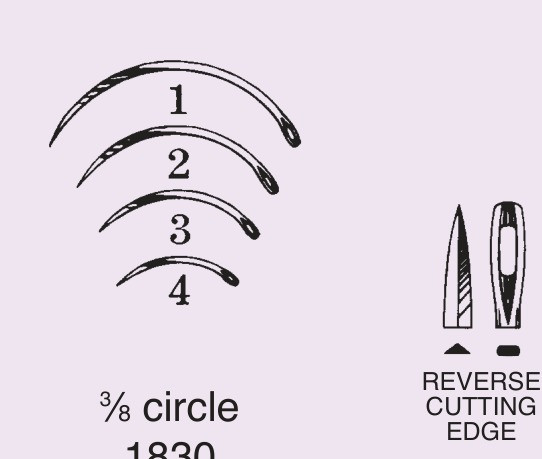
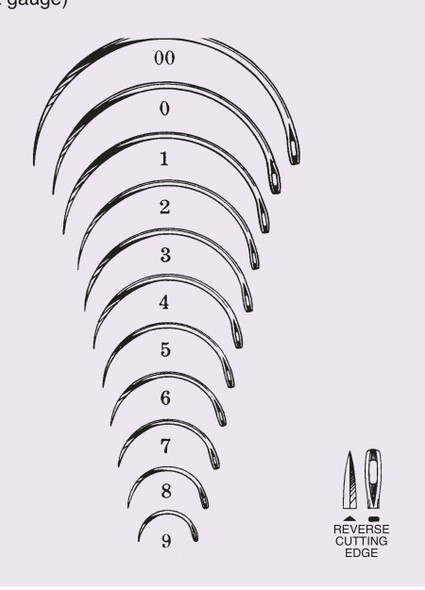
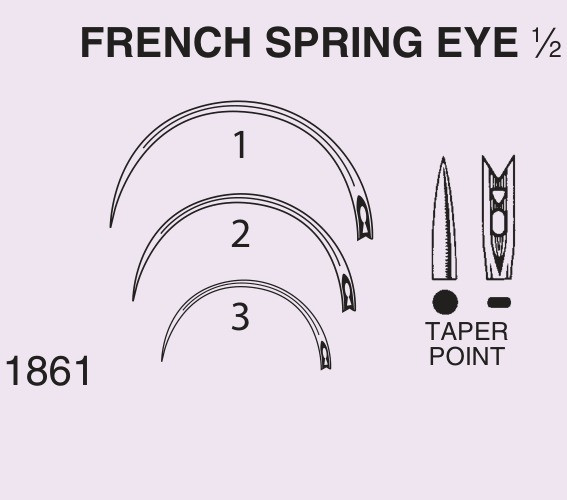
A half circle reverse cutting edge design on the French Spring Eye pattern, the Anchor French Spring Eye Suture Needles come in sterile single use form for the operating and procedure rooms. Firmer tissue plus fast loading is an unusual brief, and the reverse cutting French Spring Eye is the pattern built to answer it. For stockrooms standardizing eyed needles, a named Anchor pattern is a straightforward line item.
- Reverse Cutting Edge – the edge sits on the outside of the curve, where firm tissue needs it
- 1/2 Circle Shape – the standard arc for everyday closure work
- Flat Shank Grip – clamping on the shank flat keeps the point oriented exactly as set
- Sterile Single Use – double-pouched Tyvek pairs, ready for the field
Spring Eye Convenience With a Reverse Cutting Edge
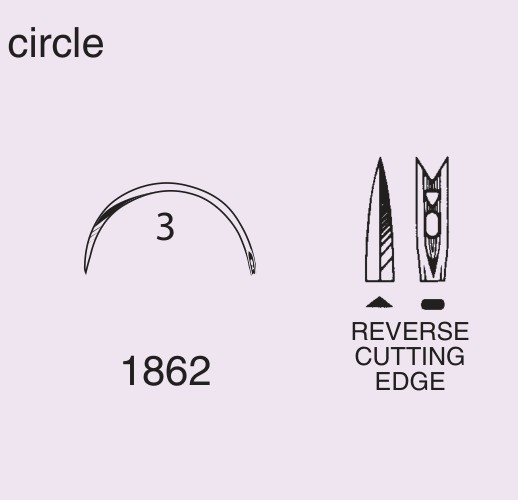
Anchor draws the French Spring Eye a second way, with a reverse cutting edge for tissue that needs a cut, and this listing carries its size 3 in a sterile carton. The outer-curve edge slices ahead of the body, so dense tissue is opened cleanly instead of being pushed aside.
The 1/2 circle curve is the general-purpose arc of the line, worked with a rotation of the wrist through the tissue. The eye is the other half of the design: the slit spring eye takes the suture with a press rather than a threading pass, and grips it for the duration of the pass. Anchor has built its name on one product family for a century: eyed needles, made by Anchor Products Company in Illinois since 1925.
Features and Benefits
Needle Design
- Pattern: French Spring Eye, Anchor style 1862
- Point: Reverse Cutting Edge
- Curve: 1/2 Circle
- Eye: French spring eye, loaded by pressing the suture into the slit
Handling and Supply
- Holder Grip: Flat section on the shank, clamped about 1/4 of the needle length from the eye
- Sterile Packaging: Units of two, double-pouched in see-through peel-apart Tyvek pouches
Product Specifications
Needle Specifications
- Needle Type: Eyed suture needle
- Style Number: 1862
- Pattern: French Spring Eye
- Curve: 1/2 Circle
- Point: Reverse Cutting Edge
- Full Size Range: Size 3 in this listing
- Sizes in This Listing: Size 3 in this listing
Packaging and Contents
- Supplied As: Sterile Single Use
- Pack Configuration: CT/20
- Sterile Packaging: Units of two in double Tyvek peel-apart pouches
Look through the whole Suture and Needles category, or go straight to all Anchor Products.
Why Pair a Spring Eye With a Cutting Edge
What a classic pattern sells is certainty: the scrub knows it, the surgeon knows it. That certainty is what this listing protects.
- Reverse Cutting Edge Handling – cuts its channel on the outer curve, for firmer tissue that resists a taper point – the pass feels the way the pattern promises
- Ready Sterile Stock – sterile pairs go straight from shelf to field – no preparation step before the case
- Cutting Edge, Spring Eye – same spring eye loading as its taper sibling, but with a cutting edge: the two styles are kept separate here so the point ordered is the point delivered – and that is the difference a preference card is asking for
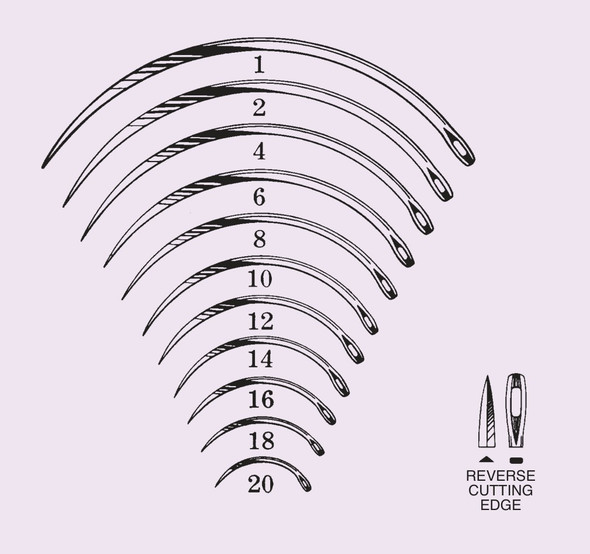
- Actual-Size Catalog Art – every Anchor size is illustrated at 100 percent scale by the maker – the size checked on the page is the size that arrives
- Specialist-Made Since 1925 – Anchor Products Company builds nothing but eyed surgical needles – a century of focus sits behind every pattern
Manuals and Troubleshooting Guides
FAQs
Is this needle sterile or reusable?
This page carries the sterile single use version. It reaches the field sterile and is discarded when the case ends.
How is the needle held during a pass?
Anchor needles are held on the shank flat, near the eye end. The flat keeps the point oriented the way the surgeon set it, even under load. The flat is easy to find by feel, even gloved.
What does the reverse cutting edge do in tissue?
The reverse cutting edge slices a precise track through firm tissue, seating the suture in the cut it made. Knowing the point's behavior is most of knowing the needle.
How do I confirm the right size?
Sizes in the Anchor line follow the maker's long-standing numbering, and the full-scale catalog illustrations make it easy to confirm which number matches the needle a team already uses. Check the options on this page for the sizes stocked in this pattern.
How are the sterile needles packed?
The maker packs sterile needles two to a double Tyvek pouch, so a pair can be presented without opening more than the case needs. The format has been Anchor's sterile standard for years, and trays are set up around it.
How does the spring eye load?
The suture is pressed into the slit of the spring eye, and the spring action of the eye grips it there. There is no closed eye to thread in the usual way, which speeds up loading and re-loading at the back table.