
Bandages
Bandages are essential wound care products used to protect, secure, and support injuries of all kinds. Whether treating a small cut, sprain, or post-surgical wound, bandages help safeguard the affected area, promote healing, and provide comfort during recovery. They are a staple in first aid kits, hospitals, and households, offering a variety of options tailored for specific needs. From adhesive bandages to elastic wraps, bandages ensure that wounds remain clean, secure, and well-supported.
Why Are Bandages Important?
Bandages play a critical role in wound care for the following reasons:
- Protection: They shield wounds from dirt, bacteria, and external elements, reducing the risk of infection.
- Stability: Bandages provide support to injured areas, preventing further damage or irritation.
- Secure Dressings: They hold dressings, gauze, or ointments in place, ensuring effective treatment.
- Comfort: Soft and flexible materials reduce discomfort and protect sensitive areas during healing.
Types of Bandages
1. Adhesive Bandages
Adhesive bandages, commonly known as "band-aids," are small, pre-packaged dressings with an adhesive backing. They are ideal for everyday use and minor injuries.
Key Features:
- A built-in pad covers and protects the wound.
- Available in various sizes, shapes, and materials.
- Easy to apply and remove.
Best Uses:
- Minor cuts, scrapes, and abrasions.
- Blisters or small puncture wounds.
Advantages:
- Convenient and disposable.
- Portable and ideal for first aid kits.
2. Elastic Bandages (Compression Wraps)
Elastic bandages are stretchable wraps used to provide compression and support for sprains, strains, and joint injuries.
Key Features:
- Reusable and adjustable for a customized fit.
- Made from durable, stretchy fabric.
- Often equipped with clips or Velcro for secure fastening.
Best Uses:
- Supporting sprained ankles or wrists.
- Reducing swelling in injured areas.
- Securing ice packs or other cold therapy applications.
Advantages:
- Offers adjustable compression for stability.
- Durable and reusable for long-term use.
3. Cohesive Bandages
Cohesive bandages stick to themselves but not to the skin, hair, or wound. They are commonly used in sports medicine and veterinary care.
Key Features:
- Lightweight, stretchy material.
- Adheres to itself without additional fasteners.
- Comfortable and breathable.
Best Uses:
- Wrapping fingers, toes, or other areas prone to movement.
- Securing dressings or splints.
- Providing light compression for swelling or minor injuries.
Advantages:
- Non-sticky and pain-free removal.
- Flexible and easy to apply.
4. Tubular Bandages
Tubular bandages are seamless, elastic bandages that provide even pressure and support for limbs or joints.
Key Features:
- Cylindrical and slip-on design.
- Stretches to fit various body parts.
- Provides uniform compression and protection.
Best Uses:
- Protecting burns, cuts, or skin conditions.
- Supporting sprains or muscle injuries.
- Securing bulky dressings.
Advantages:
- No need for clips, tape, or fasteners.
- Comfortable for long-term wear.
5. Triangle Bandages
Triangle bandages are multi-purpose cloth bandages often used as slings or to secure larger dressings.
Key Features:
- Made from durable fabric, often cotton or muslin.
- Large, triangular shape for versatility.
- Can be used with safety pins to secure.
Best Uses:
- Creating slings for arm or shoulder injuries.
- Emergency first aid for stabilizing broken bones.
- Securing bulky or large dressings.
Advantages:
- Highly versatile for emergency use.
- Washable and reusable.
6. Hydrocolloid Bandages
Hydrocolloid bandages are advanced adhesive bandages that promote moist healing environments for faster recovery.
Key Features:
- Made with gel-forming agents to maintain moisture.
- Waterproof and long-lasting.
- Designed to reduce scarring.
Best Uses:
- Blisters or minor burns.
- Small wounds prone to dryness or irritation.
- Healing wounds that require a moist environment.
Advantages:
- Enhances healing while protecting the wound.
- Stays in place for several days.
7. Bandage Strips and Rolls
Bandage strips and rolls are versatile fabric or paper-based products that can be cut to size for customized wound care.
Key Features:
- Available in rolls or pre-cut strips.
- Lightweight, breathable material.
- Works well with antiseptics or gauze dressings.
Best Uses:
- Covering and securing large or irregularly shaped wounds.
- Supporting gauze pads or packing material.
Advantages:
- Customizable for unique wound shapes.
- Affordable and easy to use.
Benefits of Bandages
- Versatility: Bandages are suitable for a wide range of injuries, from minor scrapes to sprains and complex wounds.
- Ease of Use: Most bandages are simple to apply, even without professional assistance.
- Affordability: Bandages are cost-effective solutions for everyday wound care.
- Enhanced Healing: Advanced bandages like hydrocolloid options promote faster recovery.
- Comfort and Security: Materials are designed to reduce discomfort and stay in place during movement.
Common Use Cases for Bandages
- Minor Injuries: Adhesive bandages are perfect for quick treatment of everyday cuts, scrapes, and blisters.
- Sports Injuries: Elastic and cohesive bandages provide support and compression for sprains and strains.
- Post-Surgery Care: Bandage rolls and strips secure dressings for surgical wounds.
- Emergency Care: Triangle bandages stabilize injuries in first aid scenarios.
- Specialized Wounds: Hydrocolloid bandages protect blisters and burns while promoting healing.
FAQs: Bandages
Q: Can I reuse bandages?
A: Most adhesive and disposable bandages are single-use, but elastic wraps, cohesive bandages, and triangle bandages can be washed and reused.
Q: How often should I change a bandage?
A: Change bandages daily or whenever they become wet, dirty, or lose adhesion.
Q: Are bandages waterproof?
A: Many adhesive and hydrocolloid bandages are waterproof, while others like fabric bandages may not be. Always check the product label.
Q: What’s the difference between cohesive and elastic bandages?
A: Cohesive bandages stick to themselves without adhesives, while elastic bandages rely on fasteners like clips or Velcro.
Bandages are a cornerstone of effective wound care, offering protection, support, and comfort for injuries of all types. From adhesive strips for minor cuts to elastic wraps for joint injuries, there’s a bandage for every need. By selecting the right type of bandage, you can ensure optimal healing and safety for both everyday use and emergency care.
-


Gentell PrimaCare Elastic Bandage – 4 in x 5 in to 6 in x 5 in Sizes, Boxes of 12, Sterile
Gentell
$119.99 - $133.99Gentell PrimaCare Elastic Bandage PrimaCare elastic bandage is an elastic wrap for support and compression. It is made for patients managing sprains, strains and swelling who want a product they can...$119.99 - $133.99 -
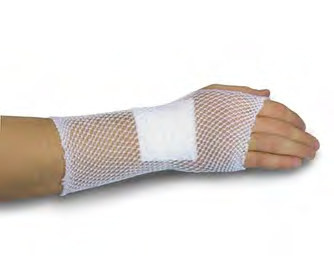

Gentell Pre-Cut Dressing Retainer – 1 in x 6 in to 10 in x 18 in Sizes, Boxes of 36 or 180
Gentell
$96.99 - $184.99Gentell Pre-Cut Dressing Retainer This pre-cut, ready-to-use dressing retainer is pre-shaped to accommodate the more difficult to fit parts of the body. It is made for care teams securing dressings...$96.99 - $184.99 -
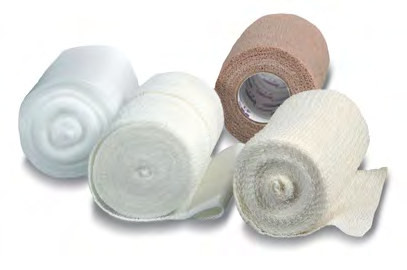

Gentell DuFore Four-Layer Bandaging System – Boxes of 8, Latex-Free, For Venous Leg Ulcers
Gentell
$252.99Gentell DuFore Four-Layer Bandaging System DuFore four-layer bandaging system is designed to sustain effective levels of graduated compression for up to seven days. It is made for patients managing...- SKU:
- 72414
$252.99 -


Gentell Duflex Synthetic Conforming Bandage – 3 in x 4.1 in to 6 in x 4 in Sizes, Boxes of 48 or 96
Gentell
$65.99 - $86.99Gentell Duflex Synthetic Conforming Bandage Duflex synthetic conforming bandage is a knitted stretch gauze roll ideal as a secondary dressing for wrapping legs and arms and to hold dressings in place...$65.99 - $86.99 -


Gentell Duban Cohesive Bandage – 2 in x 5 in to 4 in x 5 in Sizes, Boxes of 12, Latex-Free
Gentell
$82.99 - $110.99Gentell Duban Cohesive Bandage Duban cohesive bandage is a high-quality elastic wrap that offers protection and support. It is made for care teams who need a wrap that sticks to itself who want a...$82.99 - $110.99 -

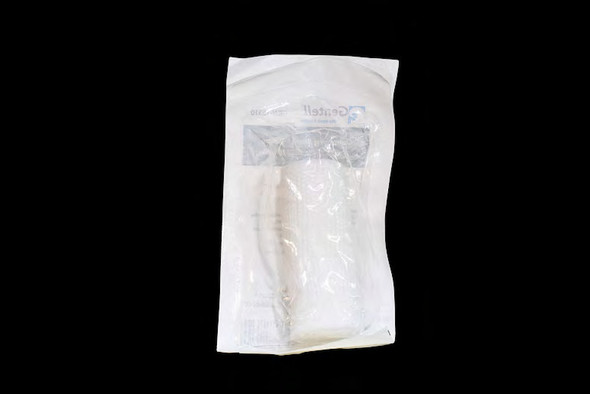
Gentell Conforming Stretch Gauze – 3 in x 75 in Size, Sterile, Latex-Free, Genuine Gentell Product
Gentell
$47.99Gentell Conforming Stretch Gauze Gentell conforming stretch gauze is a sterile, stretchable and easy-to-manipulate gauze bandage roll. It is made for care teams wrapping limbs and securing dressings...- SKU:
- GEN-15310
$47.99 -


Gentell BandNet Tubular Elastic Dressing Retainer – Sterile, Latex-Free, Genuine Gentell Product
Gentell
$43.99 - $125.99Gentell BandNet Tubular Elastic Dressing Retainer BandNet is a tubular, poly-covered nylon and rubber stretch net used to hold primary dressings in place with gentle pressure rather than adhesive...$43.99 - $125.99 -
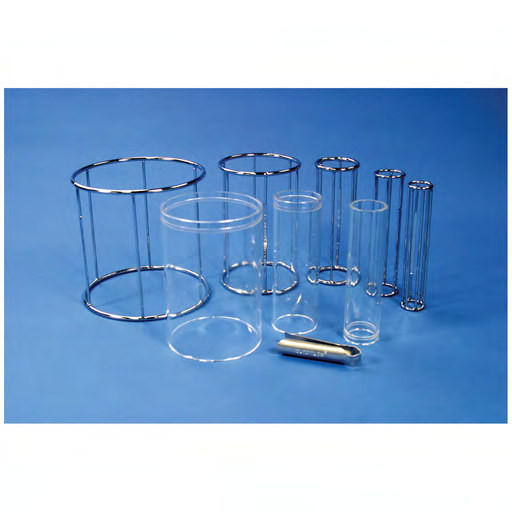
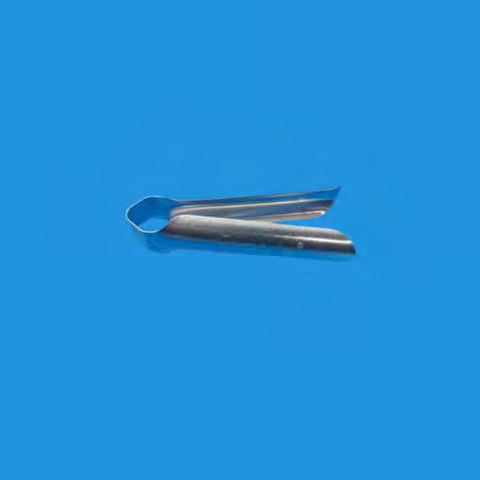
Gentell Surgitube Aluminum Finger Splint Applicator – Boxes of 12, Genuine Gentell Product
Gentell
$23.99Gentell Surgitube Aluminum Finger Splint Applicator The Surgitube aluminum finger splint applicator is used to apply Surgitube tubular gauze over fingers and toes. It is made for care teams applying...- SKU:
- GLALUAPP
$23.99 -
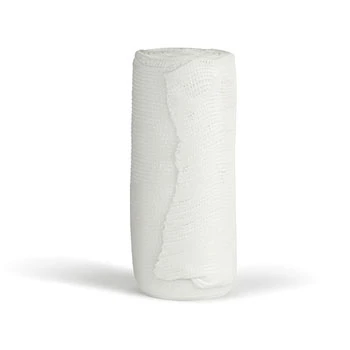
Convatec Unna-FLEX Elastic Unna Boot – 3 in x 10 in to 4 in x 10 in Sizes, Boxes of 12, Supplied by MedicalEx
Convatec
$171.99 - $196.99Convatec Unna-FLEX Elastic Unna Boot The Unna-FLEX Elastic Unna boot provides the benefit of an Unna boot without being rigid. It is made for patients managing venous leg ulcers who want dependable...$171.99 - $196.99 -


MarketLab CoFlex NL Bandages – Latex-Free Cohesive Flexible Bandages, Self-Adherent Wrap, Multi-Color
MarketLab
$322.99MarketLab CoFlex NL Bandages serve wound care teams who handle dressing retention every day, built for daily clinical use. It is stocked as part of the standard setup for dressing retention.It Stays...- SKU:
- 5155
- Quantity Per Box:
- 1 ea
$322.99 -
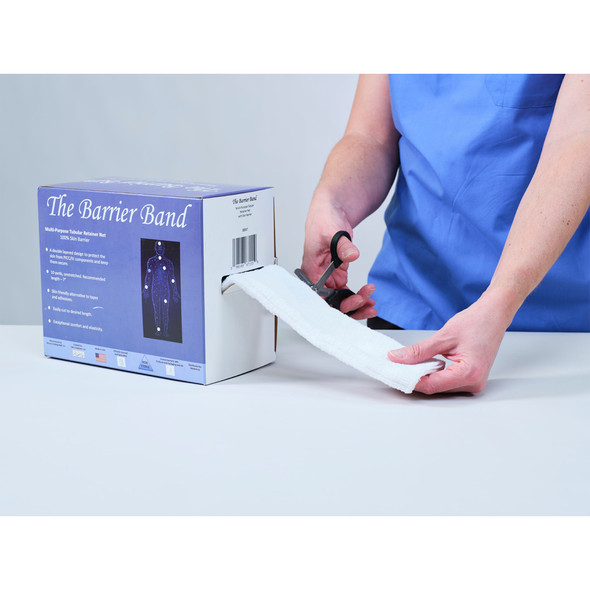

MarketLab The Barrier Band Multi-Purpose Tubular Retainer Net, with IV/PICC Line Channel, Adult
MarketLab
$109.99MarketLab The Barrier Band Multi-Purpose Tubular Retainer secure wet or dry dressings without adhesive, across the stocked sizes. With no tape to strip, dressing changes spare the skin underneath, a...- SKU:
- 108686
- Quantity Per Box:
- 1 ea
$109.99 -


MarketLab Spandage Tubular Retainer Netting - Pre-Cut Lengths – 14 Size / Length Options, Size 10
MarketLab
$99.99 - $496.99MarketLab Spandage Tubular Retainer Netting - Pre-Cut hold dressings and tubing in place without tape, in sizes for fingers through torso. The latex-free net stretches over the dressing and stays put...- Latex-Free:
- Yes
- Quantity Per Box:
- 50/cs
$99.99 - $496.99 -


MarketLab Spandage Tubular Retainer Netting – 23 Size / Length Options, Size 1, 25 yd, Size 2
MarketLab
$23.99 - $118.99MarketLab Spandage Tubular Retainer Netting hold dressings and tubing in place without tape, in sizes for fingers through torso. The latex-free net stretches over the dressing and stays put without...- Quantity Per Box:
- 1/bx (ea)
$23.99 - $118.99 -

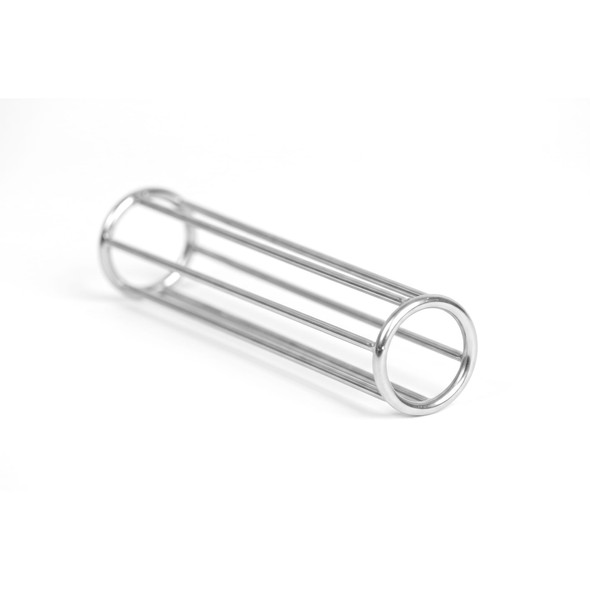
MarketLab Medi-Tube Tubular Gauze Applicators – 5 Size Options, 1.125", 1.875", 3.625", Bandages
MarketLab
$40.99 - $74.99MarketLab Medi-Tube Tubular Gauze Applicators dress fingers, toes, and limbs with a seamless cotton tube that needs no tape. The 100% cotton gauze conforms where flat dressings bunch, in sizes from 1...- Quantity Per Box:
- 1 ea
$40.99 - $74.99 -
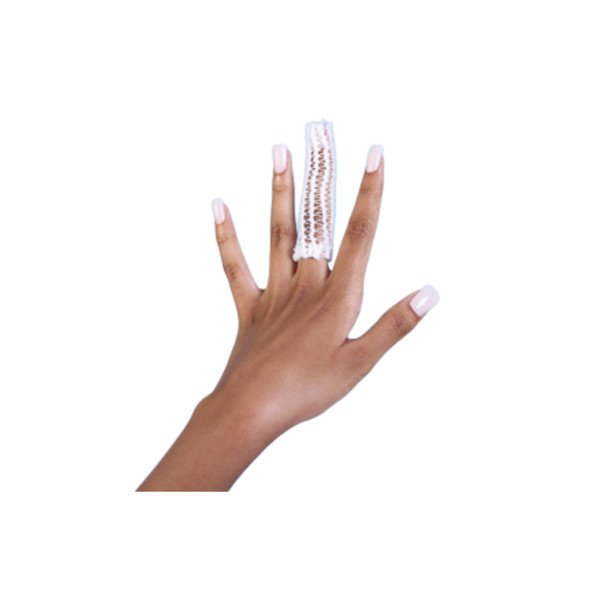

MarketLab Medi-Tube Tubular Gauze – 9 Size Options, Case of 36 Boxes (50-Yard Each, 0.875 Inch
MarketLab
$31.99 - $283.99MarketLab Medi-Tube Tubular Gauze cover hard-to-dress areas with a continuous knitted tube, applied in seconds. Wound care teams layer it as a primary dressing, and the seamless knit stays put...- Quantity Per Box:
- 1 ea
$31.99 - $283.99 -


MarketLab Medi-Band Fetal Monitoring Bands – 7 Configuration Options, Sizes 10 to 14 Inch, 1 per Box
MarketLab
$188.99 - $380.99MarketLab Medi-Band Fetal Monitoring Bands serve wound care teams who handle dressing retention every day, built for daily clinical use. It is stocked as part of the standard setup for dressing...- Quantity Per Box:
- 1/bx
$188.99 - $380.99 -
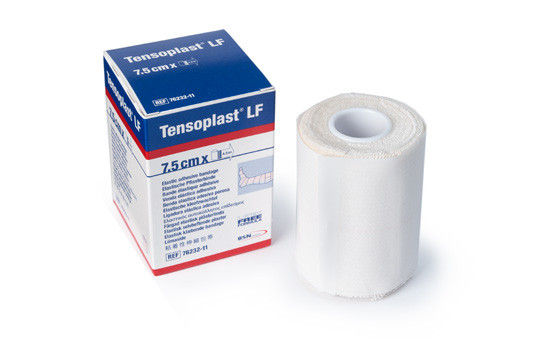
BSN Medical Tensoplast Elastic Adhesive Bandage – 9 Configuration Options, Stretch and Regain Provides Firm
BSN Medical
$177.99 - $542.99The BSN Medical Tensoplast Elastic Adhesive Bandage is an adhesive bandage used for support and compression bandaging. The adhesive bandage serves medium support and compression strapping.Fluffy...- Packaging:
- 32/cs, 16/cs
$177.99 - $542.99 -
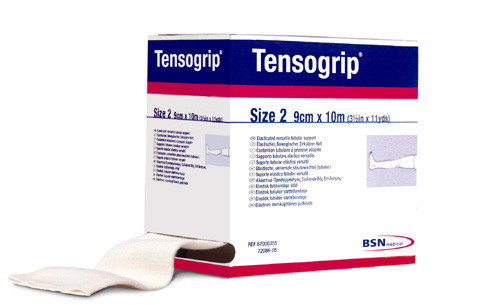
BSN Medical Tensogrip Tubular Elastic Support Bandage – 15 Configuration Options, 1 per box
BSN Medical
$68.99 - $145.99The BSN Medical Tensogrip Tubular Elastic Support Bandage is a tubular support bandage used for support and compression bandaging. Tensogrip is an elasticized, tubular support bandage, ideal for the...- Quantity Per Box:
- 1/bx
$68.99 - $145.99 -

Solventum 3M Micropore S Surgical Tape – Silicone, No Natural Rubber Latex, 4 Width Options
Solventum
$108.99 - $774.99The Solventum 3M Micropore S Surgical Tape is a surgical tape used for securing dressings, tubing and devices to the skin. Buyers can choose from 4 options, including Solventum Micropore S Silicone...- Latex-Free:
- Yes
- Material:
- Silicone
- Quantity Per Box:
- 12/bx
$108.99 - $774.99 -
Solventum 3M Multipore Dry Surgical Tape – No Natural Rubber Latex, 3 Width Options, For Wound Care
Solventum
$162.99 - $522.99The Solventum 3M Multipore Dry Surgical Tape is a surgical tape for securing dressings, tubing and devices to the skin. It comes in 3 options, starting with 3730-0. No natural rubber latex is used in...- Latex-Free:
- Yes
$162.99 - $522.99
About Bandages
Bandages are essential wound care products used to protect, secure, and support injuries of all kinds. Whether treating a small cut, sprain, or post-surgical wound, bandages help safeguard the affected area, promote healing, and provide comfort during recovery. They are a staple in first aid kits, hospitals, and households, offering a variety of options tailored for specific needs. From adhesive bandages to elastic wraps, bandages ensure that wounds remain clean, secure, and well-supported.
Why Are Bandages Important?
Bandages play a critical role in wound care for the following reasons:
- Protection: They shield wounds from dirt, bacteria, and external elements, reducing the risk of infection.
- Stability: Bandages provide support to injured areas, preventing further damage or irritation.
- Secure Dressings: They hold dressings, gauze, or ointments in place, ensuring effective treatment.
- Comfort: Soft and flexible materials reduce discomfort and protect sensitive areas during healing.
Types of Bandages
1. Adhesive Bandages
Adhesive bandages, commonly known as "band-aids," are small, pre-packaged dressings with an adhesive backing. They are ideal for everyday use and minor injuries.
Key Features:
- A built-in pad covers and protects the wound.
- Available in various sizes, shapes, and materials.
- Easy to apply and remove.
Best Uses:
- Minor cuts, scrapes, and abrasions.
- Blisters or small puncture wounds.
Advantages:
- Convenient and disposable.
- Portable and ideal for first aid kits.
2. Elastic Bandages (Compression Wraps)
Elastic bandages are stretchable wraps used to provide compression and support for sprains, strains, and joint injuries.
Key Features:
- Reusable and adjustable for a customized fit.
- Made from durable, stretchy fabric.
- Often equipped with clips or Velcro for secure fastening.
Best Uses:
- Supporting sprained ankles or wrists.
- Reducing swelling in injured areas.
- Securing ice packs or other cold therapy applications.
Advantages:
- Offers adjustable compression for stability.
- Durable and reusable for long-term use.
3. Cohesive Bandages
Cohesive bandages stick to themselves but not to the skin, hair, or wound. They are commonly used in sports medicine and veterinary care.
Key Features:
- Lightweight, stretchy material.
- Adheres to itself without additional fasteners.
- Comfortable and breathable.
Best Uses:
- Wrapping fingers, toes, or other areas prone to movement.
- Securing dressings or splints.
- Providing light compression for swelling or minor injuries.
Advantages:
- Non-sticky and pain-free removal.
- Flexible and easy to apply.
4. Tubular Bandages
Tubular bandages are seamless, elastic bandages that provide even pressure and support for limbs or joints.
Key Features:
- Cylindrical and slip-on design.
- Stretches to fit various body parts.
- Provides uniform compression and protection.
Best Uses:
- Protecting burns, cuts, or skin conditions.
- Supporting sprains or muscle injuries.
- Securing bulky dressings.
Advantages:
- No need for clips, tape, or fasteners.
- Comfortable for long-term wear.
5. Triangle Bandages
Triangle bandages are multi-purpose cloth bandages often used as slings or to secure larger dressings.
Key Features:
- Made from durable fabric, often cotton or muslin.
- Large, triangular shape for versatility.
- Can be used with safety pins to secure.
Best Uses:
- Creating slings for arm or shoulder injuries.
- Emergency first aid for stabilizing broken bones.
- Securing bulky or large dressings.
Advantages:
- Highly versatile for emergency use.
- Washable and reusable.
6. Hydrocolloid Bandages
Hydrocolloid bandages are advanced adhesive bandages that promote moist healing environments for faster recovery.
Key Features:
- Made with gel-forming agents to maintain moisture.
- Waterproof and long-lasting.
- Designed to reduce scarring.
Best Uses:
- Blisters or minor burns.
- Small wounds prone to dryness or irritation.
- Healing wounds that require a moist environment.
Advantages:
- Enhances healing while protecting the wound.
- Stays in place for several days.
7. Bandage Strips and Rolls
Bandage strips and rolls are versatile fabric or paper-based products that can be cut to size for customized wound care.
Key Features:
- Available in rolls or pre-cut strips.
- Lightweight, breathable material.
- Works well with antiseptics or gauze dressings.
Best Uses:
- Covering and securing large or irregularly shaped wounds.
- Supporting gauze pads or packing material.
Advantages:
- Customizable for unique wound shapes.
- Affordable and easy to use.
Benefits of Bandages
- Versatility: Bandages are suitable for a wide range of injuries, from minor scrapes to sprains and complex wounds.
- Ease of Use: Most bandages are simple to apply, even without professional assistance.
- Affordability: Bandages are cost-effective solutions for everyday wound care.
- Enhanced Healing: Advanced bandages like hydrocolloid options promote faster recovery.
- Comfort and Security: Materials are designed to reduce discomfort and stay in place during movement.
Common Use Cases for Bandages
- Minor Injuries: Adhesive bandages are perfect for quick treatment of everyday cuts, scrapes, and blisters.
- Sports Injuries: Elastic and cohesive bandages provide support and compression for sprains and strains.
- Post-Surgery Care: Bandage rolls and strips secure dressings for surgical wounds.
- Emergency Care: Triangle bandages stabilize injuries in first aid scenarios.
- Specialized Wounds: Hydrocolloid bandages protect blisters and burns while promoting healing.
FAQs: Bandages
Q: Can I reuse bandages?
A: Most adhesive and disposable bandages are single-use, but elastic wraps, cohesive bandages, and triangle bandages can be washed and reused.
Q: How often should I change a bandage?
A: Change bandages daily or whenever they become wet, dirty, or lose adhesion.
Q: Are bandages waterproof?
A: Many adhesive and hydrocolloid bandages are waterproof, while others like fabric bandages may not be. Always check the product label.
Q: What’s the difference between cohesive and elastic bandages?
A: Cohesive bandages stick to themselves without adhesives, while elastic bandages rely on fasteners like clips or Velcro.
Bandages are a cornerstone of effective wound care, offering protection, support, and comfort for injuries of all types. From adhesive strips for minor cuts to elastic wraps for joint injuries, there’s a bandage for every need. By selecting the right type of bandage, you can ensure optimal healing and safety for both everyday use and emergency care.
Frequently Asked Questions About Bandages
1. How do I choose the right bandage for my wound?
Adhesive Bandages: Best for minor cuts and scrapes. They come in various sizes and shapes for different wound locations.
Elastic Bandages: Provide support and compression for sprains or strains. They are adjustable and can be used to secure dressings in place.
Cohesive Bandages: Stick to themselves but not to the skin, making them ideal for wrapping areas where you need flexibility and comfort.