
Bandages
Bandages are essential wound care products used to protect, secure, and support injuries of all kinds. Whether treating a small cut, sprain, or post-surgical wound, bandages help safeguard the affected area, promote healing, and provide comfort during recovery. They are a staple in first aid kits, hospitals, and households, offering a variety of options tailored for specific needs. From adhesive bandages to elastic wraps, bandages ensure that wounds remain clean, secure, and well-supported.
Why Are Bandages Important?
Bandages play a critical role in wound care for the following reasons:
- Protection: They shield wounds from dirt, bacteria, and external elements, reducing the risk of infection.
- Stability: Bandages provide support to injured areas, preventing further damage or irritation.
- Secure Dressings: They hold dressings, gauze, or ointments in place, ensuring effective treatment.
- Comfort: Soft and flexible materials reduce discomfort and protect sensitive areas during healing.
Types of Bandages
1. Adhesive Bandages
Adhesive bandages, commonly known as "band-aids," are small, pre-packaged dressings with an adhesive backing. They are ideal for everyday use and minor injuries.
Key Features:
- A built-in pad covers and protects the wound.
- Available in various sizes, shapes, and materials.
- Easy to apply and remove.
Best Uses:
- Minor cuts, scrapes, and abrasions.
- Blisters or small puncture wounds.
Advantages:
- Convenient and disposable.
- Portable and ideal for first aid kits.
2. Elastic Bandages (Compression Wraps)
Elastic bandages are stretchable wraps used to provide compression and support for sprains, strains, and joint injuries.
Key Features:
- Reusable and adjustable for a customized fit.
- Made from durable, stretchy fabric.
- Often equipped with clips or Velcro for secure fastening.
Best Uses:
- Supporting sprained ankles or wrists.
- Reducing swelling in injured areas.
- Securing ice packs or other cold therapy applications.
Advantages:
- Offers adjustable compression for stability.
- Durable and reusable for long-term use.
3. Cohesive Bandages
Cohesive bandages stick to themselves but not to the skin, hair, or wound. They are commonly used in sports medicine and veterinary care.
Key Features:
- Lightweight, stretchy material.
- Adheres to itself without additional fasteners.
- Comfortable and breathable.
Best Uses:
- Wrapping fingers, toes, or other areas prone to movement.
- Securing dressings or splints.
- Providing light compression for swelling or minor injuries.
Advantages:
- Non-sticky and pain-free removal.
- Flexible and easy to apply.
4. Tubular Bandages
Tubular bandages are seamless, elastic bandages that provide even pressure and support for limbs or joints.
Key Features:
- Cylindrical and slip-on design.
- Stretches to fit various body parts.
- Provides uniform compression and protection.
Best Uses:
- Protecting burns, cuts, or skin conditions.
- Supporting sprains or muscle injuries.
- Securing bulky dressings.
Advantages:
- No need for clips, tape, or fasteners.
- Comfortable for long-term wear.
5. Triangle Bandages
Triangle bandages are multi-purpose cloth bandages often used as slings or to secure larger dressings.
Key Features:
- Made from durable fabric, often cotton or muslin.
- Large, triangular shape for versatility.
- Can be used with safety pins to secure.
Best Uses:
- Creating slings for arm or shoulder injuries.
- Emergency first aid for stabilizing broken bones.
- Securing bulky or large dressings.
Advantages:
- Highly versatile for emergency use.
- Washable and reusable.
6. Hydrocolloid Bandages
Hydrocolloid bandages are advanced adhesive bandages that promote moist healing environments for faster recovery.
Key Features:
- Made with gel-forming agents to maintain moisture.
- Waterproof and long-lasting.
- Designed to reduce scarring.
Best Uses:
- Blisters or minor burns.
- Small wounds prone to dryness or irritation.
- Healing wounds that require a moist environment.
Advantages:
- Enhances healing while protecting the wound.
- Stays in place for several days.
7. Bandage Strips and Rolls
Bandage strips and rolls are versatile fabric or paper-based products that can be cut to size for customized wound care.
Key Features:
- Available in rolls or pre-cut strips.
- Lightweight, breathable material.
- Works well with antiseptics or gauze dressings.
Best Uses:
- Covering and securing large or irregularly shaped wounds.
- Supporting gauze pads or packing material.
Advantages:
- Customizable for unique wound shapes.
- Affordable and easy to use.
Benefits of Bandages
- Versatility: Bandages are suitable for a wide range of injuries, from minor scrapes to sprains and complex wounds.
- Ease of Use: Most bandages are simple to apply, even without professional assistance.
- Affordability: Bandages are cost-effective solutions for everyday wound care.
- Enhanced Healing: Advanced bandages like hydrocolloid options promote faster recovery.
- Comfort and Security: Materials are designed to reduce discomfort and stay in place during movement.
Common Use Cases for Bandages
- Minor Injuries: Adhesive bandages are perfect for quick treatment of everyday cuts, scrapes, and blisters.
- Sports Injuries: Elastic and cohesive bandages provide support and compression for sprains and strains.
- Post-Surgery Care: Bandage rolls and strips secure dressings for surgical wounds.
- Emergency Care: Triangle bandages stabilize injuries in first aid scenarios.
- Specialized Wounds: Hydrocolloid bandages protect blisters and burns while promoting healing.
FAQs: Bandages
Q: Can I reuse bandages?
A: Most adhesive and disposable bandages are single-use, but elastic wraps, cohesive bandages, and triangle bandages can be washed and reused.
Q: How often should I change a bandage?
A: Change bandages daily or whenever they become wet, dirty, or lose adhesion.
Q: Are bandages waterproof?
A: Many adhesive and hydrocolloid bandages are waterproof, while others like fabric bandages may not be. Always check the product label.
Q: What’s the difference between cohesive and elastic bandages?
A: Cohesive bandages stick to themselves without adhesives, while elastic bandages rely on fasteners like clips or Velcro.
Bandages are a cornerstone of effective wound care, offering protection, support, and comfort for injuries of all types. From adhesive strips for minor cuts to elastic wraps for joint injuries, there’s a bandage for every need. By selecting the right type of bandage, you can ensure optimal healing and safety for both everyday use and emergency care.
-

Solventum 3M Micropore Tan Surgical Tape – Breathable, No Natural Rubber Latex, 3 Width Options
Solventum
$282.99The Solventum 3M Micropore Tan Surgical Tape is a surgical tape used for securing dressings, tubing and devices to the skin. The line runs to 3 options, among them 3M Micropore Surgical Tape Tan...- Latex-Free:
- Yes
$282.99 -
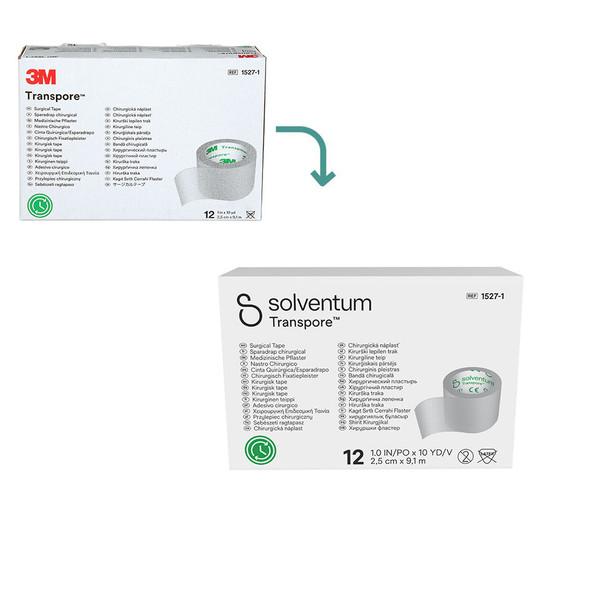
Solventum 3M Transpore Surgical Tape – Transparent, No Natural Rubber Latex, 6 Width Options
Solventum
$254.99 - $307.99The Solventum 3M Transpore Surgical Tape is a surgical tape used for securing dressings, tubing and devices to the skin. The line runs to 6 options, among them 1527-0. This surgical tape is not made...- Latex-Free:
- Yes
$254.99 - $307.99 -
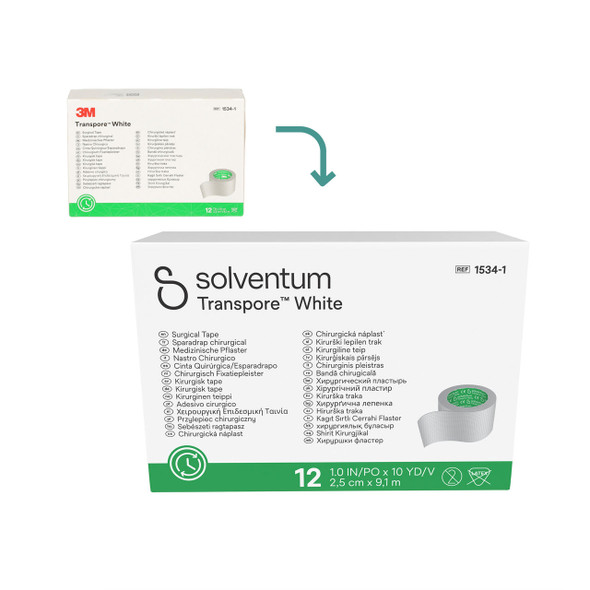
Solventum 3M Transpore White Surgical Tape – 6 Width Options, Reliable Adhesion, For Wound Care
Solventum
$123.99 - $284.99The Solventum 3M Transpore White Surgical Tape is a surgical tape designed for securing dressings, tubing and devices to the skin. The line runs to 6 options, among them Solventum Transpore White...$123.99 - $284.99 -

Solventum 3M Micropore Surgical Tape – Breathable, No Natural Rubber Latex, 6 Width Options
Solventum
$149.99 - $262.99The Solventum 3M Micropore Surgical Tape is a surgical tape for securing dressings, tubing and devices to the skin. Buyers can choose from 6 options, including 3M Micropore Tape. This surgical tape...- Latex-Free:
- Yes
$149.99 - $262.99 -

Solventum 3M Medipore Dress-It Pre-Cut Dressing Covers – 2950 Series, 10 cm x 12 cm, 10 cm x 20 cm
Solventum
$149.99 - $463.99The Solventum 3M Medipore Dress-It Pre-Cut Dressing Covers is a dressing for covering and protecting wounds and device sites. Buyers can choose from 5 options, including 3M Medipore Dress-it Pre-cut...- Size:
- 10 cm x 12 cm
- Latex-Free:
- Yes
$149.99 - $463.99 -

Solventum 3M Medipore H Soft Cloth Surgical Tape – Breathable, No Natural Rubber Latex, Single-Use
Solventum
$127.99 - $236.99The Solventum 3M Medipore H Soft Cloth Surgical Tape is a surgical tape used for securing dressings, tubing and devices to the skin. It comes in 8 options, starting with 2861. This surgical tape is...- Latex-Free:
- Yes
- Packaging:
- 12/cs, 6/cs
$127.99 - $236.99 -

Solventum 3M Durapore Surgical Tape – Single-Use, 6 Width Options, Versatile - Adheres to Dry Skin
Solventum
$40.99 - $395.99The Solventum 3M Durapore Surgical Tape is a surgical tape for securing dressings, tubing and devices to the skin. The line runs to 6 options, among them 1538-0.Secure Hold – Provides high-strength...$40.99 - $395.99 -

Solventum 3M Microfoam Surgical Tape – 7.5cm x 5cm, No Natural Rubber Latex, 4 Width Options
Solventum
$257.99The Solventum 3M Microfoam Surgical Tape is a surgical tape designed for securing dressings, tubing and devices to the skin. Buyers can choose from 4 options, including 1528-1. This surgical tape is...- Size:
- 7.5cm x 5cm
- Latex-Free:
- Yes
$257.99 -
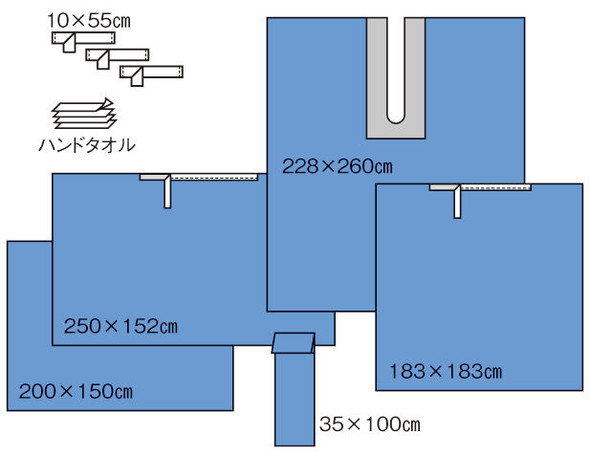
Solventum 3M Steri-Drape Orthopaedic Surgical Pack – No Natural Rubber Latex, The Absorbent Prevention Fabric
Solventum
$414.99The Solventum 3M Steri-Drape Orthopaedic Surgical Pack is a surgical pack for setting up a sterile field with the drapes and covers a procedure needs. Sterility comes as standard with this surgical...- SKU:
- 9012A
- Material:
- The Absorbent Prevention Fabric
- Latex-Free:
- Yes
- Sterile:
- Yes
$414.99 -
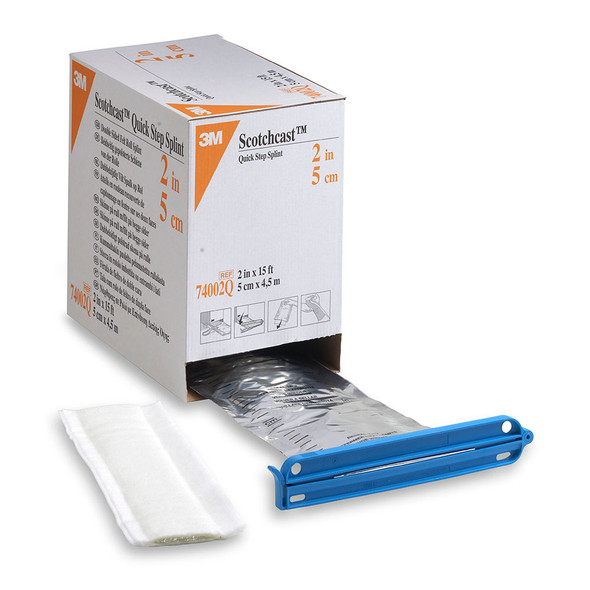
Solventum 3M Scotchcast Quick Step Double Sided Felt Roll Splint – Breathable, 4 Configuration Options
Solventum
$191.99 - $525.99The Solventum 3M Scotchcast Quick Step Double Sided Felt Roll is a splint roll used for custom-length splinting that immobilizes injured limbs. It comes in 4 options, starting with 74002Q.Easy-Open...$191.99 - $525.99 -

Solventum 3M Scotchcast Soft Cast Casting Tape – 3 in x 141.73 in, 2 in x 141.73 in, 13 Width Options
Solventum
$103.99 - $242.99The Solventum 3M Scotchcast Soft Cast Casting Tape is a casting tape for forming rigid casts that immobilize fractures while limbs heal. It comes in 13 options, starting with 82102B. Each pack of...- Size:
- 3 in x 141.73 in (7.6 x 360 cm)
- Quantity Per Box:
- 10/cs
$103.99 - $242.99 -

Solventum 3M Scotchcast Plus Casting Tape 82000 Series – 3 in x 141.73 in, 3.98 in x 141.73 in
Solventum
$109.99 - $214.99The Solventum 3M Scotchcast Plus Casting Tape 82000 Series is a casting tape used for forming rigid casts that immobilize fractures while limbs heal. It comes in 33 options, starting with 3M...- Size:
- 3 in x 141.73 in (7.6 x 360 cm)
- Quantity Per Box:
- 10/cs
$109.99 - $214.99 -

Solventum 3M Coban NL Non-Latex Self-Adherent Wrap with Hand Tear 208x Series – 2 in x 60 in
Solventum
$84.99 - $168.99The Solventum 3M Coban NL Non-Latex Self-Adherent Wrap with Hand is a self-adherent wrap used for securing dressings and supporting sprains without clips or tape. The line runs to 20 options, among...- Size:
- 2 in x 60 in (5.1 x 152.4 cm)
- Latex-Free:
- Yes
- Sterile:
- No
- Packaging:
- 36/cs, 24/cs, 18/cs, 12/cs
$84.99 - $168.99 -

Solventum 3M Coban Self-Adherent Wrap with Latex – Breathable, 11 Configuration Options, For Wound Care
Solventum
$78.99 - $126.99The Solventum 3M Coban Self-Adherent Wrap with Latex is a self-adherent wrap used for securing dressings and supporting sprains without clips or tape. The line runs to 11 options, among them 3M Coban...- Sterile:
- No
- Packaging:
- 30/cs, 36/cs, 24/cs, 18/cs, 12/cs
$78.99 - $126.99 -


First 8"x10" Trauma Pad – 24 per Box, 8"x10", The Sterile, For Dressing Changes and Wound Care
First Aid Only
$48.99The First 8"x10" Trauma Pad is a trauma pad built for dressing changes and wound care, with sterile format. When the treatment room gets busy, small frustrations with supplies add up fast. This...- SKU:
- 90869
- Quantity Per Box:
- 24/bx
- Size:
- 8"x10" (20.3 x 25.4 cm)
$48.99 -
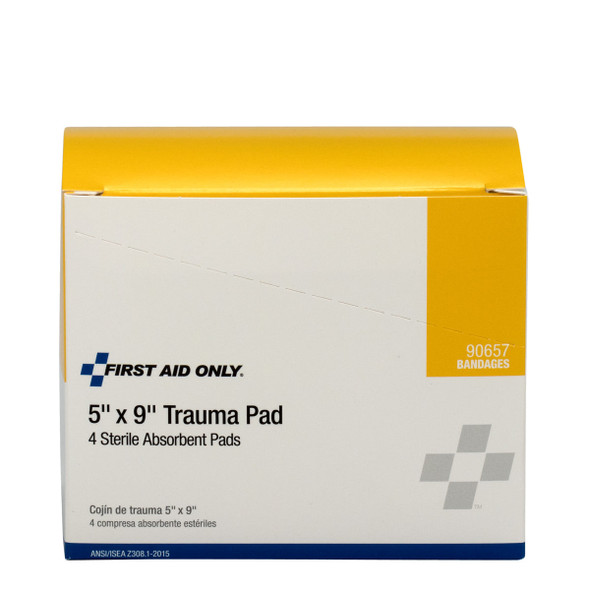
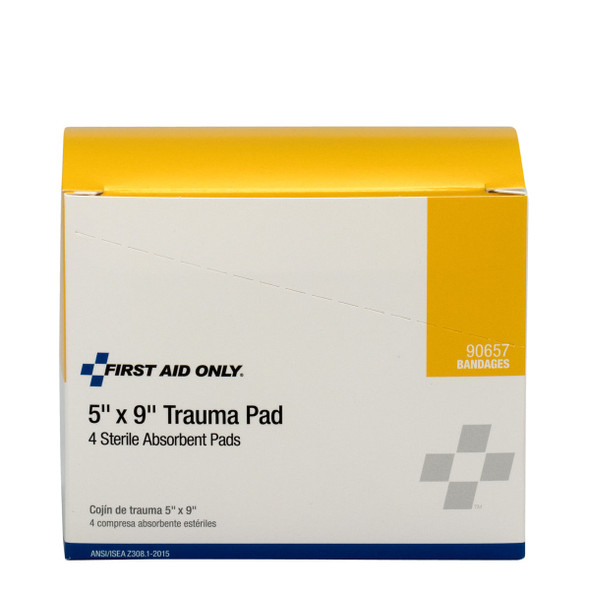
First 5"x9" Trauma Pad – 4 Per Box, 5"x9", The Sterile, For Dressing Changes and Wound Care
First Aid Only
$18.99The First 5"x9" Trauma Pad is a trauma pad built for dressing changes and wound care, with sterile format. When the treatment room gets busy, small frustrations with supplies add up fast. This trauma...- SKU:
- 90657
- Size:
- 5"x9" (12.7 x 22.9 cm)
- Quantity Per Box:
- 4/bx
$18.99 -
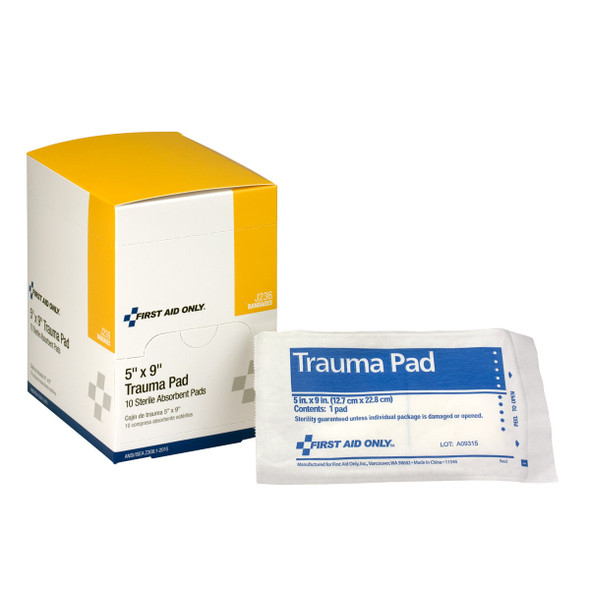
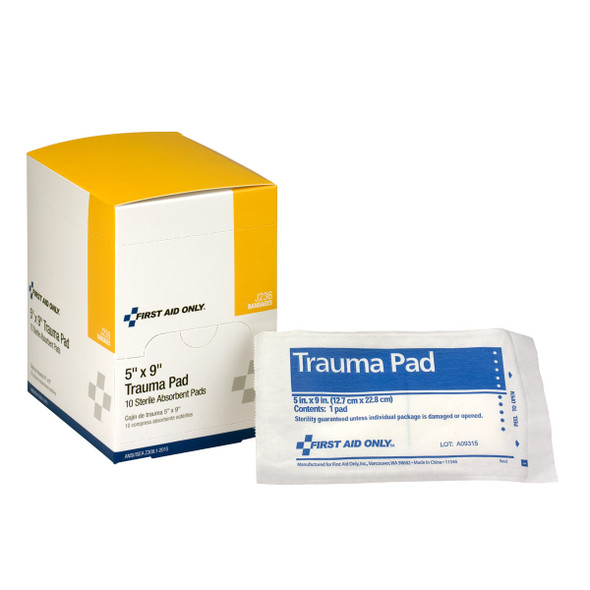
First 5"x9" Trauma Pad – 10 per Box, 5"x9", The Sterile, For Dressing Changes and Wound Care
First Aid Only
$21.99The First 5"x9" Trauma Pad is a trauma pad built for dressing changes and wound care, with sterile format. When the treatment room gets busy, small frustrations with supplies add up fast. This trauma...- SKU:
- J236
- Size:
- 5"x9" (12.7 x 22.9 cm)
- Quantity Per Box:
- 10/bx
$21.99 -
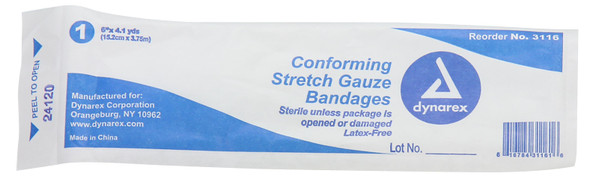

First 6"x4 Yd. Sterile Stretch Gauze – 1 Per Box, Latex-Free, When Moderate Compression Is Needed
First Aid Only
$15.99The First 6"x4 Yd. Sterile Stretch Gauze is a stretch gauze built for dressing changes and wound care, with dressing coverage. When the treatment room gets busy, small frustrations with supplies add...- SKU:
- 5-900
- Sterile:
- Yes
- Quantity Per Box:
- 1/bx
$15.99 -


First 4"x4 Yd. Sterile Stretch Gauze – 1 Per Box, Latex-Free, When Moderate Compression Is Needed
First Aid Only
$14.99The First 4"x4 Yd. Sterile Stretch Gauze is a stretch gauze built for dressing changes and wound care, with dressing coverage. When the treatment room gets busy, small frustrations with supplies add...- SKU:
- 5-800
- Sterile:
- Yes
- Quantity Per Box:
- 1/bx
$14.99 -


First 3"x4 Yd. Sterile Stretch Gauze – 1 Per Box, Latex-Free, When Moderate Compression Is Needed
First Aid Only
$14.99The First 3"x4 Yd. Sterile Stretch Gauze is a stretch gauze built for dressing changes and wound care, with dressing coverage. When the treatment room gets busy, small frustrations with supplies add...- SKU:
- 5-700
- Sterile:
- Yes
- Quantity Per Box:
- 1/bx
$14.99
About Bandages
Bandages are essential wound care products used to protect, secure, and support injuries of all kinds. Whether treating a small cut, sprain, or post-surgical wound, bandages help safeguard the affected area, promote healing, and provide comfort during recovery. They are a staple in first aid kits, hospitals, and households, offering a variety of options tailored for specific needs. From adhesive bandages to elastic wraps, bandages ensure that wounds remain clean, secure, and well-supported.
Why Are Bandages Important?
Bandages play a critical role in wound care for the following reasons:
- Protection: They shield wounds from dirt, bacteria, and external elements, reducing the risk of infection.
- Stability: Bandages provide support to injured areas, preventing further damage or irritation.
- Secure Dressings: They hold dressings, gauze, or ointments in place, ensuring effective treatment.
- Comfort: Soft and flexible materials reduce discomfort and protect sensitive areas during healing.
Types of Bandages
1. Adhesive Bandages
Adhesive bandages, commonly known as "band-aids," are small, pre-packaged dressings with an adhesive backing. They are ideal for everyday use and minor injuries.
Key Features:
- A built-in pad covers and protects the wound.
- Available in various sizes, shapes, and materials.
- Easy to apply and remove.
Best Uses:
- Minor cuts, scrapes, and abrasions.
- Blisters or small puncture wounds.
Advantages:
- Convenient and disposable.
- Portable and ideal for first aid kits.
2. Elastic Bandages (Compression Wraps)
Elastic bandages are stretchable wraps used to provide compression and support for sprains, strains, and joint injuries.
Key Features:
- Reusable and adjustable for a customized fit.
- Made from durable, stretchy fabric.
- Often equipped with clips or Velcro for secure fastening.
Best Uses:
- Supporting sprained ankles or wrists.
- Reducing swelling in injured areas.
- Securing ice packs or other cold therapy applications.
Advantages:
- Offers adjustable compression for stability.
- Durable and reusable for long-term use.
3. Cohesive Bandages
Cohesive bandages stick to themselves but not to the skin, hair, or wound. They are commonly used in sports medicine and veterinary care.
Key Features:
- Lightweight, stretchy material.
- Adheres to itself without additional fasteners.
- Comfortable and breathable.
Best Uses:
- Wrapping fingers, toes, or other areas prone to movement.
- Securing dressings or splints.
- Providing light compression for swelling or minor injuries.
Advantages:
- Non-sticky and pain-free removal.
- Flexible and easy to apply.
4. Tubular Bandages
Tubular bandages are seamless, elastic bandages that provide even pressure and support for limbs or joints.
Key Features:
- Cylindrical and slip-on design.
- Stretches to fit various body parts.
- Provides uniform compression and protection.
Best Uses:
- Protecting burns, cuts, or skin conditions.
- Supporting sprains or muscle injuries.
- Securing bulky dressings.
Advantages:
- No need for clips, tape, or fasteners.
- Comfortable for long-term wear.
5. Triangle Bandages
Triangle bandages are multi-purpose cloth bandages often used as slings or to secure larger dressings.
Key Features:
- Made from durable fabric, often cotton or muslin.
- Large, triangular shape for versatility.
- Can be used with safety pins to secure.
Best Uses:
- Creating slings for arm or shoulder injuries.
- Emergency first aid for stabilizing broken bones.
- Securing bulky or large dressings.
Advantages:
- Highly versatile for emergency use.
- Washable and reusable.
6. Hydrocolloid Bandages
Hydrocolloid bandages are advanced adhesive bandages that promote moist healing environments for faster recovery.
Key Features:
- Made with gel-forming agents to maintain moisture.
- Waterproof and long-lasting.
- Designed to reduce scarring.
Best Uses:
- Blisters or minor burns.
- Small wounds prone to dryness or irritation.
- Healing wounds that require a moist environment.
Advantages:
- Enhances healing while protecting the wound.
- Stays in place for several days.
7. Bandage Strips and Rolls
Bandage strips and rolls are versatile fabric or paper-based products that can be cut to size for customized wound care.
Key Features:
- Available in rolls or pre-cut strips.
- Lightweight, breathable material.
- Works well with antiseptics or gauze dressings.
Best Uses:
- Covering and securing large or irregularly shaped wounds.
- Supporting gauze pads or packing material.
Advantages:
- Customizable for unique wound shapes.
- Affordable and easy to use.
Benefits of Bandages
- Versatility: Bandages are suitable for a wide range of injuries, from minor scrapes to sprains and complex wounds.
- Ease of Use: Most bandages are simple to apply, even without professional assistance.
- Affordability: Bandages are cost-effective solutions for everyday wound care.
- Enhanced Healing: Advanced bandages like hydrocolloid options promote faster recovery.
- Comfort and Security: Materials are designed to reduce discomfort and stay in place during movement.
Common Use Cases for Bandages
- Minor Injuries: Adhesive bandages are perfect for quick treatment of everyday cuts, scrapes, and blisters.
- Sports Injuries: Elastic and cohesive bandages provide support and compression for sprains and strains.
- Post-Surgery Care: Bandage rolls and strips secure dressings for surgical wounds.
- Emergency Care: Triangle bandages stabilize injuries in first aid scenarios.
- Specialized Wounds: Hydrocolloid bandages protect blisters and burns while promoting healing.
FAQs: Bandages
Q: Can I reuse bandages?
A: Most adhesive and disposable bandages are single-use, but elastic wraps, cohesive bandages, and triangle bandages can be washed and reused.
Q: How often should I change a bandage?
A: Change bandages daily or whenever they become wet, dirty, or lose adhesion.
Q: Are bandages waterproof?
A: Many adhesive and hydrocolloid bandages are waterproof, while others like fabric bandages may not be. Always check the product label.
Q: What’s the difference between cohesive and elastic bandages?
A: Cohesive bandages stick to themselves without adhesives, while elastic bandages rely on fasteners like clips or Velcro.
Bandages are a cornerstone of effective wound care, offering protection, support, and comfort for injuries of all types. From adhesive strips for minor cuts to elastic wraps for joint injuries, there’s a bandage for every need. By selecting the right type of bandage, you can ensure optimal healing and safety for both everyday use and emergency care.
Frequently Asked Questions About Bandages
1. How do I choose the right bandage for my wound?
Adhesive Bandages: Best for minor cuts and scrapes. They come in various sizes and shapes for different wound locations.
Elastic Bandages: Provide support and compression for sprains or strains. They are adjustable and can be used to secure dressings in place.
Cohesive Bandages: Stick to themselves but not to the skin, making them ideal for wrapping areas where you need flexibility and comfort.