




Description
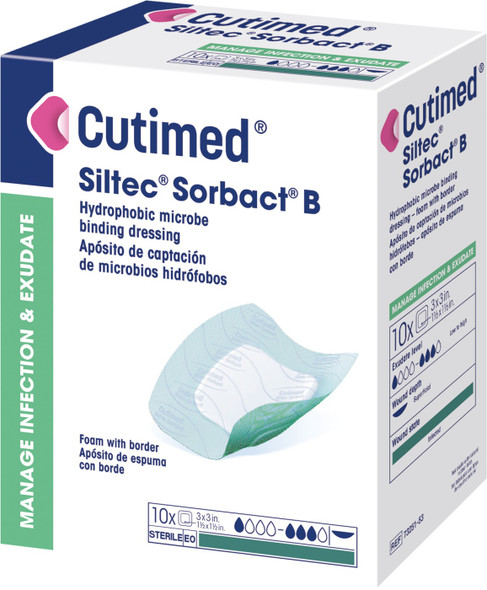
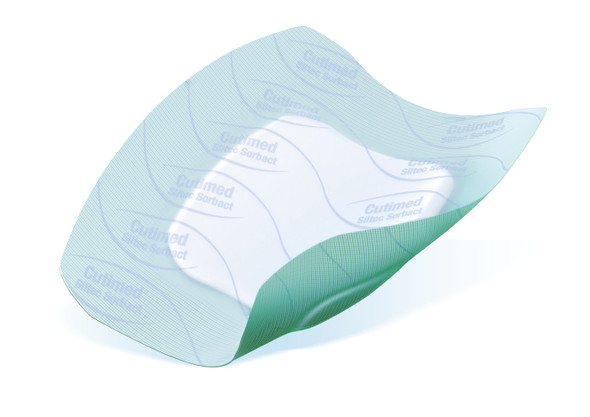
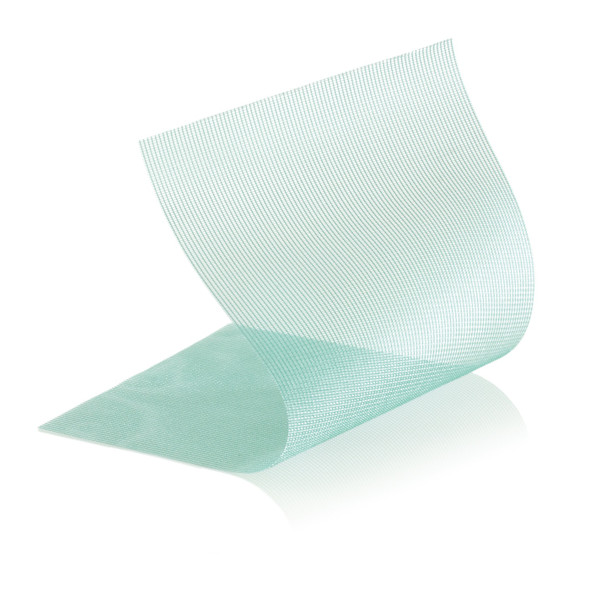
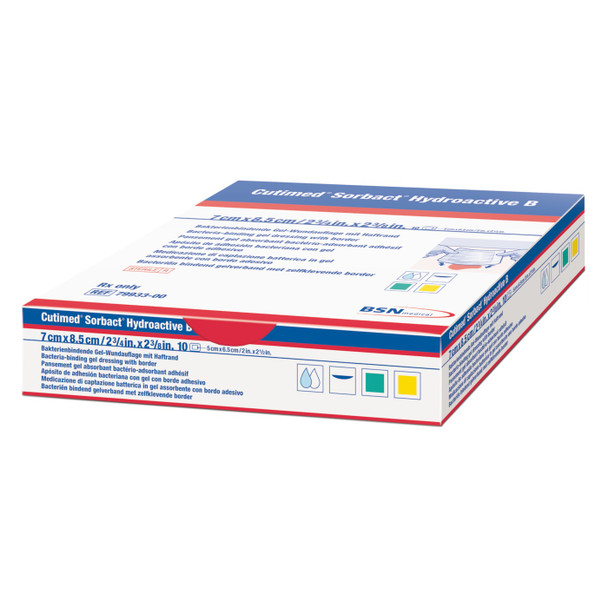
The Cutimed Sorbact Hydroactive B Gel Dressing is a bacteria-binding gel dressing whose absorbent matrix takes up fluid and gives moisture back, keeping sloughy wounds hydrated while it binds bacteria at the surface. A hydrogel fixation border seals the dressing to the skin, and four sizes run from small post-operative wounds to large chronic ulcers.
- Hydropolymer gel matrix – balances absorption and hydration, so the wound stays moist instead of drying out between changes.
- Bacteria-binding surface – the Sorbact layer captures hydrophobic bacteria on contact and removes them with the dressing.
- Hydrogel fixation border – an adhesive border containing no natural rubber latex, holding the dressing firmly in place.
A Gel Matrix That Absorbs, Hydrates and Binds Bacteria at Once
Sloughy and low-draining wounds stall when they dry out, and this dressing is built to keep them in the moist zone where autolytic debridement can work. Its hydropolymer core absorbs low to moderate exudate while donating hydration back to the wound bed at the same time. A semipermeable polyurethane film covers the matrix and manages moisture vapour while the gel does its work underneath. Against the wound, the green Sorbact surface binds bacteria and fungi by hydrophobic interaction, lowering bioburden without releasing any active agent. One dressing can stay in place for up to four days, and a cloudy or opaque look is the built-in signal that its absorption is spent.
Features and Benefits
The gel matrix, the film cover and the fixation border each handle a different part of the job. All four sizes share the same construction and differ only in dressing and pad dimensions.
Bacteria Binding
- Sorbact Binding Layer: hydrophobic bacteria and fungi bind to the dressing surface on contact and are removed when the dressing comes off.
- Physical Mode of Action: the dressing releases no active agents into the wound, and bacterial resistance is not expected to develop.
- Bioburden Reduction: in vitro work shows Sorbact Technology dressings able to inhibit the growth of the top five WHO pathogens.
Gel Matrix
- Hydropolymer Absorption: the matrix absorbs low to moderate exudate from partial to full thickness wounds.
- Moisture Balance: uptake and hydration are balanced against each other to maintain a moist wound environment.
- Autolytic Debridement Support: sustained moisture helps the wound break down and clear its own slough.
Border and Wear
- Hydrogel Fixation Border: the adhesive border fixes the dressing to the skin and contains no natural rubber latex.
- Semipermeable Film Cover: the polyurethane film over the matrix lets the dressing breathe while it absorbs.
- Visible Change Signal: the dressing is changed once it turns cloudy or opaque, and at the latest after four days.
Product Specifications
All four sizes are sterile gel dressings packed ten to a box. The reference number for each size appears beside it below.
Product Details
- Product Type: hydrophobic bacteria-binding absorbent gel dressing with adhesive border
- Indications: low to moderate exuding partial to full thickness wounds, clean, colonized, contaminated or infected
- Wound Types: venous and arterial ulcers, diabetic foot ulcers, pressure injuries, postoperative dehisced wounds and traumatic wounds
- Wear Time: up to four days where the clinical condition allows
- Sterility: sterile
- Latex Status: the hydrogel fixation border does not contain natural rubber latex
Sizes and Item Numbers
- Item number 7993300: 2.75 in x 2.375 in dressing, 2 in x 2.5 in wound pad, box of 10
- Item number 7993302: 5.5 in x 5.5 in dressing, 4 in x 4 in wound pad, box of 10
- Item number 7993303: 7.5 in x 7.5 in dressing, 6 in x 6 in wound pad, box of 10
- Item number 7993304: 5.5 in x 9.5 in dressing, 4 in x 8 in wound pad, box of 10
See the wider MedicalEx range of antimicrobial dressings and wound dressings for infected and chronic wounds.
Why Choose the Cutimed Sorbact Hydroactive B Gel Dressing?
Chronic wounds carrying slough need moisture management as much as bacteria control, and the gel matrix delivers both jobs in one application. The border fixes the dressing without a separate taping step at the end of the change. Four sizes keep the same routine running from small ulcers to large pressure injuries.
- Absorbs and hydrates – the hydropolymer matrix takes up fluid and donates moisture back, so the wound bed never dries out.
- Debridement support – a maintained moist environment helps the wound clear its slough without sharp intervention.
- Clear change cue – the dressing turns cloudy when its absorption is used up, taking the guesswork out of timing.
- Gentle fixation – a hydrogel border that holds firmly while staying free of natural rubber latex.
Frequently Asked Questions
Does the border contain latex?
No, the hydrogel fixation border does not contain natural rubber latex. That makes the dressing a workable choice for patients with a latex sensitivity who still need a bordered gel.
How does the dressing keep a wound moist?
The hydropolymer matrix balances absorption against hydration, taking up exudate while donating moisture back to the bed. The wound stays in the moist range that supports autolytic debridement and healing.
When should the dressing be changed?
Change it when it turns cloudy or opaque from absorbed fluid, when exudate reaches about a centimetre from the edge, or after four days at the latest. Infected wounds should be inspected more often than the maximum wear time.
What exudate levels can it handle?
It is built for low to moderate exudate in partial to full thickness wounds. A wound draining heavily will cloud the gel quickly and is better served by a foam or superabsorbent format.
Which sizes does it come in?
Four sizes run from 2.75 in x 2.375 in up to 7.5 in x 7.5 in, plus a longer 5.5 in x 9.5 in shape for elongated wounds. Each size is packed ten sterile dressings to a box.
Does the border dressing need anything over it?
The border fixes the dressing by itself in most placements, which is the point of the bordered format. On awkward body sites the manufacturer notes that additional fixation may be appropriate to keep the edges sealed.