Description
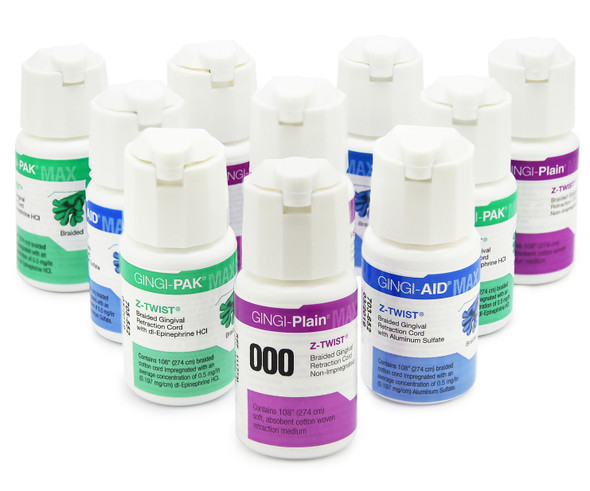
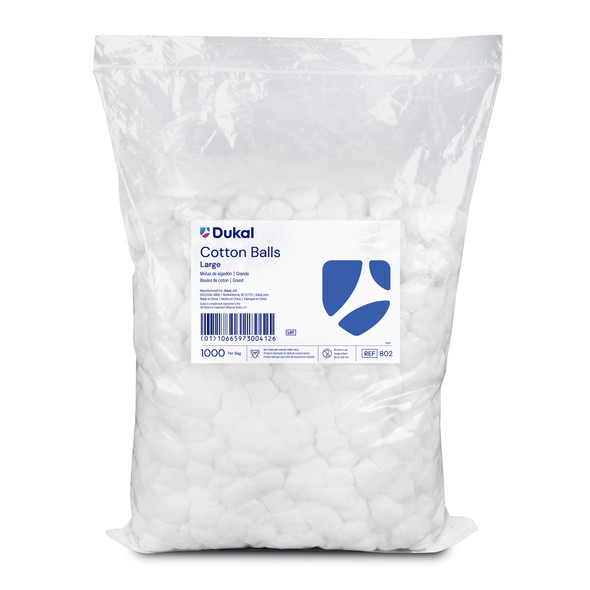
Gingi-Pak Cotton Pellets and Coil give the operatory two 100% cotton carriers for hemostasis and retraction work. The pellets control localized bleeding at a point, while the coil can be shaped to the sulcus depth and width as a substitute for retraction cord.
- Point and sulcus formats – pellets for localized bleeding, coil for shaped sulcus placement
- 100% cotton – absorbent natural cotton for carrying hemostatic solutions
- Epinephrine or plain – impregnated versions deliver hemostasis, plain versions take your chosen solution
- Coil shapes to the site – the coil conforms to sulcus depth and width instead of a fixed cord diameter
Cotton Carriers for Hemostasis Beyond the Cord Bottle
Not every hemostasis task is a cord task. Cotton pellets press a hemostatic directly onto a localized bleeding point, which is the fastest way to settle a single site before an impression or a cementation. The cotton coil answers a different problem: it can be shaped to the actual depth and width of the sulcus, serving as a substitute for retraction cord where a fixed diameter does not fit the anatomy. Both forms are 100% cotton and highly absorbent, so they carry solutions effectively. The epinephrine versions arrive impregnated for immediate use, and the plain versions pair with ferric sulfate or aluminum chloride solutions, including the Stasis solution whose manufacturer recommends plain pellets as its carrier.
Features and Benefits
Clinical Uses
- Localized bleeding control – pellets hold hemostatic pressure and solution on one bleeding point
- Cord substitute – the coil shapes to sulcus dimensions where cord diameters fall short
- Solution delivery – absorbent cotton carries jar hemostatics into the sulcus evenly
Formats
- Pellets – small cotton pellets for point application and cavity work
- Coil – a continuous cotton form that is cut and shaped at the chair
- Two chemistries – epinephrine impregnated or plain in both formats
Product Specifications
Product Facts
- Material – 100% cotton
- Formats – pellets and coil
- Impregnation options – epinephrine impregnated (Gingi-Pak) or non-impregnated (Gingi-Plain)
- Recommended pairing – the Stasis solution page recommends Gingi-Plain pellets as its carrier
Ordering Information
- SKU 10135 – Gingi-Pak Cotton Pellets, epinephrine impregnated
- SKU 10140 – Gingi-Pak Cotton Coil, epinephrine impregnated
- SKU 11135 – Gingi-Plain Cotton Pellets, non-impregnated
- SKU 11140 – Gingi-Plain Cotton Coil, non-impregnated
Add the hemostatic solutions these carriers deliver from our dental supplies selection, and see the cords they complement on the Gingi-Pak brand page.
Why Choose Cotton Pellets and Coil
Pellets and coil are the inexpensive problem-solvers that keep a procedure from stalling on an odd sulcus or a stubborn pinpoint bleed. They cost little shelf space and cover techniques cord cannot. Every tissue-management drawer should hold both formats.
- Right tool for odd anatomy – the coil shapes to the sulcus instead of forcing a standard diameter
- Fast point hemostasis – a pellet settles a single bleeding site without packing a full cord
- Solution-ready – plain versions are the recommended carriers for the jar hemostatics in this catalog
- Always on hand – low-cost consumables that prevent mid-procedure scrambles
Frequently Asked Questions
When do I use pellets instead of cord?
Use pellets to control localized bleeding at a specific point, pressing the hemostatic onto the site. Cord is better for full sulcus retraction around a preparation.
How does the coil substitute for cord?
The coil can be shaped to the sulcus depth and width, so it fits anatomy that fixed cord diameters do not match. It is cut and formed at the chair for each case.
Which version works with ferric sulfate solution?
Use the Gingi-Plain pellets or coil (11135, 11140) with jar solutions. The Stasis ferric sulfate page specifically recommends Gingi-Plain cotton pellets.
Are the epinephrine versions pre-treated?
Yes, the Gingi-Pak versions (10135, 10140) are impregnated with epinephrine for hemostasis. They are ready to use without added solution.
Can the coil replace cord for a full preparation?
The coil is shaped to the sulcus depth and width, so it can serve as a substitute for retraction cord where fixed diameters fit poorly. For routine preparations, most clinicians still reach for cord first and keep the coil for the anatomy that defeats it.