
Home Diagnostics
Home Diagnostic tools are revolutionizing how we care for ourselves. They allow you to monitor vital signs, manage chronic conditions, and detect potential health issues from the comfort of your home. These tools provide precision and convenience, empowering people to stay on top of their well-being. Whether it’s blood pressure monitors, thermometers, or heart rate trackers, home diagnostics are essential for anyone who values their health.
Why Home Diagnostics Matter
Your health shouldn’t wait. With home diagnostic tools, you can track your body’s signals in real time. These devices make it easy to stay proactive, offering early detection of potential issues. They also simplify managing chronic illnesses, ensuring you always have the insights you need. No waiting rooms, no delays—just you and your health, on your terms.
Why Home Diagnostic Tools Are Easy to Use
Home diagnostic tools are designed with simplicity in mind, ensuring everyone—regardless of technical expertise—can use them effectively.
- Intuitive Interfaces: Most devices feature simple screens, buttons, and instructions that make them easy to operate.
- Clear Results: Large displays and digital outputs ensure readings are easy to read and understand.
- Pre-Calibrated for Accuracy: Many tools are ready to use straight out of the box, requiring no complicated setup.
- Portable Designs: Lightweight and compact, these devices are easy to store and transport.
- Minimal Training Needed: Most tools come with user manuals or app tutorials for step-by-step guidance.
Whether you're a senior monitoring blood pressure or a parent taking your child’s temperature, these devices make home health checks simple and stress-free.
Why Every Home Should Have Them
Every home should have basic diagnostic tools because they empower families to prioritize health and respond to medical concerns without delay.
- Early Detection: Spotting problems early, such as a fever or fluctuating oxygen levels, can lead to faster medical intervention and better outcomes.
- Chronic Condition Management: Tools like blood glucose meters or blood pressure monitors help individuals monitor conditions like diabetes or hypertension consistently.
- Emergency Readiness: Having devices like thermometers or pulse oximeters ensures you can act quickly during health crises.
- Preventive Care: Regular use of these tools keeps you informed, helping to prevent minor issues from becoming major problems.
- Peace of Mind: Knowing you can check vital signs or health metrics at any time reduces stress and builds confidence.
Investing in diagnostic tools ensures that your home is equipped to handle everyday health needs and emergencies alike.
Types of Home Diagnostic Tools
1. Blood Pressure Monitors
Best for: Monitoring blood pressure to manage hypertension and cardiovascular health.
Blood pressure monitors are essential for tracking heart health and identifying early signs of hypertension. They ensure users can monitor systolic and diastolic readings accurately and frequently. These devices are particularly important for individuals with cardiovascular conditions or those at risk of stroke or heart disease.
Options to Consider:
- Upper Arm Blood Pressure Monitors: Most accurate and commonly recommended by healthcare professionals.
- Wrist Blood Pressure Monitors: Portable and convenient, ideal for on-the-go monitoring or quick checks.
- Finger Blood Pressure Monitors: A lightweight, quick option for occasional use.
- Bluetooth-Enabled Monitors: Sync with apps for trend tracking and easy data storage.
- Manual Blood Pressure Kits: Include a stethoscope and sphygmomanometer, trusted for traditional monitoring.
2. Pulse Oximeters
Best for: Measuring oxygen levels and heart rate, especially for respiratory conditions.
Pulse oximeters provide a fast, non-invasive way to monitor blood oxygen levels and heart rate. These tools are critical for respiratory health, particularly for individuals with conditions like asthma, COPD, or sleep apnea. They are also commonly used in post-surgical recovery to ensure proper oxygenation.
Options to Consider:
- Fingertip Models: Compact, lightweight, and quick to use.
- Handheld Oximeters: Larger devices that store data for long-term monitoring.
- Wearable Pulse Oximeters: Perfect for fitness enthusiasts or continuous health tracking.
- Pediatric Pulse Oximeters: Smaller, gentle designs ideal for children.
3. Thermometers
Best for: Detecting and monitoring fevers or temperature changes during illness.
Thermometers are key for identifying fevers, a common sign of infections or other health issues. They are versatile tools for use in homes, especially for families managing illnesses like the flu or recovering from surgery. Accurate readings help users respond quickly to health concerns.
Options to Consider:
- Non-Contact Infrared Thermometers: Hygienic and ideal for family use.
- Oral Digital Thermometers: Simple and effective for quick readings.
- Forehead Thermometers: Gentle and perfect for infants or young children.
- Ear Thermometers: Accurate and ideal for pediatric care.
- Wearable Thermometers: Offers continuous monitoring for long-term care.
4. Blood Glucose Meters
Best for: Managing diabetes through accurate daily blood sugar monitoring.
Blood glucose meters are indispensable for individuals managing diabetes. They provide reliable and quick readings to help users adjust medications, diets, and routines. These tools ensure that users can manage their blood sugar levels effectively, reducing the risk of complications.
Options to Consider:
- Compact Meters: Small, portable devices for everyday use.
- Continuous Glucose Monitors (CGMs): Provide real-time updates on glucose levels throughout the day.
- Bluetooth-Enabled Meters: Connect to apps for tracking trends and creating detailed reports.
- Supplies: Test strips and lancets ensure accurate, consistent readings.
5. Heart Rate Monitors
Best for: Tracking cardiovascular health and maintaining safe heart rates during exercise.
Heart rate monitors are crucial for monitoring heart health during exercise or recovery. They help users maintain safe heart rates and detect irregularities early. These devices are popular with fitness enthusiasts and individuals managing cardiovascular conditions.
Options to Consider:
- Chest Straps: Offer the highest accuracy, especially during intense exercise.
- Wristband Monitors: Convenient, lightweight, and often include additional features like calorie tracking.
- ECG-Enabled Devices: Advanced options for detecting irregular rhythms or arrhythmias.
- Bluetooth Monitors: Sync with apps to provide real-time insights and health metrics.
6. Scales
Best for: Monitoring weight, BMI, and body composition for overall health tracking.
Scales are versatile tools for tracking weight and other health metrics like BMI and fat percentage. They are widely used for fitness goals, chronic disease management, and monitoring growth in children or patients in home care. Smart scales offer deeper insights and better tracking capabilities.
Options to Consider:
- Digital Scales: Accurate and user-friendly for everyday weight tracking.
- Smart Scales: Measure BMI, fat percentage, muscle mass, and more, with app connectivity for detailed insights.
- Baby Scales: Ensure precise weight tracking for infants, ideal for monitoring growth milestones.
- Wheelchair Scales: Provide accessible weighing options for individuals with mobility challenges.
- Body Composition Analyzers: Offer advanced health metrics to support fitness and wellness goals.
Features That Make These Tools Stand Out
- User-Friendly Designs: Simple interfaces make these tools accessible to everyone.
- Portable and Lightweight: Compact designs are easy to store or take on the go.
- Accurate and Reliable: Trusted results give you confidence in your health decisions.
- Advanced Tracking: Many devices offer memory functions to save readings over time.
- Customizable for All Ages: Options for children, adults, and those with specific needs.
The Benefits of Home Diagnostics
1. Take Control of Your Health
Track your vitals on your schedule. No appointments, no delays.
2. Spot Issues Early
Catch warning signs before they turn into bigger problems.
3. Manage Chronic Conditions
Stay ahead of conditions like diabetes, hypertension, or asthma with real-time data.
4. Learn About Your Body
Understand your health trends and make informed lifestyle choices.
5. Peace of Mind
There’s nothing like knowing you’re in charge of your health.
How to Choose the Right Tools
- What Do You Need? Identify your key health priorities—blood pressure, glucose, or heart rate.
- Is It Accurate? Look for FDA-approved devices with high ratings.
- Will It Fit Your Life? Choose lightweight, portable options for ease of use.
- Does It Track Data? Devices with memory functions let you see progress over time.
- Can It Grow With You? Smart devices with app connectivity provide long-term benefits.
FAQs
1. Are home diagnostic tools reliable?
Yes! Many are FDA-approved and deliver results comparable to clinical devices.
2. Can kids use these tools?
Absolutely. Look for pediatric-specific models, such as smaller pulse oximeters or gentle thermometers.
3. How do I keep tools clean?
Use alcohol wipes or disinfectants to sanitize after each use.
4. Should I share my devices?
Only share if the device is designed for multi-user functionality. Always clean between uses.
Related Products
Pair your home diagnostics with fitness trackers, first aid kits, or medical scales to create a full health setup. Visit our blog for tips on choosing and using your tools effectively.
Start your health journey today with Home Diagnostic Tools. From blood glucose meters to smart scales, find the perfect tools to monitor your health with ease and confidence.
Shop By Category
-


Masimo Radical-7 Handheld Pulse CO-Oximeter with SpO2, Pulse Rate and Perfusion Index Monitoring
Masimo
$2,649.99The Masimo Radical-7 is a handheld Pulse CO-Oximeter that also docks for bedside monitoring. It is made for bedside monitoring, transport and step-down care areas, and it works with RD SET, RD...$2,649.99 -


Masimo Root Patient Monitoring and Connectivity Platform with Blood Pressure and Temperature Kit Options
Masimo
$3,688.99 - $3,830.99The Masimo Root is a patient monitoring and connectivity platform. It measures noninvasive blood pressure, temperature and pulse rate, with plug-and-play expansion for Masimo measurements for...$3,688.99 - $3,830.99 -


ADC Adtemp 429 Wall Cradle, Clear Acrylic Mount for the Adtemp 429 Thermometer with Installation Hardware
ADC
$45.99The Adtemp 429 Wall Cradle gives the Adtemp 429 non-contact thermometer a fixed home on the wall, in clear acrylic that keeps the instrument visible, charged with readiness, and off the counter. It...$45.99 -


ADC Adtemp Digital Thermometer Sheaths, Disposable Probe Covers for Oral and Rectal Use, Boxes of 50 and 100
ADC
$14.99 - $17.99The Adtemp Thermometer Sheaths are the disposable barrier between one patient and the next, a non-sterile sheath that keeps a digital stick thermometer clean through oral and rectal use. They are...$14.99 - $17.99 -

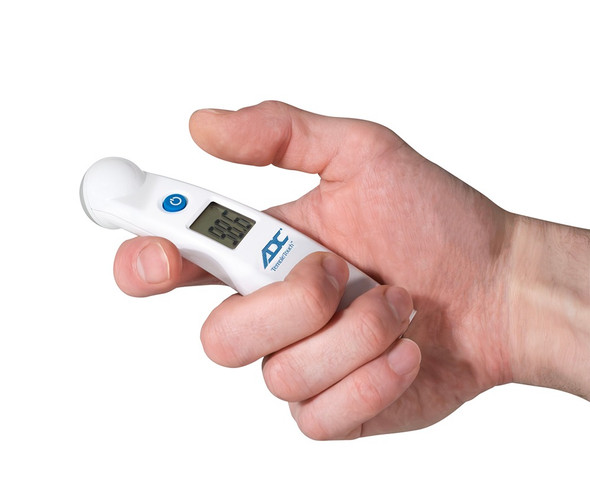
ADC Adtemp 427 Temple Touch Thermometer with Non-Invasive Conductive Technology, 6 Second Readings
ADC
$346.99 - $374.99The Adtemp 427 Temple Touch reads forehead temperature in about six seconds without entering anything, using patented conductive technology at the temple. For sleeping children, infection-conscious...$346.99 - $374.99 -
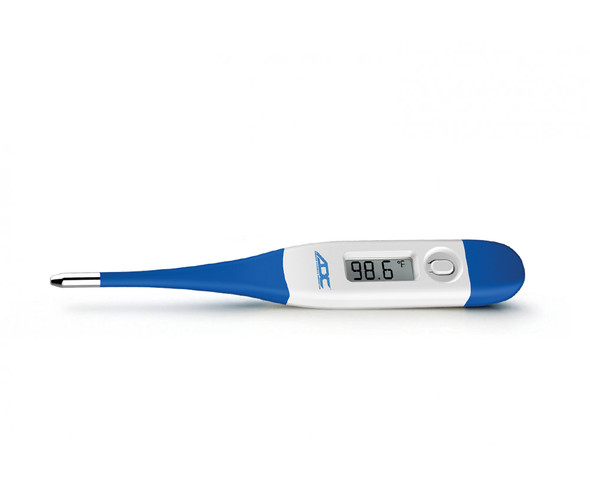

ADC Adtemp 415 Digital Thermometer with 18 Second Oral Readings, Large LCD, Last-Reading Memory and Sheaths
ADC
$21.99The Adtemp 415 bends where patients need it to, with a flexible tip that makes oral and rectal readings safer and more comfortable in about 10 to 18 seconds. Peak-hold readings, a large display, and...$21.99 -


ADC Adtemp 412 Digital Thermometer, Single-Patient Stick Thermometer in Bulk Pack of 20 with Storage Case
ADC
$101.99The Adtemp 412 is ADC's super low-cost digital stick, sized at 5 inches and 11 grams and packed 20 to a box for single-patient assignment across a whole unit. It gives infection-conscious facilities...$101.99 -
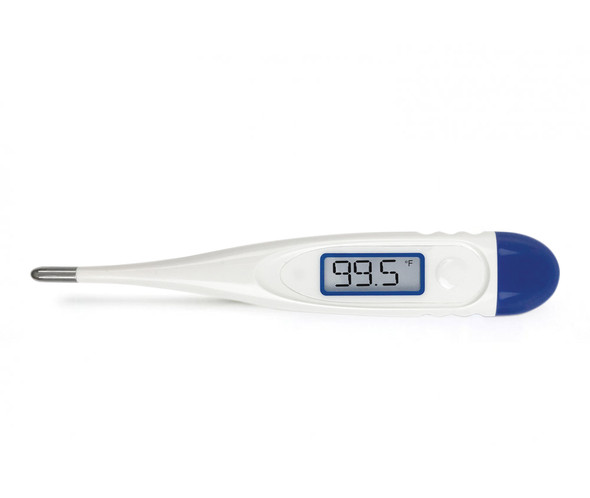

ADC Adtemp 419 Hypothermia Digital Thermometer with Extended Range from 78.0 to 111.9 Degrees, 12 per Pack
ADC
$224.99The Adtemp 419 is the world's first digital stick hypothermia thermometer, extending its range down to 78.0 degrees Fahrenheit where standard thermometers simply stop reading. For perioperative,...$224.99 -

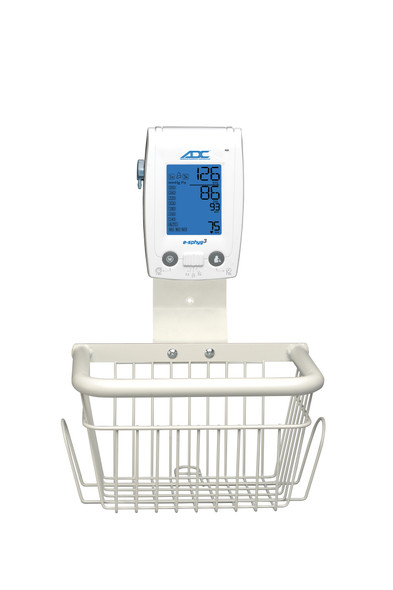
ADC E-Sphyg 3 Wall Mount with Cuff Storage Basket, Mounting Plate and Hardware for Exam Room Installation
ADC
$148.99The E-Sphyg 3 Wall Mount fixes the e-sphyg 3 to the exam room wall on a custom plate, with a roomy built-in basket that keeps cuffs and cords off the counter. It can also hang on an Adstation EENT...$148.99 -
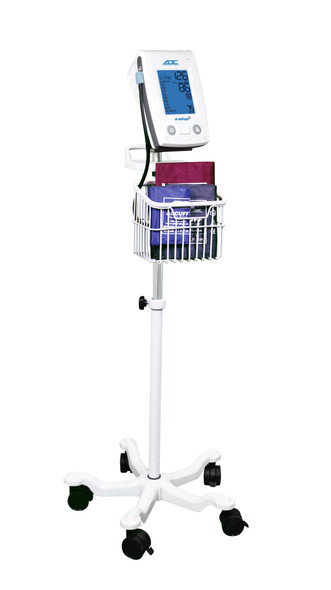
ADC E-Sphyg 3 Mobile Stand with Five Rolling Casters, Cuff Storage Basket and Mounting Bracket
ADC
$312.99The E-Sphyg 3 Mobile Stand puts the e-sphyg 3 on five rolling casters with a cuff storage basket, so the monitor travels room to room instead of being carried by its handle. For shared-equipment...$312.99 -


ADC E-Sphyg 3 Desk Caddy, Acrylic Vitals Station Organizer for Monitor, Thermometer, Oximeter
ADC
$76.99 - $126.99The E-Sphyg 3 Desk Caddy builds a mini vitals station on the desk, holding the e-sphyg 3 monitor with its cuffs and cords, a non-contact thermometer, and a fingertip pulse oximeter in one acrylic...$76.99 - $126.99 -

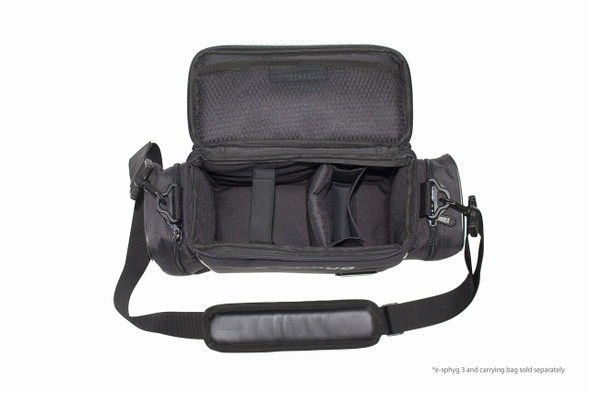
ADC E-Sphyg 3 Padded Carrying Case with Shoulder Strap and Side Pouches for Cuffs and Power Supply
ADC
$130.99The E-Sphyg 3 Carrying Case is custom-sized for the e-sphyg 3 monitor, its cuffs, and its power supply, with a padded, compartmentalized interior that keeps the set a set. For clinicians who move the...$130.99 -

ADC Advantage 6005 Home Blood Pressure Kit with D-Ring Cuff, Attached Nursescope, Gauge and Carrying Case
ADC
$55.99The Advantage 6005 Home Blood Pressure Kit gives home users the manual method clinicians use, with a self-adjusting D-ring cuff that one hand can apply and a dial printed in bold white numerals on...$55.99 -


ADC System 5 Five-Cuff Sphygmomanometer Kit with Palm-Style Manometer, One-Piece Cuffs and Attaché Case
ADC
$424.99The System 5 packs five cuffs, a palm-style manometer, and a trigger-release valve into a 10 by 9 inch attaché case, so one kit honestly covers every patient size a responder meets. Its bayonet...$424.99 -


ADC Diagnostix 752M Mobile Sphygmomanometer with 6 Inch Luminescent Dial, Spider-Leg Stand and Cuff Basket
ADC
$385.99The Diagnostix 752M rolls the 6-inch luminescent clock dial to whichever bed needs it, on a height-adjustable Spider-Leg stand that spans 34 to 48 inches. It gives wards and clinics one precision...$385.99 -


ADC Diagnostix 750W Wall-Mounted Sphygmomanometer with 6 Inch Luminescent Dial and Adcuff Inflation System
ADC
$158.99The Diagnostix 750W puts a 6-inch luminescent clock dial on the wall of the exam room, readable in virtually any light and always exactly where the clinician left it. The wall bracket swivels 110...$158.99 -
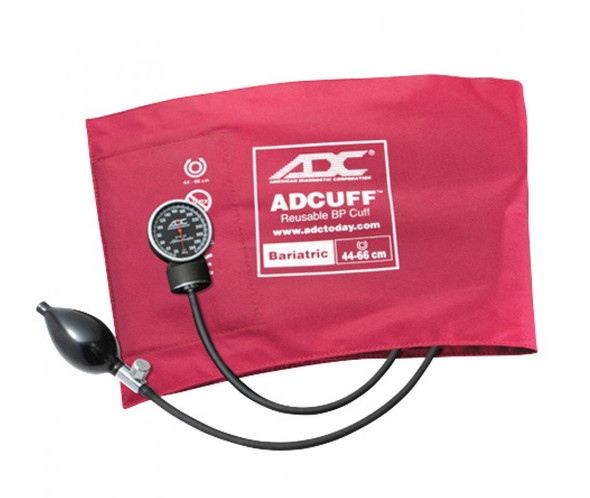

ADC Diagnostix 720 Bariatric Sphygmomanometer with 300 mmHg Manometer, Cuff for Limbs 44 to 66 cm, Carry Case
ADC
$113.99The Diagnostix 720 Bariatric Sphygmomanometer is a complete pocket-style aneroid built around the bariatric cuff, so larger arms get a precision 300 mmHg Japanese-engineered manometer and a curved,...$113.99 -
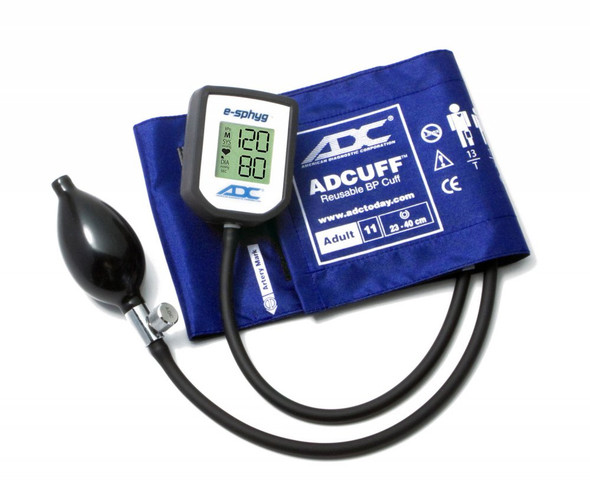
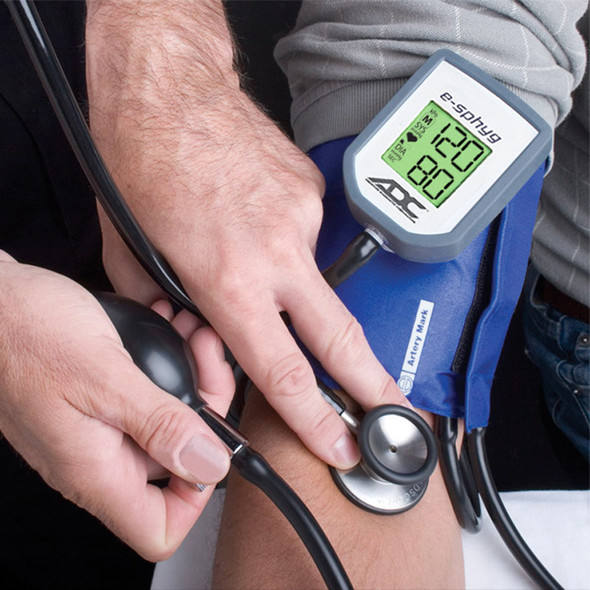
ADC E-Sphyg 7002 Aneroid Sphygmomanometer, Backlit LCD Gauge with Systolic Assist and Lifetime Recalibration
ADC
$111.99The E-Sphyg 7002 replaces the fragile mechanical movement of an aneroid gauge with digital circuitry that survives five-foot drops, while keeping the auscultatory method clinicians trust. Its backlit...$111.99 -

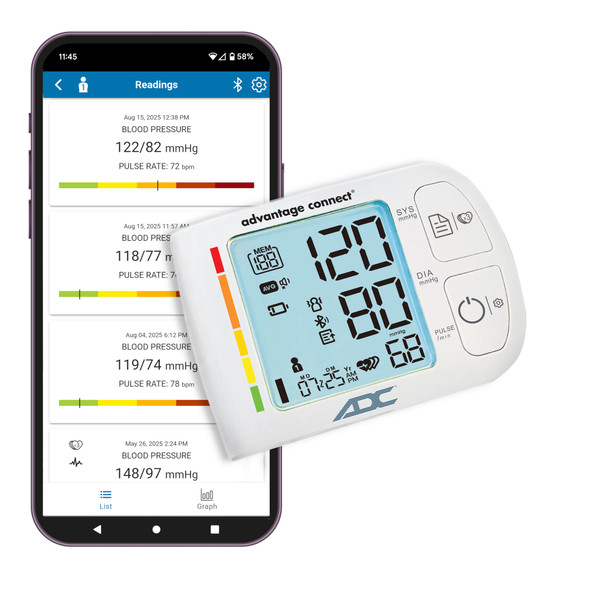
ADC Advantage Connect 6115 Wrist Blood Pressure Monitor with Bluetooth, MAM Averaging and App Tracking
ADC
$79.99The Advantage Connect 6115 puts a clinically minded wrist monitor on the arm that travels with you, then sends every reading to the free ADC@Home app by Bluetooth. It separates morning and evening...$79.99 -
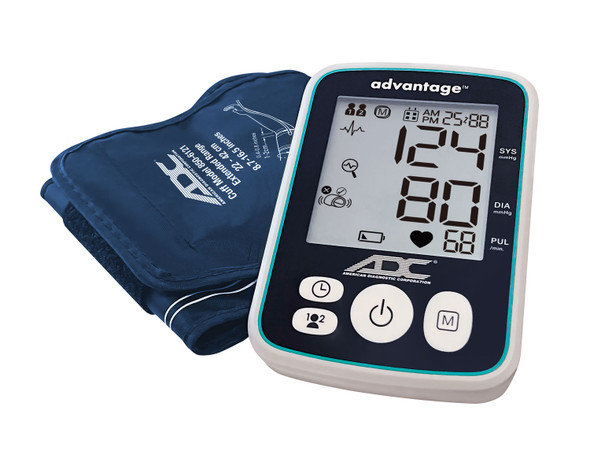
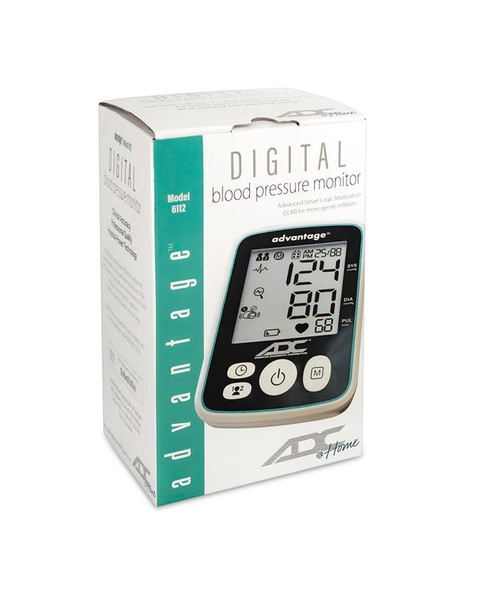
ADC Advantage 6112 Upper Arm Blood Pressure Monitor with Smart Logic Modulation and Automatic Fit Check
ADC
$75.99The Advantage 6112 checks its own cuff fit during every measurement, catching the placement errors that quietly corrupt home readings. Paired with measurement during inflation, it gives home users...$75.99
About Home Diagnostics
Home Diagnostic tools are revolutionizing how we care for ourselves. They allow you to monitor vital signs, manage chronic conditions, and detect potential health issues from the comfort of your home. These tools provide precision and convenience, empowering people to stay on top of their well-being. Whether it’s blood pressure monitors, thermometers, or heart rate trackers, home diagnostics are essential for anyone who values their health.
Why Home Diagnostics Matter
Your health shouldn’t wait. With home diagnostic tools, you can track your body’s signals in real time. These devices make it easy to stay proactive, offering early detection of potential issues. They also simplify managing chronic illnesses, ensuring you always have the insights you need. No waiting rooms, no delays—just you and your health, on your terms.
Why Home Diagnostic Tools Are Easy to Use
Home diagnostic tools are designed with simplicity in mind, ensuring everyone—regardless of technical expertise—can use them effectively.
- Intuitive Interfaces: Most devices feature simple screens, buttons, and instructions that make them easy to operate.
- Clear Results: Large displays and digital outputs ensure readings are easy to read and understand.
- Pre-Calibrated for Accuracy: Many tools are ready to use straight out of the box, requiring no complicated setup.
- Portable Designs: Lightweight and compact, these devices are easy to store and transport.
- Minimal Training Needed: Most tools come with user manuals or app tutorials for step-by-step guidance.
Whether you're a senior monitoring blood pressure or a parent taking your child’s temperature, these devices make home health checks simple and stress-free.
Why Every Home Should Have Them
Every home should have basic diagnostic tools because they empower families to prioritize health and respond to medical concerns without delay.
- Early Detection: Spotting problems early, such as a fever or fluctuating oxygen levels, can lead to faster medical intervention and better outcomes.
- Chronic Condition Management: Tools like blood glucose meters or blood pressure monitors help individuals monitor conditions like diabetes or hypertension consistently.
- Emergency Readiness: Having devices like thermometers or pulse oximeters ensures you can act quickly during health crises.
- Preventive Care: Regular use of these tools keeps you informed, helping to prevent minor issues from becoming major problems.
- Peace of Mind: Knowing you can check vital signs or health metrics at any time reduces stress and builds confidence.
Investing in diagnostic tools ensures that your home is equipped to handle everyday health needs and emergencies alike.
Types of Home Diagnostic Tools
1. Blood Pressure Monitors
Best for: Monitoring blood pressure to manage hypertension and cardiovascular health.
Blood pressure monitors are essential for tracking heart health and identifying early signs of hypertension. They ensure users can monitor systolic and diastolic readings accurately and frequently. These devices are particularly important for individuals with cardiovascular conditions or those at risk of stroke or heart disease.
Options to Consider:
- Upper Arm Blood Pressure Monitors: Most accurate and commonly recommended by healthcare professionals.
- Wrist Blood Pressure Monitors: Portable and convenient, ideal for on-the-go monitoring or quick checks.
- Finger Blood Pressure Monitors: A lightweight, quick option for occasional use.
- Bluetooth-Enabled Monitors: Sync with apps for trend tracking and easy data storage.
- Manual Blood Pressure Kits: Include a stethoscope and sphygmomanometer, trusted for traditional monitoring.
2. Pulse Oximeters
Best for: Measuring oxygen levels and heart rate, especially for respiratory conditions.
Pulse oximeters provide a fast, non-invasive way to monitor blood oxygen levels and heart rate. These tools are critical for respiratory health, particularly for individuals with conditions like asthma, COPD, or sleep apnea. They are also commonly used in post-surgical recovery to ensure proper oxygenation.
Options to Consider:
- Fingertip Models: Compact, lightweight, and quick to use.
- Handheld Oximeters: Larger devices that store data for long-term monitoring.
- Wearable Pulse Oximeters: Perfect for fitness enthusiasts or continuous health tracking.
- Pediatric Pulse Oximeters: Smaller, gentle designs ideal for children.
3. Thermometers
Best for: Detecting and monitoring fevers or temperature changes during illness.
Thermometers are key for identifying fevers, a common sign of infections or other health issues. They are versatile tools for use in homes, especially for families managing illnesses like the flu or recovering from surgery. Accurate readings help users respond quickly to health concerns.
Options to Consider:
- Non-Contact Infrared Thermometers: Hygienic and ideal for family use.
- Oral Digital Thermometers: Simple and effective for quick readings.
- Forehead Thermometers: Gentle and perfect for infants or young children.
- Ear Thermometers: Accurate and ideal for pediatric care.
- Wearable Thermometers: Offers continuous monitoring for long-term care.
4. Blood Glucose Meters
Best for: Managing diabetes through accurate daily blood sugar monitoring.
Blood glucose meters are indispensable for individuals managing diabetes. They provide reliable and quick readings to help users adjust medications, diets, and routines. These tools ensure that users can manage their blood sugar levels effectively, reducing the risk of complications.
Options to Consider:
- Compact Meters: Small, portable devices for everyday use.
- Continuous Glucose Monitors (CGMs): Provide real-time updates on glucose levels throughout the day.
- Bluetooth-Enabled Meters: Connect to apps for tracking trends and creating detailed reports.
- Supplies: Test strips and lancets ensure accurate, consistent readings.
5. Heart Rate Monitors
Best for: Tracking cardiovascular health and maintaining safe heart rates during exercise.
Heart rate monitors are crucial for monitoring heart health during exercise or recovery. They help users maintain safe heart rates and detect irregularities early. These devices are popular with fitness enthusiasts and individuals managing cardiovascular conditions.
Options to Consider:
- Chest Straps: Offer the highest accuracy, especially during intense exercise.
- Wristband Monitors: Convenient, lightweight, and often include additional features like calorie tracking.
- ECG-Enabled Devices: Advanced options for detecting irregular rhythms or arrhythmias.
- Bluetooth Monitors: Sync with apps to provide real-time insights and health metrics.
6. Scales
Best for: Monitoring weight, BMI, and body composition for overall health tracking.
Scales are versatile tools for tracking weight and other health metrics like BMI and fat percentage. They are widely used for fitness goals, chronic disease management, and monitoring growth in children or patients in home care. Smart scales offer deeper insights and better tracking capabilities.
Options to Consider:
- Digital Scales: Accurate and user-friendly for everyday weight tracking.
- Smart Scales: Measure BMI, fat percentage, muscle mass, and more, with app connectivity for detailed insights.
- Baby Scales: Ensure precise weight tracking for infants, ideal for monitoring growth milestones.
- Wheelchair Scales: Provide accessible weighing options for individuals with mobility challenges.
- Body Composition Analyzers: Offer advanced health metrics to support fitness and wellness goals.
Features That Make These Tools Stand Out
- User-Friendly Designs: Simple interfaces make these tools accessible to everyone.
- Portable and Lightweight: Compact designs are easy to store or take on the go.
- Accurate and Reliable: Trusted results give you confidence in your health decisions.
- Advanced Tracking: Many devices offer memory functions to save readings over time.
- Customizable for All Ages: Options for children, adults, and those with specific needs.
The Benefits of Home Diagnostics
1. Take Control of Your Health
Track your vitals on your schedule. No appointments, no delays.
2. Spot Issues Early
Catch warning signs before they turn into bigger problems.
3. Manage Chronic Conditions
Stay ahead of conditions like diabetes, hypertension, or asthma with real-time data.
4. Learn About Your Body
Understand your health trends and make informed lifestyle choices.
5. Peace of Mind
There’s nothing like knowing you’re in charge of your health.
How to Choose the Right Tools
- What Do You Need? Identify your key health priorities—blood pressure, glucose, or heart rate.
- Is It Accurate? Look for FDA-approved devices with high ratings.
- Will It Fit Your Life? Choose lightweight, portable options for ease of use.
- Does It Track Data? Devices with memory functions let you see progress over time.
- Can It Grow With You? Smart devices with app connectivity provide long-term benefits.
FAQs
1. Are home diagnostic tools reliable?
Yes! Many are FDA-approved and deliver results comparable to clinical devices.
2. Can kids use these tools?
Absolutely. Look for pediatric-specific models, such as smaller pulse oximeters or gentle thermometers.
3. How do I keep tools clean?
Use alcohol wipes or disinfectants to sanitize after each use.
4. Should I share my devices?
Only share if the device is designed for multi-user functionality. Always clean between uses.
Related Products
Pair your home diagnostics with fitness trackers, first aid kits, or medical scales to create a full health setup. Visit our blog for tips on choosing and using your tools effectively.
Start your health journey today with Home Diagnostic Tools. From blood glucose meters to smart scales, find the perfect tools to monitor your health with ease and confidence.