


Description
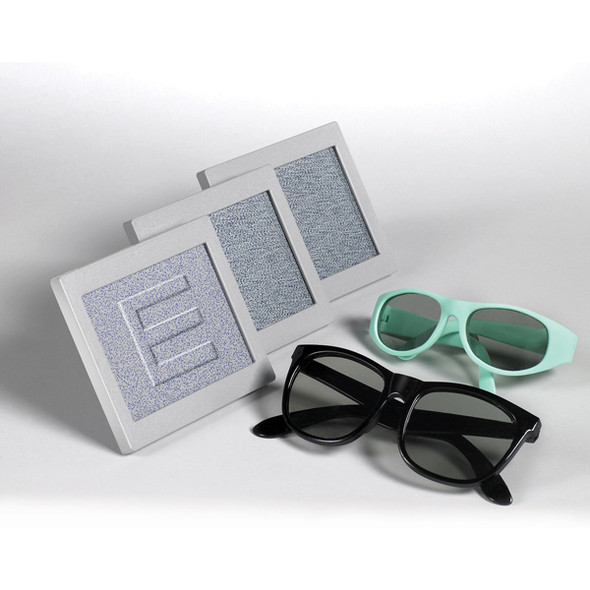
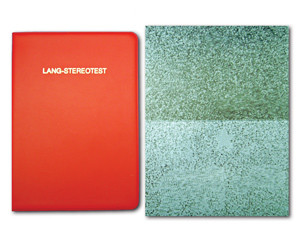
The Lang Stereotest II screens stereopsis with random dot figures that appear in depth without any viewing glasses. The patient simply looks at the card and names or points to the raised figures, which makes it one of the fastest stereo screens for young children.
- No glasses needed: Lenticular random dot card separates the eyes' images by itself
- Point or name response: Works for toddlers and pre-readers
- Graded depth figures: Figures sit at different disparity levels on one card
- Observation friendly: Eye movements between figures are visible to the examiner
Stereo Screening With Nothing to Wear
Most stereo tests fail with toddlers because the glasses never stay on. The Lang Stereotest II builds the separation into the card itself, using a lenticular random dot surface that shows each eye a different image. Figures such as the elephant and other shapes float in depth for a patient with stereopsis and stay invisible without it. The examiner can also watch the patient's eyes shift as they scan between figures at different depth levels. The card needs no power, no glasses and no instructions beyond asking what the patient sees, so it fits pediatric lanes and school screening alike.
Features and Benefits
- No glasses needed: Lenticular random dot card separates the eyes' images by itself
- Point or name response: Works for toddlers and pre-readers
- Graded depth figures: Figures sit at different disparity levels on one card
- Observation friendly: Eye movements between figures are visible to the examiner
Product Specifications
Test
- Type: Random dot stereopsis
- Viewing glasses: None required
Format
- Presentation: Handheld lenticular card
Product Details
- Manufacturer: Bernell Corporation
- Manufacturer SKU: LTEST2
- Packaging: EA / 1
Explore more in Professional Use or Shop more Bernell.
Why Choose the Lang Stereotest II
The best pediatric stereo test is the one a two-year-old will actually complete. Removing the glasses removes the failure point, and the Lang card has been the glasses-free standard for decades.
- Toddler proof: No eyewear to refuse, fog or knock off
- Fast screening: One card, one question, a documented result
- Any setting: Works on the lane, in schools and in outreach clinics
Frequently Asked Questions
Why does it not need glasses?
The card's lenticular surface delivers a different random dot image to each eye, so the stereo figures appear without polarized or colored glasses.
What do patients see?
Patients with stereopsis see figures raised in depth on the card and can name or point to them.
What age can be tested?
It is designed for young children, including toddlers and pre-readers, as well as older patients.
What does a fail mean?
A patient who cannot see any figure in depth may have reduced or absent stereopsis and needs a full binocular evaluation.
How is this product packaged?
It is sold in the manufacturer's standard packaging for the selected configuration, EA / 1, as shown in the product specifications.