
Patient Safety Alarms
Patient Safety Alarms are essential devices designed to alert caregivers to potential risks such as falls, bed exits, or unusual movements. These alarms play a critical role in preventing injuries and ensuring timely intervention, especially for patients at high risk of falls or those with mobility or cognitive impairments. Commonly used in hospitals, nursing homes, rehabilitation centers, and home healthcare settings, patient safety alarms enhance safety and confidence for both caregivers and patients.
Why Are Patient Safety Alarms Essential?
Patient safety alarms provide a proactive approach to risk management by offering real-time alerts that enable caregivers to respond quickly to potential dangers. For patients prone to falls, wandering, or other safety concerns, these alarms act as a safeguard, reducing the risk of injury and ensuring a secure care environment. They also improve efficiency for caregivers by enabling remote monitoring, allowing them to focus on other tasks while maintaining oversight.
Types of Patient Safety Alarms
1. Bed Alarms
Bed alarms monitor when a patient attempts to leave their bed unassisted, alerting caregivers to prevent falls or wandering.
Applications
- Hospitalized patients recovering from surgery or illness.
- Elderly individuals in long-term care facilities with a high fall risk.
Key Features
- Pressure-Sensitive Pads: Trigger an alert when weight shifts or is removed.
- Adjustable Sensitivity: Customizable settings to suit patient needs.
- Wireless Options: Allows caregivers to monitor remotely.
2. Chair Alarms
Chair alarms detect movement when a patient attempts to leave a chair or wheelchair without assistance, helping prevent falls.
Applications
- Patients using wheelchairs or recliners in hospitals or home care.
- Individuals with limited mobility or cognitive impairments.
Key Features
- Portable Sensors: Easy to install on various seating surfaces.
- Audible and Visual Alerts: Provides immediate notifications for caregivers.
- Non-Slip Design: Stays securely in place during use.
3. Floor Alarms
Floor alarms consist of pressure-sensitive mats placed beside beds or in high-risk areas, triggering an alert when stepped on.
Applications
- Monitoring nighttime movements in elderly or mobility-impaired patients.
- Preventing unsupervised wandering in nursing homes or hospitals.
Key Features
- Durable Construction: Withstands frequent foot traffic.
- Low-Profile Design: Minimizes tripping hazards.
- Water-Resistant Materials: Suitable for use in a variety of environments.
4. Motion Sensor Alarms
Motion sensor alarms use infrared technology to detect patient movement, offering non-contact monitoring solutions.
Applications
- Patients prone to wandering or unsupervised mobility.
- High-risk environments such as ICUs or dementia care units.
Key Features
- Adjustable Range: Covers specific areas like bedsides or doorways.
- Non-Invasive Design: Ideal for patients sensitive to direct contact devices.
- Battery or AC-Powered Options: Ensures uninterrupted operation.
5. Wearable Safety Alarms
Wearable alarms are lightweight, portable devices worn by patients to alert caregivers in case of emergencies or falls.
Applications
- Active patients in rehabilitation or home care settings.
- Individuals with conditions like epilepsy or diabetes who may require urgent attention.
Key Features
- Fall Detection Sensors: Automatically triggers an alert during a fall.
- SOS Buttons: Enables patients to call for help when needed.
- Rechargeable Batteries: Provides long-lasting operation.
Key Features of Patient Safety Alarms
- Audible and Visual Alerts: Immediate notifications to caregivers in case of potential risks.
- Customizable Settings: Adjustable sensitivity and volume to suit individual patient needs.
- Wireless Options: Remote monitoring for convenience and caregiver efficiency.
- Durable and Reliable Construction: Designed for long-term use in demanding healthcare environments.
- Non-Invasive Designs: Ensures patient comfort while maintaining safety.
- Compatibility: Works with various furniture types, including beds, chairs, and wheelchairs.
Benefits of Patient Safety Alarms
1. Enhanced Fall Prevention
Safety alarms provide early warnings, helping caregivers prevent falls and injuries before they occur.
2. Increased Caregiver Efficiency
By automating monitoring, alarms allow caregivers to focus on other tasks while ensuring patient safety.
3. Peace of Mind for Patients and Families
Patients and their families gain confidence knowing that safety systems are in place to prevent accidents.
4. Versatile Applications
With options ranging from bed alarms to wearable devices, patient safety alarms are adaptable to various care settings and patient needs.
5. Cost-Effective Risk Management
By preventing fall-related injuries, alarms reduce the need for costly hospitalizations or treatments.
Real-World Applications
1. Hospitals and Acute Care Settings
- Bed alarms for post-surgical patients to prevent unsupervised bed exits.
- Motion sensors in ICUs to monitor high-risk patients.
2. Long-Term Care Facilities
- Chair alarms for elderly residents in wheelchairs or recliners.
- Floor alarms to prevent nighttime falls and wandering.
3. Home Healthcare
- Wearable alarms for seniors living independently at home.
- Bedside floor alarms for patients recovering from illness or surgery.
4. Rehabilitation Centers
- Motion sensors to track patients during therapy sessions.
- Wearable alarms for individuals working on regaining mobility.
5. Dementia and Memory Care Units
- Floor alarms and motion sensors to prevent wandering and falls.
- Bed and chair alarms for patients with cognitive impairments.
Frequently Asked Questions (FAQs)
1. How do bed alarms work?
Bed alarms typically use pressure-sensitive pads that detect when a patient moves or exits the bed, triggering an alert to notify caregivers.
2. Are patient safety alarms wireless?
Many alarms now offer wireless options, enabling remote monitoring and increased caregiver convenience.
3. Can motion sensor alarms be used for nighttime monitoring?
Yes, motion sensors are ideal for nighttime use, detecting movement around beds or doorways to prevent falls or wandering.
4. Are safety alarms loud?
Most alarms have adjustable volume settings, allowing caregivers to choose a level that is effective but not disruptive.
5. Are wearable alarms comfortable for long-term use?
Yes, wearable alarms are lightweight and designed for extended wear, ensuring patient comfort while providing safety.
Equip your healthcare facility or home care setup with premium Patient Safety Alarms for reliable and proactive risk management. Choose from a range of solutions, including bed alarms, motion sensors, and wearable devices, to enhance safety and caregiver efficiency.
-
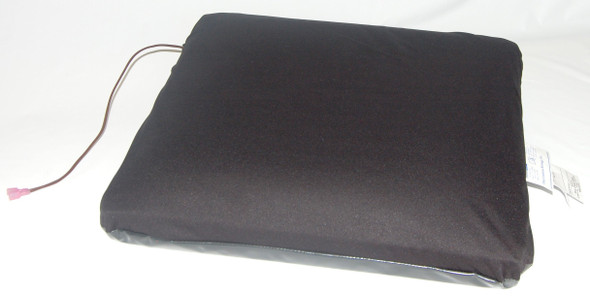
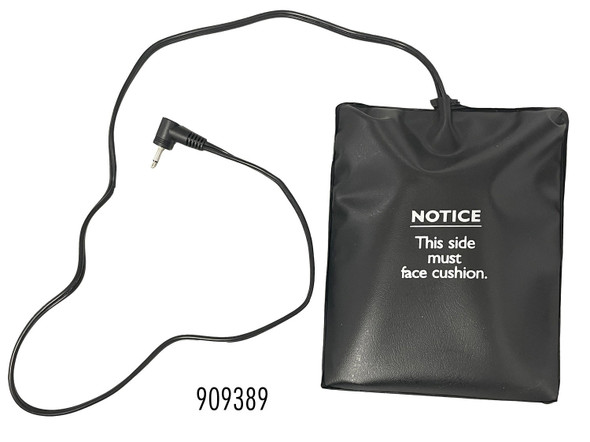
Skil-Care Gel-Foam Cushion and Sensor – Sizes 18in W X 16in D X 2in H, Gel and Foam Construction
Skil-Care
$184.99Skil-Care Gel-Foam Cushion and Sensor is a cushion made for early fall-prevention alerting for patients at risk of wandering or unassisted exits in homes, hospitals, and long-term care settings. It...- SKU:
- 909531
$184.99 -


Skil-Care Chair Sensor Pads – Sizes 7in X 15in, Includes Manufacturer Instruction Manual, for Daily Care
Skil-Care
$89.99Skil-Care Chair Sensor Pads brings a prompt alert when a patient needs help to early fall-prevention alerting for patients at risk of wandering or unassisted exits. With a 7" x 15" size to choose...- SKU:
- 909360
$89.99 -

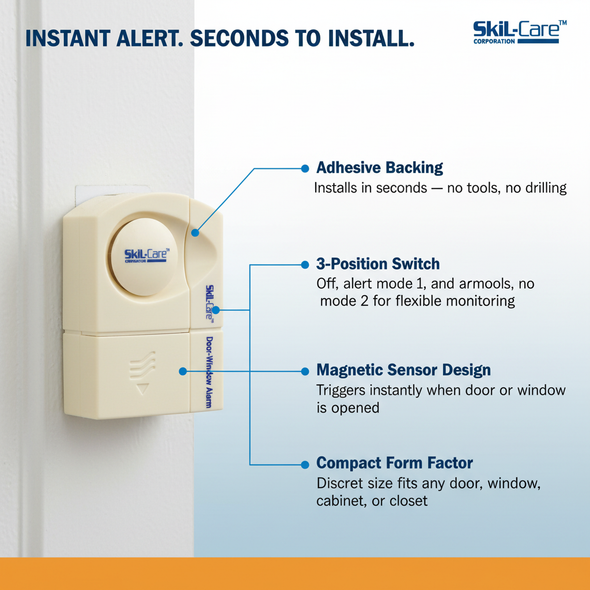
Skil-Care Door/Window Alarm – 2 Configurations, Includes Manufacturer Instruction Manual, for Daily Care
Skil-Care
$119.99 - $170.99Skil-Care Door/Window Alarm is a dependable alarm built for early fall-prevention alerting for patients at risk of wandering or unassisted exits. Configurations span Universal sizing, starting with...$119.99 - $170.99 -


Skil-Care Stop Strip Alarm – Sizes 12in H X 50in L, Includes Manufacturer Instruction Manual
Skil-Care
$174.99Skil-Care Stop Strip Alarm is a alarm made for early fall-prevention alerting for patients at risk of wandering or unassisted exits in homes, hospitals, and long-term care settings. It comes in a...- SKU:
- 909217
$174.99 -

Skil-Care Alarm Bag – Includes Manufacturer Instruction Manual, for a Prompt Alert When a Patient Needs Help
Skil-Care
$114.99Skil-Care Alarm Bag brings a prompt alert when a patient needs help to early fall-prevention alerting for patients at risk of wandering or unassisted exits. With Universal sizing to choose from,...- SKU:
- 911366
$114.99 -

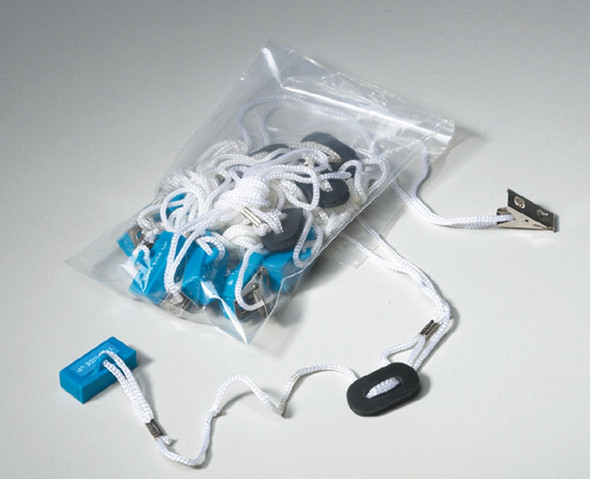
Skil-Care Personal Alarm – Includes Manufacturer Instruction Manual, for Professional and Home Care
Skil-Care
$126.99Skil-Care Personal Alarm brings a prompt alert when a patient needs help to early fall-prevention alerting for patients at risk of wandering or unassisted exits. With One Size sizing to choose from,...- SKU:
- 909211
$126.99 -
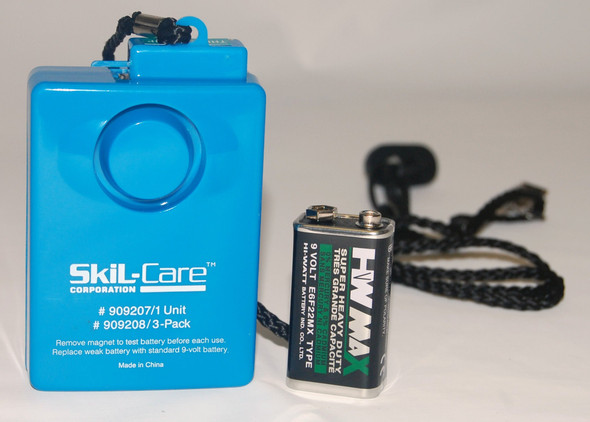
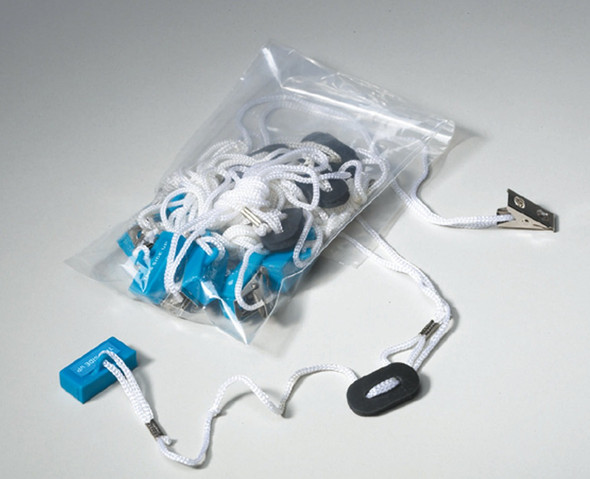
Skil-Care Econo-Alarm – 4 Configurations, Includes Manufacturer Instruction Manual, for Daily Care
Skil-Care
$76.99 - $398.99Skil-Care Econo-Alarm brings a prompt alert when a patient needs help to early fall-prevention alerting for patients at risk of wandering or unassisted exits. With One Size sizing to choose from,...$76.99 - $398.99 -
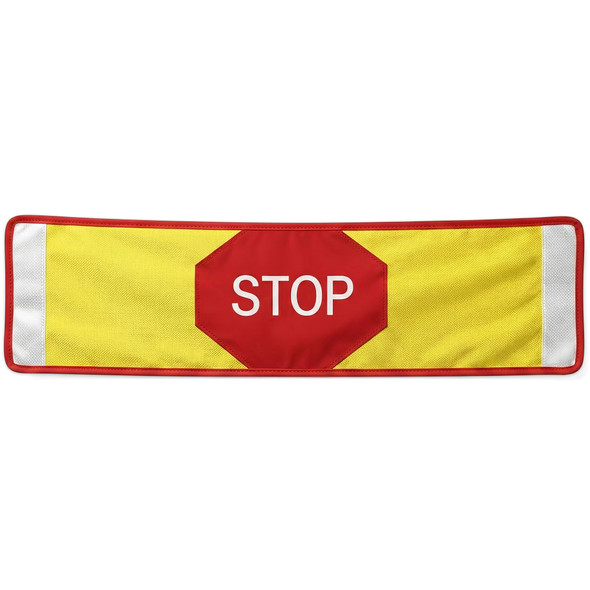
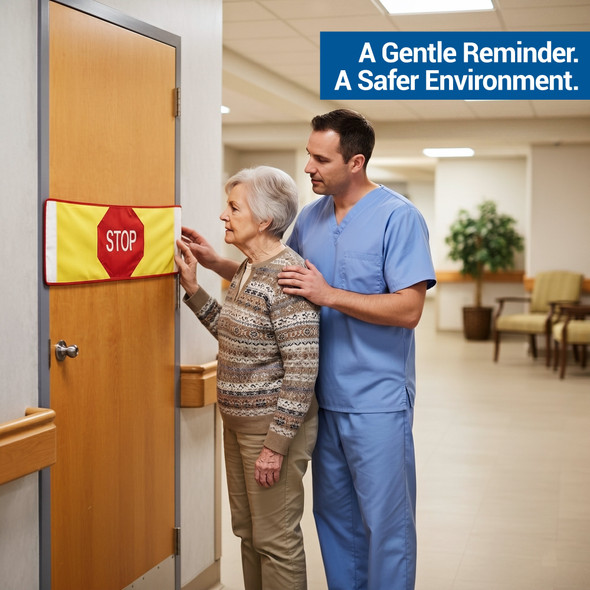
Skil-Care Stop Strip – Sizes 12in H X 50in L, 3 Configurations, Includes Manufacturer Instruction Manual
Skil-Care
$92.99 - $109.99Skil-Care Stop Strip brings a prompt alert when a patient needs help to early fall-prevention alerting for patients at risk of wandering or unassisted exits. With a 12"H x 50"L size to choose from,...$92.99 - $109.99 -


Skil-Care SignalSafe Fall Monitor – Sizes 3.5in W X 5.5in L, Includes Manufacturer Instruction Manual
Skil-Care
$1,370.99Skil-Care SignalSafe Fall Monitor brings a prompt alert when a patient needs help to early fall-prevention alerting for patients at risk of wandering or unassisted exits. With a 3.5"W x 5.5"L size to...- SKU:
- 909502
$1,370.99 -
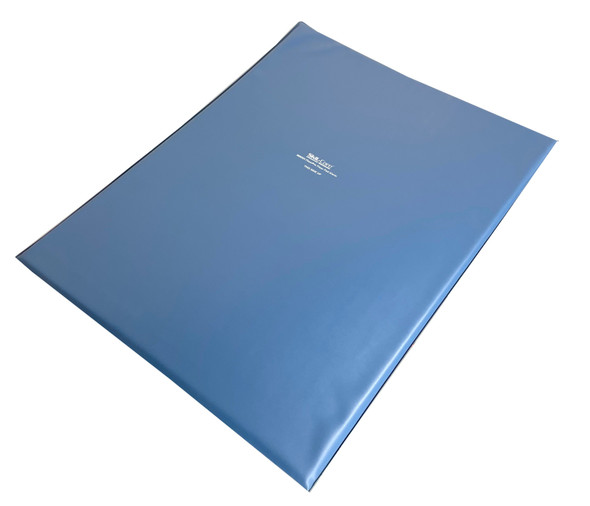

Skil-Care SignalSafe Floor Pad System – Sizes 3.5in W X 5.5in L to 36in L X 26in W X 1in H
Skil-Care
$197.99Skil-Care SignalSafe Floor Pad System is a system made for early fall-prevention alerting for patients at risk of wandering or unassisted exits in homes, hospitals, and long-term care settings. It...$197.99 -
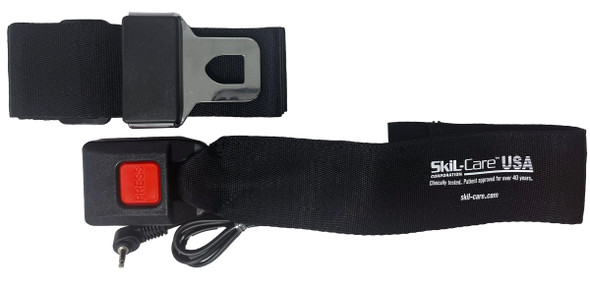
Skil-Care Seat Belt with Buckle Sensor – 4 Configurations, Includes Manufacturer Instruction Manual
Skil-Care
$154.99 - $202.99Skil-Care Seat Belt with Buckle Sensor is a dependable belt built for early fall-prevention alerting for patients at risk of wandering or unassisted exits. A choice of 4 configurations, from...$154.99 - $202.99 -
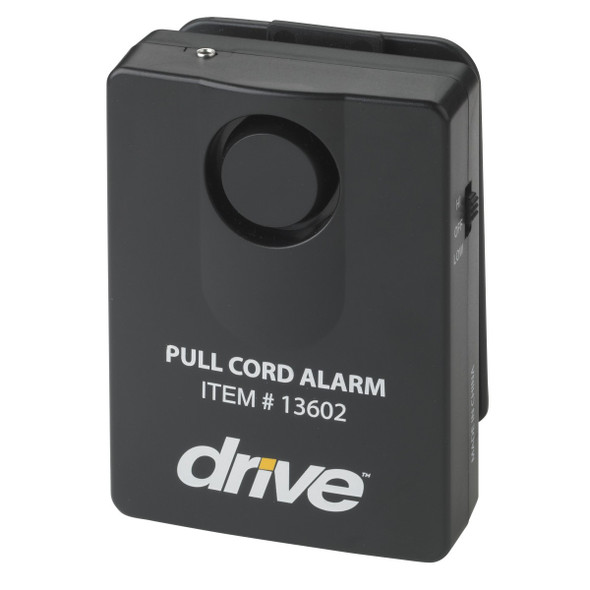
Drive Medical Pull Cord Alarm System, Alarm easily secures, for Fall and Wandering Alerts, by Drive Medical
Drive Medical
$68.99The Drive Pull Cord Alarm System gives caregivers watching over a patient at risk of wandering or falls a patient alarm they can rely on day after day. Economical way to notify staff that a patient...- SKU:
- 13602
$68.99 -

TIDI Posey on Cue PRO Alarm – Wireless, 2 Configuration Options, 20 per case, For Fall Prevention
Tidi
$591.99 - $9,437.99The TIDI Posey on Cue PRO Alarm is a fall alarm used for fall prevention. Wireless monitoring means the alarm can be placed anywhere in the room.Intended – The alert reaches the caregiver in the...- Quantity Per Box:
- 20/cs
$591.99 - $9,437.99 -

TIDI Chair & Bed Sensor Belt – Self-Release Alarm Belt, Breathable, 2 Configuration Options
Tidi
$103.99The TIDI Chair & Bed Sensor Belt is a sensor belt used for fall prevention. Wraps around the patient in the chair or bed and connects to the alarm unit.Low-Friction Wipeable Outer Detail 2 – The...$103.99 -

TIDI Posey Bed and Chair Sensors – 4 1/2" x 24", 6 1/2" x 31", 5 Configuration Options, For Fall Prevention
Tidi
$71.99 - $97.99The TIDI Posey Bed and Chair Sensors is a sensor pad used for fall prevention. Care teams use the pads over the mattress in the care unit, for patient stays shorter than 30 days.Recommended – It...- Size:
- 4 1/2" x 24" (10.2 x 2.5 cm)
$71.99 - $97.99 -

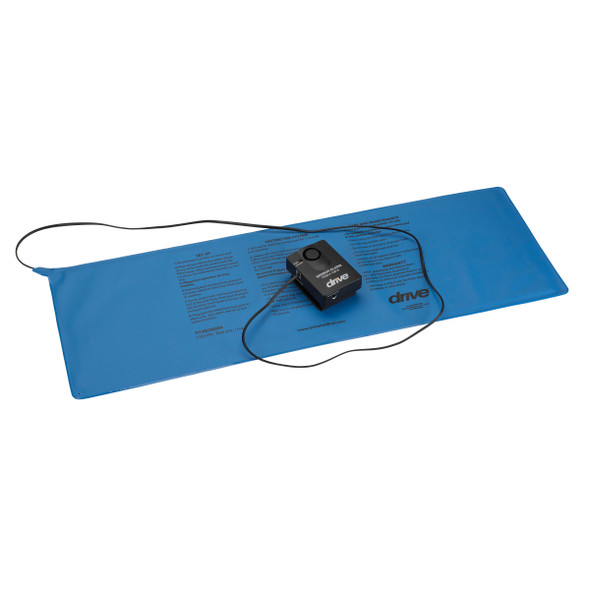
Drive Bed Sensor Pad Alarm – Pressure-Sensitive Bed Pad with Alarm Monitor, Battery Included
Drive Medical
$142.99The Drive Bed Sensor Pad Alarm is a complete fall-prevention alarm system for a bed: a pressure-sensitive pad that lies across the mattress under the user, a monitor with two volume settings, and a...- SKU:
- 13606
- Warranty:
- Alarm 1 Year Limited; pad 6 Month Limited
$142.99 -
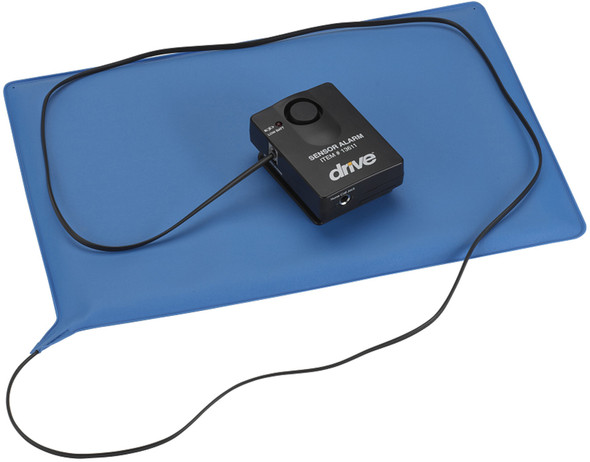

Drive Chair Sensor Pad Alarm – Pressure-Sensitive Chair Pad with Alarm Monitor, Battery Included
Drive Medical
$136.99The Drive Chair Sensor Pad Alarm is a complete fall-prevention alarm system for a chair: a pressure-sensitive pad that sits under the user, a monitor with two volume settings, and a 9V battery —...- SKU:
- 13605
- Warranty:
- Alarm 1 Year Limited; pad 6 Month Limited
$136.99
About Patient Safety Alarms
Patient Safety Alarms are essential devices designed to alert caregivers to potential risks such as falls, bed exits, or unusual movements. These alarms play a critical role in preventing injuries and ensuring timely intervention, especially for patients at high risk of falls or those with mobility or cognitive impairments. Commonly used in hospitals, nursing homes, rehabilitation centers, and home healthcare settings, patient safety alarms enhance safety and confidence for both caregivers and patients.
Why Are Patient Safety Alarms Essential?
Patient safety alarms provide a proactive approach to risk management by offering real-time alerts that enable caregivers to respond quickly to potential dangers. For patients prone to falls, wandering, or other safety concerns, these alarms act as a safeguard, reducing the risk of injury and ensuring a secure care environment. They also improve efficiency for caregivers by enabling remote monitoring, allowing them to focus on other tasks while maintaining oversight.
Types of Patient Safety Alarms
1. Bed Alarms
Bed alarms monitor when a patient attempts to leave their bed unassisted, alerting caregivers to prevent falls or wandering.
Applications
- Hospitalized patients recovering from surgery or illness.
- Elderly individuals in long-term care facilities with a high fall risk.
Key Features
- Pressure-Sensitive Pads: Trigger an alert when weight shifts or is removed.
- Adjustable Sensitivity: Customizable settings to suit patient needs.
- Wireless Options: Allows caregivers to monitor remotely.
2. Chair Alarms
Chair alarms detect movement when a patient attempts to leave a chair or wheelchair without assistance, helping prevent falls.
Applications
- Patients using wheelchairs or recliners in hospitals or home care.
- Individuals with limited mobility or cognitive impairments.
Key Features
- Portable Sensors: Easy to install on various seating surfaces.
- Audible and Visual Alerts: Provides immediate notifications for caregivers.
- Non-Slip Design: Stays securely in place during use.
3. Floor Alarms
Floor alarms consist of pressure-sensitive mats placed beside beds or in high-risk areas, triggering an alert when stepped on.
Applications
- Monitoring nighttime movements in elderly or mobility-impaired patients.
- Preventing unsupervised wandering in nursing homes or hospitals.
Key Features
- Durable Construction: Withstands frequent foot traffic.
- Low-Profile Design: Minimizes tripping hazards.
- Water-Resistant Materials: Suitable for use in a variety of environments.
4. Motion Sensor Alarms
Motion sensor alarms use infrared technology to detect patient movement, offering non-contact monitoring solutions.
Applications
- Patients prone to wandering or unsupervised mobility.
- High-risk environments such as ICUs or dementia care units.
Key Features
- Adjustable Range: Covers specific areas like bedsides or doorways.
- Non-Invasive Design: Ideal for patients sensitive to direct contact devices.
- Battery or AC-Powered Options: Ensures uninterrupted operation.
5. Wearable Safety Alarms
Wearable alarms are lightweight, portable devices worn by patients to alert caregivers in case of emergencies or falls.
Applications
- Active patients in rehabilitation or home care settings.
- Individuals with conditions like epilepsy or diabetes who may require urgent attention.
Key Features
- Fall Detection Sensors: Automatically triggers an alert during a fall.
- SOS Buttons: Enables patients to call for help when needed.
- Rechargeable Batteries: Provides long-lasting operation.
Key Features of Patient Safety Alarms
- Audible and Visual Alerts: Immediate notifications to caregivers in case of potential risks.
- Customizable Settings: Adjustable sensitivity and volume to suit individual patient needs.
- Wireless Options: Remote monitoring for convenience and caregiver efficiency.
- Durable and Reliable Construction: Designed for long-term use in demanding healthcare environments.
- Non-Invasive Designs: Ensures patient comfort while maintaining safety.
- Compatibility: Works with various furniture types, including beds, chairs, and wheelchairs.
Benefits of Patient Safety Alarms
1. Enhanced Fall Prevention
Safety alarms provide early warnings, helping caregivers prevent falls and injuries before they occur.
2. Increased Caregiver Efficiency
By automating monitoring, alarms allow caregivers to focus on other tasks while ensuring patient safety.
3. Peace of Mind for Patients and Families
Patients and their families gain confidence knowing that safety systems are in place to prevent accidents.
4. Versatile Applications
With options ranging from bed alarms to wearable devices, patient safety alarms are adaptable to various care settings and patient needs.
5. Cost-Effective Risk Management
By preventing fall-related injuries, alarms reduce the need for costly hospitalizations or treatments.
Real-World Applications
1. Hospitals and Acute Care Settings
- Bed alarms for post-surgical patients to prevent unsupervised bed exits.
- Motion sensors in ICUs to monitor high-risk patients.
2. Long-Term Care Facilities
- Chair alarms for elderly residents in wheelchairs or recliners.
- Floor alarms to prevent nighttime falls and wandering.
3. Home Healthcare
- Wearable alarms for seniors living independently at home.
- Bedside floor alarms for patients recovering from illness or surgery.
4. Rehabilitation Centers
- Motion sensors to track patients during therapy sessions.
- Wearable alarms for individuals working on regaining mobility.
5. Dementia and Memory Care Units
- Floor alarms and motion sensors to prevent wandering and falls.
- Bed and chair alarms for patients with cognitive impairments.
Frequently Asked Questions (FAQs)
1. How do bed alarms work?
Bed alarms typically use pressure-sensitive pads that detect when a patient moves or exits the bed, triggering an alert to notify caregivers.
2. Are patient safety alarms wireless?
Many alarms now offer wireless options, enabling remote monitoring and increased caregiver convenience.
3. Can motion sensor alarms be used for nighttime monitoring?
Yes, motion sensors are ideal for nighttime use, detecting movement around beds or doorways to prevent falls or wandering.
4. Are safety alarms loud?
Most alarms have adjustable volume settings, allowing caregivers to choose a level that is effective but not disruptive.
5. Are wearable alarms comfortable for long-term use?
Yes, wearable alarms are lightweight and designed for extended wear, ensuring patient comfort while providing safety.
Equip your healthcare facility or home care setup with premium Patient Safety Alarms for reliable and proactive risk management. Choose from a range of solutions, including bed alarms, motion sensors, and wearable devices, to enhance safety and caregiver efficiency.