




Description
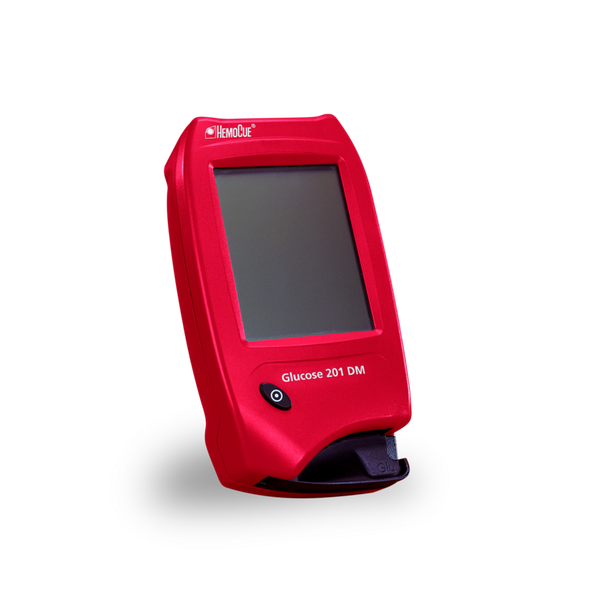
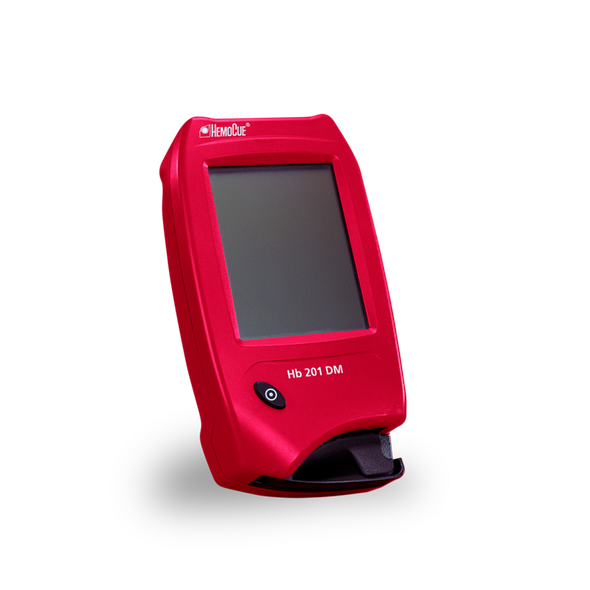
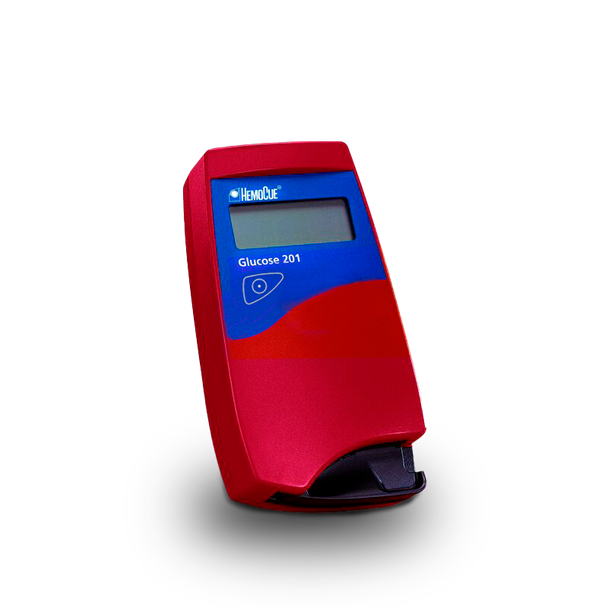
The HemoCue Glucose 201 Analyzer brings lab-quality glucose testing to the bedside, the clinic exam room and the field. A fingerstick sample of less than 5 µL is all it takes to get a plasma-equivalent result within one minute. Factory calibration traceable to the ID GC-MS reference method means no coding and no calibration steps slow the workflow down.
- Fast answers – plasma-equivalent glucose results within 1 minute for normal levels
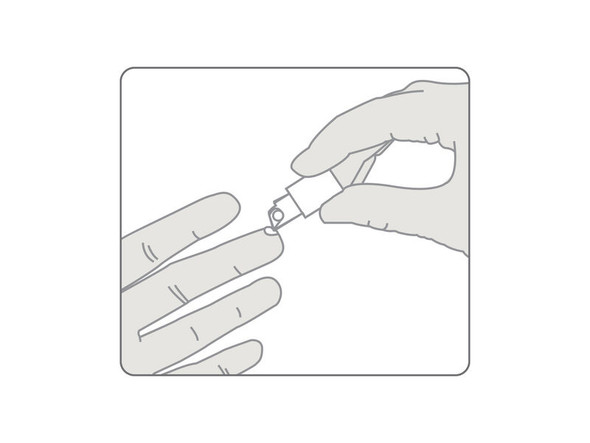
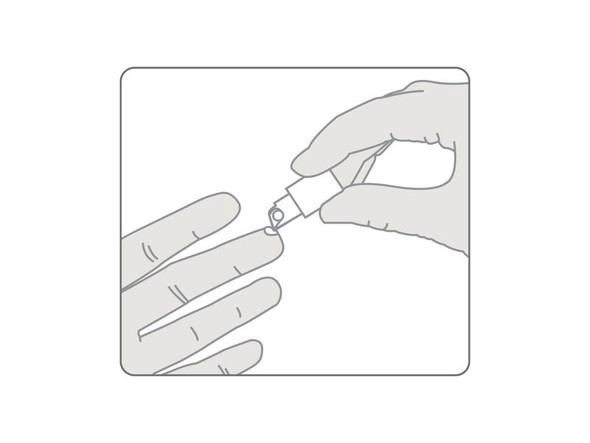
- Tiny sample – less than 5 µL of capillary, venous or arterial whole blood, including neonatal blood
- No coding – factory calibrated and traceable to the ID GC-MS method
Lab-Quality Glucose Results at the Point of Care
The analyzer measures glucose with a modified glucose dehydrogenase reaction read photometrically at the end point, the same chemistry family trusted in central laboratories. Its measuring range covers 0 to 444 mg/dL in plasma-equivalent values, so routine screening and critical lows and highs are both in range. A built-in self-test verifies the system, and liquid controls can be run whenever a lab protocol calls for documented verification. The compact photometer runs on an AC adapter or four AA batteries, which makes it practical at a nursing station, in a clinic, or on a home-visit route. Results come from the dedicated Glucose 201 Microcuvettes, which are stored refrigerated and brought to room temperature for use.
Features and Benefits
Testing Performance
- Modified glucose dehydrogenase chemistry – end point photometric measurement of total glucose in whole blood
- Wide measuring range – 0 to 444 mg/dL plasma-equivalent values cover screening through critical results
- One-minute results – answers within 1 minute at normal glucose levels
Daily Workflow
- No calibration or coding – factory calibrated against the ID GC-MS reference method
- Built-in self-test – the system checks itself and can be verified with liquid controls
- Battery or AC power – four AA batteries or the AC adapter for bench or mobile use
Product Specifications
Measurement
- Principle: Modified glucose dehydrogenase, end point photometric measurement
- Measurement range: 0 to 444 mg/dL plasma equivalent (0 to 24.6 mmol/L)
- Measuring time: Within 1 minute for normal glucose levels
- Sample material: Capillary, venous or arterial whole blood including neonatal blood
- Sample volume: Less than 5 µL
Handling and Storage
- Dimensions: 6.30 x 3.35 x 1.69 in (160 x 85 x 43 mm)
- Weight: 0.77 lb (350 g) with batteries installed
- Power: AC adapter or 4 AA batteries
- Operating temperature: 64 to 86°F (18 to 30°C)
- Storage temperature: Analyzer 32 to 122°F (0 to 50°C)
Explore More: Point-of-Care Analyzers | Shop all HemoCue
Why Clinics Standardize on the Glucose 201
Point-of-care glucose testing only helps when the number can be trusted and the test fits the pace of care. This photometer pairs reference-traceable calibration with a one-minute turnaround, so treatment decisions are not held up by the lab queue.
- Faster decisions – a one-minute result keeps dosing and discharge decisions moving during the same visit
- Reference-traceable accuracy – calibration traceable to the ID GC-MS method, the glucose reference standard
- Works anywhere – battery power and a 350 g footprint suit clinics, wards and field testing alike
Manuals and Troubleshooting Guides
Frequently Asked Questions
Which samples can the analyzer test?
It accepts capillary, venous or arterial whole blood, including neonatal blood, in a sample volume under 5 µL.
Does the system need calibration or coding?
No. It is factory calibrated and traceable to the ID GC-MS reference method, and it needs no further calibration and no coding.
How fast is a result?
Results are ready within 1 minute for normal glucose levels, reported as plasma-equivalent values.
What quality control does it support?
A built-in self-test checks the system, and liquid controls can be used to verify performance under your lab protocol.
What package is sold here?
This listing is for the analyzer alone, sold as listed in the Each package configuration. Glucose 201 Microcuvettes are stocked separately and require refrigeration.