
Wheelchairs
Wheelchairs are essential mobility aids designed to enhance the independence and comfort of individuals with limited or no ability to walk. Available in various styles, including sports wheelchairs, manual wheelchairs, power wheelchairs, pediatric models, wheelchair lifts, ramps, and accessories, these devices cater to diverse needs. Wheelchairs provide users with the ability to navigate daily life confidently, improving quality of life and promoting social engagement.
Why Wheelchairs Are Essential
Wheelchairs empower individuals with mobility challenges by offering a safe, reliable, and customizable means of transportation. They reduce physical strain, enhance independence, and enable users to participate in daily activities. Whether for temporary rehabilitation, chronic conditions, or specialized needs like sports or pediatric mobility, wheelchairs ensure comfort, convenience, and dignity.
What Are Wheelchairs?
Wheelchairs are mobility devices designed to assist individuals who have difficulty walking or are unable to walk. They feature a seat, wheels, and often customizable components to suit specific user requirements. From manual options to power-operated models, wheelchairs provide mobility solutions for diverse needs, ensuring safety and ease of use in various settings, including homes, workplaces, and recreational environments.
Types of Wheelchairs
1. Sports Wheelchairs
Best for: Individuals engaging in athletic activities or sports.
Sports wheelchairs are lightweight and ergonomically designed for optimal performance during high-movement activities.
Key Features
- Enhanced agility and speed for sports.
- Durable, lightweight materials like aluminum or titanium.
- Adjustable seating and wheels for maximum control.
Applications
- Wheelchair Basketball: Provides maneuverability and stability on the court.
- Tennis: Allows for quick turns and mobility on outdoor surfaces.
- Racing: Designed for speed and streamlined movement.
2. Manual Wheelchairs
Best for: Users who prefer self-propelled or caregiver-assisted mobility.
Manual wheelchairs are operated by the user or a caregiver, offering a lightweight and cost-effective mobility solution.
Key Features
- Foldable frames for easy storage and transport.
- Adjustable footrests and armrests for comfort.
- Variety of seat widths and materials for customization.
Applications
- Daily Mobility: Ideal for indoor and outdoor use.
- Rehabilitation: Supports temporary recovery needs.
- Caregiver Assistance: Suitable for assisted mobility.
3. Power Wheelchairs
Best for: Individuals with limited upper body strength or severe mobility challenges.
Power wheelchairs are motorized devices that provide effortless mobility and advanced control options.
Key Features
- Joystick controls for easy navigation.
- Rechargeable batteries for long-range travel.
- Advanced suspension systems for outdoor terrain.
Applications
- Chronic Conditions: Supports users with conditions like muscular dystrophy.
- Outdoor Use: Tackles uneven surfaces with ease.
- Custom Needs: Ideal for individuals requiring extensive customization.
4. Pediatric Wheelchairs
Best for: Children with mobility challenges requiring specialized support.
Pediatric wheelchairs are designed to accommodate the unique needs of children, providing comfort, safety, and adaptability.
Key Features
- Adjustable frames to grow with the child.
- Bright, engaging designs to suit children’s preferences.
- Lightweight and easy-to-maneuver construction.
Applications
- School Mobility: Enables independence in educational settings.
- Therapy Support: Assists in therapeutic activities.
- Everyday Use: Provides safety and comfort for daily movement.
5. Wheelchair Lifts
Best for: Overcoming barriers like stairs or elevated surfaces.
Wheelchair lifts are mechanical devices that allow users to ascend or descend stairs, improving accessibility in homes, vehicles, and public spaces.
Key Features
- Electric operation with safety controls.
- Compact designs for residential and vehicle use.
- Durable construction for indoor and outdoor applications.
Applications
- Home Accessibility: Provides stairlift solutions for multi-level homes.
- Vehicle Assistance: Ensures easy entry and exit for vehicles.
- Public Spaces: Improves accessibility in buildings and facilities.
6. Wheelchair Ramps
Best for: Ensuring smooth transitions over steps or uneven surfaces.
Wheelchair ramps are portable or fixed inclines that provide easy access to buildings, vehicles, or elevated areas.
Key Features
- Lightweight, foldable designs for portability.
- Non-slip surfaces for safety.
- Adjustable lengths to accommodate various heights.
Applications
- Home Entry: Facilitates access to porches and doorways.
- Vehicle Access: Allows easy wheelchair loading.
- Public Accessibility: Ensures compliance with ADA standards.
7. Wheelchair Accessories
Best for: Enhancing comfort, functionality, and usability.
Wheelchair accessories include items such as cushions, trays, storage pouches, and cup holders to personalize the user experience.
Key Features
- Padded cushions for pressure relief.
- Detachable trays for eating or working.
- Storage options for convenience during travel.
Applications
- Pressure Management: Reduces discomfort during extended use.
- Daily Activities: Provides space for personal items and meals.
- Enhanced Mobility: Adds practical features for everyday convenience.
Key Features of Wheelchairs
- Customizable Designs: Adjustable armrests, footrests, and seating for personalized comfort.
- Lightweight Frames: Aluminum and titanium options for easy portability.
- Advanced Technology: Motorized models with joystick controls and suspension systems.
- Durability: Built to withstand daily wear and tear for long-lasting use.
- Ergonomic Support: Cushioned seating and backrests for comfort and posture alignment.
- Accessibility Enhancements: Ramps and lifts to improve usability in various environments.
Real-World Use Cases
Case 1: Everyday Independence
An elderly user with limited mobility used a power wheelchair to regain independence, traveling freely both indoors and outdoors.
Case 2: Rehabilitation Support
A young adult recovering from spinal surgery relied on a manual wheelchair during rehabilitation, transitioning to walking aids as strength improved.
Case 3: Sports Mobility
An athlete with paraplegia used a sports wheelchair to participate in wheelchair basketball, benefiting from enhanced agility and speed.
Case 4: Pediatric Mobility
A child with cerebral palsy utilized a pediatric wheelchair, ensuring comfort and accessibility in school and therapy settings.
How to Choose the Right Wheelchair
- Mobility Needs: Assess the level of mobility required, from manual to motorized options.
- Intended Use: Consider whether the wheelchair is for indoor, outdoor, or sports activities.
- Customization: Look for adjustable features, such as seat size, armrests, and footrests.
- User Strength: For individuals with limited upper body strength, power wheelchairs may be the best choice.
- Environment: Choose ramps or lifts for enhanced accessibility in homes and vehicles.
- Consult Experts: Seek advice from healthcare providers or occupational therapists for tailored recommendations.
How to Use Wheelchairs
- Fit the Wheelchair: Adjust settings for optimal comfort and support.
- Practice Maneuvering: Learn how to navigate corners, ramps, and inclines.
- Safety First: Use seat belts and anti-tip features as needed.
- Maintain the Chair: Regularly check tires, brakes, and batteries for proper functioning.
- Use Accessories: Attach cushions, trays, or pouches for added convenience.
Benefits of Wheelchairs
- Increased Independence: Enables users to move freely and participate in daily activities.
- Enhanced Comfort: Ergonomic designs minimize strain and improve posture.
- Improved Accessibility: Lifts and ramps ensure seamless mobility in various settings.
- Customizable Features: Tailored options provide comfort and usability.
- Versatile Applications: Suitable for rehabilitation, sports, and long-term use.
Frequently Asked Questions (FAQs)
1. Are wheelchairs covered by insurance?
Yes, many wheelchairs are covered by insurance or Medicare if prescribed by a healthcare provider.
2. What is the difference between a manual and a power wheelchair?
Manual wheelchairs require physical effort to operate, while power wheelchairs are motorized and controlled by a joystick or remote.
3. Can wheelchairs be used outdoors?
Yes, many wheelchairs, especially power models and sports wheelchairs, are designed for outdoor use.
4. Are wheelchair ramps portable?
Yes, many ramps are foldable and lightweight, making them easy to transport and set up.
5. How do I maintain a wheelchair?
Regularly clean the wheelchair, check for wear and tear, and ensure tires and brakes are functioning correctly.
Related Products
Explore wheelchair cushions, storage pouches, and detachable trays to customize your wheelchair. Pair ramps and lifts with mobility scooters or rollators for comprehensive accessibility. Visit our blog for expert advice on wheelchair selection and maintenance.
Feel confident in your mobility with our wide range of Wheelchairs, including sports, manual, and power options. Designed for comfort, reliability, and independence, our products are tailored to meet your specific needs. Shop now and reclaim your freedom today!
Shop By Category
-

ROHO Planar Solid Seat Insert, 16 by 16 Inch Rigidizer for Use with Any Seat, Levels Sling Upholstery Support
ROHO
$112.99The ROHO Planar Solid Seat Insert is a flat rigidizer panel that turns a sagging seat into a level surface any cushion can work on. The 16 by 16 inch SI1616 size drops into the seat under the...- SKU:
- SI1616
$112.99 -

ROHO Smart Check Device for Sensor Ready Cushions, Personal Inflation Setting Feedback and Setup Memory
ROHO
$275.99The ROHO Smart Check Device is the electronic checker that tells you, in seconds and without guesswork, whether a Sensor Ready cushion is still inflated to its saved setting. A clinician saves the...- SKU:
- SMARTCHECK-01
$275.99 -

ROHO Standard Cushion Cover, Two-Way Stretch Replacement Cover with Non-Skid Bottom and Rear Zipper Closure
ROHO
$100.99 - $112.99The ROHO Standard Cushion Cover is the genuine replacement cover for ROHO neoprene cushions, in two-way stretch fabric that will not fight the air cells underneath. Twenty sizes are stocked across...$100.99 - $112.99 -

ROHO Contour Base, Rigidizer Insert for Sling Seat Wheelchairs, 17 by 15.25 Inch Platform for Cushion Support
ROHO
$122.99The ROHO Contour Base is the rigid platform that gives a ROHO cushion a flat, stable foundation on a sling seat wheelchair. Without it, a sling seat hammocks under the cushion and quietly undoes the...- SKU:
- BASE1715
$122.99 -


ROHO THE ADAPTOR Pad, Cut-to-Fit Self-Contained Air Cell Pad for Seating, Positioning and Offloading Support
ROHO
$226.99The ROHO ADAPTOR Pad is a self-contained sheet of ROHO air cells that can be cut into sections and placed wherever a surface needs pressure relief. At 9.75 by 13.5 inches it adapts to footrests,...- SKU:
- ADAPTOR
$226.99 -
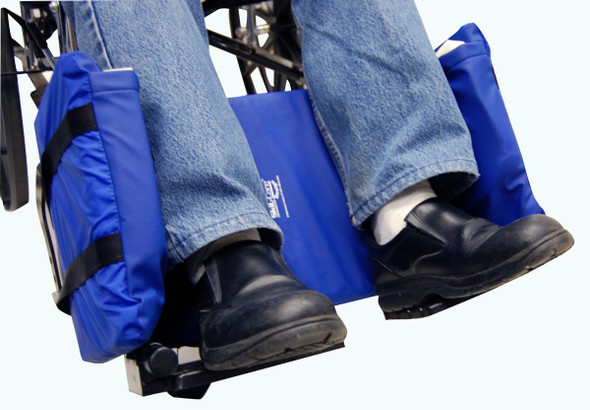
Skil-Care Wheelchair Legrest with Padded Sides – Sizes 20in W X 11in D X 8in H, Foam Construction
Skil-Care
$214.99Skil-Care Wheelchair Legrest with Padded Sides is a pad made for everyday wheelchair seating and positioning in homes, hospitals, and long-term care settings. It comes in a 20"W x 11"D x 8"H size, in...- SKU:
- 703460
$214.99 -


Skil-Care Gel-Foam Toilet Seat Cushion – Sizes 14in W X 18in D X 1.5in H, Gel and Foam Construction
Skil-Care
$205.99Skil-Care Gel-Foam Toilet Seat Cushion is a cushion made for everyday wheelchair seating and positioning in homes, hospitals, and long-term care settings. It comes in a 14"W x 18"D x 1.5"H size,...- SKU:
- 915325
$205.99 -

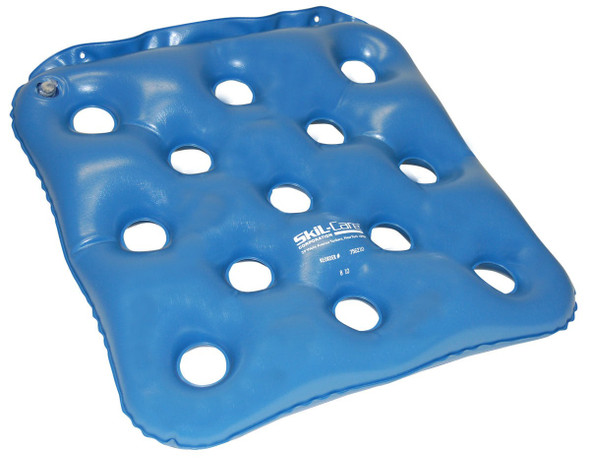
Skil-Care Air Lift Backrest Cushion – Sizes 19in W X 19in D to 17in W X 17in D, 2 Configurations
Skil-Care
$84.99 - $96.99Skil-Care Air Lift Backrest Cushion brings steadier, more comfortable seating through the day to everyday wheelchair seating and positioning. With sizes including 19"W x 19"D and 17"W X 17"D to...$84.99 - $96.99 -


Skil-Care Gel Lift Cushion – Sizes 16in W X 16in D X 1in H to 16in W X 16in D, Foam Construction
Skil-Care
$59.99 - $117.99Skil-Care Gel Lift Cushion is a cushion made for everyday wheelchair seating and positioning in homes, hospitals, and long-term care settings. It comes in sizes including 16"W x 16"D x 1"H and 16"W x...$59.99 - $117.99 -


Skil-Care Air Lock Cushion – Sizes 19in X 19in X 1in, Vinyl Construction, for Professional and Home Care
Skil-Care
$84.99Skil-Care Air Lock Cushion is a dependable cushion built for everyday wheelchair seating and positioning. Configurations span a 19" x 19" x 1" size, in sizes such as 19" x 19" x 1", which makes it...- SKU:
- 756240
$84.99 -
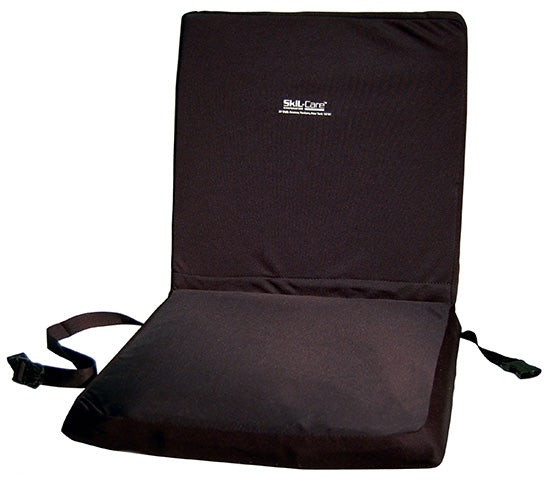
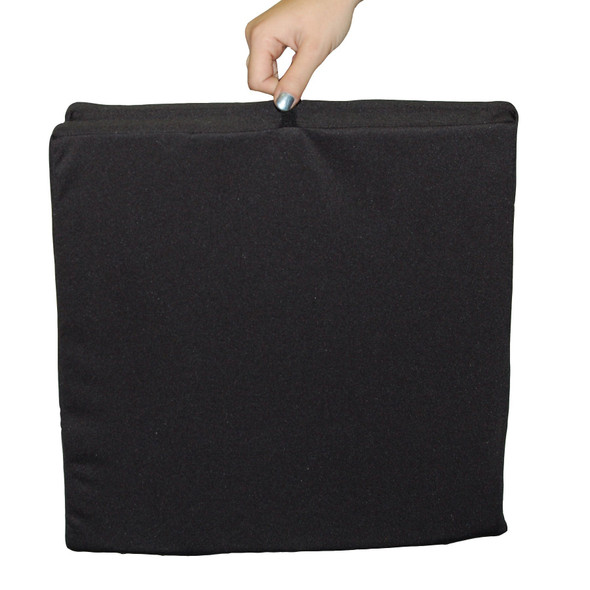
Skil-Care Backrest Seat Combo – Sizes 18in W X 16in D X 2.5in H, Gel and Foam Construction
Skil-Care
$235.99Skil-Care Backrest Seat Combo is a dependable wheelchair accessory built for everyday wheelchair seating and positioning. Configurations span a 18"W x 16"D x 2.5"H size, starting with the Wheelchair...- SKU:
- 914444
$235.99 -
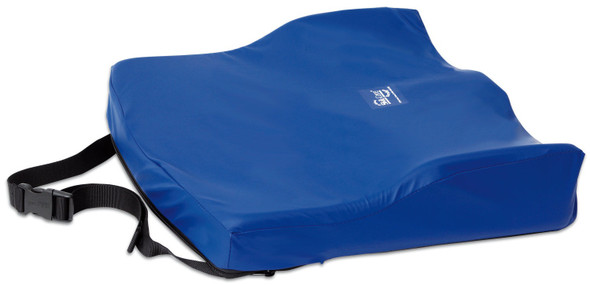
Skil-Care Anti-Thrust Visco Foam Cushion – Sizes 18in W X 16in D X 2in H, Foam Construction
Skil-Care
$264.99Skil-Care Anti-Thrust Visco Foam Cushion brings steadier, more comfortable seating through the day to everyday wheelchair seating and positioning. With a 18"W x 16"D x 2"H size to choose from,...- SKU:
- 753160
$264.99 -


Skil-Care Wheelchair Footrest Extender with Leg Separation – Sizes 19in W X 11in D X 9.5in H to 8in H X 7in D
Skil-Care
$35.99 - $163.99Skil-Care Wheelchair Footrest Extender with Leg Separation is a wheelchair accessory made for everyday wheelchair seating and positioning in homes, hospitals, and long-term care settings. It comes in...$35.99 - $163.99 -


Skil-Care Aqua Air Exerciser – Includes Manufacturer Instruction Manual, for Professional and Home Care
Skil-Care
$58.99Skil-Care Aqua Air Exerciser brings steadier, more comfortable seating through the day to everyday wheelchair seating and positioning. Caregivers reach for it when everyday wheelchair seating and...- SKU:
- 751580
$58.99 -
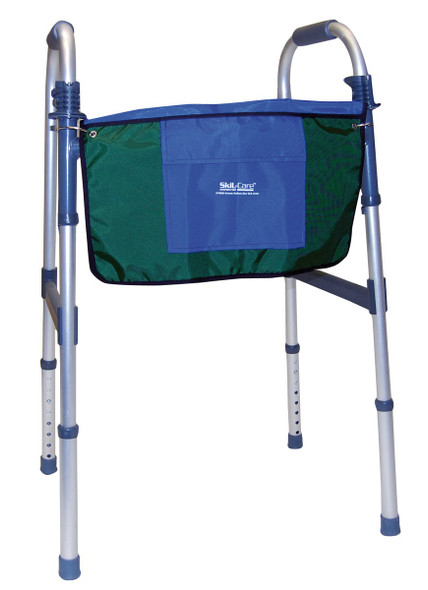
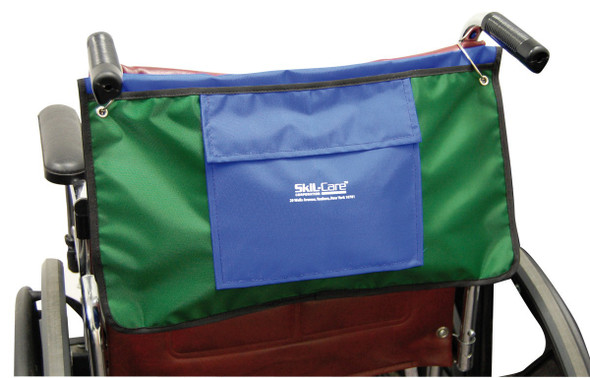
Skil-Care Wheelchair/Walker Handy Bag – Sizes 18in W X 11in L, Includes Manufacturer Instruction Manual
Skil-Care
$94.99Skil-Care Wheelchair/Walker Handy Bag brings steadier, more comfortable seating through the day to everyday wheelchair seating and positioning. With a 18"W x 11"L size to choose from, caregivers can...- SKU:
- 914396
$94.99 -


Skil-Care Solid Seat Platform – Sizes 18in W X 16in D, Wood Construction, for Professional and Home Care
Skil-Care
$87.99Skil-Care Solid Seat Platform brings steadier, more comfortable seating through the day to everyday wheelchair seating and positioning. With a 18"W x 16"D size to choose from, caregivers can pick the...- SKU:
- 703082
$87.99 -


Skil-Care Air Lift Seat Cushion – Sizes 17in W X 17in D to 22in W X 28in D, 2 Configurations
Skil-Care
$104.99 - $152.99Skil-Care Air Lift Seat Cushion is a dependable cushion built for everyday wheelchair seating and positioning. Configurations span sizes including 17"W X 17"D and 22"W x 28"D, in wheelchair...$104.99 - $152.99 -
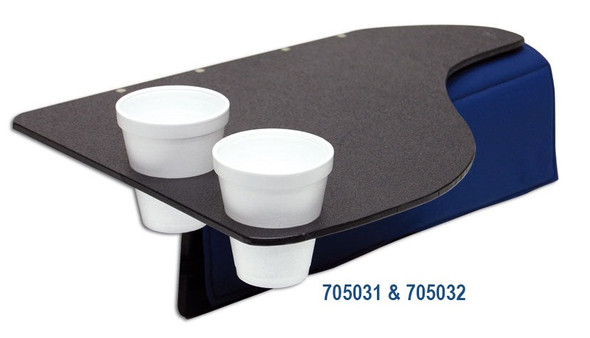
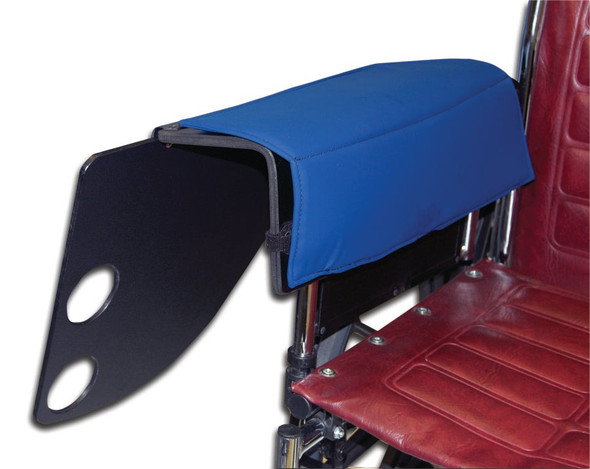
Skil-Care Wheelchair Flip Tray – Sizes 23in L X 19.5in W X 0.25in D, Includes Manufacturer Instruction Manual
Skil-Care
$242.99Skil-Care Wheelchair Flip Tray is a dependable tray built for everyday wheelchair seating and positioning. Configurations span a 23"L x 19.5"W x 0.25"D size, in sizes such as 23"L x 19.5"W x 0.25"D,...- SKU:
- 705031
$242.99 -
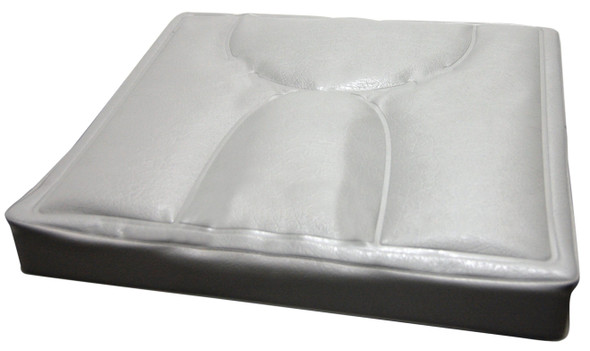
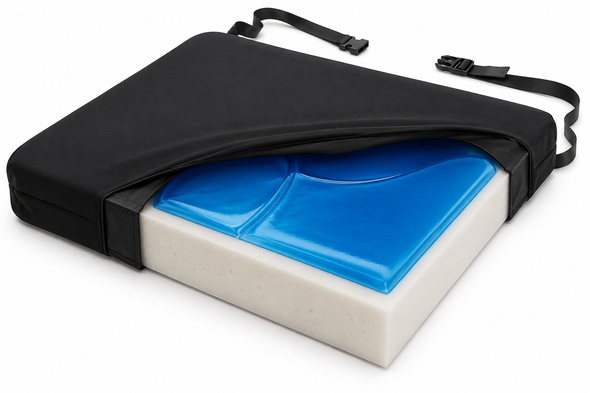
Skil-Care Stability Plus Gel-Foam Cushion – Sizes 16in W X 16in D X 2.5in H to 18in W X 16in D X 2.5in H
Skil-Care
$221.99Skil-Care Stability Plus Gel-Foam Cushion is a dependable cushion built for everyday wheelchair seating and positioning. Configurations span sizes including 16"W x 16"D x 2.5"H and 18"W x 16"D x 2...$221.99 -

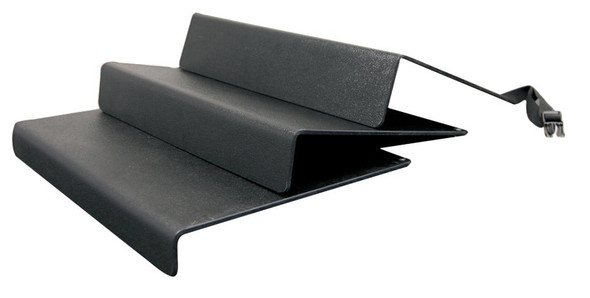
Skil-Care Wheelchair Wedged Base – Sizes 18in W X 16in D X 3in H, Plastic Construction, for Daily Care
Skil-Care
$137.99Skil-Care Wheelchair Wedged Base is a dependable wedge built for everyday wheelchair seating and positioning. Configurations span a 18"W x 16"D x 3"H size, starting with the Wheelchair Wedge Base,...- SKU:
- 914472
$137.99
About Wheelchairs
Wheelchairs are essential mobility aids designed to enhance the independence and comfort of individuals with limited or no ability to walk. Available in various styles, including sports wheelchairs, manual wheelchairs, power wheelchairs, pediatric models, wheelchair lifts, ramps, and accessories, these devices cater to diverse needs. Wheelchairs provide users with the ability to navigate daily life confidently, improving quality of life and promoting social engagement.
Why Wheelchairs Are Essential
Wheelchairs empower individuals with mobility challenges by offering a safe, reliable, and customizable means of transportation. They reduce physical strain, enhance independence, and enable users to participate in daily activities. Whether for temporary rehabilitation, chronic conditions, or specialized needs like sports or pediatric mobility, wheelchairs ensure comfort, convenience, and dignity.
What Are Wheelchairs?
Wheelchairs are mobility devices designed to assist individuals who have difficulty walking or are unable to walk. They feature a seat, wheels, and often customizable components to suit specific user requirements. From manual options to power-operated models, wheelchairs provide mobility solutions for diverse needs, ensuring safety and ease of use in various settings, including homes, workplaces, and recreational environments.
Types of Wheelchairs
1. Sports Wheelchairs
Best for: Individuals engaging in athletic activities or sports.
Sports wheelchairs are lightweight and ergonomically designed for optimal performance during high-movement activities.
Key Features
- Enhanced agility and speed for sports.
- Durable, lightweight materials like aluminum or titanium.
- Adjustable seating and wheels for maximum control.
Applications
- Wheelchair Basketball: Provides maneuverability and stability on the court.
- Tennis: Allows for quick turns and mobility on outdoor surfaces.
- Racing: Designed for speed and streamlined movement.
2. Manual Wheelchairs
Best for: Users who prefer self-propelled or caregiver-assisted mobility.
Manual wheelchairs are operated by the user or a caregiver, offering a lightweight and cost-effective mobility solution.
Key Features
- Foldable frames for easy storage and transport.
- Adjustable footrests and armrests for comfort.
- Variety of seat widths and materials for customization.
Applications
- Daily Mobility: Ideal for indoor and outdoor use.
- Rehabilitation: Supports temporary recovery needs.
- Caregiver Assistance: Suitable for assisted mobility.
3. Power Wheelchairs
Best for: Individuals with limited upper body strength or severe mobility challenges.
Power wheelchairs are motorized devices that provide effortless mobility and advanced control options.
Key Features
- Joystick controls for easy navigation.
- Rechargeable batteries for long-range travel.
- Advanced suspension systems for outdoor terrain.
Applications
- Chronic Conditions: Supports users with conditions like muscular dystrophy.
- Outdoor Use: Tackles uneven surfaces with ease.
- Custom Needs: Ideal for individuals requiring extensive customization.
4. Pediatric Wheelchairs
Best for: Children with mobility challenges requiring specialized support.
Pediatric wheelchairs are designed to accommodate the unique needs of children, providing comfort, safety, and adaptability.
Key Features
- Adjustable frames to grow with the child.
- Bright, engaging designs to suit children’s preferences.
- Lightweight and easy-to-maneuver construction.
Applications
- School Mobility: Enables independence in educational settings.
- Therapy Support: Assists in therapeutic activities.
- Everyday Use: Provides safety and comfort for daily movement.
5. Wheelchair Lifts
Best for: Overcoming barriers like stairs or elevated surfaces.
Wheelchair lifts are mechanical devices that allow users to ascend or descend stairs, improving accessibility in homes, vehicles, and public spaces.
Key Features
- Electric operation with safety controls.
- Compact designs for residential and vehicle use.
- Durable construction for indoor and outdoor applications.
Applications
- Home Accessibility: Provides stairlift solutions for multi-level homes.
- Vehicle Assistance: Ensures easy entry and exit for vehicles.
- Public Spaces: Improves accessibility in buildings and facilities.
6. Wheelchair Ramps
Best for: Ensuring smooth transitions over steps or uneven surfaces.
Wheelchair ramps are portable or fixed inclines that provide easy access to buildings, vehicles, or elevated areas.
Key Features
- Lightweight, foldable designs for portability.
- Non-slip surfaces for safety.
- Adjustable lengths to accommodate various heights.
Applications
- Home Entry: Facilitates access to porches and doorways.
- Vehicle Access: Allows easy wheelchair loading.
- Public Accessibility: Ensures compliance with ADA standards.
7. Wheelchair Accessories
Best for: Enhancing comfort, functionality, and usability.
Wheelchair accessories include items such as cushions, trays, storage pouches, and cup holders to personalize the user experience.
Key Features
- Padded cushions for pressure relief.
- Detachable trays for eating or working.
- Storage options for convenience during travel.
Applications
- Pressure Management: Reduces discomfort during extended use.
- Daily Activities: Provides space for personal items and meals.
- Enhanced Mobility: Adds practical features for everyday convenience.
Key Features of Wheelchairs
- Customizable Designs: Adjustable armrests, footrests, and seating for personalized comfort.
- Lightweight Frames: Aluminum and titanium options for easy portability.
- Advanced Technology: Motorized models with joystick controls and suspension systems.
- Durability: Built to withstand daily wear and tear for long-lasting use.
- Ergonomic Support: Cushioned seating and backrests for comfort and posture alignment.
- Accessibility Enhancements: Ramps and lifts to improve usability in various environments.
Real-World Use Cases
Case 1: Everyday Independence
An elderly user with limited mobility used a power wheelchair to regain independence, traveling freely both indoors and outdoors.
Case 2: Rehabilitation Support
A young adult recovering from spinal surgery relied on a manual wheelchair during rehabilitation, transitioning to walking aids as strength improved.
Case 3: Sports Mobility
An athlete with paraplegia used a sports wheelchair to participate in wheelchair basketball, benefiting from enhanced agility and speed.
Case 4: Pediatric Mobility
A child with cerebral palsy utilized a pediatric wheelchair, ensuring comfort and accessibility in school and therapy settings.
How to Choose the Right Wheelchair
- Mobility Needs: Assess the level of mobility required, from manual to motorized options.
- Intended Use: Consider whether the wheelchair is for indoor, outdoor, or sports activities.
- Customization: Look for adjustable features, such as seat size, armrests, and footrests.
- User Strength: For individuals with limited upper body strength, power wheelchairs may be the best choice.
- Environment: Choose ramps or lifts for enhanced accessibility in homes and vehicles.
- Consult Experts: Seek advice from healthcare providers or occupational therapists for tailored recommendations.
How to Use Wheelchairs
- Fit the Wheelchair: Adjust settings for optimal comfort and support.
- Practice Maneuvering: Learn how to navigate corners, ramps, and inclines.
- Safety First: Use seat belts and anti-tip features as needed.
- Maintain the Chair: Regularly check tires, brakes, and batteries for proper functioning.
- Use Accessories: Attach cushions, trays, or pouches for added convenience.
Benefits of Wheelchairs
- Increased Independence: Enables users to move freely and participate in daily activities.
- Enhanced Comfort: Ergonomic designs minimize strain and improve posture.
- Improved Accessibility: Lifts and ramps ensure seamless mobility in various settings.
- Customizable Features: Tailored options provide comfort and usability.
- Versatile Applications: Suitable for rehabilitation, sports, and long-term use.
Frequently Asked Questions (FAQs)
1. Are wheelchairs covered by insurance?
Yes, many wheelchairs are covered by insurance or Medicare if prescribed by a healthcare provider.
2. What is the difference between a manual and a power wheelchair?
Manual wheelchairs require physical effort to operate, while power wheelchairs are motorized and controlled by a joystick or remote.
3. Can wheelchairs be used outdoors?
Yes, many wheelchairs, especially power models and sports wheelchairs, are designed for outdoor use.
4. Are wheelchair ramps portable?
Yes, many ramps are foldable and lightweight, making them easy to transport and set up.
5. How do I maintain a wheelchair?
Regularly clean the wheelchair, check for wear and tear, and ensure tires and brakes are functioning correctly.
Related Products
Explore wheelchair cushions, storage pouches, and detachable trays to customize your wheelchair. Pair ramps and lifts with mobility scooters or rollators for comprehensive accessibility. Visit our blog for expert advice on wheelchair selection and maintenance.
Feel confident in your mobility with our wide range of Wheelchairs, including sports, manual, and power options. Designed for comfort, reliability, and independence, our products are tailored to meet your specific needs. Shop now and reclaim your freedom today!