
Advanced Wound Care
Advanced Wound Care products provide specialized solutions for managing complex wounds, promoting faster healing, and reducing the risk of infections. These products, including alginate dressings, antimicrobial dressings, collagen dressings, foam dressings, hydrocolloid dressings, hydrogel dressings, and Negative Pressure Wound Therapy (NPWT) systems, cater to a variety of wound types and stages. By addressing specific wound needs, advanced wound care products improve patient outcomes and enhance quality of life.
Why Advanced Wound Care Products Are Essential
Advanced wound care products are essential for treating chronic, complex, or slow-healing wounds. Traditional wound care products primarily protect the wound surface, but advanced wound care solutions go further by actively addressing moisture management, infection prevention, and tissue regeneration. These products are particularly beneficial for preventing complications in wounds with high exudate, infections, or poor circulation, ultimately reducing recovery time and improving overall quality of life.
What Are Advanced Wound Care Products?
Advanced wound care products are medical-grade dressings and therapies designed to optimize the healing of wounds with specific needs, such as chronic ulcers, post-surgical incisions, burns, or traumatic injuries. These products use innovative materials and technologies, such as alginate fibers, antimicrobial agents, hydrocolloid gels, and NPWT systems, to support wound healing. They help manage moisture, absorb exudate, reduce bacteria, and encourage the formation of new tissue, making them superior to traditional dressings.
Types of Advanced Wound Care Products
1. Alginate Dressings
Best for: Managing wounds with moderate to heavy exudate.
Alginate dressings are derived from seaweed and form a gel upon contact with wound fluid, effectively absorbing exudate and maintaining a moist healing environment.
Key Features
- High absorbency for effective exudate management.
- Maintains moisture for faster tissue regeneration.
- Biodegradable and gentle on sensitive skin.
Applications
- Venous Ulcers: Controls drainage in chronic wounds.
- Burn Wounds: Protects against contamination while hydrating the wound.
- Pressure Sores: Provides comfort and effective fluid absorption.
2. Antimicrobial Dressings
Best for: Preventing and treating infections in wounds at risk of bacterial contamination.
Infused with agents like silver, iodine, or honey, antimicrobial dressings combat harmful bacteria and biofilm formation while supporting healing.
Key Features
- Provides broad-spectrum antibacterial protection.
- Controls infections effectively.
- Available in foam, alginate, and other formats.
Applications
- Infected Wounds: Reduces bacterial load and promotes healing.
- Surgical Incisions: Prevents post-operative infections.
- Chronic Wounds: Protects diabetic or pressure ulcers from infection.
3. Collagen Dressings
Best for: Stimulating tissue regeneration in chronic or slow-healing wounds.
Collagen dressings provide a scaffold for new tissue growth, promoting faster healing and reducing inflammation in stalled wounds.
Key Features
- Encourages granulation and angiogenesis.
- Non-adherent for easy removal.
- Suitable for low-to-moderate exudate levels.
Applications
- Diabetic Ulcers: Speeds up healing in chronic wounds.
- Surgical Wounds: Supports tissue repair.
- Partial-Thickness Burns: Promotes regeneration of healthy skin.
4. Foam Dressings
Best for: Managing wounds with moderate to heavy exudate while providing cushioning and protection.
Foam dressings are soft, absorbent, and breathable, making them ideal for exuding wounds that require protection against pressure and friction.
Key Features
- High absorbency to manage fluid drainage.
- Maintains a moist wound environment.
- Cushions the wound site to reduce pressure.
Applications
- Pressure Ulcers: Provides comfort and protection for chronic sores.
- Burns: Shields against contaminants while soothing the wound.
- Post-Surgical Wounds: Manages exudate effectively in surgical sites.
5. Hydrocolloid Dressings
Best for: Maintaining a moist environment for shallow or low-exudate wounds.
Hydrocolloid dressings form a gel barrier upon contact with wound exudate, protecting and hydrating the wound while sealing it against contaminants.
Key Features
- Waterproof and adhesive for secure placement.
- Promotes faster healing through moisture retention.
- Long wear time reduces dressing changes.
Applications
- Blisters and Abrasions: Shields and cushions fragile skin.
- Minor Burns: Provides a soothing, protective barrier.
- Pressure Sores: Cushions early-stage ulcers.
6. Hydrogel Dressings
Best for: Hydrating dry wounds and soothing pain.
Hydrogel dressings are water-based products that cool and rehydrate wounds, making them effective for burns, necrotic wounds, and dry ulcers.
Key Features
- Rehydrates dry or necrotic wounds.
- Provides soothing relief for pain.
- Softens eschar to support debridement.
Applications
- Burn Wounds: Relieves pain and hydrates the wound bed.
- Dry Ulcers: Restores moisture to stalled wounds.
- Necrotic Wounds: Prepares wounds for cleaning and recovery.
7. Negative Pressure Wound Therapy (NPWT)
Best for: Promoting healing in complex, large, or deep wounds.
Negative Pressure Wound Therapy (NPWT) involves the use of a vacuum-assisted device to remove exudate and improve blood flow to the wound site. This therapy accelerates healing and minimizes the risk of infection.
Key Features
- Actively removes excess exudate and debris.
- Promotes granulation tissue formation and wound closure.
- Reduces bacterial colonization and biofilm formation.
Applications
- Surgical Wounds: Speeds up recovery for large incisions.
- Traumatic Injuries: Facilitates healing in deep or irregular wounds.
- Chronic Wounds: Effective for diabetic foot ulcers and pressure sores.
Key Features of Advanced Wound Care Products
- Moisture Management: Maintains an optimal moisture balance for faster tissue regeneration.
- Infection Prevention: Antimicrobial properties reduce bacterial colonization and biofilm formation.
- High Absorbency: Products like foam and alginate dressings manage moderate to heavy exudate effectively.
- Tissue Regeneration: Collagen and hydrogel dressings support cell growth and granulation.
- Versatility: Suitable for a wide range of wound types, including chronic, surgical, and traumatic injuries.
- Long Wear Time: Reduces the need for frequent dressing changes, enhancing patient comfort.
- Innovative Technologies: Includes advanced systems like NPWT for large or complex wounds.
Real-World Use Cases
Case 1: Chronic Diabetic Foot Ulcer
A patient with a non-healing diabetic ulcer used alginate dressings to manage high exudate and antimicrobial dressings to combat infection. The combined approach significantly reduced healing time and prevented complications.
Case 2: Post-Surgical Abdominal Wound
An NPWT device was used to treat a post-surgical wound, reducing exudate and supporting faster granulation tissue formation. The patient experienced quicker recovery with minimal scarring.
Case 3: Pressure Ulcer in a Bedridden Patient
Foam dressings provided cushioning and protection for a stage 2 pressure ulcer, reducing pain and preventing infection, which helped the wound heal effectively over time.
Case 4: Burn Wound Management
Hydrogel dressings soothed a second-degree burn, keeping the area hydrated, while hydrocolloid dressings supported the later healing stages by maintaining moisture and protecting new skin.
How to Choose the Right Advanced Wound Care Product
- Wound Type: Determine whether the wound is chronic, surgical, or traumatic.
- Exudate Levels: Use highly absorbent options like foam or alginate dressings for heavy exudate and hydrocolloid dressings for low exudate.
- Infection Risk: Choose antimicrobial dressings for infected wounds or those at high risk of bacterial colonization.
- Tissue Regeneration Needs: Select collagen or hydrogel dressings for wounds requiring enhanced granulation or hydration.
- Wound Depth: Use NPWT systems or ribbon dressings for deep, complex, or tunneling wounds.
- Consult a Professional: Work with a healthcare provider to determine the best product for your specific needs.
How to Use Advanced Wound Care Products
- Clean the Wound: Use sterile saline or wound cleansers to remove debris and bacteria.
- Assess the Wound: Determine the wound type, exudate level, and infection risk to select the appropriate product.
- Apply the Product: Place the dressing or device securely over the wound, ensuring proper fit and coverage.
- Monitor and Replace: Follow product-specific instructions for changing or monitoring dressings and NPWT systems.
- Consult Professionals: Regularly consult with a healthcare provider for ongoing wound assessment and adjustments.
Benefits of Advanced Wound Care Products
- Faster Healing: Supports tissue repair through moisture management and granulation promotion.
- Infection Prevention: Reduces bacterial load with antimicrobial properties and biofilm control.
- Comfort and Protection: Cushions the wound and reduces pain during application and removal.
- Fewer Dressing Changes: Long wear times reduce the need for frequent dressing replacements.
- Versatility: Suitable for a wide range of wounds, from chronic ulcers to traumatic injuries.
Frequently Asked Questions (FAQs)
1. What are advanced wound care products used for?
They are used to manage chronic and complex wounds, including ulcers, burns, surgical incisions, and traumatic injuries.
2. How often should dressings be changed?
Depending on the product and wound condition, dressings may be changed every 1–7 days or as recommended by a healthcare provider.
3. Is NPWT painful to use?
No, NPWT is typically well-tolerated and can even reduce wound-related pain by supporting healing.
4. Are these products covered by insurance?
Many advanced wound care products, including NPWT, are covered by insurance or Medicare when deemed medically necessary.
5. Can these products be used at home?
Yes, many advanced wound care products are designed for home use under medical supervision.
Related Products
Complete your care system with wound cleansers, adhesive removers, and skin prep barriers to complement advanced wound care products. Pair NPWT systems with foam or antimicrobial dressings for enhanced results. Visit our blog for expert guidance on wound care solutions.
Feel confident in your wound care with our Advanced Wound Care Products, including NPWT, alginate, foam, hydrocolloid, and antimicrobial dressings. Designed to promote faster healing and improve outcomes, our solutions meet the needs of complex wounds. Shop now and take the next step toward recovery!
Shop By Category
-


DermaRite DermaCol/Ag Collagen Silver Wound Dressing – CMC, Alginate and EDTA Blend, 10 per Box
DermaRite
$112.99 - $205.99The DermaRite DermaCol/Ag Collagen Dressing adds ionic silver and EDTA to the collagen blend for chronic wounds carrying bioburden concerns. It gels on contact with exudate, forming a soft sheet over...$112.99 - $205.99 -


DermaRite DermaCol 100 Collagen Wound Dressing Powder – 1 Gram Vials for Irregular Wound Beds
DermaRite
$203.99The DermaRite DermaCol 100 Collagen Powder pours pure collagen into the wound shapes a sheet cannot reach. Each one gram vial covers irregular beds, tunnels and undermined edges evenly. The powder...- SKU:
- 00300E
$203.99 -

DermaRite DermaCol 100 Collagen Wound Dressing Sheet – 100 Percent Collagen, Sterile, 10 per Box
DermaRite
$114.99 - $180.99The DermaRite DermaCol 100 Collagen Dressing Sheet is pure collagen with nothing else in the way. Its sterile sheet supports natural platelet aggregation, a first step in the body’s own wound...$114.99 - $180.99 -
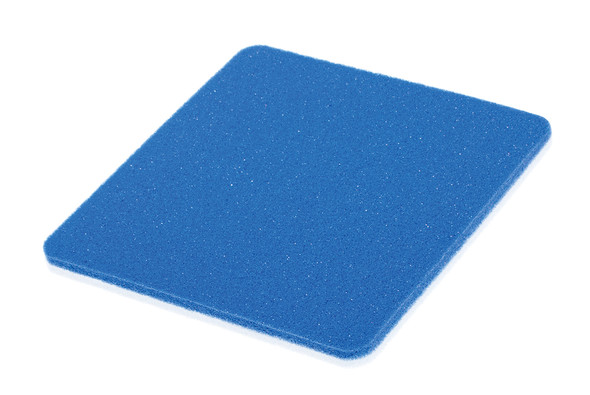

DermaRite DermaBlue+ Foam Transfer Antimicrobial Dressing – Thin Flexible Sheet for Cavity Wounds
DermaRite
$151.99 - $173.99The DermaRite DermaBlue+ Foam Transfer Dressing takes the DermaBlue+ antimicrobial formula into a thinner, more flexible sheet. That flexibility is made for cavity and deep pressure injuries where...$151.99 - $173.99 -


DermaRite DermaBlue+ Foam Antimicrobial Foam Dressing – Methylene Blue and Gentian Violet, 4 Sizes
DermaRite
$104.99 - $273.99The DermaRite DermaBlue+ Foam Dressing colors its antimicrobial action right into the foam with methylene blue and gentian violet. Those ingredients, plus silver zirconium phosphate, work against a...$104.99 - $273.99 -


DermaRite ComfortFoam Silicone Foam Dressing – Non-Border, Cut to Fit, Waterproof Backing, 10 per Box
DermaRite
$34.99 - $105.99The DermaRite ComfortFoam Foam Dressing is the borderless version clinicians trim to the wound in front of them. Its soft silicone contact surface absorbs exudate and holds a moist healing...$34.99 - $105.99 -


DermaRite ComfortFoam Border Silicone Foam Dressing – 5 Layer Island, Showerproof, Sacral and Heel
DermaRite
$39.99 - $99.99The DermaRite ComfortFoam Border Foam Dressing is the 5 layer silicone foam island that anchors this wound care line. Its silicone surface grips the skin around the wound but not the wound bed, so...$39.99 - $99.99 -

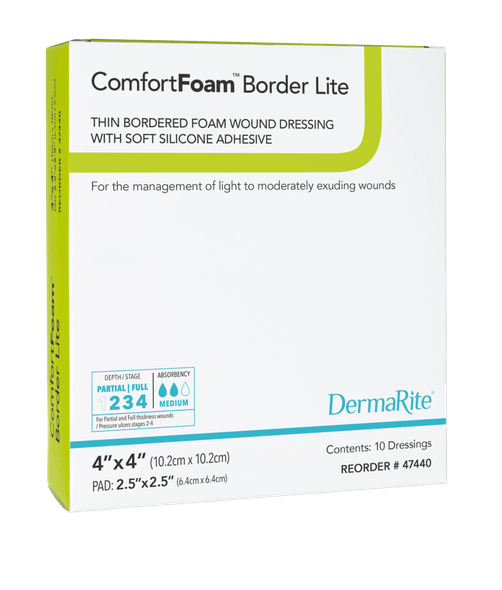
DermaRite ComfortFoam Border Lite Silicone Foam Dressing – Thin Profile Island, Showerproof Border
DermaRite
$37.99 - $73.99The DermaRite ComfortFoam Border Lite Dressing is the slimmer take on the classic silicone foam island. Its thin, absorbent pad conforms closely on smaller and lightly draining wounds where a full...$37.99 - $73.99 -


DermaRite ComfortFoam Ag Silicone Foam Dressing with Silver – Non-Border, Cut to Fit, 10 per Box
DermaRite
$121.99 - $166.99The DermaRite ComfortFoam Ag Foam Dressing is the non-border silver foam for wounds that need trimming to shape. Its soft silicone wound contact surface carries silver that helps reduce bacterial...$121.99 - $166.99 -


DermaRite ComfortFoam Ag Border Silicone Foam Dressing with Silver – 5 Layer Island, Showerproof
DermaRite
$80.99 - $135.99The DermaRite ComfortFoam Ag Border Foam Dressing brings silver into a soft silicone foam island for exuding wounds that need bioburden control. Silver ions help reduce bacterial colonization inside...$80.99 - $135.99 -


DermaRite ComfiTel Silicone Wound Contact Layer Dressing – Porous Mesh, Atraumatic Removal, 10 per Box
DermaRite
$43.99 - $174.99The DermaRite ComfiTel Silicone Contact Layer Dressing sits between the wound and the absorbent dressing so changes stop hurting. It adheres gently to intact skin but not to the wound itself, and its...$43.99 - $174.99 -


DermaRite Bordered Foam Fenestrated Dressing – 4 Inch Round, Radial Slit for Tube Sites, 10 per Box
DermaRite
$44.99The DermaRite Bordered Foam Fenestrated Dressing is shaped for the awkward job of dressing around tubes. Its round foam disc carries a radial slit and a starburst opening, so it slides around a tube...- SKU:
- 00288E
$44.99 -

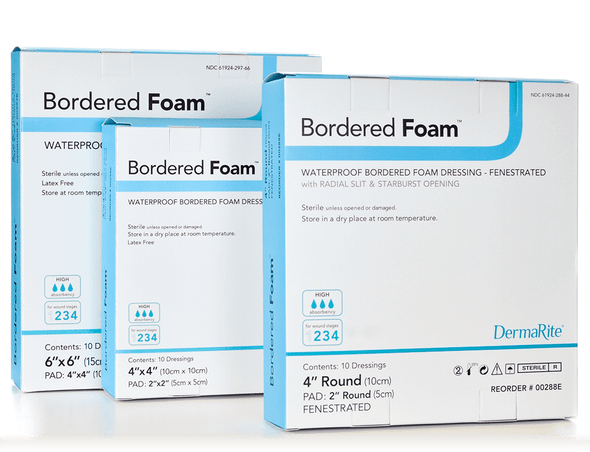
DermaRite Bordered Foam Waterproof Foam Dressing – Absorbs 20x Its Weight, Adhesive Island, 10 per Box
DermaRite
$44.99 - $47.99The DermaRite Bordered Foam Dressing pairs a thirsty hydrophilic foam pad with a waterproof adhesive backing in one island dressing. It absorbs up to 20 times its own weight in fluid, which matters...$44.99 - $47.99 -
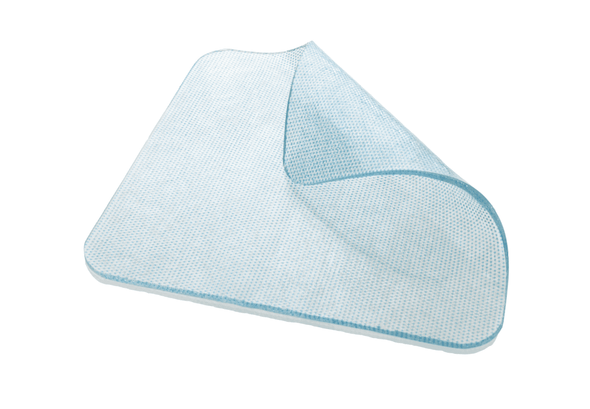

DermaRite AquaDerm Hydrogel Sheet Dressing – Clear, Cooling, Absorbs Minor Exudate, 10 per Box
DermaRite
$52.99 - $66.99The DermaRite AquaDerm Hydrogel Sheet Dressing lays a cool, soothing sheet over dry and lightly draining wounds. Patients often notice the cooling feel first, which helps reduce local pain in...$52.99 - $66.99 -
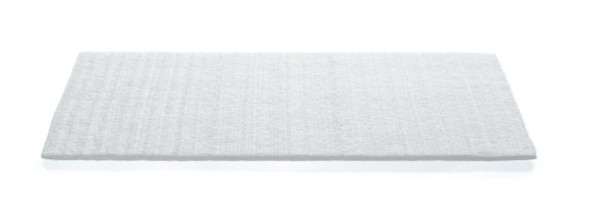

DermaRite AquaRite Extra CMC Gelling Fiber Wound Dressing – Highly Absorbent, Conforming, Latex Free
DermaRite
$66.99 - $98.99The DermaRite AquaRite Extra CMC Wound Dressing turns heavy exudate into a clear, soothing gel that stays where the wound needs it. For nurses managing draining pressure injuries and leg ulcers, that...$66.99 - $98.99 -


Hartmann Flexicol Thin Hydrocolloid Dressing, with Per-Configuration Pricing, Manufacturer Packaging
Hartmann
$51.99The Hartmann Flexicol Thin is a hydrocolloid dressing from Hartmann USA, built for dependable everyday performance in clinical and home care. On low to moderately exuding wounds, the Flexicol Thin...- SKU:
- 536120
$51.99 -


Hartmann Flexicol Sacral Hydrocolloid Dressing, with Per-Configuration Pricing, Manufacturer Packaging
Hartmann
$61.99The Hartmann Flexicol Sacral is a hydrocolloid dressing from Hartmann USA, built for dependable everyday performance in clinical and home care. On low to moderately exuding wounds, the Flexicol...- SKU:
- 536124
$61.99 -


Hartmann CollaSorb Collagen Dressing, with Per-Configuration Pricing, Manufacturer Packaging
Hartmann
$188.99The Hartmann CollaSorb is a collagen dressing from Hartmann USA, built for dependable everyday performance in clinical and home care. Chronic wounds that stall in the inflammatory phase often need...- SKU:
- 906003
$188.99 -
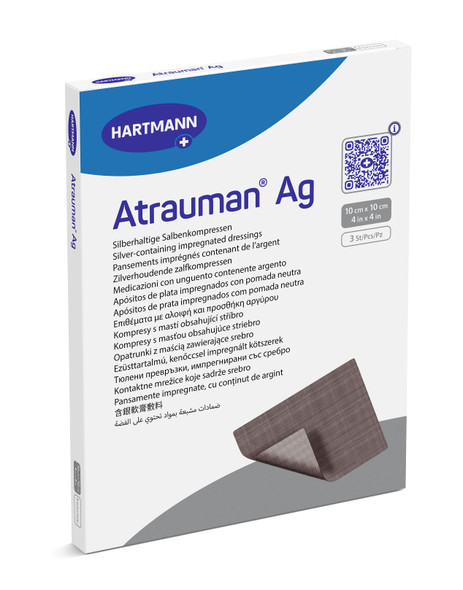

Hartmann Atrauman Ag Wound Contact Layer, with Per-Configuration Pricing, Manufacturer Packaging
Hartmann
$80.99 - $173.99The Hartmann Atrauman Ag is a wound contact layer from Hartmann USA, built for dependable everyday performance in clinical and home care. When a dressing must protect fragile new tissue without...$80.99 - $173.99 -

Hartmann Proximel Non-Border Ag Foam Dressing – for Exuding Wounds, with Per-Configuration Pricing
Hartmann
$413.99 - $1,073.99The Hartmann Proximel Non-Border Ag is a foam dressing from Hartmann USA, built for dependable everyday performance in clinical and home care. The Proximel Non-Border Ag earns its place on exuding...$413.99 - $1,073.99
About Advanced Wound Care
Advanced Wound Care products provide specialized solutions for managing complex wounds, promoting faster healing, and reducing the risk of infections. These products, including alginate dressings, antimicrobial dressings, collagen dressings, foam dressings, hydrocolloid dressings, hydrogel dressings, and Negative Pressure Wound Therapy (NPWT) systems, cater to a variety of wound types and stages. By addressing specific wound needs, advanced wound care products improve patient outcomes and enhance quality of life.
Why Advanced Wound Care Products Are Essential
Advanced wound care products are essential for treating chronic, complex, or slow-healing wounds. Traditional wound care products primarily protect the wound surface, but advanced wound care solutions go further by actively addressing moisture management, infection prevention, and tissue regeneration. These products are particularly beneficial for preventing complications in wounds with high exudate, infections, or poor circulation, ultimately reducing recovery time and improving overall quality of life.
What Are Advanced Wound Care Products?
Advanced wound care products are medical-grade dressings and therapies designed to optimize the healing of wounds with specific needs, such as chronic ulcers, post-surgical incisions, burns, or traumatic injuries. These products use innovative materials and technologies, such as alginate fibers, antimicrobial agents, hydrocolloid gels, and NPWT systems, to support wound healing. They help manage moisture, absorb exudate, reduce bacteria, and encourage the formation of new tissue, making them superior to traditional dressings.
Types of Advanced Wound Care Products
1. Alginate Dressings
Best for: Managing wounds with moderate to heavy exudate.
Alginate dressings are derived from seaweed and form a gel upon contact with wound fluid, effectively absorbing exudate and maintaining a moist healing environment.
Key Features
- High absorbency for effective exudate management.
- Maintains moisture for faster tissue regeneration.
- Biodegradable and gentle on sensitive skin.
Applications
- Venous Ulcers: Controls drainage in chronic wounds.
- Burn Wounds: Protects against contamination while hydrating the wound.
- Pressure Sores: Provides comfort and effective fluid absorption.
2. Antimicrobial Dressings
Best for: Preventing and treating infections in wounds at risk of bacterial contamination.
Infused with agents like silver, iodine, or honey, antimicrobial dressings combat harmful bacteria and biofilm formation while supporting healing.
Key Features
- Provides broad-spectrum antibacterial protection.
- Controls infections effectively.
- Available in foam, alginate, and other formats.
Applications
- Infected Wounds: Reduces bacterial load and promotes healing.
- Surgical Incisions: Prevents post-operative infections.
- Chronic Wounds: Protects diabetic or pressure ulcers from infection.
3. Collagen Dressings
Best for: Stimulating tissue regeneration in chronic or slow-healing wounds.
Collagen dressings provide a scaffold for new tissue growth, promoting faster healing and reducing inflammation in stalled wounds.
Key Features
- Encourages granulation and angiogenesis.
- Non-adherent for easy removal.
- Suitable for low-to-moderate exudate levels.
Applications
- Diabetic Ulcers: Speeds up healing in chronic wounds.
- Surgical Wounds: Supports tissue repair.
- Partial-Thickness Burns: Promotes regeneration of healthy skin.
4. Foam Dressings
Best for: Managing wounds with moderate to heavy exudate while providing cushioning and protection.
Foam dressings are soft, absorbent, and breathable, making them ideal for exuding wounds that require protection against pressure and friction.
Key Features
- High absorbency to manage fluid drainage.
- Maintains a moist wound environment.
- Cushions the wound site to reduce pressure.
Applications
- Pressure Ulcers: Provides comfort and protection for chronic sores.
- Burns: Shields against contaminants while soothing the wound.
- Post-Surgical Wounds: Manages exudate effectively in surgical sites.
5. Hydrocolloid Dressings
Best for: Maintaining a moist environment for shallow or low-exudate wounds.
Hydrocolloid dressings form a gel barrier upon contact with wound exudate, protecting and hydrating the wound while sealing it against contaminants.
Key Features
- Waterproof and adhesive for secure placement.
- Promotes faster healing through moisture retention.
- Long wear time reduces dressing changes.
Applications
- Blisters and Abrasions: Shields and cushions fragile skin.
- Minor Burns: Provides a soothing, protective barrier.
- Pressure Sores: Cushions early-stage ulcers.
6. Hydrogel Dressings
Best for: Hydrating dry wounds and soothing pain.
Hydrogel dressings are water-based products that cool and rehydrate wounds, making them effective for burns, necrotic wounds, and dry ulcers.
Key Features
- Rehydrates dry or necrotic wounds.
- Provides soothing relief for pain.
- Softens eschar to support debridement.
Applications
- Burn Wounds: Relieves pain and hydrates the wound bed.
- Dry Ulcers: Restores moisture to stalled wounds.
- Necrotic Wounds: Prepares wounds for cleaning and recovery.
7. Negative Pressure Wound Therapy (NPWT)
Best for: Promoting healing in complex, large, or deep wounds.
Negative Pressure Wound Therapy (NPWT) involves the use of a vacuum-assisted device to remove exudate and improve blood flow to the wound site. This therapy accelerates healing and minimizes the risk of infection.
Key Features
- Actively removes excess exudate and debris.
- Promotes granulation tissue formation and wound closure.
- Reduces bacterial colonization and biofilm formation.
Applications
- Surgical Wounds: Speeds up recovery for large incisions.
- Traumatic Injuries: Facilitates healing in deep or irregular wounds.
- Chronic Wounds: Effective for diabetic foot ulcers and pressure sores.
Key Features of Advanced Wound Care Products
- Moisture Management: Maintains an optimal moisture balance for faster tissue regeneration.
- Infection Prevention: Antimicrobial properties reduce bacterial colonization and biofilm formation.
- High Absorbency: Products like foam and alginate dressings manage moderate to heavy exudate effectively.
- Tissue Regeneration: Collagen and hydrogel dressings support cell growth and granulation.
- Versatility: Suitable for a wide range of wound types, including chronic, surgical, and traumatic injuries.
- Long Wear Time: Reduces the need for frequent dressing changes, enhancing patient comfort.
- Innovative Technologies: Includes advanced systems like NPWT for large or complex wounds.
Real-World Use Cases
Case 1: Chronic Diabetic Foot Ulcer
A patient with a non-healing diabetic ulcer used alginate dressings to manage high exudate and antimicrobial dressings to combat infection. The combined approach significantly reduced healing time and prevented complications.
Case 2: Post-Surgical Abdominal Wound
An NPWT device was used to treat a post-surgical wound, reducing exudate and supporting faster granulation tissue formation. The patient experienced quicker recovery with minimal scarring.
Case 3: Pressure Ulcer in a Bedridden Patient
Foam dressings provided cushioning and protection for a stage 2 pressure ulcer, reducing pain and preventing infection, which helped the wound heal effectively over time.
Case 4: Burn Wound Management
Hydrogel dressings soothed a second-degree burn, keeping the area hydrated, while hydrocolloid dressings supported the later healing stages by maintaining moisture and protecting new skin.
How to Choose the Right Advanced Wound Care Product
- Wound Type: Determine whether the wound is chronic, surgical, or traumatic.
- Exudate Levels: Use highly absorbent options like foam or alginate dressings for heavy exudate and hydrocolloid dressings for low exudate.
- Infection Risk: Choose antimicrobial dressings for infected wounds or those at high risk of bacterial colonization.
- Tissue Regeneration Needs: Select collagen or hydrogel dressings for wounds requiring enhanced granulation or hydration.
- Wound Depth: Use NPWT systems or ribbon dressings for deep, complex, or tunneling wounds.
- Consult a Professional: Work with a healthcare provider to determine the best product for your specific needs.
How to Use Advanced Wound Care Products
- Clean the Wound: Use sterile saline or wound cleansers to remove debris and bacteria.
- Assess the Wound: Determine the wound type, exudate level, and infection risk to select the appropriate product.
- Apply the Product: Place the dressing or device securely over the wound, ensuring proper fit and coverage.
- Monitor and Replace: Follow product-specific instructions for changing or monitoring dressings and NPWT systems.
- Consult Professionals: Regularly consult with a healthcare provider for ongoing wound assessment and adjustments.
Benefits of Advanced Wound Care Products
- Faster Healing: Supports tissue repair through moisture management and granulation promotion.
- Infection Prevention: Reduces bacterial load with antimicrobial properties and biofilm control.
- Comfort and Protection: Cushions the wound and reduces pain during application and removal.
- Fewer Dressing Changes: Long wear times reduce the need for frequent dressing replacements.
- Versatility: Suitable for a wide range of wounds, from chronic ulcers to traumatic injuries.
Frequently Asked Questions (FAQs)
1. What are advanced wound care products used for?
They are used to manage chronic and complex wounds, including ulcers, burns, surgical incisions, and traumatic injuries.
2. How often should dressings be changed?
Depending on the product and wound condition, dressings may be changed every 1–7 days or as recommended by a healthcare provider.
3. Is NPWT painful to use?
No, NPWT is typically well-tolerated and can even reduce wound-related pain by supporting healing.
4. Are these products covered by insurance?
Many advanced wound care products, including NPWT, are covered by insurance or Medicare when deemed medically necessary.
5. Can these products be used at home?
Yes, many advanced wound care products are designed for home use under medical supervision.
Related Products
Complete your care system with wound cleansers, adhesive removers, and skin prep barriers to complement advanced wound care products. Pair NPWT systems with foam or antimicrobial dressings for enhanced results. Visit our blog for expert guidance on wound care solutions.
Feel confident in your wound care with our Advanced Wound Care Products, including NPWT, alginate, foam, hydrocolloid, and antimicrobial dressings. Designed to promote faster healing and improve outcomes, our solutions meet the needs of complex wounds. Shop now and take the next step toward recovery!